
Sheep Feed Pelletizer: Processing Lucerne and Hay
The transformation of loose lucerne and hay into dense, nutritious pellets represents a critical advancement for sheep farmers across South Africa. A specialized pelletizer converts raw forage materials into uniform feed pellets that deliver consistent nutrition while drastically reducing waste. This technology addresses the unique challenges of sheep nutrition in South African agricultural conditions.
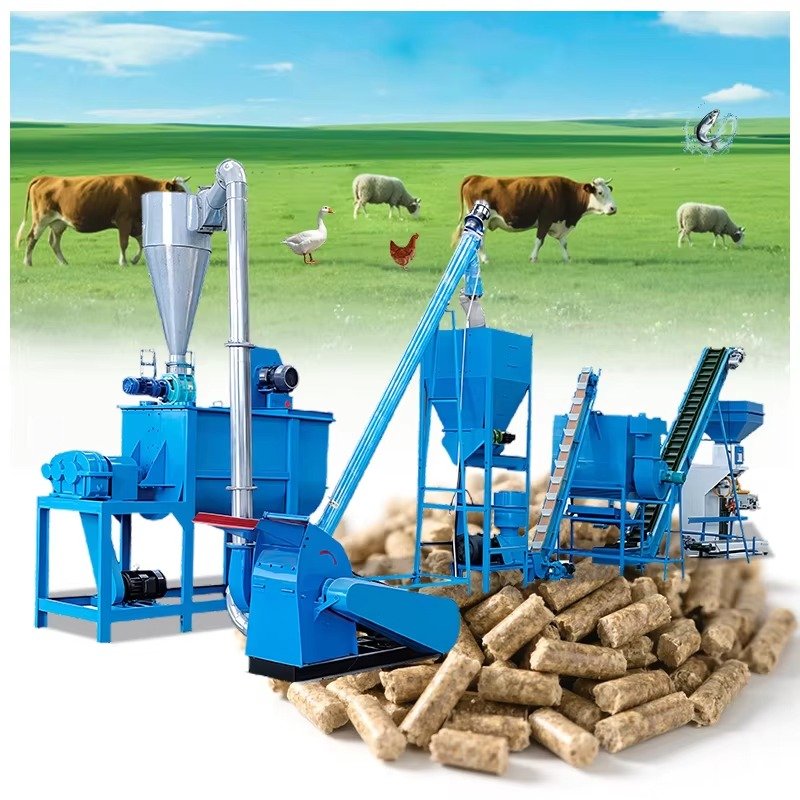
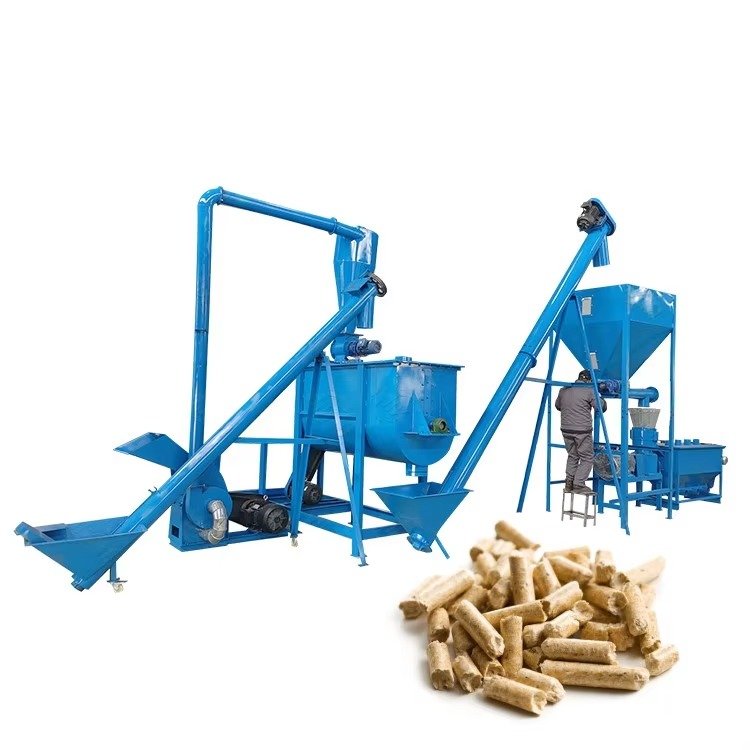
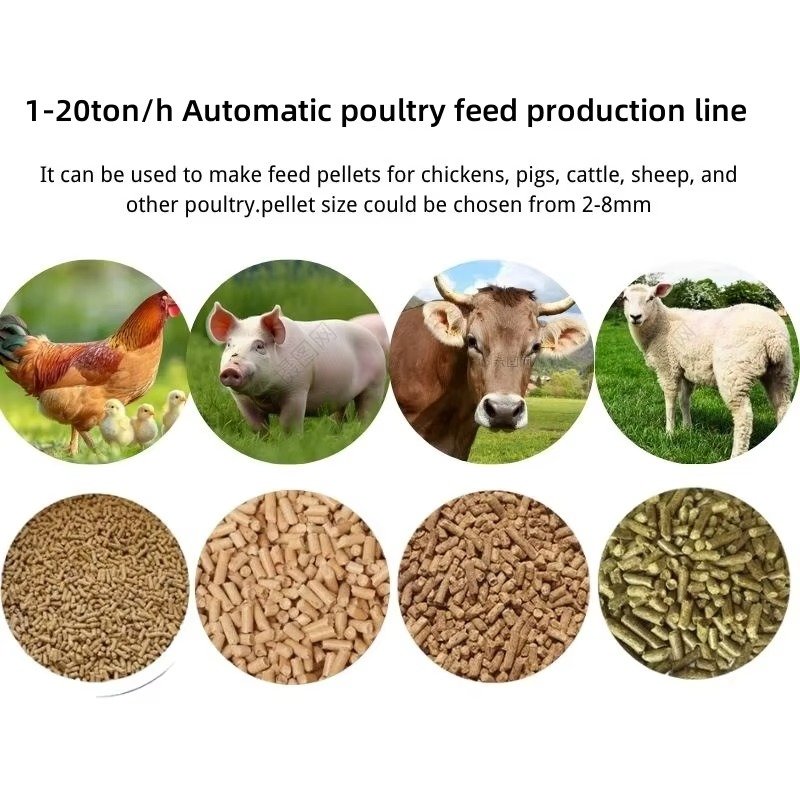
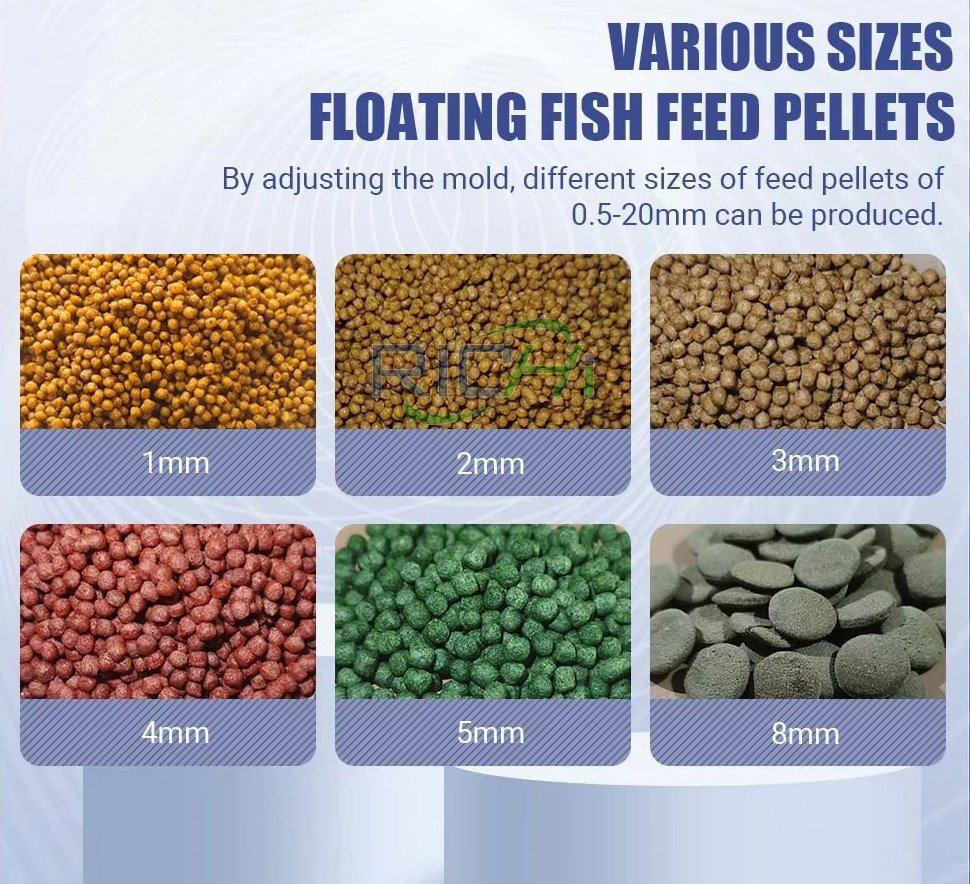
South African sheep operations face mounting pressure from rising feed costs, seasonal forage availability fluctuations, and the need for efficient feed storage solutions. Traditional loose hay feeding results in substantial waste—often 20-30% of material—due to trampling, spoilage, and selective feeding behaviors. A properly selected pellet machine eliminates these inefficiencies while delivering measurable improvements to animal health and farm profitability.
This comprehensive guide examines the technical specifications, operational considerations, and economic benefits of sheep feed pelletizers specifically designed for lucerne and hay processing. Whether you manage a small-scale sheep operation or oversee large commercial livestock production, understanding pelletizer technology enables informed investment decisions that directly impact your bottom line.
Get Expert Consultation for Your Sheep Feeding Operation
MAIKONG brings 20+ years of pelletizer manufacturing experience to South African livestock producers. Our technical team provides free consultations to help you select the optimal pellet machine configuration for your specific lucerne and hay processing requirements.
Understanding Pelletizer Technology for Sheep Feed Applications
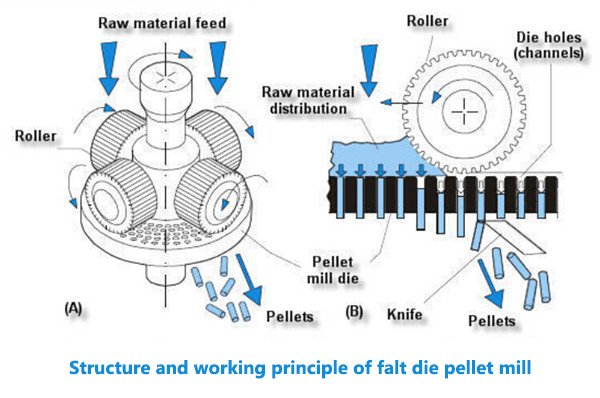
A pelletizer operates through mechanical compression and controlled heat generation to transform fibrous materials into cohesive cylindrical pellets. The core pelletizing mechanism consists of a rotating die with precisely drilled holes and compression rollers that force ground material through these openings. As raw material passes through the die channels under extreme pressure, friction generates temperature increases that activate natural lignin binding properties within the forage.
For lucerne and hay processing, the pelletizing process begins with particle size reduction via a hammer mill or similar grinding equipment. Optimal particle dimensions range from 3-5mm for efficient pellet formation. The ground forage then enters a conditioning chamber where steam or moisture addition adjusts content to ideal levels—typically 14-16% for lucerne and 12-14% for grass hay. This moisture conditioning significantly improves pellet durability and reduces energy consumption during compression.
The die configuration plays a crucial role in determining pellet quality and production efficiency. Flat die pelletizers work well for small to medium operations, offering simplified maintenance and lower initial investment. Ring die systems deliver higher throughput capacity for large-scale commercial production. The die hole diameter—commonly 6-8mm for sheep feed—determines final pellet size, while hole length to diameter ratio (typically 8:1 to 12:1) affects pellet density and durability.
Key Pelletizer Components
- Feeding system with variable speed control for consistent material flow
- Conditioning chamber for moisture and temperature optimization
- Compression die and roller assembly (heart of pelletizing process)
- Cutting blade system for precise pellet length control
- Cooling system to reduce pellet temperature and stabilize structure
- Screening mechanism to separate fines from finished pellets
Critical Performance Factors
- Energy consumption typically 15-25 kWh per ton of pellets made
- Pellet durability index (PDI) target above 95% for transport resilience
- Production capacity range from 200kg/hour to 5+ tons/hour
- Moisture content reduction from 15-18% to 10-12% in finished product
- Die and roller lifespan affecting long-term operational costs
- Temperature control preventing nutrient degradation during processing
Modern pelletizer designs incorporate automated control systems that monitor critical parameters including die temperature, amperage draw, production rate, and pellet quality metrics. These systems adjust operational parameters in real-time to maintain consistent output quality despite variations in raw material characteristics. For South African operations dealing with seasonal variations in lucerne and hay properties, this adaptive control capability proves essential for maintaining production consistency.
Specific Considerations for Lucerne and Hay Processing
Lucerne (alfalfa) presents unique pelletizing challenges and opportunities compared to grass hay varieties. The higher protein content and leaf-to-stem ratio of lucerne requires careful attention to grinding and conditioning parameters. Lucerne’s natural leaf structure tends toward powder formation during grinding, potentially creating die blockage issues if particle size distribution isn’t properly managed. A properly configured hammer mill with appropriate screen size selection ensures optimal particle dimensions for subsequent pelletizing.
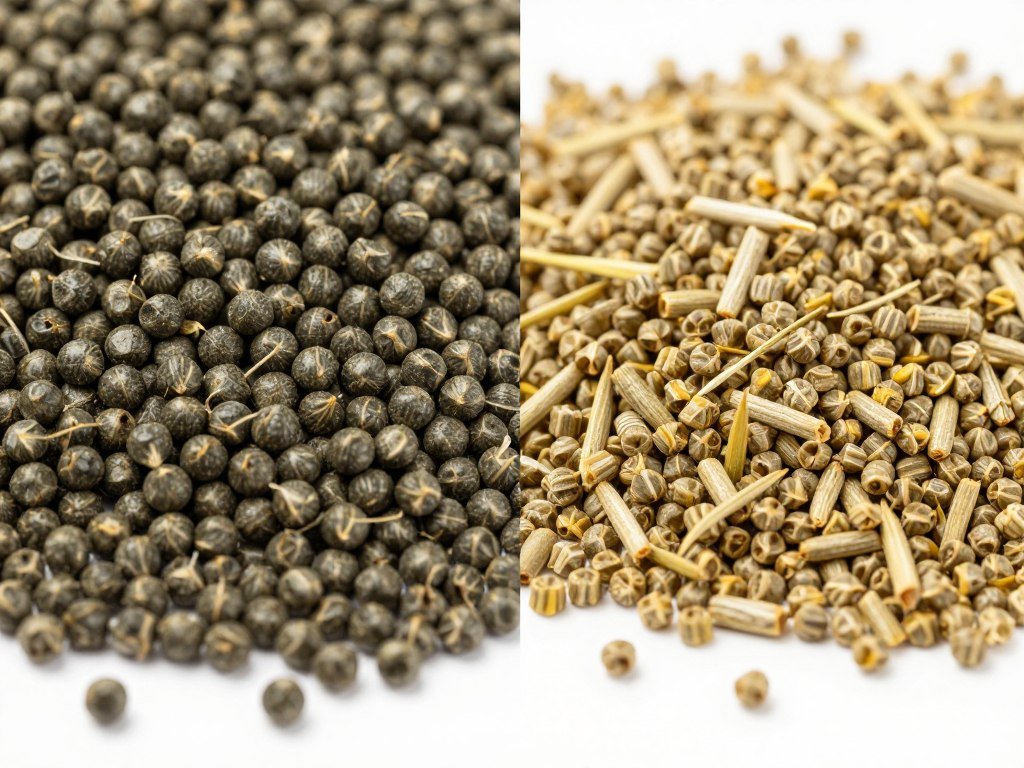
The moisture content of incoming lucerne significantly impacts pelletizing performance and final pellet quality. Lucerne harvested at optimal maturity typically contains 8-10% moisture when properly cured. For efficient pelletizing, moisture levels should be adjusted to 14-16% through steam conditioning or water addition. This moisture range activates the natural binding properties of proteins and lignins within lucerne while providing lubrication that reduces die wear and energy consumption.
| Material Type | Optimal Moisture for Pelletizing | Typical Protein Content | Die Temperature Range | Energy Required (kWh/ton) |
| Early-cut Lucerne | 15-17% | 18-22% | 75-85°C | 18-22 |
| Mid-maturity Lucerne | 14-16% | 16-18% | 70-80°C | 16-20 |
| Grass Hay (Eragrostis) | 12-14% | 8-10% | 80-90°C | 20-25 |
| Teff Hay | 12-15% | 10-12% | 75-85°C | 18-23 |
| Mixed Lucerne/Grass | 13-15% | 12-15% | 75-85°C | 17-21 |
Grass hay varieties common in South Africa—including Eragrostis (Lovegrass), Teff, and natural veld grass—exhibit different pelletizing characteristics than lucerne. These materials typically contain higher fiber levels and lower protein content. The increased fiber content can actually benefit pellet durability but may require higher processing temperatures and increased energy consumption to achieve proper binding. The optimal die temperature for grass hay pelletizing typically runs 5-10°C higher than lucerne.
Seasonal variations in hay quality demand operational flexibility from your pelletizer system. Spring-harvested lucerne differs substantially from summer or autumn cuts in terms of stem thickness, leaf retention, and protein content. A versatile pellet machine accommodates these variations through adjustable die gap settings, variable conditioning times, and flexible moisture addition systems. This adaptability ensures consistent pellet quality regardless of seasonal material characteristics.
Advantages of Lucerne Pelletizing
- Preserves protein content and nutritional value through controlled processing
- Reduces leaf loss that occurs with loose lucerne handling
- Creates uniform feed preventing selective feeding behaviors
- Significantly reduces storage space requirements (3:1 volume reduction)
- Minimizes waste from trampling and refusal (20-30% reduction)
- Improves digestibility through particle size optimization
- Enables precise ration formulation with supplements
Challenges to Address
- Initial capital investment in pelletizer equipment
- Operational energy consumption costs
- Die and roller wear requiring periodic replacement
- Need for consistent raw material quality and preparation
- Learning curve for optimal operational parameters
- Potential heat damage to vitamins if temperature exceeds limits
Blending lucerne with grass hay or other forage sources creates balanced rations while optimizing pelletizing performance. A typical blend might combine 60% lucerne with 40% grass hay, achieving both nutritional targets and favorable pelletizing characteristics. The grass hay component provides structural fiber that enhances pellet durability, while lucerne contributes protein and natural binding properties. Such blended pellets often demonstrate superior durability compared to single-source materials.
Pelletizer Machine Selection Criteria for Sheep Operations
Selecting the appropriate pelletizer machine requires careful analysis of your operational scale, feed requirements, and investment capacity. Small-scale sheep operations with 100-500 head typically require production capacity of 200-500 kg per hour, manageable with compact flat die pelletizers. Mid-sized operations (500-2,000 head) benefit from machines producing 500-1,500 kg hourly. Large commercial enterprises exceeding 2,000 sheep demand industrial ring die systems capable of 2-5+ tons per hour.
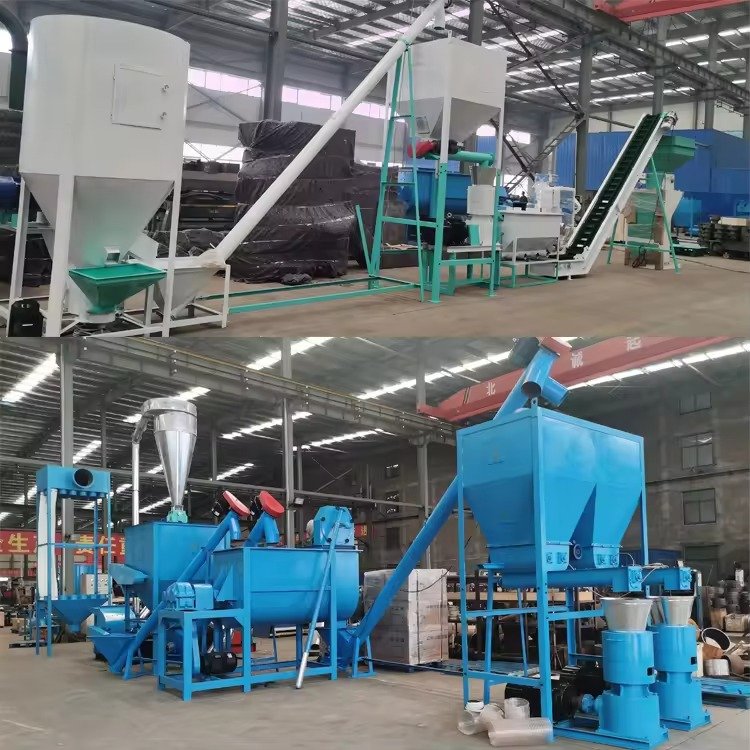
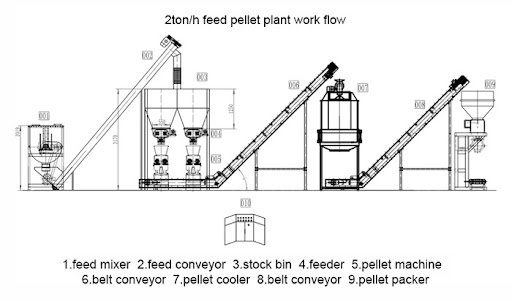
The pelletizer machine functions extend beyond simple compression. Modern machines integrate multiple operational stages within a compact footprint. A complete system typically includes raw material intake with surge bin, hammer mill for grinding, conditioning chamber for moisture and temperature adjustment, compression section with die and rollers, discharge cooling system, and final screening to separate fines from finished product. Understanding how these integrated pelletizer machine functions work together ensures optimal system design for your needs.
Flat Die Pelletizers
Flat die machines position the compression die horizontally with rollers rotating above. Raw material drops onto the die surface, and rollers compress it through vertical holes. This design offers several advantages for smaller operations.
- Lower initial investment (40-60% less than ring die systems)
- Simpler maintenance with accessible die and roller replacement
- Suitable for operations producing 200-1,500 kg per hour
- Effective with high-fiber materials like grass hay
- Compact footprint ideal for limited space
- Generally better for operations with variable production needs
Ring Die Pelletizers
Ring die systems utilize a vertical cylindrical die with internal compression rollers. Material is forced outward through radial holes in the die ring. This configuration excels in high-volume commercial applications.
- Superior production capacity (1-10+ tons per hour possible)
- Higher pellet quality consistency and durability
- Better energy efficiency at scale (lower kWh per ton)
- Longer die and roller lifespan under proper operation
- More stable operation with consistent material feed
- Optimal for continuous production in large plant settings
Power requirements directly correlate with production capacity and material type. A 200-300 kg/hour flat die pelletizer typically requires 15-22 kW motor capacity. Medium systems (500-800 kg/hour) need 30-45 kW, while large ring die units demand 75-160 kW for multi-ton hourly outputs. Beyond the main pelletizer motor, factor in power for auxiliary equipment including hammer mill, conveyors, coolers, and control systems.
Die specifications merit careful consideration as they fundamentally determine pellet characteristics. For sheep feed, die hole diameters of 6mm work well for lambs, while 8mm suits adult sheep. The compression ratio—determined by hole length divided by diameter—affects pellet durability and energy consumption. Higher ratios (10:1 to 12:1) create denser, more durable pellets but consume more energy. Lower ratios (6:1 to 8:1) reduce power draw but may sacrifice pellet integrity during handling.
Find the Perfect Pelletizer for Your Sheep Operation
MAIKONG’s technical specialists help South African sheep farmers select optimal pelletizer configurations based on flock size, feed requirements, and budget. Request a free capacity analysis and equipment recommendation tailored to your specific lucerne and hay processing needs.
Automation level affects both operational efficiency and labor requirements. Basic manual systems require constant operator attention for material feeding, die adjustment, and quality monitoring. Semi-automated systems incorporate automatic feeding and basic parameter monitoring. Fully automated production lines feature PLC control, automatic recipe adjustment, real-time quality monitoring, and remote diagnostics. While automation increases initial investment, labor savings and quality consistency often justify the cost for operations exceeding 1 ton per hour capacity.
Pelletizer Machine Safety Hazard Management
Operating pelletizing equipment involves several inherent pelletizer machine safety hazards that require systematic management protocols. The primary risk categories include mechanical entanglement points, dust explosion potential, thermal exposure, noise hazards, and electrical dangers. A comprehensive safety program addresses each hazard through equipment design, operational procedures, and personnel training.
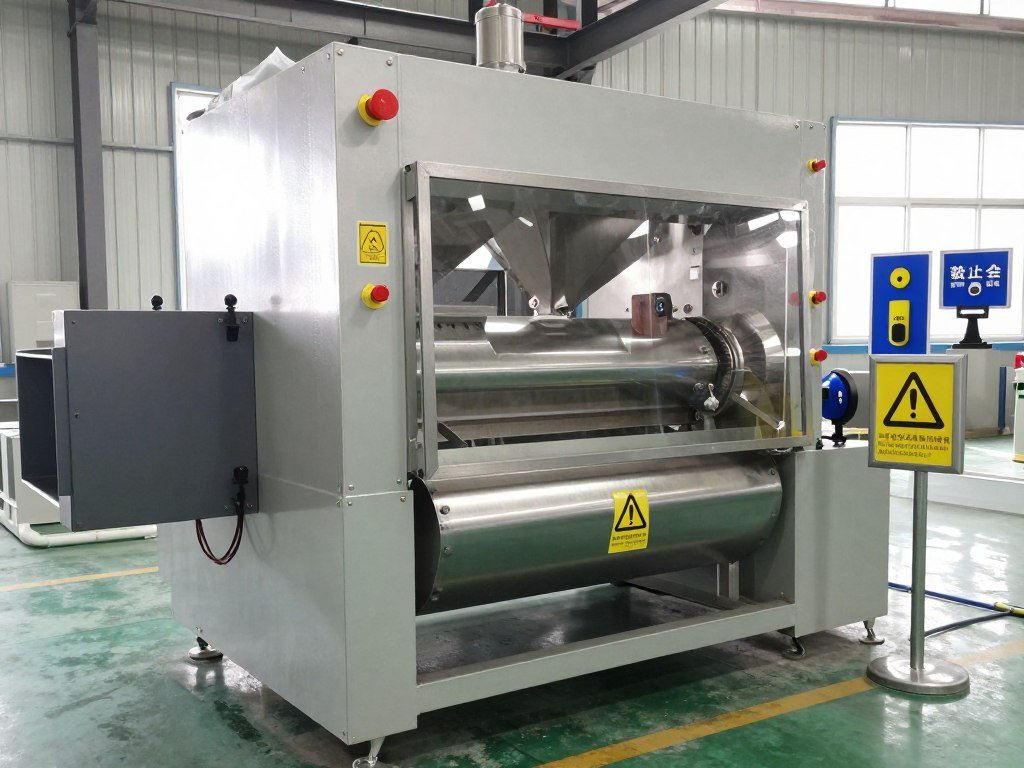
Mechanical hazards represent the most immediate pelletizer machine safety hazard concern. Rotating die and roller assemblies create powerful pinch points capable of causing severe injury. The hammer mill grinding section generates high-speed impacts that can propel foreign objects with dangerous force. Proper pelletizer machine safety measures include interlocked safety guards preventing access during operation, emergency stop systems within easy reach of all work positions, and lockout/tagout procedures for maintenance activities.
Critical Pelletizer Machine Safety Hazard Areas
- Material intake points: Rotating augers and feeding mechanisms present entanglement risks
- Die and roller section: Extreme compression forces and rotating components
- Discharge area: Hot pellets (70-90°C) present burn hazards
- Dust accumulation zones: Explosive dust concentrations in poorly ventilated areas
- Electrical panels: High-voltage systems requiring qualified service personnel
- Conveyor systems: Moving belts creating pinch points and entanglement zones
Dust management constitutes a dual hazard—respiratory health concerns and explosion risk. Fine organic dust from hay and lucerne grinding creates an explosive atmosphere when suspended in air at sufficient concentration. Effective pelletizer machine safety measures incorporate dust collection systems maintaining negative pressure at all dust generation points. Proper ventilation systems exchange air at rates preventing dangerous accumulation. Electrical equipment in dust-prone areas requires explosion-proof rated components.
Essential Pelletizer Machine Safety Measures
- Interlocked guards on all rotating equipment preventing operation when open
- Emergency stop buttons positioned every 10 meters along production line
- Comprehensive dust collection maintaining clean air below explosive limits
- Personal protective equipment: hearing protection, safety glasses, dust masks
- Regular maintenance schedule addressing wear and potential failures
- Clear warning signage identifying hazard zones in multiple languages
- Operator training covering normal operation and emergency procedures
- Hot surface guards and warning labels on discharge systems
Operational Safety Protocols
- Pre-start inspection checklist verifying all guards and safety systems
- Lockout/tagout procedures for all maintenance and cleaning activities
- Confined space entry protocols for inside-equipment work
- Fire extinguishers rated for electrical and combustible dust fires
- First aid stations positioned near operating areas
- Regular safety audits identifying and correcting deficiencies
- Incident reporting system tracking near-misses and actual events
- Hot work permits for welding or grinding near equipment
Noise levels in pelletizing plants frequently exceed 85 decibels, requiring hearing protection in designated zones. The hammer mill section typically generates the highest noise levels (95-105 dB), followed by the pelletizer compression area (85-95 dB). Implementing pelletizer machine safety measures for noise control includes acoustical enclosures around loud components, vibration dampening mounts, and mandatory hearing protection zones clearly marked with signage.
Maintenance safety deserves particular emphasis as many accidents occur during service activities rather than normal operation. Established pelletizer machine safety measures require complete equipment shutdown and energy isolation before accessing internal components. Lockout/tagout procedures prevent unexpected equipment startup during maintenance. Proper die and roller replacement procedures address the weight and precision positioning requirements of these heavy components.
Optimizing Pelletizer Operational Efficiency
Achieving maximum production efficiency while maintaining pellet quality requires attention to multiple interrelated operational parameters. The pelletizing process represents a delicate balance between energy consumption, throughput rate, and final product quality. South African operators face additional challenges including variable electrical supply quality and climate extremes affecting raw material characteristics.
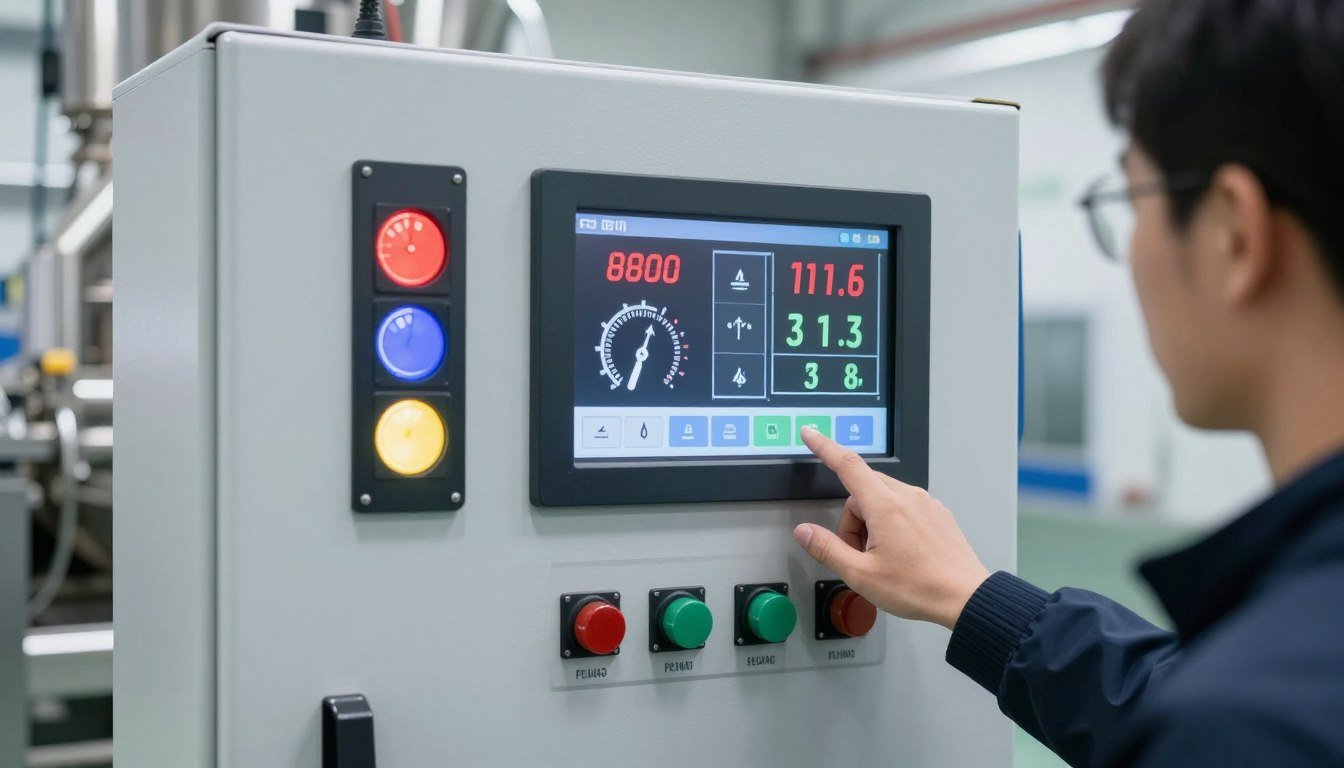
Raw material preparation fundamentally determines downstream pelletizing success. Particle size consistency from the hammer mill directly impacts die fill rate and pellet durability. Screen selection in the hammer mill should produce particles averaging 3-5mm with minimal fines below 1mm. Excessive fines create powder that passes through the die without proper compression, reducing pellet quality. Oversized particles increase energy consumption and create inconsistent pellet structure.
Moisture conditioning represents the single most impactful variable for pellet quality improvement and energy reduction. Adding steam or water to achieve optimal moisture levels (14-16% for lucerne, 12-14% for grass hay) provides multiple benefits. Moisture acts as a lubricant reducing friction between material and die surfaces, lowering energy consumption by 15-25%. Proper moisture activates natural binding agents (lignin, protein) improving pellet durability. The conditioning process also increases temperature, making material more plastic and easier to compress.
Key Performance Indicators for Pelletizer Efficiency
- Specific energy consumption: Target 16-22 kWh per ton for lucerne, 20-25 kWh for grass hay
- Pellet durability index (PDI): Maintain above 95% for transport and handling resilience
- Production rate stability: Variation less than ±5% indicates consistent operation
- Fines generation: Below 3% of total output demonstrates proper pellet formation
- Die and roller lifespan: Properly operated systems achieve 2,000+ hours between replacements
- Overall equipment effectiveness (OEE): World-class pelletizing operations exceed 85% OEE
Die and roller maintenance directly impacts both production efficiency and energy consumption. New die and rollers require a “break-in” period where abrasive material (like sand-mixed feed) polishes the compression surfaces. This break-in creates optimal surface finish for efficient pelletizing. As components wear, compression efficiency decreases and energy draw increases. Monitoring amperage trends identifies when component replacement becomes economically justified—typically when power consumption increases 15-20% above baseline.
Temperature control prevents nutrient degradation while maintaining pellet formation quality. Excessive die temperatures (above 90-95°C) begin damaging heat-sensitive vitamins and can denature proteins. Insufficient temperature (below 65-70°C) fails to activate binding mechanisms resulting in weak pellets. Proper cooling after extrusion stabilizes pellet structure and reduces moisture content to safe storage levels (below 12%).
Startup Optimization
- Preheat die using low-quality material before production feed
- Gradually increase feed rate to design capacity over 15-20 minutes
- Monitor amperage and temperature until stable operating conditions achieved
- Check pellet quality every 5 minutes during ramp-up period
Steady-State Operation
- Maintain consistent material feed rate avoiding surges and gaps
- Monitor die temperature maintaining within ±5°C of target
- Sample pellets hourly for durability and moisture testing
- Track energy consumption identifying efficiency deviations
Shutdown Procedures
- Flush system with 10-15kg absorbent material (rice hulls or sawdust)
- Continue operation until die is cleared of main product
- Stop feeding but allow pelletizer to run 2-3 minutes for complete discharge
- Clean dust accumulation from all accessible surfaces
Economic Analysis: Investment and Return Considerations
Evaluating pelletizer investment requires comprehensive analysis extending beyond initial equipment cost. Total cost of ownership includes capital expenditure, installation, ongoing operational expenses, maintenance requirements, and potential revenue enhancements from improved feed quality. South African sheep operations must also consider local factors including electrical tariff structures, labor costs, and seasonal feed price fluctuations.
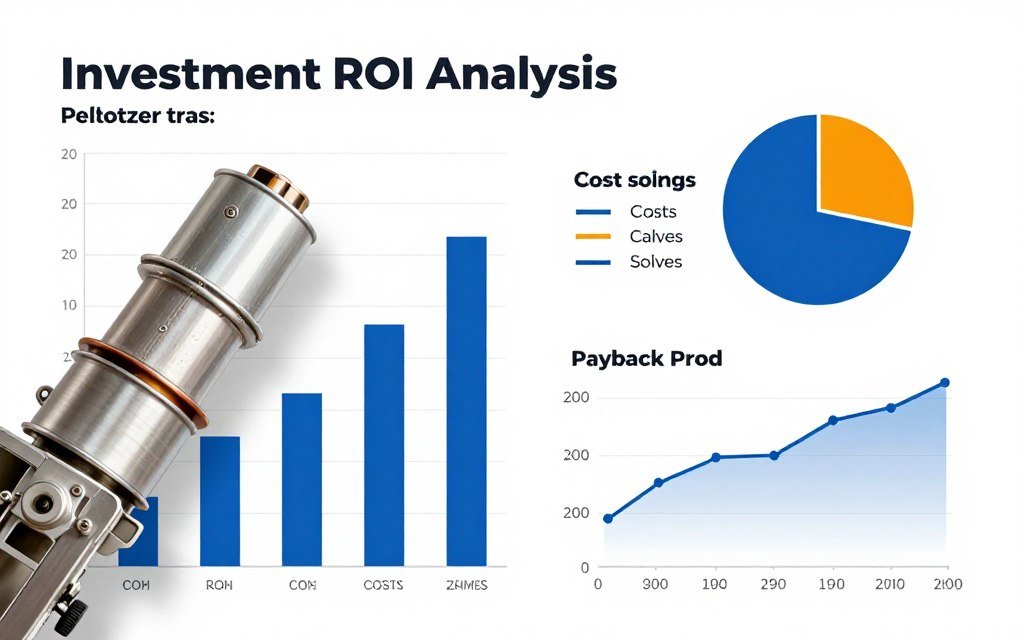
Capital equipment costs vary substantially based on system scale and sophistication. A basic small-scale flat die pelletizer (200-300 kg/hour) ranges from R180,000-R350,000 for the pelletizer unit alone. Complete systems including hammer mill, mixer, and auxiliary equipment typically cost R450,000-R750,000. Mid-scale systems (500-1,000 kg/hour) require R800,000-R1,800,000 investment. Large industrial ring die installations exceed R2,500,000 for multi-ton hourly capacity.
Operational cost analysis reveals the economic impact of pelletizing on per-ton feed costs. Primary operational expenses include electrical energy, labor, maintenance, and die/roller replacement. Energy consumption typically represents 40-50% of total operational cost at South African industrial electricity rates. Labor requirements vary from 1-2 operators for small systems to 3-5 personnel for large automated plants.
| Cost Category | Small System (300kg/hr) | Medium System (800kg/hr) | Large System (2000kg/hr) |
| Electricity per ton | R45-R65 | R38-R52 | R32-R45 |
| Labor per ton | R85-R120 | R48-R72 | R28-R42 |
| Maintenance per ton | R22-R35 | R18-R28 | R15-R22 |
| Die/roller replacement per ton | R12-R18 | R8-R14 | R6-R10 |
| Total operational cost per ton | R164-R238 | R112-R166 | R81-R119 |
Value creation from pelletizing manifests through multiple channels beyond simple processing cost. Feed waste reduction represents the most immediate financial benefit. Converting loose hay to pellets typically reduces waste from 20-30% down to 2-5%, directly saving R800-R1,200 per ton of original feed purchased (based on R4,500/ton lucerne hay). For a 1,000-head sheep operation consuming 5 tons daily, this translates to R1.5-2.2 million annual savings.
Storage and handling efficiencies provide additional economic advantages. Pellets occupy approximately one-third the volume of loose hay, reducing warehouse space requirements proportionally. The free-flowing nature of pellets enables automated handling and precise feeding systems, reducing labor requirements for feed distribution. Transport efficiency improves as trucks carry three times more feed weight in pellet form, reducing logistics costs for operations moving feed between locations.
Example ROI Calculation: 500-Head Sheep Operation
System: Medium flat die pelletizer (500 kg/hour capacity)
Initial Investment: R950,000 (complete system with installation)
Annual Production: 600 tons (8 hours daily, 250 days annually)
Operating Cost: R140/ton × 600 tons = R84,000 annually
Savings from Waste Reduction: 25% waste eliminated on 800 tons raw material = 200 tons saved × R4,500 = R900,000
Additional Benefits: Storage space reduction (R45,000), improved animal performance (R125,000) = R170,000
Net Annual Benefit: R900,000 + R170,000 – R84,000 = R986,000
Payback Period: R950,000 ÷ R986,000 = 11.5 months
Long-term financial planning should account for component replacement cycles. Die and roller sets typically require replacement every 1,500-3,000 operational hours depending on material abrasiveness and maintenance quality. Replacement costs for small systems run R35,000-R65,000, while large ring die components may exceed R250,000. Proper operational practices and preventive maintenance significantly extend component lifespan, improving overall economics.
Get Detailed ROI Analysis for Your Operation
MAIKONG provides customized financial analysis showing projected costs, savings, and payback periods specific to your sheep operation. Our team considers your flock size, current feed costs, and operational conditions to deliver accurate investment projections. Contact us for a no-obligation financial assessment.
Pellet Quality Control and Testing Protocols
Systematic quality control ensures consistent pellet characteristics meeting nutritional objectives and handling requirements. Pellet quality assessment encompasses physical properties (durability, size, moisture), nutritional integrity, and absence of contaminants. South African operations must implement practical testing protocols balancing thoroughness with operational efficiency.
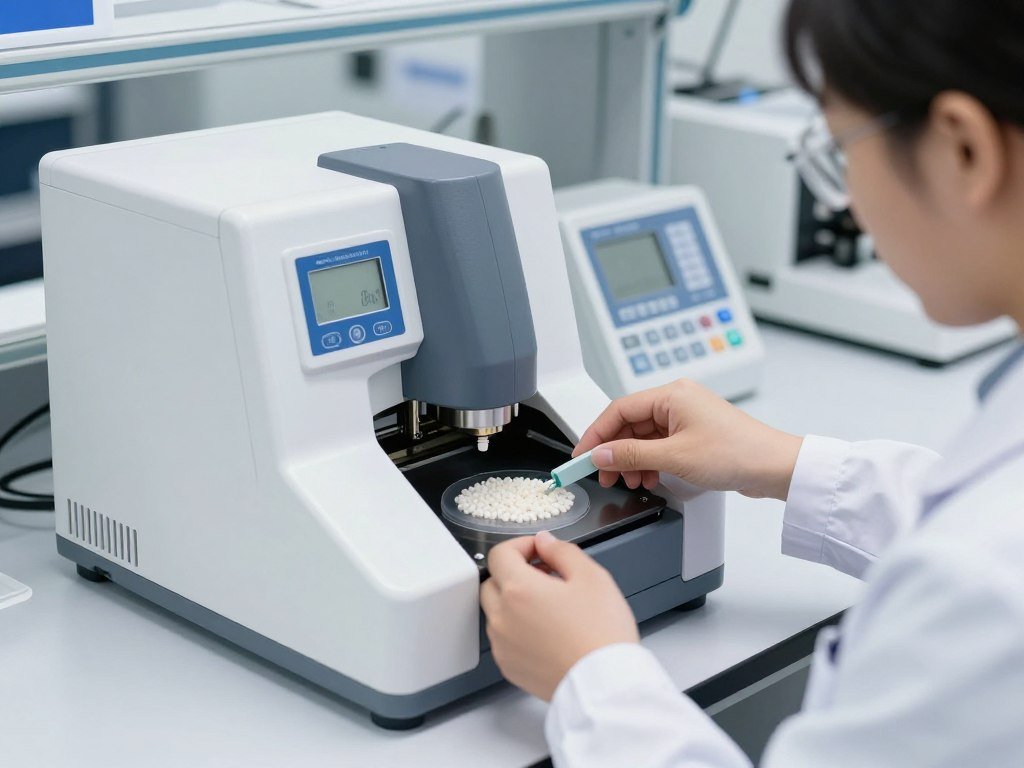
Pellet durability index (PDI) quantifies resistance to physical breakdown during handling and transport. The standard test tumbles a 500-gram pellet sample in a rotating chamber for 10 minutes, then screens out fines. PDI calculates as the percentage of original sample remaining as intact pellets. Quality sheep feed pellets achieve PDI values exceeding 95%. Values below 90% indicate problems with raw material preparation, moisture conditioning, or die condition requiring correction.
Moisture content critically affects storage stability and pellet quality. Finished pellets should contain 10-12% moisture for optimal storage characteristics. Higher moisture levels (above 13%) create mold growth risk during storage. Excessive drying (below 9%) makes pellets brittle and prone to breakage. Simple moisture meters provide rapid field testing, while oven-drying methods deliver laboratory accuracy for critical quality verification.
Physical Quality Parameters
- Pellet durability index: Target >95% for transport resilience
- Moisture content: Maintain 10-12% for storage stability
- Bulk density: 550-650 kg/m³ typical for lucerne pellets
- Pellet length: 8-15mm optimal for sheep consumption
- Fines content: Less than 3% of total product
- Color consistency: Uniform appearance indicating even processing
- Hardness: Firm structure without excessive crumbling
Nutritional Quality Verification
- Protein content: Verify retention of raw material protein levels
- Fiber fractions: Confirm ADF/NDF within target specifications
- Energy density: Calculate metabolizable energy from composition
- Vitamin stability: Test heat-sensitive vitamins if supplemented
- Mineral content: Verify calcium, phosphorus, trace minerals
- Absence of contaminants: Test for mold, toxins, foreign material
- Palatability assessment: Monitor sheep acceptance and consumption
Visual inspection provides immediate quality feedback during production. Experienced operators recognize quality issues from pellet appearance. Shiny surfaces indicate proper die temperature and lignin activation. Dull, powdery surfaces suggest insufficient temperature or moisture. Cracked or fractured pellets point to cooling problems or excessive drying. Inconsistent color indicates uneven mixing or variable raw material.
Sampling protocols ensure representative quality assessment. Collect samples from multiple locations throughout each production batch—beginning, middle, and end of run. Sample directly from discharge rather than finished storage, as pellet damage often occurs during post-production handling. Maintain sample integrity during storage and transport to testing facilities. Document sampling times, production conditions, and any operational anomalies for correlation with test results.
What causes pellets to fall apart during handling?
Poor pellet durability typically results from insufficient moisture conditioning (below 13% during pelletizing), inadequate die temperature (below 70°C), worn die/roller surfaces, or excessive cooling rate. Address by optimizing conditioning parameters, replacing worn components, and adjusting cooling procedures.
How do I improve pellet quality without increasing costs?
Focus on optimizing raw material preparation—consistent grinding and proper moisture addition deliver significant quality improvements at minimal cost. Implement systematic die and roller maintenance extending component life. Monitor and adjust process parameters preventing quality drift over time.
What testing frequency is appropriate for commercial operations?
Conduct PDI and moisture testing every 2-4 hours during production. Perform complete nutritional analysis monthly or when changing raw material sources. Visual inspection should occur continuously during operation, with formal documentation hourly.
South African Implementation Case Studies
Real-world applications demonstrate the practical benefits and challenges of pelletizer implementation across diverse South African sheep operations. These case studies represent actual MAIKONG installations, illustrating how proper equipment selection and operational management deliver measurable results in African agricultural conditions.
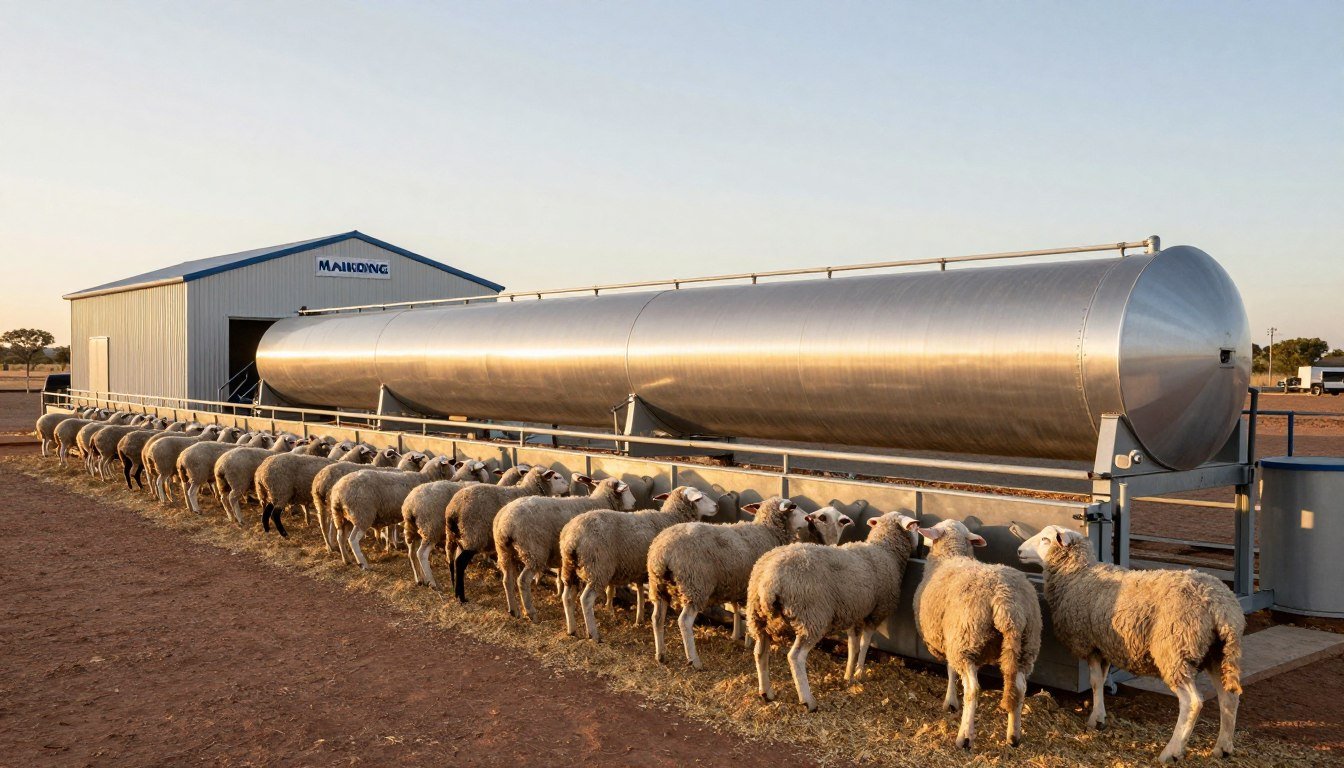
Case Study 1: Eastern Cape Merino Operation
A 2,400-head Merino operation near Graaff-Reinet installed a MAIKONG medium-capacity ring die system in 2021 to address persistent feed waste and seasonal forage availability challenges. The operation produces primarily wool with lamb sales as secondary income. Prior to pelletizing, the farm relied on purchased lucerne and locally grown grass hay, experiencing 25-30% waste during feeding.
The installed system consists of an 800 kg/hour ring die pelletizer with integrated hammer mill, mixer, and automated cooling/screening. The operation processes approximately 3.5 tons daily during the 7-month dry season (April-October) and operates intermittently during summer months when grazing suffices. Annual production totals approximately 650 tons of finished pellets.
System Configuration
- MAIKONG SZLH420 ring die pelletizer (800 kg/hour)
- 55 kW main motor with variable frequency drive
- SFSP668 hammer mill for forage grinding
- SSHJ1 double-shaft mixer for supplement addition
- Automated control system with remote monitoring
- Total investment: R1.65 million including installation
Operational Results (18 months)
- Feed waste reduced from 27% to 4% (23% improvement)
- Storage space requirement decreased by 65%
- Labor for feed distribution reduced by 2.5 man-hours daily
- Flock body condition scores improved 0.4 points average
- Wool clip weights increased 4.8% attributed to consistent nutrition
- System payback achieved in 14 months
Operational Challenges
- Initial 6-week learning curve for operators
- Dust management required additional ventilation
- Die replacement at 1,800 hours (R78,000 cost)
- Electrical supply fluctuations requiring voltage stabilizer
- Seasonal forage quality variations affecting parameters
Case Study 2: Western Cape Lamb Production Farm
A 6,500-head Dorper lamb production enterprise near Mossel Bay implemented a large-scale MAIKONG pelletizing system in 2020. The intensive operation finishes lambs for premium markets, requiring precise nutrition management and high-volume feed production. The farm cultivates 180 hectares of irrigated lucerne specifically for pellet production, supplementing with purchased hay during shortfall periods.
The installation represents one of South Africa’s largest private sheep feed pelletizing operations, featuring a 2.5 ton/hour ring die system with comprehensive automation. The facility operates two 8-hour shifts daily year-round, producing approximately 3,800 tons annually. The system processes pure lucerne pellets as base feed, with separate runs for grain-supplemented finishing rations.
Technical Specifications
- MAIKONG SZLH508 ring die pelletizer (2,500 kg/hour)
- 132 kW main drive with soft-start system
- Twin SFSP668 hammer mills for continuous feeding
- Steam conditioning system for optimal moisture
- Counterflow cooler reducing pellet temperature to ambient
- Automated batching system for supplement addition
- Total system cost: R4.2 million
Performance Metrics (24 months)
- Average production rate: 2,380 kg/hour (95% of rated capacity)
- Pellet durability index: 96.8% average
- Specific energy consumption: 18.4 kWh per ton
- Overall equipment effectiveness: 87.3%
- Lamb daily gain increased 12% compared to loose feed
- Days to market weight reduced by 8 days average
- System ROI achieved in 18 months
Case Study 3: Northern Cape Communal Farming Project
A government-supported communal farming project serving 45 small-scale sheep farmers in Northern Cape installed a shared MAIKONG pelletizing facility in 2022. The cooperative model allows member farmers to bring raw forage for custom processing into pellets, paying per-ton processing fees. This approach provides small-scale operators access to pelletizing technology without individual capital investment.
The cooperative operates a medium-scale flat die system optimized for batch processing diverse forage types. Member farmers deliver hay in 500kg-2,000kg batches for same-day processing. The facility also produces pellets for sale to non-member farmers, generating revenue supporting operational costs.
Cooperative Model Results
System: MAIKONG 600 kg/hour flat die with mobile hammer mill
Investment: R875,000 (75% government grant, 25% member contribution)
Service Model: R180 per ton processing fee for members, R240 for non-members
Annual Production: 425 tons (first year), projected 650 tons year two
Member Benefits: 45 farmers now access pelletized feed; average flock size increased 28% due to improved feed efficiency
Economic Impact: Facility operating profitably after 10 months; member farm income increased average R32,000 annually
Implement a Proven Solution for Your South African Operation
These case studies demonstrate MAIKONG’s successful implementations across diverse South African sheep farming contexts. Our experienced team helps you design, install, and commission pelletizing systems delivering similar results for your specific operation. Contact us to discuss how we can replicate this success on your farm.
MAIKONG Pelletizer Equipment Range for Sheep Feed
MAIKONG manufactures a comprehensive range of pelletizing equipment serving sheep operations from small family farms to large commercial enterprises. Our 20+ years of specialized pellet machine development delivers reliable, efficient solutions optimized for South African agricultural conditions. Each system integrates proven pelletizer machine functions with user-friendly operation and accessible maintenance.
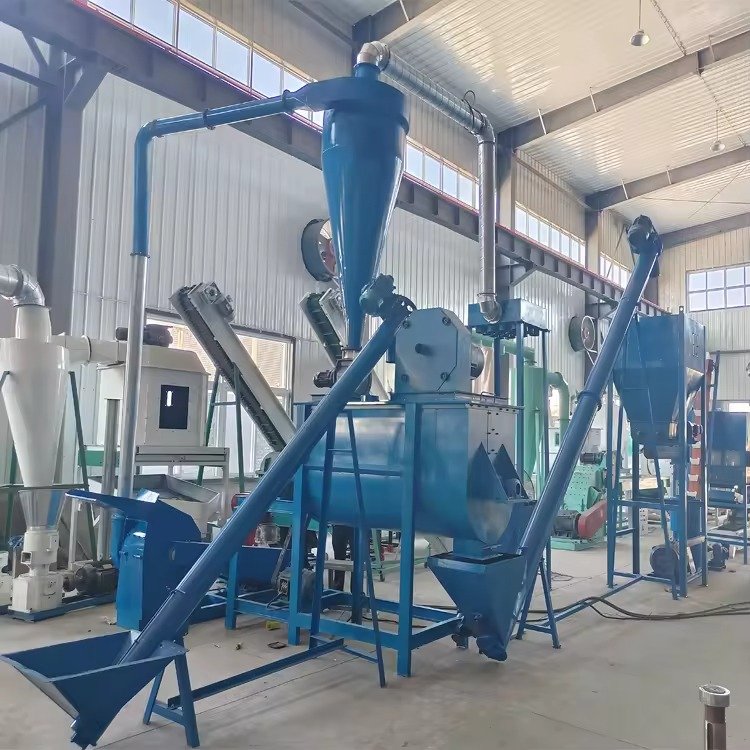
Small-Scale Flat Die Pelletizers (200-500 kg/hour)
Our compact flat die systems serve operations with 100-800 sheep, providing cost-effective entry into pelletized feed production. These machines balance affordability with performance, incorporating essential pelletizer machine functions without unnecessary complexity. The simplified design enables owner-operators to manage production with minimal technical training.
MAIKONG PM260
- Capacity: 200-260 kg/hour
- Motor: 15 kW (20 HP)
- Die diameter: 260mm flat die
- Suitable for: 100-400 sheep
- Footprint: 1.2m × 0.8m × 1.3m
- Weight: 420 kg
- Power requirement: 3-phase, 380V
- Ideal applications: Small farms, mobile units
MAIKONG PM300
- Capacity: 300-400 kg/hour
- Motor: 22 kW (30 HP)
- Die diameter: 300mm flat die
- Suitable for: 300-700 sheep
- Footprint: 1.4m × 1.0m × 1.4m
- Weight: 580 kg
- Power requirement: 3-phase, 380V
- Ideal applications: Mid-size farms, cooperatives
MAIKONG PM400
- Capacity: 400-500 kg/hour
- Motor: 30 kW (40 HP)
- Die diameter: 400mm flat die
- Suitable for: 600-1,000 sheep
- Footprint: 1.6m × 1.1m × 1.5m
- Weight: 780 kg
- Power requirement: 3-phase, 380V
- Ideal applications: Larger farms, custom processors
Medium-Scale Ring Die Systems (500-1,500 kg/hour)
Medium ring die pelletizers deliver professional production capability for operations managing 800-3,000 sheep. These systems incorporate automated controls, integrated conditioning, and superior pellet quality consistency. The ring die configuration provides enhanced durability and energy efficiency compared to flat die alternatives at similar capacities.
| Model | Capacity (kg/hr) | Main Motor (kW) | Die Size (mm) | Sheep Range | Investment Range |
| MAIKONG SZLH320 | 500-700 | 37 | 320 | 800-1,500 | R1.1-1.4M |
| MAIKONG SZLH350 | 700-900 | 45 | 350 | 1,200-2,000 | R1.3-1.7M |
| MAIKONG SZLH420 | 900-1,200 | 55 | 420 | 1,800-3,000 | R1.6-2.1M |
| MAIKONG SZLH508 | 1,200-1,500 | 75 | 508 | 2,500-4,000 | R2.2-2.8M |
Large-Scale Industrial Systems (2,000+ kg/hour)
High-capacity ring die pelletizers serve large commercial operations, feed mills, and contract manufacturing facilities. These sophisticated systems feature complete automation, remote monitoring, predictive maintenance capabilities, and integration with upstream/downstream processing equipment. MAIKONG’s largest models achieve 10+ tons hourly capacity for major manufacturing plants.
MAIKONG SZLH678
Our flagship large-scale pelletizer delivers 2,000-3,000 kg/hour capacity for operations exceeding 5,000 sheep or commercial feed production. The system incorporates industry-leading energy efficiency, automated quality control, and remote diagnostics supporting proactive maintenance.
- Main motor: 110 kW with variable frequency drive
- Ring die diameter: 678mm with quick-change system
- Integrated steam conditioning for optimal moisture
- PLC control with touchscreen HMI interface
- Remote monitoring via cellular connectivity
- Automated lubrication system
- Comprehensive safety interlocks and emergency stops
MAIKONG SZLH858
Our ultra-high-capacity system serves major feed manufacturing operations producing 4,000-6,000 kg/hour. This industrial-grade pelletizer features redundant systems ensuring continuous operation in critical production environments.
- Main motor: 160 kW heavy-duty industrial drive
- Ring die diameter: 858mm with extended wear surface
- Twin conditioning chambers for complex rations
- Advanced control system with recipe management
- Predictive maintenance algorithms
- Modular design facilitating expansion
- Complete documentation and operator training program
Complete Production Line Solutions
MAIKONG designs integrated sheep feed pellet production lines encompassing all processing stages from raw material intake through packaged final product. Complete turnkey systems eliminate compatibility concerns while optimizing overall production efficiency. Our engineering team customizes line configuration to your specific forage types, capacity requirements, and facility constraints.
Intake & Storage
- Receiving hopper with foreign material screening
- Surge bins maintaining consistent feed rate
- Magnetic separation removing metal contaminants
- Dust collection at transfer points
Grinding & Mixing
- Hammer mill with changeable screens (3-8mm)
- Paddle or ribbon mixer for supplement addition
- Liquid addition system for molasses/oils
- Automated batching controls
Pelletizing & Cooling
- Steam conditioning chamber
- Ring or flat die pelletizer (capacity matched)
- Counterflow cooler reducing temperature
- Crumble mill for size adjustment (optional)
Finishing & Packing
- Vibrating screen separating fines
- Coating system for palatability enhancement
- Bulk storage silos or bag-off system
- Automated weighing and bagging
Custom Pelletizer Solutions from South African Manufacturer
MAIKONG South Africa provides complete pelletizer systems with local support, customization capabilities, and competitive pricing. Our technical team designs solutions matching your exact sheep feed requirements, facility space, and budget. We support OEM partnerships, distributor relationships, and direct sales throughout South Africa and neighboring countries.
Technical Support WhatsApp: +86 15815556422
Pelletizer Maintenance Best Practices
Systematic maintenance directly determines pelletizer operational lifespan, production efficiency, and total cost of ownership. Preventive maintenance protocols prevent costly breakdowns while optimizing energy consumption and pellet quality. South African operations must adapt maintenance schedules to local dust conditions, electrical supply characteristics, and ambient temperature extremes.
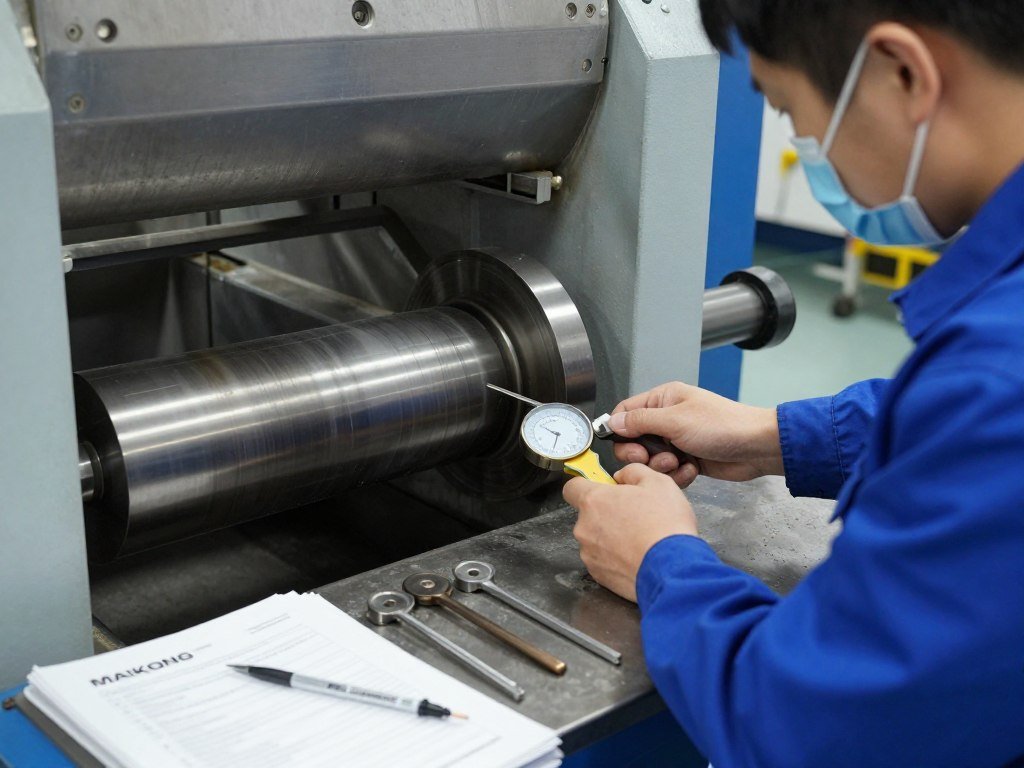
Daily maintenance activities establish baseline equipment condition monitoring. Operators should conduct visual inspections before each production run, examining die surface condition, roller alignment, lubrication system operation, and dust accumulation. Listen for unusual noises indicating bearing wear or foreign material in the system. Monitor amperage draw and temperature readings throughout the shift, noting any deviations from established baselines.
Daily Maintenance Tasks
These essential daily activities maintain optimal pelletizer performance and identify developing problems before they cause failures.
- Check lubrication levels and automatic lubricator function
- Clean dust accumulation from motor and die housing
- Inspect die surface for signs of plugging or damage
- Verify all safety guards secure and functional
- Monitor bearing temperatures (should not exceed 75-80°C)
- Check pellet quality samples for consistency
- Record operational parameters in maintenance log
- Clean screens and inspect for wear or damage
Weekly Maintenance Activities
More detailed weekly inspections address components requiring regular attention but not daily servicing.
- Thoroughly clean entire pelletizer removing all dust accumulation
- Check and tighten all mounting bolts and fasteners
- Inspect drive belts for wear, tension, and alignment
- Lubricate manual grease points per manufacturer schedule
- Test emergency stop functions and safety interlocks
- Inspect electrical connections for heat damage or looseness
- Clean or replace air filters on motor cooling systems
- Review operating logs identifying any performance trends
Monthly Maintenance Protocol
Monthly servicing addresses wear components and systems requiring periodic adjustment or replacement.
- Comprehensive die and roller inspection measuring wear
- Bearing inspection and re-lubrication as specified
- Check die and roller gap clearances, adjust if necessary
- Inspect conditioning chamber for buildup and wear
- Test and calibrate temperature and pressure sensors
- Verify control system calibration and settings
- Comprehensive dust collection system cleaning
- Schedule die/roller replacement if approaching wear limits
Annual Major Service
Comprehensive annual maintenance ensures long-term reliability and identifies components requiring proactive replacement.
- Complete disassembly and cleaning of pelletizing chamber
- Replace all bearings regardless of apparent condition
- Electrical system inspection by qualified technician
- Motor winding insulation resistance testing
- Structural inspection for cracks or stress damage
- Update control software and backup configurations
- Complete recalibration of all sensors and controls
- Professional alignment check of critical components
Die and roller management represents the most critical and costly maintenance aspect. Monitor wear through multiple indicators: increasing amperage draw, declining pellet quality, reduced throughput capacity, and direct measurement of compression surfaces. New dies typically achieve rated capacity with specific energy consumption at lower end of specification range. As wear progresses, energy requirements increase 10-20% while capacity decreases proportionally.
Optimal die replacement timing balances component cost against increased operating expenses from wear. Replace dies and rollers when energy consumption increases 15-20% above baseline, or when pellet quality deteriorates below acceptable standards despite process optimization. Early replacement maintains superior energy efficiency, while delayed replacement risks catastrophic failure requiring emergency service and production downtime.
Critical Die Wear Indicators
- Increased power draw: 15%+ amperage increase signals significant wear
- Declining PDI: Pellet durability below 90% indicates poor compression
- Reduced capacity: Unable to maintain rated throughput at normal settings
- Excessive fines: More than 5% fines generation from worn surfaces
- Uneven pellet discharge: Some holes not producing indicating plugging
- Overheating: Die temperatures exceeding normal range by 10°C+
- Visible surface damage: Cracks, erosion, or enlarged hole diameters
Lubrication system maintenance prevents bearing failures—the most common cause of unexpected pelletizer downtime. Modern pelletizers typically employ automatic lubrication systems delivering precise grease quantities on programmed schedules. Verify lubricator reservoir levels daily. Ensure grease lines remain clear and grease reaches all designated points. Manual backup lubrication provides redundancy if automatic systems fail.
Proper lubrication selection matters significantly in South African climates. High temperature conditions (Limpopo, Northern Cape summers) require grease formulations maintaining consistency above 40°C. Dusty environments demand grease with superior sealing properties preventing abrasive contamination. MAIKONG specifies appropriate lubricant grades for each application, but local distributors may suggest suitable alternatives meeting equivalent specifications.
Beyond Sheep Feed: Alternative Pelletizer Applications
While this article focuses on sheep feed applications, pelletizer technology serves diverse South African agricultural and industrial sectors. Understanding these alternative applications helps operations maximize equipment utilization and identify additional revenue opportunities. Many sheep farmers leverage pelletizers during off-seasons for complementary production.
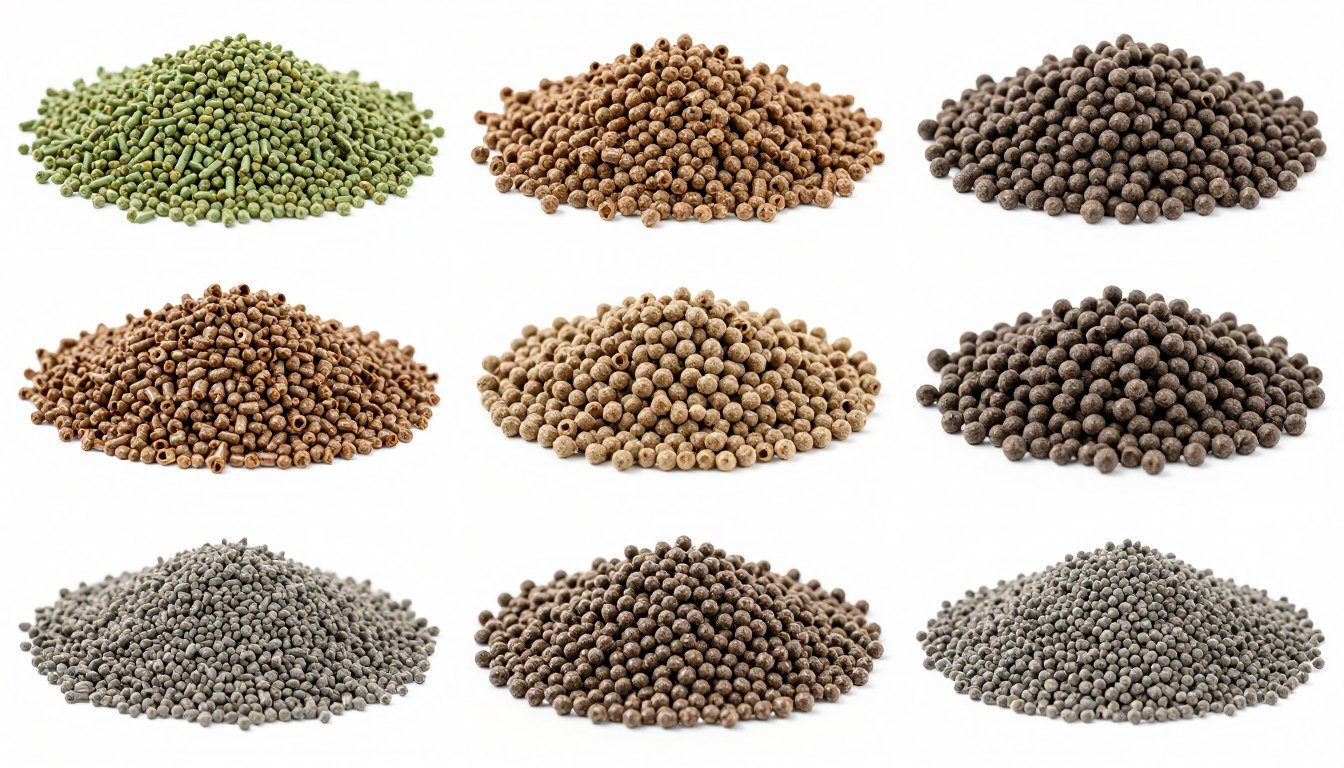
Biomass and Wood Pellet Production
Agricultural waste streams including crop residues, pruning waste, and sawmill byproducts convert into valuable fuel pellets using similar pelletizing equipment. South Africa’s growing biomass energy sector creates demand for standardized fuel pellets. Wood pellets derived from sawdust, shavings, and forestry residues provide clean-burning residential and commercial heating fuel.
The same pelletizer processing lucerne can handle wood materials with appropriate die changes and parameter adjustments. Wood pelletizing typically requires higher compression ratios (10:1 to 14:1) and temperatures compared to forage materials. The denser structure of wood pellets delivers higher energy density per unit volume, making them economically attractive for commercial production.
Feed Pellet Characteristics
- Protein and nutrient preservation priority
- Lower compression temperatures (70-85°C)
- Moderate durability requirements (PDI 90-95%)
- Larger pellet diameters (6-10mm typical)
- Moisture content 10-12% for storage stability
- Natural color and aroma important for palatability
Wood Pellet Characteristics
- Energy density and burn characteristics priority
- Higher compression temperatures (90-120°C)
- Superior durability required (PDI 97%+ for bulk handling)
- Smaller standard diameters (6-8mm industry norm)
- Lower moisture target (6-8%) for combustion efficiency
- Appearance less critical than performance specifications
Fertilizer Pellet Features
- Controlled release and handling convenience
- Variable processing temperatures by formulation
- Extreme durability for bulk transport and spreading
- Customized sizes (2-5mm for broadcasting applications)
- Moisture control preventing caking
- Coating options for slow-release properties
Organic Fertilizer Pelletizing
Livestock manure, compost, and organic waste materials transform into value-added fertilizer pellets addressing South Africa’s soil fertility challenges. Pelletized organic fertilizers offer superior handling characteristics, reduced odor, pathogen reduction through heat treatment, and controlled nutrient release. Sheep operations generate substantial manure volumes that convert into marketable fertilizer product through pelletizing.
Fertilizer pelletizing requires careful moisture and binder management as these materials often lack the natural binding properties of forage and wood. Adding bentonite clay (2-5%) or lignosulfonate binders significantly improves pellet durability. The same pelletizer equipment serves multiple purposes, allowing diversified revenue streams from single capital investment.
Explore Multi-Purpose Pelletizer Applications
MAIKONG helps South African operations maximize pelletizer investment through multi-application system design. Whether producing feed, biomass fuel, or organic fertilizer pellets, our technical team configures systems handling diverse materials. Contact us to discuss your specific requirements across different pelletizing applications.
Purchasing Considerations for South African Buyers
Acquiring pelletizer equipment represents a significant capital investment requiring thorough evaluation of multiple factors beyond initial price. South African buyers must consider local support availability, parts supply reliability, customization options, and total cost of ownership. Understanding these factors ensures optimal equipment selection delivering long-term value.

New versus 2nd Hand Plastic Pelletizer Machine for Sale
The South African market offers both new and 2nd hand plastic pelletizer machine for sale options, though “plastic pelletizer” terminology often causes confusion. In agricultural contexts, “plastic pelletizer” may refer to any pelletizer with plastic housing components, or erroneously applied to feed pelletizers by non-technical sellers. Genuine used feed pelletizers occasionally become available from upgrading operations.
Purchasing 2nd hand plastic pelletizer machine for sale items requires careful evaluation. Assess total operational hours, maintenance history, and component condition especially dies, rollers, and bearings. Hidden wear in critical components can quickly negate initial savings. Verify parts availability for older models—obsolete designs may prove impossible to service economically. MAIKONG recommends professional inspection before committing to significant used equipment purchases.
New Equipment Advantages
- Full manufacturer warranty coverage (typically 12-24 months)
- Latest technology and efficiency improvements
- Customization to exact operational requirements
- Known operational history and no hidden issues
- Comprehensive technical support and training
- Financing options often available from manufacturer
- Longer effective service life before major component replacement
Used Equipment Considerations
- 30-50% lower initial investment compared to new
- Immediate availability without manufacturing lead time
- Proven performance in actual operational conditions
- Unknown maintenance history creates risk
- Potential hidden wear requiring immediate repairs
- Limited or no warranty protection
- May lack modern control and safety features
- Parts availability uncertain for older models
Local Support and Service Availability
Post-purchase support significantly impacts long-term equipment success. Evaluate manufacturer or distributor presence in South Africa. Can technical support personnel reach your location within reasonable timeframes? Are spare parts stocked locally or must they ship from overseas? What training programs help operators maximize equipment performance?
MAIKONG South Africa maintains technical support staff, spare parts inventory, and training facilities specifically serving the local market. Our technical support WhatsApp line (+86 15815556422) provides immediate assistance for operational questions. Critical spare parts ship from local stock, while specialized components arrive from our manufacturing facility within 7-14 days.
Essential Support Services to Verify
- Technical support accessibility: Phone, WhatsApp, or email response times and availability hours
- On-site service: Technician availability for installation, commissioning, and emergency repairs
- Spare parts supply: Local stock of wear components (dies, rollers, bearings)
- Training programs: Operator and maintenance training included or available
- Documentation quality: Complete manuals in appropriate languages with clear technical specifications
- Warranty terms: Coverage period, included components, claim procedures
- Remote diagnostics: Capability for remote troubleshooting and parameter adjustment
Financing and Payment Options
Capital equipment financing enables operations to implement pelletizing technology without depleting working capital reserves. South African agricultural financing institutions offer equipment loans with terms ranging from 24-60 months. Interest rates vary based on credit quality, security offered, and current market conditions. Factor financing costs into total cost of ownership calculations when comparing alternatives.
MAIKONG works with South African financing partners offering competitive terms for qualified buyers. We also accommodate flexible payment structures for established businesses, including deposit-based payment plans and delivery-before-final-payment arrangements for creditworthy customers. International wire transfers or documentary letters of credit accommodate various transaction preferences.
Customization and OEM Opportunities
Standard pelletizer configurations meet most requirements, but specific applications benefit from customization. MAIKONG offers appearance customization (colors, branding), technical modifications (custom die configurations, specialized materials), and complete OEM manufacturing for established brands. Customization enables equipment precisely matching operational needs while supporting branding objectives for distributors and feed manufacturers.
OEM partnerships suit established agricultural equipment distributors seeking pelletizer product lines under their own brands. MAIKONG provides private-label manufacturing, technical documentation customization, and marketing support materials. Minimum order quantities and lead times vary by customization scope—contact our partnership team for detailed OEM program information.
Partner with MAIKONG South Africa
MAIKONG actively seeks distributor and agent partnerships throughout South Africa and neighboring countries. We offer competitive margins, comprehensive technical training, marketing support, and exclusive territory opportunities for qualified partners. Whether you’re an established agricultural equipment dealer or exploring new business opportunities, discuss partnership possibilities with our team.
Direct Line: +86 158 1555 6422
Regional Considerations Across South Africa
South Africa’s diverse climatic and agricultural regions present unique challenges and opportunities for pelletizer implementation. Understanding regional factors helps operators optimize equipment selection, operational parameters, and maintenance schedules. This section addresses specific considerations for major sheep farming regions.
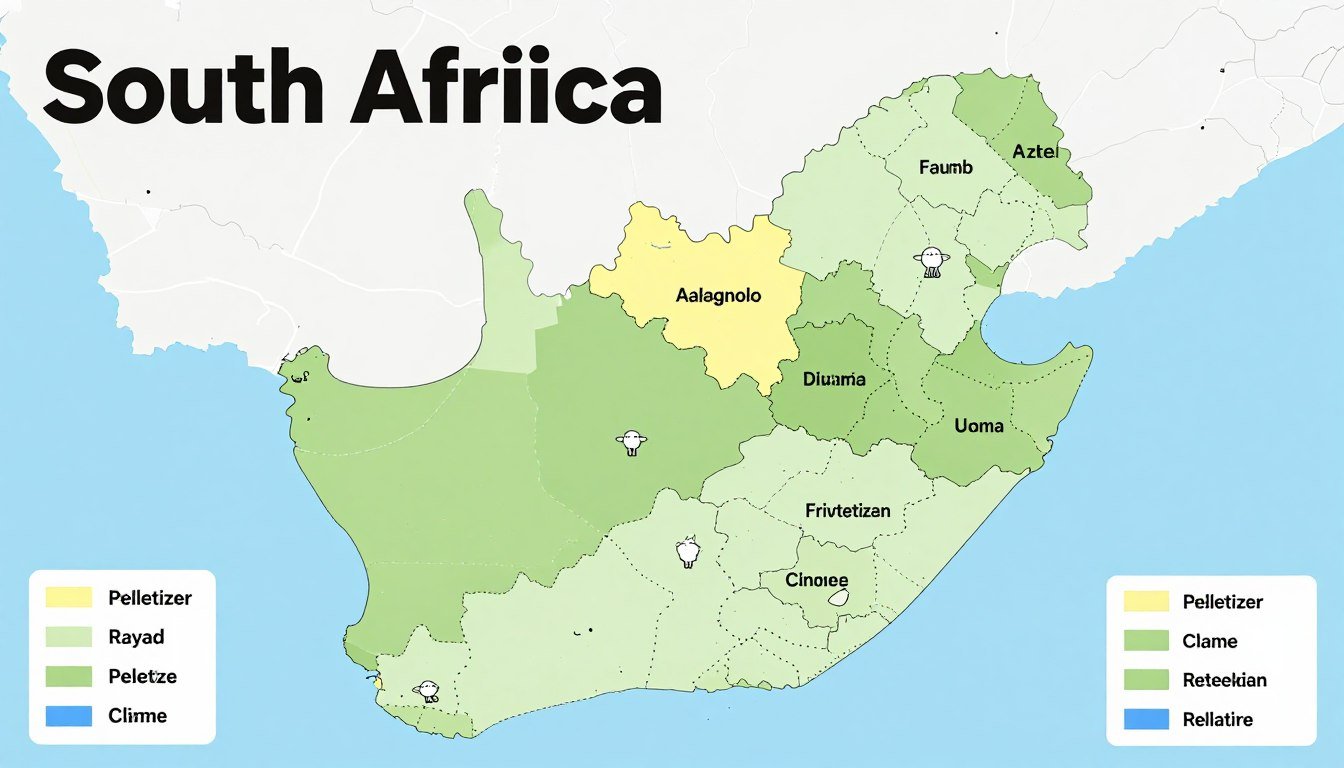
Pelletizer Machine in North West Province
The North West Province’s semi-arid climate and extensive sheep farming make it prime territory for pelletizing technology adoption. Summer temperatures exceeding 35°C affect both forage quality and equipment operation. A pelletizer machine in North West installations requires enhanced cooling systems, dust control for arid conditions, and moisture management addressing the region’s naturally dry forages.
North West sheep operations typically focus on Dorper and other hardy breeds suited to limited rainfall conditions. These operations benefit substantially from pelletizing as it enables efficient utilization of naturally occurring veld grass hay and cultivated drought-resistant forages. The transport advantages of pelletized feed prove particularly valuable in this expansive region where farms often span thousands of hectares.
MAIKONG maintains service capabilities reaching North West Province operations from our support network. Installation of a pelletizer machine in North West farms typically includes enhanced dust sealing, climate-appropriate component selection, and operator training addressing regional forage characteristics. Our technical support assists with seasonal parameter adjustment as forage moisture and protein levels fluctuate throughout the year.
Eastern Cape and Karoo Considerations
The Eastern Cape and Karoo regions support substantial Merino sheep populations producing South Africa’s premium wool. These operations face extreme temperature variations—winter frosts and summer heat exceeding 40°C. Equipment selection must accommodate these extremes while processing diverse forage types from irrigated lucerne to natural Karoo shrub materials.
Seasonal forage availability fluctuations make pelletizing particularly valuable in these regions. Pellets produced during productive periods (spring lucerne production) provide consistent nutrition through winter scarcity. The extended storage capability of properly pelletized feed—12+ months without significant quality loss—enables strategic forage management smoothing seasonal variations.
Western Cape Intensive Operations
Western Cape’s Mediterranean climate supports irrigated forage production and intensive lamb finishing operations. Higher rainfall and cooler temperatures create different operational considerations. Forage materials typically arrive at pelletizers with higher moisture requiring less conditioning water addition. The region’s established agricultural infrastructure supports more sophisticated automated pelletizing systems.
Western Cape operations often integrate pelletizing with grain finishing rations, producing complete feed pellets combining lucerne base with grain supplements. This approach simplifies feed management while ensuring precise nutrient delivery for maximum growth rates. MAIKONG systems accommodate these complex rations through integrated mixing and supplement addition equipment.
Regional Climate Impacts on Pelletizing
- High heat regions: Enhanced motor cooling, higher ambient temperature rated components
- Arid climates: Advanced dust control, sealed bearing systems, dry forage handling
- Humid coastal areas: Corrosion-resistant finishes, moisture management systems
- High altitude: Motor derating for thin air, adjusted combustion for steam systems
- Extreme cold: Heated conditioning systems, cold-start procedures
Regional Forage Characteristics
- Karoo materials: Higher fiber, lower protein, excellent pellet durability
- Irrigated lucerne: High protein, excellent binding, moderate durability
- Veld grass: Variable quality, seasonal protein fluctuation
- Cultivated teff: Fine stems, good pelletizing characteristics
- Crop residues: Requires blending for proper pellet formation
Frequently Asked Questions About Sheep Feed Pelletizers
What is the minimum flock size justifying pelletizer investment?
Economic justification depends on multiple factors including feed costs, current waste levels, and available capital. Generally, operations with 200+ sheep consuming purchased feed year-round can justify small-scale pelletizer investment. Smaller flocks benefit from cooperative or custom processing arrangements rather than individual equipment ownership.
Can the same pelletizer process both lucerne and grass hay?
Yes, most pelletizers handle diverse forage types with parameter adjustments. Lucerne typically requires lower die temperatures and different moisture conditioning than grass hay. Modern systems with programmable controls store multiple recipes enabling quick changeovers between forage types. Some operations use different die configurations optimized for each material type.
How long do pelletized lucerne and hay remain nutritionally viable in storage?
Properly produced pellets stored in dry conditions maintain nutritional quality for 12-18 months. Moisture content below 12% prevents mold growth. Vitamin levels gradually decline over time, with Vitamin A showing 10-15% reduction after 12 months. Protein and energy content remain stable. Storage in sealed bags or silos extends shelf life compared to bulk outdoor storage.
What electrical supply is required for pelletizer operation?
Most pelletizers require three-phase electrical supply. Small systems (15-30 kW) operate on standard 380V three-phase. Larger systems may require 400V or higher voltage to reduce current draw and cable costs. Verify your farm’s electrical infrastructure capacity before purchasing. Voltage stabilizers prove beneficial in areas with inconsistent electrical supply quality—common in rural South African regions.
Do sheep accept pelletized feed readily or is transition required?
Most sheep accept pellets immediately without transition period. The compressed form concentrates natural forage aromas making pellets highly palatable. Gradual introduction over 3-5 days prevents digestive upset as with any dietary change. Lambs weaned directly onto pellets show particularly strong acceptance. Monitor initial consumption ensuring adequate intake during first week.
Can I add supplements, minerals, or medications during pelletizing?
Yes, pelletizing provides excellent opportunity for supplement incorporation ensuring every animal receives uniform nutrition. Add free-flowing supplements (minerals, vitamins) during mixing stage before pelletizing. Heat-sensitive components like certain vitamins or medications may require post-pelletizing coating rather than inclusion in base formula. MAIKONG systems accommodate both mixing and coating capabilities.
What safety training is required for pelletizer operators?
Comprehensive operator training covers machine operation, pelletizer machine safety hazard recognition, and emergency procedures. MAIKONG provides 2-3 day training programs during installation covering normal operation, basic troubleshooting, routine maintenance, and safety protocols. Operators should understand lockout/tagout procedures, confined space entry protocols, and emergency stop system operation. Annual refresher training maintains safety awareness.
How does pelletizer capacity rating relate to actual production?
Rated capacity assumes optimal conditions with prepared material of specified characteristics. Actual production typically achieves 80-95% of rated capacity depending on material type, operator skill, and equipment condition. Dense materials like lucerne often exceed rated capacity, while fibrous grass hay may achieve lower throughput. Calculate requirements using 85% of rated capacity for conservative planning.
Are pith pelletizer machine for sale and plastid pelletizer machine for sale options suitable for feed?
These terms typically refer to specialized industrial pelletizers for non-feed applications. “Pith pelletizer machine for sale” usually indicates equipment for processing sugarcane pith or similar fibrous industrial materials. “Plastid pelletizer machine for sale” may incorrectly describe plastic recycling equipment. For sheep feed applications, specify agricultural feed pelletizers designed for forage materials to ensure proper equipment selection.
What financing options exist for pelletizer equipment purchases?
South African agricultural financing institutions offer equipment loans with 24-60 month terms. Land Bank, commercial banks’ agricultural divisions, and specialized agricultural finance companies provide competitive options. Interest rates vary based on credit profile and security offered. MAIKONG works with financing partners facilitating approval processes. Government agricultural development programs occasionally offer grants or subsidized financing for productivity-enhancing equipment.
Conclusion: Implementing Pelletizer Technology for South African Sheep Operations
The strategic implementation of pelletizer technology delivers transformational benefits for South African sheep operations. Converting loose lucerne and hay into uniform, durable pellets addresses critical challenges including feed waste reduction, consistent nutrition delivery, storage efficiency, and handling convenience. Economic analysis consistently demonstrates favorable return on investment through direct savings and improved animal performance.
Successful pelletizing implementation requires careful equipment selection matching operational scale, proper system design addressing regional conditions, comprehensive operator training, and systematic maintenance protocols. South African sheep farmers benefit from partnering with experienced manufacturers providing local support infrastructure, readily available parts supply, and technical expertise understanding African agricultural contexts.
MAIKONG South Africa brings 20+ years of pelletizer manufacturing experience to the local market, offering comprehensive solutions from initial consultation through installation, commissioning, and ongoing support. Our commitment to South African agriculture extends beyond equipment sales to genuine partnerships helping operations achieve productivity and profitability objectives.
Whether you manage a small family sheep farm or oversee large commercial livestock operations, pelletizing technology warrants serious consideration. The convergence of rising feed costs, labor constraints, and increasing emphasis on sustainable agricultural practices makes pelletizing increasingly attractive. Modern pelletizer equipment delivers reliability, efficiency, and economic performance making it accessible across the operational scale spectrum.
Take the Next Step Toward Pelletized Feed Production
MAIKONG South Africa invites you to explore how pelletizer technology can transform your sheep feed management. Our team provides personalized consultations, detailed equipment recommendations, and comprehensive financial analysis specific to your operation. Contact us today to begin your journey toward more efficient, profitable sheep farming.
Technical Support WhatsApp: +86 15815556422
Website: pelletmachine.co.za
MAIKONG South Africa – Your Partner in Pelletizing Excellence
Company: MAIKONG Pellet Machinery Manufacturing
Experience: 20+ years in pelletizer research, development, and production
Product Range: Pellet Machine, Feed Pellet Machine, Wood Pellet Machine, Fertilizer Pellet Machine, Pellet Making Machine, Animal Feed Pellet Machine, and complete production lines
Services: Custom design, OEM manufacturing, technical training, installation support, ongoing technical assistance
Markets Served: South Africa and neighboring African countries
Certifications: ISO 9001 quality management, CE safety compliance
Opportunities: Distributor and agent partnerships available throughout South Africa