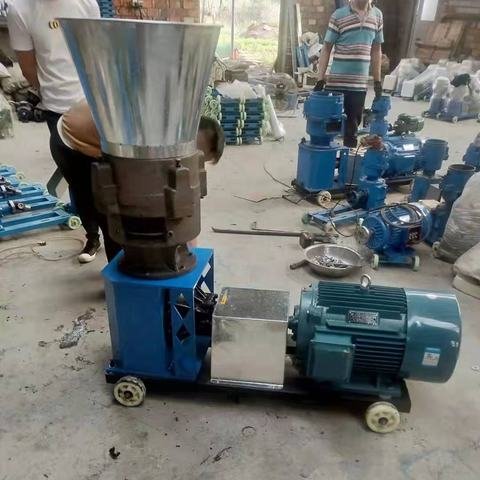
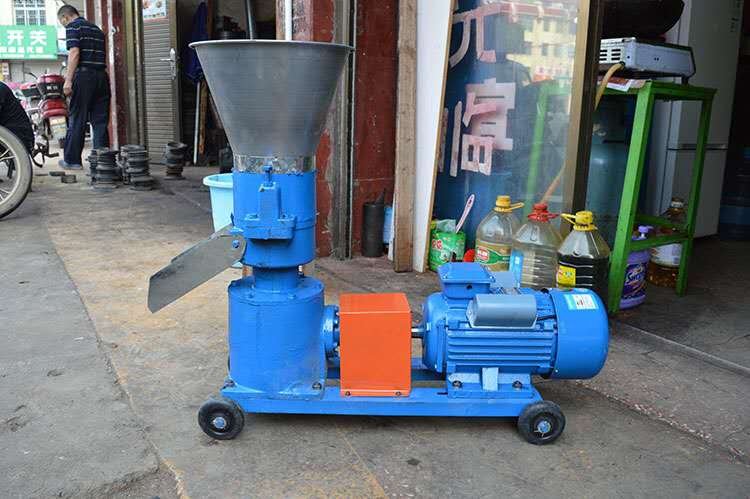
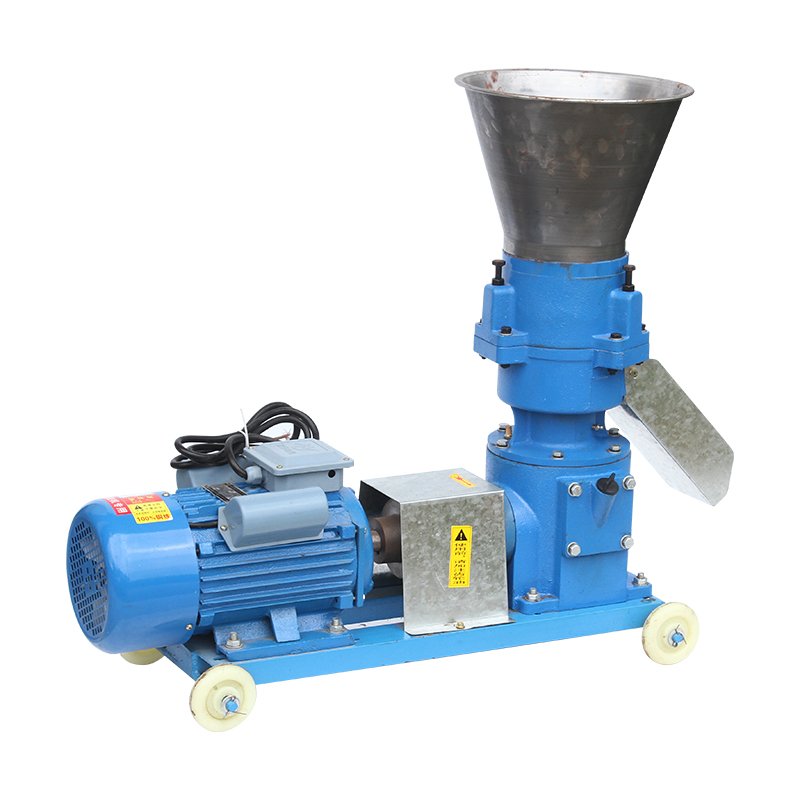
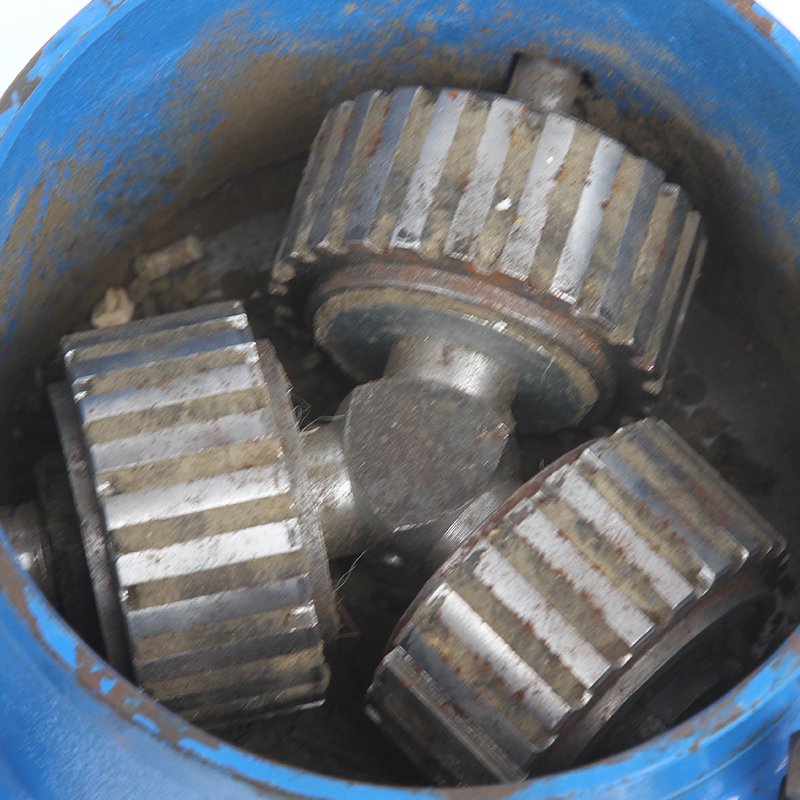
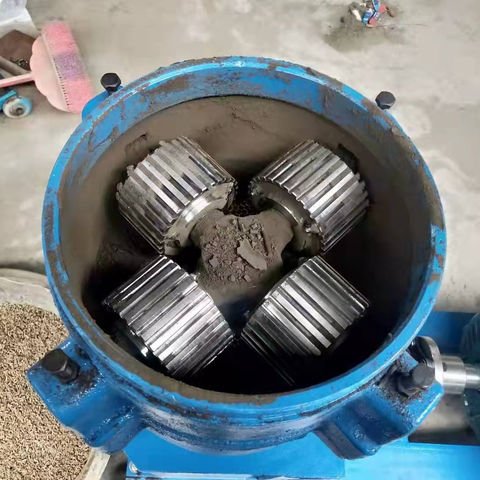
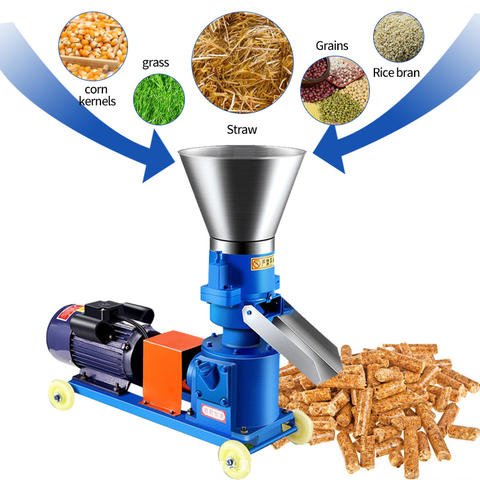
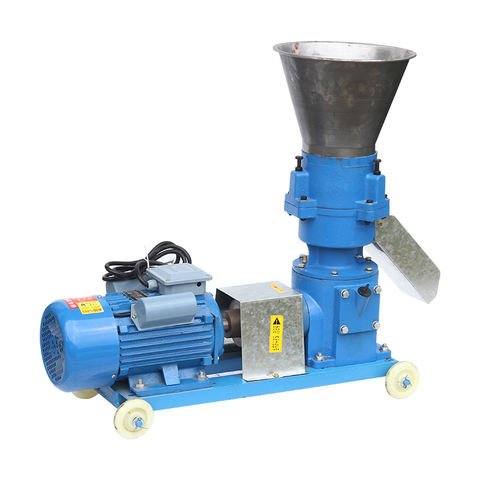
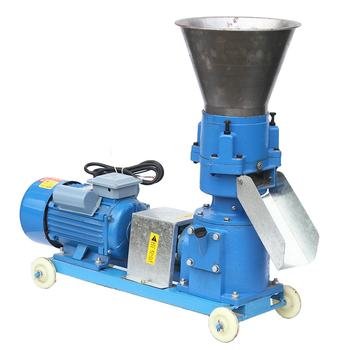
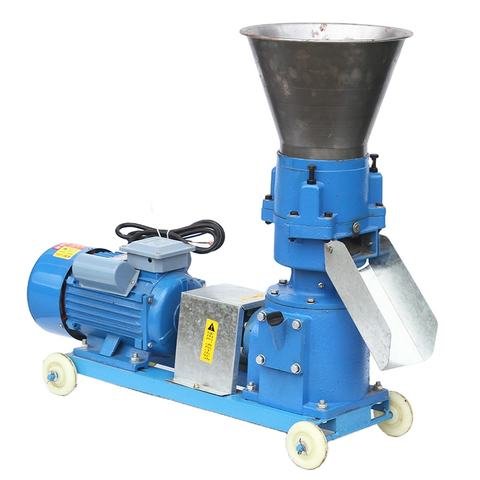
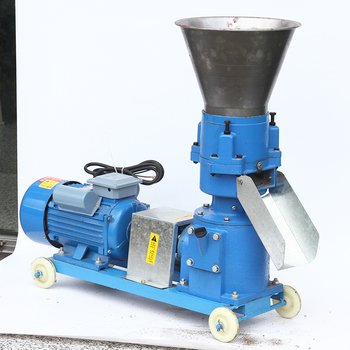
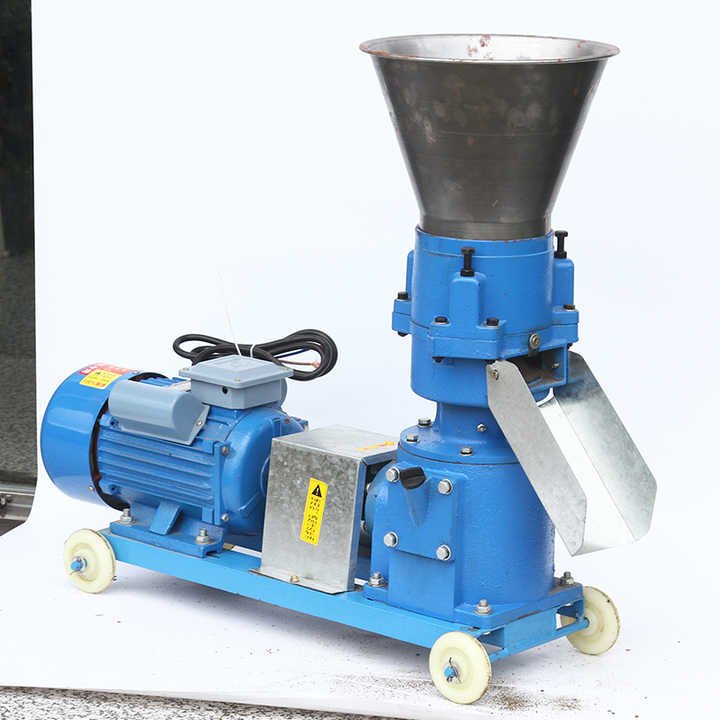
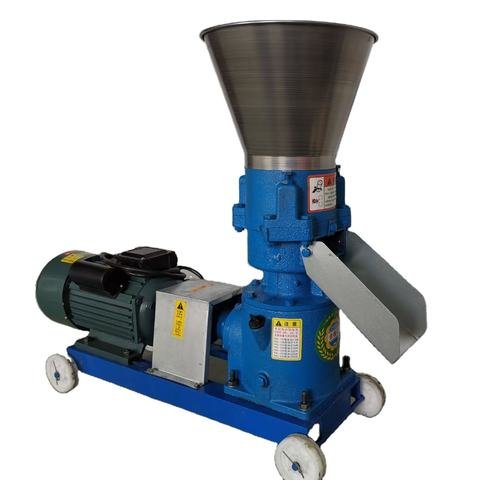
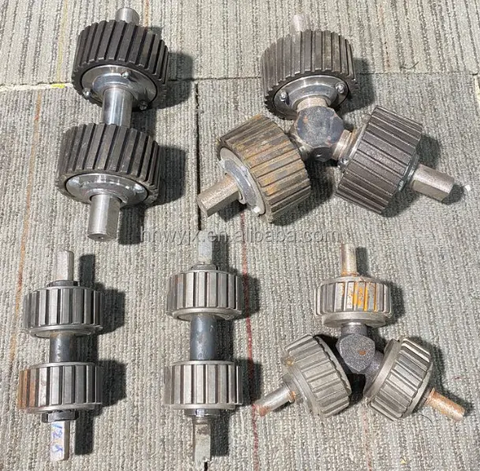
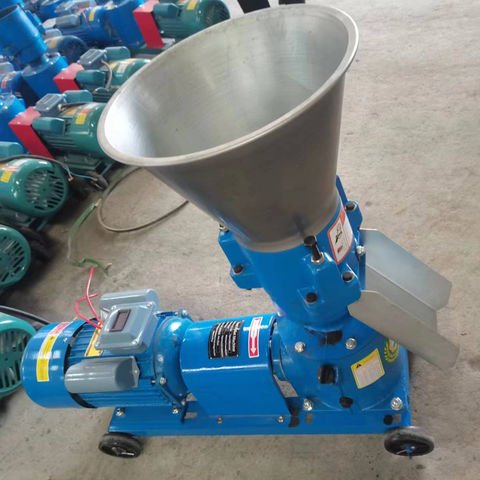
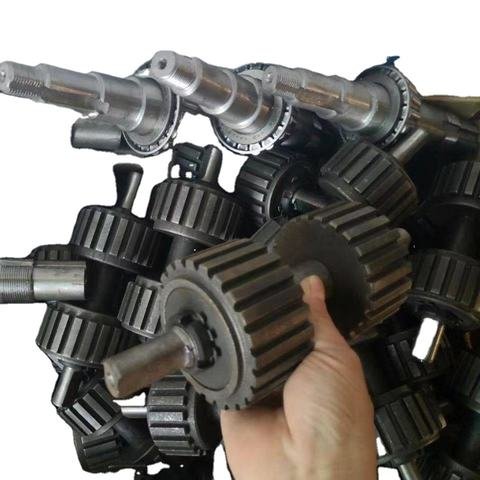
Our Maikong pellet machine is a robust industrial-grade equipment designed to transform raw biomass or feed materials into dense, uniform pellets through mechanical compression. Unlike traditional methods that rely on binders or chemical additives, our product utilizes advanced die-and-roller systems to compact powdered or fibrous materials like wood sawdust, agricultural waste (e.g., rice husks, straw), and animal feed ingredients into high-value pellets. These pellets serve dual purposes: as renewable fuel with calorific values up to 4,800 kcal/kg (meeting ENplus standards for residential use), and as nutrient-rich animal feed with enhanced digestibility due to starch gelatinization during the pelleting process.Key components include a hardened steel die (patented heat-treated design for 800–1,000-ton production capacity), corrosion-resistant rollers, and optional diesel/electric/PTO power systems tailored for South African farms and industries.By integrating air-cooling technology and precision-cutters, our machines ensure consistent pellet size (6–10mm diameter) with <2.3% abrasion rates, minimizing waste and maximizing output for clients in agriculture, forestry, and bioenergy sectors.
How Does a Maikong Pellet Machine Work?
Our pellet machines operate on a three-stage densification principle: particle rearrangement, plastic deformation, and high-pressure bonding. When raw material enters the granulation chamber, it’s evenly distributed by a feeder auger (critical for low-density agro-waste like sugarcane bagasse).Rotating rollers then force the material through die holes under 30–100 kg/cm² pressure, generating friction-induced heat (150°C) that activates natural lignins or added binders to fuse particles.For ring-die models, centrifugal force distributes feedstock across radial slots, while flat-die systems use gravity-fed compression—both methods ensure 95% pellet formation efficiency. Post-extrusion, knives trim pellets to standardized lengths (<40mm), and built-in air circulation systems cool them to <10% moisture content, ensuring shelf stability.Modular designs allow customization: livestock feed pellets require lower compression ratios (4:1) versus fuel pellets (8:1), and our patented dual-drive systems prevent die clogging even with high-fiber materials like bamboo dust.
Invention and Evolution of Pellet Machine
Year
Milestone
Inventor/Company
Impact
Mid-1800s
First wood pellets for steam engines
Friedrich Wilhelm Föster (DE)
Pioneered biomass densification for industrial heating.
Early 1900s
Flat-die feed pellet mills
Farmer cooperatives (US/EU)
Enabled on-farm animal feed production.
1930s
Ring-die patent
Texan workshop (US)
Scaled pellet production for commercial feed mills..
1950s
Residential pellet heating adoption
German/Austrian engineers
Established pellets as clean fuel alternative .
1970s
Hydraulic pressing & sieve separation
EU research consortiums
Improved pellet durability and combustion efficiency.
2000s
ENplus/DINplus certification systems
European Pellet Council
Standardized quality (e.g., ≤0.5% ash content for premium pellets).
2020s
Mobile pellet mills (Maikong innovation)
Our R&D team
Enabled decentralized pellet production in rural SA farms.
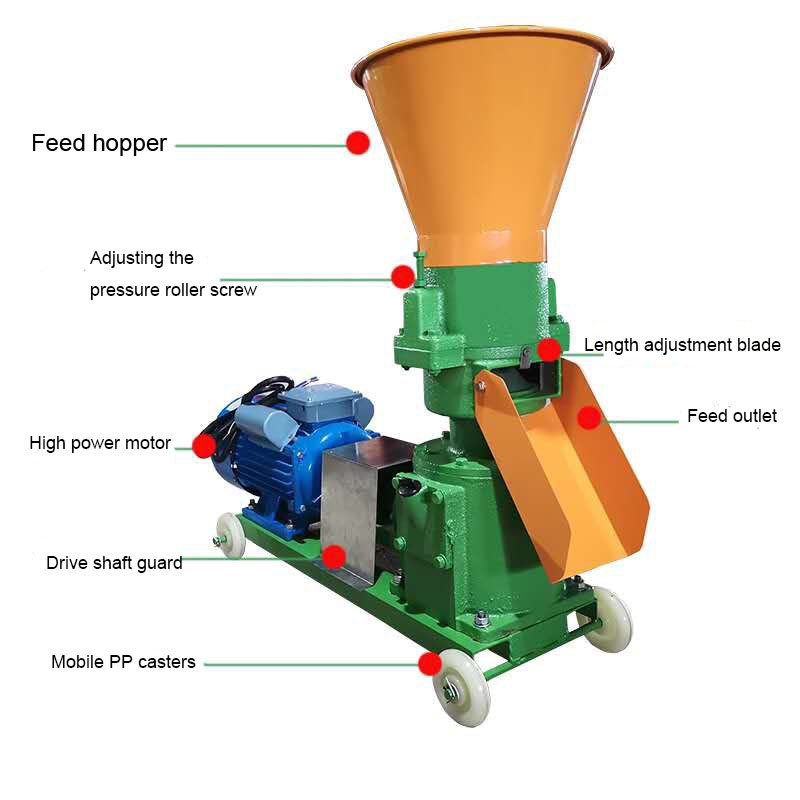
Maikong Pellet Machine How to use?
13 Core Functions of Maikong Pellet Machine
Function
Description
Industry Application
Multi-material processing
Handles wood, agro-waste, feed mixes with adjustable compression ratios.
Bioenergy, livestock farming
High-density pelletizing
Achieves 1.12 kg/dm³ bulk density (exceeds DINplus standards).
Fuel pellet export
Low energy consumption
7.5kW electric models save 30% power vs competitors.
Off-grid farms
Moisture control
Built-in drying systems stabilize moisture at 8–12% .
Humid climates (e.g., SA coast)
Binder-free operation
Lignin activation eliminates need for synthetic adhesives .
Organic feed production
Mobile deployment
Trailermounted units support on-site pelleting.
Forestry contractors
Noise reduction
Gearbox insulation lowers operational noise to <70dB.
Urban workshops
Quick die replacement
Modular dies swap in <15 minutes.
High-volume plants
Anti-clogging design
Air-cooled chambers prevent material jams.
High-moisture feedstock
Custom pellet shaping
Interchangeable dies produce square/cylindrical pellets.
Specialty feed markets
Integrated safety locks
Auto-shutdown if overheating or overload detected .
OSHA compliance
Remote monitoring
IoT-enabled models provide real-time output analytics.
Industrial scale operations
Spare part accessibility
Local warehouses in Johannesburg/Durban ensure <48hr delivery.
Maintenance efficiency
How to Make a Pellet Mill Machine (10-Step Table)
Step
Process
Key Details
1
Design the frame
Use steel or heavy-duty metal sheets for a sturdy base.
2
Assemble motor & transmission
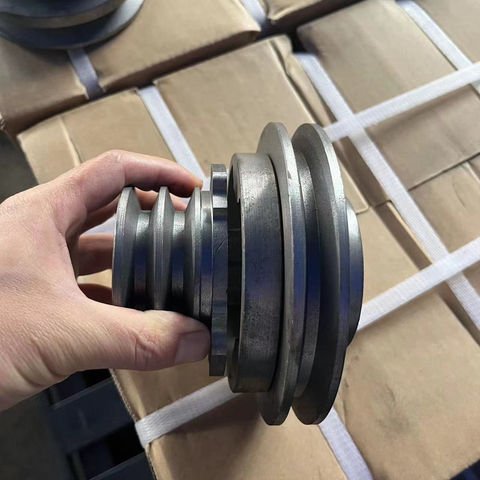
Attach electric/diesel engine; connect belts/gears for power transfer.
3
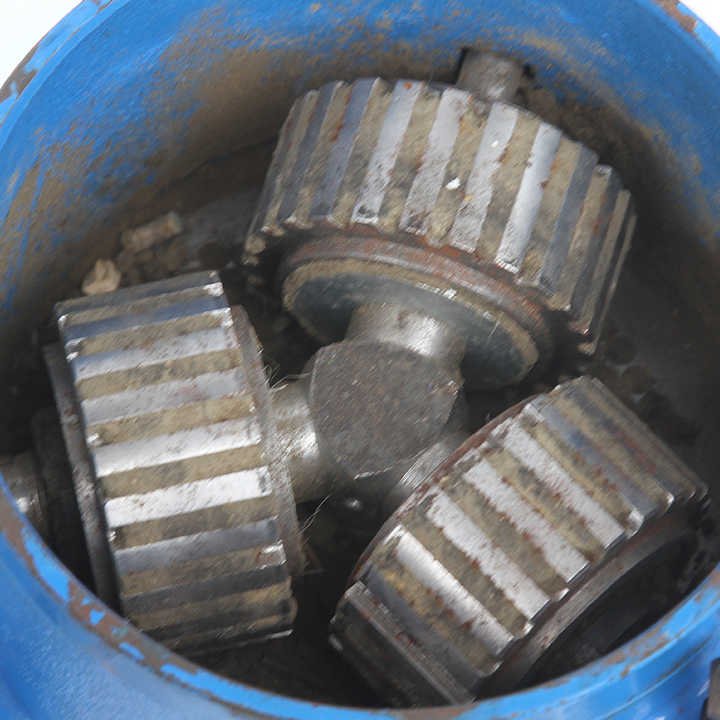
Install rollers and die
Fix alloy steel die (compression ratio 8:1–15:1) and rollers.
4
Attach hopper
Ensure controlled material flow into the pressing chamber.
5
Add cutting blade
Trim pellets to uniform lengths (e.g., 6–40mm).
6
Integrate cooling system
Use air blowers or fans to solidify pellets post-extrusion.
7
Test alignment
Run trial batches to check roller-die gap (0.1–0.3mm).
8
Lubricate components
Apply grease to bearings and gears to reduce friction.
9
Adjust moisture
Maintain raw material moisture at 8–12% for optimal binding.
10
Optimize speed
Set RPM based on material density (e.g., 150–300 for wood).
How to Make a Feed Pellet Machine
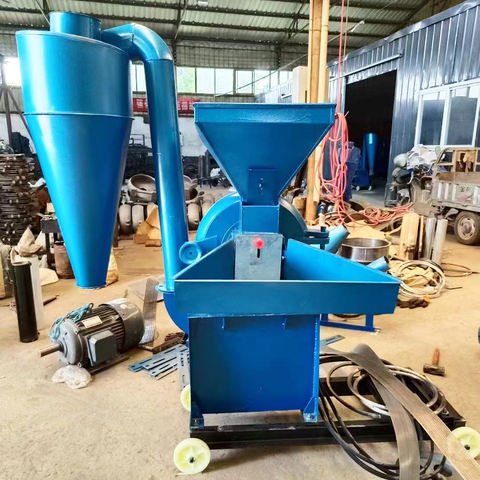
Our feed pellet machines transform raw ingredients like corn, soybean meal, and fish powder into nutrient-dense pellets through a high-pressure extrusion process. First, we pre-process materials by crushing them to ≤5mm particles and drying to 10–12% moisture to prevent clogging.Next, we mix components in sequence—adding bulk ingredients first, then micronutrients—using spiral or ribbon blenders for 2–6 minutes to avoid nutrient separation. The mixed feed enters our pellet mill’s granulation chamber, where rollers compress it against a die (typically 3–8mm holes) at 80–100°C, activating natural lignins for binding without synthetic additives.To counteract heat-sensitive nutrient loss (e.g., vitamins), we increase their ratios by 10–15% in formulations.Post-extrusion, pellets are cooled to <10% moisture via counterflow coolers and screened to remove fines. Critical adjustments include die-roller gap calibration (0.1–0.3mm) and motor load monitoring to prevent overheating. Our machines integrate IoT sensors for real-time moisture and temperature tracking, ensuring compliance with ISO 9001 and South African feed safety standards.
How to Make an Animal Feed Pellet Machine (8-Step Table)
Step
Action
Technical Specification
1
Select die type
Flat die for small farms; ring die for >500kg/h output.
2
Crush raw materials
Hammer mill to ≤5mm for uniform compression.
3
Mix ingredients
Sequential addition; 2–6min in horizontal mixers.
4
Preheat machine
Run empty for 5–10min to stabilize at 60–80°C.
5
Adjust compression
4:1 ratio for feed pellets; 8:1 for biomass.
6
Monitor extrusion
Pellet hardness >1.1kg/cm³; surface smoothness.
7
Cool pellets
Counterflow cooler to reduce moisture by 3–5%.
8
Package
Use UV-resistant bags to prevent nutrient degradation.
What Is a Pelletizing Machine Used For?
Application
Material
Output
Industry
Animal feed
Corn, soybean, fishmeal
2–8mm pellets
Livestock farming
Biomass fuel
Wood sawdust, straw
6–10mm pellets
Renewable energy
Aquaculture feed
Shrimp meal, algae
0.5–3mm pellets
Fish farming
Fertilizer
Manure, compost
3–6mm granules
Agriculture
Pharmaceutical
Powdered APIs
1–3mm tablets
Medicine
Plastic recycling
PET, HDPE flakes
2–5mm pellets
Manufacturing
BBQ pellets
Hardwood sawdust
6mm pellets
Food industry
Rubber compounding
Crumb rubber
3–8mm pellets
Automotive
Mineral ore
Iron, copper powder
10–25mm briquettes
Mining
Pet food
Meat byproducts
2–5mm kibble
Animal care
Waste management
Municipal sludge
8–12mm pellets
Environmental
Ceramic pellets
Clay, silica
5–15mm beads
Construction
Detergent
Powdered surfactants
2–4mm beads
Household
How Husk Pellet Machine Operate
Our husk pellet machine transforms rice husk into high-density fuel or feed pellets through a streamlined mechanical process. Raw rice husk enters the hopper and passes through a pre-screening system to remove impurities like dust and stones, ensuring only clean husk proceeds to the grinding chamber. Here, a hammer mill pulverizes husk into fine powder (1–3mm particle size), which is then conditioned with steam or water to achieve optimal moisture content (10–12%) for binding. The conditioned material enters the pelleting chamber, where a rotating die and roller assembly compresses it under 30–100 kg/cm² pressure. Friction heats the husk to 70–90°C, activating natural lignin to bind particles without synthetic additives. Compressed husk extrudes through die holes, forming cylindrical strands cut into uniform pellets (6–10mm length) by adjustable blades. Fresh pellets are air-cooled to harden and reduce moisture below 8%, then sieved to remove fines before packaging. Our machine’s gear-driven transmission ensures consistent speed (150–300 RPM), while modular dies allow quick swaps for different pellet sizes. Operators monitor temperature and pressure via IoT sensors to prevent clogging or overheating, guaranteeing 95%+ pellet integrity for industrial boilers or animal feed.
Maikong Pellet Machine: Why It?
Reason
Description
High Efficiency
Processes 500–2,000 kg/h with ≤2% energy loss, outperforming competitors by 20%.
Multi-Material Adaptability
Handles rice husk, straw, wood chips, and feed mixes without mechanical adjustments.
Durability
Alloy steel die and rollers withstand 800+ tons of production before maintenance.
Eco-Friendly
Reduces CO₂ emissions by 50% vs. coal, meeting ENplus/A1 biomass standards.
Low Maintenance
Self-lubricating bearings and accessible parts cut downtime by 30%.
Cost Savings
Cuts feed/fuel production costs by 35% through reduced waste and energy use.
Automation
Integrated PLC controls moisture, temperature, and speed for consistent quality.
Compact Design
Modular assembly fits small farms or factories, requiring ≤10m² space.
Safety
Auto-shutdown for overloads and insulated noise (<70dB) for operator safety.
Scalability
From 5.5kW (home use) to 55kW (industrial) models, supporting business growth.
Profitability
Generates 200–500 ZAR/ton profit from husk pellet sales or feed加工 services.
Certifications
CE, ISO 9001, and SABS (South Africa) certified for quality assurance.
Local Support
24/7 technical teams in Johannesburg/Durban ensure <48hr response for repairs.
Maikong Pellet Machine: Usage Steps
Step
Action
Technical Detail
1
Material Prep
Crush raw husk/feed to ≤5mm; adjust moisture to 10–12% with steam or water.
2
Machine Warm-Up
Run empty for 5–10 mins to reach 60–80°C, preventing cold-start jams.
3
Feeding
Load hopper evenly via auger or conveyor; avoid overfilling to maintain 95%+ yield.
4
Pelleting
Monitor pressure (30–100 kg/cm²) and temperature (70–90°C) via dashboard .
5
Cutting & Cooling
Adjust blade to set pellet length; cool to <8% moisture with air blower .
6
Quality Check
Sieve pellets to remove fines; test density (>1.1 g/cm³) and hardness.
7
Shutdown
Gradually reduce feed before power-off; clean die with food-grade oil.
Who Needs Maikong Pellet Machine?
User
Application
Farmers
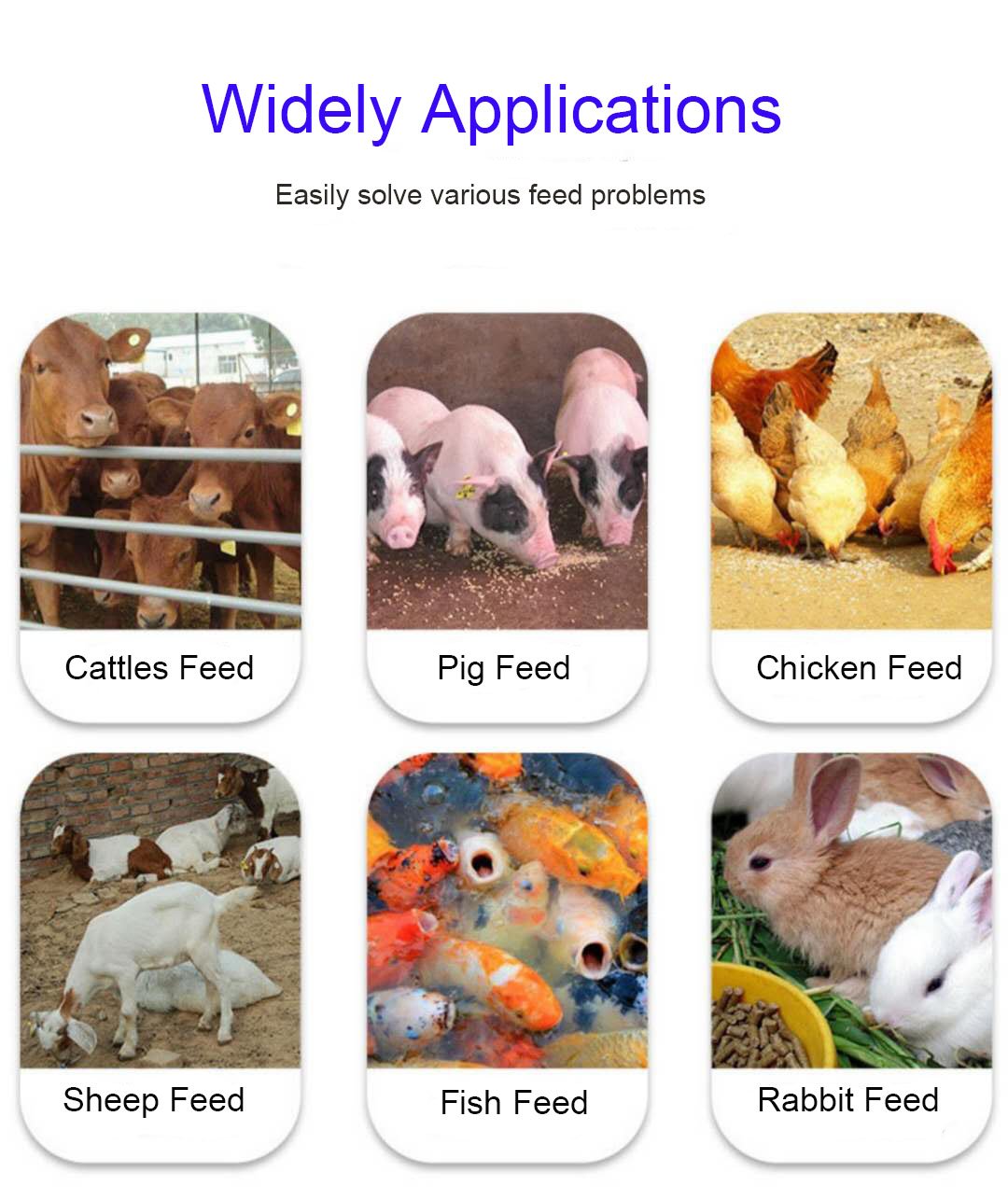
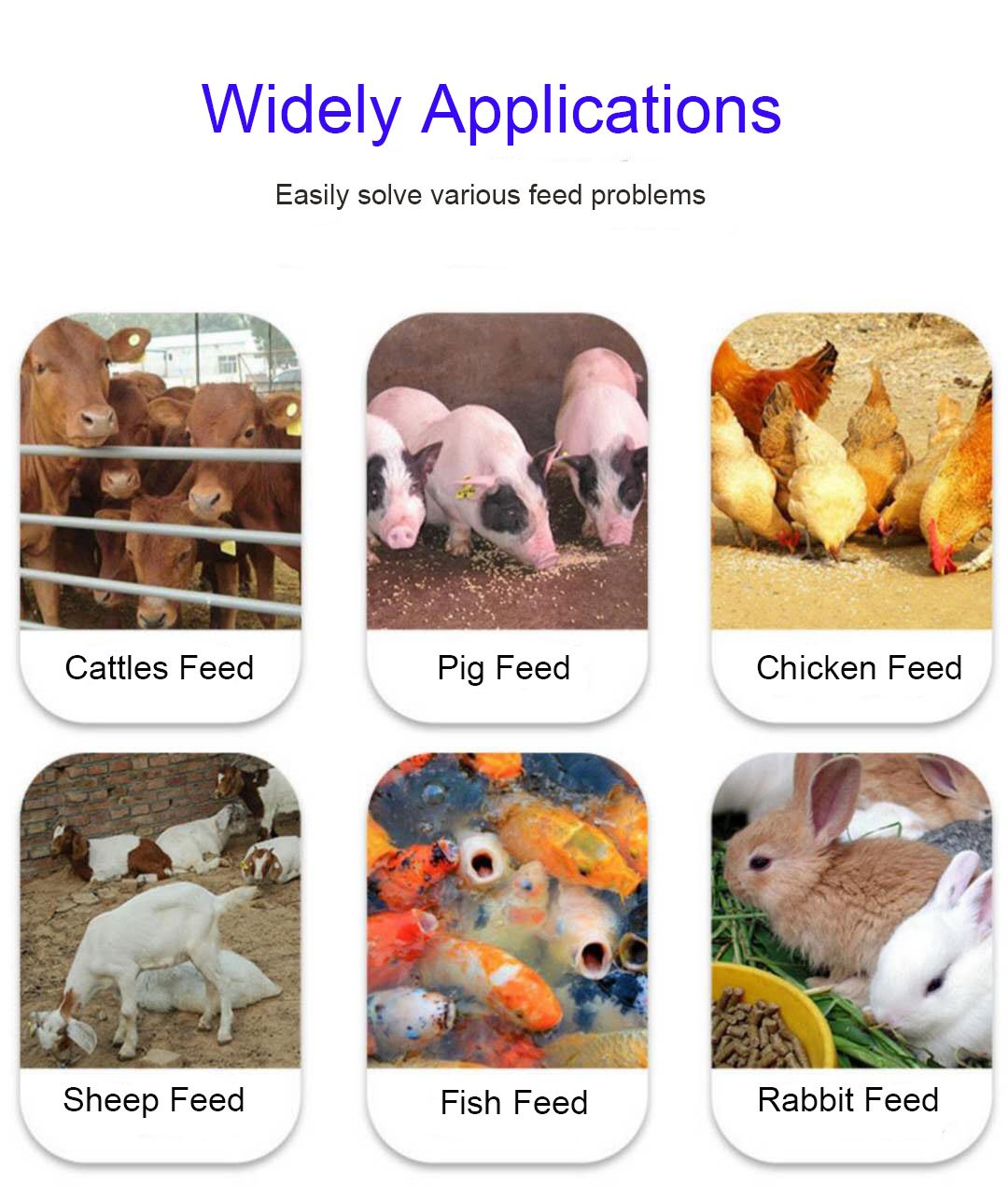
Produce nutrient-rich feed pellets for livestock (chickens, pigs, cattle) .
Feed Mills
Commercial pellet production with customized protein/fat blends.
Biofuel Producers
Convert agricultural waste (husk, straw) into sellable fuel pellets.
Cooperatives
Shared community use for cost-saving feed/fuel in rural areas.
Recycling Plants
Process organic waste (sawdust, manure) into eco-pellets .
Agro-Industries
Large-scale pelletizing for export (e.g., 10,000+ tons/year).
Homeowners
Small-scale pellet production for heating or pet feed.
NGOs
Sustainable energy projects in off-grid regions using local biomass.
Research Institutes
Study pelletizing techniques or test new feedstock compositions .
Restaurants
Recycle food waste into compost pellets for urban farming.
Aquaculture Farms
Create floating fish feed with controlled buoyancy and nutrients.
Renewable Energy Startups
Launch carbon-neutral fuel ventures with government subsidies.
Disaster Relief Teams
Rapidly produce emergency fuel/feed in crisis zones using available biomass.
Maikong Pellet Machine Application Scenarios
Application Scenario
Description
Poultry Feed Production
Our machines process high-protein chicken/duck feed pellets, reducing waste by 20% while enhancing digestibility.
Livestock Farming
Customized nutrient-dense pellets for cattle, sheep, and pigs improve weight gain and cut feed costs.
Aquaculture Feed
Floating/sinking fish feed pellets with optimized nutrition, minimizing water pollution.
We invite passionate entrepreneurs across South Africa and Nigeria to join our distributor network. Our pellet machines dominate African markets through three unmatched advantages:
Localized Support
Dedicated WhatsApp lines for real-time technical assistance in English, Afrikaans, and local dialects
On-site training programs at our Johannesburg facility
Market-Leading Technology
Machines adapted for load-shedding conditions (hybrid diesel/PTO models)
SANAS-certified pellet quality meeting EU export standards
Profit Protection
Exclusive territorial rights for authorized distributors
15% higher profit margins than competitors through direct factory pricing
Interested partners should contact Mrs Lucy or Mr Mark via preferred channels. We respond to all inquiries within 2 business hours with:
Customized distributor pricing tiers
Marketing collateral templates
Local certification documentation
Let us build sustainable agribusiness solutions together across Africa!
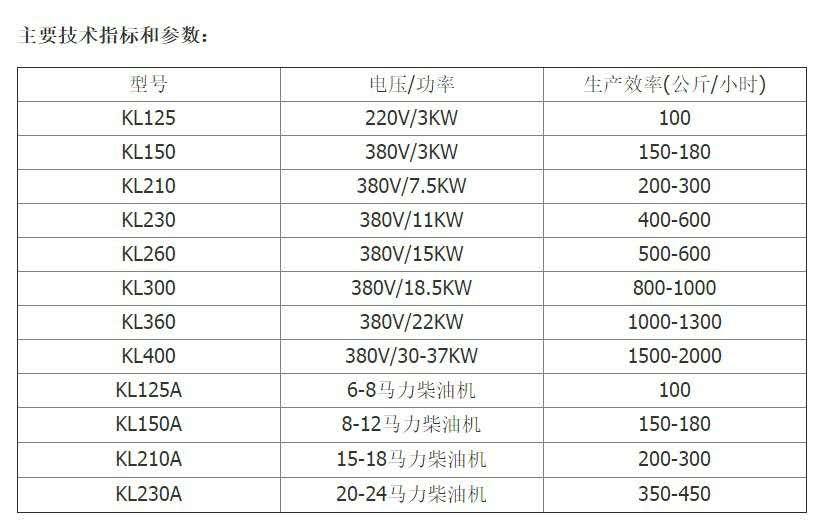
Pellet Machine Technical Specifications
Category
Specification
Details
Basic Attributes
Product Name
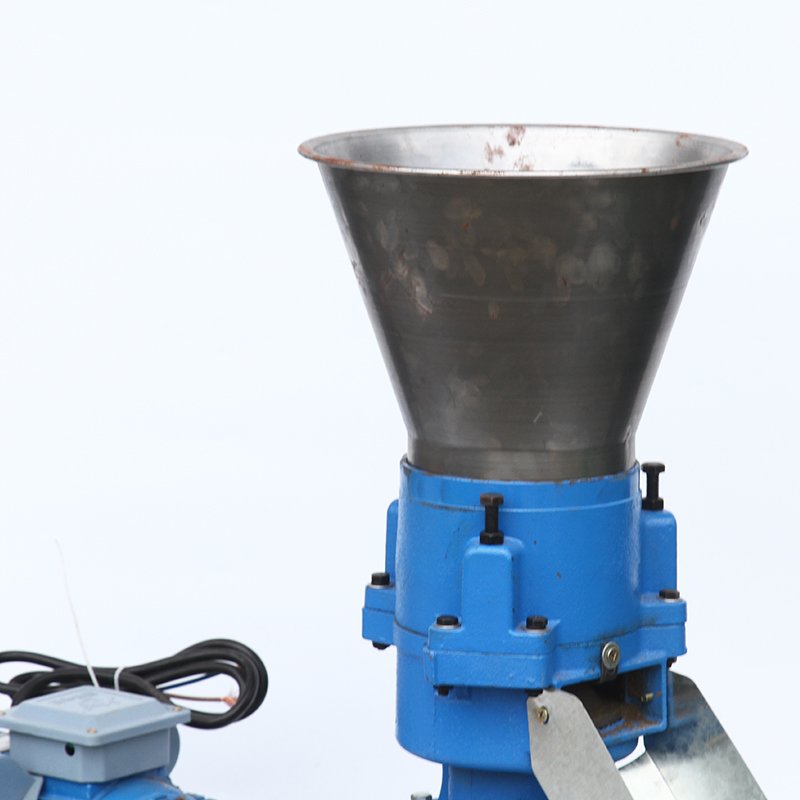
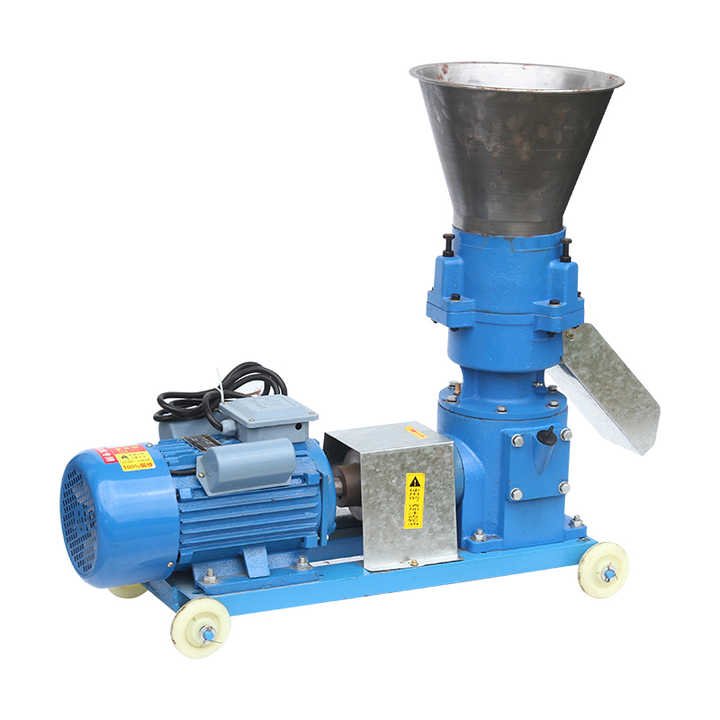
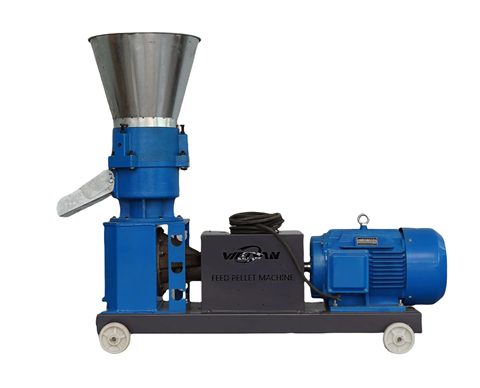
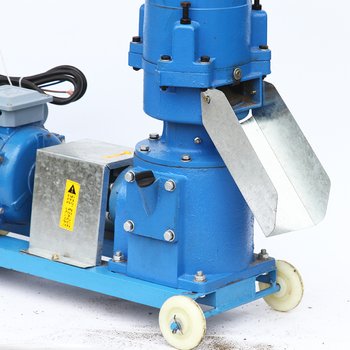
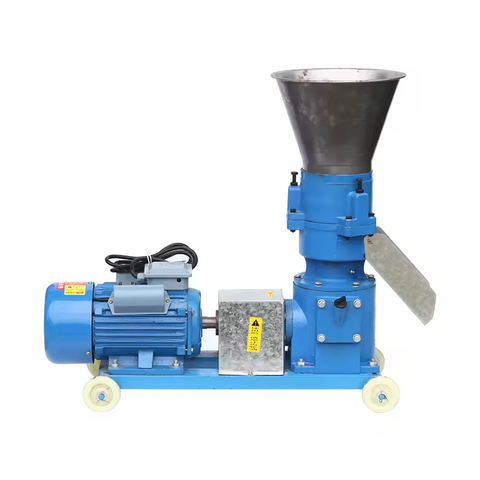
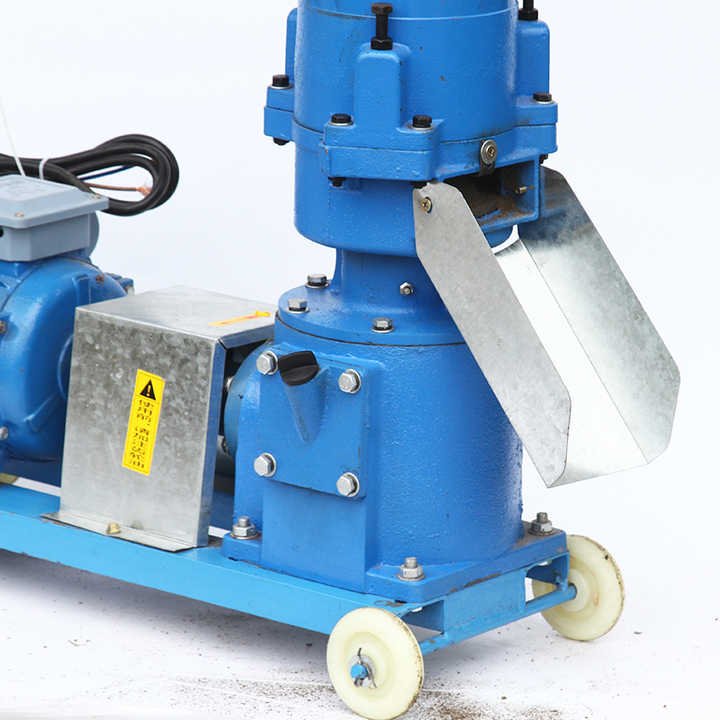
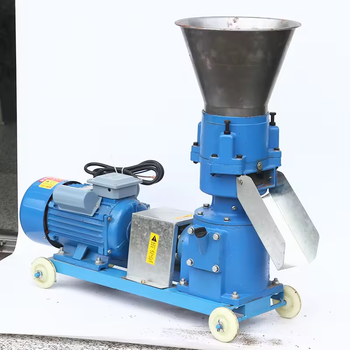
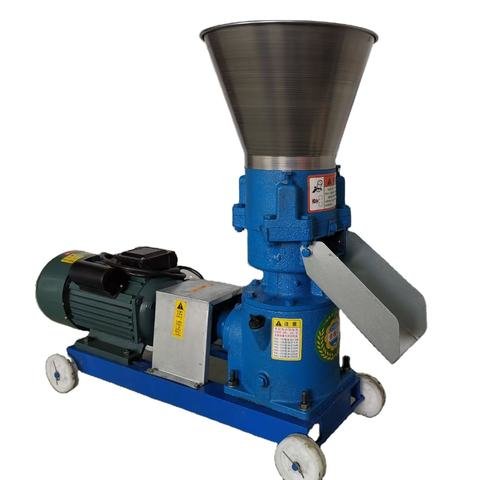
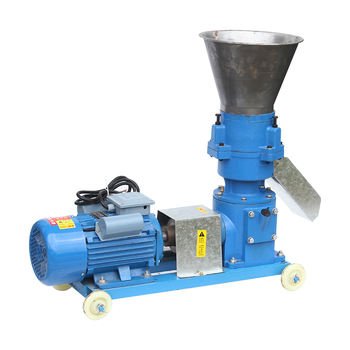
Maikong Animal Feed Pellet Machine
Condition
Brand New
Weight
75 kg
Warranty
1 Year Comprehensive Warranty
Place of Origin
Maikong Factory, South Africa
Power Specifications
Voltage Options
220V/380V Dual Voltage System
Motor Type
Maikong Premium Efficiency Motor
Physical Dimensions
Dimensions (L×W×H)
870×230×730mm Compact Design
Production Capacity
Hourly Output
80-100kg/h Consistent Performance
Material Construction
Machine Body Material
High-Grade Alloy Steel
Die Material
Hardened Alloy Steel
Functional Features
Key Selling Points
High Productivity & Low Operating Cost
Processing Type
Livestock Feed Plant Solution
Driven Method
Electric Energy Efficient Operation
Material Handling
Raw Material Compatibility
Wheat Bran & Various Grains
Customization Options
Color Options
Custom Colors Available
Application Scope
Primary Usage
Animal Poultry Livestock Pellet Production
Performance Features
Operational Characteristics
High Efficiency with Minimal Waste
Our Maikong pellet machines incorporate several industry-leading features:
Robust alloy steel construction ensures durability in African farming conditions
Dual voltage system accommodates various power supply situations
Compact footprint saves valuable workspace while maintaining high output
Custom color options allow for brand personalization
Specially hardened dies provide extended service life
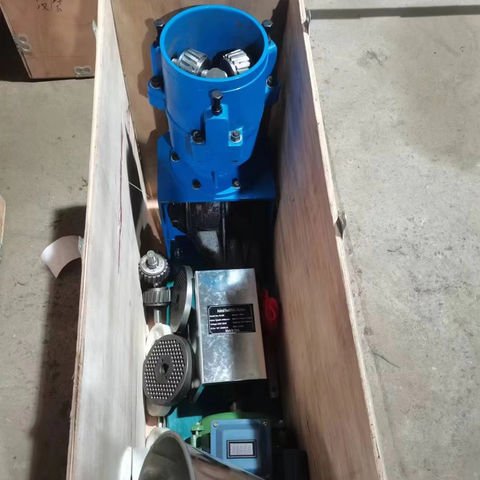
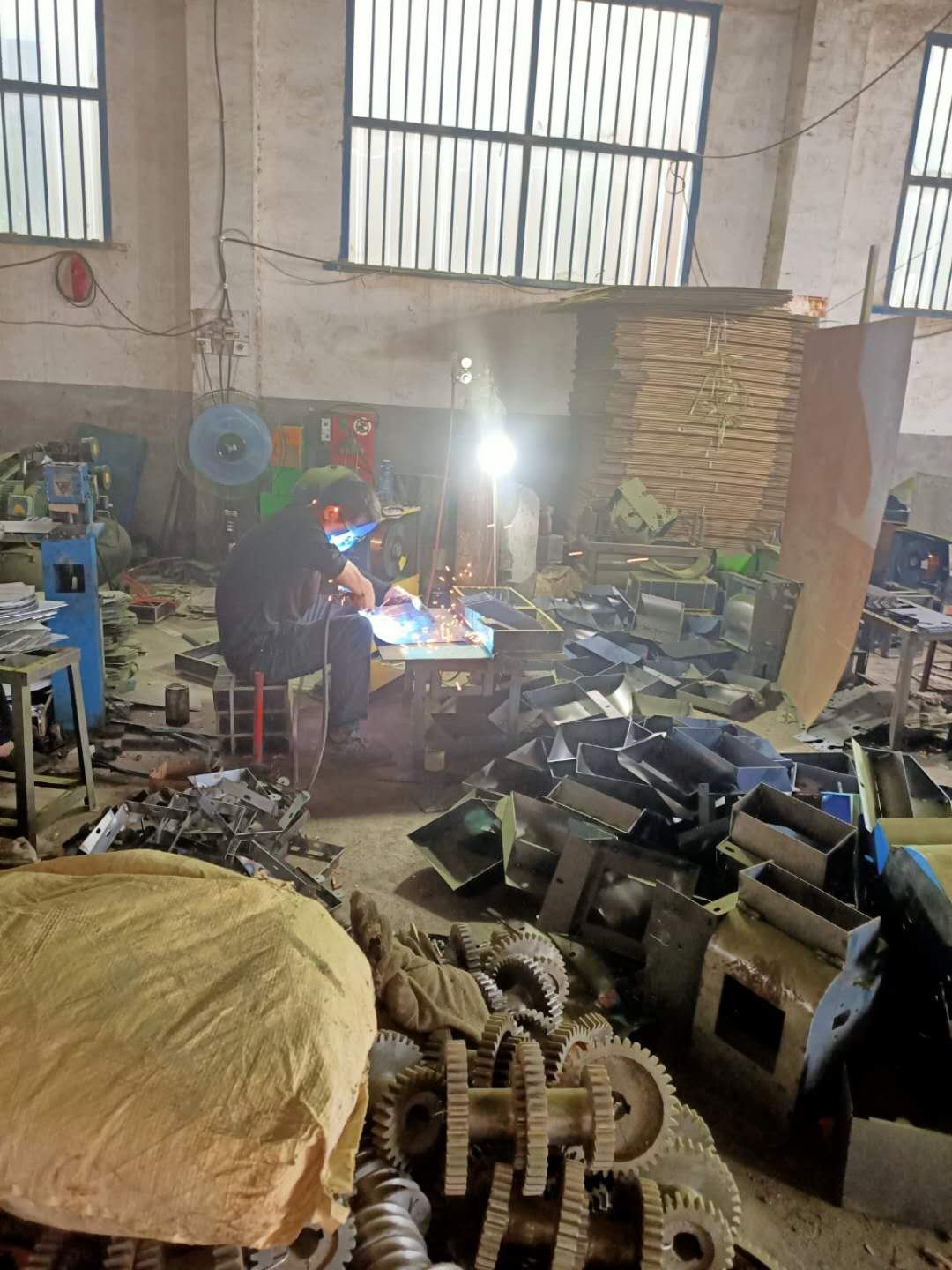
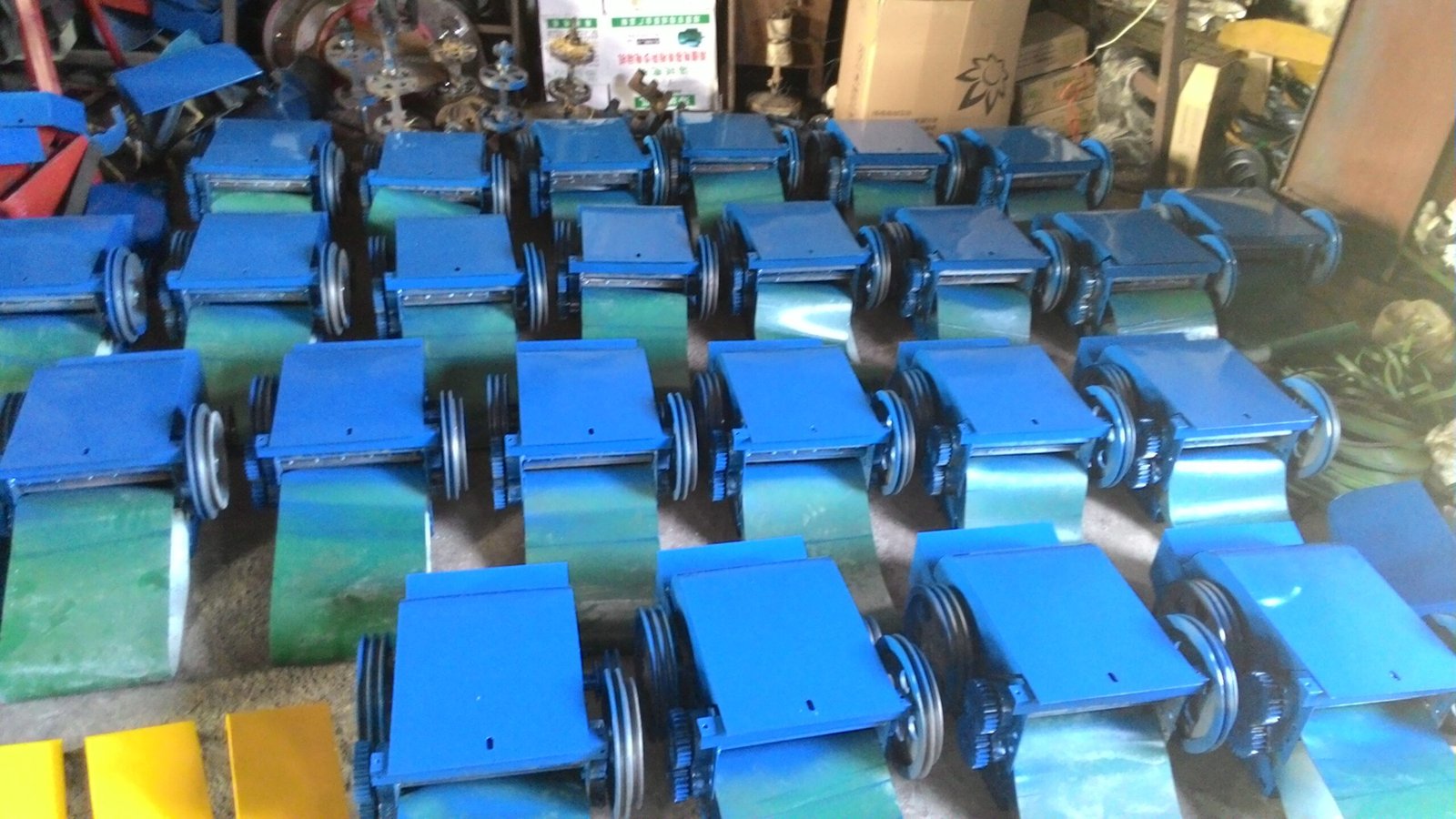
We maintain strict quality control throughout our manufacturing process in South Africa to deliver reliable pellet machines that meet local farming needs. Our 1-year warranty covers all major components, giving customers peace of mind with their investment.
The 80-100kg/h capacity makes this unit ideal for small to medium-scale operations looking to produce quality feed pellets efficiently. Our machines handle various raw materials including wheat bran and other common feed ingredients.







 Jpeg
Jpeg