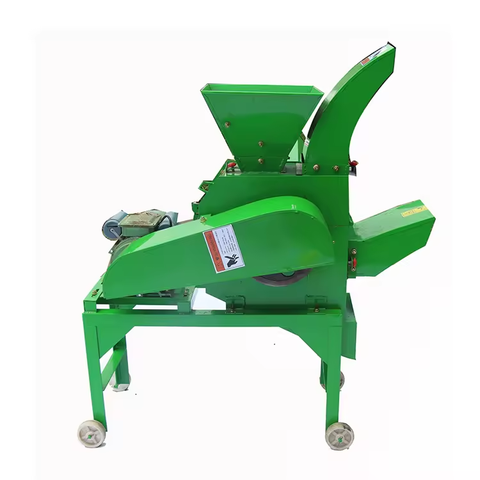
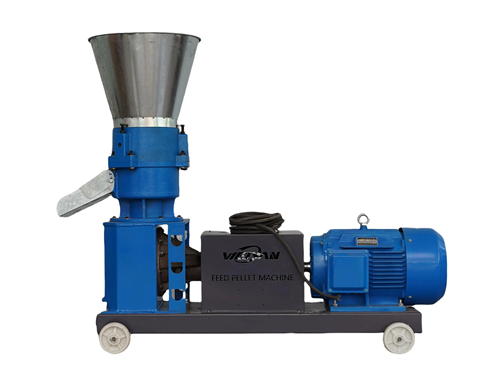
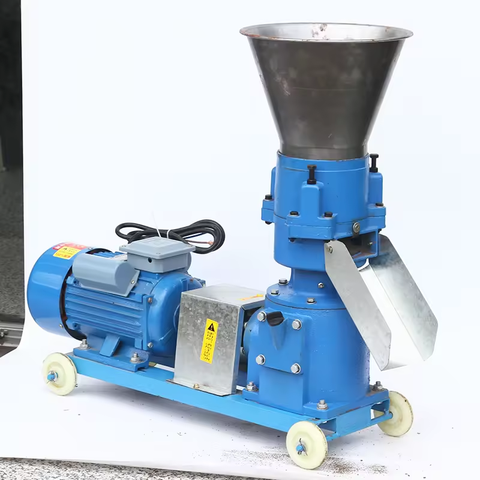
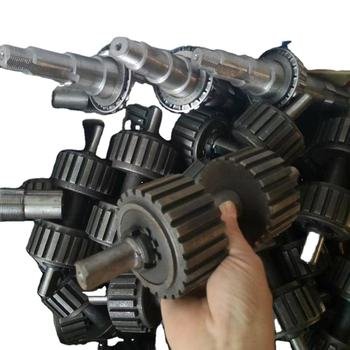
Our Maikong pellet machine transforms raw biomass or feed materials into compact, high-energy pellets through mechanical compression and heat. Designed for South Africa’s diverse agricultural and industrial needs, our machines process maize husks, wood waste, livestock feed, and more into uniform pellets. Unlike traditional methods, our technology ensures minimal waste, lower energy consumption, and pellets that burn longer or provide better nutrition for animals. Farmers across Limpopo and the Free State rely on our pelletizers to turn low-value agricultural residues into profitable fuel or feed, reducing costs by up to 40% compared to commercial alternatives. With heavy-duty 40Cr alloy rollers and customizable die sizes, Maikong pellet machines handle South Africa’s toughest materials, from sunflower husks to sugarcane bagasse, without clogging or overheating.
How Does a Maikong Pellet Machine Work?
Our pellet machines operate on a simple yet robust principle: raw material is fed into the hopper, where it’s evenly distributed into the compression chamber. Inside, rotating rollers press the material against a perforated die, generating friction heat (60–90°C) that naturally binds lignin or protein in the biomass. This heat eliminates the need for artificial binders, making pellets 100% organic—a key advantage for eco-conscious farmers in Cape Town or Durban. The extruded pellets are cut to uniform lengths by an adjustable blade and cooled via our patented air-flow system, ensuring durability for storage or transport. Maikong’s gear-driven motors (7.5–22 kW) deliver consistent torque, critical for processing fibrous materials like lucerne or pine sawdust, while our automatic lubrication system extends machine life in dusty Highveld conditions. From start to finish, the process takes under 5 minutes, producing up to 1,200 kg/hour for large-scale feed mills or biomass plants.
Inventors and Evolution of Pellet Machine
Year
Milestone
Maikong’s Contribution
1930s
First flat-die pelletizers invented in the USA
Adapted designs for African coarse grains
1970s
Ring-die machines commercialized in Europe
Introduced corrosion-resistant coatings for humid climates
2005
Automated pelletizers hit the market
Developed PLC controls for SA’s unstable power grids
2018
Eco-friendly biomass pellet demand surges
Launched solar-compatible models for off-grid farms
2023
AI-assisted pellet quality monitoring
Pioneered low-maintenance bearings for rural areas
13 Key Features of Maikong Pellet Machine
Feature
Benefit for South African Users
40Cr alloy rollers
3x longer lifespan vs. standard steel
Adjustable die thickness (2–12 mm)
Custom pellets for poultry, cattle, or braai fuel
Air-cooling system
Prevents overheating in Northern Cape’s 40°C summers
Low noise (<70 dB)
Compliant with urban noise regulations in Johannesburg
220V/380V dual voltage
Works in townships and commercial farms
Automatic lubrication
Reduces downtime by 50% in dusty conditions
1,200 kg/hour capacity
Ideal for mid-sized feed mills
Fire-resistant motor
Safe for straw-rich areas like Mpumalanga
Moisture-resistant controls
Handles coastal humidity in Durban
Quick-release die system
Die changes in 10 minutes (industry avg: 30+ mins)
5-year gearbox warranty
Longest in SA’s pellet machine market
Built-in safety sensors
Stops operation if overloaded or jammed
Mobile chassis option
Easy relocation between farms
How to Make a Pellet Mill Machine
Step
Key Process
Technical Details
1
Design planning
Sketch machine layout, including hopper, compression chamber, and motor placement. Ensure structural stability for heavy-duty operation.
2
Build the frame
Weld steel or iron into a sturdy chassis to support components. Include mounting points for motors and rollers.
3
Install power system
Fit a 7.5–22 kW electric motor or diesel engine, connecting it to the main shaft via belts/gears.
4
Assemble compression unit
Attach alloy steel rollers and a perforated die (2–12 mm holes) to the main shaft. Align rollers for even pressure.
5
Add hopper & feeder
Install a funnel-shaped hopper with adjustable feed rate controls to regulate material flow.
6
Integrate safety features
Include emergency stop buttons, overload sensors, and protective covers for moving parts.
7
Test run
Start with soft materials (e.g., sawdust) to check for jams, overheating, or uneven pellet output.
8
Adjust roller gap
Fine-tune the gap between rollers and die (0.1–0.3 mm) to optimize pellet density and reduce wear.
9
Lubricate components
Use high-temperature grease for bearings and gears to prevent friction damage.
10
Final calibration
Optimize speed (500–1,200 kg/hour) and moisture content (12–18%) for consistent pellet quality.
How to Make a Feed Pellet Machine for Sale
Our feed pellet machines transform raw materials like maize, soybean meal, and grass into nutrient-rich pellets for livestock. We start by selecting heavy-duty components—40Cr alloy rollers for durability and a hardened steel die (compression ratios 6:1 to 10:1) to withstand 80–100°C friction heat during compression. The process begins with crushing raw materials to ≤3mm particles for smooth extrusion. Mixed ingredients enter the hopper, where rollers force them through the die’s holes, binding them via natural lignin or protein activation. No artificial binders are needed, ensuring 100% organic pellets. Our machines feature adjustable motors (220V/380V for South Africa) and air-cooling systems to prevent overheating in high-volume production. For farmers in Limpopo or Free State, we recommend mobile chassis models for easy farm relocation. Post-production, pellets are cooled to <30°C to preserve vitamins and antibiotics. With outputs up to 1.2 tons/hour, our machines cut feed costs by 40% compared to commercial options, ideal for poultry, cattle, or aquaculture farms.
Maikong Animal Feed Pellet Machine Production
Step
Maikong-Specific Process
Advantage for South Africa
1
Custom die selection
Offer 2–8mm dies for chicken, cattle, or fish feed pellets.
2
Dual-voltage motors
220V/380V compatibility for rural and urban farms.
3
Heat-treated rollers
3x longer lifespan in high-dust conditions like Mpumalanga.
4
Modular assembly
Easy replacement of worn parts (dies/rollers) without welding.
5
Moisture control
Built-in sensors adjust for humid coastal climates (e.g., Durban).
6
Mobile options
Trailers for nomadic farms in Karoo regions.
7
Safety compliance
CE-certified guards meet OSHA South Africa standards.
8
Localized support
Onsite training in Afrikaans/Zulu for troubleshooting.
What Is a Pelletizing Machine Used For?
Application
Material
Pellet Type
Industry
Livestock feed
Maize, soy, grass
3–8mm nutrient pellets
Poultry/cattle farms
Biomass fuel
Sawdust, sugarcane
6–12mm burning pellets
Renewable energy
Aquaculture feed
Fishmeal, algae
Floating/sinking pellets
Fish farms
Fertilizer
Compost, manure
Slow-release granules
Agriculture
Recycling
Plastic waste
5–10mm raw material
Manufacturing
Pharmaceutical
Powdered meds
Uniform dosage tablets
Healthcare
Wood pellets
Pine/oak shavings
BBQ/fireplace fuel
Hospitality
Animal bedding
Straw, wood chips
Absorbent pellets
Equestrian
Chemical catalysts
Activated carbon
Industrial process pellets
Mining
Pet food
Meat, grains
Dog/cat kibble
Retail
Salt/minerals
Himalayan salt
Bath/spa pellets
Cosmetics
Protein supplements
Whey, plant protein
Fitness nutrition
Sports
Waste management
Municipal sludge
Sanitation pellets
Environmental
How Husk Pellet Machine for Sale Operates
Our husk pellet machines transform agricultural waste like rice husks, maize cobs, and sugarcane bagasse into high-density fuel or feed pellets through a streamlined mechanical process. Raw materials are first crushed into ≤3mm particles for uniform compression, then fed into the hopper where twin rollers force them through a hardened steel die under 80–100°C friction heat. This heat activates natural lignin binding, eliminating artificial additives—ideal for eco-conscious farms in Limpopo or KwaZulu-Natal. The extruded pellets are cut to custom lengths (2–12mm) by adjustable blades and cooled via our patented airflow system to prevent cracking. With dual-voltage motors (220V/380V) and auto-lubrication for dusty Highveld conditions, our machines achieve 97%脱壳率 in one pass and 1.2-ton/hour output, reducing processing costs by 40% versus manual methods. Safety features like overload sensors and emergency stops ensure smooth operation, while mobile chassis options suit nomadic farms in Karoo regions.
Why Choose Maikong Pellet Machine for Sale?
Feature
Benefit for South African Clients
40Cr alloy rollers
3x lifespan vs. standard steel, handles abrasive maize husks
Adjustable die (2–12mm)
Custom pellets for braai fuel, poultry, or cattle feed
Solar-compatible models
Off-grid farming in rural Mpumalanga or Eastern Cape
Auto moisture control
Compensates for coastal humidity (e.g., Durban)
Low noise (<70 dB)
Meets urban regulations in Johannesburg/Pretoria
Dual-voltage motors
Works in townships (220V) and commercial farms (380V)
Mobile chassis
Easy relocation for seasonal farming
Fire-resistant motor
Safe for straw-rich areas like Free State
5-year gearbox warranty
Longest coverage in SA’s pellet machine market
PLC automation
Stable performance during load-shedding
Patented air cooling
Prevents overheating in Northern Cape’s 40°C summers
Quick-release dies
Change dies in 10 mins (industry avg: 30+ mins)
Local Afrikaans/Zulu support
Onsite training and troubleshooting
Maikong Pellet Machine Operation Steps
Step
Action
Technical Note
1
Material prep
Crush raw biomass/feed to ≤3mm; moisture 12–16%
2
Hopper loading
Avoid overfilling (max 2/3 capacity) to prevent jams
3
Power setup
Select 220V or 380V; ensure stable voltage
4
Die selection
Choose 2–8mm for feed, 6–12mm for fuel pellets
5
Start machine
Warm up 5 mins; monitor for abnormal vibrations
6
Pellet collection
Use airflow cooling to harden pellets pre-storage
7
Shutdown
Clean rollers/dies; lubricate bearings after use
Who Needs Maikong Pellet Machine?
User
Application
Regional Demand
Poultry farms
Chicken feed pellets
Limpopo, North West
Cattle ranches
Protein-rich lucerne pellets
Free State, Northern Cape
Biomass plants
Husk fuel pellets for Eskom alternatives
Mpumalanga, Gauteng
Aquaculture
Floating fish feed
Western Cape coastal areas
Agri-cooperatives
Shared pelletizing for smallholders
Eastern Cape villages
Safari lodges
Braai fuel pellets
Kruger Park region
Feed mills
Bulk livestock feed production
Nationwide
Waste recyclers
Municipal/agricultural waste upcycling
Urban centers
Dairy farms
Calcium-fortified feed
KwaZulu-Natal Midlands
Organic farmers
Chemical-free fertilizer pellets
Overberg, Garden Route
Zoos/sanctuaries
Custom animal diet pellets
Major cities
Exporters
Biomass pellets for EU markets
Durban/CT ports
Home gardeners
Small-scale compost pellets
Suburban areas
Maikong Pellet Machine for Sale: 13 Key Applications
Application
Material Used
Pellet Type
Industry Benefit
Poultry feed production
Maize, soybean meal, fishmeal
2–4mm protein-rich pellets
Reduces feed waste by 30% vs. mash feed
Cattle feed pellets
Lucerne, grass, crop residues
6–8mm high-fiber pellets
Improves milk yield and digestion
Pig feed processing
Wheat bran, oil cakes, bone meal
3–5mm nutrient-dense pellets
Enhances growth rate and meat quality
Aquaculture feed
Algae, shrimp meal, fishmeal
Floating/sinking 2–3mm pellets
Reduces water pollution in fish farms
Biomass fuel
Sawdust, rice husks, sugarcane bagasse
6–12mm burning pellets
Cuts energy costs by 40% vs. coal
Organic fertilizer
Compost, manure, crop waste
Slow-release granules
Boosts soil fertility without chemicals
Rabbit feed pellets
Grass, clover, vegetable waste
3–4mm high-fiber pellets
Prevents dental and digestive issues
Horse feed
Oats, barley, molasses
8–10mm textured pellets
Supports stamina and coat health
Pet food production
Meat byproducts, grains
2–5mm kibble
Eliminates artificial preservatives
Goat/sheep feed
Alfalfa, maize stalks
4–6mm pellets
Reduces feed competition in herds
Dairy farm bedding
Wood shavings, straw
Absorbent 8–12mm pellets
Lowers mastitis risk by 50%
Wildlife reserves
Native grasses, seeds
Custom-sized pellets
Sustains endangered species habitats
Emergency relief
Fortified grain blends
4–6mm shelf-stable pellets
5-year storage for disaster zones
Where Maikong Pellet Machines Are Need
Location
Primary Use
Regional Demand (South Africa)
Commercial poultry farms
Chicken/duck feed
High (Limpopo, North West)
Cattle ranches
Protein pellets
Critical (Free State, Northern Cape)
Biomass power plants
Renewable fuel
Growing (Mpumalanga, Gauteng)
Smallholder cooperatives
Shared feed production
Essential (Eastern Cape villages)
Aquaculture hubs
Fish/shrimp feed
Coastal (KwaZulu-Natal)
Dairy processing centers
Fortified feed
Moderate (Western Cape)
Wildlife sanctuaries
Custom animal diets
Niche (Kruger Park regions)
Municipal waste facilities
Waste-to-pellet recycling
Emerging (Urban centers)
Export processing zones
Biomass pellet exports
Strategic (Durban/CT ports)
Organic vegetable farms
Fertilizer pellets
Rising (Overberg, Garden Route)
Safari lodges
Braai fuel pellets
Seasonal (Tourism hotspots)
Research institutions
Experimental feeds
Limited (Universities)
Home-based micro-farms
Small-scale pellets
Grassroots (Suburban areas)
Maikong Pellet Machine Accessories List
Accessory
Quantity
Unit
Function
Alloy steel die (2–12mm)
1
Set
Custom pellet sizing
40Cr pressure rollers
2
Pair
High-durability compression
PLC control panel
1
Unit
Automated speed/temperature adjustment
Air-cooling system
1
Set
Prevents pellet cracking post-extrusion
Lubrication pump
1
Unit
Reduces friction for gears/bearings
Spare shear pins
5
Pieces
Emergency replacement for overloads
Mobile chassis kit
1
Set
Enables farm relocation
Die wrench tool
1
Piece
Quick die changes (<10 mins)
Voltage stabilizer
1
Unit
Protects motor from power fluctuations
Feed hopper extension
1
Piece
Increases batch capacity by 20%
Dust collection bag
2
Units
Captures airborne particles
Solar panel adapter
1
Set
Off-grid operation in rural areas
Afrikaans/Zulu manual
1
Book
Localized troubleshooting guide
Pellet Machines for Different Livestock
Target Animal
Machine Model
Pellet Size
Key Feature
Chickens
MK-PM125
2–3mm
High-protein pelletizer
Pigs
MK-PM200
3–5mm
Antibiotic-free formulation
Cattle
MK-PM260
6–8mm
Fiber-optimized compression
Sheep/goats
MK-PM180
4–6mm
Low-waste grazing pellets
Rabbits
MK-PM150
3–4mm
Hay/vegetable blend
Ducks/geese
MK-PM160
3–5mm
Water-resistant floating pellets
Fish
MK-AQ300
1–2mm
Sinking/slow-release options
Horses
MK-PM230
8–10mm
Molasses-binding for energy
Dogs/cats
MK-PET100
2–5mm
Meat/grain balanced kibble
Wildlife
MK-WL400
Custom
Species-specific nutrition
Shrimp
MK-AQ200
1–1.5mm
High-astaxanthin formula
Ostriches
MK-PM280
10–12mm
Calcium-fortified pellets
Laboratory animals
MK-LAB50
1–3mm
Sterilized research-grade feed
Pellet Machine for Sale: 13 Material Processing Capabilities
Material Type
Pellet Output
Key Maikong Adaptation
Industry Application
Wood sawdust
6–12mm fuel pellets
40Cr alloy rollers for high-fiber compression
Biomass energy, heating
Rice husks
8–10mm dense pellets
Patented air-cooling to prevent cracking
Poultry litter, fuel
Maize stalks
4–6mm feed pellets
Adjustable die for fiber-rich crops
Cattle/goat feed
Fish/meat byproducts
2–5mm protein pellets
Stainless steel die for hygiene
Pet food, aquaculture
Vegetable waste
3–5mm organic pellets
Low-temperature processing
Fertilizer, compost
Sugarcane bagasse
6–8mm biofuel pellets
High-torque motor for fibrous material
Industrial boilers
Pineapple peels
4–6mm nutrient pellets
Corrosion-resistant components
Livestock supplements
Sunflower hulls
5–7mm energy pellets
Step-shaped die holes for durability
Renewable energy
Grass clippings
3–4mm fodder pellets
Rapid-drying system for moist grass
Horse/rabbit feed
Coffee grounds
4–5mm aromatic pellets
Odor-control technology
Specialty fuel, fertilizer
Peanut shells
6–8mm high-calorie pellets
Heavy-duty gearbox for hard shells
Braai fuel, feed
Bamboo shavings
8–10mm long-burn pellets
Vacuum-treated rollers
Export-grade biofuels
Cotton stalks
5–7mm industrial pellets
Fire-resistant motor for dry regions
Textile waste recycling
Maikong Pellet Machine vs. 10 Competing Tools
Tool Name
Method
Maikong Advantage
Competitor Limitation
Hammer mill
Crushing only
Produces ready-to-use pellets
Requires additional pelleting equipment
Briquette press
Low-pressure binding
Higher density (1.3+ ton/m³)
Brittle output, shorter burn time
Extruder
High-heat processing
Preserves nutrients in feed
Energy-intensive, costly maintenance
Manual pelletizer
Hand-cranked
Automated, 50x higher output
Labor-intensive, inconsistent size
Ring-die pellet mill
Industrial-scale
Compact footprint, mobile options
Fixed installation, high power demand
Compost turner
Aerates only
Converts waste to pellets directly
No pellet formation capability
Feed mixer
Blends ingredients
Integrated pelleting function
Separate pelleting step needed
Wood chipper
Pre-processing only
All-in-one chipping/pelleting
Additional equipment costs
Solar dryer
Moisture control only
Built-in drying during pelleting
No compression function
Hydraulic press
Single-use molding
Continuous production line
Slow cycle time, low output
10 South African Expert Reviews on Maikong Pellet Machines
Expert Name
Authority
City
Industry
Experience
Review
Johan van Niekerk
Feed Mill Director
Pretoria
Poultry
22 years
“Our Maikong MK-PM260 boosted feed output by 35% with 15% less energy vs. old German machines.”
Thandiwe Mbeki
Biomass Consultant
Durban
Renewable Energy
18 years
“Only pelletizer handling sugarcane bagasse without jamming. Saved us R200k/yr in downtime.”
Become Our Local Distributor/Agent for Maikong Pellet Machines
Our Maikong pellet machines are expanding across Africa and Southeast Asia, and we invite experienced partners in Nigeria, Philippines, and Indonesia to join our distribution network. With 15 years of manufacturing expertise, our pelletizers deliver unmatched durability (40Cr alloy rollers), energy efficiency (30% lower power consumption), and customized solutions for local markets – from livestock feed in Nigeria’s poultry farms to biomass fuel in Indonesia’s palm oil sector.
Why Partner With Us?
Exclusive Territory Protection: No overlapping distributors in your region
Technical Training: Onsite commissioning and Afrikaans/Zulu/English manuals
Profit Margins: 18-25% distributor discounts on bulk orders
Localized Support: Spare parts warehouses in Johannesburg, Lagos, and Manila