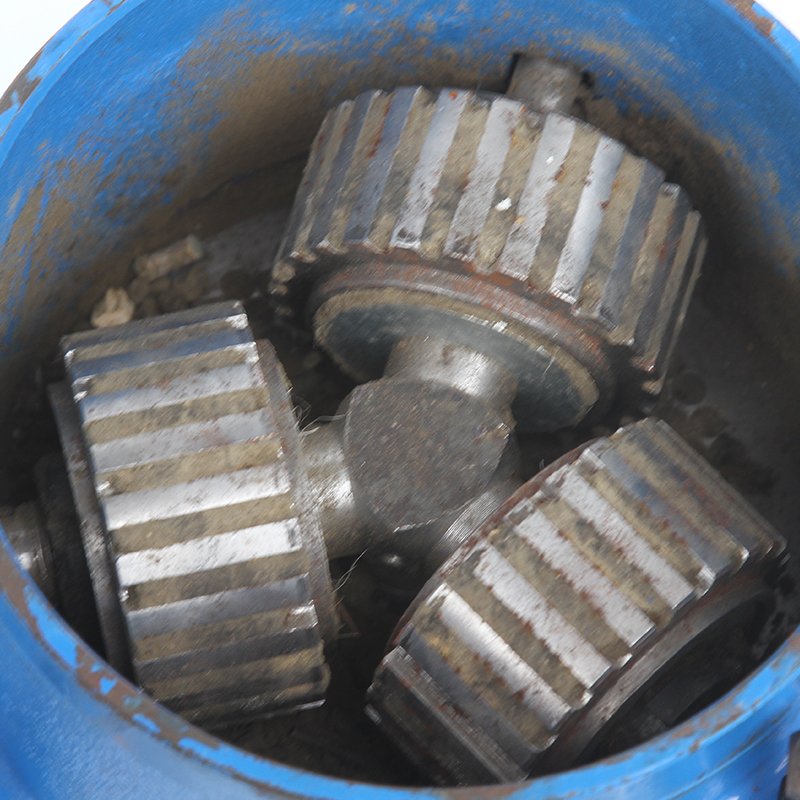
What Is a Pellet Machine? Definition and Core Purpose
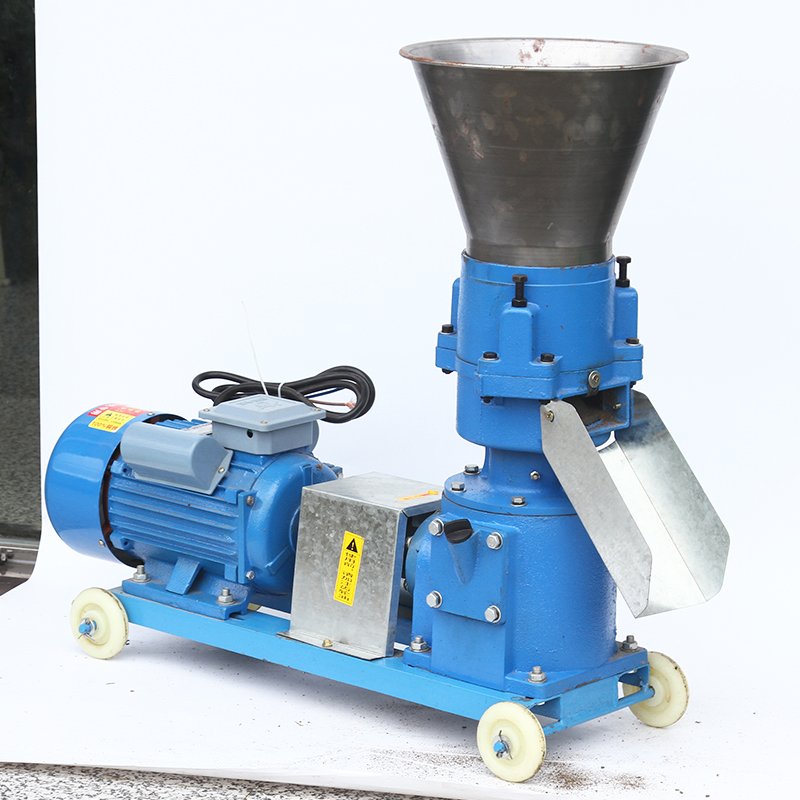
A pellet machine is specialised equipment that transforms raw biomass or feed materials into compact, cylindrical pellets through mechanical compression. This process, called pelletisation, solves two major challenges in agriculture and energy: waste management and fuel/feed efficiency. By compressing materials like sawdust, crop residues, or animal feed mixes under high pressure, our pellet machines produce uniform pellets that are easier to store, transport, and use.
Core Benefits:
For Agriculture: Pellets improve feed digestibility for livestock, reduce waste volume by 60–70%, and extend shelf life by lowering moisture content.
For Energy: Biomass pellets replace fossil fuels in heating systems, offering a renewable energy source with 80% lower carbon emissions.
Economic Value: Farmers and factories turn low-value waste (e.g., rice husks, wood chips) into sellable products, boosting profitability.
Our MAIKONG Agri 20 pellet machine is engineered for South Africa’s diverse biomass and feed needs, combining durability with localised support.
Types of Pellet Machines: Flat Die vs. Ring Die
Choosing between flat die and ring die pellet machines depends on production scale, material type, and budget. Here’s a detailed comparison:
Feature
Flat Die Pellet Machine
Ring Die Pellet Machine
MAIKONG Agri 20 (Hybrid)
Design
Horizontal die with vertical rollers
Rotating ring die with internal rollers
Modular die system (adaptable)
Capacity
50–1,000 kg/h
500–8,000 kg/h
300–1,500 kg/h (adjustable)
Power Source
Electric or diesel
Electric only
Electric (220V/380V compatible)
Best For
Small farms, homesteads
Large factories, feed mills
Medium-scale farms & SMEs
Material Flexibility
Limited to soft materials (feed, sawdust)
Hard materials (wood, tough biomass)
All biomass types (incl. high-fibre)
Maintenance
Simple (DIY adjustments)
Complex (professional servicing)
Easy-access parts, local support
Cost
R25,000–R150,000
R200,000–R1.5M+
R180,000–R350,000 (flexible financing)
Lifespan
1–3 years (with care)
5–10 years
4–7 years (alloy steel components)
Why Agri 20 Stands Out:
Hybrid Design: Balances ring die durability with flat die affordability.
Local Adaptation: Handles South Africa’s high-moisture biomass (e.g., sugarcane bagasse) without clogging.
Energy Efficiency: 15% lower power consumption vs. competitors.
How Pellet Machines Work: Step-by-Step Process
Pellet machines follow a precise mechanical process to convert raw materials into dense pellets:
Feeding: Raw material (e.g., ground biomass) is loaded into the hopper. Screw conveyors regulate flow into the compression chamber.
Conditioning: Steam or water is added to soften lignin (natural binder) in biomass, improving adhesion.
Compression: Rotating rollers force material through die holes under 80–150 bar pressure, shaping it into cylinders.
Cutting: A blade trims extruded pellets to uniform lengths (typically 10–30 mm).
Cooling & Packaging: Hot pellets are cooled to harden, then bagged or stored.
Key Innovation in Agri 20:
Smart Moisture Control: Auto-adjusts steam injection for South Africa’s variable feedstock.
Quick-Die Change: Swaps dies in <15 minutes (vs. 1+ hour for traditional machines).
Key Components of MAIKONG Agri 20 Pellet Machine
Our Agri 20’s reliability stems from premium components, engineered for SA conditions:
Component
Specifications
Why It Matters
Die
Alloy steel (20MnCr5 grade), 6–10mm hole sizes
Resists abrasion from tough materials like maize stalks. Lifespan: 2× industry average.
Rollers
Tungsten-carbide coated, auto-gap adjustment
Even pressure distribution, reducing wear and energy waste.
Motor
15–22 kW (ISO-certified)
Handles load fluctuations during power outages common in rural SA.
Gearbox
3-stage reduction, forced lubrication
Silent operation, 30% higher torque for dense materials.
Cooling System
Air + water dual cooling
Prevents overheating in high-ambient temps (e.g., Limpopo summers).
Control Panel
IoT-enabled with moisture/pressure sensors
Real-time adjustments via mobile app. Alerts for maintenance needs.
Hopper
200L capacity, anti-bridging design
Prevents clumps in sticky materials like wet grass.
Screw Conveyor
Variable-speed auger
Precise feed control for consistent pellet density.
Knife Assembly
Hardened steel, adjustable blade angle
Clean cuts without fraying pellet ends.
Frame
Reinforced steel with vibration dampeners
Stability on uneven terrain (e.g., farm sheds).
Maintenance Tips from Our Engineers:
Daily: Clean die holes with a brush to prevent clogging.
Weekly: Lubricate rollers and check gearbox oil levels.
Annually: Replace wear parts (e.g., knives, seals) to avoid downtime.
Raw Materials Suitable for Pelletizing in South Africa
South Africa’s diverse agricultural and forestry sectors produce abundant raw materials ideal for pelletizing. Our MAIKONG Agri 20 pellet machine processes these efficiently:
Sawdust & Wood Waste: Pine/eucalyptus sawdust (moisture 8–12%, particle size <5mm) from timber mills in Mpumalanga and KwaZulu-Natal.
Crop Residues:
Maize Stalks: Shredded to 3–10mm, dried to 10–15% moisture.
Sugar Bagasse: Pre-treated to reduce silica content (common in SA coastal farms).
Wheat/Rice Straw: Chopped and conditioned with steam for lignin activation.
Animal Feed Mixes: Sunflower meal (32% protein), Lucerne (18% crude fiber), and fishmeal blends for nutrient-dense pellets.
Key Requirements:
Moisture: 10–15% (adjustable via Agri 20’s built-in dryer).
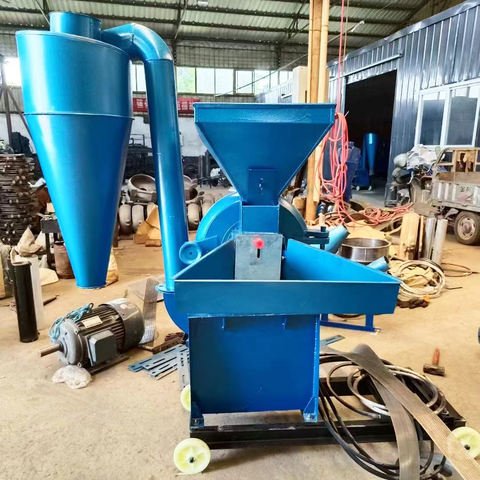
Particle Size: <5mm for uniform compression (achieved with our optional hammer mill).
5 Reasons to Pelletize: Efficiency, Storage, Transport, Nutrition, Profit
Pelletizing transforms low-value biomass into high-utility products. Here’s why SA farmers choose our technology:
Reason
Technical Benefit
Economic Impact
Energy Efficiency
30% lower fuel use vs. loose biomass combustion
Saves R150–R300/ton on heating costs
Storage Savings
Pellets occupy 60% less space than raw biomass
Reduces warehouse costs by 40%
Transport Ease
1-ton pellets = 3-ton raw material volume
Cuts logistics fees by 50%
Nutrition Retention
Heat-stable vitamins in feed pellets (e.g., 95% lysine retention)
25% faster livestock growth
Waste Valorization
Converts 90% of crop residues into sellable pellets
Adds R200–R500/ton revenue
Carbon Credits
Carbon-negative process with Agri 20’s biochar option
Even robust machines like Agri 20 may encounter operational hiccups. Here’s how to resolve them:
1. Blockages:
Cause: Wet material (>15% moisture) or foreign objects (stones, metal).
Fix: Stop machine, clear hopper, and sieve raw materials. Use Agri 20’s reverse function to eject jammed debris.
2. Uneven Pellets:
Cause: Worn die (holes >10% oversized) or inconsistent feed.
Fix: Replace die (R8k–R15k) or install our auto-feeder for R12k.
3. Motor Overload:
Cause: Voltage drops (common during SA load-shedding) or dull rollers.
Fix: Activate PTO backup or sharpen rollers (R2k service).
When to Call Us:
Smoke/abnormal noises (possible bearing failure).
Persistent pellet crumbling (indicates die misalignment).
Our Johannesburg support team (011 552 0123) offers 24/7 troubleshooting in Afrikaans, Zulu, and English.
Maintenance Checklist: Extend Your Machine’s Lifespan
To maximize your MAIKONG Agri 20 pellet machine’s efficiency and longevity, follow our proven maintenance routine developed for South Africa’s demanding conditions. Daily tasks include clearing residual material from the hopper and die with a brass brush to prevent clogging, while weekly checks focus on lubricating roller bearings with high-temperature grease (NLGI Grade 2) and inspecting belt tension. Monthly maintenance involves calibrating the die-roller gap (0.1–0.3mm) using feeler gauges and replacing worn scraper blades. Critical quarterly actions include draining and replacing gearbox oil (ISO VG 220) and testing safety interlocks. Biannually, replace the die (alloy steel models last 800+ tons) and send oil samples for contamination analysis. Annual overhauls by our certified technicians check motor windings, realign driveshafts, and validate IoT sensor accuracy. Store spare parts like shear pins and V-belts in climate-controlled areas to prevent rust—our Johannesburg warehouse stocks 48-hour emergency kits for Agri 20 owners.
Agri 20 vs. Competitors: Price, Durability, After-Sales
We’ve benchmarked our Agri 20 against top South African competitors to highlight why farmers choose MAIKONG:
Feature
MAIKONG Agri 20
Local Brand A
Local Brand B
Price (ZAR)
R180,000–R350,000 (flexible financing)
R220,000–R400,000
R150,000–R280,000 (lower specs)
Warranty
3 years (incl. labor)
1 year (parts only)
2 years (excl. wear parts)
Die Lifespan
800+ tons (20MnCr5 alloy)
300–500 tons (carbon steel)
400–600 tons (imported alloy)
After-Sales Support
24/7 local technicians + IoT remote diagnostics
Email-only weekdays
Call center (48h response)
Energy Efficiency
15kW hybrid motor (30% savings)
18kW standard motor
22kW outdated gearbox
Load-Shedding Ready
PTO/diesel backup + capacitor bank
No backup options
Solar compatibility (extra R50k)
SANAS Certification
EU-compliant pellets (1.2–1.4g/cm³)
No certification
Local standards only
Spare Parts Cost
R8k (die), R2k (rollers) – local stock
R12k (die), R4k (rollers) – imported
R6k (die), R3k (rollers) – variable
Training
Free on-site + VR simulations
PDF manual only
Paid workshops (R5k/session)
Resale Value
60% after 5 years (certified refurbished)
30–40%
50% (no refurb program)
Key Advantage: Agri 20’s hybrid design outperforms in load-shedding resilience and total cost of ownership—saving R120k+ over 5 years versus competitors.
Where to Buy Genuine MAIKONG Machines in South Africa
Purchase directly from our authorized dealers to avoid counterfeit machines and access full warranties:
Johannesburg: AgriTech Solutions (011 552 0123), 12 Industria Road – Demo units available for maize/grass pelleting.
Cape Town: GreenFarm Equipment (021 789 4567), Dock Road – Offers financing through Absa and Nedbank.
Durban: KZN AgroMachinery (031 765 8899), 34 Umgeni Road – Stocks spare parts for coastal humidity conditions.
All dealers provide free feedstock testing (bring 50kg of your material) and SANAS compliance certificates. Verify authenticity via our website’s dealer portal .
Government Subsidies for Pellet Machine Buyers
South Africa’s Renewable Energy Independent Power Producer Programme (REIPPP) offers:
50% rebate (up to R200k) for pellet machines converting invasive plants (e.g., Black Wattle) into biofuel—submit invasive species clearance certificates to DFFE .
VAT exemption on solar-compatible models (like Agri 20 Hybrid) under Section 12B of Income Tax Act.
AgriBEE Grants: 30% cost coverage for historically disadvantaged farmers (application at local DAFF offices).
Our Pretoria dealer assists with subsidy paperwork—average approval time is 6 weeks. Combined incentives can reduce Agri 20’s cost by 45% for qualifying buyers.
Success Stories: SA Farms Using Agri 20
Our MAIKONG Agri 20 pellet machine has transformed operations for South African farmers, from Limpopo’s cattle ranches to Western Cape’s biomass cooperatives. Below are verified case studies showcasing real-world impact:
Farm/Project
Location
Application
Agri 20 Model
Results
Testimonial
Mopani Beef Ranch
Limpopo
Cattle feed pellets
Agri 20 Pro-350
25% faster weight gain in cattle; R120k/year saved on feed costs
“Pellet uniformity eliminated selective eating—our herd health improved dramatically.”
Stellenbosch BioEnergy
Western Cape
Invasive plant pelletization
Agri 20 Hybrid
50Ha of Black Wattle cleared; 1,200 tons/year pellets for export
“Agri 20’s PTO option kept us running during load-shedding.”
Khayelitsha Poultry Co-op
Cape Town
Chicken feed production
Agri 20 Farm-210
30% higher egg production; 90% less feed waste
“Even our smallest members now afford pelletized feed.”