
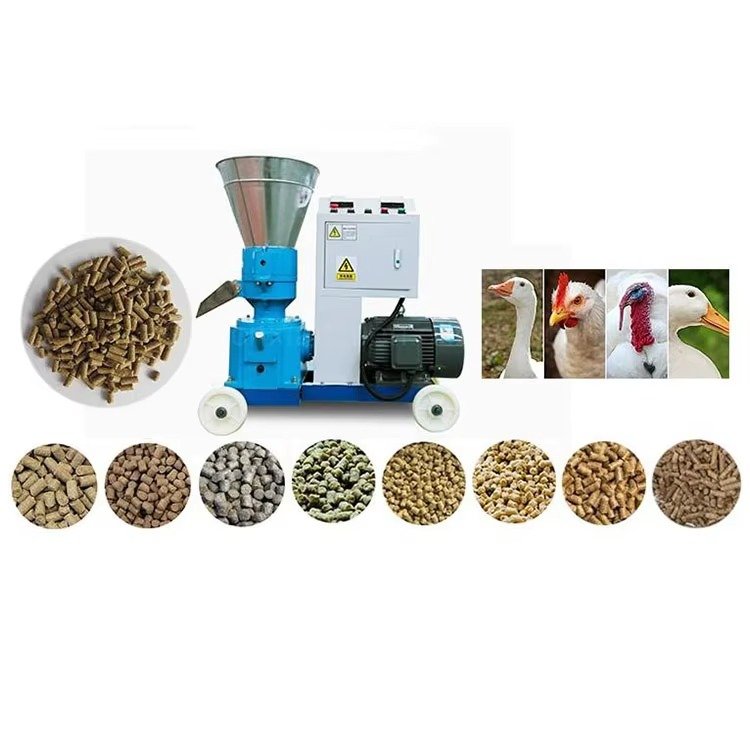
MAIKONG brings twenty years of pellet machine manufacturing experience to South Africa. Our equipment helps farmers across Africa produce their own animal feed efficiently. This guide explains everything about choosing and using a feed pellet machine for your operation.
Understanding Feed Making Machine Types and Functions
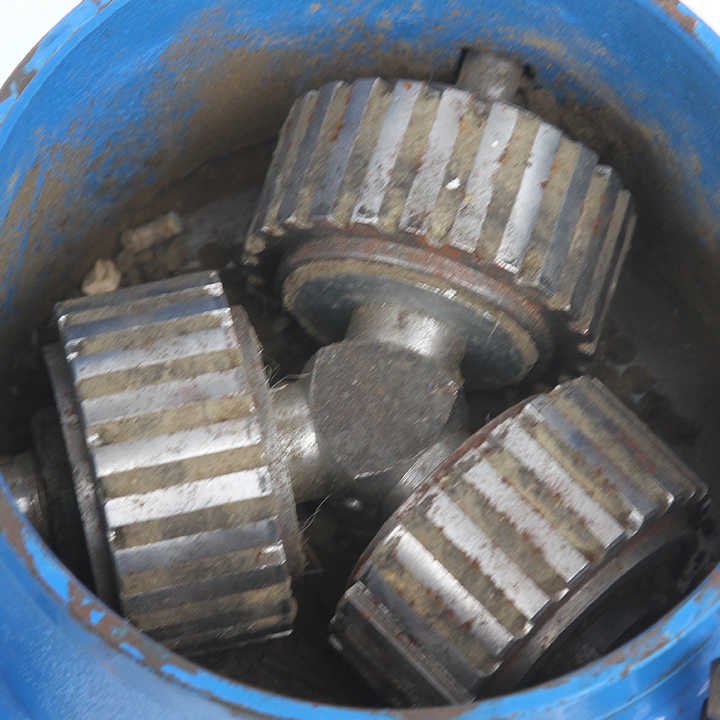
A feed making machine transforms raw materials into compact pellets. The process involves mixing ingredients, grinding them fine, adding water, then pressing everything through a die. Heat and pressure bind the materials together without requiring additional binders in most cases.
Two main machine types serve different farming scales. Flat die machines work perfectly for backyard operations and small farms. These compact units process fifty to three hundred kilograms hourly. Ring die machines handle larger production volumes starting at five hundred kilograms per hour.
Flat Die Feed Pellet Machine Advantages
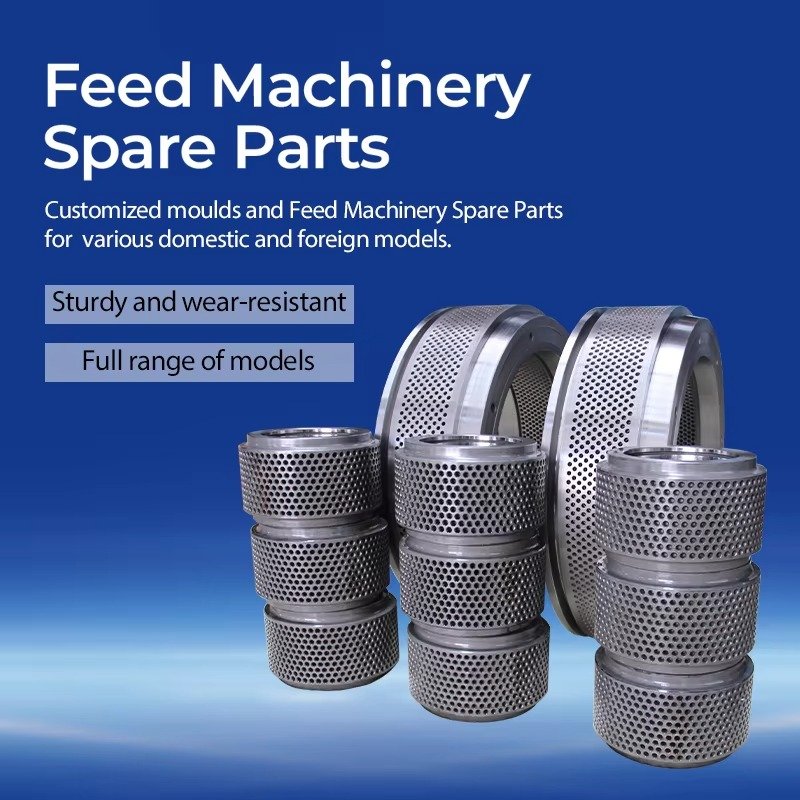
Flat die models suit most backyard farmers perfectly. The die plate sits horizontally while rollers press material through holes. This simple design requires less maintenance than complex systems. Farmers appreciate the straightforward operation and easy cleaning process.
Small scale poultry operations benefit from flat die efficiency. These machines produce uniform pellets from various raw materials including maize, soybeans, fishmeal, and grass. The equipment handles moisture content variations better than ring die alternatives.
Key Benefits for Small Farms
- Lower initial investment compared to ring die machines
- Easier operation for farmers without technical training
- Simple maintenance using basic tools
- Compact size fits small workshop spaces
- Electricity consumption stays economical
- Spare parts remain affordable and accessible
Production Capabilities
- Processes diverse materials from grains to grass
- Produces pellets sized 2mm to 8mm diameter
- Handles moisture content between 12% and 18%
- Creates floating fish feed with proper formulation
- Manufactures both poultry and livestock feed
- Adapts quickly between different recipes
Ring Die Machines for Larger Operations
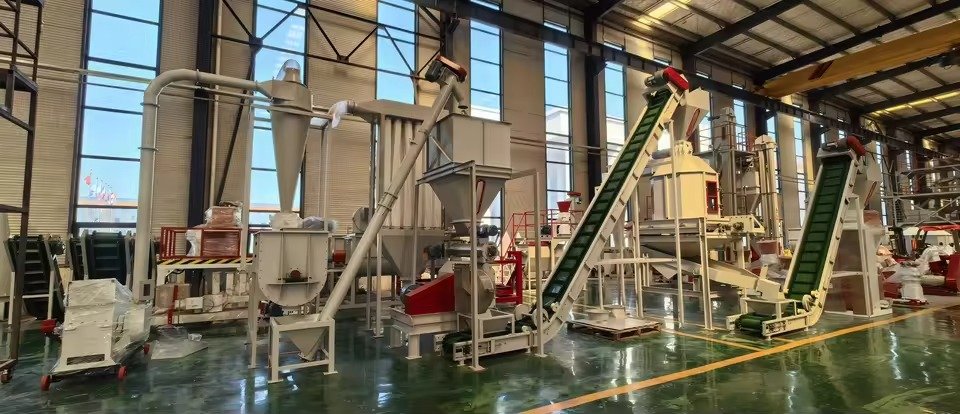
Commercial farms and cooperatives often choose ring die technology. The vertical die rotates while stationary rollers press material outward through holes. This configuration achieves higher production rates and creates denser pellets.
Ring die machines excel at continuous production. Feed mills and large livestock operations run these units for extended periods. The robust construction withstands demanding commercial use. However, the price and complexity exceed what most backyard farmers need.
Get Your Custom Feed Making Machine Quote
MAIKONG offers complete customization from capacity to appearance. Tell us your requirements and receive a detailed proposal within twenty-four hours. Our South African team understands local farming needs.
Choosing the Right Machine Capacity for Your Farm
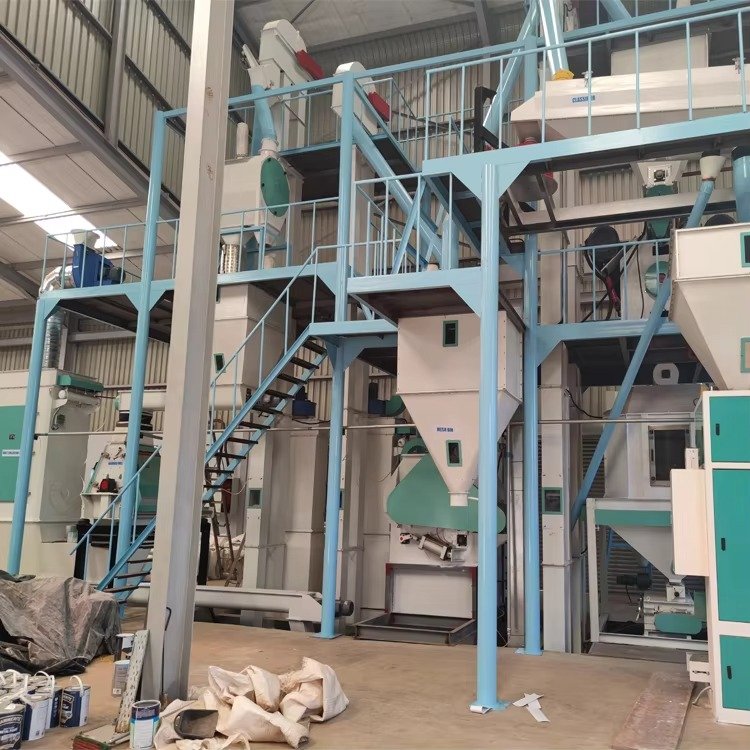
Production capacity determines which feed pellet machine fits your operation. Calculate daily feed consumption first. A backyard flock of one hundred chickens consumes roughly twelve kilograms daily. Multiply bird numbers by typical consumption rates for accurate estimates.
Small farms need machines producing sixty to one hundred fifty kilograms hourly. Medium operations require one hundred fifty to four hundred kilograms per hour. Large commercial facilities demand equipment exceeding five hundred kilograms hourly capacity.
Capacity Planning Guidelines
| Farm Size | Bird Count | Daily Feed Need | Recommended Machine | Hourly Capacity |
| Backyard | 50-200 chickens | 6-24 kg | MAIKONG PM-120 | 60-80 kg/h |
| Small Scale | 200-500 chickens | 24-60 kg | MAIKONG PM-150 | 100-120 kg/h |
| Medium Scale | 500-2000 chickens | 60-240 kg | MAIKONG PM-210 | 200-300 kg/h |
| Commercial | 2000-5000 chickens | 240-600 kg | MAIKONG PM-300 | 400-500 kg/h |
| Large Commercial | 5000+ chickens | 600+ kg | MAIKONG Ring Die Series | 800-2000 kg/h |
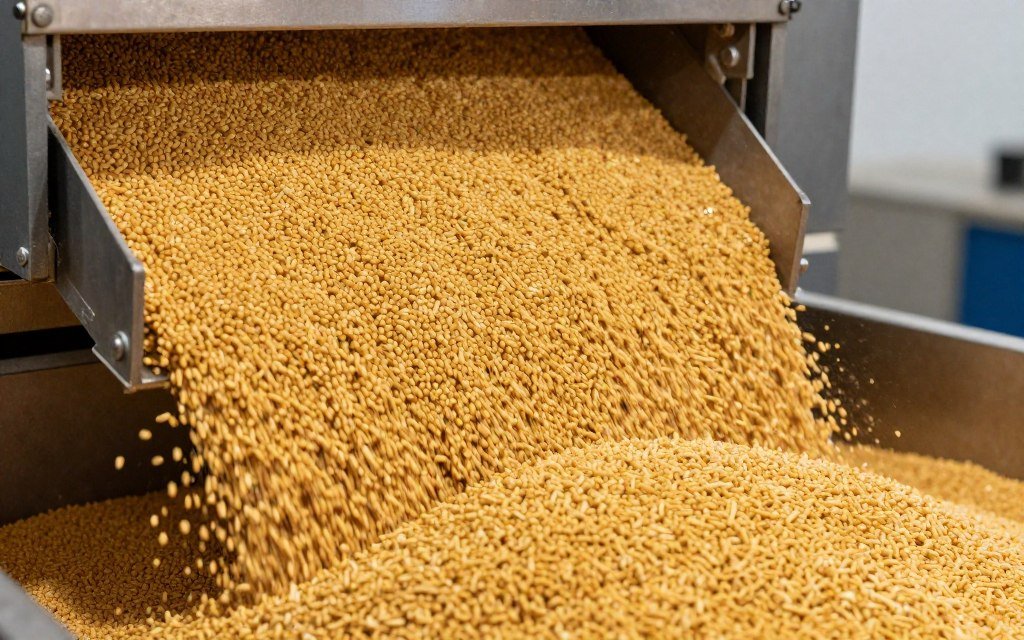
Consider future growth when selecting equipment. A machine running at seventy percent capacity allows room for flock expansion. Operating below maximum capacity also extends machine life and reduces wear on components.
Matching Animals to Machine Specifications
Different livestock requires specific pellet sizes. Chicks need 2mm to 3mm diameter pellets. Adult chickens consume 3mm to 5mm sizes comfortably. Cattle and sheep prefer 6mm to 8mm pellets. Most feed pellet machines accommodate die changes for different pellet dimensions.
Poultry Feed Requirements
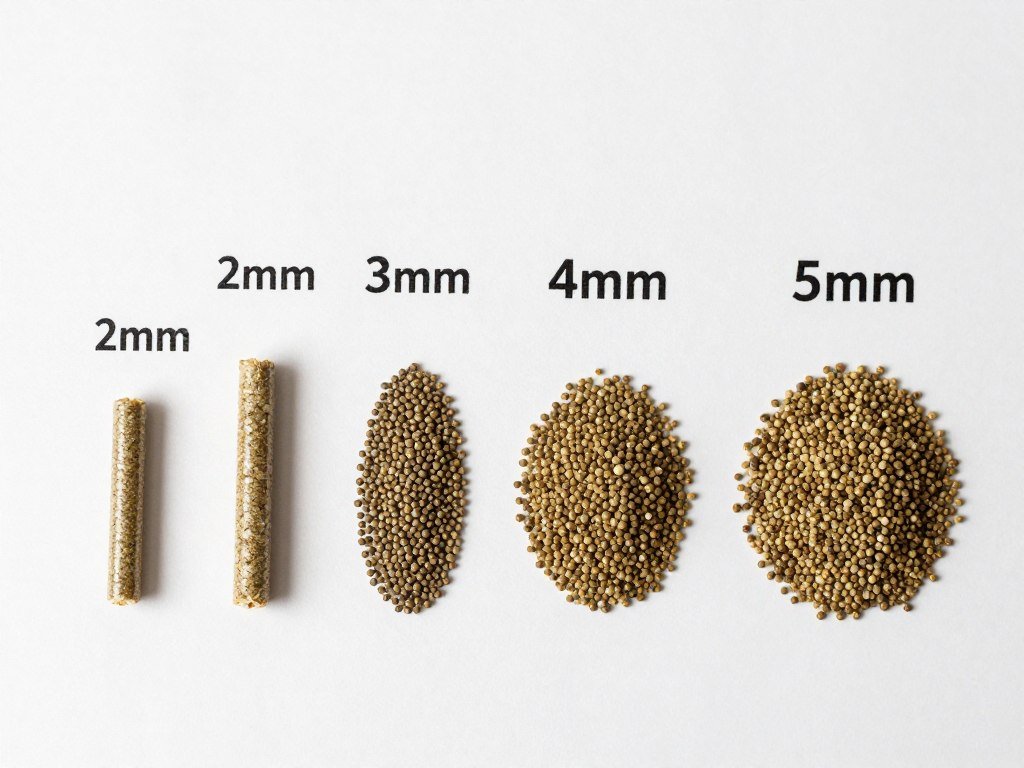
Chicken feed pellets vary by bird age. Starter feed uses fine 2mm pellets. Grower feed employs 3mm to 4mm sizes. Layer feed typically measures 4mm to 5mm diameter. The same feed making machine produces all sizes by swapping dies.
Livestock and Fish Specifications
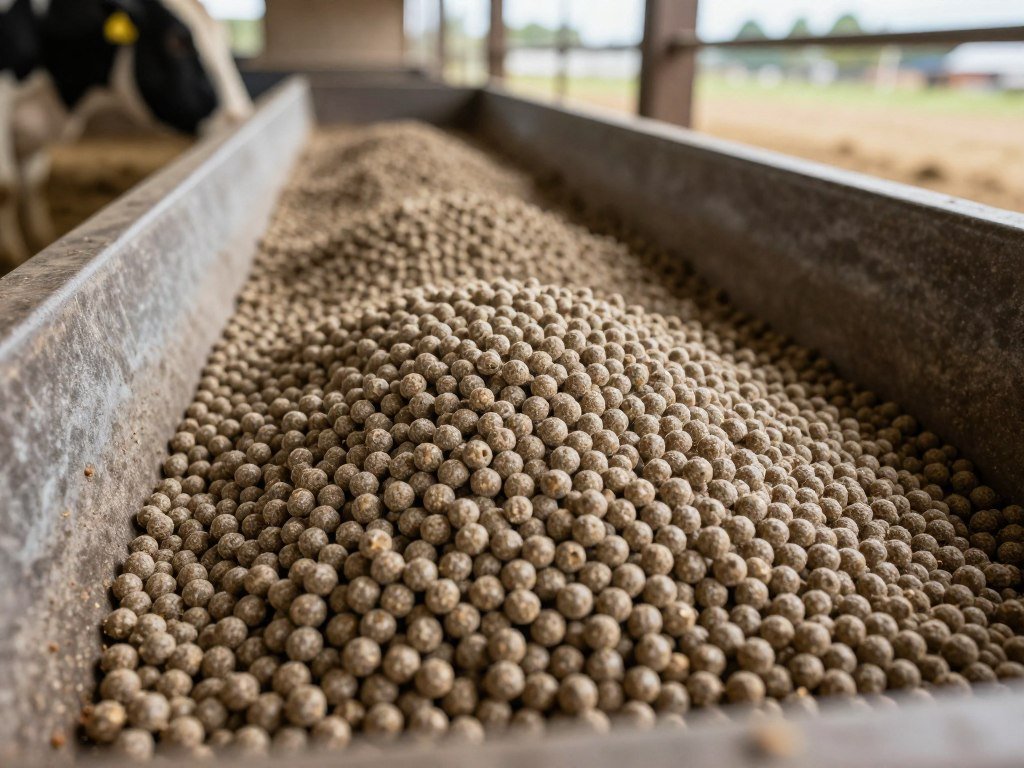
Cattle consume 6mm to 8mm pellets efficiently. Sheep prefer similar sizes. Fish farming requires floating pellets created through special processing. Pigs accept 5mm to 7mm sizes. MAIKONG machines handle all these animal feed types with appropriate die selection.
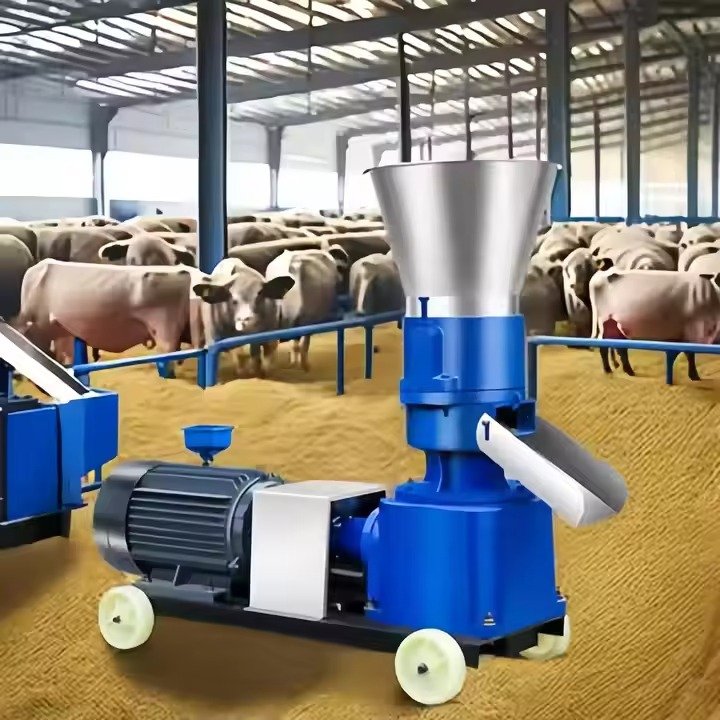
Multi-species farms benefit from versatile equipment. A single machine produces chicken feed one day and cattle feed the next. Die changes take fifteen to thirty minutes. This flexibility maximizes equipment investment for diversified operations.
Raw Materials and Feed Formulation Basics
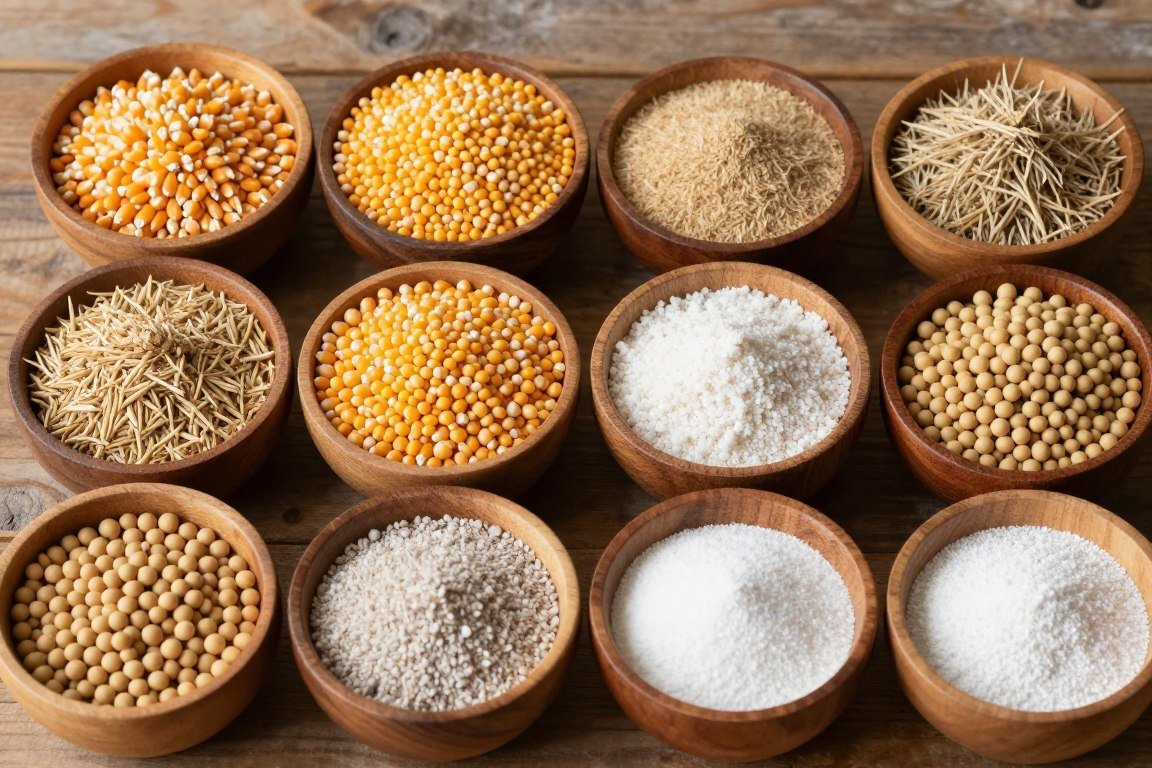
Quality pellets start with proper raw materials. Maize forms the energy base for most poultry feed formulations. Protein sources include soybeans, fishmeal, and sunflower cake. Vitamins and minerals complete nutritional requirements. All ingredients need grinding before pelleting.
A basic chicken feed recipe contains sixty percent maize, twenty percent soybean meal, ten percent fishmeal, five percent wheat bran, and five percent vitamin-mineral premix. Adjust proportions based on bird age and production goals. Layer feed requires additional calcium for strong eggshells.
Essential Processing Equipment
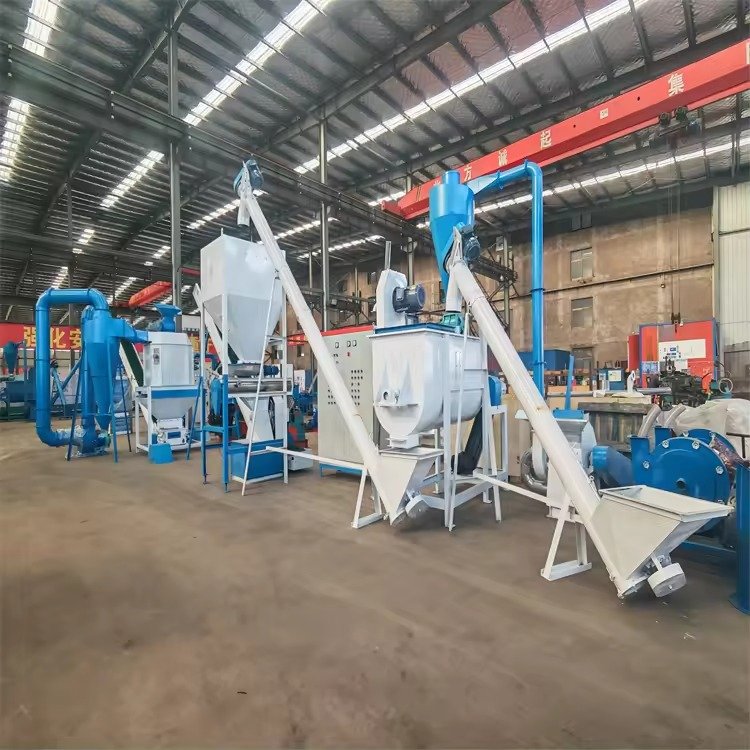
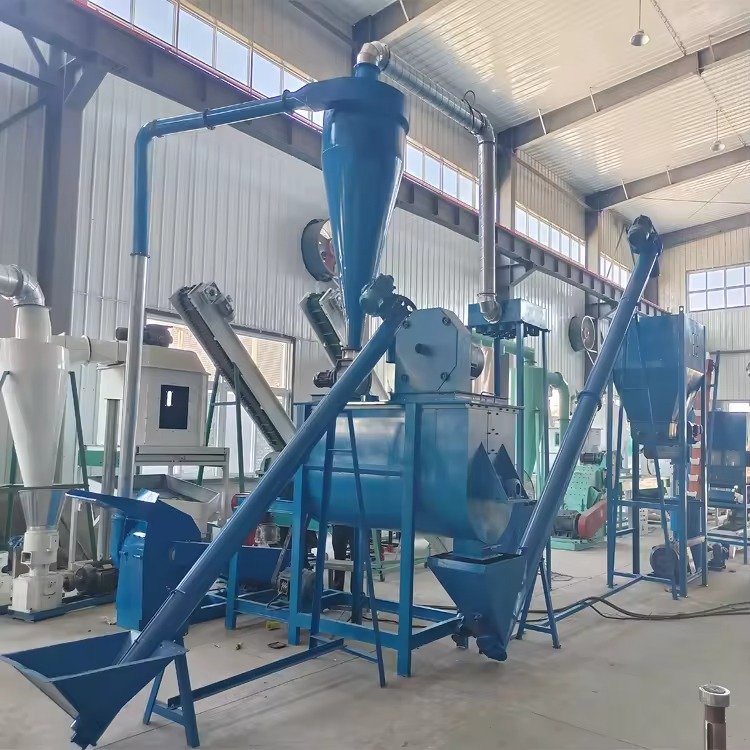
Feed processing requires three basic machines. A hammer mill grinder reduces ingredients to powder. A mixer blends components uniformly. The feed pellet machine compresses mixed material into pellets. Some farmers add a cooler and sieve for commercial-quality production.
Grinding fineness affects pellet quality significantly. Particles should pass through a 3mm screen for poultry feed. Coarser grinding suits cattle feed. Proper mixing ensures every pellet contains balanced nutrition. Inadequate mixing creates inconsistent feed quality.
Moisture Content Control
Raw materials must contain twelve to fifteen percent moisture before pelleting. Too dry ingredients create dusty weak pellets. Excessive moisture causes blockages and moldy feed. Add water gradually while mixing to reach optimal levels.
Test moisture using simple methods. Squeeze material tightly in your fist. Proper moisture forms a ball that breaks easily. Too wet material drips water. Too dry powder falls apart immediately. Experience teaches farmers to judge moisture accurately.
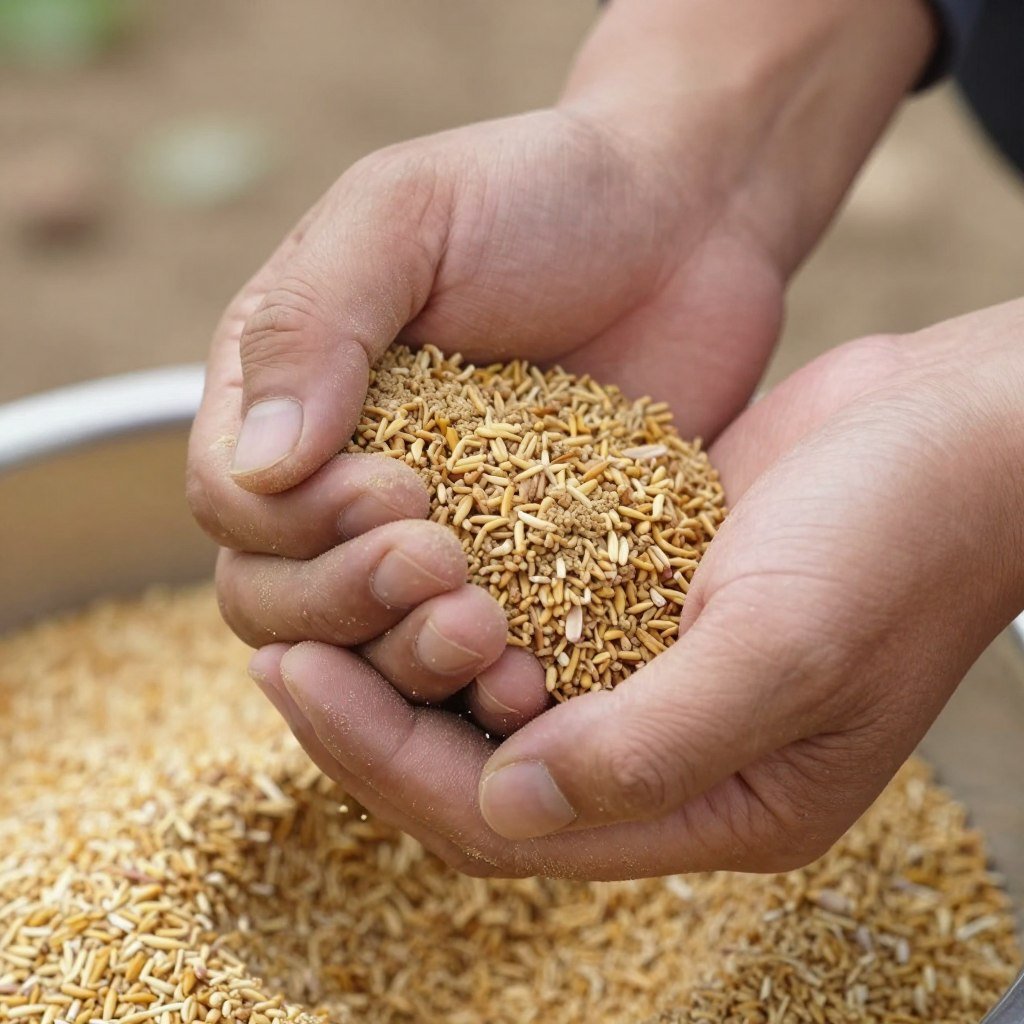
Formulation for Different Poultry Stages
| Ingredient | Chick Starter | Grower Feed | Layer Feed |
| Maize | 55% | 60% | 62% |
| Soybean Meal | 30% | 20% | 18% |
| Fishmeal | 8% | 10% | 7% |
| Wheat Bran | 2% | 5% | 3% |
| Limestone | 1% | 1% | 7% |
| Vitamin Premix | 4% | 4% | 3% |
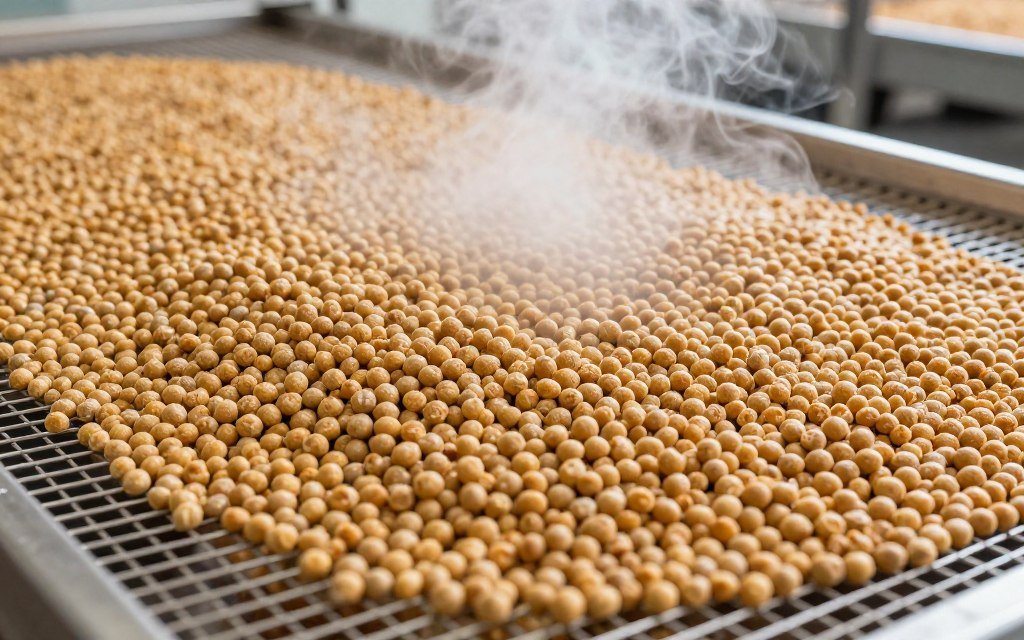
Layer feed needs extra calcium from limestone or crushed shells. This mineral strengthens eggshells and maintains hen health. Without adequate calcium, eggs develop thin fragile shells. Most layer feeds contain six to eight percent limestone.
Farmers save money buying ingredients in bulk during harvest season. Store grains properly to prevent spoilage. Dry ventilated storage protects against mold and pests. Purchase vitamin premixes from reputable suppliers to ensure quality.
Become a MAIKONG Dealer in South Africa
Join our network of agricultural equipment partners. We offer competitive wholesale pricing, marketing support, technical training, and customization options for your market. Build a profitable business with twenty years of manufacturing excellence behind you.
Operating and Maintaining Your Feed Making Machine
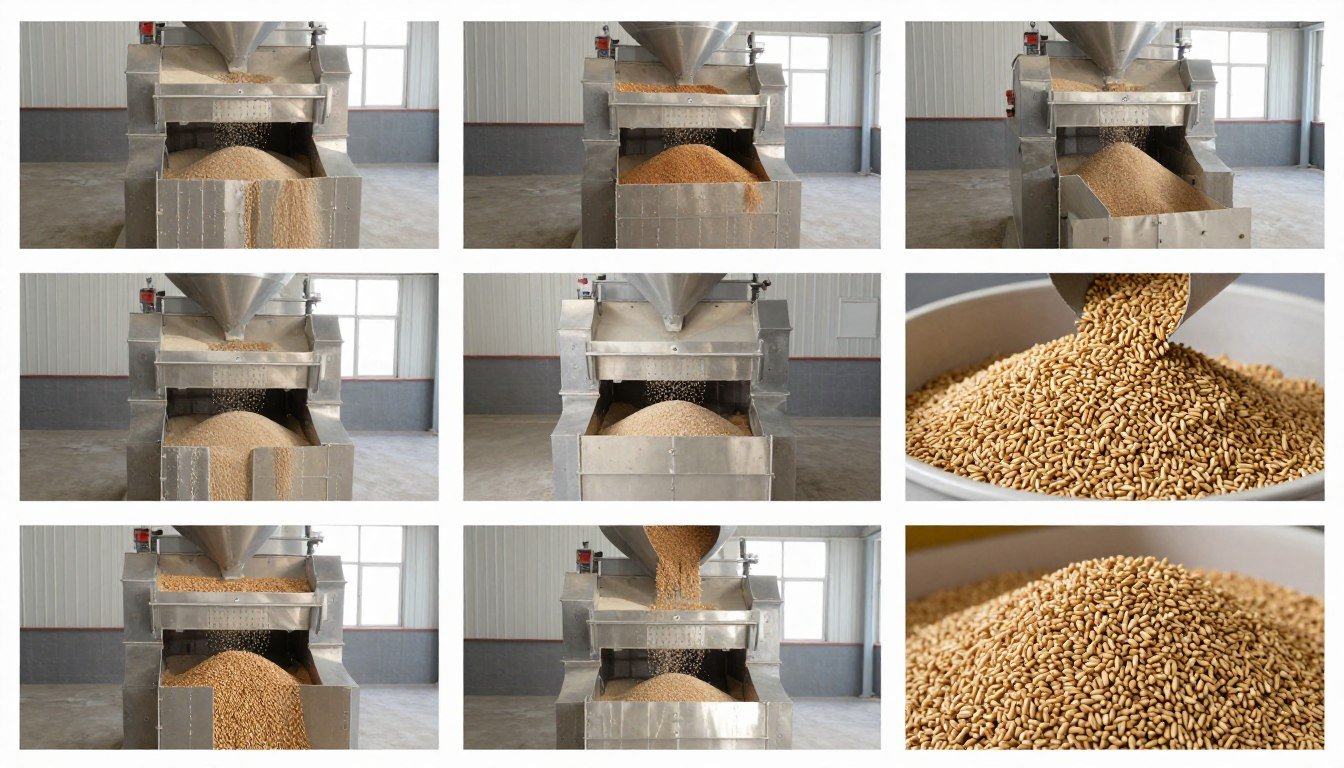
Proper operation extends machine life and ensures consistent pellet quality. Start by checking all bolts and connections before each production run. Inspect the die for wear or damage. Loose components cause vibration and accelerate wear.
Load material gradually into the feed pellet machine hopper. Never overfill or force feed too quickly. The machine needs time to compress material properly. Rushing the process creates poor quality pellets and strains the motor.
Daily Operating Procedures
- Clean the die and rollers thoroughly before starting
- Check oil levels in gearbox and lubrication points
- Run the machine empty briefly to verify smooth operation
- Add material slowly while monitoring pellet formation
- Maintain steady feeding rate throughout production
- Stop and inspect if unusual noises or vibrations occur
- Clean equipment completely after finishing production
- Store in dry location protected from weather
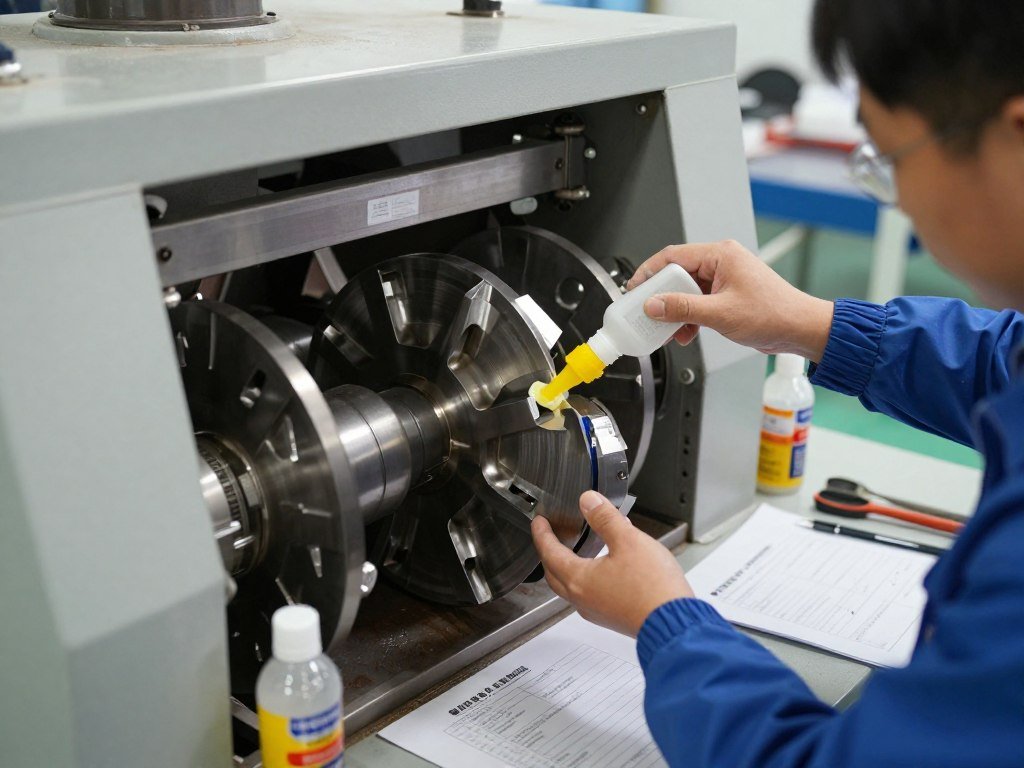
Regular maintenance prevents expensive breakdowns. Lubricate bearings weekly using quality grease. Change gearbox oil every three months. Inspect belts monthly for wear and proper tension. Replace worn parts promptly to avoid damage to other components.
Common Issues and Solutions
Problem: Weak Crumbly Pellets
- Increase moisture content slightly
- Check die temperature during operation
- Grind raw materials finer
- Inspect die holes for excessive wear
- Verify roller pressure adjustment
Problem: Machine Blockage
- Reduce material moisture content
- Clear die holes completely
- Check for foreign objects in material
- Verify proper material grinding size
- Adjust feed rate slower
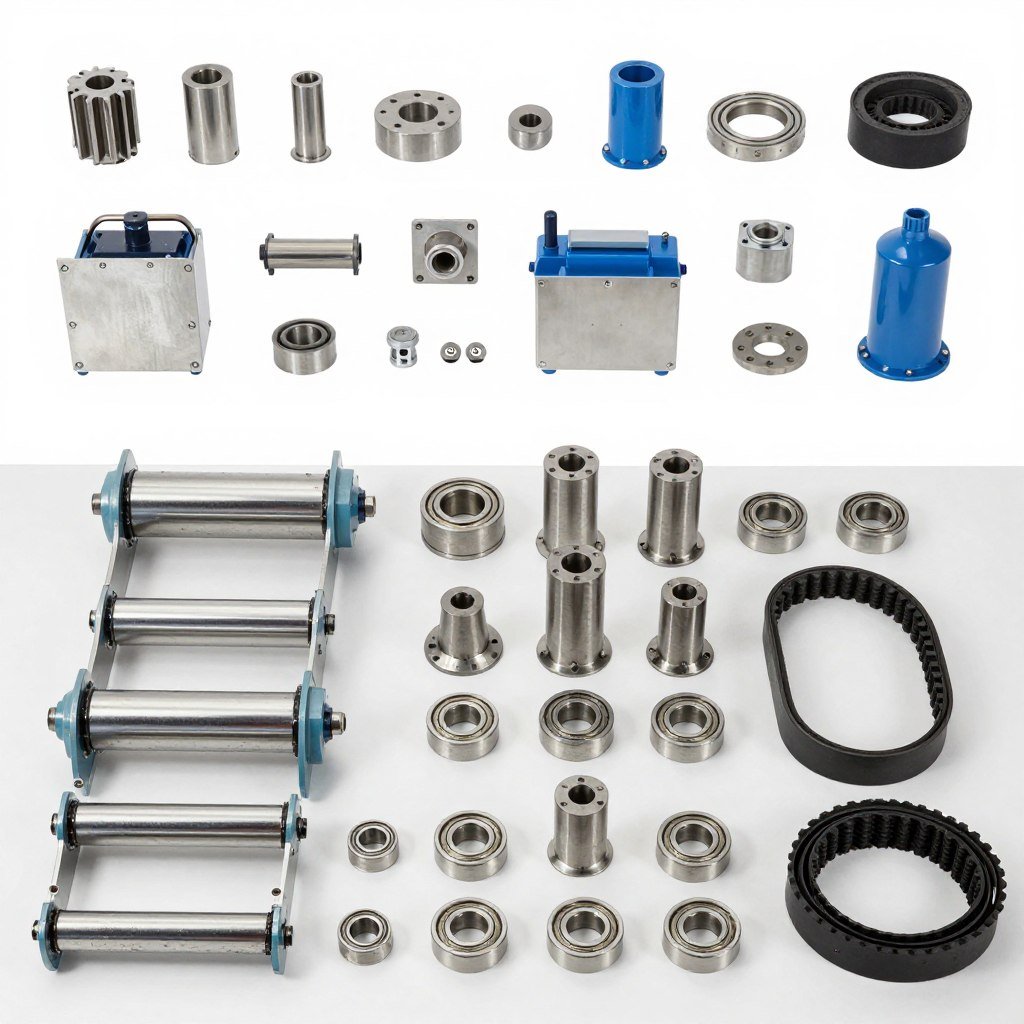
Keep essential spare parts on hand. Stock extra dies in different sizes for versatility. Replace rollers when grooves become visible. Spare belts prevent downtime from unexpected failures. MAIKONG provides comprehensive spare parts support with quick delivery to South Africa.
Safety Considerations
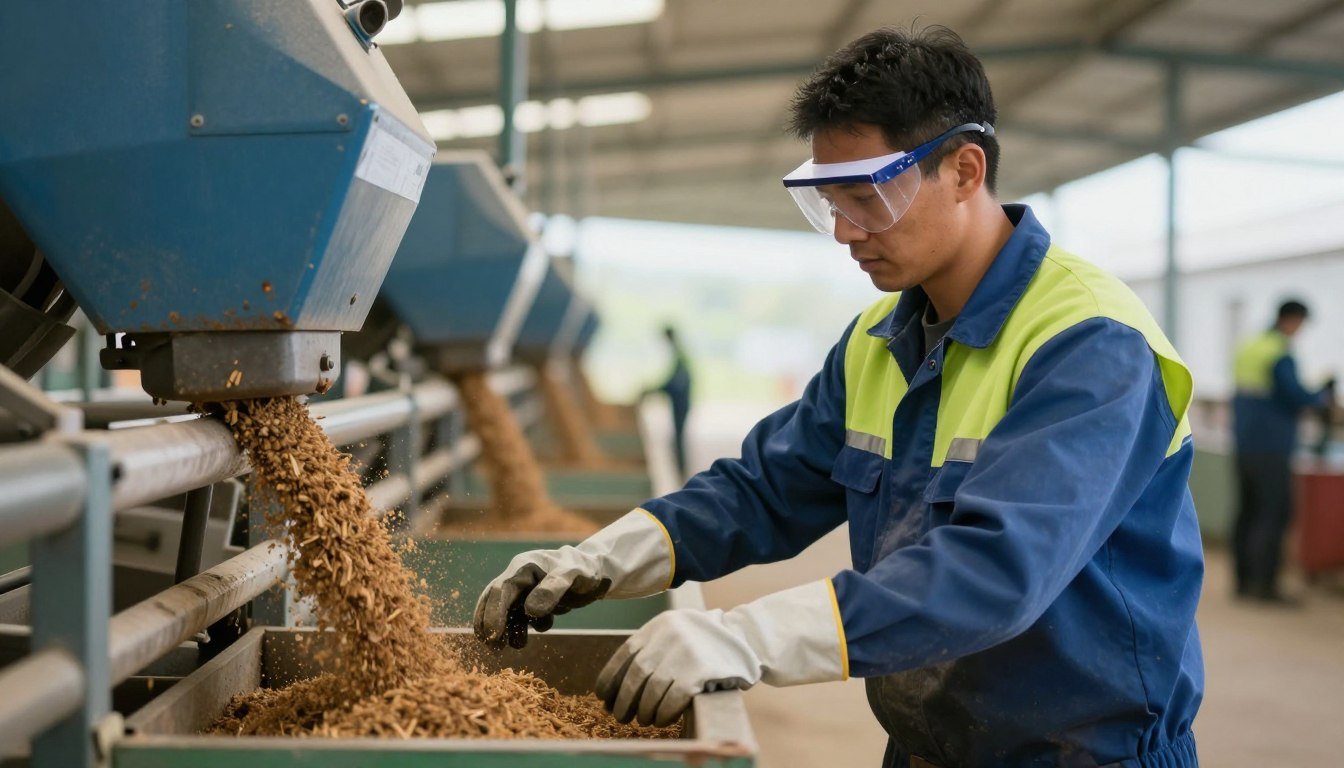
Never operate machinery without proper guards in place. Keep hands clear of moving parts during operation. Disconnect power before performing maintenance or cleaning. Wear safety glasses to protect eyes from dust. Hearing protection helps during extended production runs.
Children and untrained persons should never operate pellet machinery. Establish clear safety rules for your farm. Regular safety training prevents accidents. MAIKONG provides detailed safety manuals and WhatsApp support for operational questions.
Cost Analysis and Return on Investment
A feed making machine pays for itself through feed cost savings. Commercial chicken feed costs approximately R350 to R450 per fifty kilogram bag in South Africa. Homemade pellets cost R180 to R250 per bag including electricity and labor.
Calculate your savings potential easily. Multiply monthly feed consumption by the cost difference. A farm using one thousand kilograms monthly saves R3400 to R4000. Annual savings reach R40000 to R48000. Most small machines cost R15000 to R35000, achieving payback within six to twelve months.
Investment Breakdown
| Equipment Item | Estimated Cost | Purpose | Priority |
| Small Feed Pellet Machine | R18000 – R28000 | Pellet production | Essential |
| Hammer Mill Grinder | R8000 – R15000 | Ingredient grinding | Essential |
| Vertical Mixer | R6000 – R12000 | Material blending | Important |
| Pellet Cooler | R4000 – R8000 | Cooling finished pellets | Optional |
| Screening Machine | R3000 – R6000 | Removing fines | Optional |
| Total Basic Setup | R32000 – R55000 | Complete system | – |

Operating costs remain minimal after initial investment. Electricity consumption averages two to four Rand per hour depending on machine size. Maintenance costs approximately one thousand Rand annually. Die replacement every twelve to eighteen months costs three to five thousand Rand.
Additional Financial Benefits
Direct Cost Savings
- Eliminate commercial feed purchase markup
- Reduce transportation costs significantly
- Buy raw materials during harvest season sales
- Control ingredient quality personally
- Eliminate packaging costs
- Avoid storage fees at suppliers
Production Benefits
- Improved bird health from fresh feed
- Higher egg production rates
- Better meat quality and growth rates
- Reduced disease from quality control
- Custom formulations for specific needs
- Opportunity to sell excess production
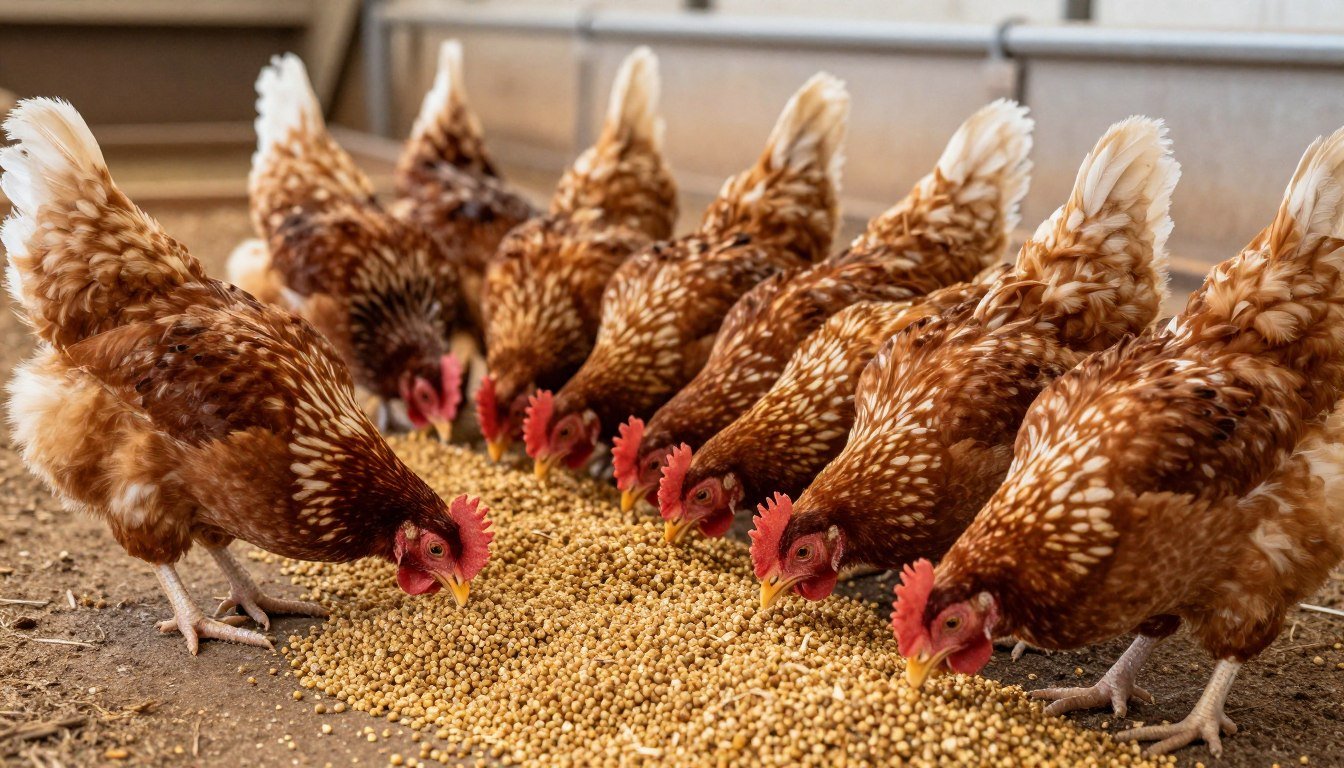
Some farmers generate additional income selling excess pellets to neighbors. A machine producing one hundred fifty kilograms hourly creates surplus for most backyard operations. Selling twenty bags monthly at R300 each generates R6000 extra income.
Financing Options
Agricultural development banks in South Africa offer equipment loans. The Land Bank provides favorable terms for farming equipment purchases. Some machinery suppliers arrange payment plans. MAIKONG works with South African dealers who assist customers with financing arrangements.
Government agricultural support programs sometimes subsidize feed processing equipment. Check with your local agricultural extension office about available grants. Cooperative purchasing allows multiple farmers to share equipment costs and benefits.
Why Choose MAIKONG Feed Pellet Machine Solutions
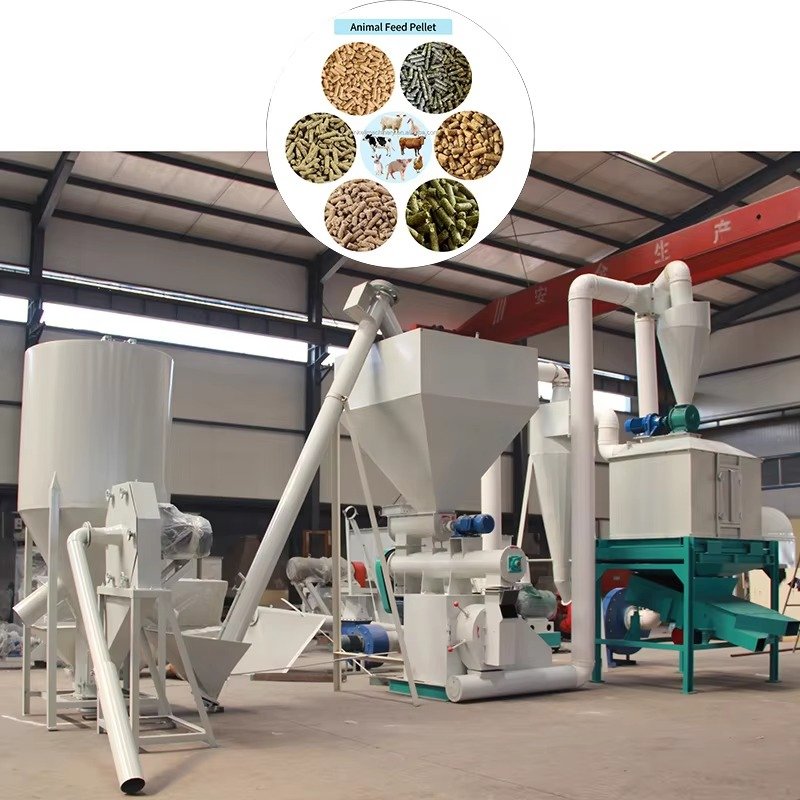
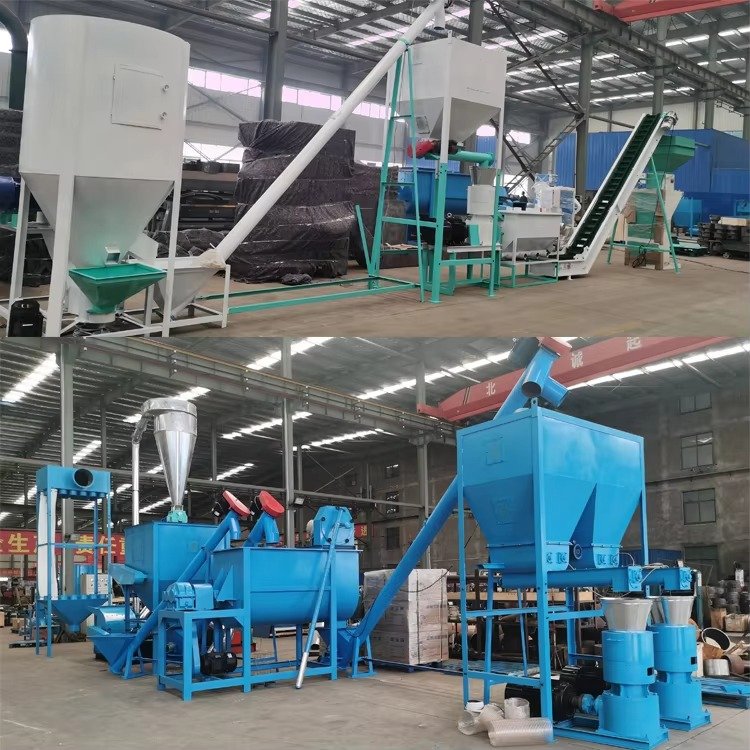
MAIKONG brings two decades of pellet machinery expertise to South African farmers. Our factory produces over fifteen thousand machines annually for customers worldwide. Continuous research and development keeps our technology competitive and reliable.
Every feed making machine undergoes rigorous testing before shipping. Quality control inspectors verify performance standards. We use premium components from trusted suppliers. This attention to detail ensures machines arrive ready for years of dependable service.
Customization Capabilities
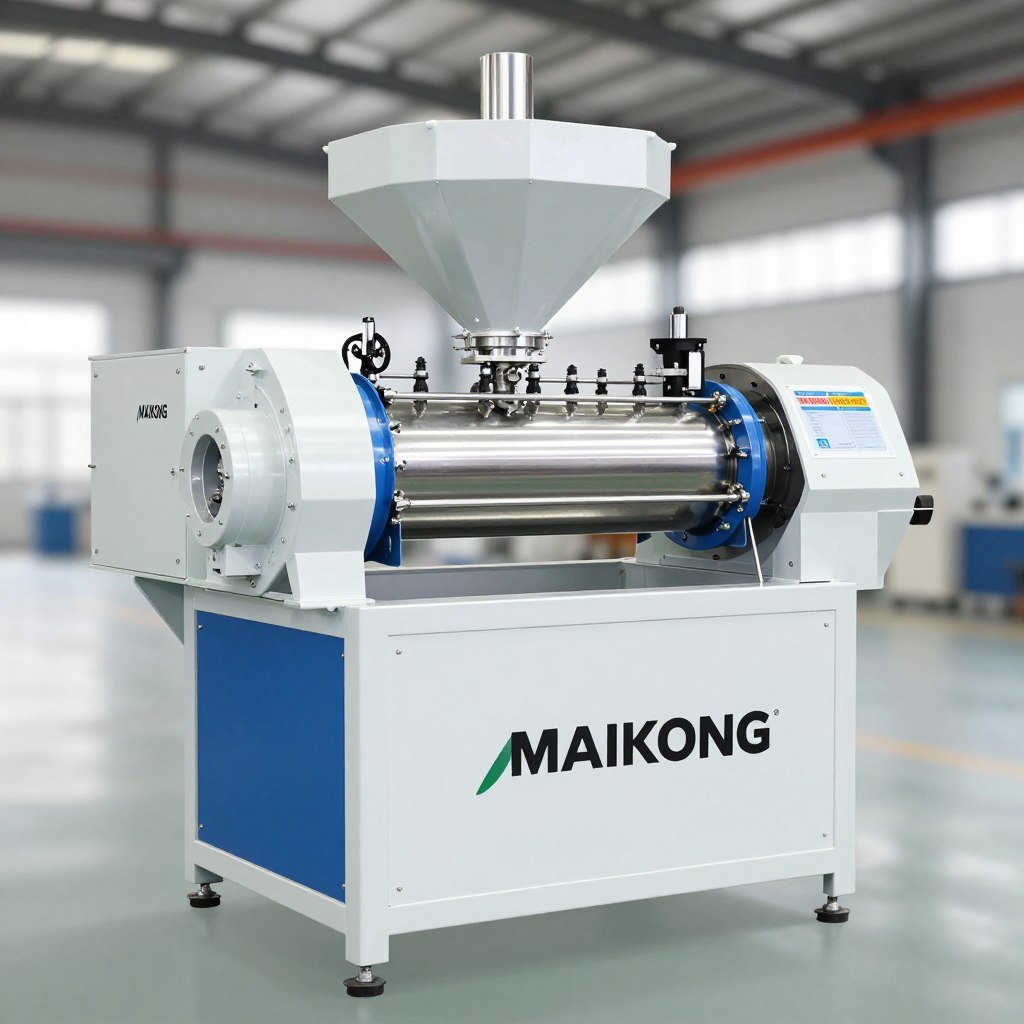
MAIKONG specializes in equipment customization for dealers and farmers. Choose custom colors matching your brand identity. Add your logo to machine housings. Modify capacity specifications for unique requirements. We accommodate special voltage requirements and motor configurations.
Appearance customization helps dealers establish brand recognition. Distinctive colors and logos make your equipment memorable. Technical customization ensures machinery fits specific production needs perfectly. Our engineering team evaluates every customization request carefully.
Standard Customization Options
- Custom paint colors and finishes
- Logo placement and branding
- Voltage and frequency modifications
- Motor power adjustments
- Die size and configuration choices
- Control panel language options
- Additional safety features
- Special packaging requirements
Technical Support Services
- WhatsApp technical assistance
- Installation guidance via video call
- Operator training materials
- Troubleshooting support
- Spare parts identification help
- Formulation advice
- Maintenance scheduling assistance
- Performance optimization tips
Dealer and OEM Partnership Benefits
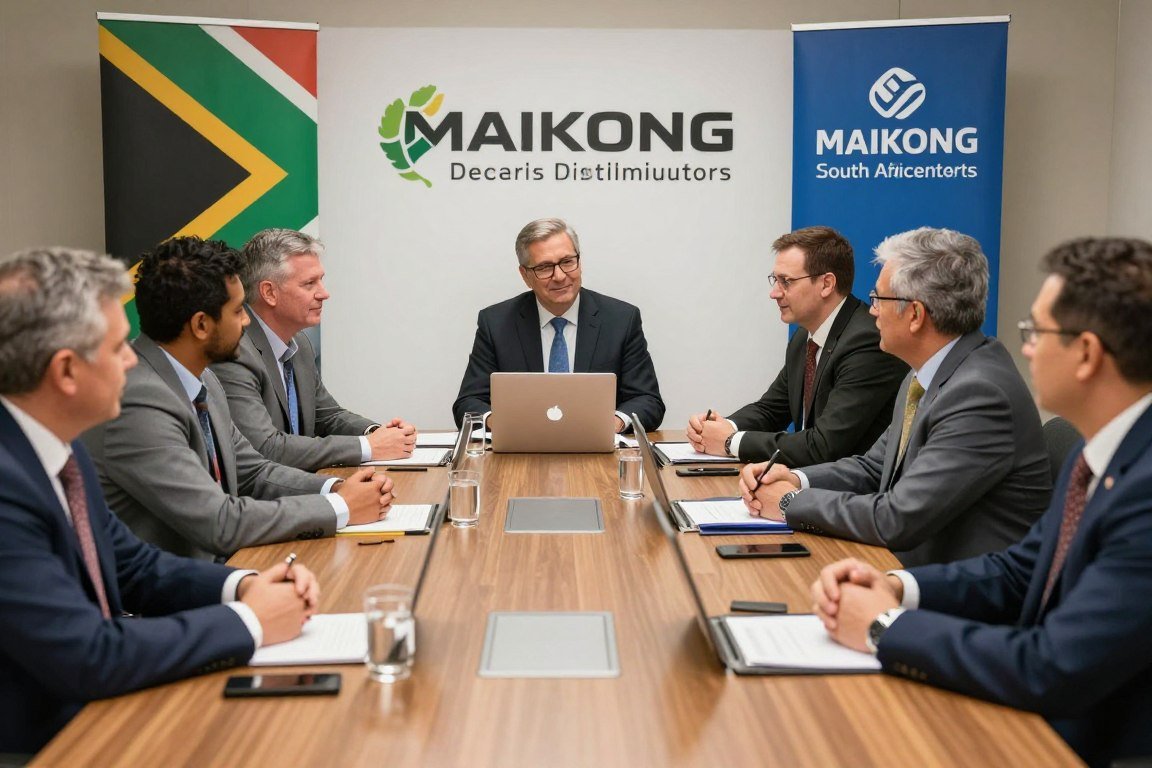
Agricultural equipment dealers find profitable opportunities with MAIKONG. Competitive wholesale pricing provides healthy profit margins. Marketing materials and technical training support dealer success. We manufacture equipment under your brand through OEM arrangements.
Dealerships receive priority technical support and faster spare parts delivery. Volume discounts reward growing partnerships. MAIKONG invests in dealer success through comprehensive support programs. Contact Lucy@pelletmachine.co.za to discuss partnership opportunities.
Quality Assurance Standards
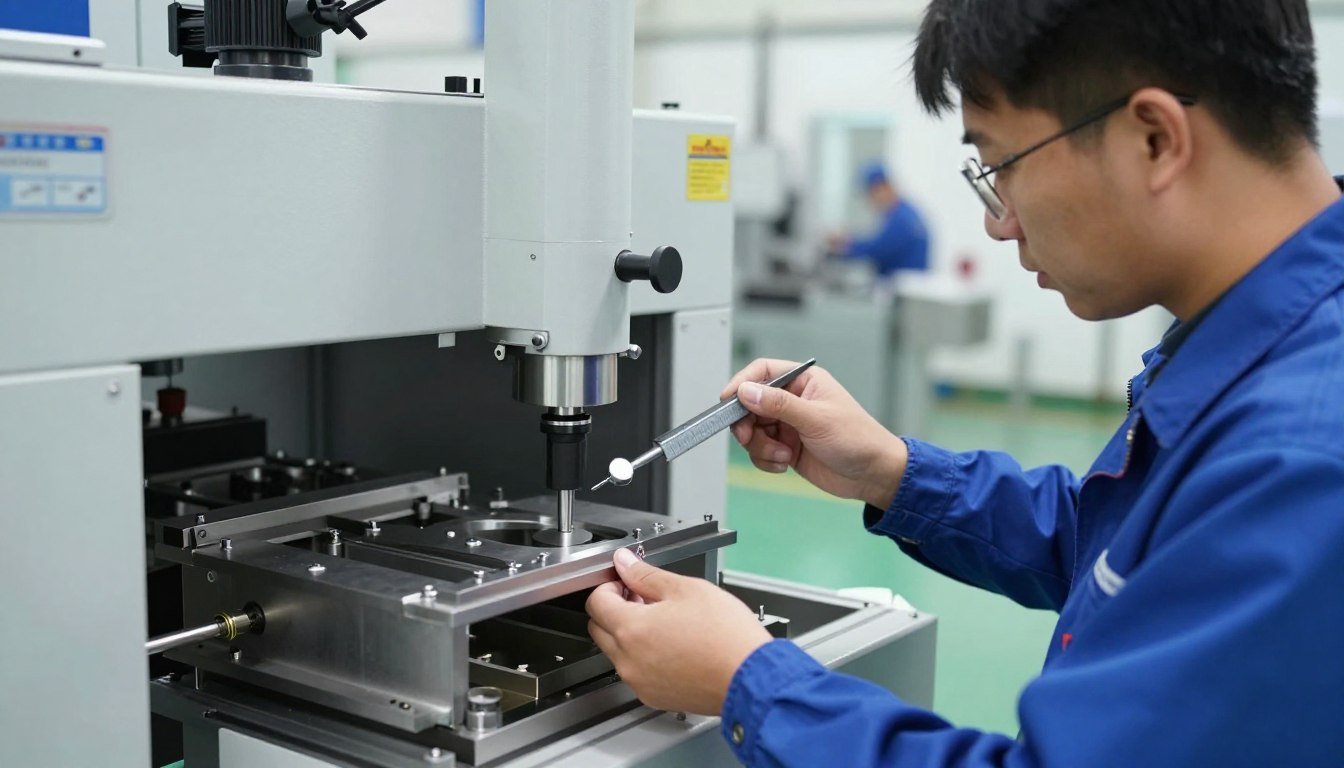
Every machine component meets international quality standards. Steel parts undergo heat treatment for durability. Bearings come from premium manufacturers. Motors carry certification for efficiency and longevity. Assembly follows strict protocols ensuring consistent quality.
Pre-shipment testing verifies performance specifications. Machines run continuously for hours under load conditions. Inspectors check pellet quality and production rates. Only equipment passing all tests receives approval for delivery to customers.
Success Stories from South African Farmers
Case Study: Mpumalanga Poultry Cooperative
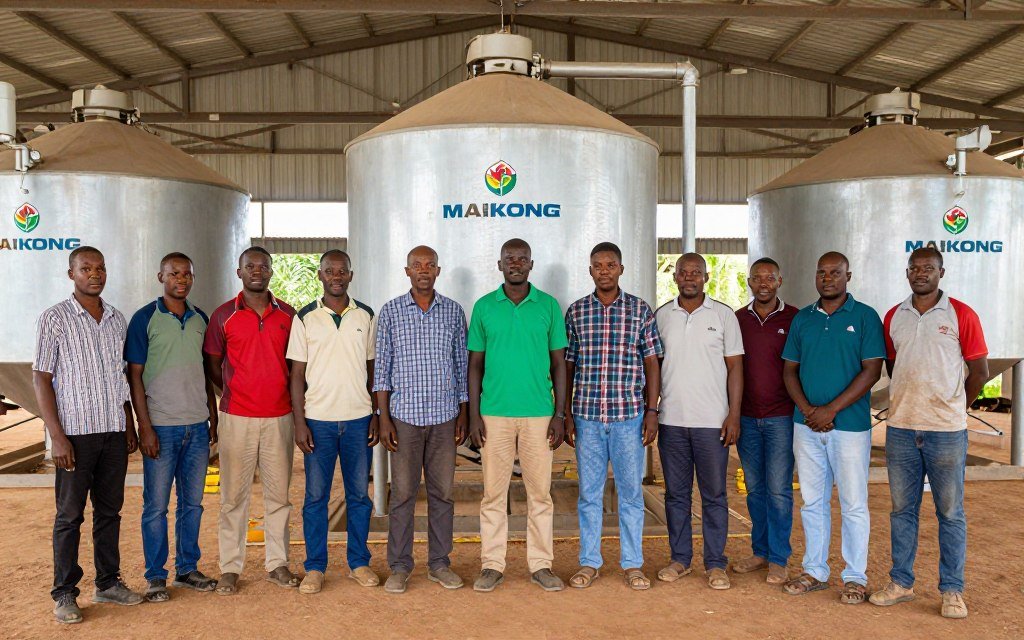
A farming cooperative near Nelspruit purchased a MAIKONG PM-210 machine in early 2023. Twelve member farmers previously bought commercial feed spending R180000 monthly combined. The cooperative now produces feed at R95000 monthly cost including equipment payment.
Monthly savings of R85000 paid for the complete production line within eight months. Members report healthier birds and improved egg production. The cooperative now sells excess pellets generating additional income. They recently ordered a second machine to meet growing demand.
Case Study: KwaZulu-Natal Fish Farm
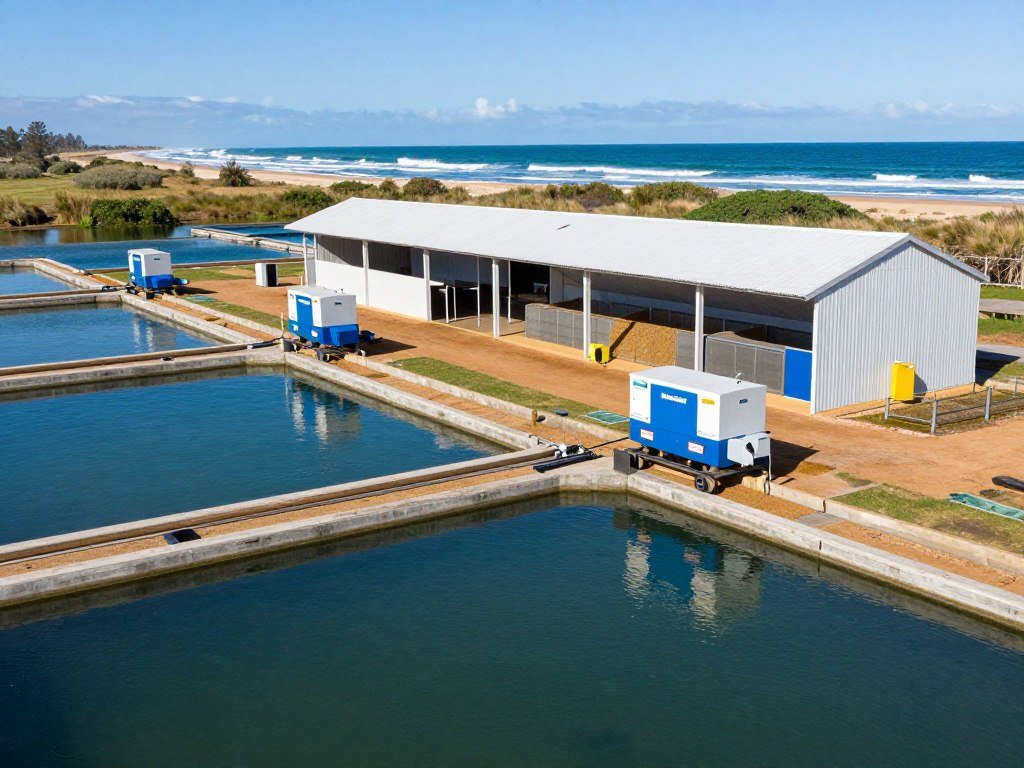
A tilapia farm near Durban struggled with expensive imported floating fish feed. They invested in a MAIKONG extruder system producing floating pellets. Production costs dropped from R420 per bag to R185 per bag.
The farm uses one thousand two hundred kilograms of feed weekly. Annual savings exceed R145000. Fish growth rates improved with fresh customized feed formulations. The owner now advises other aquaculture operations about feed making machine benefits.
Case Study: Western Cape Sheep Farmer
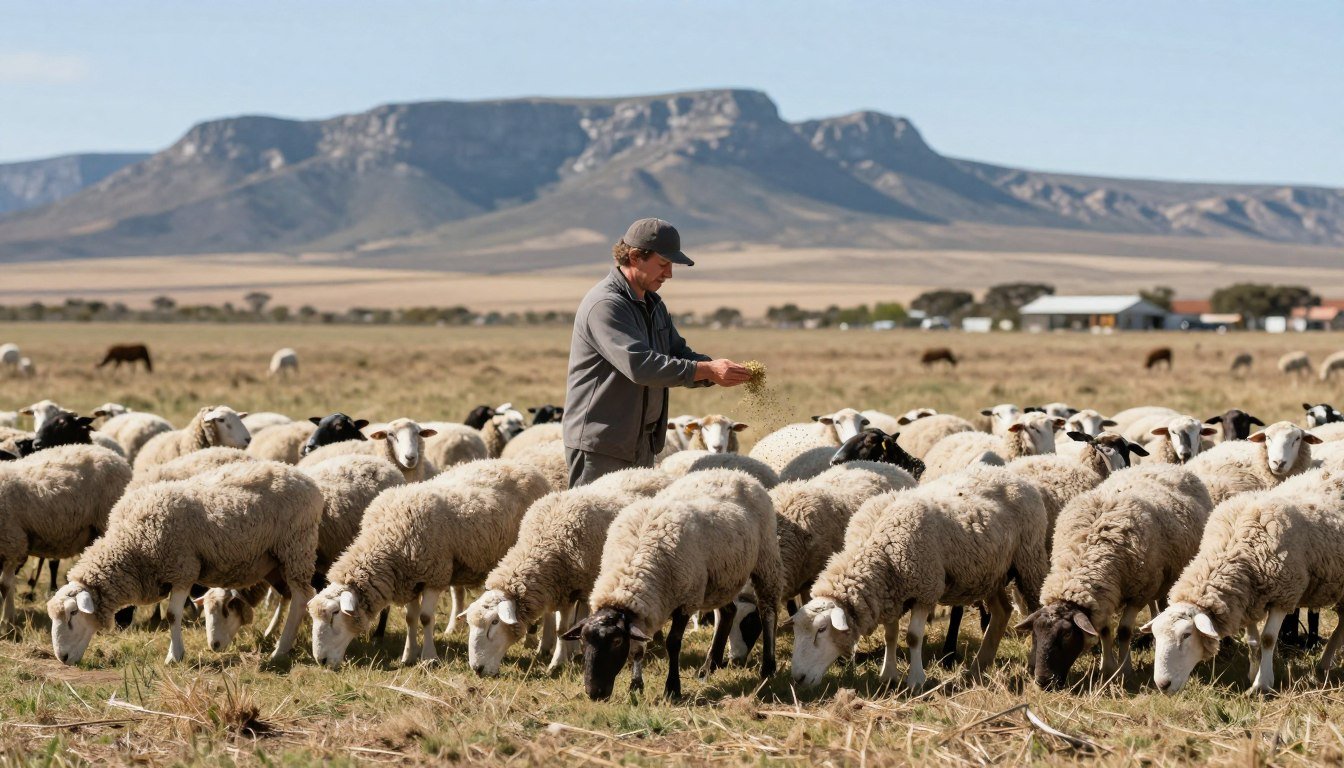
A sheep farmer in the Karoo purchased a MAIKONG machine to process lucerne hay into pellets. Transportation costs for bulky hay exceeded pellet production costs significantly. The farm now processes twenty tons monthly during harvest season.
Pelleted lucerne stores efficiently and feeds easily during dry months. Sheep waste less feed compared to loose hay. The farmer sells excess pellets to neighboring farms. Equipment paid for itself in the first year through savings and additional sales.
Getting Started with Your Feed Making Machine
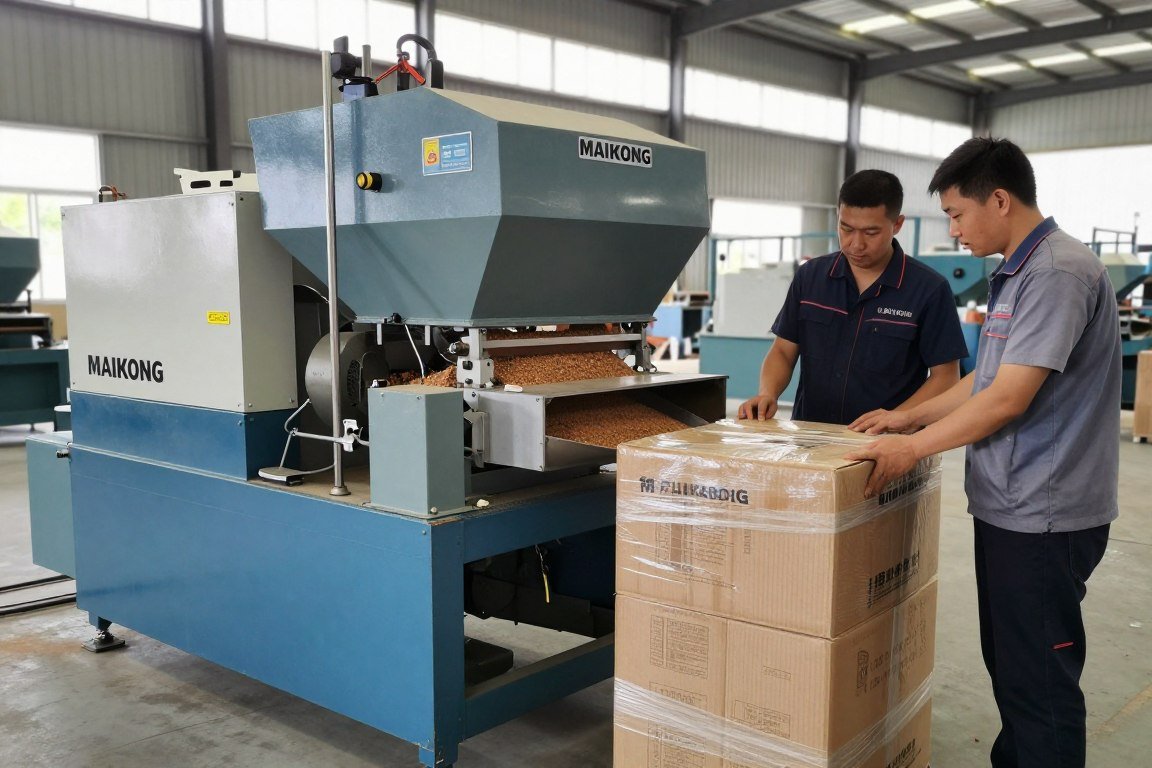
Starting feed production requires careful planning. Designate workspace for machinery and material storage. Ensure adequate electrical supply matching machine requirements. Plan ingredient sourcing from reliable suppliers. Calculate production schedules matching your feeding needs.
MAIKONG provides comprehensive installation support. Detailed manuals explain setup procedures clearly. Video calls assist with initial installation questions. Our technical team via WhatsApp helps troubleshoot any challenges during commissioning.
Pre-Purchase Considerations
Space Requirements
Allocate sufficient workspace for equipment operation and maintenance access.
- Minimum 4m x 4m for small machine setup
- Additional storage for raw materials
- Ventilation for dust control
- Weather protection for machinery
Power Supply
Verify electrical capacity meets machine motor requirements safely.
- Three-phase power preferred for larger machines
- Dedicated circuit breaker installation
- Voltage stabilizer in areas with fluctuations
- Emergency shutoff switch placement
Raw Material Sourcing
Establish reliable ingredient suppliers before starting production.
- Local grain suppliers for maize and wheat
- Feed ingredient wholesalers for protein sources
- Veterinary suppliers for vitamin premixes
- Bulk purchasing arrangements for cost savings
Production Planning
Create realistic schedules balancing production with farm operations.
- Calculate weekly and monthly feed requirements
- Plan production days around farm schedules
- Account for drying and cooling time
- Maintain buffer stock for contingencies
Training and Skill Development
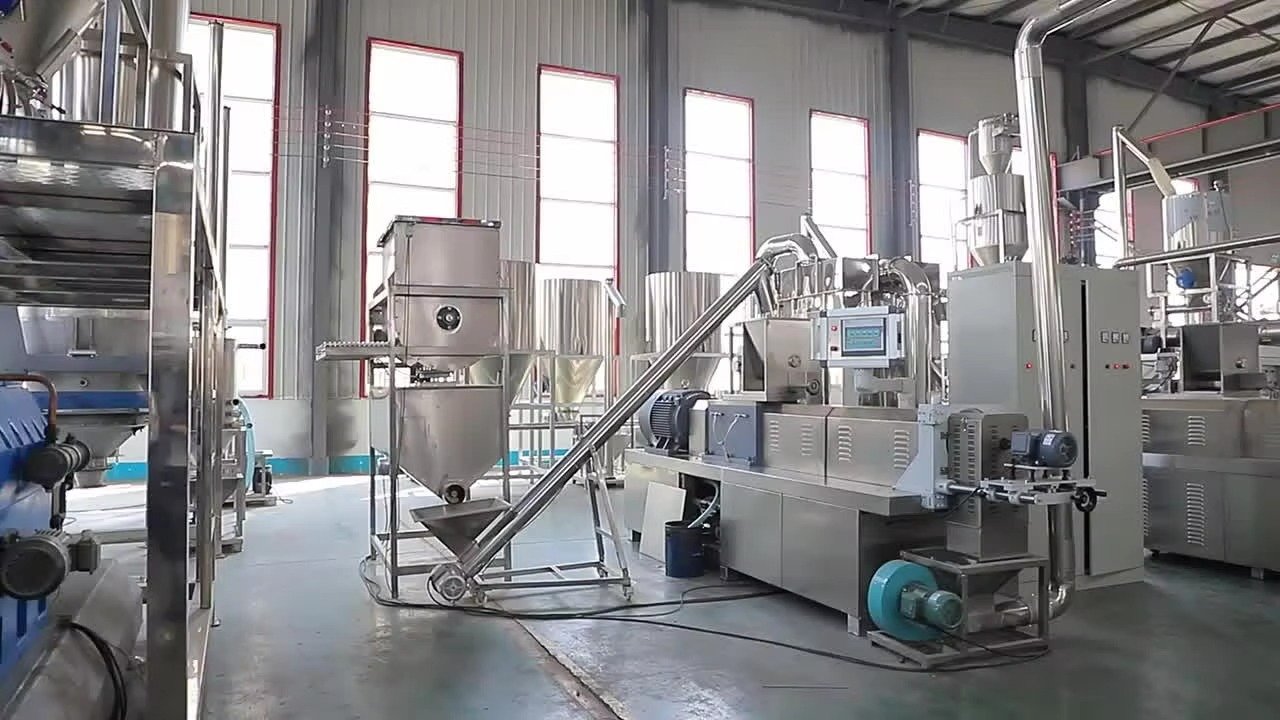
Operating a feed pellet machine requires basic technical understanding. MAIKONG provides operator training materials covering all aspects. Video tutorials demonstrate proper operation techniques. Written guides explain maintenance procedures thoroughly.
Farmers without mechanical experience learn quickly through practice. Start with small batches while developing skills. Gradually increase production as confidence grows. Our support team remains available throughout your learning process.
First Production Run Checklist
- Verify all safety guards properly installed
- Check electrical connections and grounding
- Lubricate all required points per manual
- Prepare small test batch of material
- Run machine empty briefly to check operation
- Process test batch monitoring pellet quality
- Adjust moisture or pressure as needed
- Clean equipment thoroughly after testing
- Document settings for future reference
- Contact support team with any concerns
Contact MAIKONG South Africa Today
Our team responds to every inquiry within twelve hours. Choose your preferred contact method below. Whether you need technical advice, pricing information, or dealer partnership details, we’re here to help you succeed.
Visit our product pages for detailed specifications:
Frequently Asked Questions About Feed Making Machines
What size feed making machine do I need for 200 chickens?
A flock of 200 chickens consumes approximately 24 kilograms of feed daily. A machine producing 60 to 80 kilograms hourly handles this requirement easily. The MAIKONG PM-120 model works perfectly for this scale. You can produce a week’s supply in just three to four hours of operation.
Consider future growth when selecting capacity. A slightly larger machine accommodates flock expansion without requiring new equipment purchases. Most backyard farmers choose machines one size above their current minimum needs.
How much electricity does a feed pellet machine use?
Small machines with 3kW to 7.5kW motors consume modest electricity. Operating costs range from two to four Rand per hour depending on motor size and local rates. A typical production session of three hours costs six to twelve Rand in electricity.
Compare this minimal cost to commercial feed prices. The electricity expense represents less than two percent of total production costs. Feed ingredient costs and equipment depreciation constitute the major expenses.
Can one machine make feed for different animals?
Yes, absolutely. Change the die size and formulation for different species. Produce chicken feed with 4mm pellets one day. Switch to 7mm dies for cattle feed production the next day. Die changes take fifteen to thirty minutes.
Multi-species farms maximize equipment investment through versatility. Clean the machine thoroughly between different feed types. This prevents ingredient cross-contamination between formulations designed for different animals.
How long do feed making machines last?
Quality machines from MAIKONG operate reliably for ten to fifteen years with proper maintenance. Regular lubrication and timely parts replacement extend equipment life significantly. Some customers report machines functioning well after twenty years of service.
Dies require replacement every twelve to eighteen months depending on usage. Rollers last three to five years typically. Bearings need replacement every five to seven years. The main machine structure and motor last decades with care.
What happens if my machine breaks down?
MAIKONG provides comprehensive technical support via WhatsApp at +86 135 1090 7401. Our technicians diagnose issues through photos and videos. We guide repairs remotely in most cases. Spare parts ship quickly to South Africa.
Common issues resolve easily with proper guidance. Our support team has twenty years of troubleshooting experience. We help identify problems and recommend solutions promptly. Email Lucy@pelletmachine.co.za for parts orders or technical questions.
Can I get financing for equipment purchase?
Several South African banks offer agricultural equipment loans. The Land Bank specializes in farming finance with favorable terms. Commercial banks provide business equipment loans as well. Some government programs subsidize feed processing equipment.
MAIKONG works with South African dealers who help customers arrange financing. Many cooperatives pool resources to purchase equipment collectively. Contact us to discuss payment options and dealer financing programs available in your area.
Do you provide training for new operators?
Yes, comprehensive training materials accompany every machine. Video tutorials demonstrate proper operation procedures. Written manuals explain maintenance requirements thoroughly. Our technical team provides ongoing support via WhatsApp.
No previous mechanical experience is required. Farmers learn operation quickly through practice. Start with small test batches while developing confidence. We remain available to answer questions throughout your learning process.
What makes MAIKONG different from other manufacturers?
MAIKONG combines twenty years of manufacturing experience with dedicated South African market support. We offer complete customization for dealers and farmers. Our technical support via WhatsApp provides immediate assistance in your time zone.
Quality components and rigorous testing ensure reliable performance. Every machine undergoes extensive pre-shipment inspection. We back products with comprehensive warranties and fast spare parts delivery. Customer satisfaction ratings consistently exceed 4.7 out of 5 stars.
Start Saving on Feed Costs Today
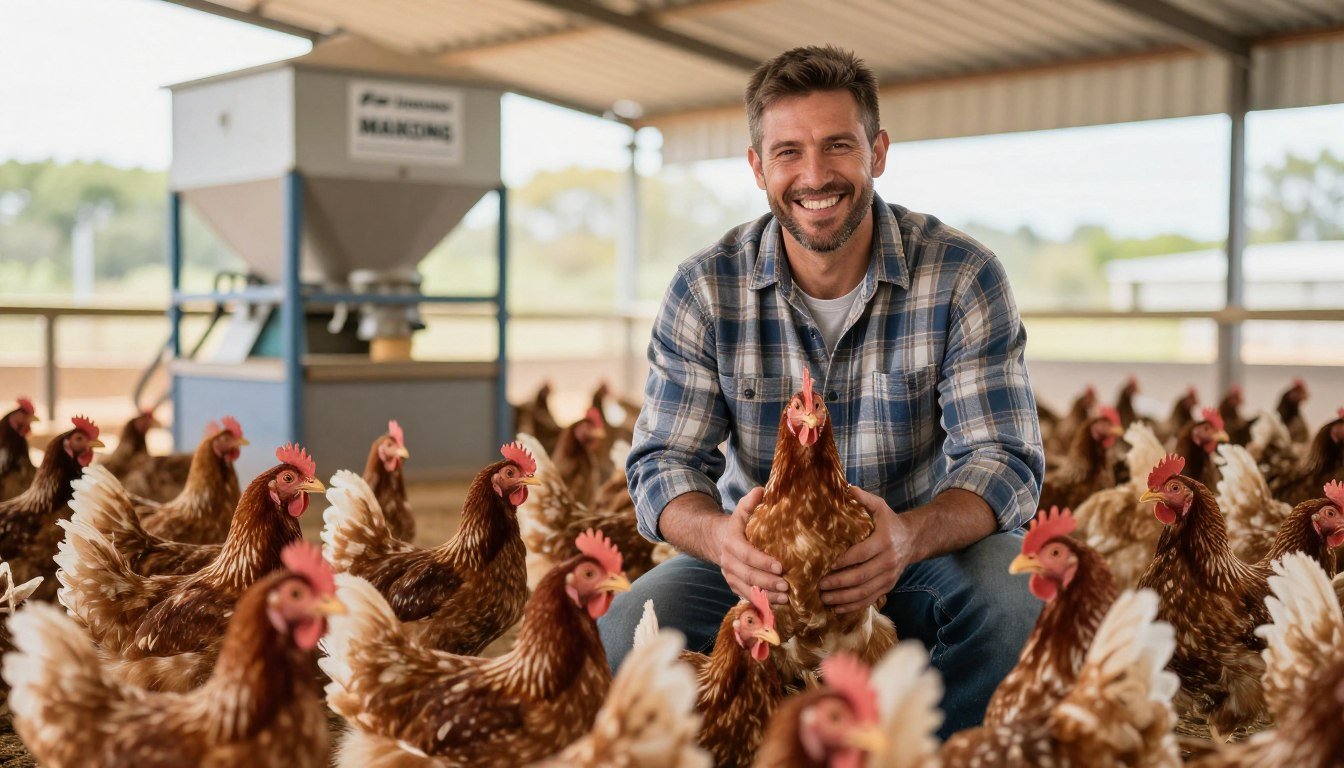
A feed making machine transforms your farming operation financially. Reduced feed costs improve profitability immediately. Better nutrition creates healthier more productive animals. Complete control over feed quality eliminates supplier dependency.
MAIKONG equipment delivers reliable performance year after year. Our twenty years of manufacturing experience ensures you receive proven technology. Comprehensive support helps you succeed from installation through daily operation. Customization options meet your specific requirements perfectly.
South African farmers trust MAIKONG for quality pellet machinery. Join our growing network of satisfied customers across Africa. Whether you manage a backyard flock or commercial operation, we have the right solution. Contact our team today to discuss your feed production needs.
Visit pelletmachine.co.za to explore our complete range of pellet machinery. Discover why MAIKONG leads South Africa’s agricultural equipment market. Your path to profitable feed production starts here.
