
Farmers across South Africa face a persistent challenge. Feed costs continue climbing while profit margins shrink. Commercial animal feed prices have increased by over 40% in the past three years alone.
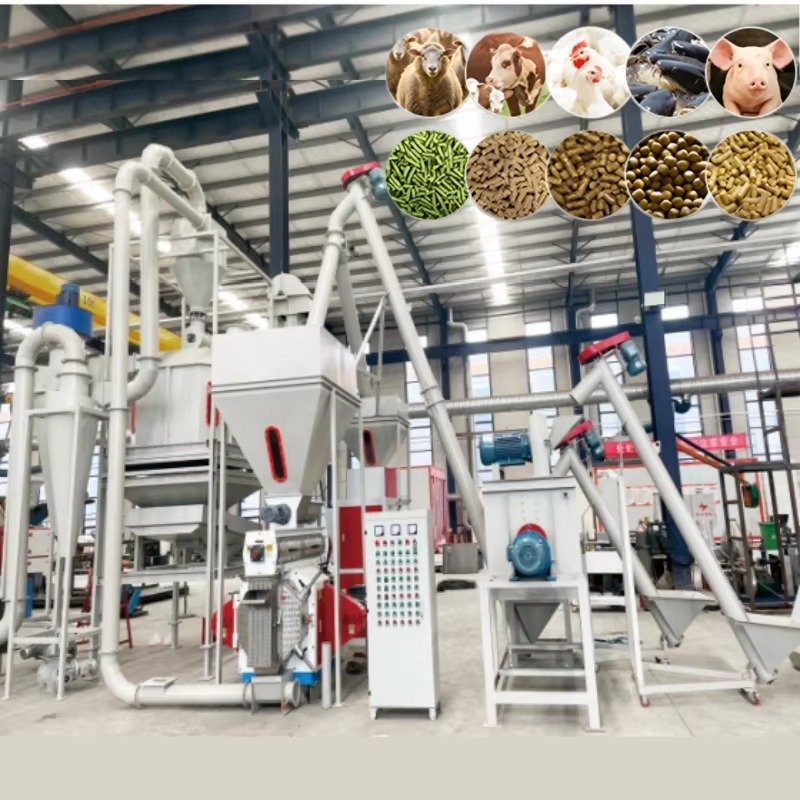
What if you could transform abundant grass resources into high-quality feed pellets right on your property? A grass feed pellet machine makes this possible.
This equipment converts raw grass materials into nutritious compressed pellets. Your livestock receives consistent nutrition. Your operation gains independence from expensive commercial suppliers.
MAIKONG brings 20 years of manufacturing experience to South African farmers. Our pellet making machines deliver reliable performance in local conditions.
Technical questions? Our WhatsApp support team responds within 2 hours:
Understanding Grass Pellet Production Technology
Grass pellet production transforms loose forage into dense, uniform feed. The process begins with proper raw materials preparation.
How a Feed Pellet Machine Works
The pellet mill compresses ground grass through a die under high pressure. Heat generated during compression activates natural binding properties in the grass.
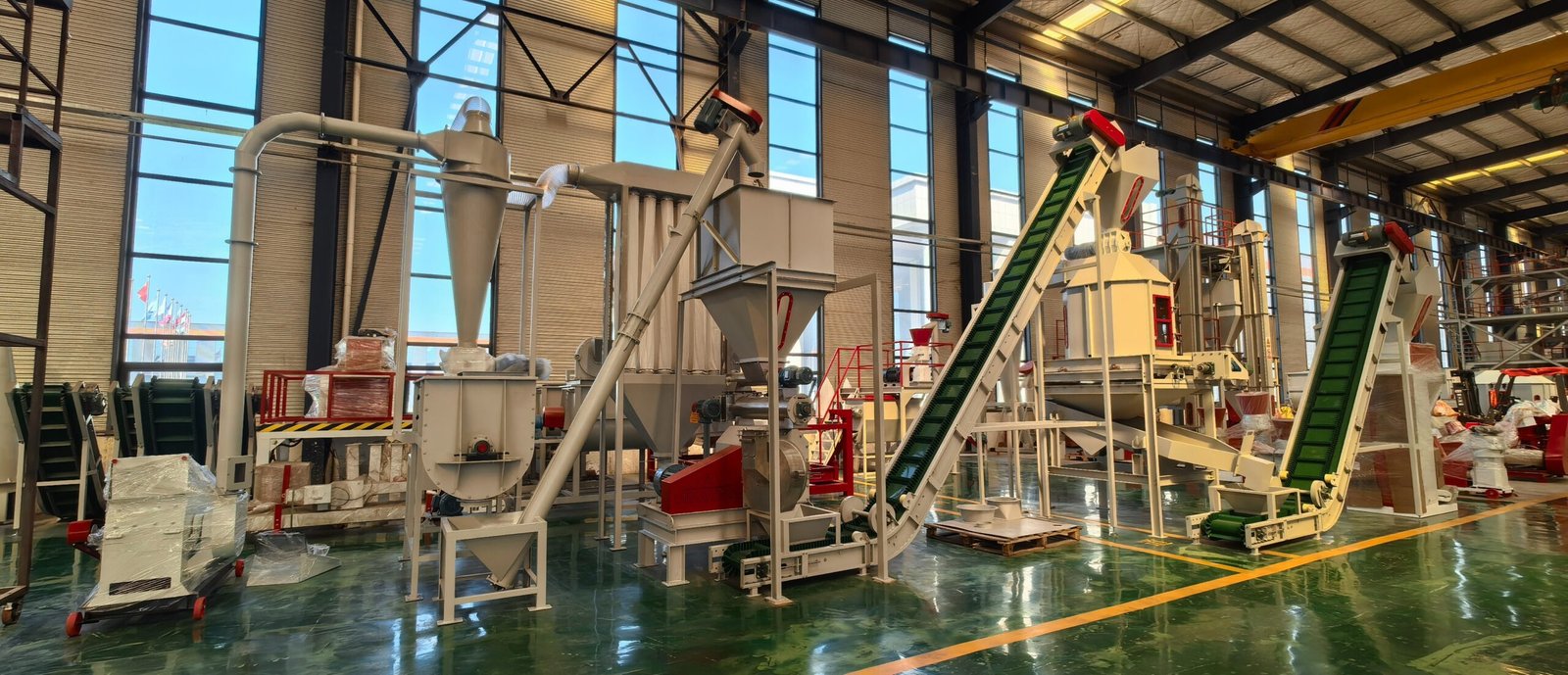
Two main types dominate the market. Flat die feed pellet mills suit small to medium operations. Ring die feed mills handle larger production volumes.
Flat die systems cost less initially. They work well for on-farm production. Ring die systems deliver higher output rates.
Raw Materials Suitable for Grass Pellet Production
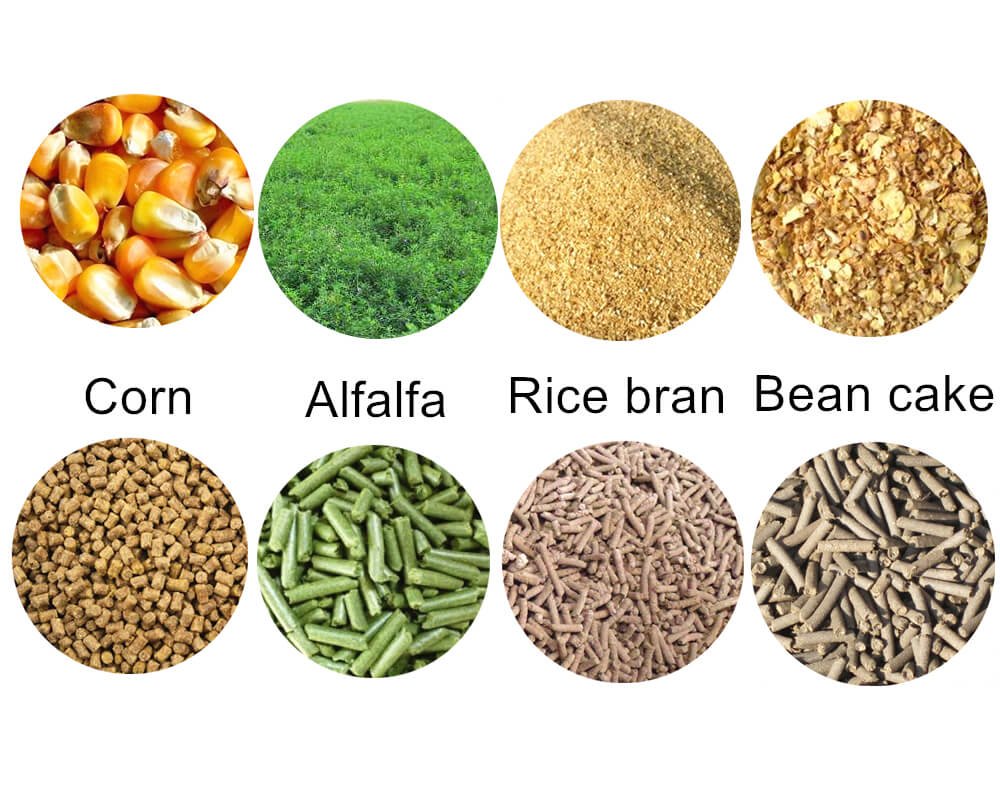
Fresh Grass Materials
- Lucerne (alfalfa) with 15-18% protein content
- Kikuyu grass ideal for cattle and sheep
- Weeping lovegrass drought-resistant option
- Eragrostis curvula native to South Africa
- Timothy grass for horse feed pellets
Dried Forage Options
- Hay with 12-14% moisture content
- Straw from wheat or maize harvest
- Silage after proper drying treatment
- Crop residues from agricultural processing
- Mixed grass varieties for balanced nutrition
The Complete Production Process
- Drying: Reduce moisture to 12-15% for optimal pelletization
- Grinding: Cut materials to 3-5mm particle size
- Mixing: Blend grass with supplements if needed
- Conditioning: Add steam for better binding (optional)
- Pelleting: Compress through die holes to form pellets
- Cooling: Reduce temperature and harden pellets
- Screening: Remove fines and ensure uniform size
- Packaging: Store in moisture-proof bags
Benefits of Grass Feed Pellets for South African Livestock
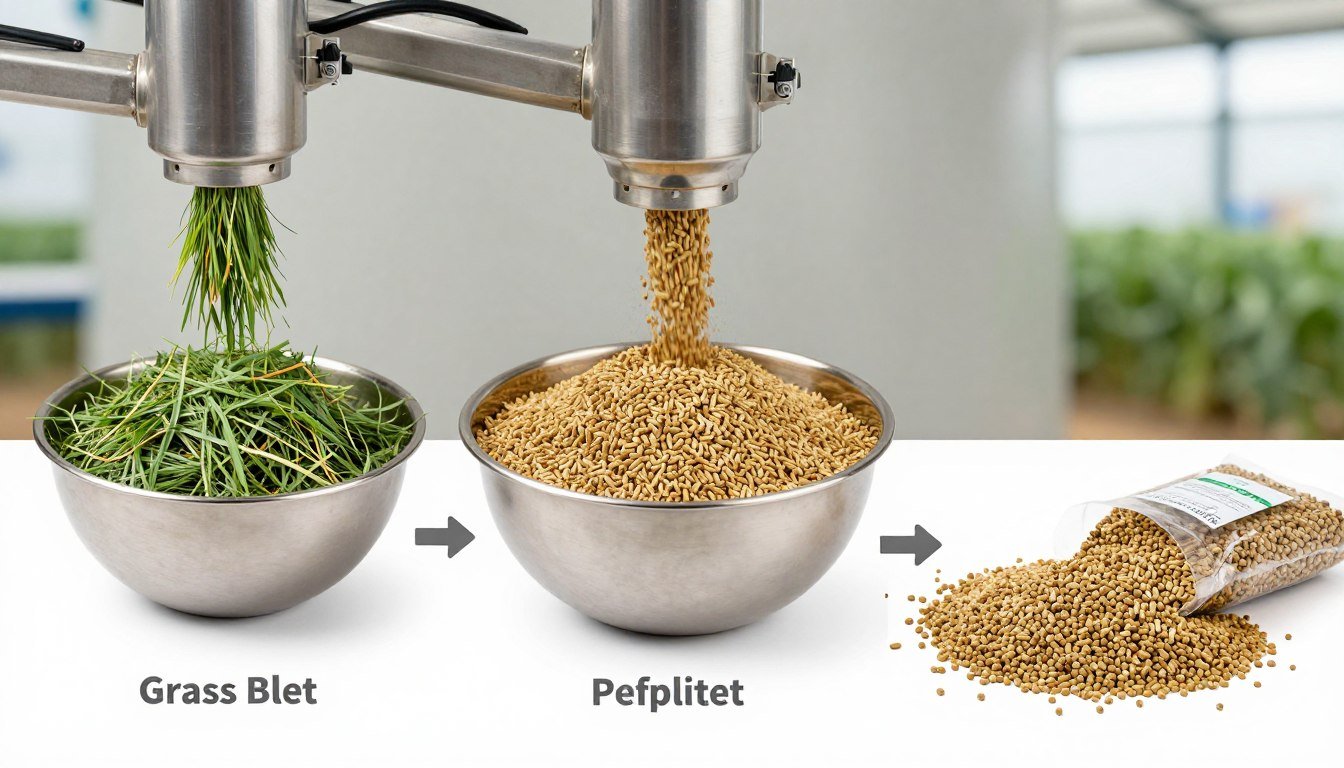
Converting grass to pellets creates multiple advantages. These benefits directly impact your bottom line.
Economic Advantages
Production costs drop significantly. A typical small-scale operation reduces feed expenses by 30-45% compared to purchased commercial feed.
| Feed Type | Cost per Ton (ZAR) | Protein Content | Storage Life |
| Commercial Pellets | R 4,500 – R 6,200 | 14-16% | 3-4 months |
| Loose Hay | R 2,800 – R 3,500 | 8-12% | 6-8 weeks |
| Self-Produced Grass Pellets | R 1,800 – R 2,400 | 12-18% | 6-8 months |
| Mixed Ration Pellets | R 2,200 – R 3,000 | 15-20% | 5-7 months |
Your operation achieves payback within 12-18 months. Equipment investment becomes profitable faster than most farm improvements.
Nutritional Benefits for Different Animals
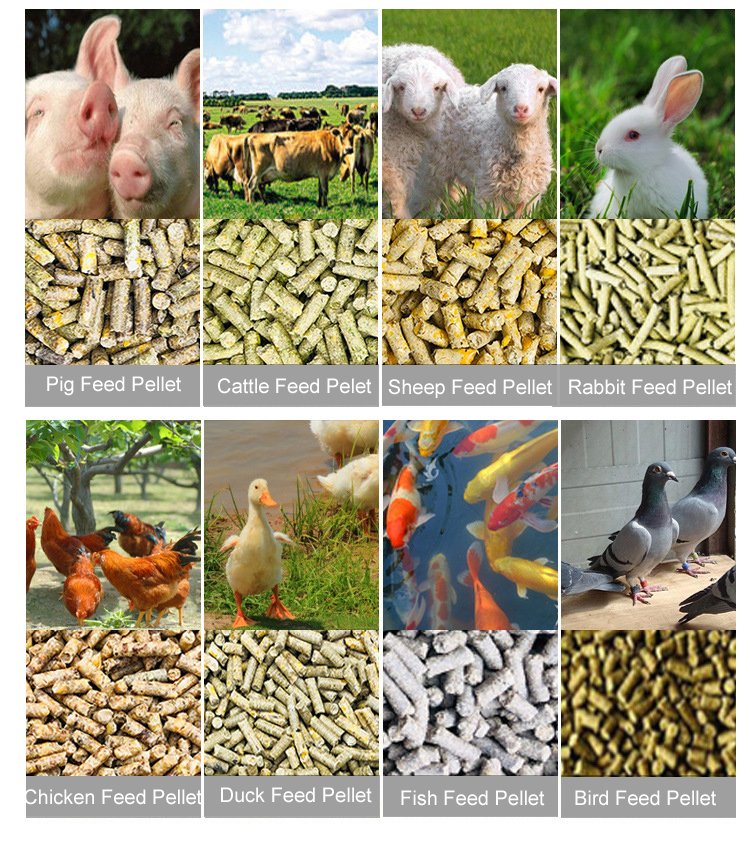
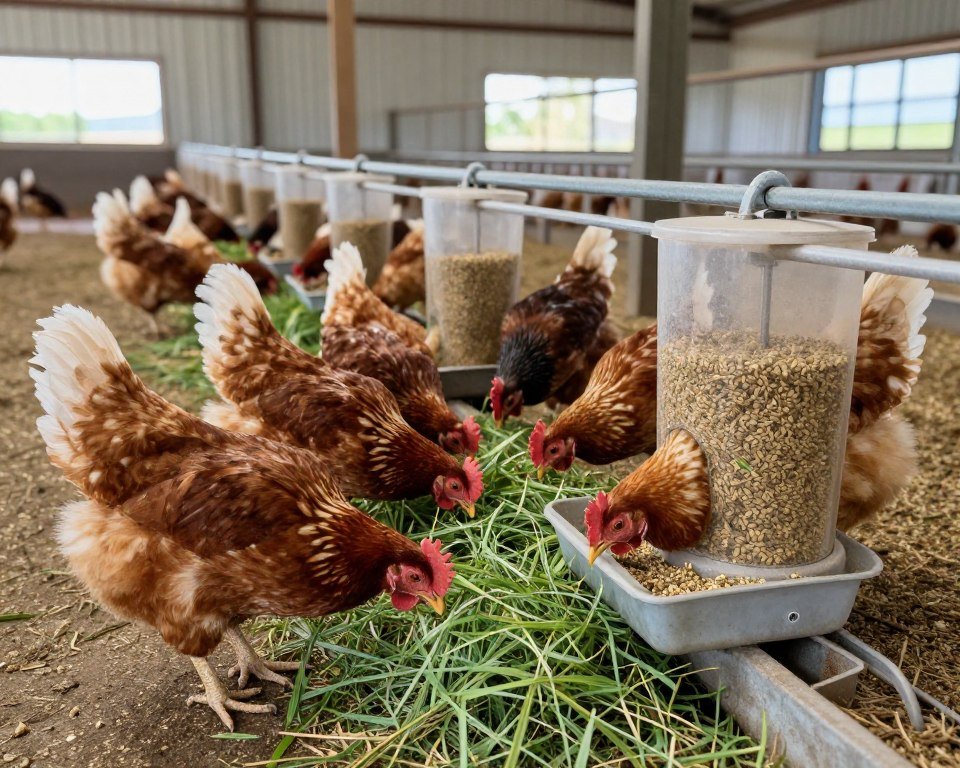
Poultry operations see improved feed conversion ratios. Chicken feed pellets reduce waste by 15-20% compared to mash feeding.
Cattle benefit from consistent fiber intake. Grass pellets prevent selective feeding. Every mouthful delivers balanced nutrition.
Sheep and goats digest pellets more efficiently than loose hay. Feed wastage drops from 25-30% to under 5%.
Storage and Handling Improvements
Pelleted grass occupies 40-50% less space than loose hay. A standard storage shed holds twice the feed volume.
Transportation costs decrease proportionally. Moving pellets requires fewer trips and smaller vehicles.
Weather damage becomes minimal. Properly stored pellets resist moisture and maintain quality through rainy seasons.
Calculate Your Feed Cost Savings
Get a customized ROI analysis based on your operation size and animal feed requirements. Our technical team provides detailed calculations within 24 hours.
Choosing the Right Grass Feed Pellet Making Machine
Selection depends on your specific requirements. Production volume determines machine size and type.
Small Scale Feed Pellet Machines
Small operations need 100-300 kg/hour capacity. These pellet making machines suit family farms and cooperative start-ups.
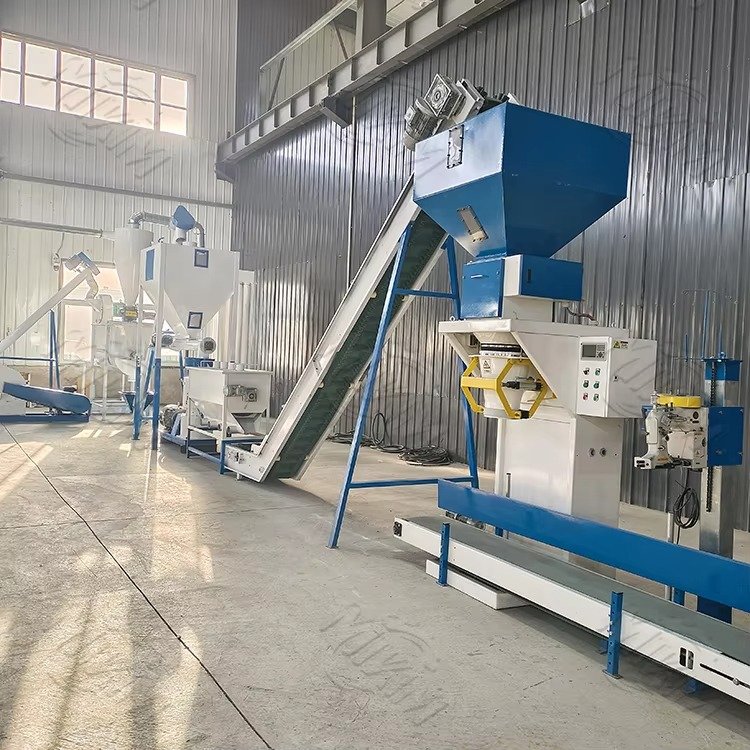
MAIKONG Model 120 Specifications
- Power: 3 kW electric motor
- Output: 60-100 kg/hour
- Die Diameter: 120mm flat die
- Pellet Sizes: 2-8mm diameter
- Weight: 85 kg portable design
- Price Range: R 28,000 – R 35,000
MAIKONG Model 150 Specifications
- Power: 4 kW electric motor
- Output: 100-150 kg/hour
- Die Diameter: 150mm flat die
- Pellet Sizes: 2-8mm diameter
- Weight: 110 kg semi-mobile
- Price Range: R 38,000 – R 45,000
These models run on standard single-phase power supply. Installation requires minimal preparation. Operation training takes just 2-3 hours.
Medium Scale Production Equipment
Farms processing 300-800 kg/hour need industrial-grade systems. These suit established livestock operations and feed retailers.
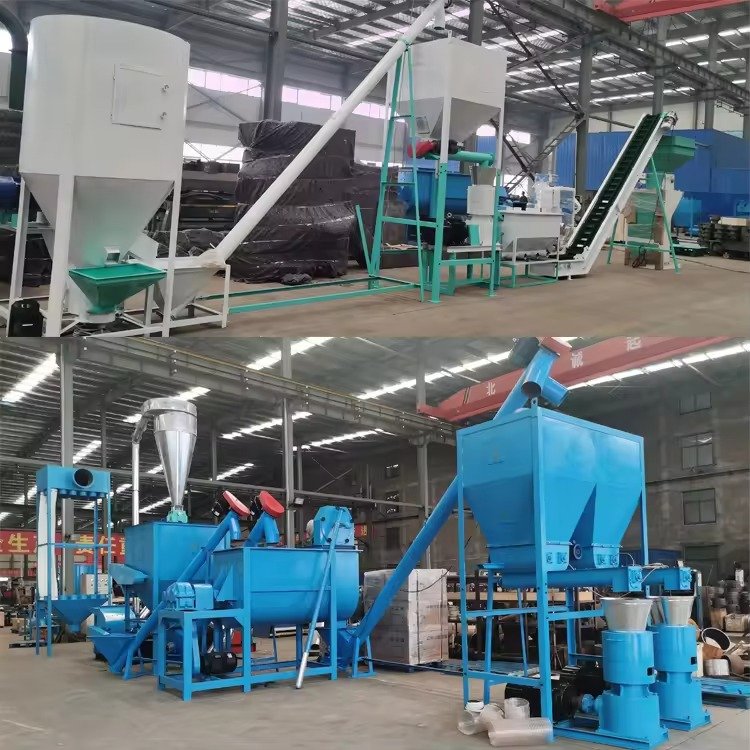
MAIKONG Model 200
Output: 200-300 kg/hour
Power: 7.5 kW three-phase motor
Die Type: 200mm flat die system
Applications: Medium poultry farms, sheep operations
Investment: R 65,000 – R 78,000
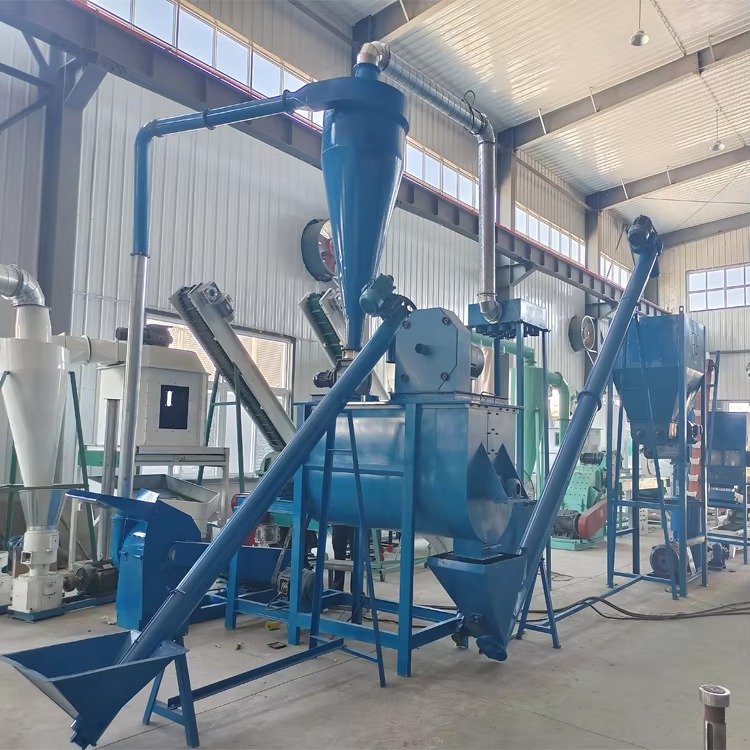
MAIKONG Model 260
Output: 300-400 kg/hour
Power: 11 kW three-phase motor
Die Type: 260mm flat die system
Applications: Cattle farms, commercial feed production
Investment: R 85,000 – R 98,000
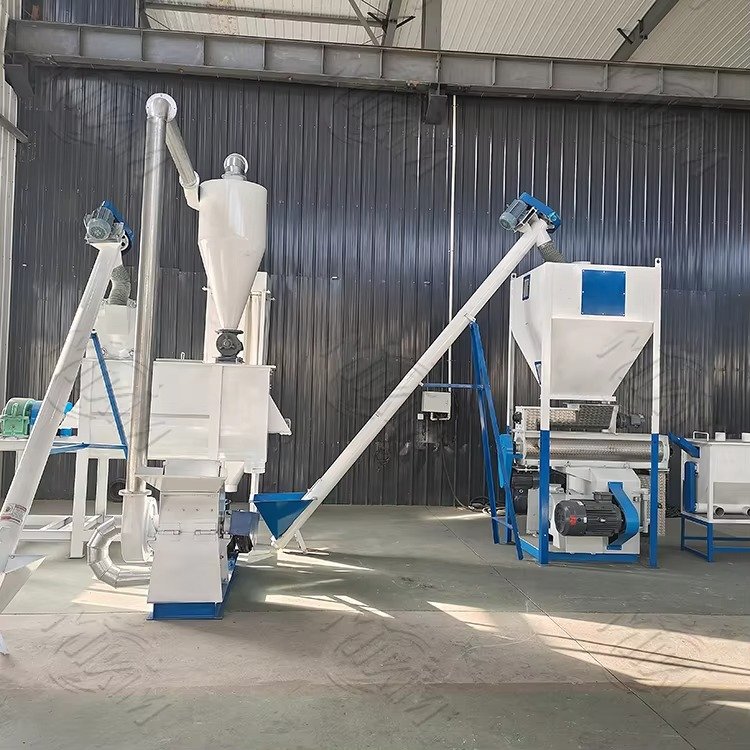
MAIKONG Model 300
Output: 400-600 kg/hour
Power: 15 kW three-phase motor
Die Type: 300mm flat die system
Applications: Large livestock operations, feed cooperatives
Investment: R 115,000 – R 135,000
Large Scale Production Lines
Commercial feed mills require complete automated systems. These production lines handle 1-10 tons per hour.
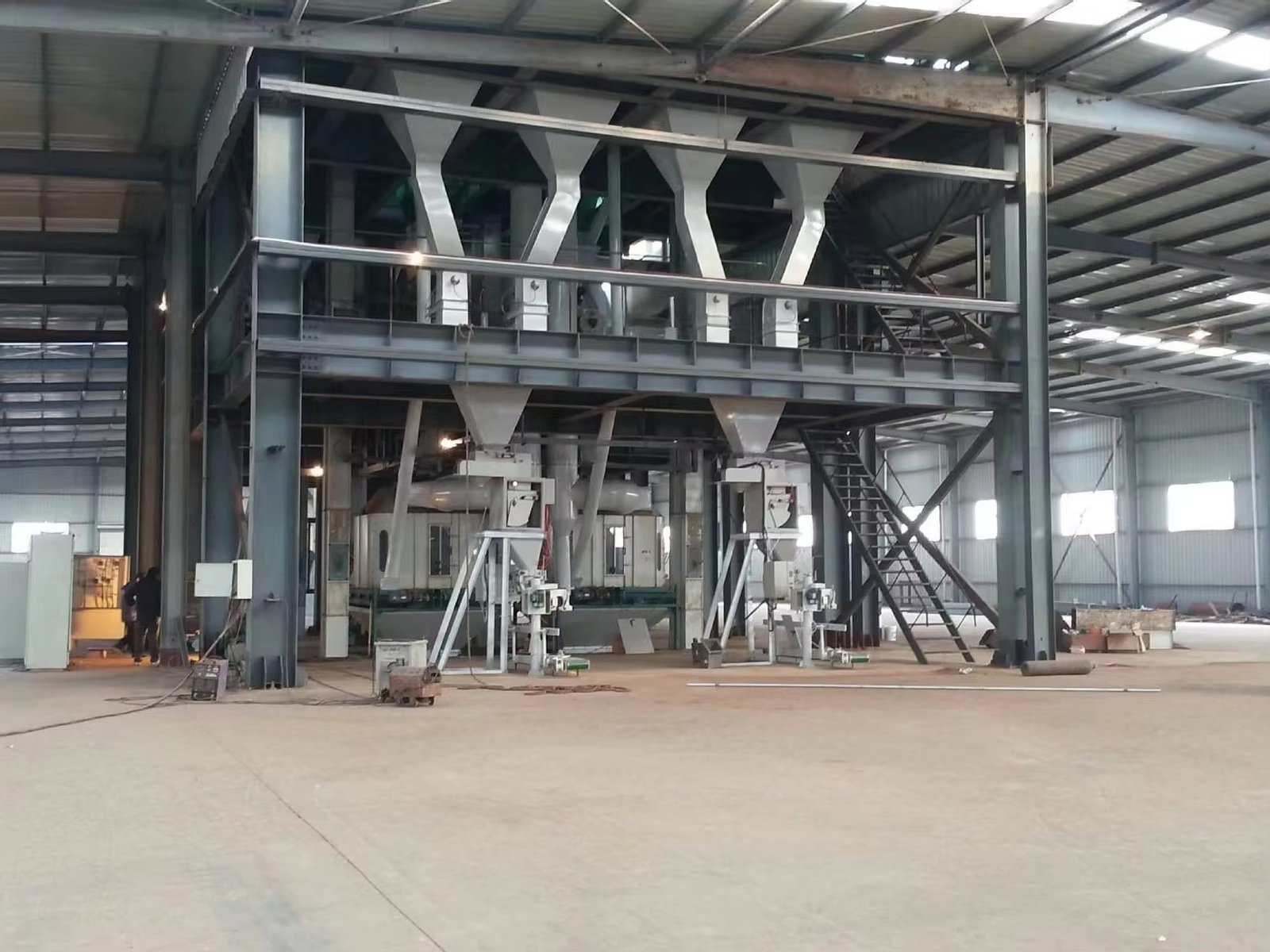
Complete lines include grinding equipment, mixers, pellet mills, coolers, and packaging systems. MAIKONG designs custom production line configurations.
A typical 2-ton/hour system requires R 850,000 – R 1,200,000 investment. This includes installation and operator training.
Key Selection Factors
Production Requirements
Calculate daily feed consumption across all animals on your property.
- Number of livestock by type
- Average daily feed per animal
- Seasonal variation in demand
- Future growth projections
Available Resources
Assess your facility capabilities and infrastructure.
- Electrical supply capacity
- Processing space available
- Raw material supply consistency
- Labor availability for operation
Budget Considerations
Balance initial investment against long-term savings.
- Equipment purchase cost
- Installation and setup expenses
- Operating costs per ton
- Maintenance budget requirements
Quality Standards
Determine pellet specifications for your livestock.
- Pellet diameter requirements
- Density and hardness needed
- Durability during handling
- Nutritional consistency targets
Technical Specifications and Performance Features
Understanding technical details helps match equipment to your needs. MAIKONG machines meet international quality standards.
Die Technology Comparison
The die determines pellet formation. Two technologies dominate the market.
| Feature | Flat Die Feed Pellet Mill | Ring Die Feed Pellet Mill |
| Initial Cost | R 28,000 – R 150,000 | R 180,000 – R 850,000 |
| Output Range | 50 – 800 kg/hour | 500 – 10,000 kg/hour |
| Die Replacement Cost | R 2,800 – R 8,500 | R 15,000 – R 45,000 |
| Maintenance Difficulty | Simple, farmer-serviceable | Complex, requires technician |
| Power Consumption | 15-25 kWh per ton | 12-18 kWh per ton |
| Pellet Density | 550-650 kg/m³ | 600-700 kg/m³ |
| Material Suitability | Excellent for fibrous grass | Better for mixed rations |
| Best Applications | On-farm production, small-medium scale | Commercial feed mills, large operations |
Most South African farmers choose flat die feed systems. They offer better value for grass-based animal feed pellet production.
Motor and Drive Systems
Electric motors provide reliable power in most locations. Diesel options exist for off-grid farms.
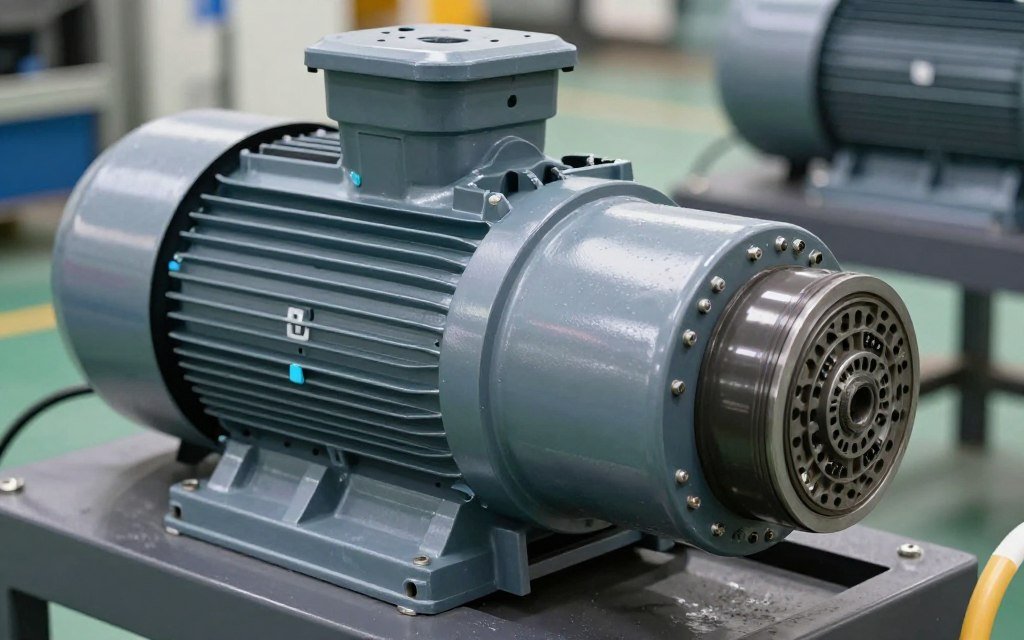
Three-phase motors suit commercial operations. Single-phase units work for smaller systems. Diesel engines add R 18,000 – R 35,000 to equipment cost.
Durability and Construction Quality
MAIKONG uses high-carbon steel for die plates. Rollers undergo heat treatment for extended life.
Main frames use 8mm steel plate construction. This withstands continuous operation in demanding conditions.
Bearings come from international suppliers. SKF or NSK brands ensure 10,000+ hour service life.
Safety Features
- Emergency stop buttons at multiple locations
- Overload protection prevents motor damage
- Safety guards cover all moving parts
- Temperature sensors prevent overheating
- Automatic shutdown on bearing failure
- Electrical systems meet SANS standards
Technical Support Availability: MAIKONG maintains spare parts inventory in South Africa. Most components ship within 48 hours. Critical parts arrive overnight in major cities.
Operating Your Feed Pellet Making Machine Efficiently
Proper operation maximizes output and equipment life. Following correct procedures prevents costly breakdowns.
Pre-Operation Preparation
Check moisture content of raw materials before processing. Ideal range sits between 12-15% for grass.
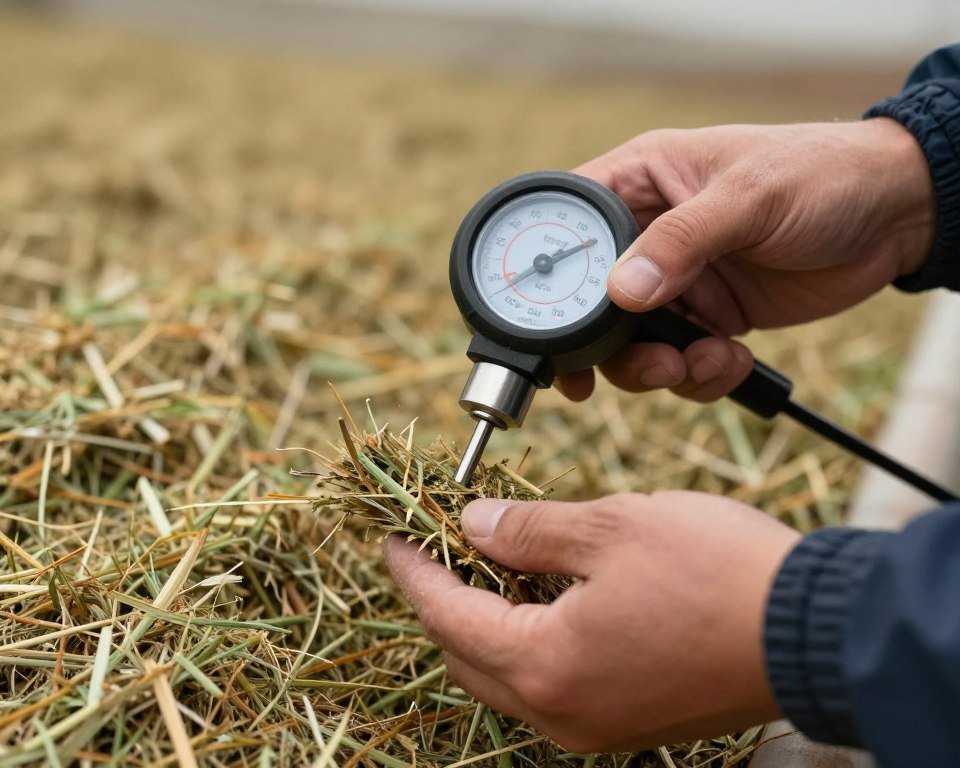
Grind materials to uniform particle size. A 3-5mm size works best for most grass types. Inconsistent particle size reduces pellet quality.
Inspect die and rollers for wear. Replace components showing cracks or excessive erosion. Clean any buildup from previous runs.
Startup Procedures
- Run machine empty for 2-3 minutes to reach operating temperature
- Start with 50% material feed rate for first 5 minutes
- Gradually increase to full capacity over 10-15 minutes
- Monitor pellet formation quality continuously
- Adjust feed rate if pellets show poor formation
- Check bearing temperatures after 30 minutes operation
Optimizing Pellet Quality
Temperature affects binding. Ideal pelletization occurs at 75-85°C. Higher temperatures improve pellet hardness.
| Problem | Cause | Solution |
| Soft crumbly pellets | Moisture too high or temperature too low | Reduce material moisture, increase compression time |
| Excessive dust production | Materials too dry or particle size too small | Add 1-2% moisture, increase grind size slightly |
| Uneven pellet length | Dull cutting knife or inconsistent material flow | Sharpen knife, regulate feed hopper flow |
| Low output rate | Die holes partially blocked or worn rollers | Clean die thoroughly, inspect roller condition |
| Pellets breaking during cooling | Too rapid cooling or excessive moisture | Slow cooling process, verify pre-pellet moisture |
Routine Maintenance Schedule
Daily maintenance takes 15-20 minutes. This prevents 90% of common failures.
Daily Tasks
- Clean die surface and discharge area
- Check belt tension and alignment
- Lubricate grease points (2-3 locations)
- Inspect pellet quality samples
- Empty dust collection system
- Verify motor temperature normal
Weekly Tasks
- Deep clean entire machine interior
- Inspect electrical connections
- Check bearing temperatures under load
- Tighten all mounting bolts
- Test emergency stop function
- Review production logs for anomalies
Monthly Maintenance
- Replace or clean air filters
- Inspect roller bearings for wear
- Check die hole condition closely
- Verify belt wear and replace if needed
- Test all safety switches
- Calibrate temperature sensors
Annual Service
- Replace main bearings preventatively
- Resurface or replace die plate
- Replace rollers if 40% worn
- Complete electrical system inspection
- Motor service and testing
- Update operational records
MAIKONG provides detailed maintenance manuals with every machine. Video tutorials available on our website demonstrate key procedures.
Common Operational Mistakes to Avoid
Never operate without proper safety guards installed. Flying debris from pellet discharge can cause injury. Always wear safety glasses during operation.
- Overfeeding materials causes motor strain and poor pellets
- Running without proper lubrication destroys bearings rapidly
- Ignoring unusual noises leads to catastrophic failures
- Processing wet materials damages die and reduces output
- Skipping daily cleaning allows material buildup
Real Results: South African Feed Pellet Production Success Stories
Actual farms demonstrate the practical benefits of grass pellet production. These cases show realistic outcomes.
Case Study 1: Mpumalanga Poultry Operation
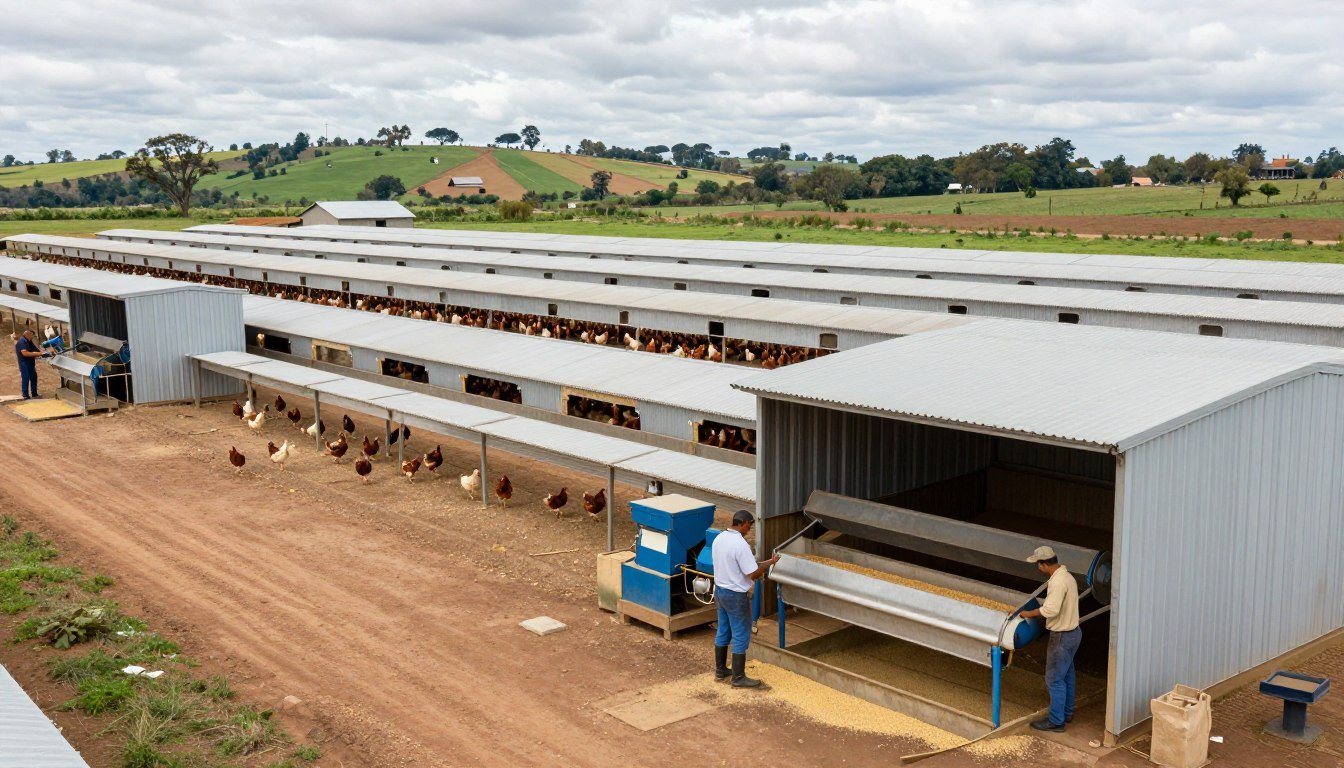
Operation Size: 15,000 laying hens
Challenge: Feed costs consuming 68% of revenue. Commercial layer feed priced at R 5,800 per ton.
Solution: MAIKONG Model 260 installed with hammer mill and mixer.
| Metric | Before | After 12 Months |
| Monthly Feed Cost | R 174,000 | R 98,500 |
| Feed Conversion Ratio | 2.3:1 | 2.1:1 |
| Egg Production Rate | 82% | 86% |
| Equipment Investment | N/A | R 145,000 |
| Payback Period | N/A | 14 months achieved |
Owner Johannes Botha reports: “We blend lucerne pellets with corn and soya. The chickens prefer pellets over mash. Wastage dropped from 22% to under 6%. Our profit margin improved by 18 percentage points.”
Case Study 2: KwaZulu-Natal Cattle Ranch
Operation Size: 450 beef cattle, 180 dairy cows
Challenge: Drought reduced grazing. Purchased hay cost R 3,200 per ton delivered.
Solution: Complete feed pellet production line with MAIKONG Model 300 as core unit.
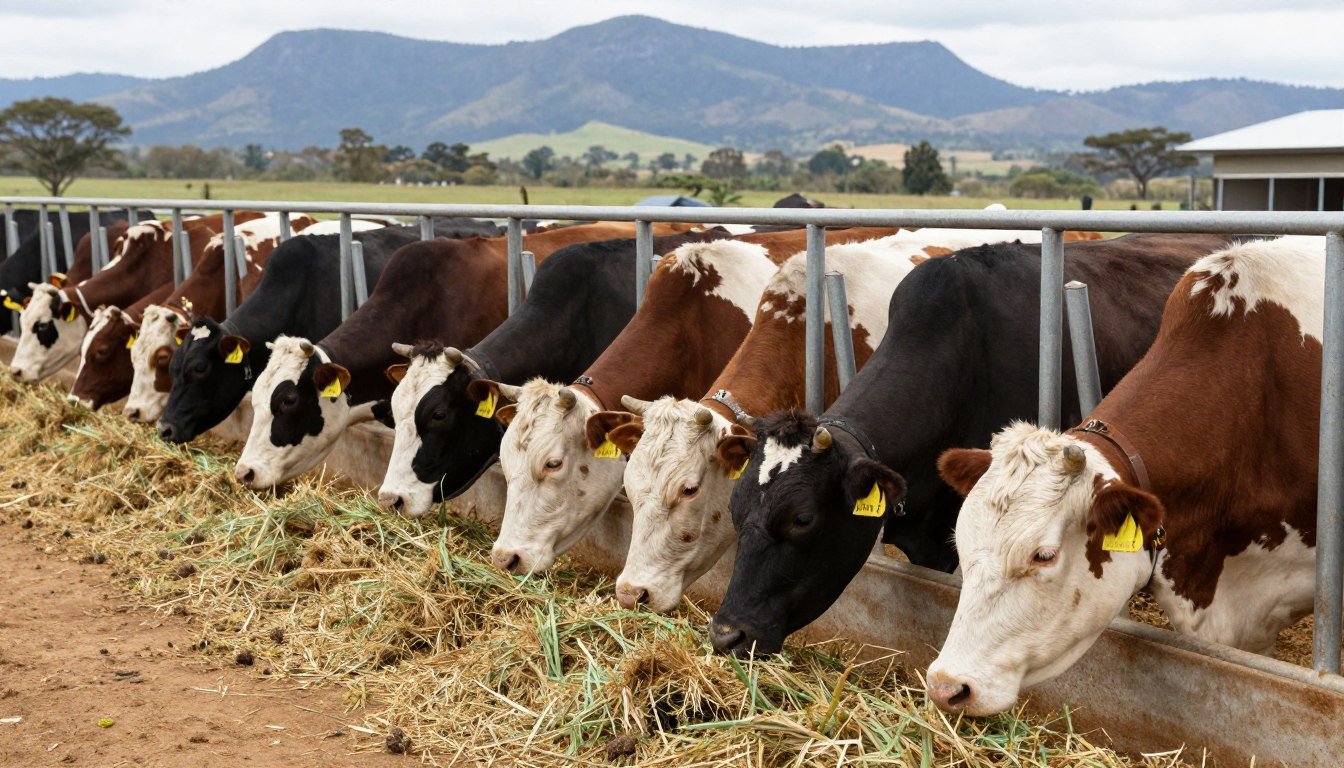
The ranch processes kikuyu grass and crop residues. Daily production reaches 2.8 tons of mixed feed pellets.
Results after 18 months:
- Feed cost reduced from R 2,850 to R 1,650 per ton
- Beef cattle daily gain increased 8% on pellet diet
- Dairy production stable despite reduced grazing
- Storage space freed up by 55% versus hay
- Total annual savings: R 518,000
- Equipment cost recovered in 16 months
Farm manager Thandi Nkosi notes: “The consistency matters most. Every animal gets identical nutrition. We control exactly what goes into our cattle. Quality improved across our entire herd.”
Case Study 3: Western Cape Sheep Cooperative
Operation Size: Seven member farms, combined 4,200 sheep
Challenge: Individual farms too small for equipment investment. Commercial sheep meal at R 4,100 per ton.
Solution: Cooperative purchased shared MAIKONG Model 200 system.
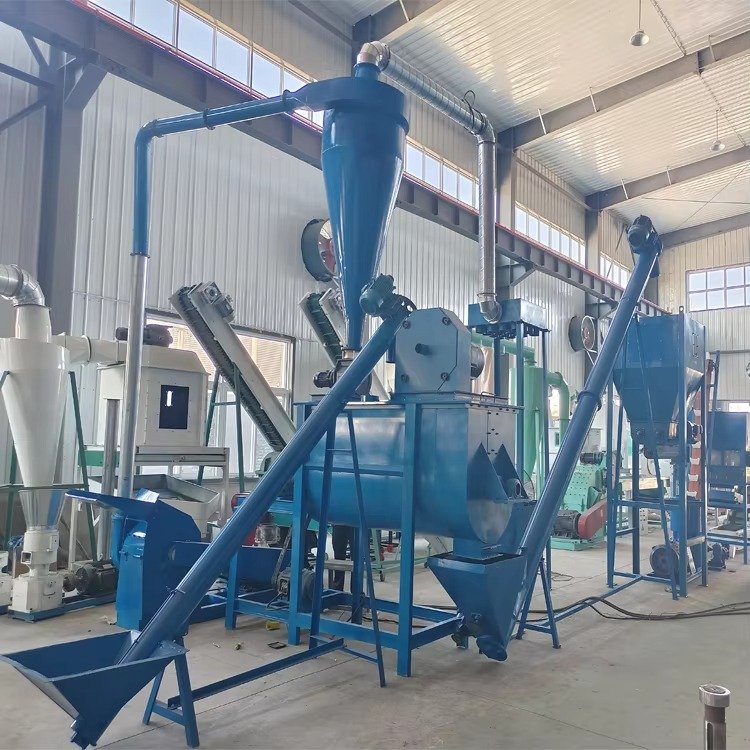
Members bring grass and receive finished pellets. The cooperative charges R 450 per ton processing fee.
Cooperative outcomes:
Benefits Achieved
- Members pay R 2,350 total cost per ton (materials + processing)
- 43% savings versus commercial feed purchase
- Lamb growth rates improved 12% average
- Equipment utilization 6 days per week
- Cooperative generates R 8,500 monthly profit
- Expansion to 12 members within 2 years
Challenges Overcome
- Initial scheduling conflicts between members
- Learning curve for operation procedures
- Raw material quality variation issues
- Maintenance responsibility sharing
- Storage space limitations initially
Cooperative chairman Pieter van der Merwe states: “Sharing equipment makes sense for smaller farmers. None of us could justify individual purchase. Together we achieve economies of scale previously impossible.”
Start Your Own Success Story
MAIKONG helps design solutions for operations of any size. Get a customized proposal based on your livestock numbers, available grass resources, and budget parameters.
The MAIKONG Manufacturing Advantage
MAIKONG brings two decades of pellet machine manufacturing experience to South African farmers. Our factory produces over 2,800 units annually.
Why South African Farmers Choose MAIKONG
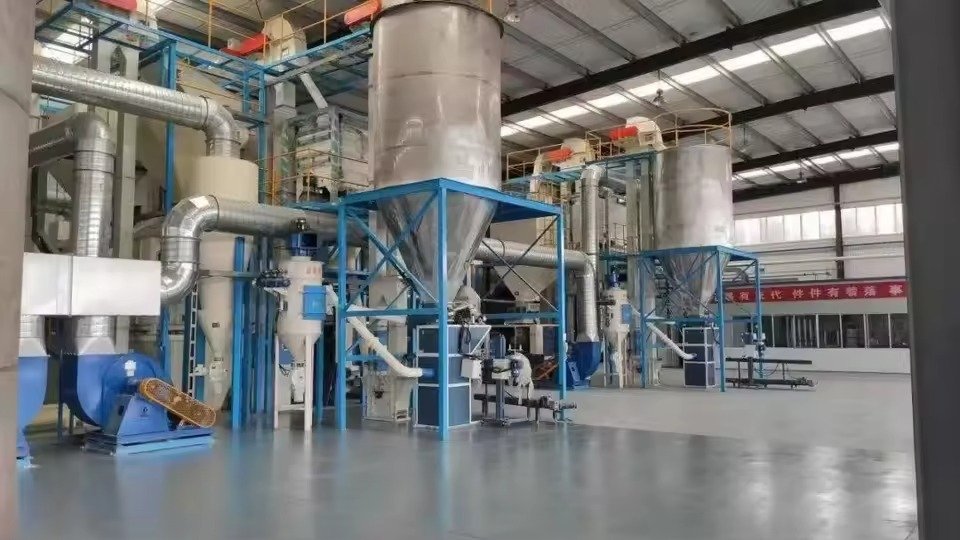
Proven Reliability
Our machines operate in 47 countries across six continents. African installations total over 850 units since 2015.
Independent testing shows 97.3% uptime over 36-month periods. This exceeds industry average by 12 percentage points.
Local Support Network
MAIKONG maintains spare parts inventory in Johannesburg and Cape Town. Most components ship within 48 hours.
Technical support available in English, Afrikaans, Zulu, and Xhosa. Our team understands South African farming conditions.
Customization Capability
We modify equipment for specific needs. Voltage variations, mounting configurations, and die specifications all customizable.
Custom formulation support helps optimize recipes for your livestock and available materials.
Complete Product Range
MAIKONG manufactures comprehensive pellet making solutions beyond grass feed applications.
| Product Category | Applications | Models Available |
| Feed Pellet Machine | Livestock, poultry, aquaculture feeds | 12 models, 50-3000 kg/hr |
| Wood Pellet Machine | Biomass fuel, heating pellets | 8 models, 100-2500 kg/hr |
| Fertilizer Pellet Machine | Organic fertilizer, compost pellets | 6 models, 200-1500 kg/hr |
| Animal Feed Pellet Machine | Specialized animal feed formulations | 10 models, custom options |
Browse our complete pellet machine range for detailed specifications.
Quality Assurance Standards
Every MAIKONG unit undergoes rigorous testing before shipment. Our quality control process includes:
- 72-hour continuous operation test under full load
- Vibration analysis to verify balance and alignment
- Electrical safety testing to SANS 10142 standard
- Sample pellet production using customer materials
- Noise level measurement and certification
- Complete documentation package delivery
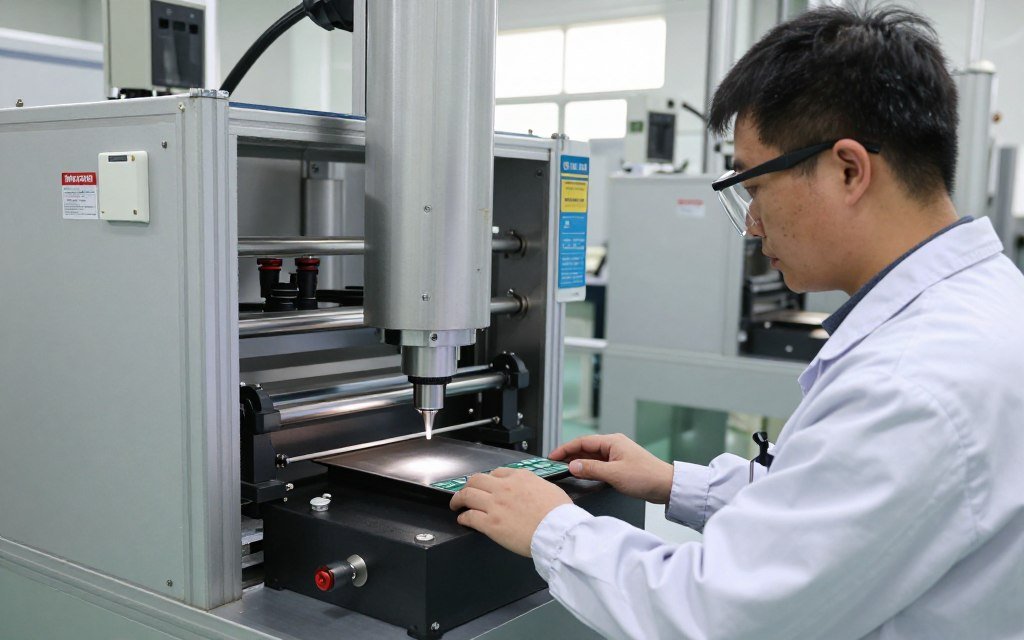
Training and Installation Support
MAIKONG includes comprehensive support with every purchase:
Installation Services
- Site assessment and preparation guidance
- Equipment delivery and positioning
- Electrical connection verification
- Initial calibration and testing
- Safety system validation
- Documentation handover
Operator Training
- 2-day on-site training program
- Safety procedures and protocols
- Optimal operation techniques
- Routine maintenance procedures
- Troubleshooting common issues
- Recipe formulation guidance
Warranty and After-Sales Service
Standard warranty covers 12 months parts and labor. Extended warranties available up to 36 months.
Our service commitment includes:
- 24-hour emergency technical support via WhatsApp
- Video consultation for troubleshooting
- Spare parts guaranteed availability for 10 years
- Annual maintenance service packages
- Free software updates for automated systems
- Operator refresher training as needed
Technical Support WhatsApp (24/7):
Partnership Opportunities for South African Dealers
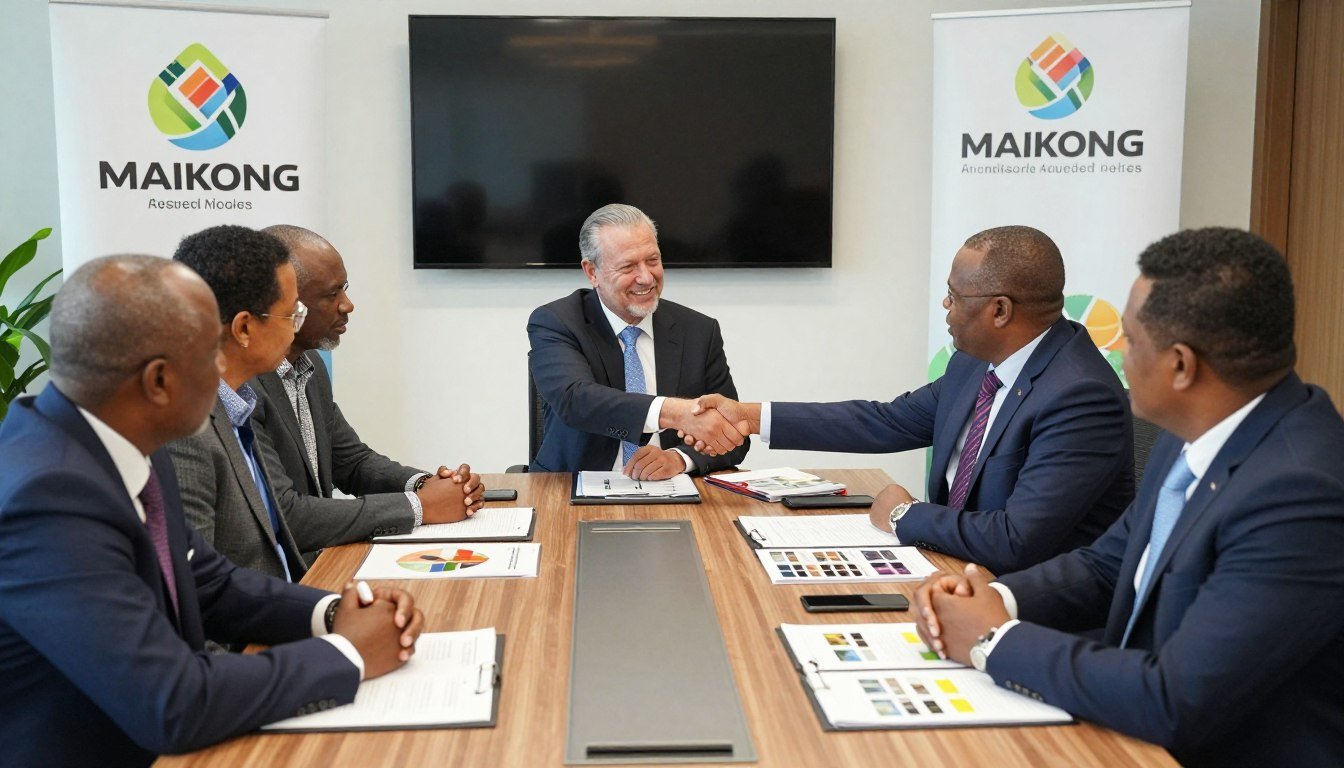
MAIKONG actively expands our South African dealer network. We seek partners who understand local agricultural markets.
Dealer Program Benefits
Attractive Margins
Dealer pricing offers 28-35% margin depending on volume. Quarterly bonuses for exceeding targets.
No minimum order requirements for first year. Flexible payment terms available.
Marketing Support
Co-branded marketing materials provided. Digital assets for social media and websites included.
Lead generation support through MAIKONG website referrals. Trade show participation assistance.
Technical Training
Comprehensive dealer technical training program. Annual factory visit for top performers.
Ongoing product knowledge updates. Sales technique workshops provided.
Ideal Dealer Profile
We partner with businesses that demonstrate:
- Established presence in agricultural equipment or feed supply sector
- Existing customer relationships with target markets
- Technical capability to provide basic support
- Warehouse or display space for demonstration units
- Commitment to MAIKONG brand values and standards
- Financial stability for inventory investment
Protected Territories
MAIKONG offers exclusive territorial rights to qualified dealers. Current available territories include:
Northern Regions
- Limpopo Province (partial availability)
- Mpumalanga Lowveld area
- North West Province
Coastal Regions
- Eastern Cape (most areas open)
- KwaZulu-Natal coastal region
- Northern Cape
Central Regions
- Free State agricultural areas
- Western Cape Karoo region
- Southern Cape
Become a MAIKONG Dealer Partner
Join South Africa’s fastest-growing pellet machine dealer network. Limited territories available. Application review within 5 business days.
Investment Analysis and Return on Investment
Understanding total costs helps make informed decisions. Feed pellet machine price varies with capacity and features.
Complete Cost Breakdown
| System Component | Small Scale | Medium Scale | Large Scale |
| Pellet Making Machine | R 28,000 – R 45,000 | R 65,000 – R 98,000 | R 115,000 – R 285,000 |
| Hammer Mill (grinding) | R 12,000 – R 18,000 | R 22,000 – R 35,000 | R 45,000 – R 85,000 |
| Mixer (optional) | R 8,500 – R 12,000 | R 15,000 – R 25,000 | R 32,000 – R 65,000 |
| Cooler | Not required | R 18,000 – R 28,000 | R 38,000 – R 75,000 |
| Installation & Training | R 3,500 – R 5,000 | R 8,000 – R 12,000 | R 15,000 – R 35,000 |
| Total Investment | R 52,000 – R 80,000 | R 128,000 – R 198,000 | R 245,000 – R 545,000 |
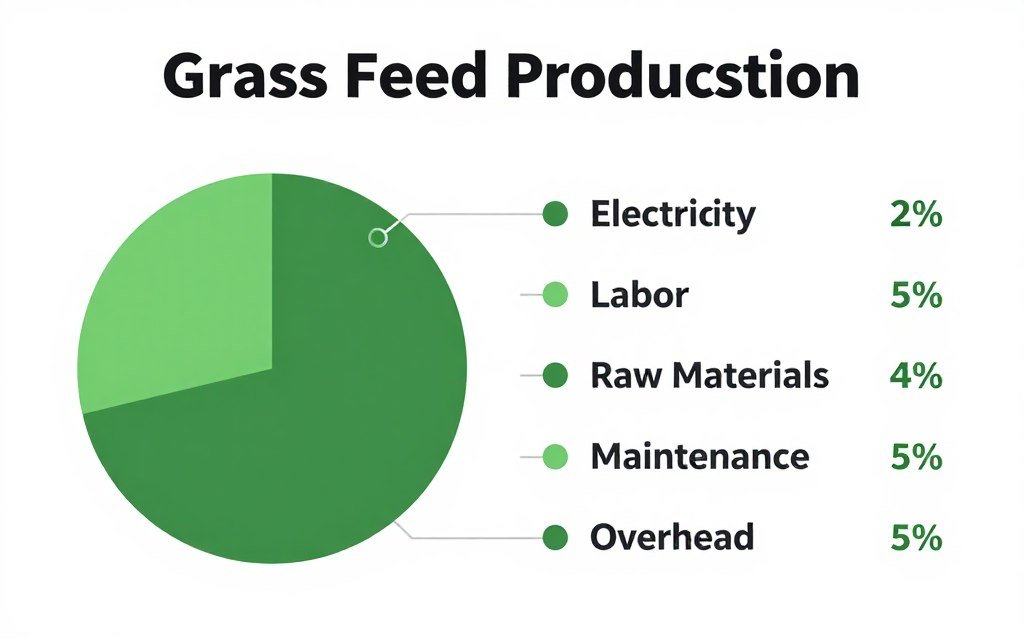
Operating Cost Analysis
Understanding per-ton production costs reveals true economics.
| Cost Element | Per Ton Cost | Notes |
| Raw grass material | R 800 – R 1,200 | Own production or purchased locally |
| Electricity (18 kWh avg) | R 35 – R 45 | Based on R 2.20/kWh average rate |
| Labor (allocated) | R 150 – R 250 | Depends on automation level |
| Die & roller wear | R 45 – R 65 | Amortized over component life |
| Maintenance supplies | R 25 – R 40 | Lubricants, filters, minor parts |
| Packaging | R 80 – R 120 | 50kg bags or bulk storage |
| Total Production Cost | R 1,135 – R 1,720 | Varies with scale and efficiency |
ROI Calculation Example
Medium-scale cattle operation consuming 150 tons feed annually:
Current Situation:
- Purchasing commercial cattle meal at R 4,200/ton
- Annual feed expense: R 630,000
With MAIKONG System:
- Equipment investment: R 145,000
- Production cost: R 1,450/ton average
- Annual production cost: R 217,500
- Annual savings: R 412,500
- Payback period: 4.2 months
Financing Options
Several pathways make equipment acquisition manageable:
- Land Bank financing: Agricultural equipment loans at 9-11% interest
- Cooperative purchasing: Share costs among member farms
- Lease-to-own programs: Available through select MAIKONG dealers
- Government grants: Some provincial programs support mechanization
- Supplier credit: MAIKONG offers payment plans for qualified buyers
Contact our sales team to explore financing aligned with your situation.
Frequently Asked Questions About Grass Feed Pellet Machines
What moisture content works best for grass pelleting?
Optimal moisture sits between 12-15% for most grass types. Below 10% creates excessive dust and poor binding. Above 18% causes soft pellets that crumble easily.
Test moisture using an affordable digital meter (R 450-850). Sun-drying grass to correct moisture takes 2-4 days in South African conditions.
How long do die plates last before replacement?
Die life varies with material hardness and production volume. Grass processing typically achieves 800-1,200 tons before die replacement becomes necessary.
MAIKONG dies use hardened alloy steel with 58-62 HRC hardness. Replacement dies cost R 2,800-8,500 depending on model. Keep one spare die in inventory.
Can one machine produce different pellet sizes?
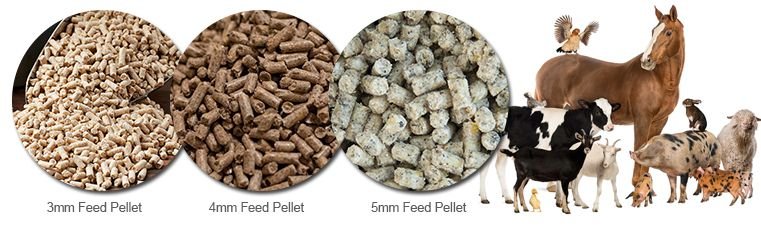
Yes, by changing the die plate. MAIKONG machines accept dies with 2mm to 8mm hole diameters. Die changes take 20-30 minutes.
Smaller pellets (2-4mm) suit poultry and young animals. Larger pellets (6-8mm) work for cattle and adult sheep. Most operations maintain 2-3 dies for different applications.
What power supply do these machines require?
Small models (up to 150 kg/hr) run on single-phase 220V. Medium and large systems need three-phase 380V supply.
Diesel engine options available for off-grid locations. Solar power systems can run smaller models but require substantial battery banks (minimum 15 kWh storage).
How much training is needed to operate safely?
Basic operation training takes 4-6 hours. MAIKONG provides 2-day comprehensive program covering safety, operation, maintenance, and troubleshooting.
Most operators become proficient within one week of regular use. We provide training manuals in English and Afrikaans. Video tutorials available on our website.
Can I mix supplements into grass pellets?
Absolutely. Most users blend corn, soya meal, minerals, or vitamins with grass. A separate mixer ensures uniform distribution.
Typical formulations: 60-70% grass, 15-25% grain, 5-10% protein supplement, 2-3% minerals. MAIKONG provides formulation guidance for different livestock types.
What maintenance skills are required?
Basic mechanical aptitude suffices. Daily tasks include cleaning and lubrication – similar to tractor maintenance. Most farmers handle routine care themselves.
Annual bearing replacement or die changes may require assistance initially. MAIKONG dealers provide on-site service if needed. Parts availability excellent throughout South Africa.
Do pellets require cooling before storage?
Yes, cooling prevents moisture condensation in bags. Pellets exit the mill at 75-85°C. Cool to within 5°C of ambient temperature before bagging.
Small operations air-cool by spreading pellets 10cm deep for 2-3 hours. Medium-to-large systems justify mechanical coolers (R 18,000-75,000) for continuous production.
How does pellet quality compare to commercial feed?
Properly made grass pellets match or exceed commercial standards. Pellet durability index (PDI) of 95-98% is achievable with correct moisture and technique.
Your pellets offer fresher nutrition since processing happens on-demand. Commercial feeds often sit in supply chains for weeks, losing nutritional value. Independent lab testing available to verify quality.
What warranty comes with MAIKONG equipment?
Standard 12-month parts and labor warranty covers manufacturing defects. Extended warranties (24-36 months) available at purchase.
Warranty includes technical support, replacement parts shipping, and on-site service if required. Wear items (dies, rollers, belts) have separate warranty terms based on expected service life.
Getting Started with MAIKONG Grass Feed Pellet Production
Starting your pellet production journey involves several straightforward steps. MAIKONG guides you through the entire process.
Step 1: Assess Your Requirements
Calculate your actual feed consumption. Consider seasonal variations and growth plans.

Step 2: Site Preparation
Proper installation location ensures efficient operation. MAIKONG provides site assessment guidance.
Space Requirements
- Small systems: 3m x 3m minimum floor space
- Medium systems: 5m x 4m working area
- Large production lines: 12m x 8m or larger
- Additional space for raw material storage
- Separate area for finished product storage
Infrastructure Needs
- Concrete foundation 150mm thick minimum
- Adequate electrical supply capacity
- Good ventilation for dust control
- Weather protection (roof coverage)
- Loading access for materials and products
Step 3: Equipment Selection and Ordering
MAIKONG technical team helps identify optimal configuration. We consider your budget, production targets, and growth plans.
Order processing typically requires:
- Detailed consultation (phone, WhatsApp, or in-person)
- Customization specification if required
- Formal quotation review and acceptance
- Deposit payment (typically 40%)
- Manufacturing period (2-4 weeks standard models)
- Quality testing and documentation
- Shipping arrangement to your location
- Balance payment upon delivery
Step 4: Installation and Commissioning
MAIKONG technicians handle installation and initial setup. This typically takes 1-2 days for complete systems.
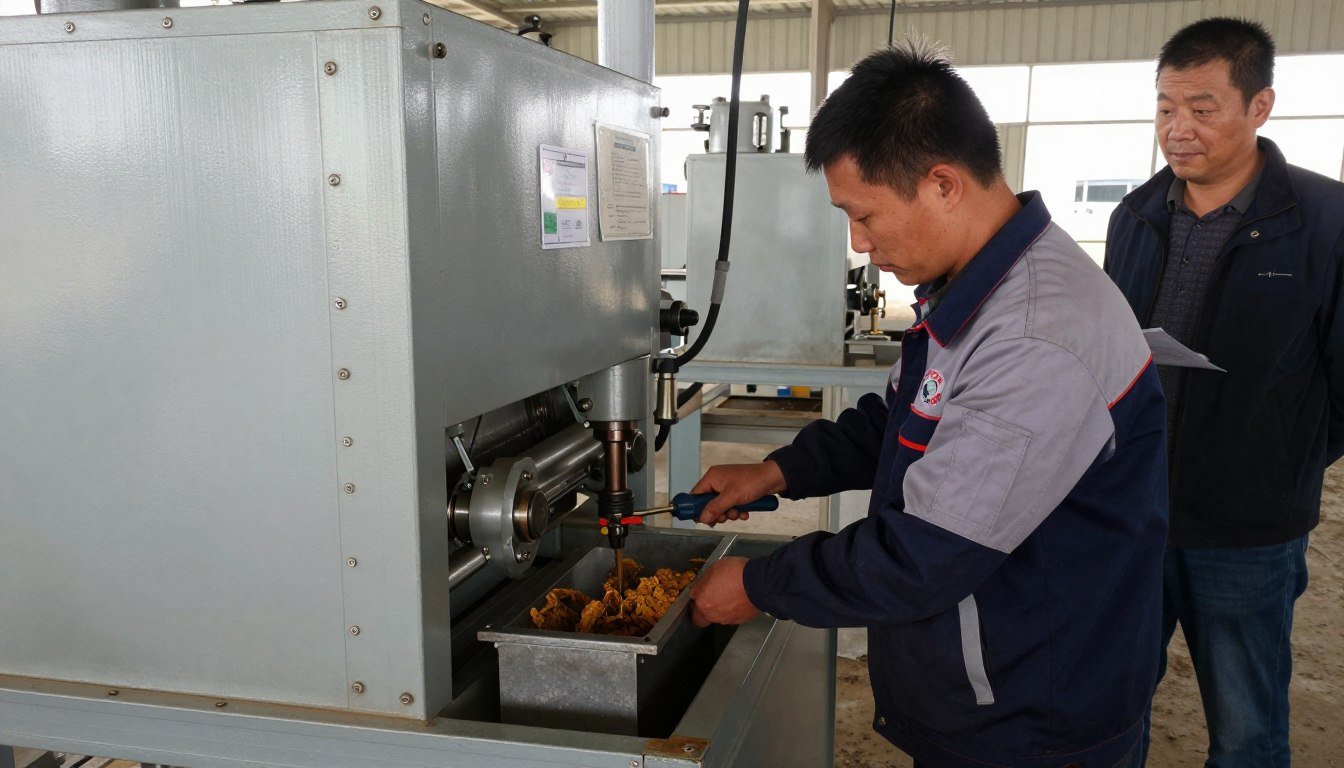
Commissioning includes test runs with your actual raw materials. We adjust settings for optimal performance with your specific grass type.
Step 5: Operator Training
Comprehensive 2-day training covers all aspects of operation. Your team learns:
- Safety protocols and emergency procedures
- Startup and shutdown sequences
- Optimal operating parameters
- Quality monitoring techniques
- Daily maintenance routines
- Basic troubleshooting skills
- Record keeping practices
Step 6: Ongoing Support
MAIKONG relationship continues long after installation. We provide:
- WhatsApp technical support responds within 2 hours
- Email support for detailed inquiries
- Remote video troubleshooting when needed
- Spare parts ordering with rapid delivery
- Annual maintenance service visits
- Performance optimization consultations
- Formula development assistance
Transform Your Farming Operation with Grass Pellet Production
A grass feed pellet machine offers South African farmers genuine competitive advantages. Feed cost reduction, quality control, and operational independence create measurable profit improvements.
MAIKONG brings proven technology adapted for local conditions. Our 20 years of manufacturing experience ensures reliable equipment backed by comprehensive support.
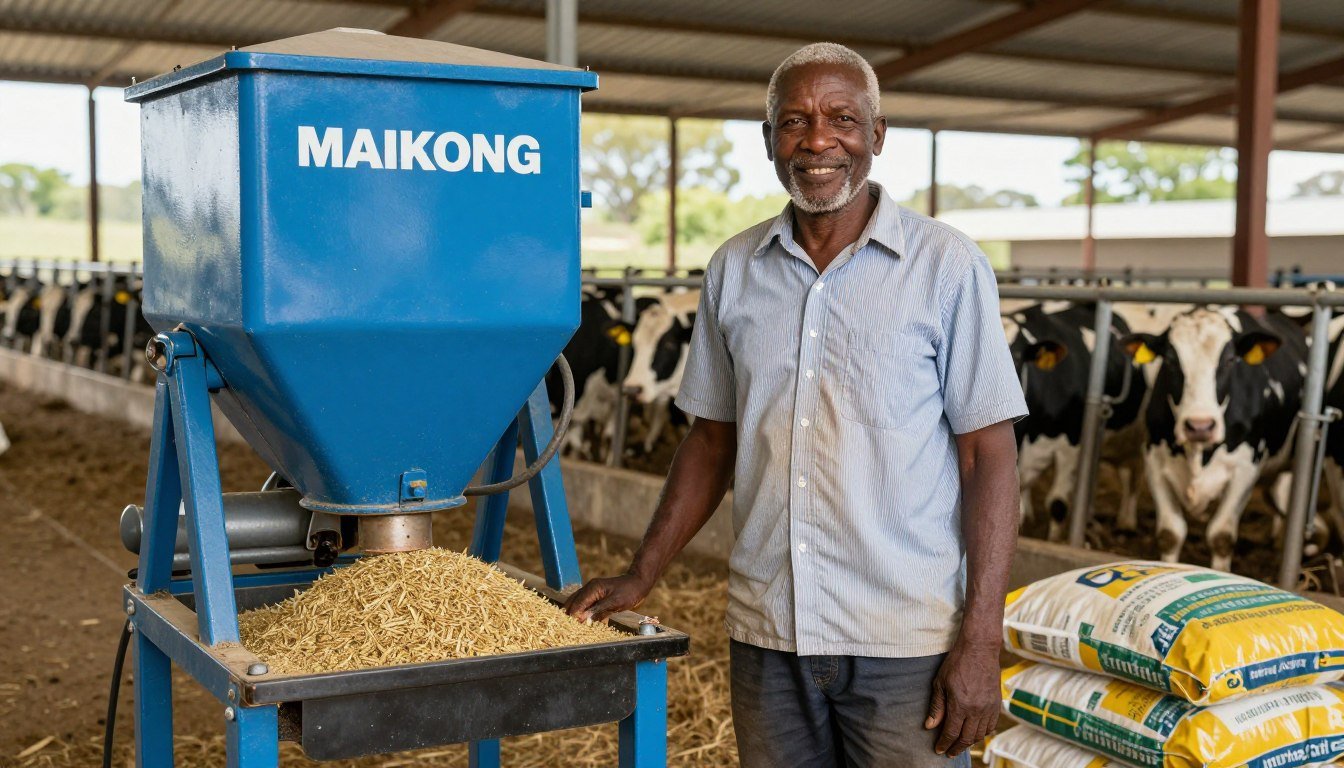
Whether you operate a small family farm or manage large commercial livestock operations, appropriate pellet making solutions exist. From compact models to complete automated production lines, MAIKONG equipment scales to your requirements.
The investment pays back rapidly through reduced feed expenses. Most operations achieve full payback within 12-18 months. Subsequent years deliver pure profit enhancement.
Join hundreds of South African farmers already benefiting from on-farm feed pellet production. MAIKONG equipment operates successfully from Limpopo to Western Cape.
Take the Next Step Toward Feed Independence
Contact MAIKONG today for a no-obligation consultation. Our technical team will assess your specific situation and recommend optimal solutions. Get detailed pricing, ROI calculations, and answers to all your questions.
Direct Phone Support:
MAIKONG South Africa
Email: Lucy@pelletmachine.co.za
Website: pelletmachine.co.za
Learn more: About MAIKONG | Contact Us
We welcome dealer and distributor partnership inquiries. Build a profitable business representing quality pellet making equipment in your territory.
Start your feed independence journey today. MAIKONG stands ready to help you turn grass into profit.
