
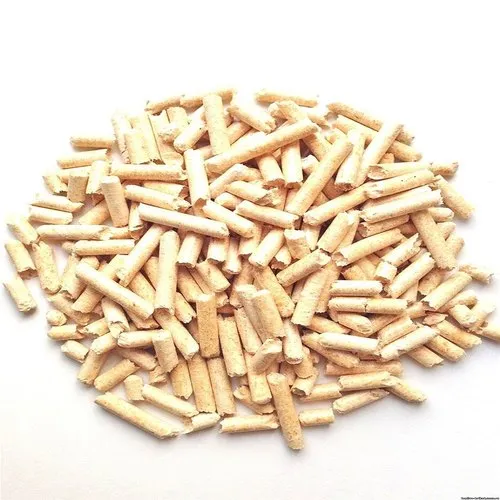
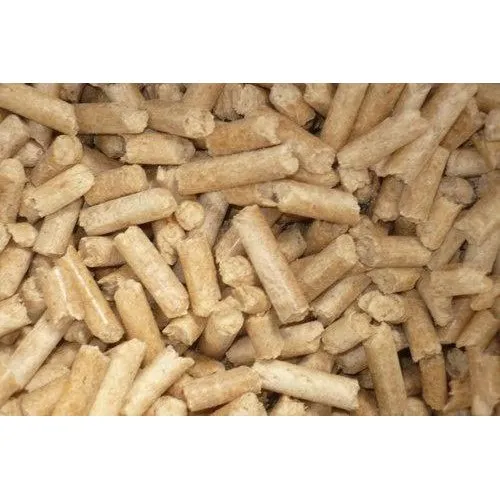
Breeding sows require precise nutrition to maintain body condition, support reproductive performance, and produce healthy piglets. Traditional feeding methods often result in nutritional inconsistencies and higher costs. A dedicated feed pellet machine transforms raw ingredients into uniform, nutritionally balanced pellets that optimize sow breeding outcomes.
South African pig farmers face mounting pressure to reduce feed expenses while improving breeding efficiency. Commercial sow feeds can consume up to 70% of operational budgets. On-farm feed pellet making equipment offers a proven solution to this challenge.
MAIKONG has manufactured pellet machines for over 20 years. Our experience spans across diverse agricultural applications throughout Africa. We understand the specific requirements of sow nutrition and have designed equipment that addresses the unique needs of breeding operations.
This comprehensive guide explores how feed pellet machines support optimal sow nutrition. We examine equipment specifications, nutritional formulation strategies, operational efficiency, and real-world implementation across South African breeding facilities.
Understanding Sow Nutritional Requirements for Breeding Performance
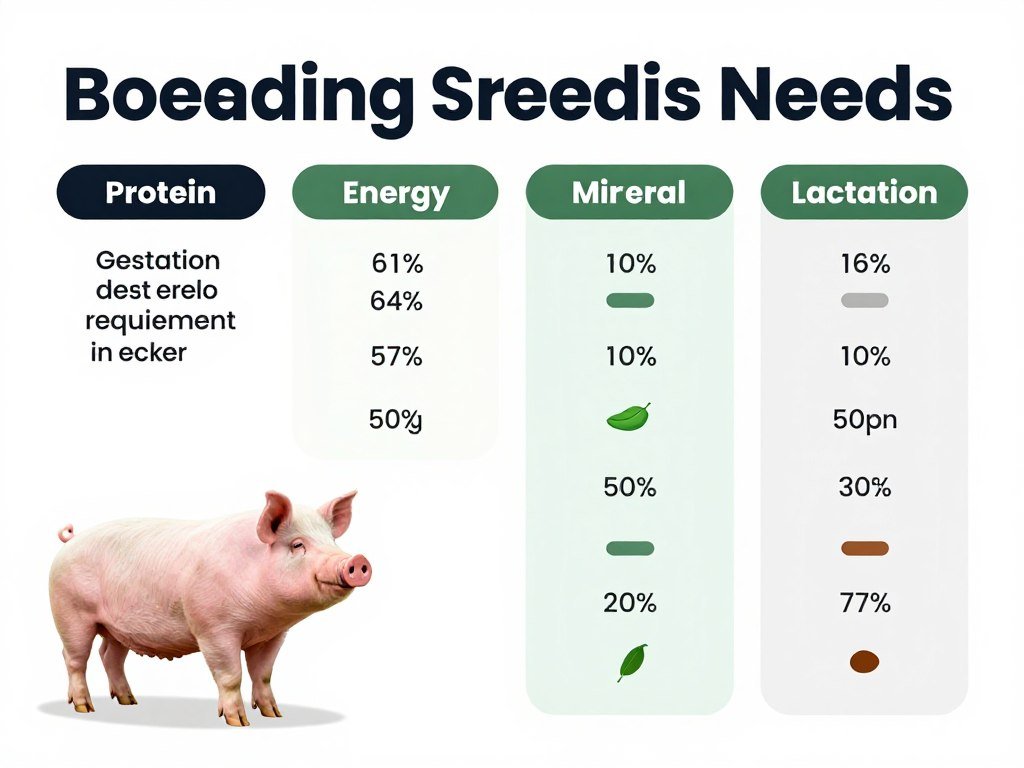
Breeding sows progress through distinct physiological stages. Each stage demands specific nutritional profiles. Gestation requires controlled energy intake to prevent excessive weight gain. Lactation demands high-energy, high-protein feeds to support milk production and maintain body condition.
Gestating sows typically require 2.0 to 2.5 kg of feed daily with 13-14% crude protein. Lactating sows need 5 to 7 kg daily with 16-18% crude protein. These requirements shift based on body condition, litter size, and environmental factors.
Gestation Phase Nutrition
The gestation period spans approximately 114 days. Nutritional management during this time influences litter size, piglet birth weight, and sow longevity. Energy levels must support fetal development without causing excessive maternal weight gain.
- Metabolizable energy: 12.5-13.0 MJ/kg
- Crude protein: 13-14%
- Lysine: 0.60-0.65%
- Calcium: 0.75-0.90%
- Phosphorus: 0.60-0.70%
Lactation Phase Nutrition
Lactation represents the most nutritionally demanding period. Sows mobilize body reserves to produce milk for large litters. Inadequate nutrition during lactation extends weaning-to-estrus intervals and reduces subsequent litter sizes.
- Metabolizable energy: 13.5-14.0 MJ/kg
- Crude protein: 16-18%
- Lysine: 0.95-1.05%
- Calcium: 0.85-1.00%
- Phosphorus: 0.65-0.75%
Minerals and vitamins play critical roles in reproductive function. Calcium and phosphorus support skeletal development in growing fetuses. B-vitamins influence energy metabolism and neural development. Trace minerals like selenium and zinc affect conception rates and embryonic survival.
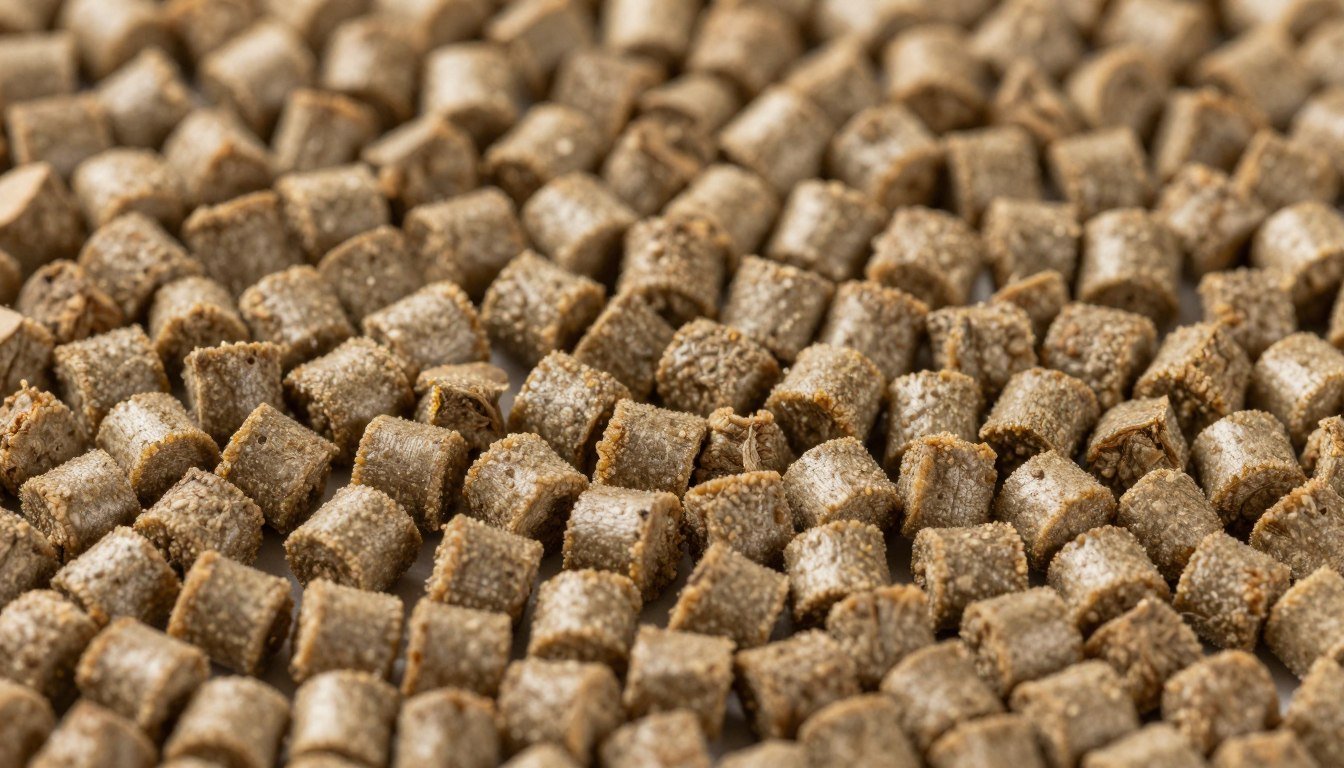
Fiber content affects satiety and gut health. Moderate fiber inclusion (4-6% crude fiber) helps prevent stereotypic behaviors in confined sows. Excessive fiber reduces energy density and may compromise nutrient intake during lactation.
A feed pellet machine enables precise formulation control. Farmers can adjust ingredient ratios to match specific nutritional targets for each breeding stage. This flexibility proves impossible with commercial bulk feeds designed for average requirements.
Feed Pellet Machine Specifications for Sow Feed Production
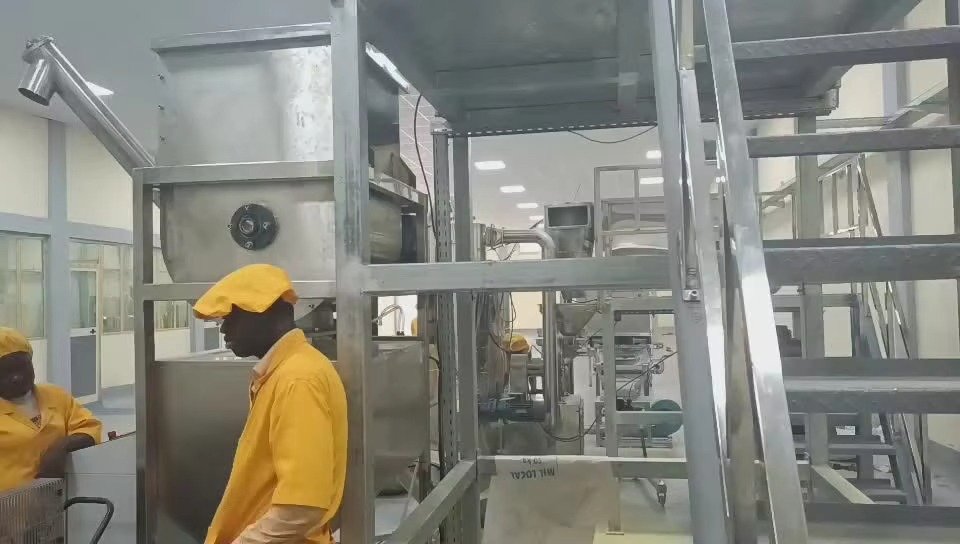
Selecting appropriate pellet machine capacity depends on breeding herd size and production requirements. Small operations with 20-50 sows benefit from machines producing 100-300 kg per hour. Large commercial farms with 500+ sows require systems producing 1-3 tons hourly.
MAIKONG manufactures feed pellet machines across this entire capacity spectrum. Our equipment incorporates features specifically designed for sow feed formulations containing higher fat content and specific ingredient profiles.
| Model | Capacity (kg/hr) | Motor Power (kW) | Pellet Diameter (mm) | Suitable Herd Size |
| MAIKONG-150 | 80-120 | 4 | 3-8 | 20-40 sows |
| MAIKONG-210 | 150-250 | 7.5 | 3-10 | 40-80 sows |
| MAIKONG-260 | 250-400 | 15 | 3-12 | 80-150 sows |
| MAIKONG-300 | 400-600 | 22 | 4-12 | 150-250 sows |
| MAIKONG-400 | 600-1000 | 37 | 4-12 | 250-500 sows |
| MAIKONG-550 | 1000-1500 | 55 | 5-12 | 500-800 sows |
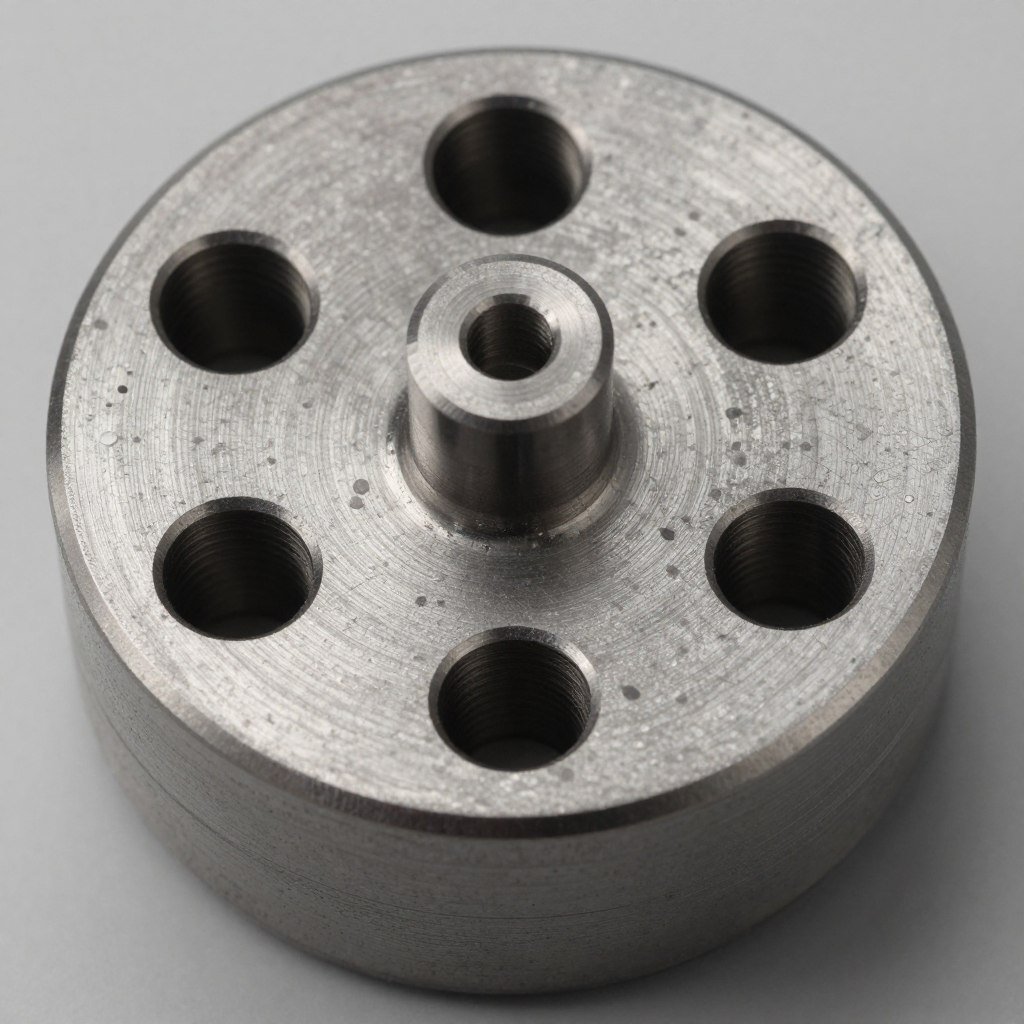
Die configuration significantly influences pellet quality and production efficiency. Ring dies offer higher throughput and better durability for continuous commercial operation. Flat dies provide easier maintenance and work well for smaller-scale manufacturing.
Critical Components for Sow Feed Processing
The conditioning chamber prepares raw materials for pelletization. Steam addition raises moisture content to 15-17% and temperature to 75-85°C. This process gelatinizes starches and improves pellet binding without chemical additives.
Roller and die specifications determine pellet density and durability. Gap settings between rollers and die surface affect compression force. Proper adjustment ensures pellets maintain structural integrity during handling and storage.
- Stainless steel contact surfaces prevent contamination
- Variable speed drives allow throughput adjustment
- Automated lubrication systems extend component life
- Integrated cooling systems prevent thermal degradation
- Safety interlocks protect operators and equipment
Cooling and screening systems complete the pellet production process. Counter-flow coolers reduce pellet temperature to within 5°C of ambient. This prevents moisture condensation during storage. Screening removes fines and oversized pellets to ensure uniform product quality.
Get Custom Equipment Recommendations
Our technical team analyzes your herd size, production volume, and facility constraints to recommend optimal pellet machine configurations. Receive detailed specifications and capacity calculations within 24 hours.
Formulation Strategies for Pelleted Sow Feeds

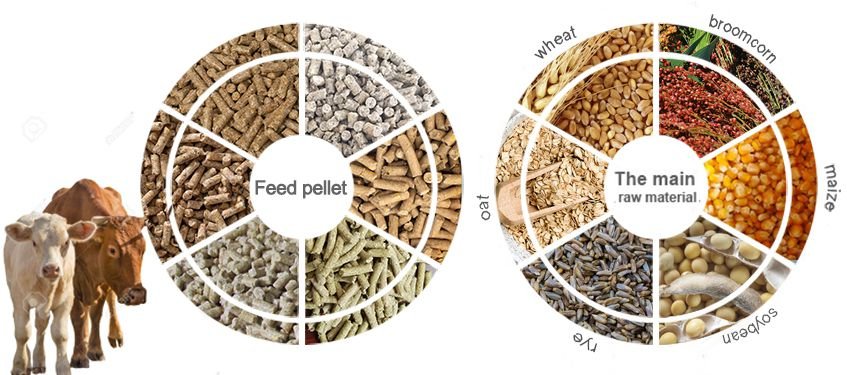
Successful sow feed formulation balances nutritional requirements with ingredient availability and cost. South African farmers typically access maize, soybean meal, sunflower meal, wheat bran, and locally produced protein sources.
Energy sources form the foundation of sow diets. Maize provides highly digestible energy and represents 45-65% of most formulations. Wheat and barley offer alternative energy sources when economically favorable. Fat supplementation increases energy density for lactating sows with limited intake capacity.
Gestation Formulation Example
| Ingredient | Percentage |
| Maize | 60.0% |
| Soybean Meal | 12.0% |
| Sunflower Meal | 8.0% |
| Wheat Bran | 15.0% |
| Limestone | 1.2% |
| Dicalcium Phosphate | 1.5% |
| Salt | 0.5% |
| Vitamin-Mineral Premix | 1.8% |
Lactation Formulation Example
| Ingredient | Percentage |
| Maize | 55.0% |
| Soybean Meal | 22.0% |
| Sunflower Meal | 5.0% |
| Wheat Bran | 8.0% |
| Fat (Soy Oil) | 3.0% |
| Limestone | 1.0% |
| Dicalcium Phosphate | 1.8% |
| Salt | 0.5% |
| Lysine HCl | 0.2% |
| Vitamin-Mineral Premix | 2.5% |
Protein sources must provide adequate amino acid profiles. Soybean meal offers balanced amino acids and high digestibility. Sunflower meal provides cost-effective protein when soybean prices escalate. Synthetic amino acid supplementation optimizes formulations without excessive protein levels.
Ingredient Processing Considerations
Particle size affects pellet quality and nutrient utilization. Grinding ingredients to 600-800 microns optimizes starch gelatinization during conditioning. Excessive grinding increases energy costs and may reduce gut health benefits from fiber.
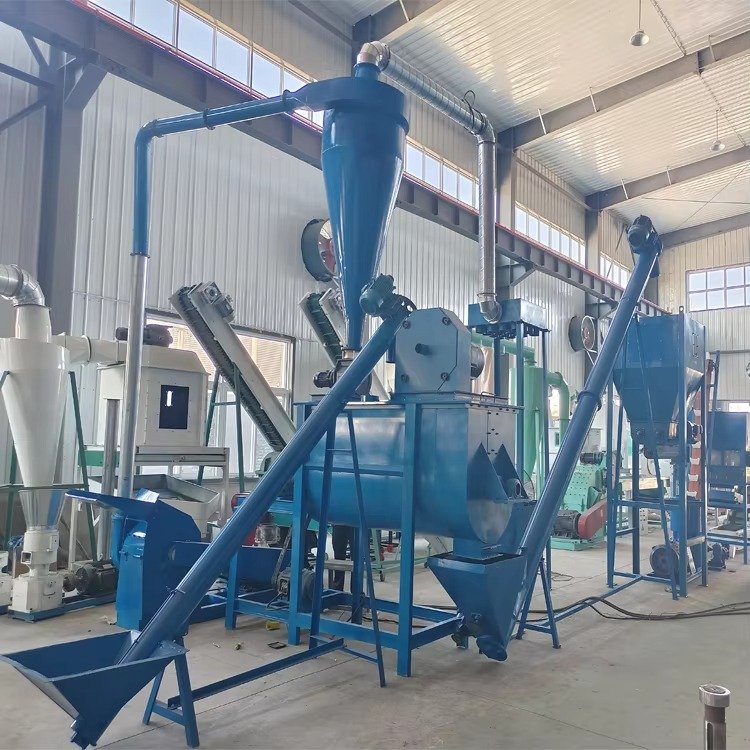
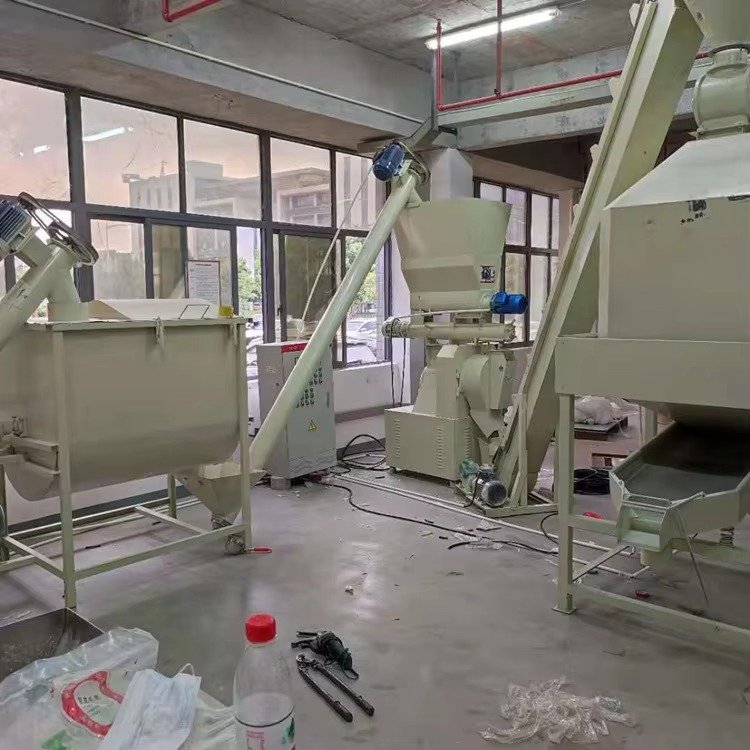
A hammer mill integrated with the pellet making machine ensures consistent particle size. MAIKONG production lines include synchronized grinding and pellet production to maintain efficiency.
- Screen size selection determines final particle dimensions
- Sequential grinding reduces energy consumption
- Dust collection systems improve air quality
- Magnetic separators protect downstream equipment
Fat inclusion requires special consideration. Liquid fats added before pelletization can reduce die throughput and pellet durability. Post-pellet fat coating maintains production rates while increasing energy density. MAIKONG systems accommodate both approaches based on formulation requirements.
Moisture content critically influences pelletization. Target moisture of 12-13% in ground ingredients allows effective steam conditioning. Excessive moisture causes pellets to crack during cooling. Insufficient moisture produces weak pellets with high fines percentage.
Operational Efficiency and Cost Analysis for Feed Pellet Production
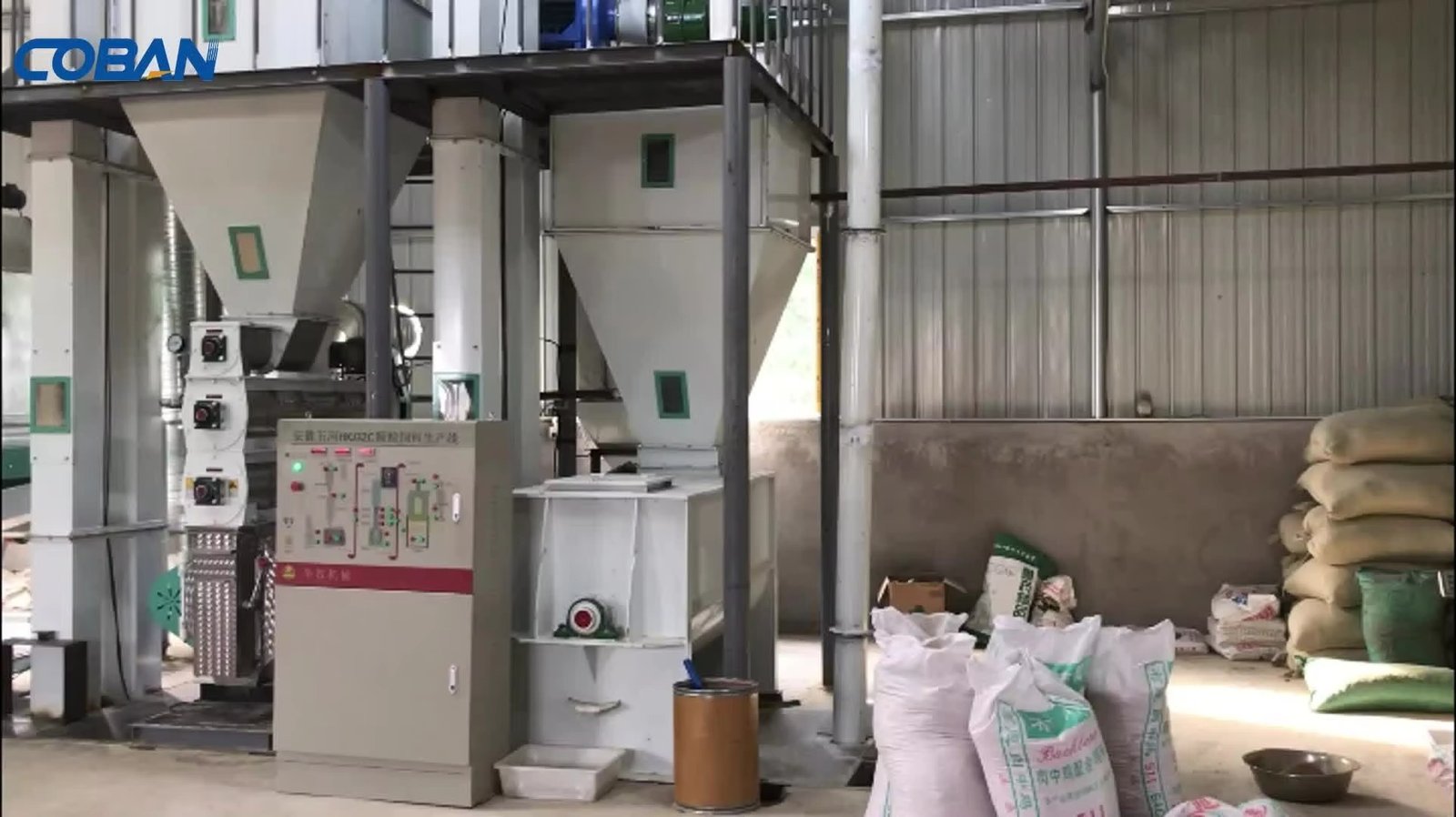
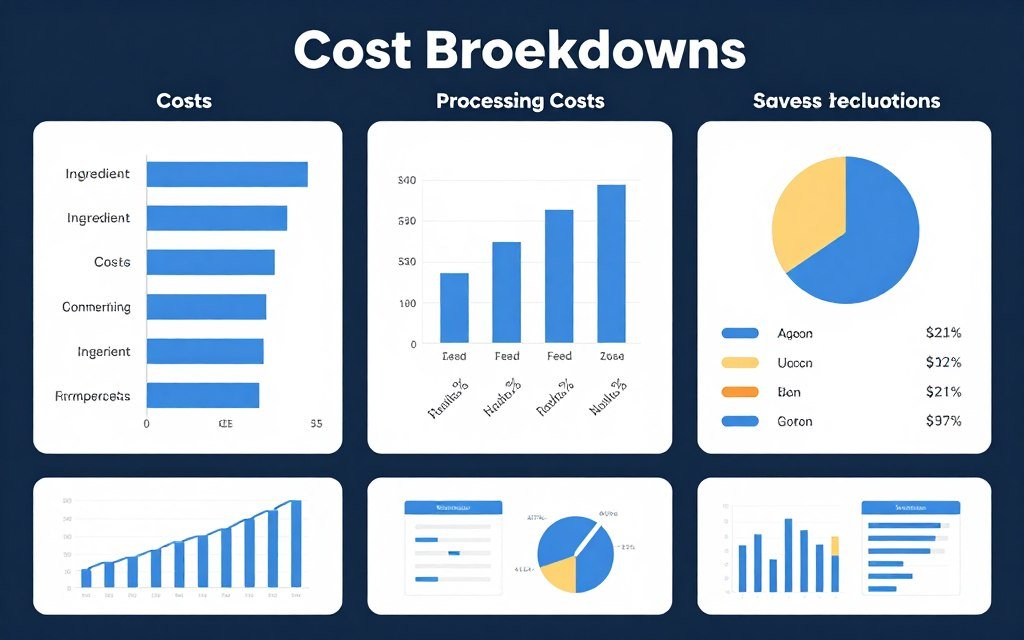
Operating costs for feed pellet making include electricity, labor, maintenance, and ingredient procurement. Electricity consumption varies by machine capacity and ingredient characteristics. Typical energy usage ranges from 15-25 kWh per ton of finished pellets.
Labor requirements depend on automation level. Manual machines require continuous operator attention. Automated systems with programmable controls reduce labor to ingredient loading and quality monitoring. MAIKONG equipment offers automation packages matching operational budgets.
| Cost Component | Small Farm (50 sows) | Medium Farm (200 sows) | Large Farm (500 sows) |
| Monthly Feed Requirement | 8 tons | 32 tons | 80 tons |
| Electricity Cost (ZAR) | R 360 | R 1,280 | R 3,200 |
| Labor Cost (ZAR) | R 2,500 | R 6,000 | R 12,000 |
| Maintenance (ZAR) | R 500 | R 1,200 | R 2,800 |
| Total Operating Cost (ZAR) | R 3,360 | R 8,480 | R 18,000 |
| Cost per Ton (ZAR) | R 420 | R 265 | R 225 |
Ingredient costs dominate total feed expenses. Bulk purchasing reduces per-unit costs for larger operations. Smaller farms benefit from cooperative purchasing arrangements or strategic timing based on seasonal price fluctuations.
Return on Investment Calculations
Equipment investment ranges from R 45,000 for small-scale machines to R 850,000 for complete automated production lines. Payback periods depend on herd size, commercial feed prices, and ingredient cost differentials.
A 200-sow operation consuming 32 tons monthly typically saves R 1,200-1,800 per ton compared to commercial feeds. Annual savings of R 460,000-690,000 generate payback in 8-14 months for mid-range equipment investments.
Cost Reduction Opportunities
- Eliminate commercial feed delivery charges
- Reduce ingredient waste through precise formulation
- Utilize locally available alternative ingredients
- Optimize nutrient density for specific breeding stages
- Minimize storage losses through fresh production
- Decrease dependency on commercial premixes
Efficiency Improvements
- Reduce feed conversion ratios by 8-12%
- Improve sow body condition consistency
- Increase piglet weaning weights
- Shorten weaning-to-estrus intervals
- Enhance overall reproductive performance
- Extend sow productive lifespan
Quality Control Benefits
- Verify ingredient quality before production
- Adjust formulations based on analytical results
- Eliminate contamination risks from external sources
- Maintain freshness through batch production
- Control particle size for optimal digestion
- Ensure proper vitamin and mineral inclusion
Maintenance schedules protect investment longevity. Daily inspection of wear components prevents unexpected failures. Weekly lubrication maintains optimal performance. Monthly die inspection identifies wear patterns requiring attention.
MAIKONG provides comprehensive maintenance training with every equipment installation. Our technical support team remains available via WhatsApp for troubleshooting assistance throughout the equipment lifecycle.
Calculate Your Feed Cost Savings
Our team prepares customized ROI analyses comparing your current commercial feed costs against on-farm pellet production. Receive detailed financial projections showing payback periods and annual savings potential.
Complete Production Line Integration for Sow Feed Manufacturing
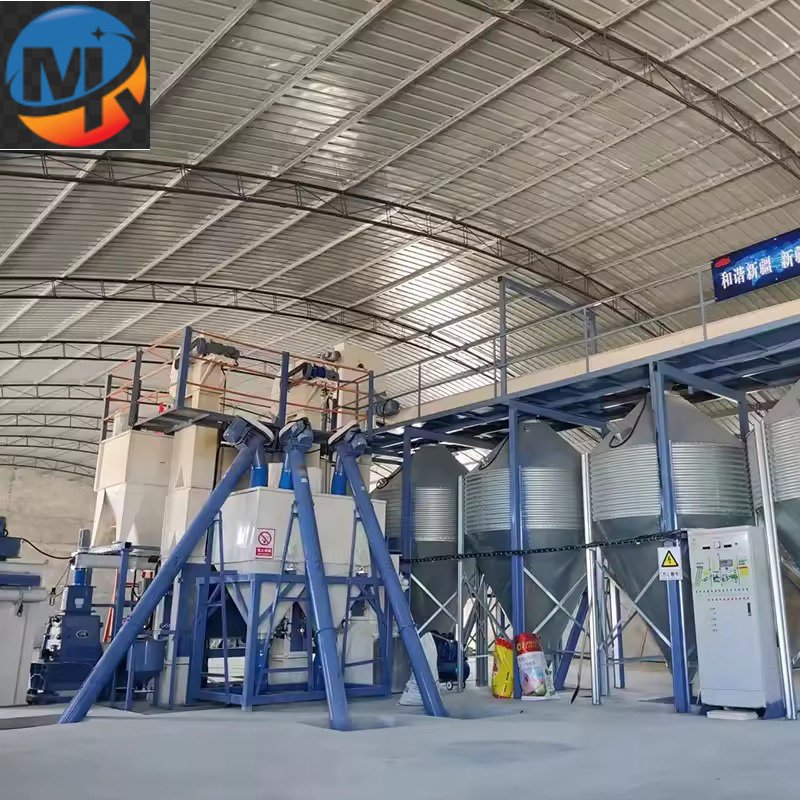
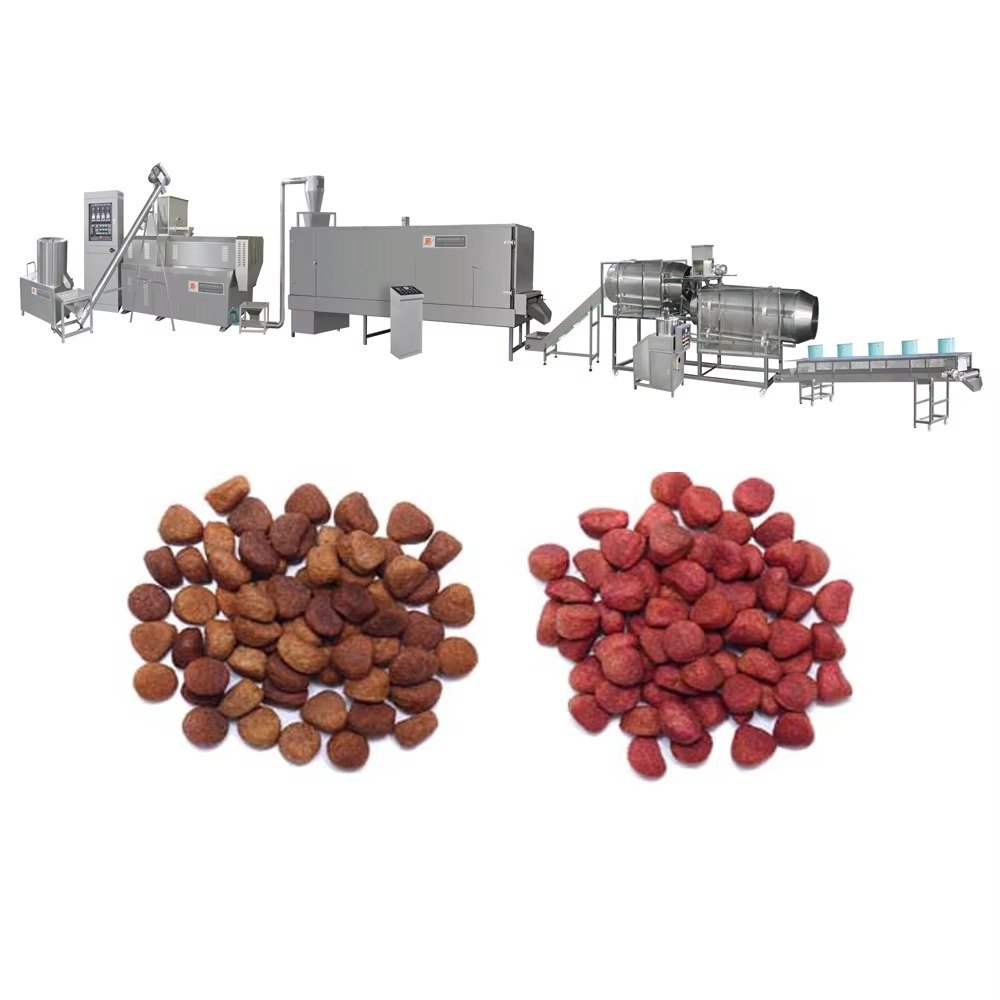
Comprehensive feed production lines integrate multiple processing stages into cohesive systems. Raw material reception, grinding, mixing, pelletizing, cooling, and packaging function as synchronized operations.
Material handling equipment transfers ingredients between processing stages. Bucket elevators, screw conveyors, and pneumatic systems move materials efficiently while minimizing degradation. Automated systems reduce manual handling and associated labor costs.
Essential Production Line Components
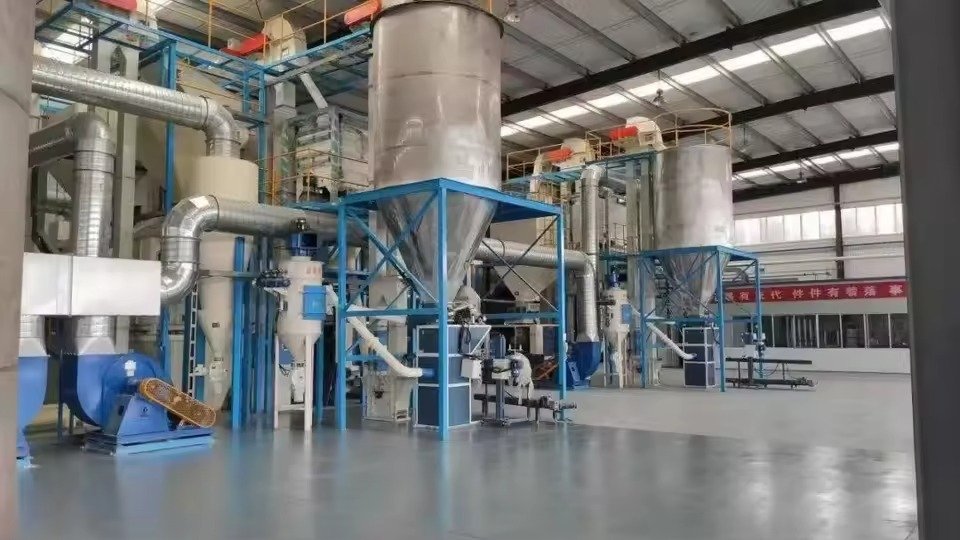
Receiving and storage systems accommodate bulk ingredient delivery. Silos protect raw materials from moisture and contamination. Capacity requirements depend on ingredient turnover rates and delivery frequency. Most operations maintain 2-4 weeks ingredient inventory.
The mixer ensures uniform ingredient distribution before pelletization. Ribbon mixers provide thorough blending for dry ingredients. Liquid addition systems incorporate oils and molasses. Mixing time typically ranges from 4-8 minutes depending on batch size and ingredient characteristics.
- Weighing systems ensure accurate formulation batches
- Sequencing controls prevent ingredient addition errors
- Micro-ingredient feeders dose vitamins and minerals precisely
- Batch tracking systems document production records
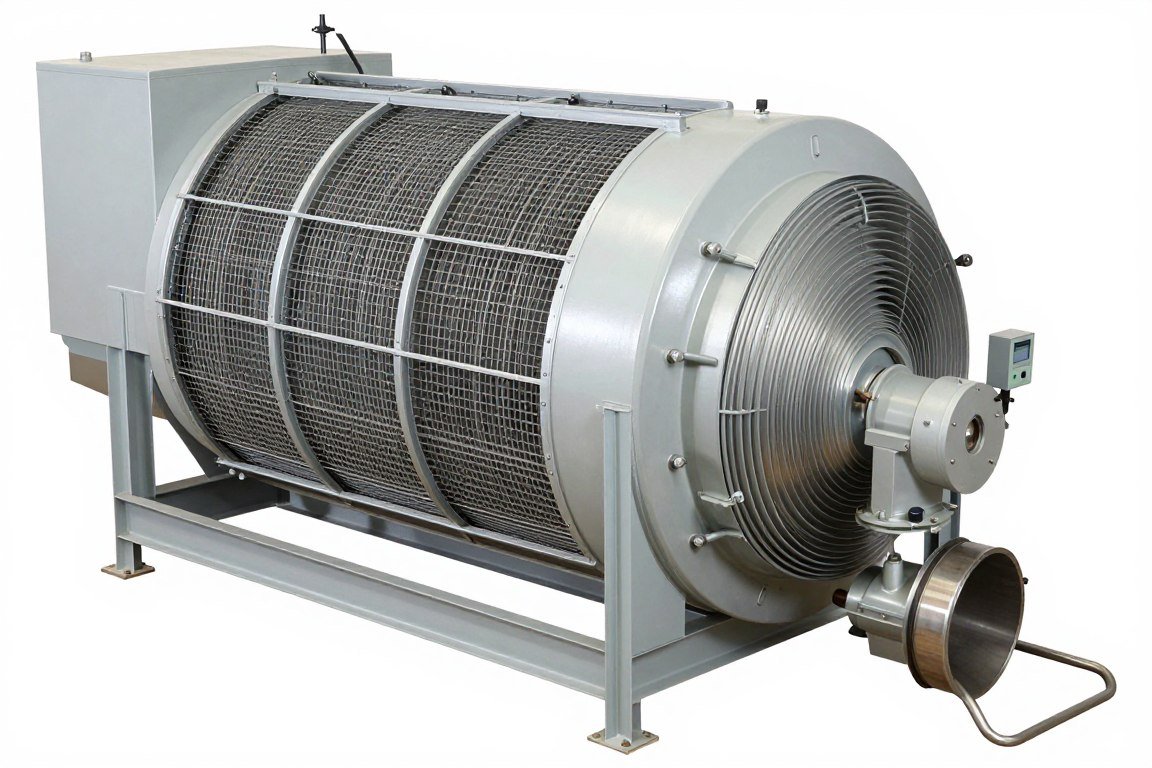
Post-pelletization handling prevents quality degradation. Coolers reduce pellet temperature while removing excess moisture. Screening separates acceptable pellets from fines and oversized particles. The packing machine fills bags with precise weights for storage or distribution.
MAIKONG designs production lines matching specific operational requirements. Our engineering team evaluates facility layouts, ingredient specifications, and production volumes to optimize system configuration.
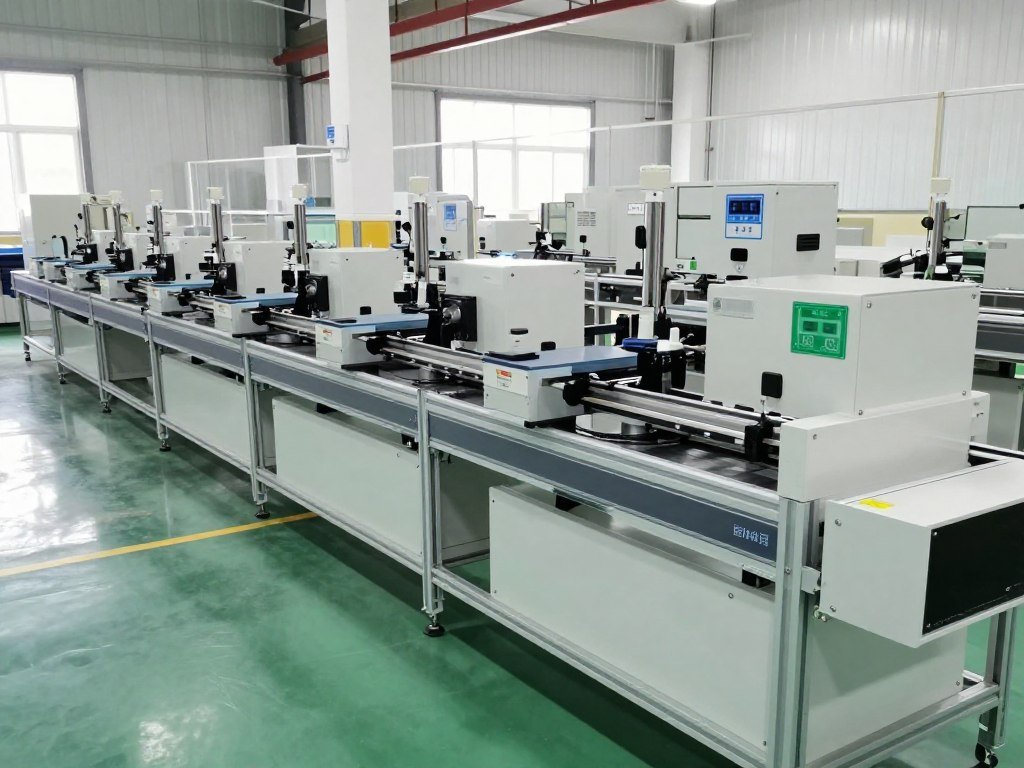
Small Farm System (50-100 Sows)
- Capacity: 200-400 kg/hour
- Components: Hammer mill, mixer, pellet machine, cooler
- Automation: Semi-automatic operation
- Footprint: 80-120 m²
- Investment: R 180,000-320,000
- Labor: 1-2 operators
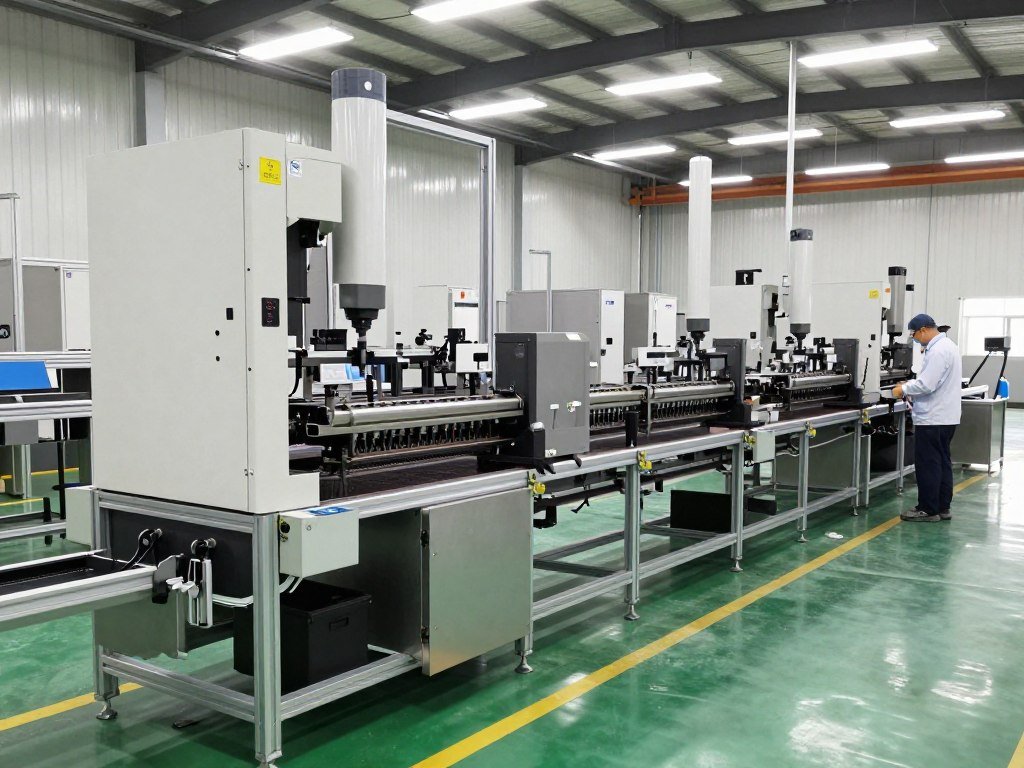
Medium Farm System (200-400 Sows)
- Capacity: 800-1200 kg/hour
- Components: Hammer mill, mixer, pellet machine, cooler, packing machine
- Automation: Fully automatic with PLC control
- Footprint: 180-250 m²
- Investment: R 480,000-720,000
- Labor: 2-3 operators
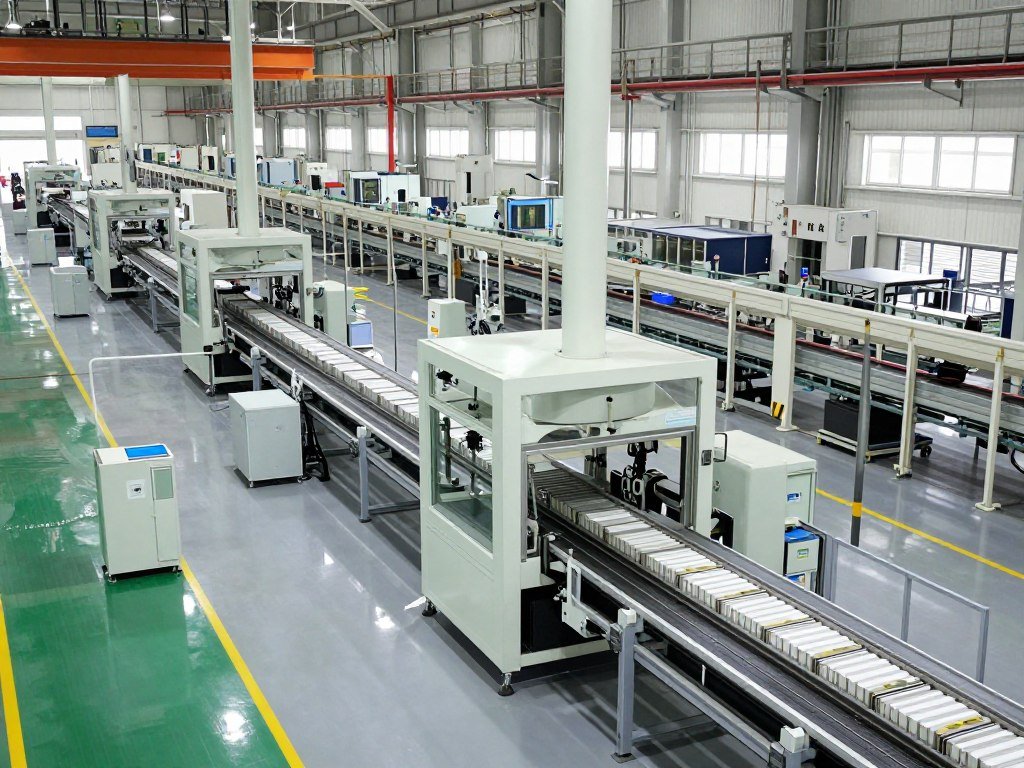
Large Farm System (500+ Sows)
- Capacity: 2000-3000 kg/hour
- Components: Complete automated line with bulk storage
- Automation: Fully automatic with SCADA monitoring
- Footprint: 400-600 m²
- Investment: R 1,200,000-1,850,000
- Labor: 3-4 operators
Installation services include foundation specifications, electrical requirements, and operator training. MAIKONG technicians commission systems and verify performance before handover. Post-installation support continues through warranty periods and beyond.
South African Implementation Case Studies
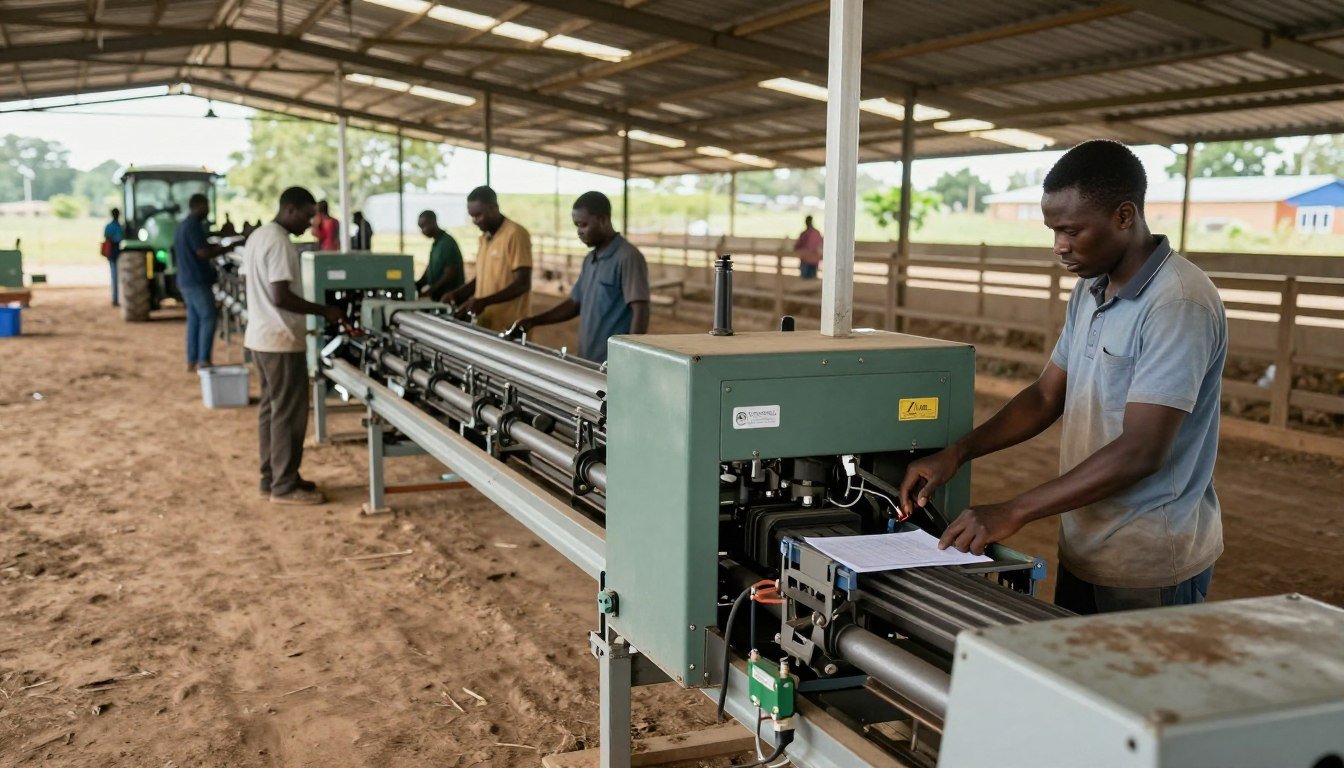
Real-world implementations demonstrate practical benefits of on-farm feed pellet production. These case studies document experiences from South African breeding operations that integrated MAIKONG equipment into their management systems.
Case Study 1: KwaZulu-Natal Commercial Breeding Operation
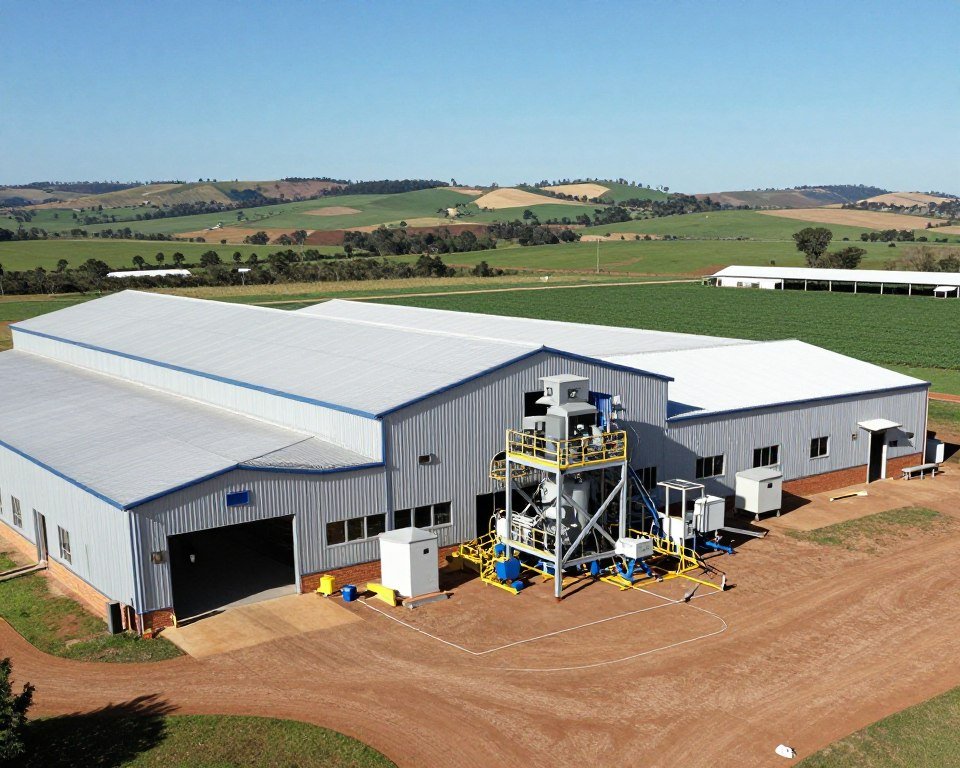
A 380-sow breeding facility near Pietermaritzburg faced escalating commercial feed costs threatening operation viability. Monthly feed expenses exceeded R 185,000 for gestation and lactation feeds. Management sought alternatives to restore profitability.
MAIKONG installed a MAIKONG-400 production line with integrated grinding, mixing, and pellet production capacity of 800 kg/hour. The system produces both gestation and lactation formulations using locally sourced maize, soybean meal, and sunflower meal.
Implementation Results
- Monthly feed cost reduced to R 98,000
- 47% cost reduction per ton of feed
- Equipment payback achieved in 11 months
- Improved sow body condition scores
- Increased piglets weaned per sow annually

The operation now produces 45 tons monthly across two formulations. Ingredient purchasing through a cooperative arrangement provides volume discounts. Labor requirements total 2.5 full-time positions operating the line and managing ingredient inventory.
Nutritional flexibility allowed optimization for specific genetic lines. Custom formulations improved farrowing rates by 6% and increased average litter size by 0.8 piglets. These reproductive improvements contributed additional revenue beyond direct feed cost savings.
Case Study 2: Eastern Cape Small-Scale Producer
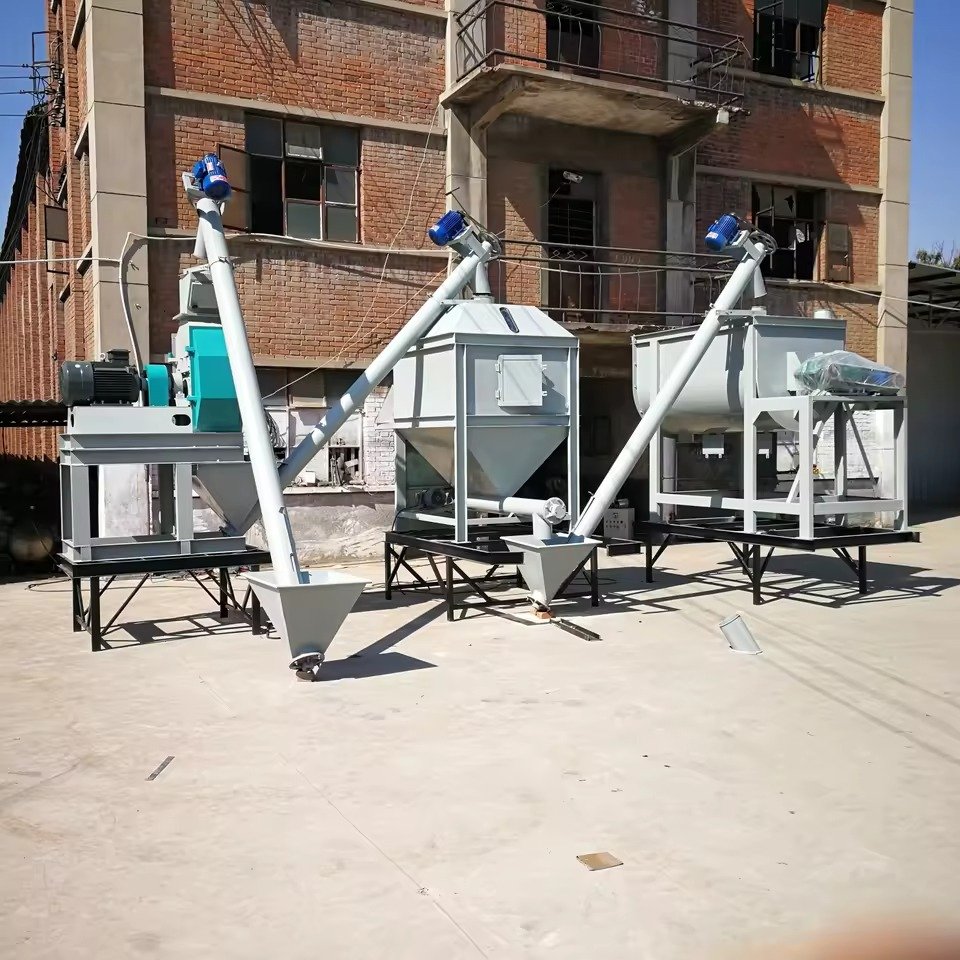
A 65-sow operation near East London operated on tight margins with limited capital for infrastructure investment. Commercial feed costs consumed 72% of revenue. The farm required an affordable solution maintaining quality standards.
MAIKONG provided a MAIKONG-210 system configured for manual ingredient batching with automated pelletization. Total investment of R 165,000 included installation and training. The system produces 180 kg/hour meeting complete farm requirements.
Operational Benefits
- Monthly savings of R 22,000 on feed costs
- Payback period of 7.5 months
- Owner operates equipment without additional labor
- Produces 12 tons monthly in 4-hour daily sessions
- Formulation adjusted seasonally based on ingredient prices
Initial Challenges
- Learning curve for formulation balancing
- Initial pellet quality variability during operator training
- Ingredient sourcing logistics in rural area
- Limited technical support availability locally
MAIKONG technical support via WhatsApp resolved early operational questions. Remote diagnostics identified a die adjustment requirement improving pellet durability. After three months, consistent production quality matched commercial feed standards.
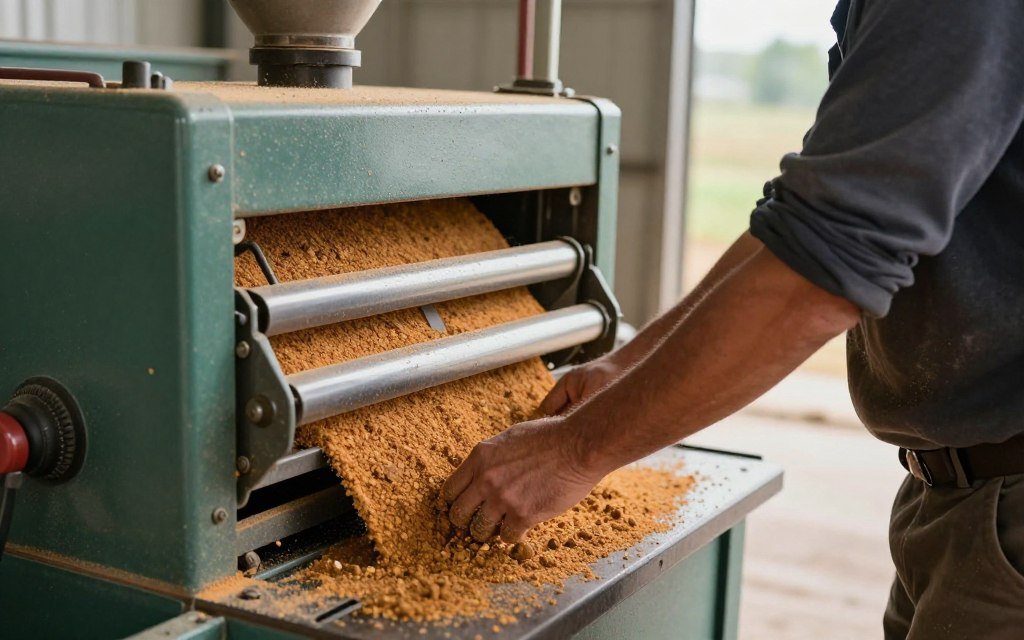
The operation expanded to 95 sows within 18 months using savings from reduced feed costs. Additional capacity investment added a larger mixer and automated ingredient batching. Current production supplies the expanded herd with surplus sold to neighboring farms.
Case Study 3: Western Cape Integrated Livestock Operation
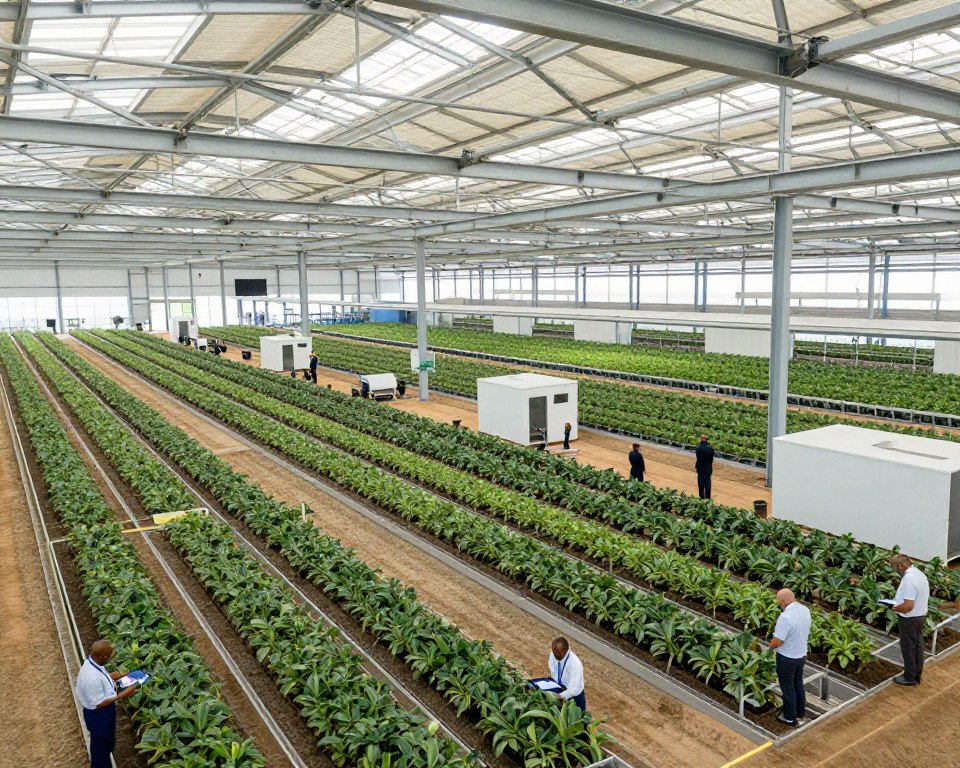
A diversified livestock operation near Stellenbosch maintains 520 breeding sows alongside poultry and cattle enterprises. Management sought centralized feed production serving multiple species while maintaining species-specific formulations.
MAIKONG designed a flexible production line accommodating varied formulations. The MAIKONG-550 system produces 1,200 kg/hour with rapid changeover between recipes. Automated controls store 15 formulation profiles accessing different ingredient combinations.
| Performance Metric | Before Installation | After Installation | Improvement |
| Monthly Feed Cost | R 428,000 | R 247,000 | 42% reduction |
| Sow Feed Conversion | 3.8:1 | 3.4:1 | 11% improvement |
| Piglets Weaned/Sow/Year | 24.2 | 26.8 | 2.6 piglets increase |
| Average Weaning Weight | 6.8 kg | 7.4 kg | 0.6 kg increase |
| Sow Culling Rate | 42% annually | 35% annually | 7% reduction |
The integrated approach generates economies of scale across species. Bulk ingredient purchasing reduces costs for all formulations. Shared labor and infrastructure spread fixed costs across higher production volumes.
Additional revenue streams emerged from selling excess capacity to neighboring farms. Contract manufacturing for four smaller operations generates R 45,000 monthly covering labor and overhead costs. This service model creates community benefit while improving MAIKONG system utilization.
Explore Similar Success in Your Operation
Connect with MAIKONG clients in your region to discuss their experiences with on-farm feed production. Our team arranges farm visits and facilitates peer learning opportunities for prospective customers.
Quality Control Protocols for Pelleted Sow Feed
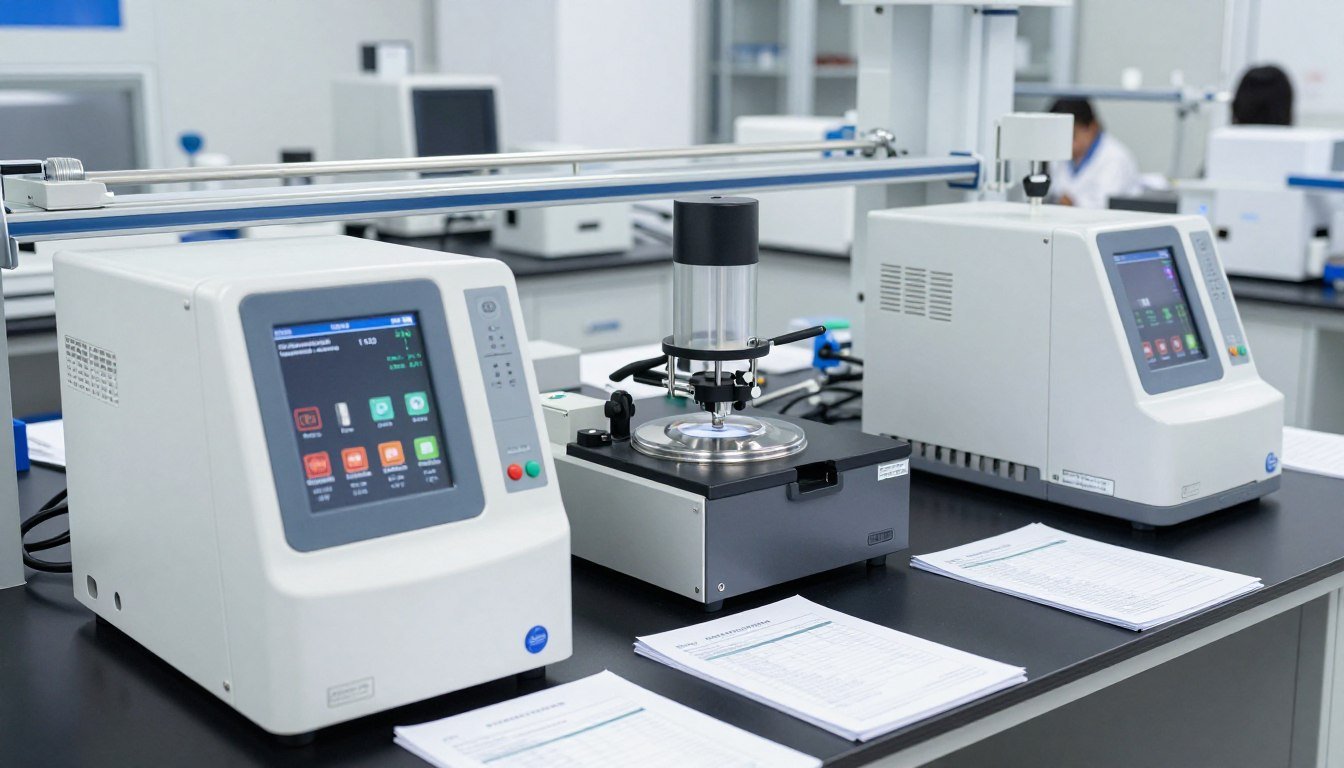
Consistent pellet quality ensures predictable animal performance and operational efficiency. Quality parameters include pellet durability, moisture content, bulk density, and nutritional composition. Testing protocols verify these characteristics meet specifications.
Pellet durability index (PDI) measures resistance to handling and transportation. Target PDI for sow feeds exceeds 85%. Lower durability produces excessive fines reducing palatability and causing feed waste. Testing involves tumbling pellets and measuring intact percentage.
Physical Quality Parameters
- Pellet durability index: >85%
- Moisture content: 11-13%
- Bulk density: 550-650 kg/m³
- Pellet length: 8-15 mm
- Fines percentage:
- Pellet hardness: 15-25 N

Nutritional Quality Parameters
- Crude protein: ±0.5% of target
- Crude fat: ±0.3% of target
- Crude fiber: ±0.8% of target
- Ash content: ±0.5% of target
- Calcium: ±10% of target
- Phosphorus: ±10% of target
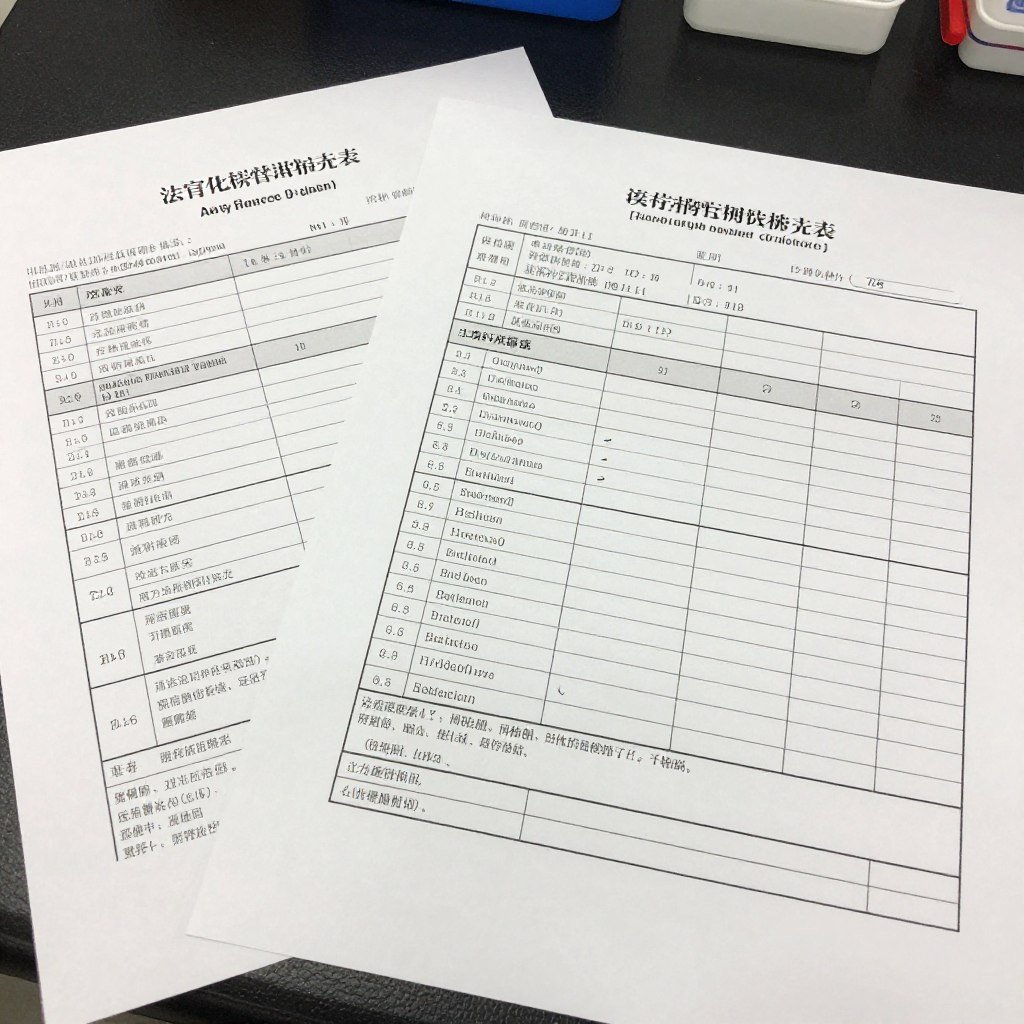
Moisture content affects storage stability and microbial growth. Excessive moisture promotes mold development and nutrient degradation. Insufficient moisture produces brittle pellets with poor binding. Regular moisture testing using calibrated meters maintains optimal range.
Ingredient quality verification precedes production. Visual inspection identifies contamination, mold, or physical damage. Moisture testing ensures ingredients meet storage standards. Periodic analytical testing confirms nutritional composition matches supplier specifications.

Process Control Monitoring
Critical control points throughout production influence final product quality. Conditioning temperature affects starch gelatinization and pellet binding. Die temperature indicates proper friction and compression. Cooler discharge temperature ensures adequate cooling before storage.
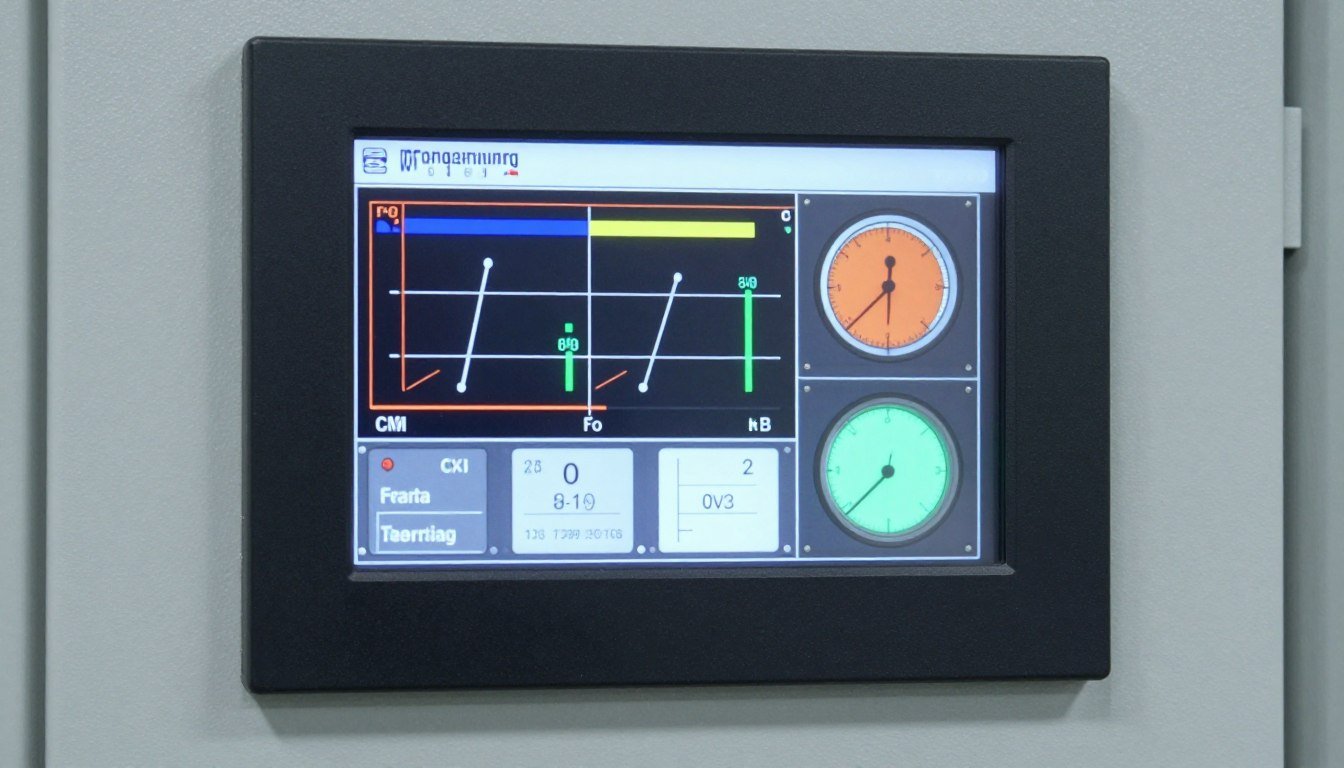
MAIKONG equipment includes integrated monitoring systems tracking these parameters. Automated alerts notify operators when conditions deviate from specifications. Historical data logging supports troubleshooting and continuous improvement.
- Conditioning temperature: 75-85°C
- Die temperature: 80-90°C
- Cooler discharge temperature: Ambient +5°C maximum
- Production rate stability: ±10% of target
- Ingredient dosing accuracy: ±2% of target weight
Sanitation protocols prevent cross-contamination between batches. Die cleaning removes residual materials before formulation changes. Mixer cleaning prevents ingredient carryover. MAIKONG systems feature quick-release components facilitating efficient cleaning procedures.
Storage conditions protect finished pellets from quality degradation. Cool, dry storage prevents moisture absorption and mold growth. Pest control programs eliminate insect and rodent contamination. First-in-first-out inventory rotation ensures freshness.
Technical Support and Partnership Opportunities with MAIKONG
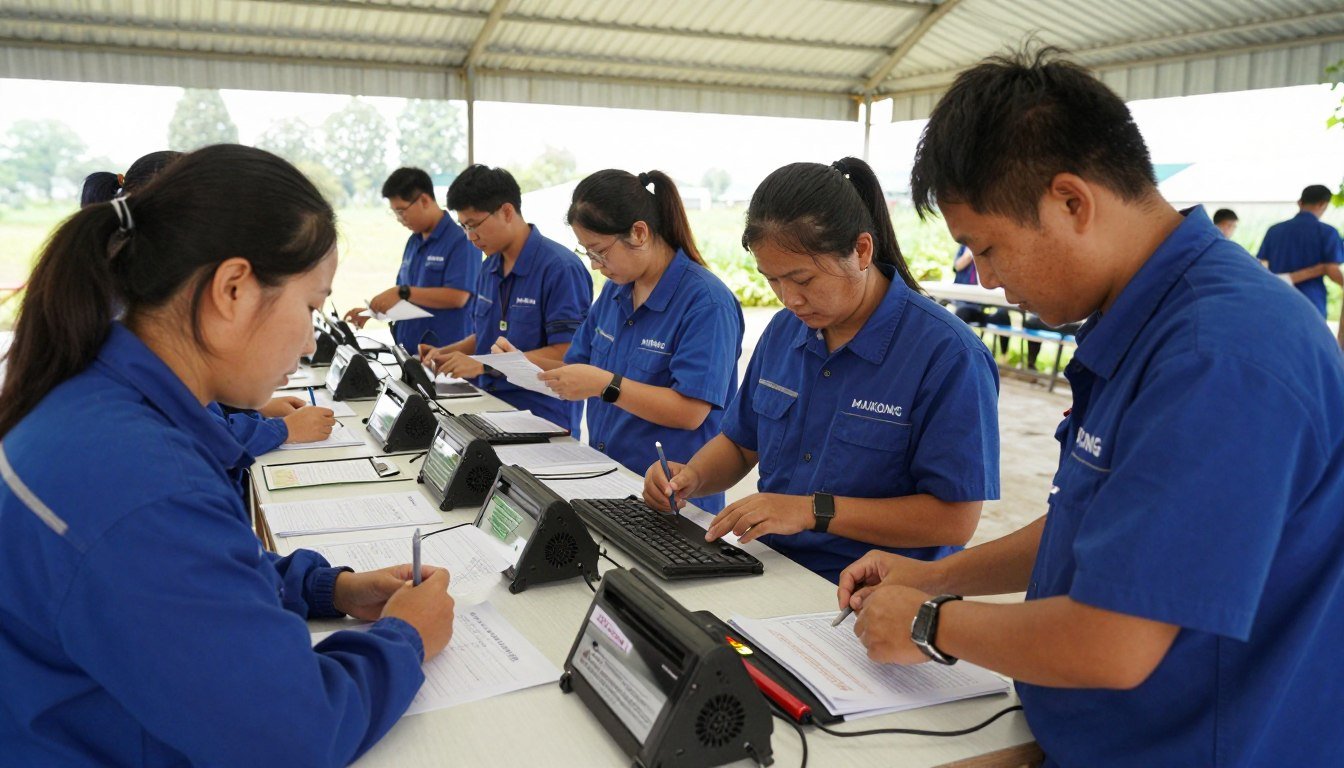
MAIKONG maintains comprehensive support infrastructure serving customers across South Africa and throughout the African continent. Our commitment extends beyond equipment delivery to ongoing partnership supporting operational success.
Pre-installation consultation begins with detailed needs assessment. Our engineering team evaluates facility constraints, electrical capacity, ingredient sourcing, and production requirements. This analysis informs equipment selection and configuration recommendations.
Installation and Commissioning Services
Professional installation ensures optimal equipment performance and longevity. MAIKONG technicians supervise foundation preparation, equipment positioning, electrical connections, and system integration. Commissioning includes performance verification and operator training.
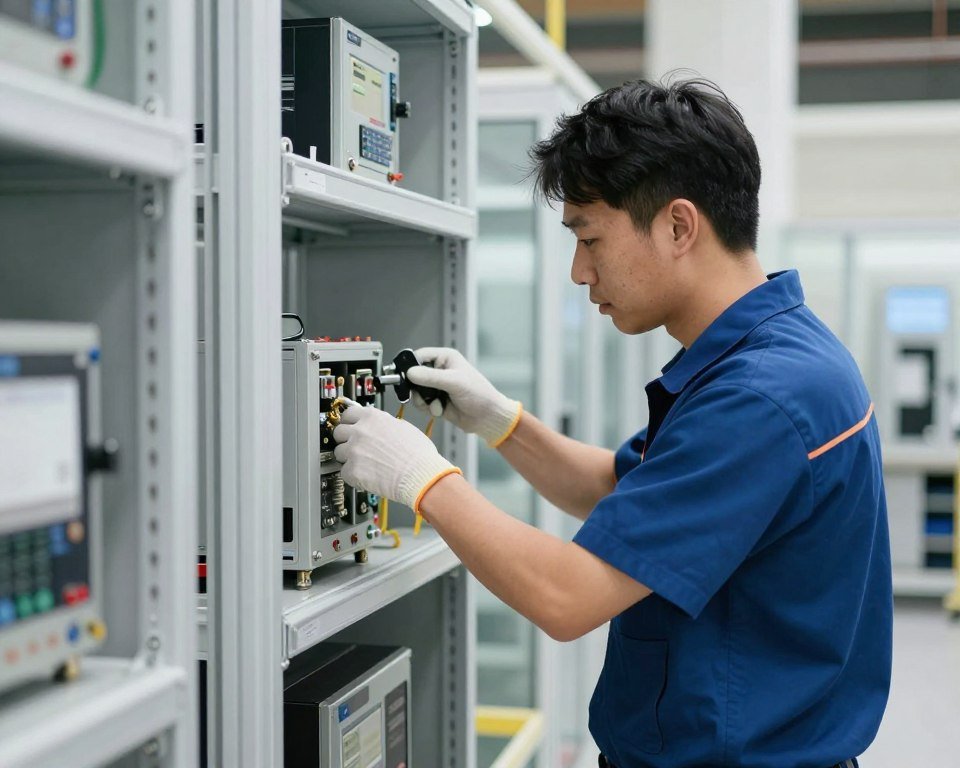
- Foundation specifications and verification
- Electrical system integration and testing
- Equipment assembly and alignment
- Control system configuration
- Performance testing and optimization
- Operator training programs
- Documentation and operating manuals
Training programs prepare operators for daily production management. Curriculum covers equipment operation, quality control procedures, routine maintenance, and troubleshooting. Hands-on practice during commissioning builds confidence and competence.
Ongoing Technical Support
WhatsApp technical support provides immediate access to MAIKONG expertise. Customers photograph issues, describe symptoms, and receive diagnostic guidance. Remote support resolves most operational questions without site visits.
Scheduled maintenance programs extend equipment life and prevent unexpected failures. MAIKONG supplies maintenance schedules specifying inspection intervals, lubrication requirements, and replacement timelines for wear components.
Spare parts availability ensures minimal downtime. Critical components stock in South African warehouses for rapid delivery. Custom components ship directly from manufacturing facilities with expedited processing for urgent needs.
24/7 WhatsApp Technical Support
Distributor and Partnership Opportunities
MAIKONG actively seeks qualified distributors and partners throughout South Africa. We offer attractive margins, technical support, marketing assistance, and exclusive territory arrangements for committed partners.
Distributor Benefits
- Competitive wholesale pricing structure
- Protected territories with exclusivity agreements
- Technical training for sales and support teams
- Marketing materials and demonstration equipment
- Co-branded promotional campaigns
- Direct factory access for customer visits
OEM Customization Services
- Custom branding and color schemes
- Specialized capacity configurations
- Integration with existing systems
- Software customization for specific workflows
- Private label manufacturing
- Exclusive design features
Training and Certification Programs
- Operator certification courses
- Maintenance technician training
- Formulation workshop programs
- Quality control procedures training
- Business management for feed production
- Ongoing professional development
Partnership with MAIKONG provides access to two decades of manufacturing expertise and continuous innovation. Our research and development team regularly introduces improvements based on customer feedback and technological advances.
We invite qualified agricultural equipment dealers, feed industry professionals, and agricultural service providers to explore partnership opportunities. MAIKONG supports partner success through comprehensive programs designed for mutual growth.
Feed Pellet Machine Comparison: Making the Right Choice
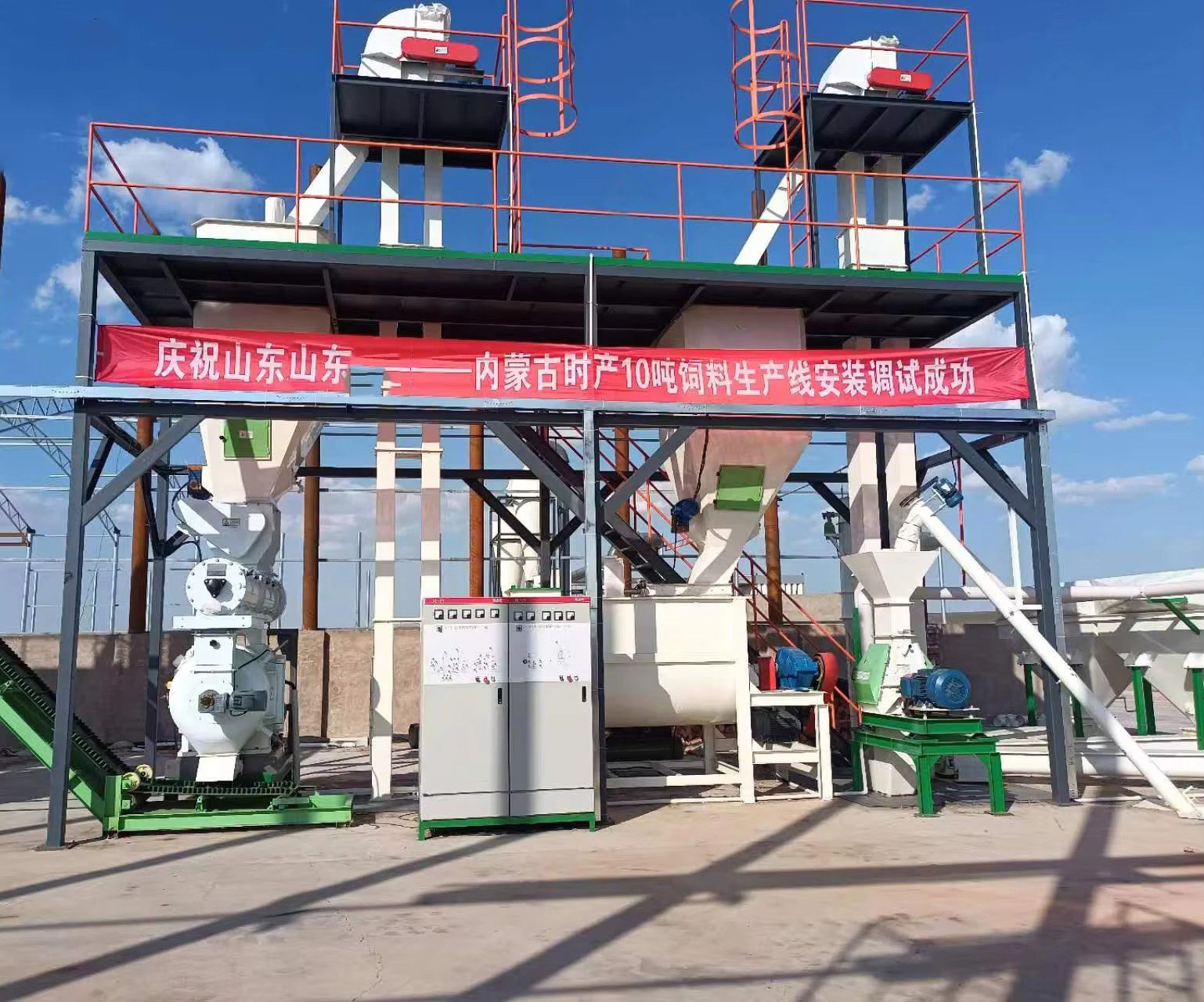
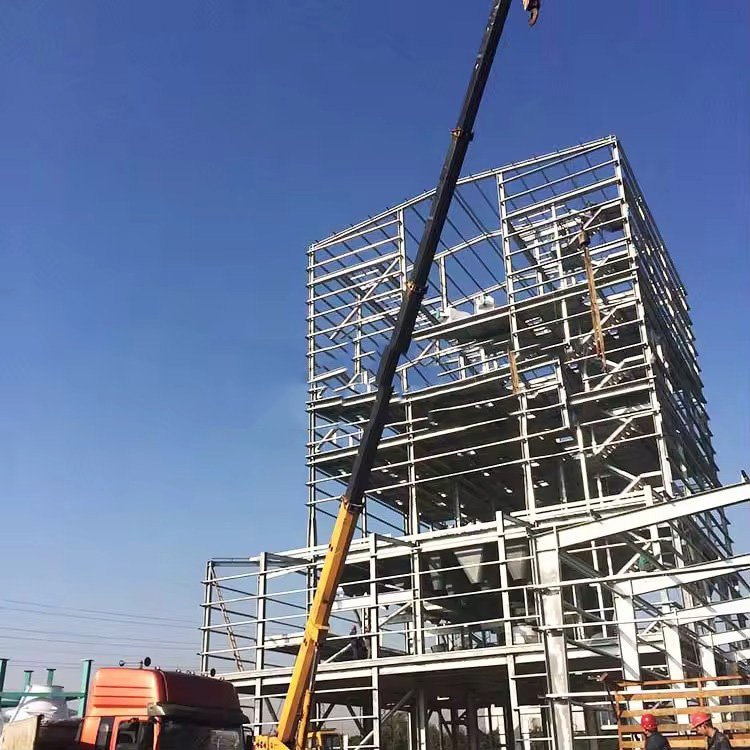
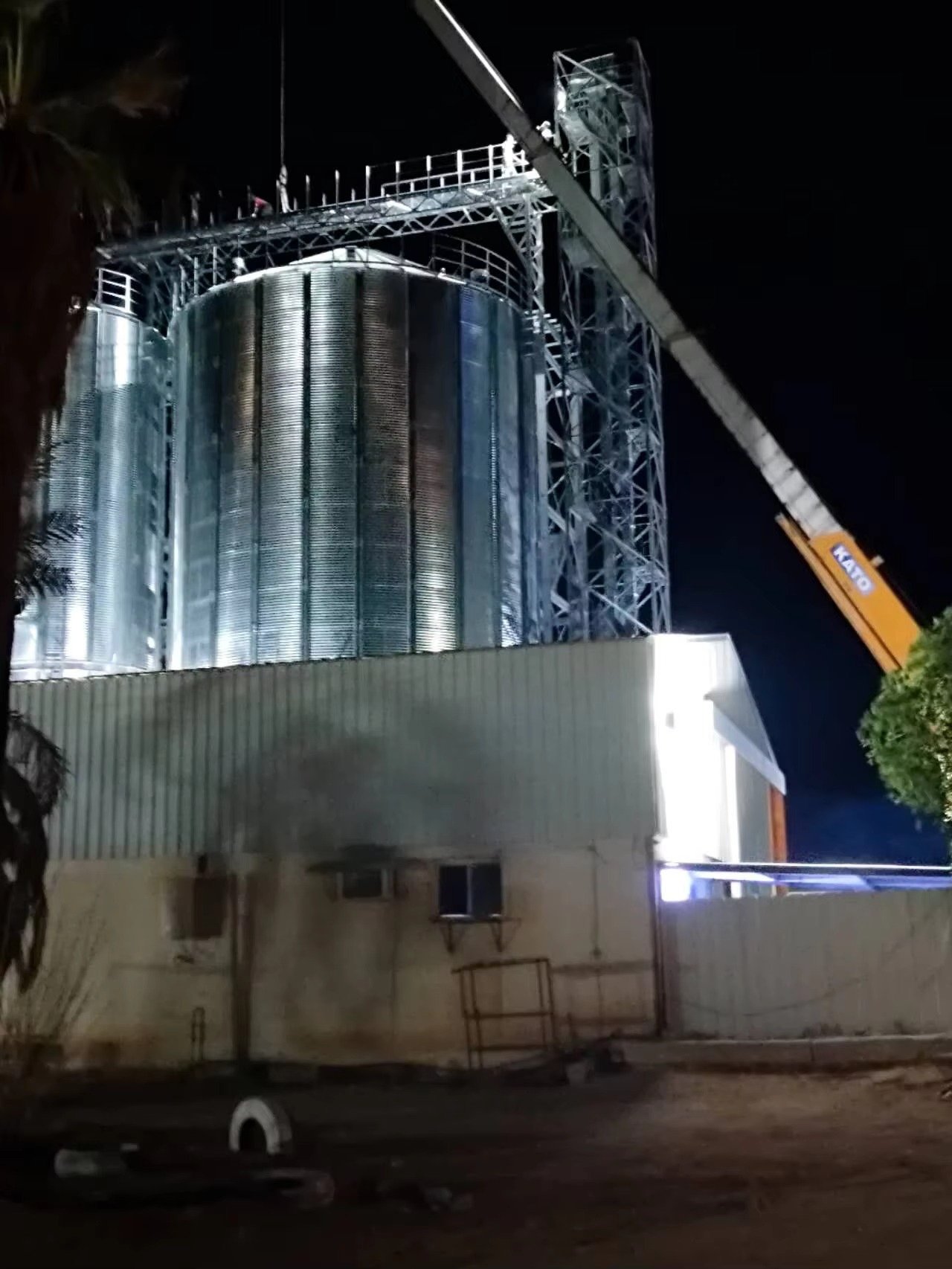
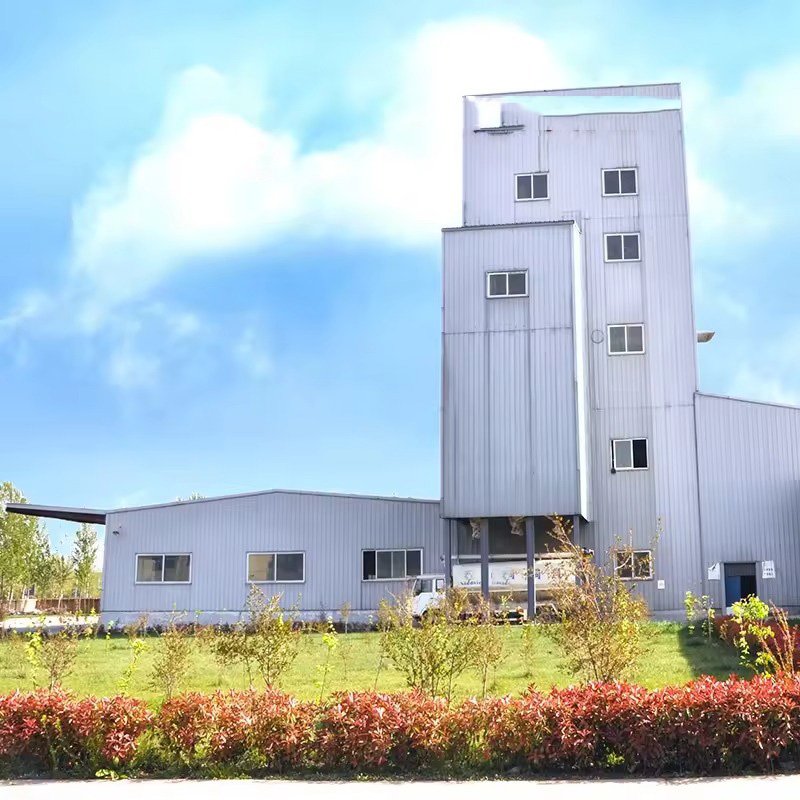
Selecting optimal pellet machine equipment requires evaluating multiple factors beyond initial purchase price. Long-term operational costs, maintenance requirements, and performance reliability significantly impact total ownership expenses.
Capacity matching prevents under-utilization and excessive capital investment. Oversized equipment operates inefficiently at partial loads. Undersized systems create bottlenecks limiting production flexibility. Proper sizing accounts for peak demand periods and future expansion plans.
| Evaluation Criteria | Entry-Level Systems | Mid-Range Systems | Premium Systems |
| Initial Investment | R 45,000-120,000 | R 180,000-450,000 | R 600,000-1,500,000 |
| Production Capacity | 80-200 kg/hr | 250-800 kg/hr | 1000-3000 kg/hr |
| Automation Level | Manual/Semi-automatic | Automatic with PLC | Fully automated SCADA |
| Suitable Operation Size | 20-80 sows | 100-350 sows | 400+ sows |
| Labor Requirements | 1-2 operators | 2-3 operators | 3-5 operators |
| Typical Payback Period | 6-10 months | 10-16 months | 14-24 months |
| Component Durability | Good (3-5 years) | Excellent (6-10 years) | Superior (10-15 years) |
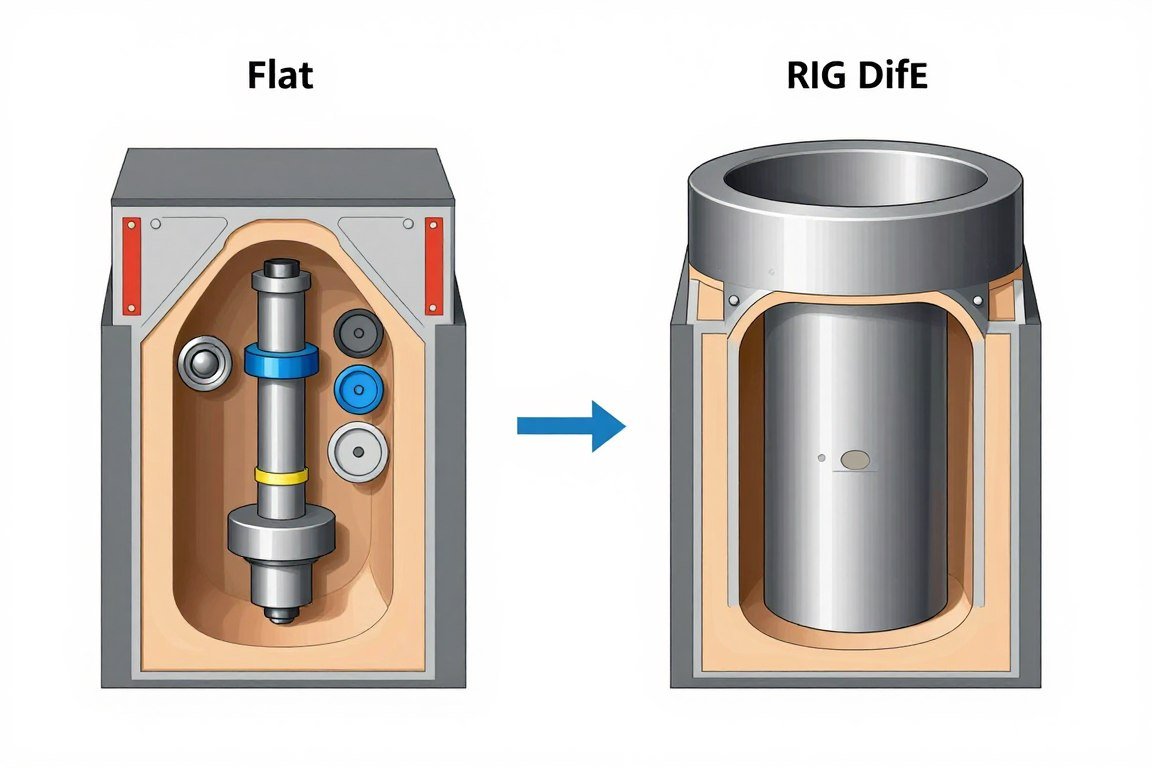
Die type selection influences performance characteristics and maintenance requirements. Flat dies suit smaller operations with lower continuous run times. Ring dies provide superior throughput and longevity for commercial-scale continuous production.
Critical Decision Factors
Build quality determines operational reliability and maintenance costs. Heavy-duty construction withstands continuous operation under variable ingredient conditions. Precision manufacturing ensures consistent performance and extended component life.
MAIKONG equipment utilizes premium materials and precision manufacturing processes. Critical components undergo heat treatment for enhanced wear resistance. All contact surfaces use food-grade stainless steel preventing contamination.
MAIKONG Advantages
- 20+ years manufacturing experience
- ISO 9001 certified production facilities
- Comprehensive quality testing protocols
- Extensive African installation experience
- Local spare parts availability
- Multilingual technical support
- Customization capabilities for specific requirements
- Competitive pricing with premium quality
Customer Support Excellence
- WhatsApp technical support available 24/7
- Video consultation for troubleshooting
- Comprehensive operator training included
- Detailed operating and maintenance manuals
- Preventive maintenance scheduling assistance
- Remote diagnostics capabilities
- Ongoing formulation consultation
- Customer facility visit programs
Energy efficiency impacts operational costs throughout equipment lifespan. High-efficiency motors reduce electricity consumption per ton produced. Optimized die designs minimize friction and required compression force. MAIKONG systems incorporate these efficiency features as standard.
Flexibility accommodates changing operational needs. Modular designs allow capacity expansion through component upgrades. Multiple formulation storage enables rapid changeovers between sow feeds and other livestock feeds.
Future Trends in Feed Pellet Technology and Sow Nutrition
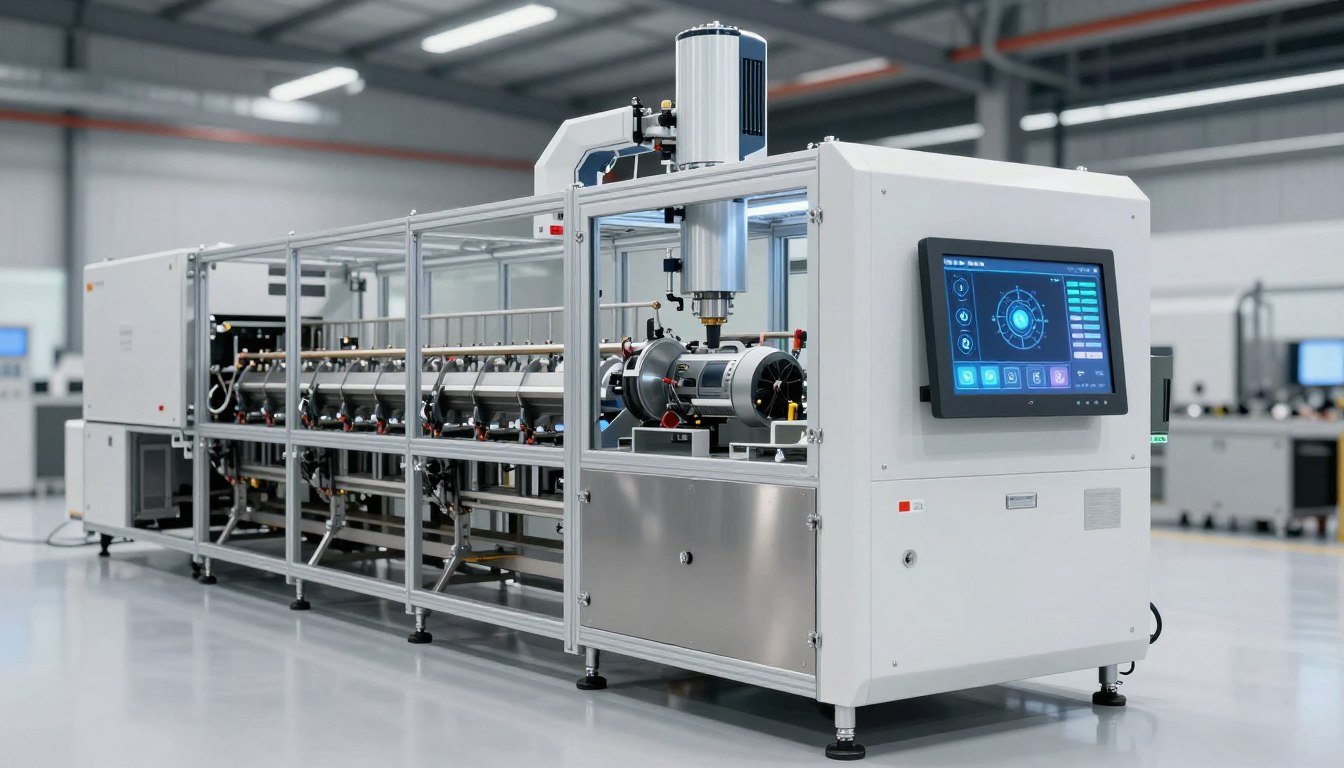
Technological advancement continues transforming feed pellet production equipment and nutritional strategies. Digitalization enables precise monitoring and control previously unavailable in agricultural applications. These innovations improve efficiency, quality, and sustainability.
Internet of Things (IoT) connectivity allows remote monitoring of production parameters. Cloud-based data storage facilitates performance analysis and predictive maintenance. Operators receive alerts about potential issues before failures occur.
Precision Nutrition Integration
Advanced formulation software optimizes ingredient selection based on real-time nutritional analysis and price data. Systems calculate least-cost formulations meeting specific nutritional targets. This precision reduces waste and improves economic efficiency.
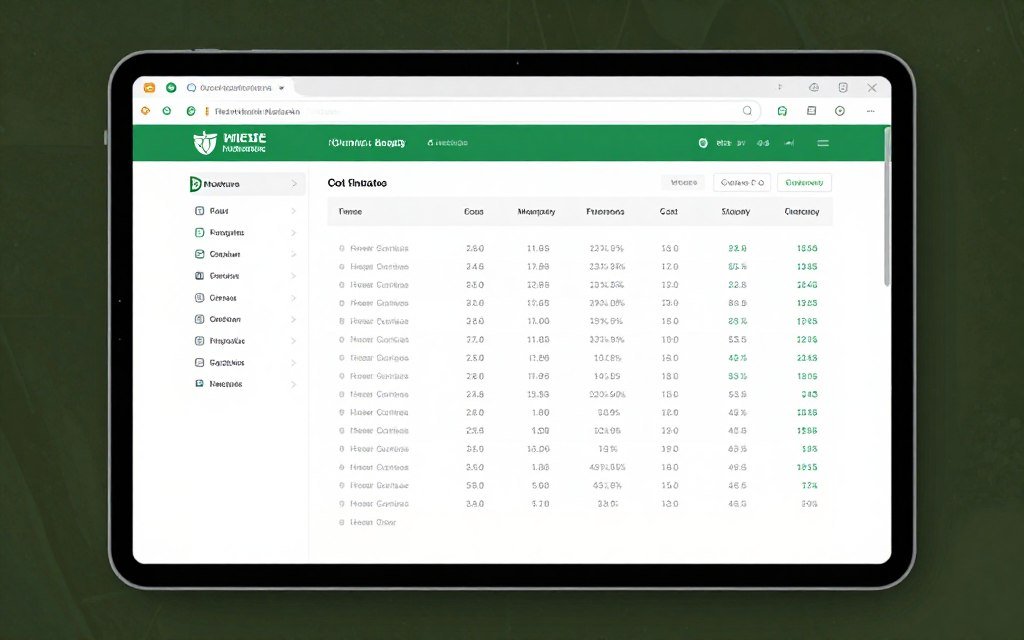
- Real-time ingredient cost optimization
- Nutritional adequacy verification against NRC standards
- Digestibility coefficient databases
- Environmental impact calculations
- Custom formulation for individual genetic lines
Near-infrared spectroscopy (NIR) enables rapid ingredient analysis. Portable devices measure protein, moisture, and fiber content within seconds. This technology supports quality verification before production and finished product confirmation.
Automation reduces labor requirements while improving consistency. Robotic ingredient handling, automated batch sequencing, and self-cleaning systems minimize human intervention. These advances make commercial-quality production accessible to smaller operations.
Sustainability and Environmental Considerations
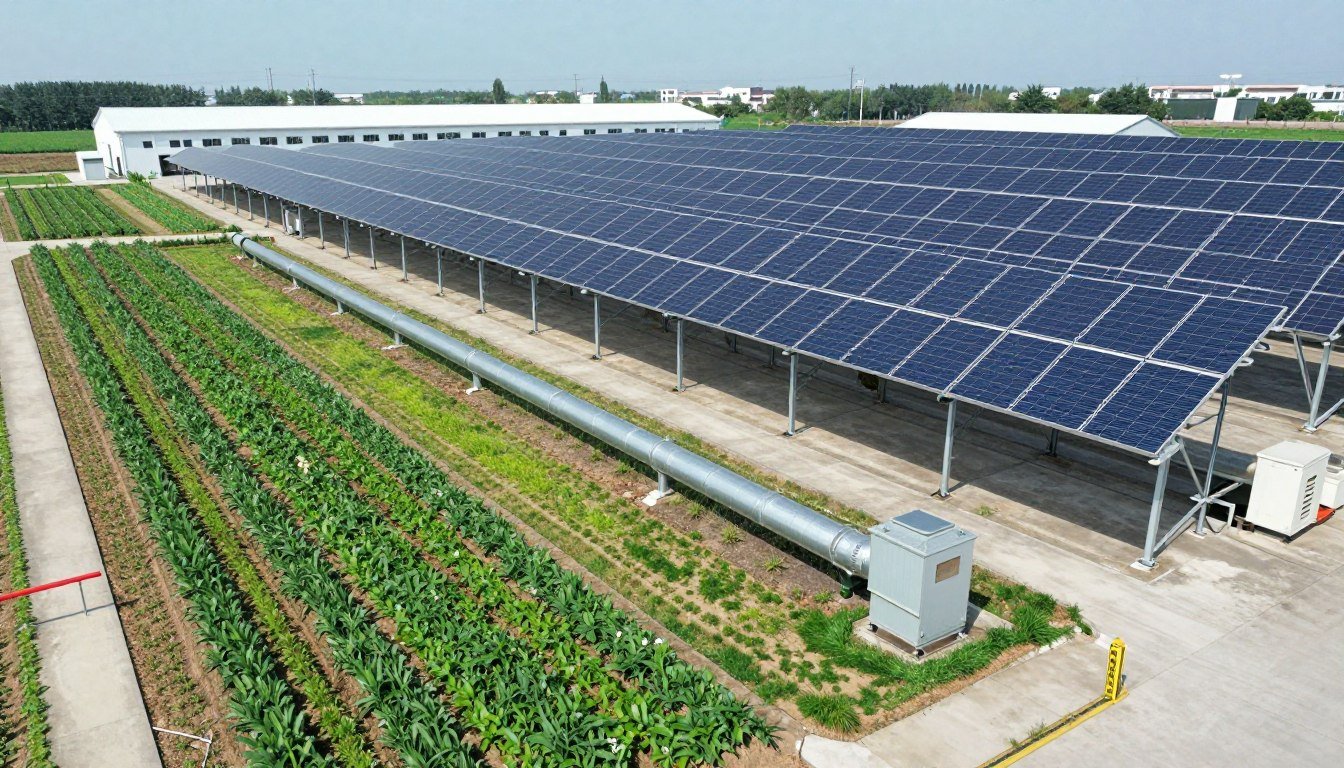
Environmental stewardship increasingly influences equipment design and operational practices. Energy-efficient motors and heat recovery systems reduce carbon footprints. Waste minimization protocols support circular economy principles.
Alternative protein sources gain prominence in sow nutrition. Insect meals, algae proteins, and fermented products offer sustainable options. Pellet machines must accommodate these novel ingredients with different physical and nutritional properties.
Emerging Ingredient Technologies
- Black soldier fly larvae meal
- Single-cell proteins from fermentation
- Algae-based omega-3 sources
- Upcycled food waste products
- Novel fiber sources for gut health
- Precision-fermented amino acids
Environmental Benefits
- Reduced greenhouse gas emissions
- Lower water consumption
- Decreased agricultural land requirements
- Nutrient cycling improvements
- Local sourcing opportunities
- Waste stream valorization
MAIKONG research and development addresses these evolving requirements. Our engineering team tests equipment modifications supporting novel ingredients. Customer feedback from early adopters informs continuous improvement initiatives.
Blockchain technology may soon verify feed ingredient traceability and quality claims. Consumers increasingly demand transparency about animal production practices. Digital records generated during pellet production could support these verification requirements.
Implementing Feed Pellet Production for Sow Breeding Success
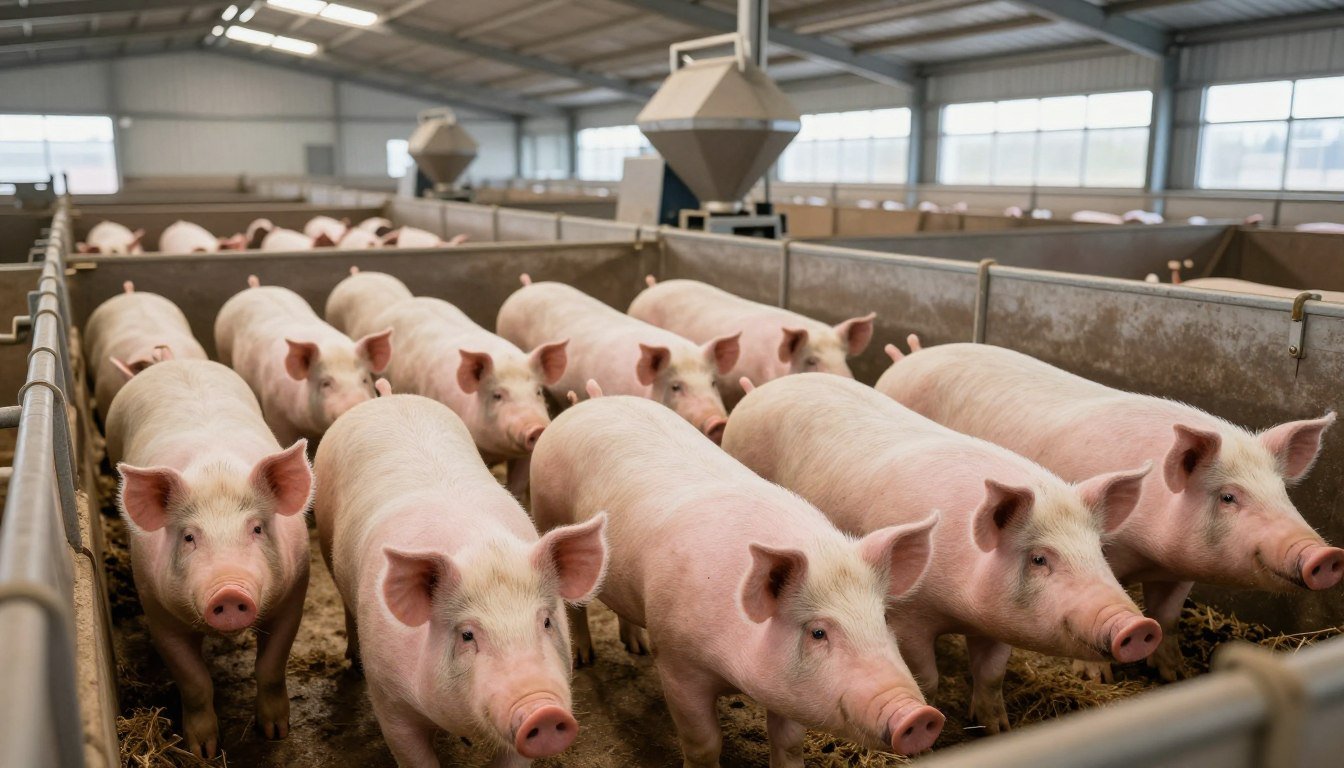
Optimal sow nutrition directly influences breeding performance, piglet quality, and farm profitability. A dedicated feed pellet machine provides the control and flexibility needed to meet precise nutritional requirements across reproductive stages.
South African breeding operations face unique challenges including ingredient availability fluctuations, commercial feed cost volatility, and varying farm scales. On-farm pellet production addresses these challenges while improving nutritional precision.
MAIKONG brings over 20 years of manufacturing expertise to the South African market. Our equipment reflects extensive experience serving agricultural operations throughout Africa. We understand local conditions, ingredient availability, and operational constraints facing farmers.
Key Implementation Steps
- Assess current feed costs and consumption patterns
- Calculate potential savings from on-farm production
- Determine appropriate equipment capacity
- Evaluate facility requirements and constraints
- Develop ingredient sourcing strategies
- Plan formulations for different breeding stages
- Arrange financing and budget allocation
- Select equipment supplier and configuration
- Schedule installation and training
- Establish quality control protocols
- Monitor performance and adjust as needed
Successful implementation requires comprehensive planning and ongoing management. Initial formulation development benefits from consultation with nutritionists familiar with local ingredients. Quality control protocols ensure consistent product meeting animal requirements.
MAIKONG supports customers throughout the implementation journey. From initial consultation through installation, training, and ongoing operation, our team provides expertise and assistance. We succeed when our customers achieve their operational and financial objectives.
Start Your Feed Production Journey with MAIKONG
Take the first step toward reduced feed costs and improved sow nutrition. Our team provides complimentary consultation to assess your operation and recommend optimal solutions. Contact us today to discuss your specific requirements and receive detailed proposals.
Additional Contact Options:
Website: pelletmachine.co.za
Learn More: About MAIKONG
Products: Feed Pellet Machines
Partnership opportunities exist for qualified distributors and agricultural service providers. MAIKONG offers attractive terms, comprehensive support, and exclusive territories for committed partners. Join our network serving the growing South African agricultural sector.
The future of sow nutrition lies in precise, cost-effective, on-farm feed production. MAIKONG equipment provides the reliability, performance, and support needed to achieve this vision. We invite you to explore how our solutions can transform your breeding operation.
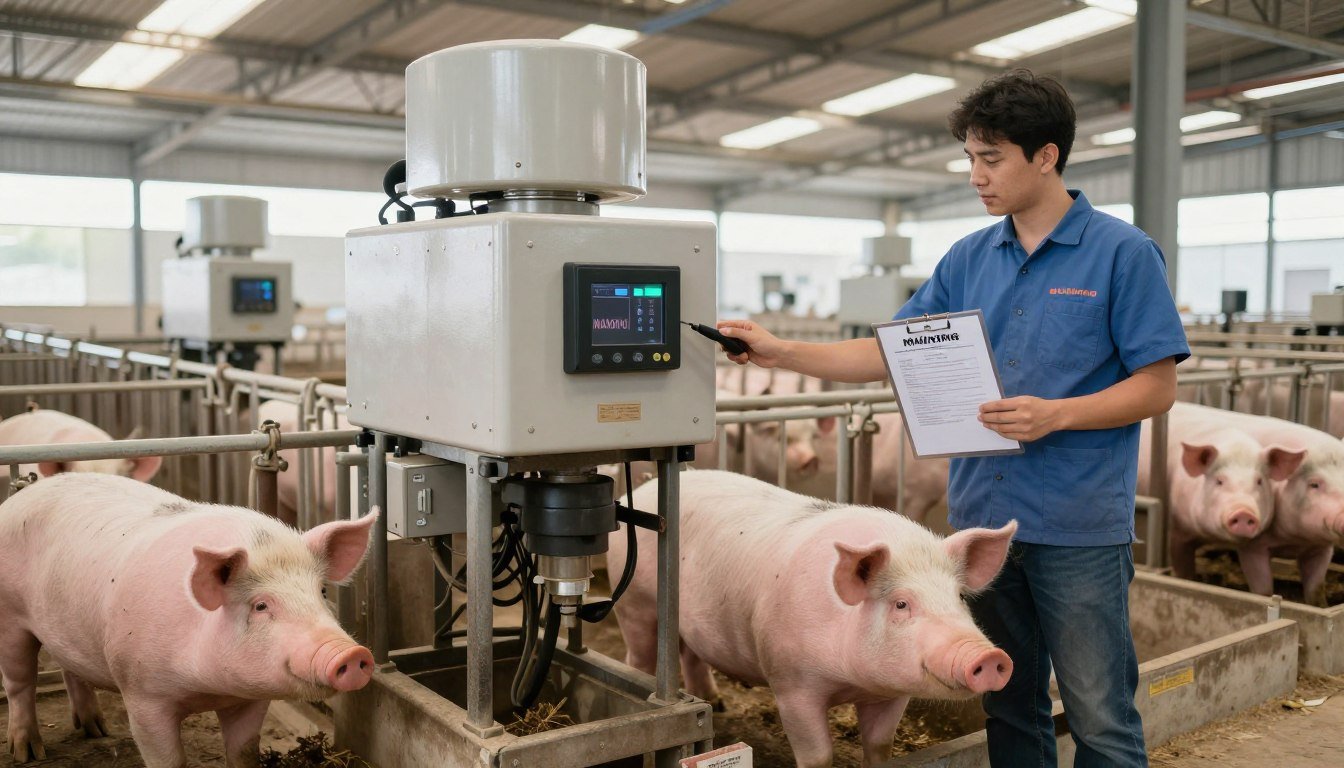
Contact MAIKONG today and discover why leading South African breeders trust our equipment for their most critical feed production needs. Together, we’ll build solutions supporting your breeding success for years to come.
