
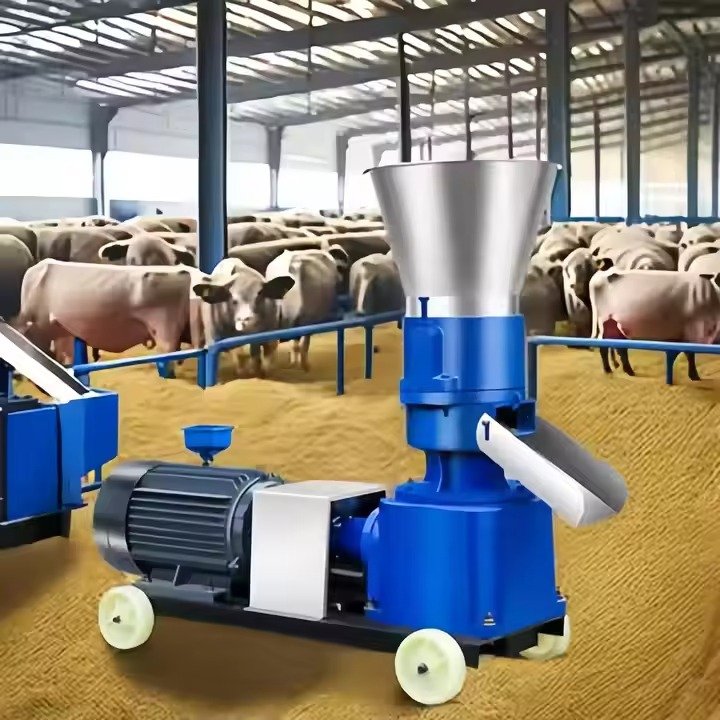
 Farmers across South Africa face mounting pressure to reduce feed costs while maintaining livestock nutrition standards. A reliable feed pellet machine transforms this challenge into opportunity. These specialized systems convert raw materials like maize, sorghum and protein sources into uniform pellets that improve feed conversion ratios by up to thirty-five percent.
Small-scale poultry operations and large commercial livestock enterprises share common needs. Feed quality directly impacts animal health and production efficiency. Manual mixing methods waste time and create inconsistent results. Modern pelletizing equipment addresses these pain points through automated processing.
MAIKONG brings two decades of manufacturing experience to the South African agricultural market. Our feed pellet machines serve operations from backyard chicken farms to industrial cattle ranches. Factory-direct pricing removes distributor markups. Custom configurations match specific production requirements.
Feed Pellet Technology and Production Benefits
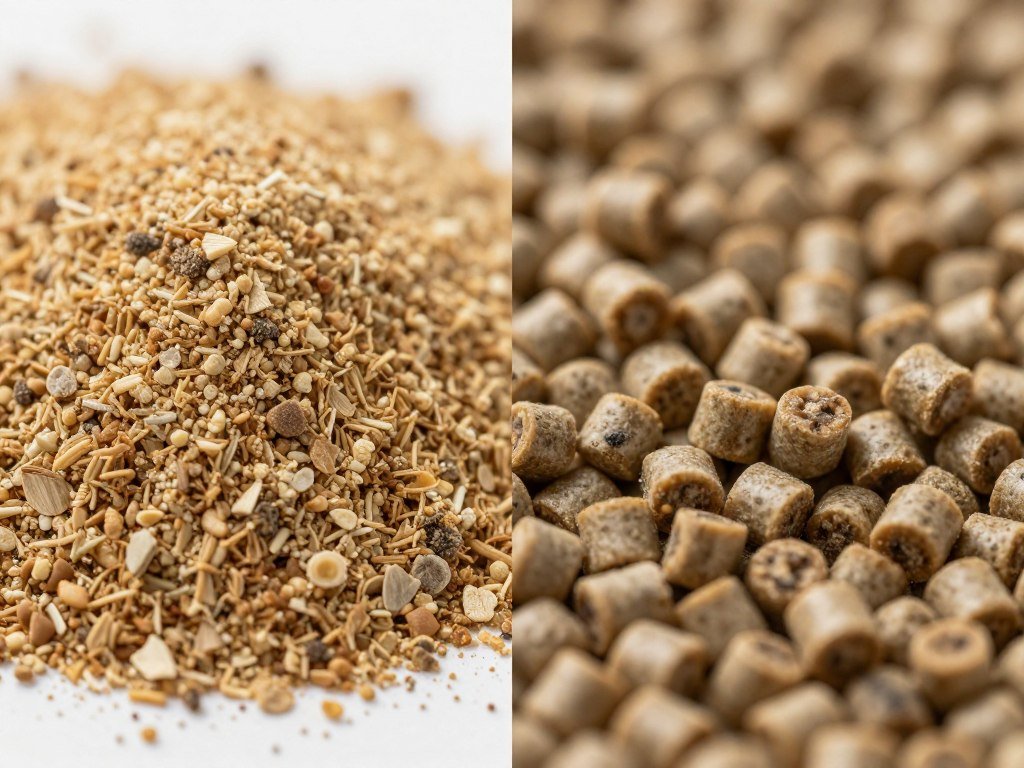
Feed pelletization compresses ground ingredients through heated dies under extreme pressure. This mechanical process binds particles without chemical additives. The resulting pellets offer distinct advantages over loose feed mixes.
Pelleted feed reduces waste by seventy percent compared to mash feeding. Animals cannot selectively pick through pellets to avoid nutritional components. Each pellet contains identical ingredient ratios. Dust levels drop substantially during handling and storage.
Core Components of Feed Pellet Machine Systems
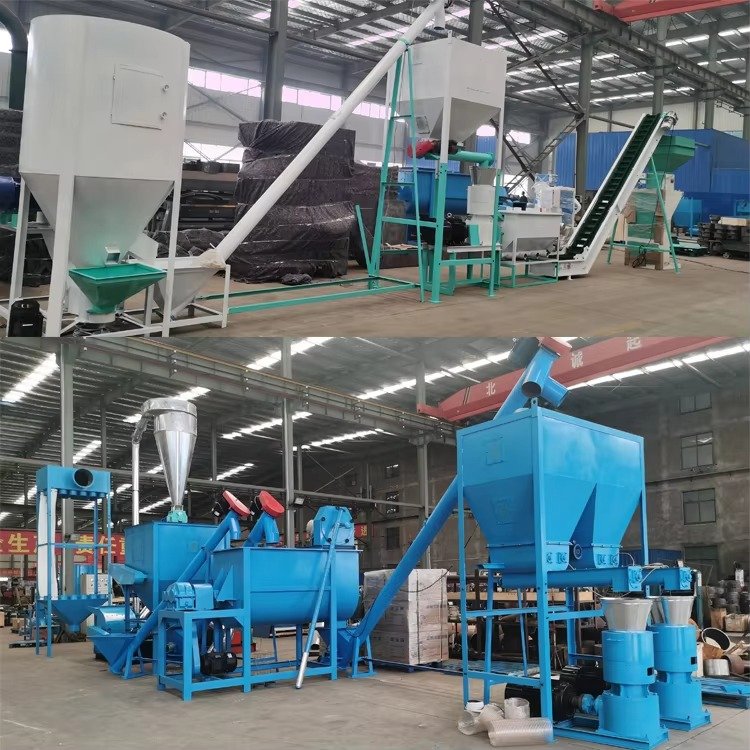
A complete feed pelletizer machine includes several integrated components. The grinder reduces raw materials to optimal particle size. Mixing chambers blend ingredients uniformly before pelleting. The conditioning unit adds steam and moisture to improve binding.
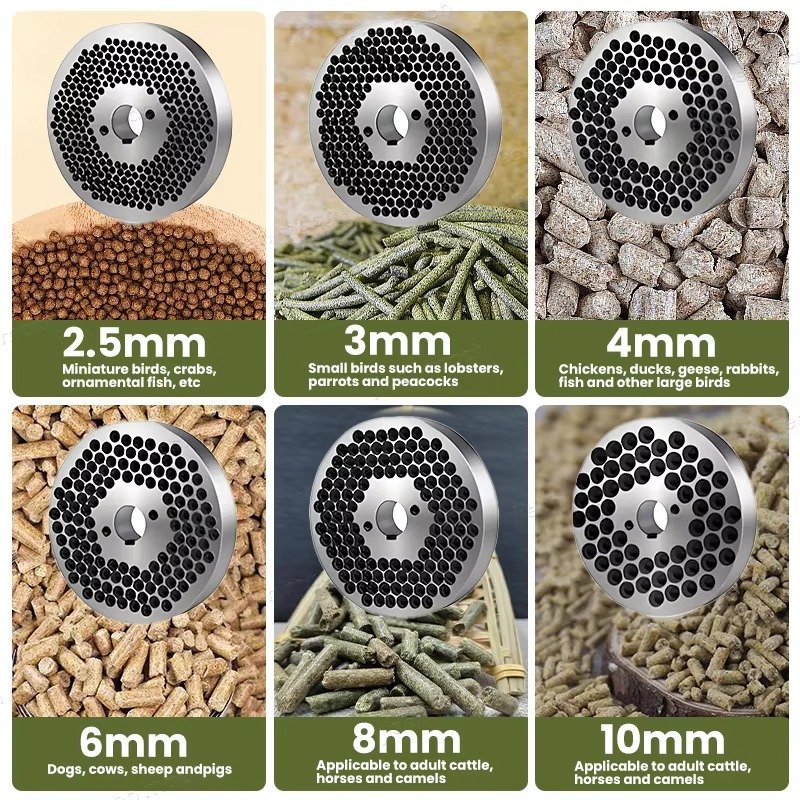
The pellet mill forms the system heart. Rotating rollers press material through die holes. Die diameter determines final pellet size. Cooling systems stabilize pellets after formation. Crumbler units can create smaller particles for young livestock.
Pre-Pelleting Processing
- Raw material reception and storage systems
- Grinding equipment for particle size reduction
- Accurate batching and weighing mechanisms
- Mixing units for ingredient homogenization
- Conditioning chambers with steam injection
Post-Pelleting Operations
- Pellet cooling conveyors reduce moisture
- Screening systems remove fines and undersized material
- Coating applicators add liquid supplements
- Packaging stations prepare finished product
- Quality control sampling points throughout
Material Processing and Pellet Formation
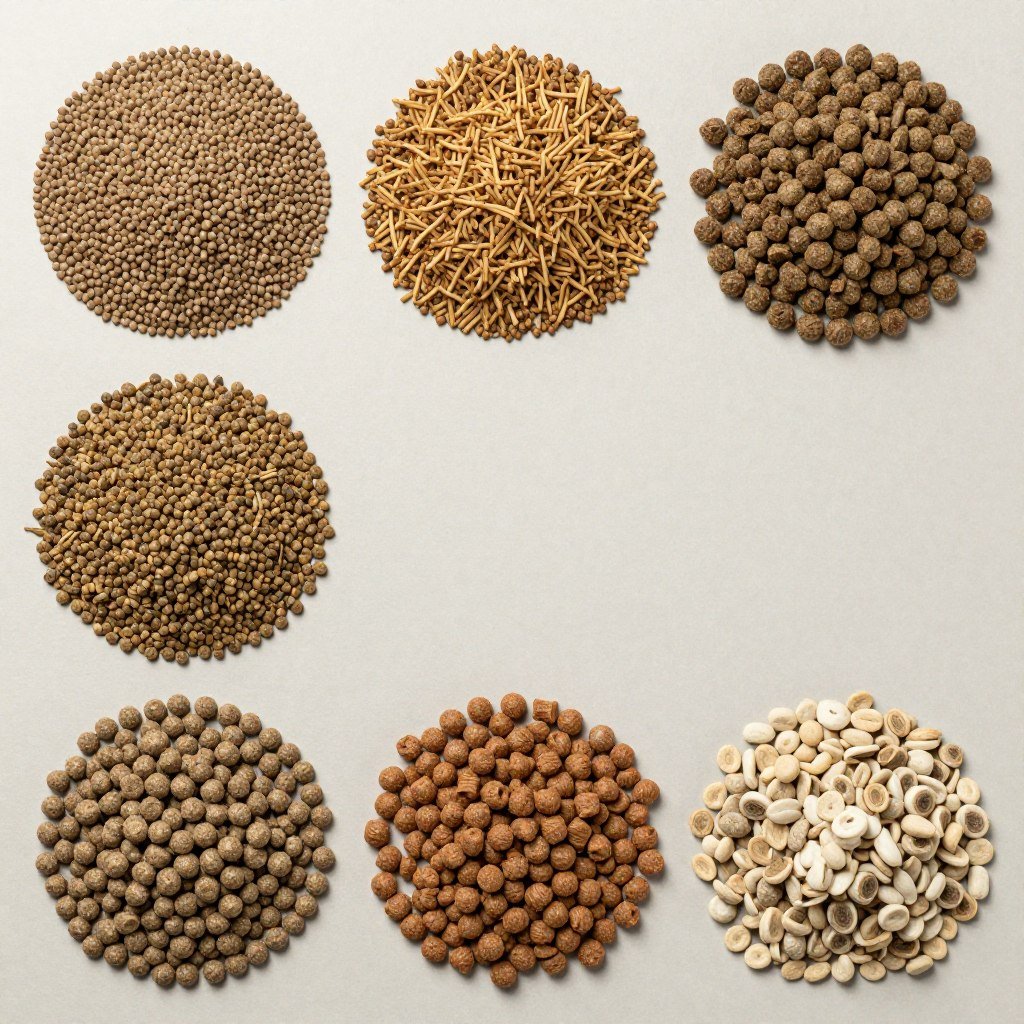
Different livestock types require specific pellet characteristics. Poultry feed typically uses two to four millimeter diameter pellets. Cattle operations prefer larger six to eight millimeter pellets. Fish feed demands water-stable floating or sinking properties.
Raw material moisture content affects pelleting success. Optimal levels range from fourteen to sixteen percent. Too much moisture creates soft pellets prone to mold. Insufficient moisture produces excessive dust and crumbling.
Temperature control during pelleting influences pellet durability. Heat generated from compression reaches seventy to ninety degrees Celsius. This temperature range gelatinizes starches and activates binding properties. Controlled cooling prevents thermal shock and cracking.
MAIKONG Feed Pellet Machine Product Range and Specifications
Production capacity requirements vary dramatically across South African agricultural operations. MAIKONG manufactures feed pellet machines spanning from fifty kilograms per hour for home farms to twenty tons per hour for commercial facilities.
Small-Scale Feed Pellet Machine Options
Entry-level units serve household poultry keepers and small livestock owners. These compact machines process fifty to three hundred kilograms of feed per hour. Single-phase electric motors enable residential power supply operation.
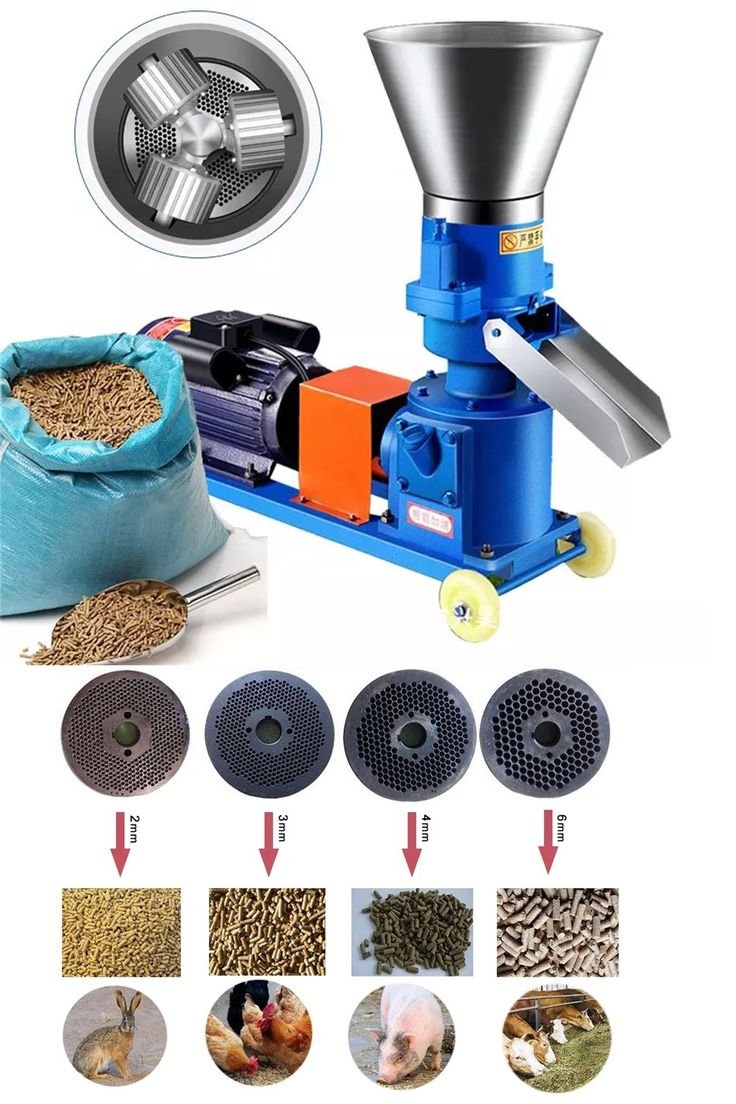
| Model | Capacity Per Hour | Motor Power | Pellet Diameter Range | Ideal Applications |
| MAIKONG-150 | 80-120 kg | 4 kW | 2-8 mm | Small poultry, rabbits, home use |
| MAIKONG-210 | 150-250 kg | 7.5 kW | 2-10 mm | Medium farms, mixed livestock |
| MAIKONG-300 | 300-450 kg | 15 kW | 3-12 mm | Commercial poultry, pig operations |
Portable manual feed pellet machine variants require no electricity. Hand-crank operation suits remote farming areas without grid access. Production rates reach twenty to thirty kilograms hourly through manual operation.
Commercial Feed Production Systems
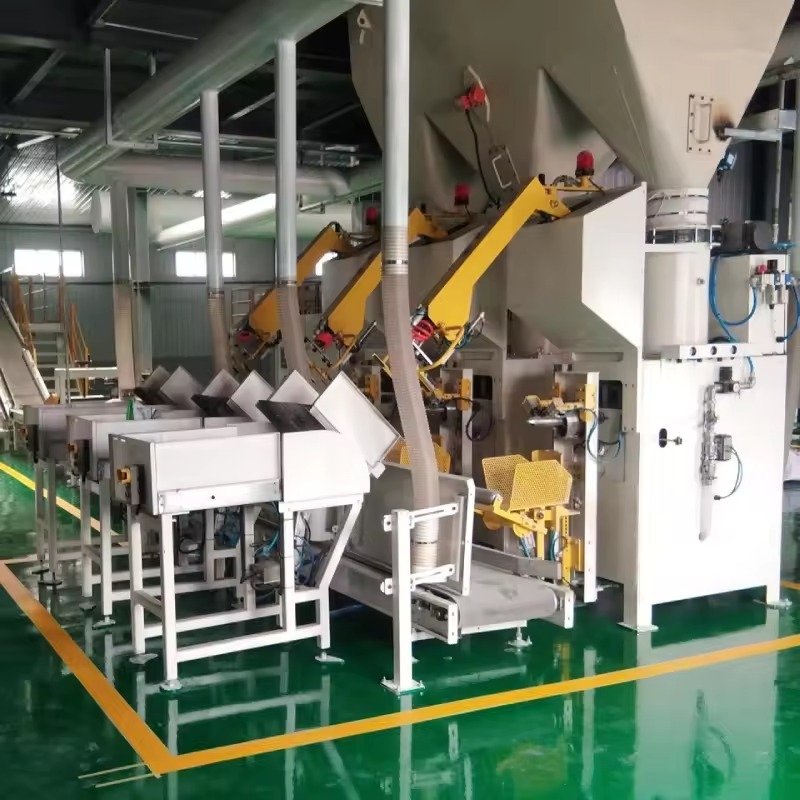
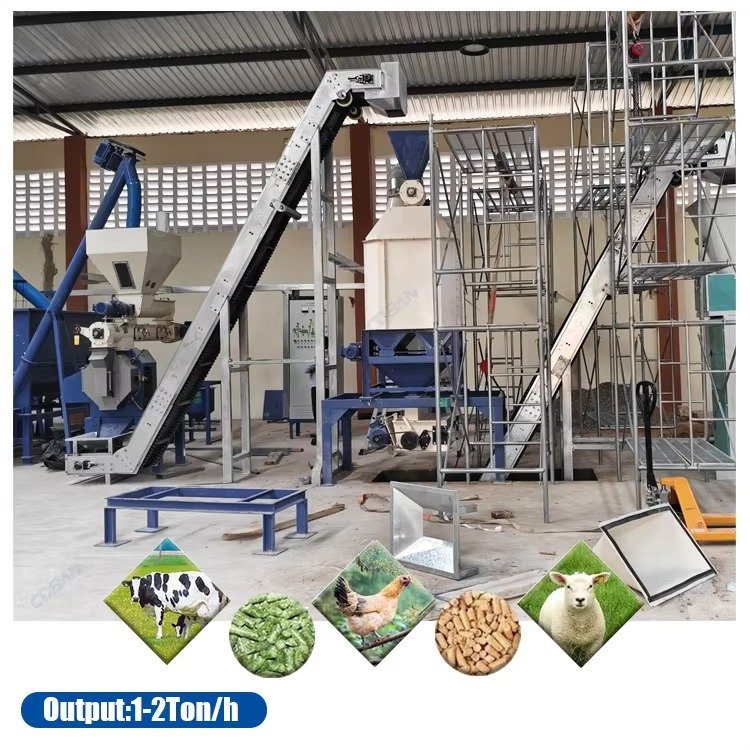
Large-scale operations demand complete production lines rather than standalone machines. MAIKONG designs integrated systems incorporating multiple processing stages. Automated controls reduce labor requirements while ensuring consistent output quality.
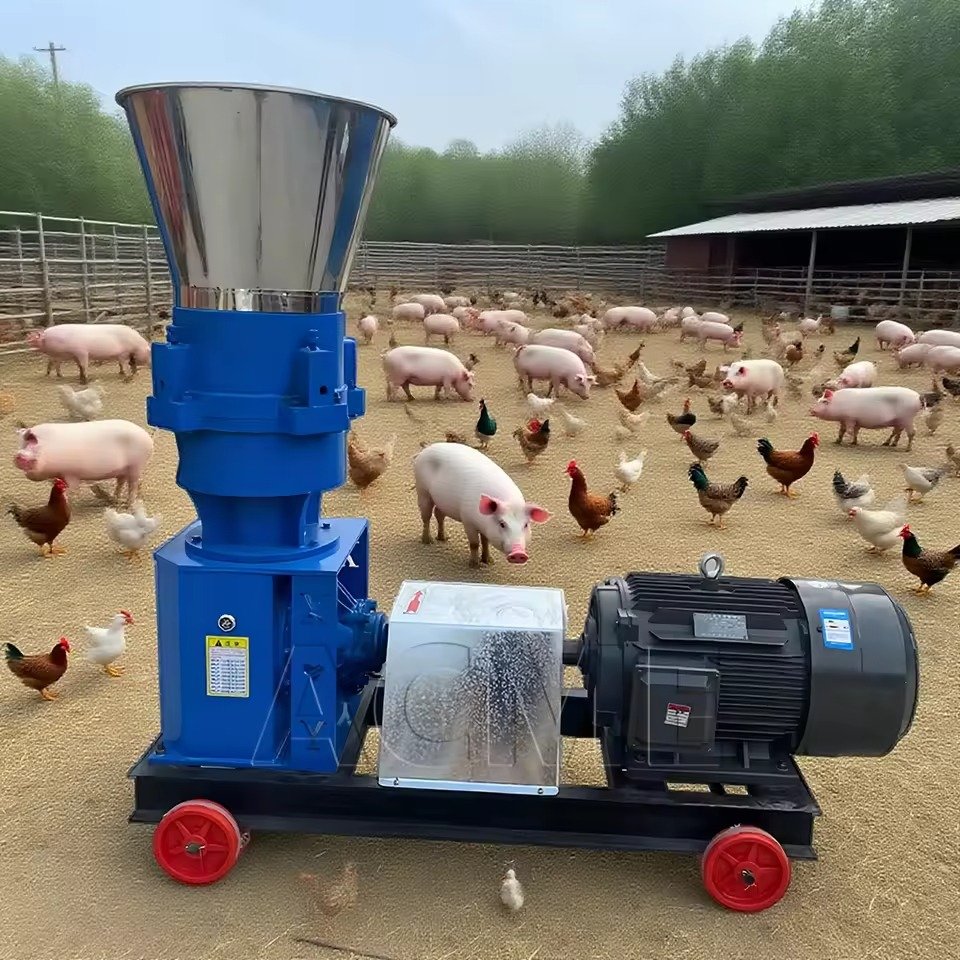
Three-ton-per-hour lines serve mid-sized commercial farms efficiently. Ten-ton capacity systems support regional feed mills supplying multiple farm operations. Twenty-ton installations meet industrial-scale demands for large poultry integrators and cattle feedlots.
Get Your Custom Feed Pellet Machine Quote
MAIKONG engineers will assess your production requirements and recommend optimal equipment configuration. Factory-direct pricing eliminates distributor markups for South African operations.
Specialized Feed Pellet Equipment
Aquaculture operations require floating fish feed production capabilities. MAIKONG’s extruder-type feed pellet making machines create buoyant pellets through expansion cooking. Adjustable density controls produce floating or sinking feed variants.
Ruminant livestock benefit from high-fiber pellets incorporating lucerne and grass materials. Specialized dies and compression ratios accommodate fibrous ingredients. Cattle and sheep feed pellets maintain structural integrity during storage and handling.
Feed Pellet Machine Applications Across South African Agriculture
Diverse farming sectors across South Africa utilize pelleted feed systems. Each livestock category presents unique nutritional requirements and operational challenges. MAIKONG equipment adapts to these varied production needs.
Poultry Feed Production
Broiler chicken operations consume the largest feed volumes in South African agriculture. Layer hen facilities prioritize calcium integration for shell strength. Turkey and duck farms require specialized formulations balancing growth and feed conversion.
Small poultry farmers operating five hundred to two thousand birds benefit from entry-level feed pellet machines. Daily feed production reaches one hundred to four hundred kilograms. Weekend batch production reduces time requirements during busy weekdays.
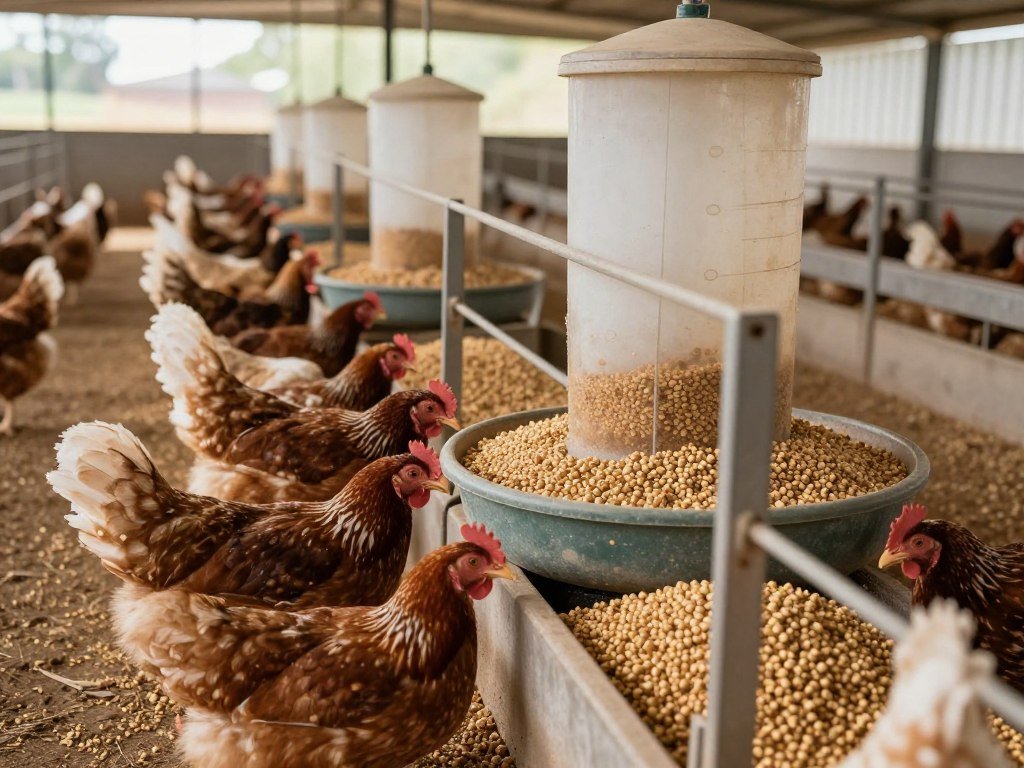
Commercial poultry integrators managing twenty thousand plus birds require automated production lines. Continuous operation maintains fresh feed availability. Bulk storage silos hold raw materials for uninterrupted production runs.
Livestock and Ruminant Feed Systems
Beef cattle feedlots concentrate animals for efficient weight gain. Pelleted total mixed rations simplify feeding logistics. Uniform pellets enable automated feeding systems across large facilities.
Dairy operations balance milk production nutrition with cost management. High-protein pellets supplement grazing during dry seasons. Consistent feed quality stabilizes milk output year-round.
Cattle Feed Requirements
Larger pellet diameters between six and ten millimeters suit bovine mouth structure. High-energy grains combined with protein meals support rapid growth. Fiber content from grass or lucerne aids rumen function.
- Finishing rations for market-ready cattle
- Backgrounding feeds for weaned calves
- Dairy cow supplements with calcium
- Drought feeding emergency rations
Sheep and Goat Formulations
Smaller ruminants require four to six millimeter pellets. Lucerne-based pellets provide excellent nutrition for breeding stock. Lamb finishing rations maximize weight gain before market.
- Ewe lactation support feeds
- Ram conditioning pre-breeding rations
- Lamb creep feed for early weaning
- Maintenance feeds during grazing shortages
Pig Feed Pelleting Operations
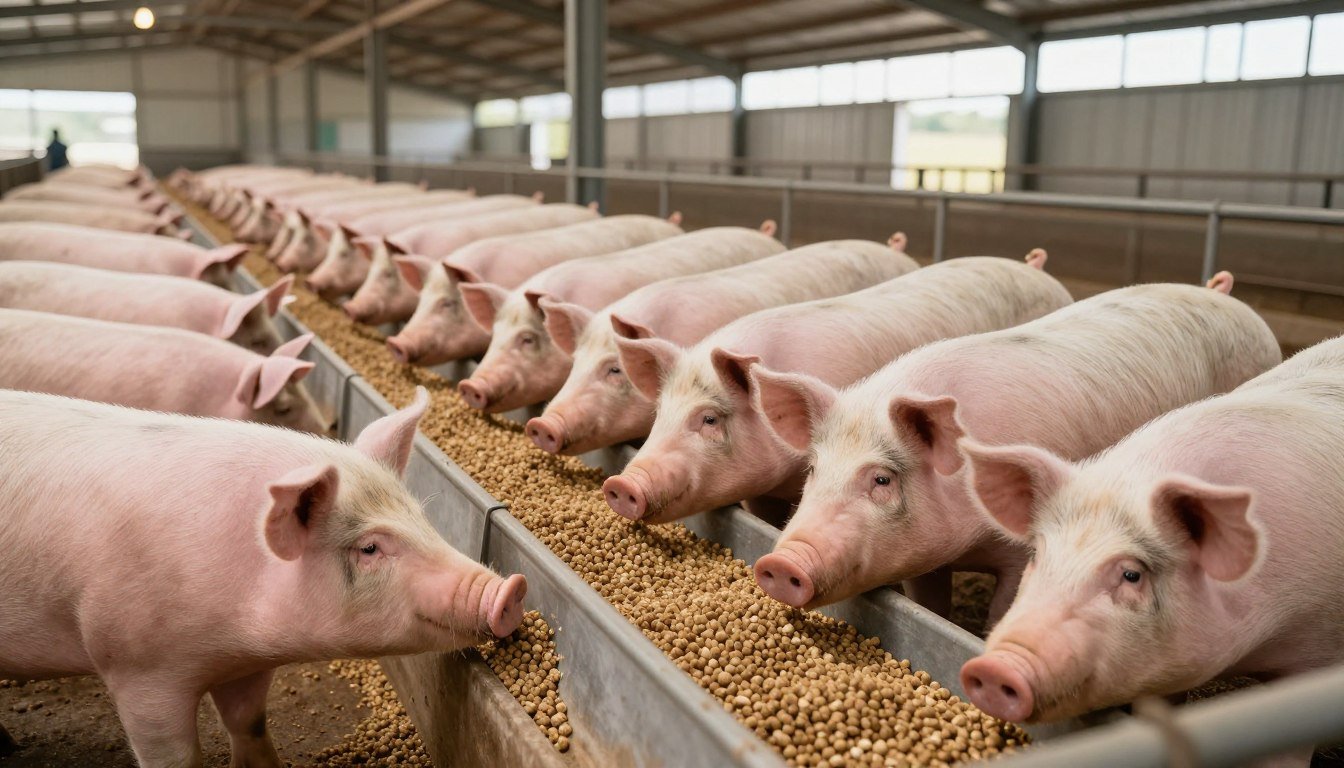
Swine production demands precise nutrition formulation throughout growth stages. Starter feeds for piglets use small two-millimeter pellets. Grower and finisher rations utilize progressively larger pellet sizes.
Pelleting improves feed conversion ratios significantly in pig operations. Raw material costs represent seventy percent of production expenses. Even modest efficiency improvements deliver substantial savings. MAIKONG pig feed pellet machines consistently reduce feed waste below five percent.
Aquaculture Feed Production
Fish farming expands rapidly across South African regions with suitable water resources. Tilapia and catfish dominate freshwater production. Trout farming serves niche markets in cooler regions.
Floating feed pellets remain on water surfaces allowing observation of feeding behavior. Sinking pellets suit bottom-feeding species like catfish. Water stability prevents nutrient leaching and maintains water quality. Extruder-type machines create expanded pellets with controlled density characteristics.
Operational and Economic Advantages of Feed Pellet Production
Investing in on-farm feed pellet machine equipment delivers multiple financial and practical benefits. Initial capital expenditure returns through ongoing operational savings and improved production metrics.
Cost Reduction Through Raw Material Control
Commercial feed prices include manufacturing costs, packaging expenses and distribution markups. Farm-produced pellets eliminate these intermediary costs. Bulk raw material purchases offer additional savings compared to bagged feed.
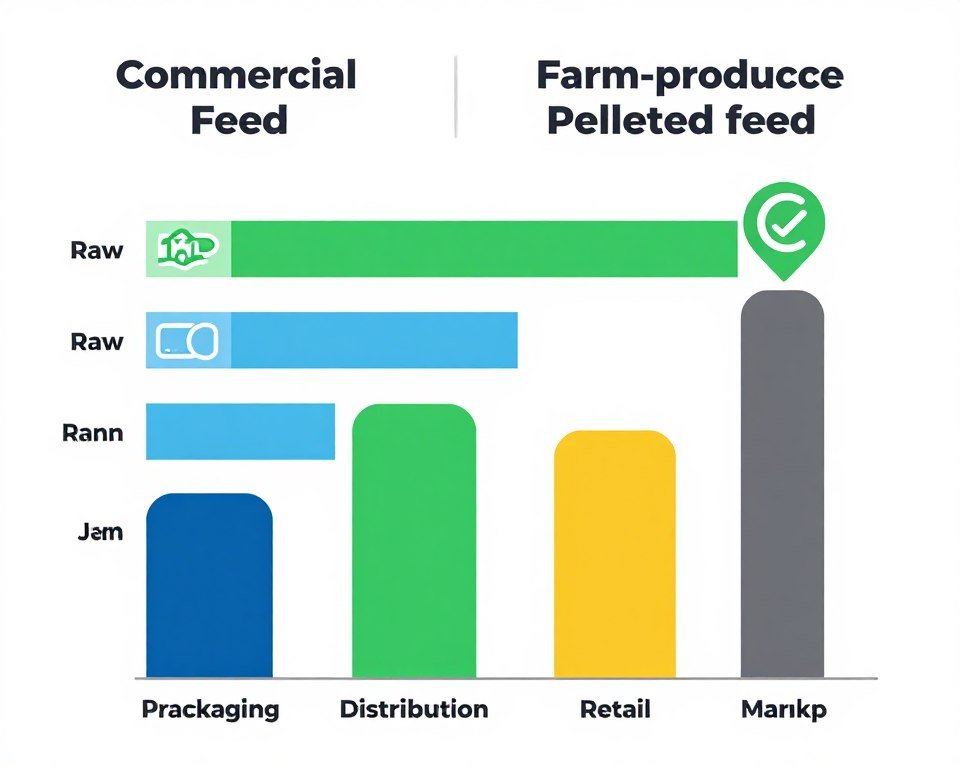
Seasonal raw material price fluctuations impact feed costs significantly. On-farm storage capabilities enable bulk purchasing during harvest periods when grain prices reach annual lows. Strategic purchasing reduces feed costs by fifteen to twenty-five percent annually.
Financial Benefits
- Twenty to forty percent reduction in feed costs
- Elimination of commercial feed delivery charges
- Bulk raw material purchasing advantages
- Reduced dependency on feed supplier credit terms
- Potential income from selling excess production
Investment Considerations
- Initial capital outlay for equipment purchase
- Raw material storage infrastructure requirements
- Learning curve for formulation and operation
- Maintenance and spare parts management
- Labor allocation for feed production tasks
Improved Feed Quality and Consistency
Commercial feed quality varies between batches and suppliers. On-farm production ensures consistent formulations matching specific livestock requirements. Farmers adjust ingredient ratios based on animal performance observations.
Fresh feed production eliminates concerns about ingredient age and storage conditions. Vitamins and supplements degrade over time in pre-made feeds. Weekly or bi-weekly production maintains maximum nutritional value.
Waste Reduction and Environmental Benefits
Pelleted feed generates seventy percent less waste compared to mash feeding. Animals cannot selectively consume preferred ingredients while rejecting others. Complete nutrient intake improves without increasing feed quantities.
Reduced dust during handling improves air quality in livestock facilities. Respiratory health benefits extend to both animals and farm workers. Storage space requirements decrease due to pellet density compared to loose ingredients.
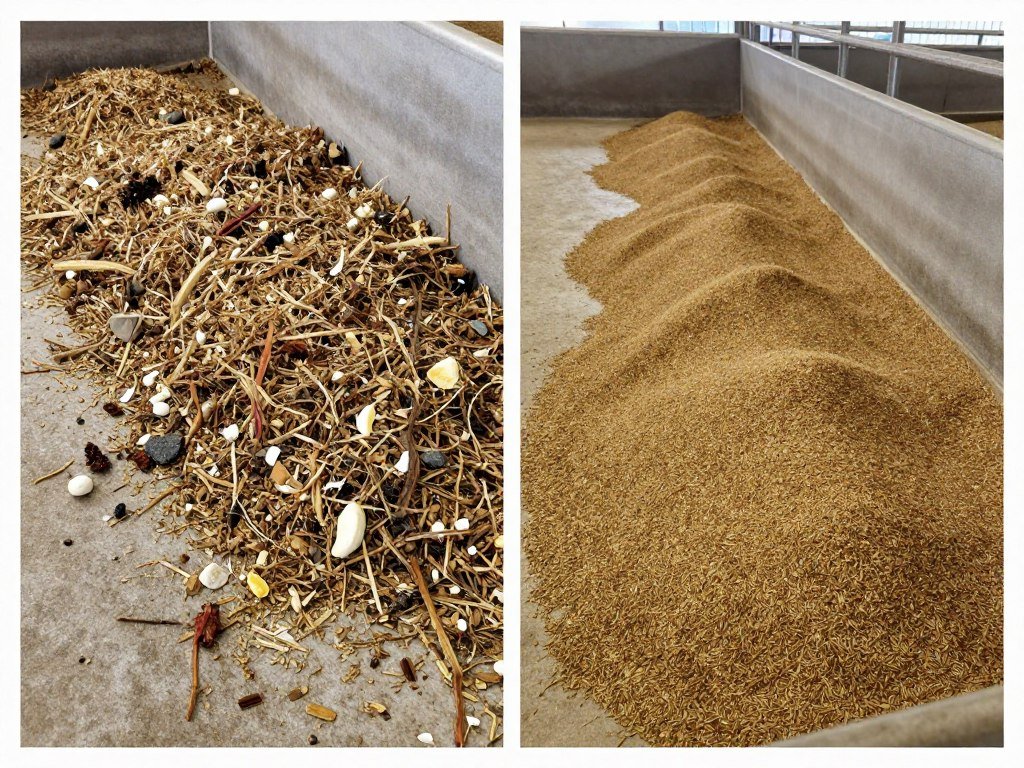
Manure quality improves when livestock consume pelleted feed efficiently. Better nutrient absorption reduces environmental pollution from waste runoff. This environmental advantage aligns with increasingly stringent agricultural regulations.
Join MAIKONG’s South African Dealer Network
Become an authorized MAIKONG distributor in your region. Exclusive territory rights, technical training, marketing support and competitive dealer margins available. Support South African farmers while building profitable business.
Technical Specifications and Installation Requirements
Proper feed pellet machine installation ensures optimal performance and longevity. Site preparation and utility requirements vary based on equipment capacity and configuration.
Power Supply and Energy Consumption
Small-scale machines operate on standard single-phase domestic electrical supply. Units processing up to two hundred kilograms per hour typically require four to seven kilowatts. Residential farm power connections accommodate these loads without upgrades.
Commercial production lines demand three-phase industrial power. Ten-ton-per-hour systems consume approximately one hundred fifty kilowatts during peak operation. Power supply stability affects equipment performance and longevity.
| Production Capacity | Power Requirement | Supply Type | Energy Cost Per Ton |
| 100 kg/hour | 5.5 kW | Single-phase 220V | R 45-60 |
| 500 kg/hour | 22 kW | Three-phase 380V | R 38-52 |
| 1 ton/hour | 37 kW | Three-phase 380V | R 35-48 |
| 3 tons/hour | 90 kW | Three-phase 380V | R 32-45 |
Space Requirements and Facility Layout
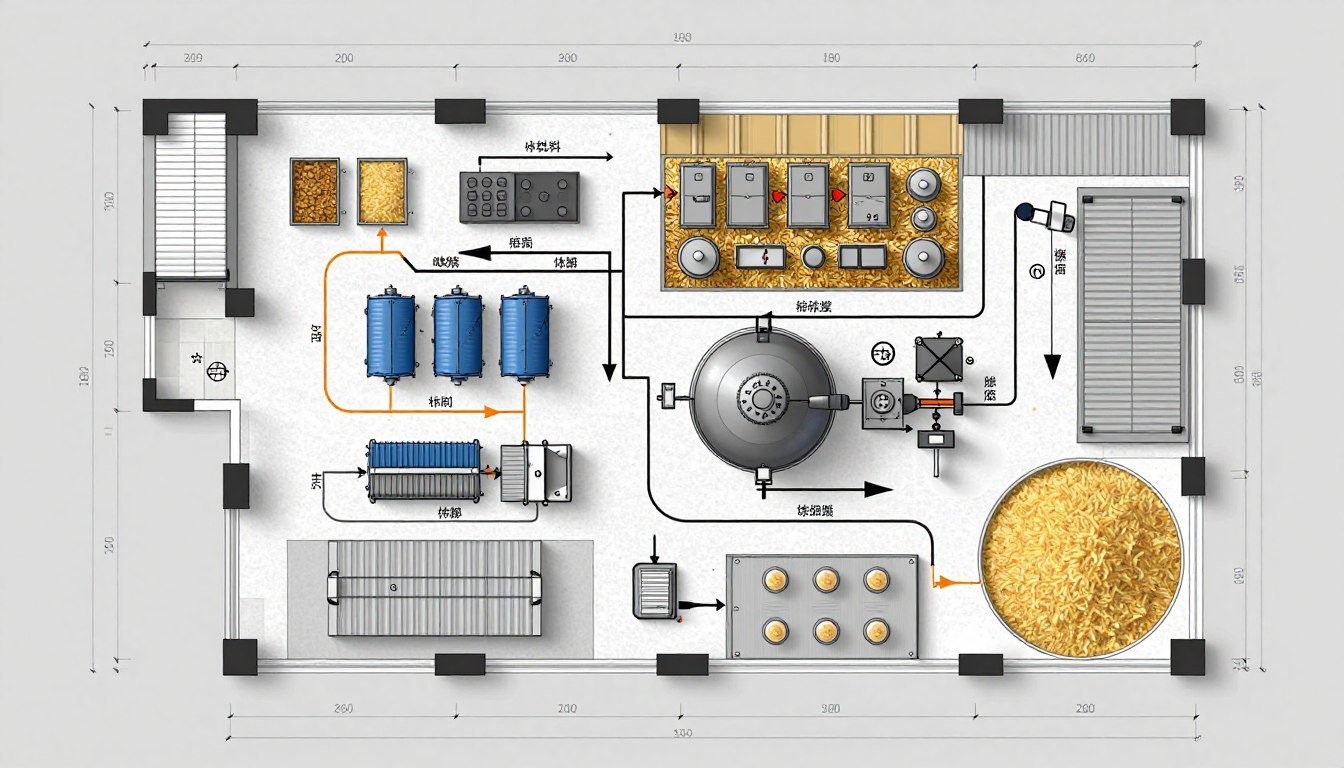
Compact machines fit within small storage sheds or existing farm buildings. A three-meter by four-meter space accommodates entry-level equipment including raw material storage. Adequate ventilation prevents dust accumulation during operation.
Production line installations require substantial floor space for multiple processing stages. A five-ton-per-hour system occupies approximately one hundred square meters. Ceiling height should exceed four meters to accommodate vertical conveyors and storage bins.
Maintenance and Spare Parts Management
Regular maintenance extends equipment lifespan and prevents costly downtime. Daily cleaning removes residual material preventing contamination between batches. Weekly lubrication of moving parts reduces wear.
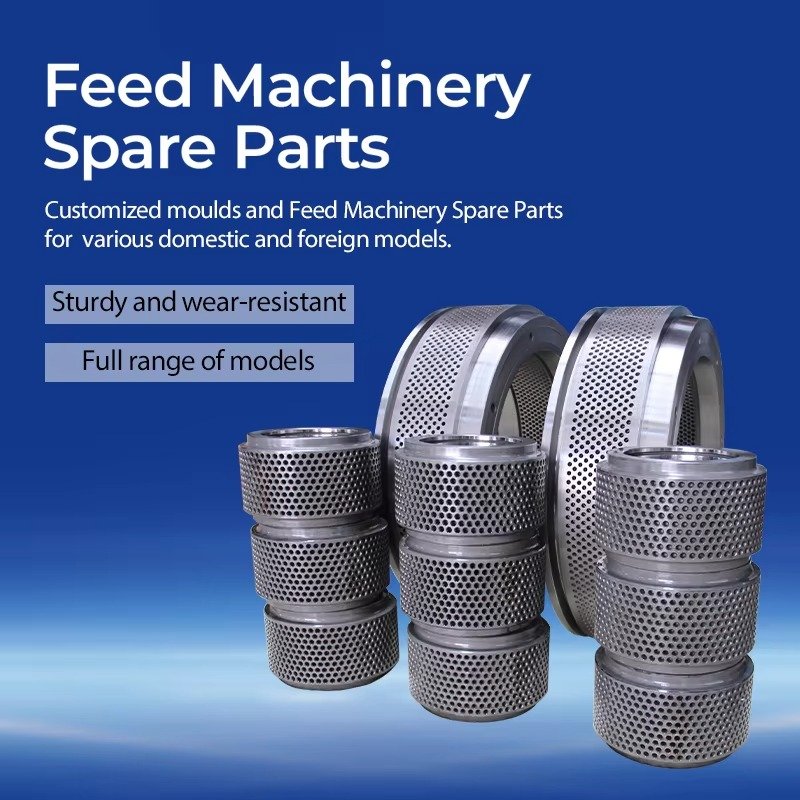
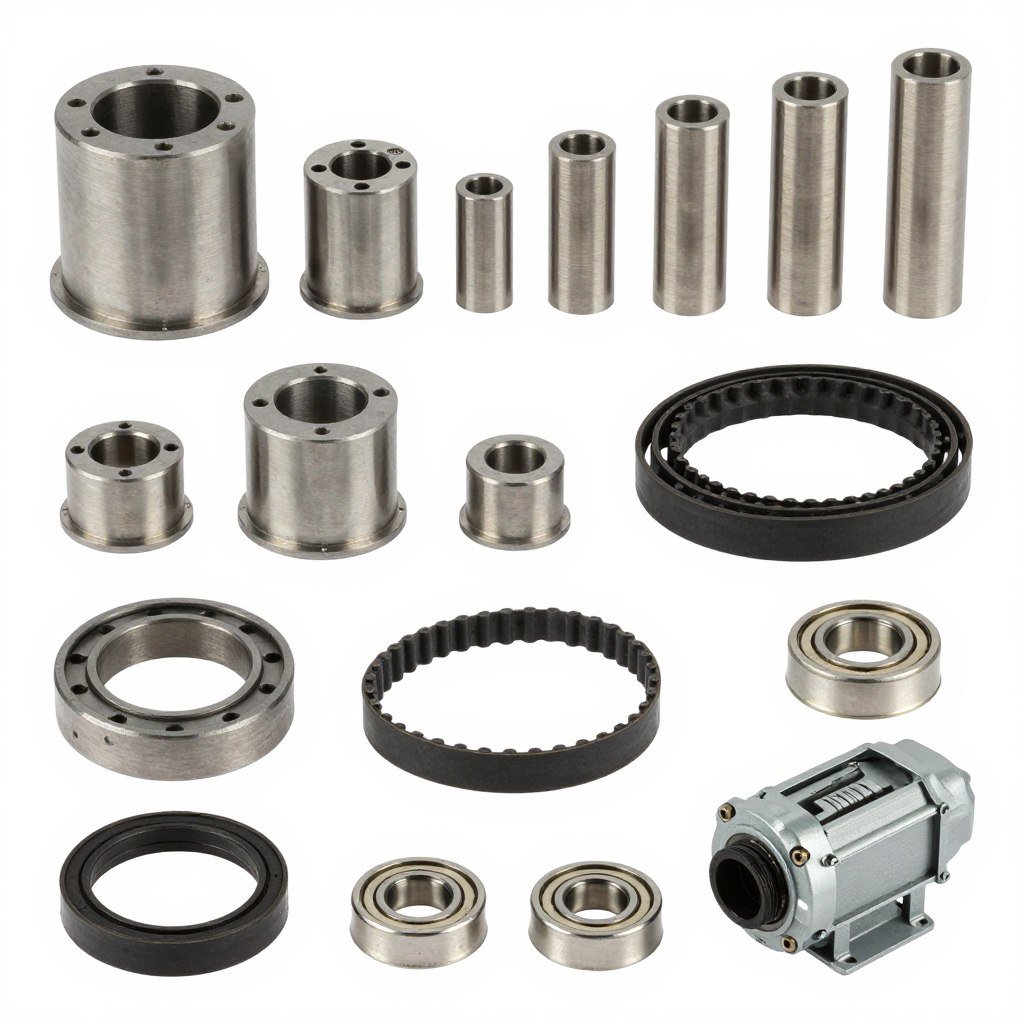
Critical wear parts include pellet die plates and roller shells. Die replacement frequency depends on production volume and material abrasiveness. A die processing one thousand tons typically requires replacement. MAIKONG maintains comprehensive spare parts inventory for rapid South African delivery.
- Pellet die plates with various hole configurations
- Roller shells in multiple diameter options
- Drive belts and tensioning components
- Bearing assemblies for rotating shafts
- Electric motor components and controls
- Conditioner steam valve assemblies
- Safety switches and emergency cutoffs
Feed Formulation Principles for Optimal Pellet Quality
Successful pelleting requires proper ingredient selection and ratio balancing. Raw material characteristics directly affect pellet formation and final product quality.
Ingredient Categories and Functions
Energy sources form the largest portion of livestock feed formulations. Maize provides readily digestible carbohydrates for growth and production. Wheat and sorghum serve as alternative energy grains depending on regional availability and cost.
Protein sources supply essential amino acids for muscle development and milk production. Soybean meal dominates South African protein supplements. Sunflower meal and cottonseed meal offer more economical alternatives with adjusted formulations.
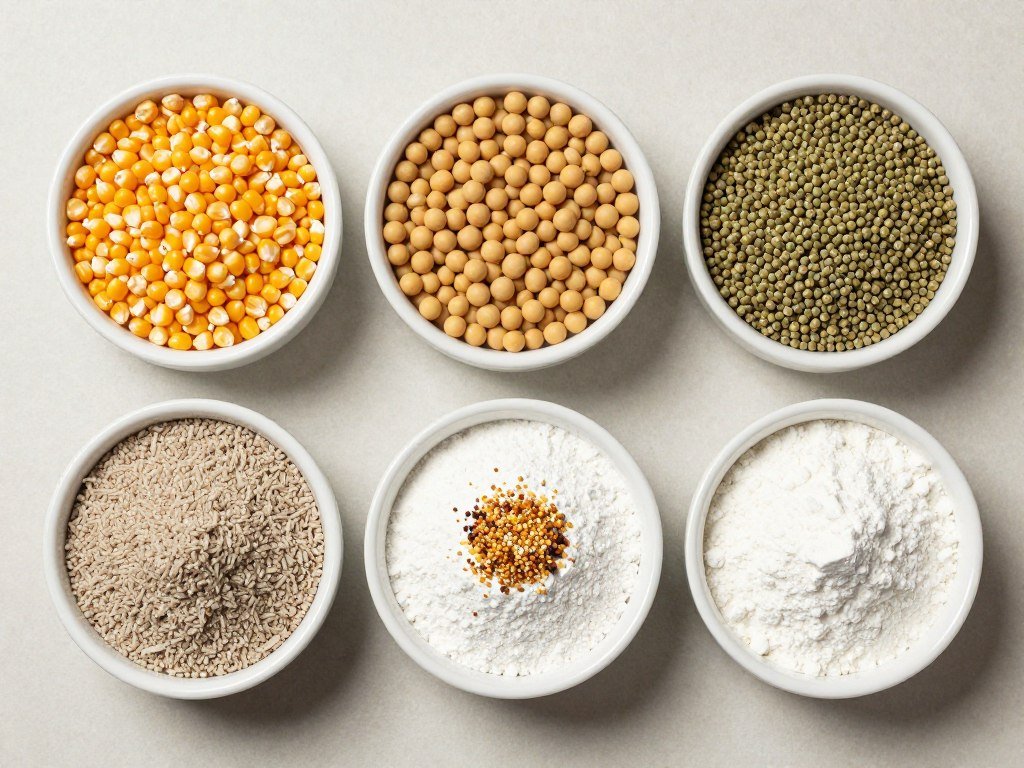
Fiber materials support digestive health particularly in ruminants. Lucerne meal provides protein and fiber simultaneously. Grass meal and wheat bran add bulk and improve pellet binding characteristics.
Binding Enhancement Ingredients
Certain materials improve pellet formation through natural binding properties. Molasses adds moisture and binding while increasing palatability. Fats and oils reduce friction during pelleting but should not exceed three percent of total formula.
Bentonite clay at one to two percent inclusion improves pellet durability. Lignin sulphonate serves as an effective pellet binder without affecting nutritional value. These additives prove particularly valuable when working with difficult-to-pellet materials.
Vitamin and Mineral Supplementation
Premix supplements ensure complete nutrition across formulations. Heat-stable vitamin forms survive pelleting temperatures. Mineral elements require careful inclusion to prevent equipment wear from abrasive compounds.
Calcium sources include limestone and bone meal for structural health. Phosphorus supplementation supports skeletal development. Salt provides essential sodium and chloride. Trace minerals require micro-dosing accuracy for proper nutrition.
Formulation Examples for Different Livestock
Broiler starter feed emphasizes protein for rapid early growth. Typical formulations contain twenty-two percent protein from combined sources. Energy density supports high metabolic rates in young birds.
| Ingredient | Broiler Starter | Layer Feed | Dairy Cattle | Pig Grower |
| Maize | 52% | 60% | 35% | 65% |
| Soybean Meal | 35% | 22% | 12% | 25% |
| Lucerne Meal | – | 3% | 40% | – |
| Fish Meal | 5% | 2% | – | 3% |
| Limestone | 1.2% | 8% | 1.5% | 1% |
| Sunflower Oil | 2% | 2% | 2% | 2.5% |
| Premix/Salt/Other | 4.8% | 3% | 9.5% | 3.5% |
Layer hen rations prioritize calcium for strong eggshells. Limestone inclusion reaches eight percent or higher. Protein levels moderate to sixteen percent supporting sustained production without excess.
African Feed Production Success Stories
Real-world implementations demonstrate practical feed pellet machine benefits across diverse agricultural operations. These case studies reflect actual South African and regional African farming scenarios.
Case Study: KwaZulu-Natal Commercial Poultry Operation
A twelve-thousand-bird broiler farm near Pietermaritzburg invested in a MAIKONG five-hundred-kilogram-per-hour production line. Previous commercial feed costs reached R 6,800 per ton delivered. On-farm production reduced costs to R 4,200 per ton including raw materials, electricity and labor.
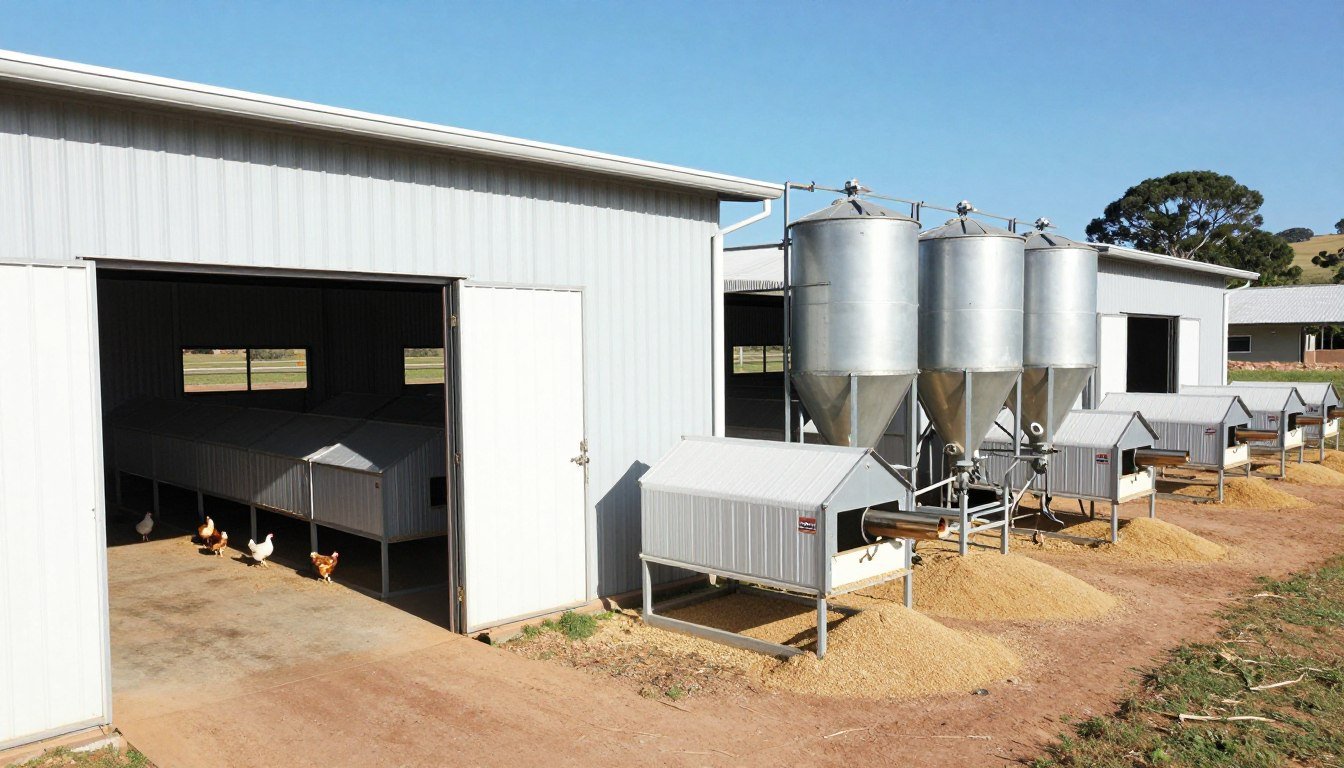
Annual feed consumption totals approximately eight hundred tons. Total savings exceed R 2,080,000 yearly. Equipment investment recovered within eighteen months. Feed quality improvements reduced mortality by two percent and improved feed conversion from 1.85 to 1.72.
Key Results: R 2.08 million annual savings, eighteen-month ROI, improved bird performance metrics, operational independence from feed suppliers.
Case Study: Eastern Cape Dairy Farm
A two-hundred-cow dairy operation in the Eastern Cape installed a MAIKONG one-ton-per-hour system. Lucerne-based pellet production supplements grazing during winter months. Previous commercial pellet purchases cost R 5,500 per ton.
Farm-produced lucerne pellets cost R 3,100 per ton accounting for field production, drying and pelleting. Annual pellet consumption reaches three hundred tons. Yearly savings total R 720,000. Milk production stability improved during seasonal grazing variations.
Case Study: Limpopo Livestock Feedlot
A five-hundred-head cattle feedlot near Polokwane processes local grain waste streams into pelleted finishing rations. A MAIKONG three-ton-per-hour line handles brewery waste, maize screenings and sunflower hulls previously disposed as waste.
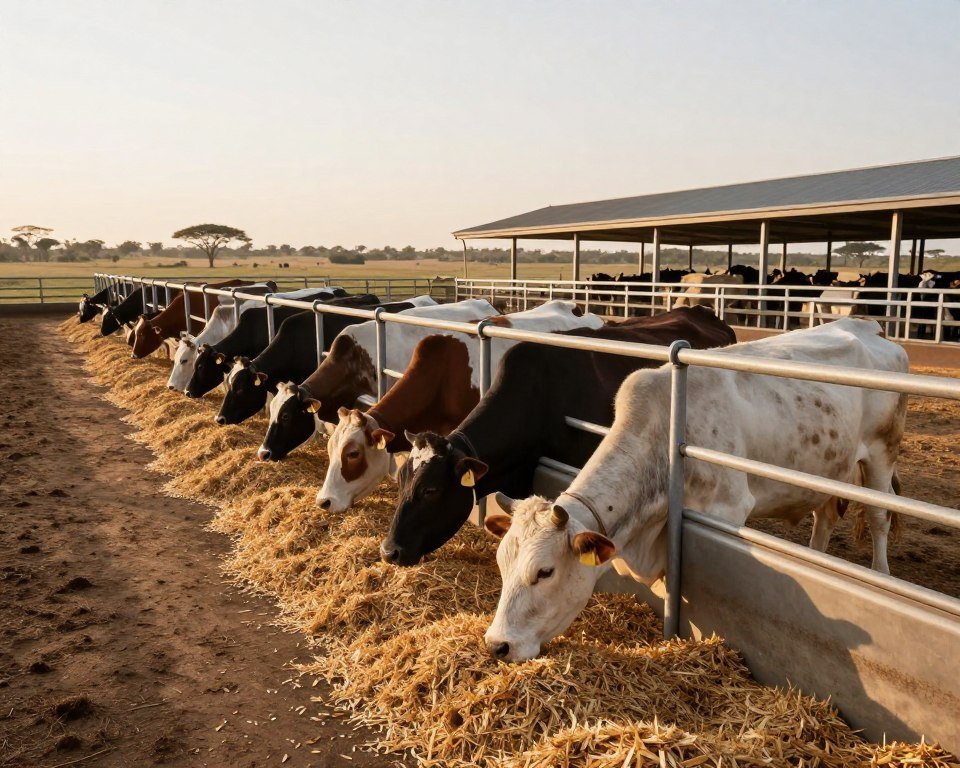
Converting waste materials into nutritious pellets created additional revenue stream. Finished pellets sell to neighboring farms at R 3,800 per ton. Annual production exceeds two thousand tons generating R 7.6 million revenue. Equipment investment of R 2.8 million recovered in fourteen months.
Innovation Highlight: Waste-to-value conversion demonstrates circular economy principles. Environmental benefits complement financial returns through reduced waste disposal needs.
Discuss Your Feed Production Project
MAIKONG engineers provide free project assessment and equipment recommendations. Share your livestock type, herd size and production goals for customized solution design.
Why South African Farmers Choose MAIKONG Feed Pellet Machines
MAIKONG’s twenty-plus years manufacturing experience delivers proven reliability for agricultural operations. Factory-direct sales eliminate distributor markups providing competitive pricing advantages.
Manufacturing Quality and Engineering Excellence
Modern CNC machining ensures precise component tolerances. Pellet dies feature hardened alloy steel construction withstanding abrasive materials. Roller shells undergo heat treatment for extended service life.
Electric motors from premium suppliers provide reliable power delivery. Control systems include thermal overload protection preventing damage during operation. Emergency stop mechanisms ensure operator safety during maintenance procedures.
Customization Capabilities
Standard equipment configurations suit most applications effectively. Custom modifications address unique operational requirements. Die hole patterns adapt to specific pellet size needs. Motor voltage options accommodate different electrical supply standards.
External appearance customization supports branding for dealer operations. Custom paint colors match corporate identity requirements. Logo placement and equipment labeling customize machines for resale markets.
Standard Features
- Hardened steel pellet dies
- Premium electric motors
- Safety overload protection
- Standard die hole configurations
- Factory paint finish
- Operating manual inclusion
- One-year warranty coverage
Available Customizations
- Custom die hole patterns
- Voltage specification matching
- Increased hopper capacity
- Automated control systems
- Custom exterior colors
- Dealer branding options
- Extended warranty packages
Technical Support
- WhatsApp technical assistance
- Installation guidance videos
- Formulation consultation
- Troubleshooting support
- Maintenance training
- Spare parts identification
- Performance optimization advice
After-Sales Support and Parts Availability
MAIKONG maintains dedicated technical support through WhatsApp communication. Response times typically within four hours during business days. Video consultation capabilities enable visual troubleshooting for complex issues.
Spare parts inventory ensures rapid delivery to South African customers. Common wear items ship within three business days. Critical components qualify for expedited international shipping when required. Parts pricing remains competitive through factory-direct supply chains.
Dealer and Distributor Partnership Opportunities
MAIKONG welcomes partnerships with established agricultural equipment dealers across South Africa. Exclusive territory rights available for qualified distributors. Dealer margins provide profitable business opportunities while supporting local farmers.
Marketing support includes product photography, technical specifications and promotional materials. Training programs educate dealer staff on equipment operation and maintenance. Co-operative advertising assistance extends marketing reach into rural farming communities.
Dealer Opportunity: Limited territories remain available in key agricultural regions. Contact MAIKONG to discuss exclusive distribution rights for your area.
Selecting the Right Feed Pellet Machine for Your Operation
Matching equipment capacity to operational needs prevents under-utilization or production bottlenecks. Several factors guide appropriate feed pellet machine selection.
Calculating Daily Production Requirements
Livestock numbers and species determine daily feed consumption. Broiler chickens consume approximately one hundred twenty grams daily during finishing. Layer hens average one hundred ten grams per day. Dairy cows require fifteen to twenty kilograms of concentrates daily.
Calculate total daily feed needs across all livestock. Add twenty percent buffer capacity for growth or additional animals. This calculation determines minimum hourly production capacity requirements.
| Livestock Type | Animals | Daily Feed Per Head | Total Daily Need | Recommended Machine |
| Broiler Chickens | 1,000 | 0.12 kg | 120 kg | MAIKONG-150 (120 kg/hr) |
| Layer Hens | 2,000 | 0.11 kg | 220 kg | MAIKONG-210 (250 kg/hr) |
| Dairy Cows | 50 | 18 kg | 900 kg | 1-ton/hr production line |
| Beef Cattle | 200 | 8 kg | 1,600 kg | 2-ton/hr production line |
| Pigs (mixed stages) | 300 | 2.5 kg | 750 kg | 1-ton/hr production line |
Budget Considerations and Return on Investment
Entry-level machines suitable for small farms cost between R 45,000 and R 85,000. Mid-range commercial equipment ranges from R 180,000 to R 450,000. Complete production lines exceed R 800,000 depending on capacity and automation level.
Calculate ROI based on feed cost savings and production improvements. Most operations achieve payback within twelve to thirty-six months. Larger savings percentages shorten recovery periods. Consider financing options if capital availability limits immediate purchase.
Space and Infrastructure Readiness
Assess existing facilities before equipment purchase. Electrical supply capacity must meet motor requirements. Verify voltage availability matches machine specifications. Three-phase power installation adds costs if not currently available.
Adequate floor space prevents cramped operations causing safety hazards. Consider material flow from storage through processing to finished product. Efficient layout reduces handling labor and improves productivity.
Frequently Asked Questions About Feed Pellet Machines
What is the typical feed pellet machine price range in South Africa?
Entry-level machines suitable for backyard poultry operations start around R 45,000. Commercial-grade equipment processing five hundred kilograms per hour costs R 180,000 to R 250,000. Complete production lines with automated systems range from R 800,000 to R 3,500,000 depending on capacity. MAIKONG offers factory-direct pricing eliminating distributor markups that typically add twenty to thirty-five percent to equipment costs.
How difficult is it to operate a feed pellet machine?
Basic operation requires minimal training. Load raw materials into the hopper and start the motor. Material automatically feeds through the pelleting chamber. Monitor output quality and adjust settings as needed. Most operators become proficient within two to three production sessions. MAIKONG provides detailed operating manuals and video tutorials. WhatsApp technical support assists with questions during initial operations.
Can one machine produce pellets for different livestock types?
Yes, with die changes between production runs. Different pellet diameters suit various livestock species. Purchase multiple dies during initial equipment acquisition. Changing dies requires approximately thirty to forty-five minutes. Clean thoroughly between formulations preventing cross-contamination. Most farms produce one livestock type primarily making frequent die changes unnecessary.
What maintenance does a feed pellet making machine require?
Daily cleaning removes residual material after production. Weekly lubrication of bearings and moving parts reduces wear. Monthly inspection of drive belts and motor mounts prevents failures. Die replacement occurs after processing approximately one thousand tons depending on material abrasiveness. Proper maintenance extends equipment lifespan beyond fifteen years of regular operation.
How long do pellets remain fresh after production?
Properly cooled and dried pellets store three to four months in dry conditions. Moisture levels below twelve percent prevent mold growth. Store in sealed containers or bags protecting from humidity. Vitamin potency declines gradually over time. Produce feed quantities matching two to three week consumption for optimal freshness. Refrigerated storage extends shelf life for specialty formulations.
Can waste materials become feed ingredients through pelleting?
Many agricultural by-products work well in feed formulations. Brewery waste, bakery rejects and food processing remnants often provide economical ingredients. Ensure materials remain free from contamination and meet safety standards. Pelleting binds diverse ingredients creating uniform nutritious feed from materials otherwise discarded. This practice reduces feed costs while supporting environmental sustainability.
Transform Your Livestock Operation With MAIKONG Feed Pellet Solutions
South African farmers face increasing pressure to optimize production costs while maintaining livestock health and performance. A quality feed pellet machine addresses these challenges through improved feed efficiency, reduced waste and lower ingredient costs.
Custom equipment configurations address unique operational requirements. OEM capabilities support dealer partners building businesses around MAIKONG reliability. Exclusive territory opportunities remain available in key South African agricultural regions.
Start Your Feed Production Journey With MAIKONG Today
Contact MAIKONG’s South African technical team for personalized equipment recommendations and project assessment. Factory engineers will evaluate your livestock operation and recommend optimal solutions matching your production needs and budget.
Visit our website: pelletmachine.co.za
Whether you operate a small farm seeking cost reduction or manage a commercial enterprise requiring production line automation, MAIKONG provides proven solutions backed by decades of manufacturing excellence and dedicated customer support throughout South Africa and beyond.
