
Pig Feed Pelletizer: Reducing Waste & Improving Growth
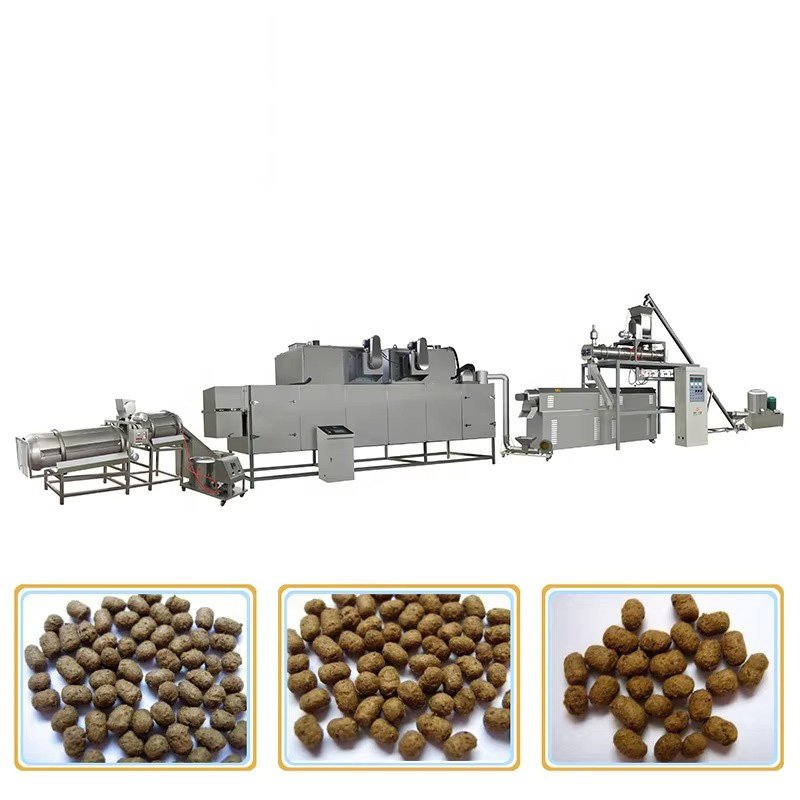
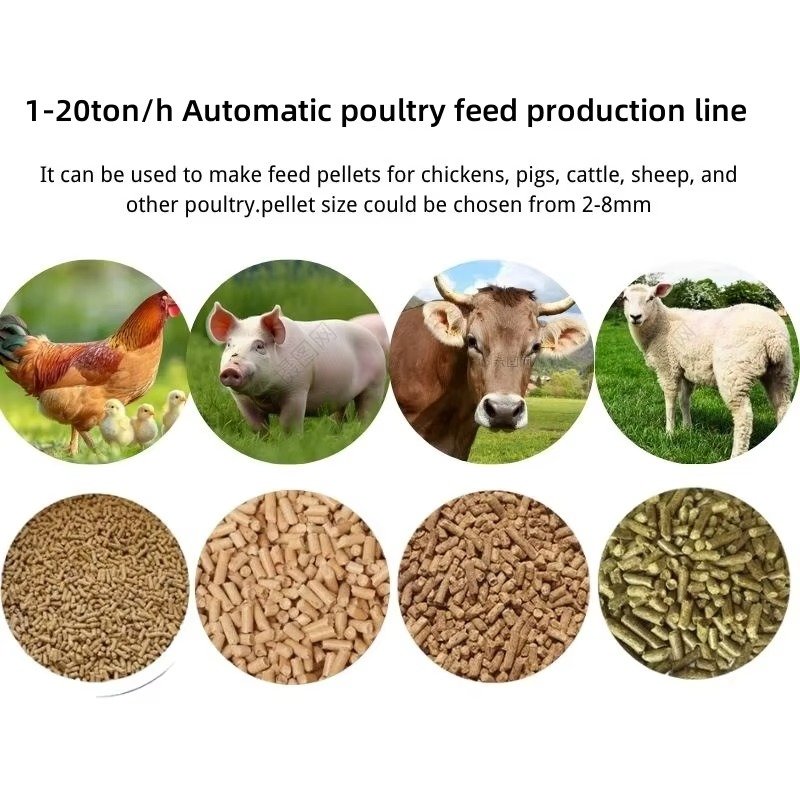
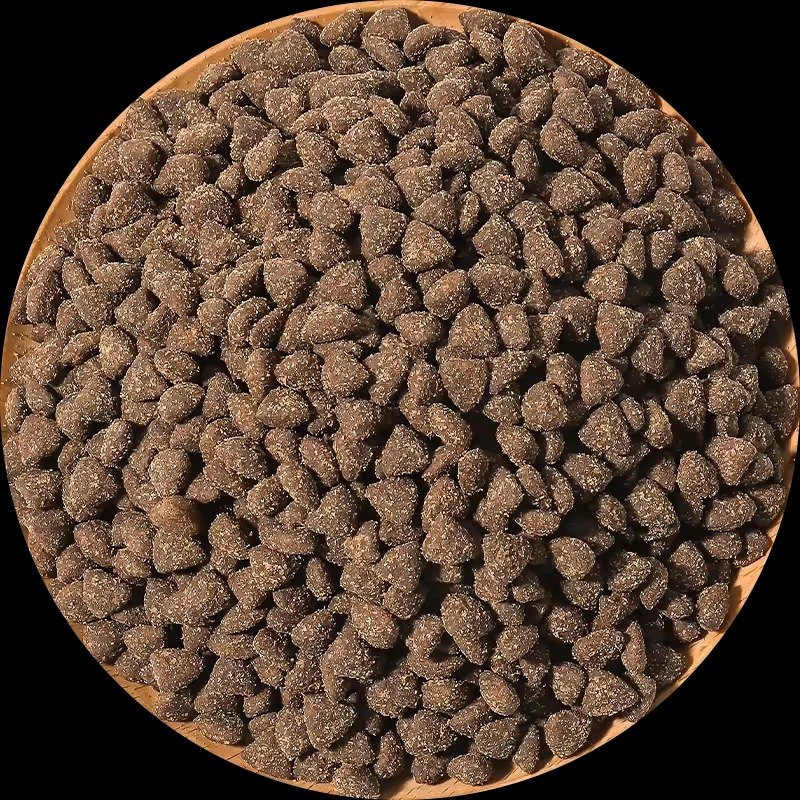
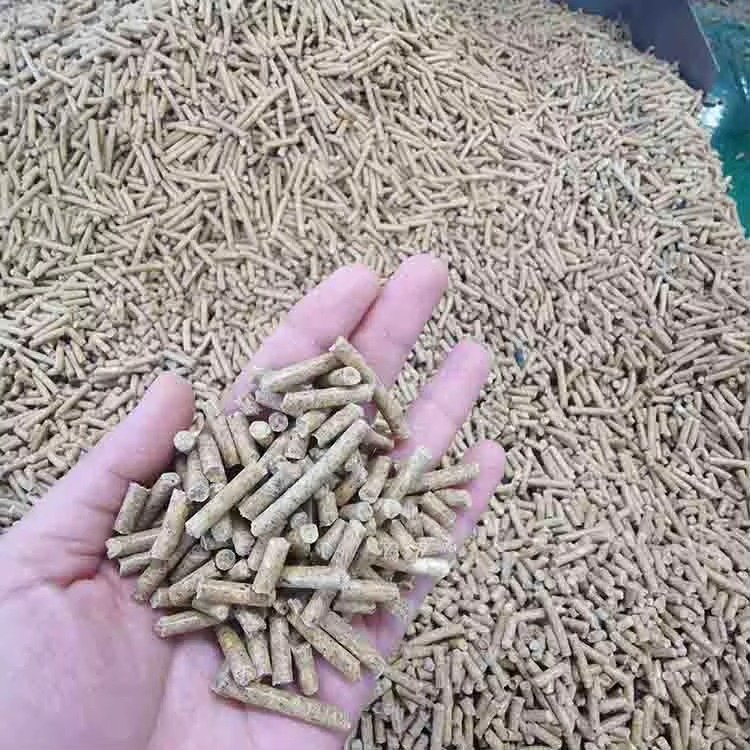
Every South African pig farmer knows this frustration. You buy quality feed ingredients. You mix them carefully. Yet somehow, 20 to 25 percent disappears before your pigs even eat it. Wind scatters the fine powder across your farm. Pigs root through the feed and reject what they do not like. Moisture ruins what storage containers cannot protect. Rain turns your investment into useless sludge within hours.
This waste does not just cost money. It slows pig growth rates. Animals that should reach market weight in 150 days take 180 or even 200 days instead. Your profit margins shrink while your costs climb. Feed represents 70 percent of pig farming expenses. When a quarter of that feed becomes waste, your entire operation suffers.
The solution exists in a technology that has served farmers across Africa for decades. A pelletizer transforms loose mash feed into uniform, dense pellets that pigs consume completely. This change alone reduces waste to below 5 percent. Pigs eat faster and grow more consistently. Your feed efficiency improves dramatically. Within 12 to 18 months, the equipment pays for itself through reduced waste and faster growth cycles.
Understanding Pelletizer Technology and Its Role in Modern Pig Farming
A pelletizer serves as the heart of efficient feed production systems. The machine compresses ground feed ingredients through a die using mechanical force and heat. This process bonds particles together into cylindrical pellets of consistent size and density. The technology has evolved significantly since its introduction to agricultural applications in the 1930s.
Core Components That Make Pelletization Work
Modern pelletizer machines consist of several essential components working in harmony. The feeder system controls material flow into the conditioning chamber. Here, steam and moisture prepare the feed mixture for compression. Temperature typically reaches 75 to 85 degrees Celsius during this phase. Water content increases to 15 or 16 percent, activating starches and proteins that act as natural binders.
The conditioned material then enters the pelleting chamber. Rotating rollers press the mixture through die holes with tremendous force. Die hole diameter determines final pellet size. For pig feed, holes ranging from 3 to 8 millimeters accommodate different age groups and production goals. Newly formed pellets emerge hot and soft. They pass through a cooler that removes excess moisture and heat while hardening the pellet structure.
Types of Pelletizer Machines Available in South Africa
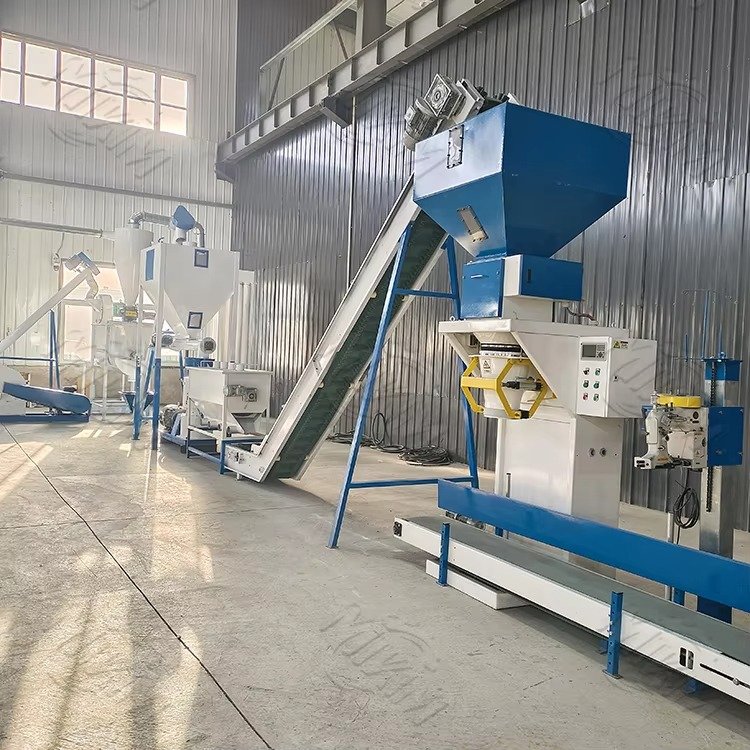
The South African market offers several pelletizer configurations suited to different operational scales. Flat die pellet machines serve small-scale farmers with 50 to 500 pigs. These units process 50 to 300 kilograms per hour. Their simple design makes maintenance straightforward. Power consumption ranges from 7 to 22 kilowatts, manageable for most farm electrical systems.
Ring die pellet mills dominate commercial and large-scale operations. These machines handle 500 kilograms to 5 tons per hour. Their vertical design occupies less floor space than flat die equivalents. Ring die systems run continuously with minimal interruption. Production facilities operating 16 to 24 hours daily prefer this configuration for its reliability and efficiency.
Flat Die Pelletizer
Ideal for operations raising 50 to 500 pigs. Produces 50 to 300 kg of pellets per hour. Simple maintenance requirements. Lower initial investment. Suitable for intermittent operation schedules. Power requirement: 7 to 22 kW.
- Compact footprint for limited space
- Easy die replacement without special tools
- Lower operational noise levels
- Ideal for mobile feed production services
Ring Die Pelletizer
Designed for commercial operations with 500 or more pigs. Processes 500 kg to 5 tons per hour. Built for continuous 24-hour operation. Higher production efficiency. Requires professional installation. Power requirement: 37 to 250 kW.
- Superior pellet uniformity and quality
- Reduced energy consumption per ton
- Automated control systems available
- Integration with complete production lines
The Science Behind Pellet Formation
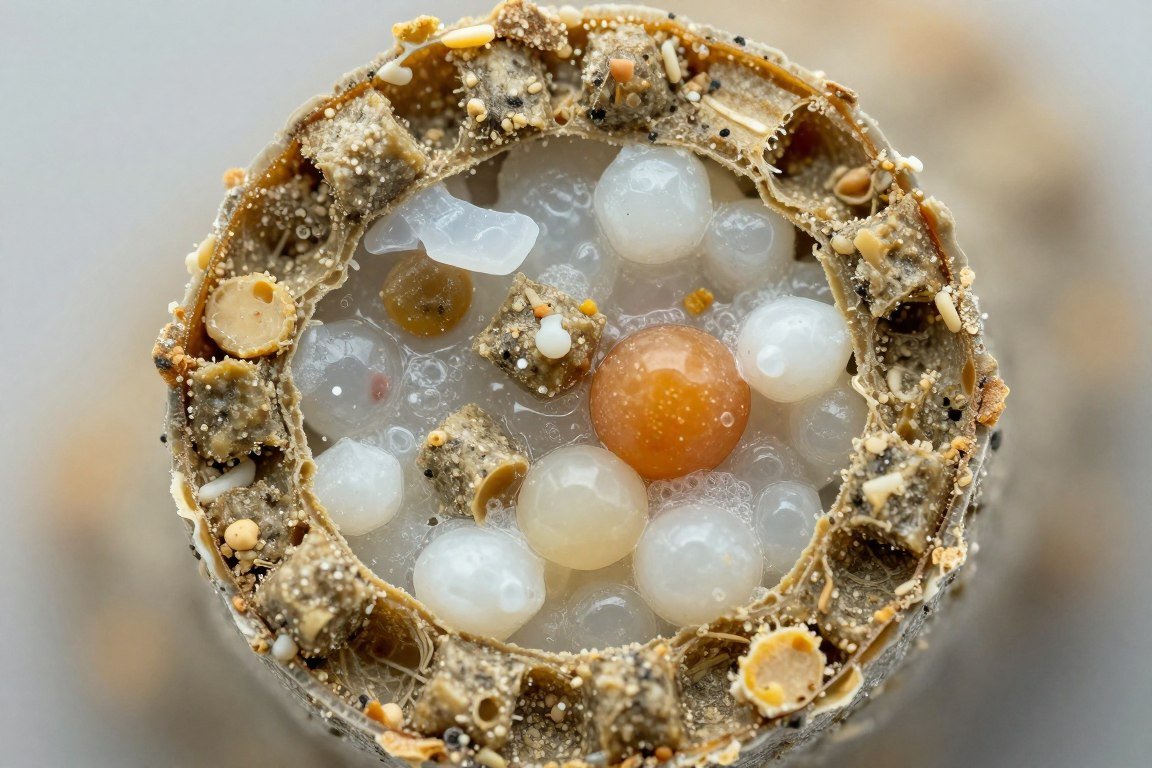
Pelletization relies on several physical and chemical processes occurring simultaneously. Heat generated during compression gelatinizes starches present in grain-based ingredients. These gelatinized starches function as natural adhesives, binding particles together. Protein denaturation also contributes to pellet integrity through cross-linking of amino acid chains.
Lignin, present in fibrous feed components, softens under heat and pressure. This softened lignin flows between particles, solidifying as pellets cool. The combination of starch gelatinization, protein denaturation, and lignin plasticization creates pellets that resist crumbling during handling and storage. Quality pellets maintain their structure through multiple handling stages without significant breakdown.
Particle size distribution before pelleting significantly impacts final pellet quality. Optimal formulations include 60 to 70 percent of ingredients ground to pass through a 2-millimeter screen. Another 20 to 30 percent should pass through 3 to 4 millimeters. The remaining 10 percent can be coarser, providing texture and structural integrity. This distribution ensures adequate surface area for binding while maintaining some structural support.
How Pelletizers Reduce Feed Waste by Up to 25 Percent
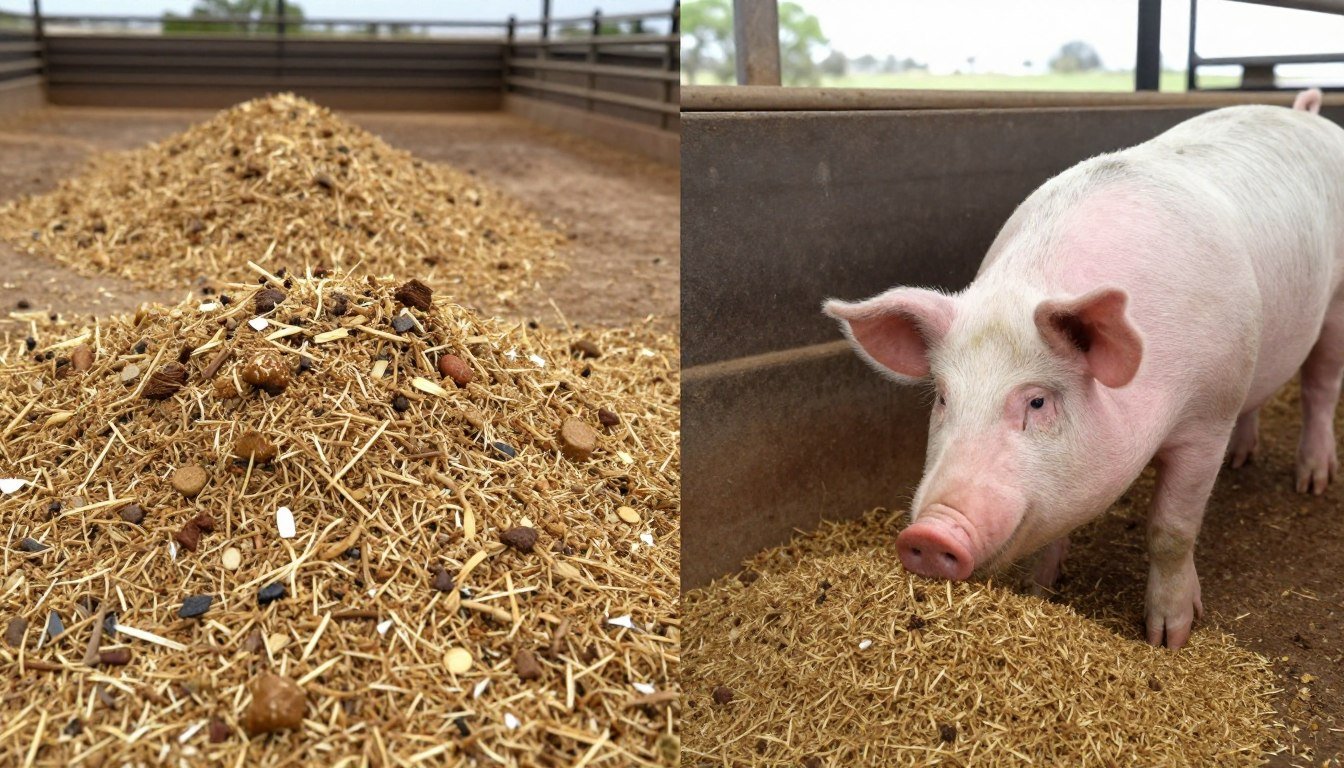
Feed waste represents one of the largest controllable costs in pig production. Traditional mash feeding systems suffer from multiple loss pathways. Wind carries fine particles away from feeding areas. Pigs sort through feed, consuming preferred ingredients while rejecting others. Moisture from rain, humidity, or automatic waterers ruins exposed feed rapidly. Each pathway drains profitability.
Quantifying Waste in Mash Versus Pellet Systems
Research conducted at South African agricultural universities demonstrates clear differences. Farms using mash feed systems report waste levels between 18 and 28 percent. This range varies based on feeding equipment design, pig stocking density, and environmental exposure. A 200-pig operation consuming 2 tons of feed daily wastes 360 to 560 kilograms every single day.
Converting to pelleted feed through a pelletizer reduces waste to 3 to 7 percent under similar conditions. The same 200-pig farm now wastes only 60 to 140 kilograms daily. This represents a net reduction of 300 to 420 kilograms daily, or 9 to 12.6 tons monthly. At current feed prices averaging 5,500 Rand per ton in South Africa, monthly savings reach 49,500 to 69,300 Rand from waste reduction alone.
| Feeding System | Daily Feed (kg) | Waste Percentage | Daily Waste (kg) | Monthly Waste (tons) | Monthly Cost (Rand) |
| Mash Feed | 2,000 | 23% | 460 | 13.8 | 75,900 |
| Pelleted Feed | 2,000 | 5% | 100 | 3.0 | 16,500 |
| Monthly Savings | – | – | 360 | 10.8 | 59,400 |
Mechanisms Behind Waste Reduction
Pelleted feed eliminates selective feeding behavior effectively. Pigs cannot separate individual ingredients from compressed pellets. They must consume the entire pellet or leave it completely. This forced consumption ensures balanced nutrient intake with every bite. Formulation precision translates directly to pig nutrition without ingredient sorting.
Physical characteristics of pellets prevent wind loss almost entirely. Their density and weight resist air movement. While fine mash particles blow away in even gentle breezes, pellets remain in feeding equipment until consumed. Farms in windy areas experience the most dramatic reductions, sometimes exceeding 30 percent improvement compared to mash systems.
Water resistance of properly formed pellets protects feed from moisture damage. A high-quality pellet maintains integrity when exposed to rain or humidity for several hours. The compressed structure limits water penetration to surface layers. Interior portions remain dry and nutritious even after weather exposure. This durability extends feeding time windows and reduces urgency during rainfall events.
Storage and Handling Advantages
Pelleted feed occupies 30 to 40 percent less storage space than equivalent mash. The compression process during pelletization increases bulk density from approximately 400 kilograms per cubic meter for mash to 600 to 650 kilograms per cubic meter for pellets. Farms can store more feed in existing silos or reduce storage infrastructure requirements.
Handling costs decrease proportionally with bulk density improvements. Transport vehicles carry more feed per trip. Labor requirements for moving feed from storage to feeding areas decline. Automated feeding systems designed for pelleted feed operate more reliably than equivalents handling mash, reducing maintenance and downtime.
Segregation of ingredients no longer occurs during transport and storage. Mash formulations often separate as lighter particles migrate upward while denser components settle. This segregation creates nutritional inconsistency between the first and last feed used from any batch. Pellets maintain uniform composition throughout the batch, ensuring every pig receives identical nutrition regardless of timing.
Improving Pig Growth Rates and Feed Conversion Efficiency
Beyond waste reduction, pelletized feed directly enhances pig performance metrics. Growth rates accelerate due to improved digestibility and consistent nutrient delivery. Feed conversion ratios improve measurably. These performance gains compound waste reduction savings, creating substantial economic advantages for pig farmers.
Digestibility Enhancement Through Heat Treatment
The pelleting process subjects feed to temperatures between 70 and 85 degrees Celsius. This thermal treatment modifies nutrient structures favorably. Starch gelatinization during pelleting increases digestibility significantly. Raw starches from grains like maize require enzymatic breakdown before absorption. Gelatinized starches begin this breakdown process mechanically, reducing the digestive burden on pigs.
Protein structures also undergo beneficial modifications. Heat denatures some protein bonds, making amino acids more accessible to digestive enzymes. This partial pre-digestion effect improves nitrogen utilization efficiency. Pigs absorb more of the protein content rather than excreting undigested portions. Research demonstrates digestibility improvements of 5 to 8 percent for energy and 3 to 6 percent for protein when comparing pelleted feed to mash feed.
Growth Rate Improvements in Commercial Settings
South African pig farms report consistent growth advantages after implementing pelletized feeding systems. Grower-finisher pigs receiving pelleted feed reach 100 kilograms market weight 12 to 18 days faster than pigs fed equivalent mash formulations. This acceleration results from both improved feed intake and enhanced nutrient utilization.
Average daily gains increase from typical mash-fed ranges of 650 to 750 grams to pelleted feed ranges of 750 to 850 grams. The improvement persists across different genetic lines and management systems. Farms with superior genetics and management see smaller absolute improvements but still achieve 8 to 12 percent better gains consistently.
Feed Conversion Ratio Comparison
Feed conversion ratio measures kilograms of feed required per kilogram of weight gain. Lower numbers indicate better efficiency. This metric directly impacts profitability as feed represents the largest production cost.
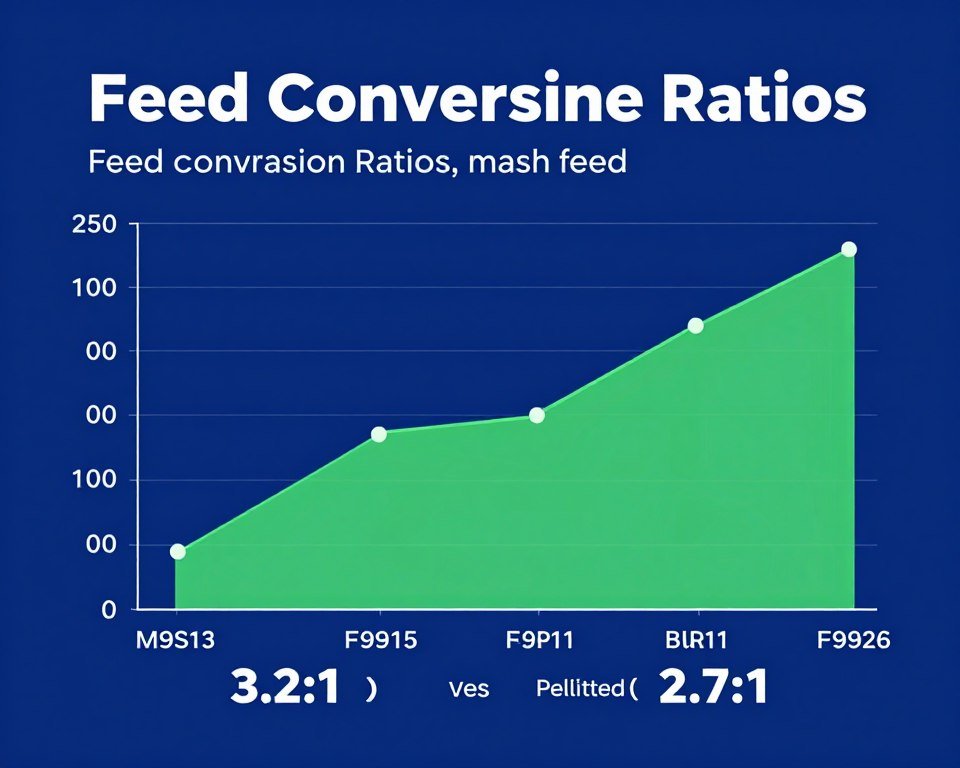
- Mash Feed Systems: Typical FCR ranges from 3.0:1 to 3.4:1 depending on formulation quality and management practices
- Pelleted Feed Systems: FCR improves to 2.6:1 to 2.9:1 under equivalent conditions, representing 12 to 18 percent improvement
- Economic Impact: A pig gaining 90 kg from 10 to 100 kg requires 270 to 306 kg of mash versus 234 to 261 kg of pellets, saving 36 to 45 kg of feed per pig
- Large Scale Results: A 1,000-pig operation saves 36,000 to 45,000 kg of feed per batch cycle, or 432,000 to 540,000 kg annually with three complete cycles
Uniformity and Consistency in Pig Performance
Pelletized feeding systems produce more uniform pig populations at market time. Coefficient of variation for pig weights within groups decreases from 18 to 22 percent with mash to 12 to 15 percent with pellets. This improved uniformity simplifies marketing and reduces sorting labor. Processors prefer uniform pig deliveries and often pay premium prices for tight weight ranges.
The consistency stems from several factors working together. Every pellet contains identical nutrient ratios. Pigs cannot sort ingredients to consume preferred components while rejecting others. All animals receive balanced nutrition with each feeding. Dominant pigs gain no nutritional advantage over subordinate animals, reducing performance variation within pens.
Impact on Different Pig Production Stages
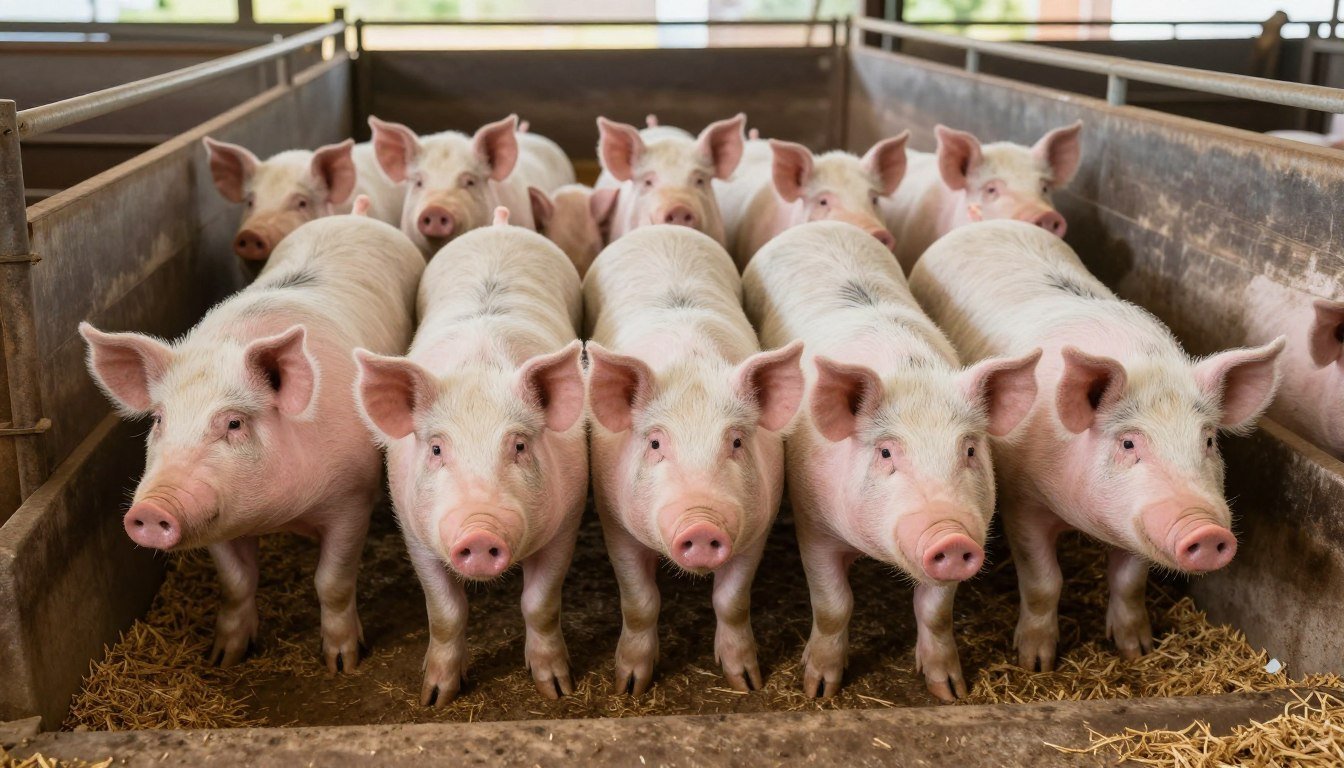
Pelleting benefits extend across all production phases but manifest differently. Nursery pigs from 7 to 25 kilograms show improved feed intake and reduced post-weaning growth lag. Smaller pellet sizes of 2 to 3 millimeters suit their mouth size and chewing ability. The hard pellet texture encourages jaw development and reduces the incidence of rooting behavior in housing.
Growing pigs from 25 to 60 kilograms experience the most dramatic growth rate improvements. This phase shows the greatest sensitivity to feed quality and consistency. Pellet sizes of 4 to 5 millimeters match their physical requirements perfectly. Daily gains during this phase often improve by 15 to 20 percent compared to mash feeding.
Finishing pigs from 60 to 100 kilograms benefit primarily from improved feed conversion efficiency. Growth rates still improve but the magnitude decreases slightly. Larger pellets of 6 to 8 millimeters suit finishing pigs well. The dense physical form reduces gut fill, allowing more nutrients absorption relative to gut capacity.
Find Your Perfect Pig Feed Pelletizer Match
MAIKONG offers customizable pellet production solutions from small-scale 50kg/hour units to industrial 5-ton/hour production lines. Our 20 years of experience serving African farmers ensures you receive precisely what your operation needs. Every system includes comprehensive training, local technical support, and customization for your specific ingredients and production goals.
Essential Technical Specifications for Pig Feed Pelletizers
Selecting appropriate pelletizer machinery requires understanding key technical parameters. Production capacity, power requirements, pellet quality characteristics, and operational specifications all influence system performance and economics. South African farmers must match equipment capabilities to their specific production scale and feed formulation requirements.
Production Capacity Considerations
Capacity represents the most fundamental specification for any pelletizer machine. Manufacturers typically rate machines in kilograms or tons per hour under standard conditions. These ratings assume optimal ingredient moisture content, proper die selection, and consistent material flow. Real-world capacity often ranges from 70 to 90 percent of rated capacity depending on ingredient characteristics and operator skill.
Small-scale flat die machines serve operations requiring 300 to 2,000 kilograms of pelleted feed daily. These systems typically feature 120 to 400 millimeter die diameters. Production rates range from 50 to 300 kilograms per hour. A 150-pig growing operation consuming approximately 500 kilograms daily would need a machine capable of producing 75 to 100 kilograms per hour to complete pelleting in 5 to 7 hours daily.
Commercial ring die mills suit larger operations producing 2 to 20 tons of feed daily. Die ring diameters span from 250 to 500 millimeters. Production rates reach 500 kilograms to 5 tons per hour. Large-scale farms with 1,000 or more pigs typically install multiple production lines for redundancy and scheduling flexibility.
| Machine Type | Die Size | Capacity Range | Power Requirement | Suitable Farm Size |
| Small Flat Die | 120-200mm | 50-150 kg/hr | 7-15 kW | 50-200 pigs |
| Medium Flat Die | 200-300mm | 150-300 kg/hr | 15-22 kW | 200-400 pigs |
| Small Ring Die | 250-320mm | 500-1,000 kg/hr | 37-55 kW | 400-800 pigs |
| Medium Ring Die | 350-420mm | 1,000-3,000 kg/hr | 75-110 kW | 800-2,000 pigs |
| Large Ring Die | 450-508mm | 3,000-5,000 kg/hr | 132-250 kW | 2,000+ pigs |
Power Requirements and Energy Consumption
Electrical demand significantly impacts operational costs for pelletizer systems. The main drive motor accounts for 80 to 85 percent of total power consumption. Additional requirements include conditioners, coolers, and material handling equipment. Small flat die machines consume 7 to 22 kilowatts during operation. Ring die systems require 37 to 250 kilowatts depending on capacity.
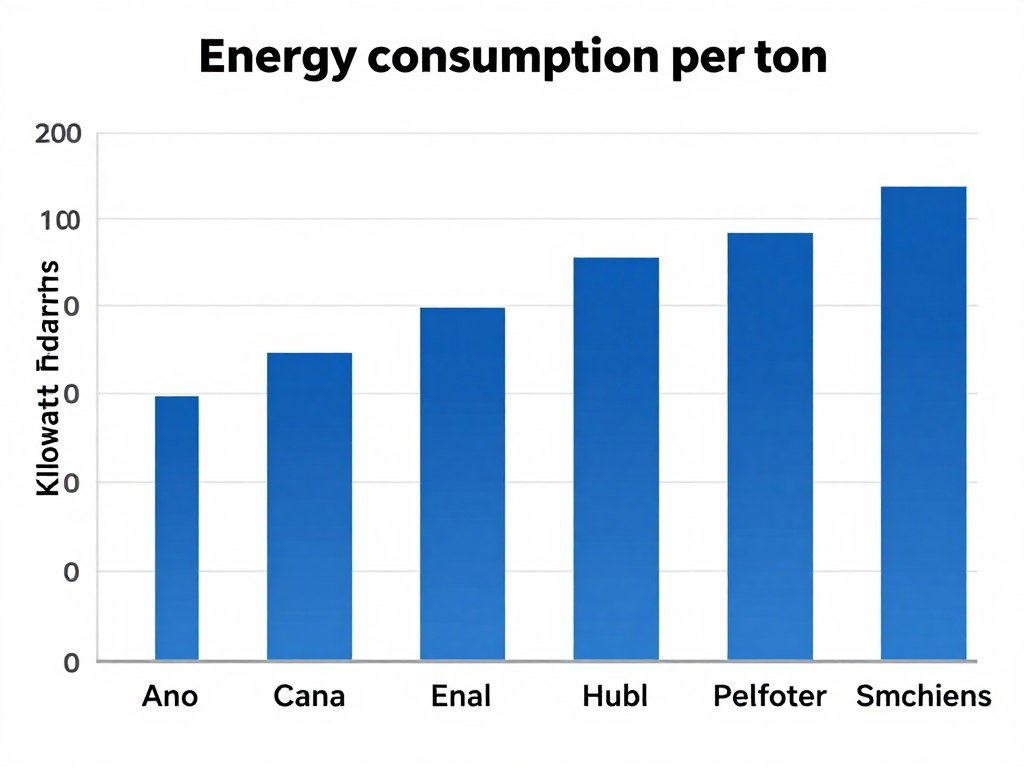
Energy consumption per ton of finished pellets provides more meaningful comparison than absolute power ratings. Well-designed ring die systems consume 15 to 20 kilowatt-hours per ton. Flat die machines typically require 18 to 25 kilowatt-hours per ton. At South African electricity rates averaging 2.20 Rand per kilowatt-hour, pelleting costs range from 33 to 55 Rand per ton from energy alone.
Die Specifications and Pellet Quality Parameters
Die design fundamentally determines pellet characteristics. Hole diameter controls pellet size directly. Pig feed typically uses 3 to 8 millimeter holes depending on pig age and size. Hole length to diameter ratio affects pellet density and durability. Ratios between 8:1 and 12:1 produce optimal results for most pig feed formulations.
Die material and hardening treatments influence operational life and maintenance costs. Standard alloy steel dies last 300 to 500 tons before requiring replacement. Premium stainless steel or chrome-plated dies extend life to 800 to 1,200 tons. While premium dies cost 40 to 60 percent more initially, their extended life reduces per-ton die costs by 25 to 35 percent.
Pellet durability index measures resistance to mechanical damage during handling. High-quality pellets achieve PDI scores above 95 percent. This means less than 5 percent of pellet mass breaks down during standardized tumbling tests. Scores above 97 percent indicate exceptional quality suitable for bulk handling and automated feeding systems. Proper die selection, conditioning temperature, and formulation balance all contribute to achieving high PDI scores.
Moisture Control and Conditioning Parameters
Moisture content critically affects pelletization success. Incoming feed ingredients typically contain 10 to 13 percent moisture. The conditioning process adds 1 to 3 percent additional moisture through steam injection. This brings total moisture during pelleting to 14 to 16 percent, ideal for starch gelatinization and particle bonding.
Conditioning time of 30 to 90 seconds provides adequate heat penetration. Single-stage conditioners suit most applications. Double-stage units benefit formulations with difficult-to-pelletize ingredients or when producing high-density therapeutic feeds. Temperature during conditioning should reach 75 to 85 degrees Celsius for pig feeds. Higher temperatures risk vitamin degradation. Lower temperatures fail to achieve adequate starch modification.
Post-pelleting cooling removes excess heat and moisture. Final pellet moisture should not exceed 12 to 13 percent to prevent mold growth during storage. Vertical or horizontal coolers reduce pellet temperature to within 5 degrees of ambient while simultaneously removing 2 to 3 percent moisture. Proper cooling prevents condensation in storage containers and maintains pellet integrity.
Ingredient Preparation Requirements
Successful pelletization begins with proper ingredient preparation. Grinding significantly impacts final pellet quality. Target 70 percent of ingredients passing through 2-millimeter screens. Excessive fines (particles under 0.5 millimeters) should remain below 10 percent of total volume. Too many fines create dust and reduce pellet hardness.
Mixing uniformity ensures consistent pellet composition. Coefficient of variation for critical ingredients like vitamins and medications must stay below 10 percent. Modern horizontal ribbon mixers achieve this in 3 to 5 minutes of mixing time. Vertical mixers require 5 to 8 minutes. Under-mixing creates nutritional variation between pellets. Over-mixing increases fine particle generation through abrasion.
Ingredient temperature before pelleting affects machine performance. Feed colder than 15 degrees Celsius requires more conditioning energy to reach proper pelleting temperature. Feed warmer than 30 degrees risks premature starch gelatinization in the conditioning chamber, causing blockages. Climate-controlled ingredient storage maintains optimal temperature ranges year-round in South African conditions.
Critical Safety Measures and Operational Guidelines for Pelletizer Machines
Operating pelletizer machinery safely requires rigorous adherence to established protocols. These powerful machines generate substantial mechanical force, high temperatures, and rotating components. Proper training, personal protective equipment, and maintenance procedures protect operators while ensuring consistent performance.
Primary Pelletizer Machine Safety Hazards
Rotating components present the most immediate danger in pelletizer operation. Main drive shafts, roller assemblies, and die systems rotate at speeds between 200 and 500 revolutions per minute. Contact with rotating parts causes severe crushing injuries. Machine guards must remain in place during operation. Lockout-tagout procedures prevent accidental startup during maintenance or clearing blockages.
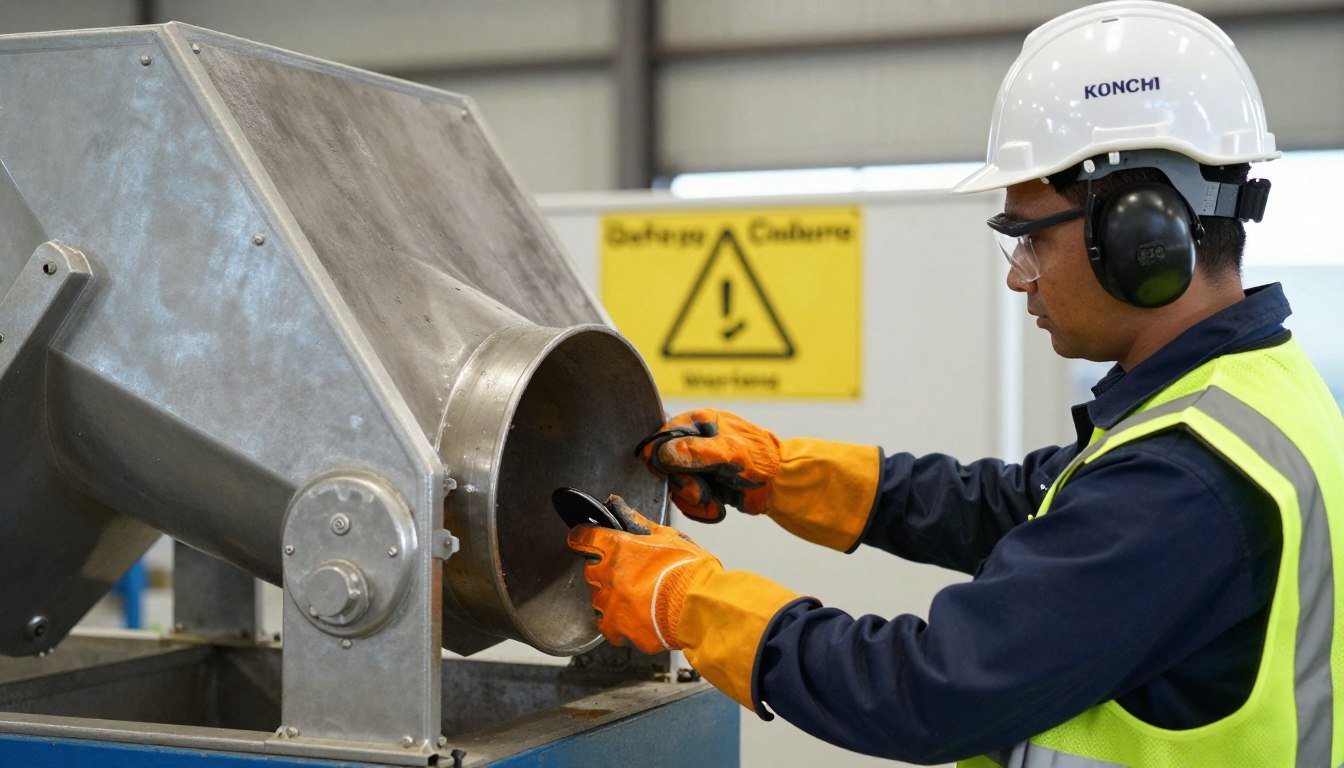
High temperature exposure occurs during pelleting and immediately after. Conditioning chambers reach 80 to 85 degrees Celsius. Newly formed pellets emerge at 70 to 80 degrees. Die assemblies maintain temperatures between 60 and 75 degrees during continuous operation. Operators must wear heat-resistant gloves when checking pellet quality or clearing die blockages. Burns from hot surfaces or pellets represent common injuries in operations lacking proper protocols.
Dust generation creates both immediate respiratory hazards and long-term health concerns. Fine feed particles become airborne during material handling, die changes, and maintenance activities. Chronic exposure causes respiratory sensitization and potential lung damage. Effective dust collection systems, respiratory protection, and regular equipment cleaning all reduce exposure risks significantly.
Essential Pelletizer Machine Safety Measures
Personal protective equipment forms the first defense line. Operators must wear safety glasses or face shields to protect against flying particles during die changes or blockage clearing. Hearing protection becomes mandatory around ring die mills, which generate 85 to 95 decibels during operation. Steel-toed safety shoes protect feet from falling dies or heavy feed bags. Heat-resistant gloves allow safe handling of hot components.
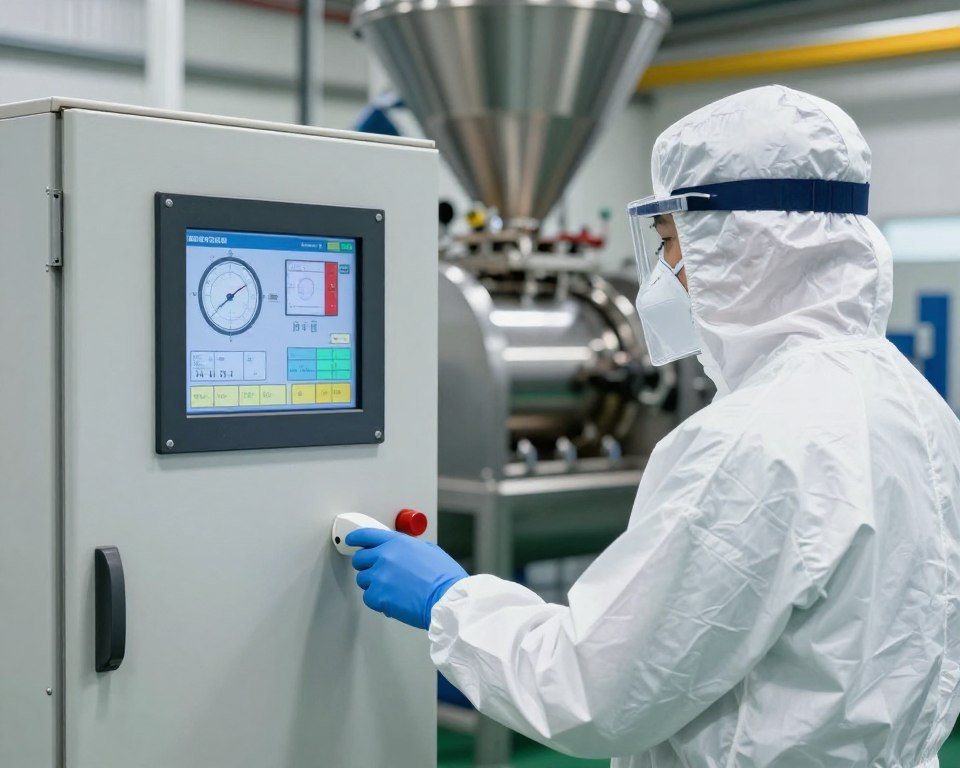
Machine guarding standards require complete enclosure of rotating components. Access doors must incorporate interlock switches that cut power when opened. Emergency stop buttons should be positioned within easy reach from normal operating positions. Multiple stops placed around larger installations ensure operators can halt machinery quickly from any location. All guards must meet or exceed South African machinery safety regulations.
Electrical safety protocols prevent shock and arc flash incidents. Main disconnects must be clearly labeled and readily accessible. Only qualified electricians should service electrical components. Ground fault protection devices prevent shock from damaged insulation or water exposure. Regular inspection of power cables, motor connections, and control panels identifies deterioration before failures occur.
Critical Safety Alert
Never attempt to clear a die blockage while the pelletizer is powered. De-energize the main disconnect, apply a lockout-tagout device, and verify zero energy state before approaching the die assembly. Attempting to clear blockages without proper lockout causes multiple serious injuries annually across agricultural operations worldwide.
Standard Operating Procedures for Safe Operation
Pre-operational checks verify machine readiness and identify potential issues. Inspect all guards for secure mounting and proper function. Check lubrication levels in gearboxes, bearings, and automatic lubrication systems. Verify that the die and rollers show no cracks or excessive wear. Ensure emergency stops function correctly by testing each button. These checks take only 5 to 8 minutes but prevent most common operational failures.
Startup sequences follow established patterns to prevent equipment damage. Start dust collection systems first to establish proper airflow before pelleting begins. Engage conditioning systems and allow steam pressure to stabilize. Start the main drive motor under no-load conditions, allowing it to reach full speed before introducing feed material. Gradual feed introduction over 2 to 3 minutes prevents overloading and motor trips.
Monitoring during operation identifies developing problems before causing damage or safety incidents. Watch amperage draw on the main motor. Sudden increases indicate die blockages or roller binding. Monitor pellet temperature at the cooler inlet. Temperatures exceeding 85 degrees suggest inadequate cooling or excessive die friction. Listen for unusual sounds indicating bearing wear, loose components, or material flow problems.
Maintenance Protocols for Safety and Reliability
Regular maintenance prevents most safety incidents while extending equipment life. Daily tasks include lubrication point checks, visual inspection for damage or wear, and removal of accumulated dust. Weekly maintenance adds drive belt tension verification, roller gap measurement, and gear oil level confirmation. Monthly protocols incorporate bearing temperature checks, electrical connection tightness, and cooling system cleaning.
Die replacement represents the most frequent major maintenance task. Dies wear predictably based on tonnage throughput and ingredient abrasiveness. Replace dies when pellet quality degrades or when amp draw increases by 15 to 20 percent despite consistent feed flow. Die changes require complete machine lockout. Use proper lifting equipment for heavy dies exceeding 50 kilograms. Inspect roller surfaces during die changes, replacing both together when roller wear becomes significant.
Bearing maintenance prevents catastrophic failures that cause extended downtime and potential injuries. Monitor bearing temperatures during operation. Temperatures exceeding 70 degrees Celsius above ambient indicate inadequate lubrication or impending failure. Replace bearings on established schedules based on manufacturer recommendations and operational hours. Document all bearing changes to track patterns and predict future requirements.
Expert Technical Support for Your Operation
Concerned about operating a pelletizer machine safely and effectively? MAIKONG’s South African technical team provides comprehensive training, operational manuals in English, and 24/7 WhatsApp assistance. Our 20 years of experience means we have solved virtually every operational challenge. We ensure your team operates equipment confidently and safely from day one.
Training Requirements for Operators
Competent operation begins with thorough training. New operators should complete minimum 20 hours of supervised instruction before independent operation. Training must cover machine components and their functions, startup and shutdown procedures, normal operating parameters, common problems and solutions, emergency procedures, and safety protocols. Hands-on practice under supervision builds confidence and competence.
Refresher training maintains skills and introduces new procedures. Annual reviews ensure operators remain current on best practices. When equipment upgrades occur or new safety protocols are introduced, supplemental training becomes necessary. Documentation of all training protects operations legally and ensures accountability.
Qualified maintenance personnel require additional specialized training. Die and roller replacement procedures, electrical system maintenance, bearing replacement techniques, and troubleshooting methodologies all demand specific instruction. MAIKONG provides comprehensive training programs for maintenance staff, either at customer facilities in South Africa or at our technical center.
Feed Formulation Optimization for Superior Pellet Quality
Achieving excellent pellet durability requires more than just proper equipment operation. Feed formulation significantly influences how well ingredients bind together during pelleting. Understanding ingredient characteristics, binder functions, and formulation balance allows farmers to produce high-durability pellets consistently.
Ingredient Characteristics Affecting Pelletability
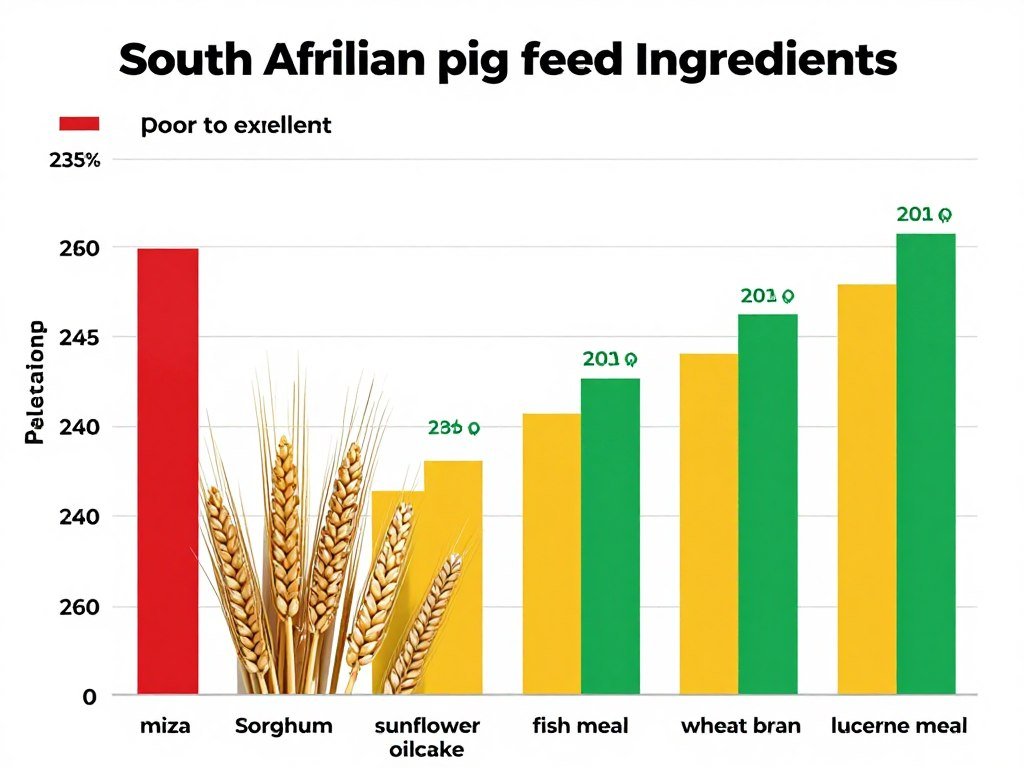
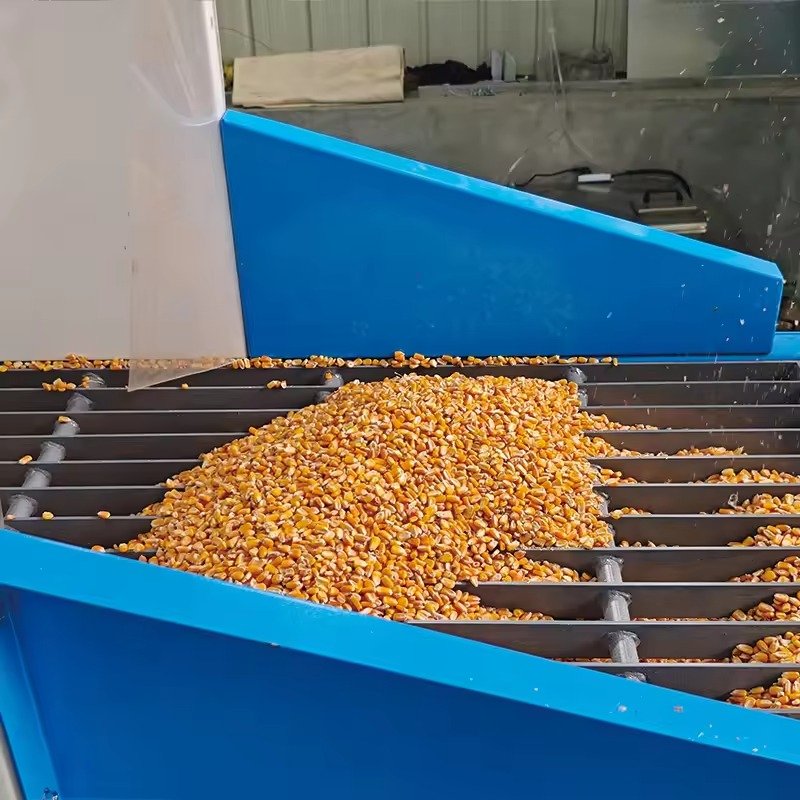
Natural binding agents within common feed ingredients determine baseline pelletability. Cereal grains like maize, wheat, and sorghum contain substantial starch that gelatinizes during conditioning and pelleting. This gelatinized starch acts as a natural glue, bonding particles together. Formulations with 40 to 60 percent cereal grains typically pellet well without additional binders.
Protein sources show variable binding characteristics. Soya oilcake and full-fat soya provide excellent binding through protein-starch interactions. Fish meal and meat meal bind poorly due to low moisture absorption and minimal starch content. Sunflower oilcake, common in South Africa, offers moderate binding but requires careful formulation balance. A well-designed pig feed typically contains 15 to 25 percent soya-based protein sources to ensure adequate binding.
Fibrous ingredients like wheat bran, lucerne meal, and grass meal contribute structural integrity but bind poorly themselves. Their coarse particle structure creates spaces between finer particles, improving pellet density while complicating binding. Limiting total fiber sources to 8 to 12 percent maintains adequate binding without compromising nutritional goals.
Commercial Binding Agents and Their Application
When natural binding proves insufficient, commercial binders improve pellet durability cost-effectively. Bentonite clay, the most economical option, absorbs water and swells during conditioning. This swelling creates mechanical binding between particles. Including 1 to 2 percent bentonite improves PDI scores by 3 to 6 points while adding minimal cost. However, bentonite contributes no nutritional value and dilutes nutrient density slightly.
Lignosulphonate binders, derived from wood processing, provide superior binding performance. These products bind chemically through lignin interactions and physically through their sticky properties when heated. Inclusion rates of 0.5 to 1.5 percent improve PDI by 5 to 10 points. Lignosulphonates cost more than bentonite but require lower inclusion rates, making them economically competitive.
Hemicellulose-based binders represent premium options for critical applications. These products bind at molecular levels, creating exceptionally durable pellets. Inclusion rates of 0.3 to 0.8 percent achieve PDI improvements of 8 to 15 points. Their higher cost limits use to situations requiring maximum durability, such as exported feeds or automated feeding systems with extended delivery times.
| Binder Type | Inclusion Rate | PDI Improvement | Cost per Ton | Best Applications |
| Bentonite Clay | 1.0-2.0% | 3-6 points | 35-70 Rand | Standard pig feeds, economical improvement |
| Lignosulphonate | 0.5-1.5% | 5-10 points | 60-120 Rand | High-performance feeds, commercial operations |
| Hemicellulose | 0.3-0.8% | 8-15 points | 90-180 Rand | Premium feeds, export quality, automated systems |
| Molasses | 2.0-4.0% | 4-7 points | 80-160 Rand | Palatable feeds, dust control, moderate binding |
Moisture Management for Optimal Binding
Ingredient moisture before pelleting critically affects binding success. Raw materials with moisture below 10 percent absorb conditioning steam poorly, resulting in inadequate starch gelatinization. Ingredients exceeding 14 percent moisture generate excess steam during pelleting, creating soft pellets with poor durability. Maintaining pre-pelleting moisture between 11 and 13 percent optimizes conditioning effectiveness.
Moisture addition during conditioning must be controlled precisely. Too little moisture fails to activate binding mechanisms. Excessive moisture creates slippery conditions in the die, reducing friction needed for compression. Target 2 to 3 percent moisture addition through steam conditioning. Modern systems using flow meters and temperature sensors maintain consistent addition rates regardless of production speed variations.
Post-pelleting moisture removal prevents mold growth and maintains pellet hardness. Pellets leaving the die contain 15 to 16 percent moisture at 70 to 80 degrees temperature. Cooling reduces this to 12 to 13 percent at near-ambient temperature. Inadequate cooling causes condensation in storage, leading to mold development within 3 to 5 days. Proper cooling extends safe storage duration to 30 days or more under South African conditions.
Particle Size Distribution for Maximum Density
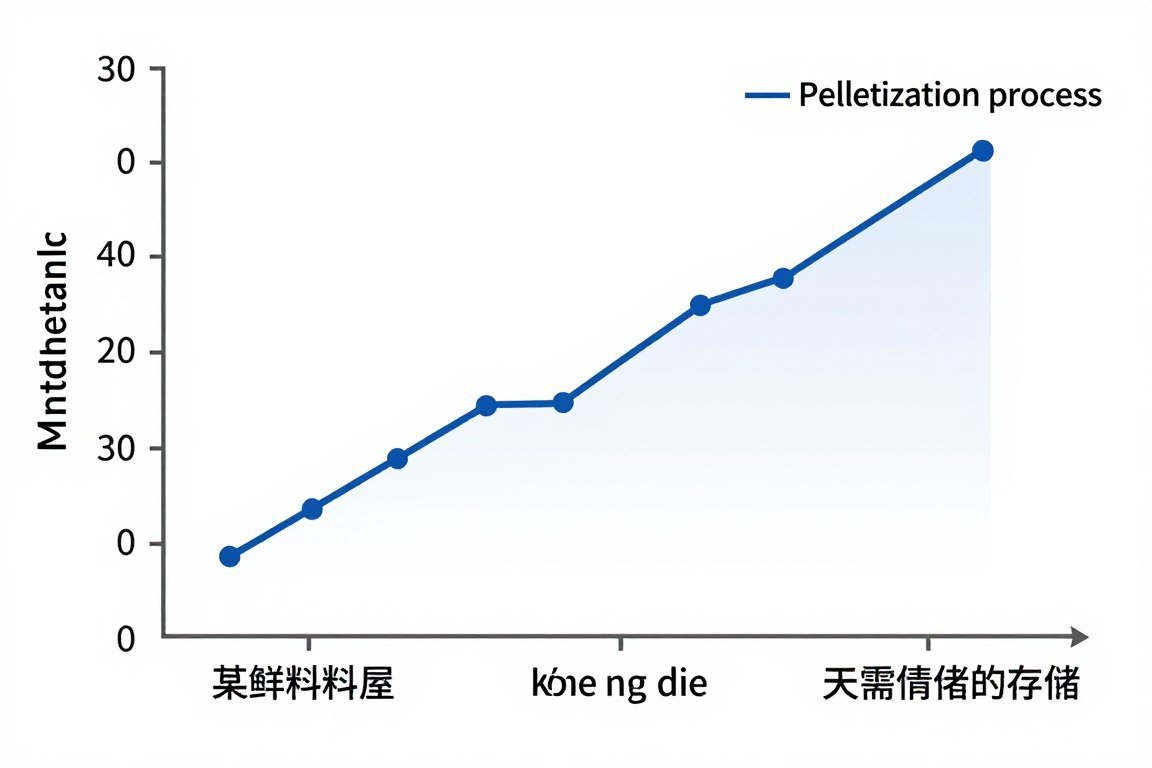
Grinding fineness dramatically affects pellet density and durability. Complete formulations should contain approximately 70 percent of particles passing through 2-millimeter screens, 25 percent passing through 3 to 4 millimeters, and 5 percent retained on 4-millimeter screens. This distribution balances surface area for binding with structural integrity from larger particles.
Excessive fines below 0.5 millimeters create problems. While increasing surface area for binding, these ultra-fine particles generate dust, reduce pellet hardness, and increase die wear. Target less than 8 percent ultra-fines in complete formulations. Hammer mill screen selection and rotor speed adjustment control fine generation effectively. A 3-millimeter screen with 3,000 RPM rotor speed suits most pig feed applications.
Unground ingredients provide texture and structural support but must be sized appropriately. Whole grains should be cracked or rolled to maximum 4 to 5 millimeters. Completely whole grains disrupt pellet formation and create weak points where pellets break during handling. Proper grinding of all ingredients ensures uniform compression throughout each pellet.
Formulation Sequencing and Mixing Order
Ingredient addition sequence during mixing influences final uniformity and pellet quality. Add larger-volume components like grains first, followed by protein sources and fiber ingredients. Incorporate micro-ingredients like vitamins, minerals, and medications after major components achieve uniform distribution. This sequencing prevents micro-ingredient segregation and ensures even distribution.
Liquid additions including oils, molasses, or liquid binders should occur late in the mixing cycle. Adding liquids too early causes clumping and poor distribution. Add them during the final 30 to 60 seconds of mixing. Some operations apply liquid binders post-pelleting through direct spraying onto warm pellets. This technique maximizes binding effectiveness while preventing mixing complications.
Mixing duration balances uniformity against equipment wear and particle size degradation. Under-mixing creates nutritional variation between pellets. Over-mixing generates excessive fines through particle abrasion. Modern horizontal ribbon mixers achieve adequate uniformity in 3 to 5 minutes. Testing mixer performance using tracer studies verifies that coefficient of variation remains below 10 percent for critical ingredients.
Successful Pelletizer Implementation Case Studies Across Africa
Real-world examples demonstrate how South African pig farmers and feed producers achieve measurable results through pelletizer technology. These case studies span different operation scales, highlighting applicability across the full range of pig production systems.
Case Study One: Small-Scale Pig Farm in KwaZulu-Natal
Mr. Thabo Mthembu operates a 120-pig growing-finishing operation near Pietermaritzburg. Before installing a pelletizer, his farm purchased commercial mash feed at 5,800 Rand per ton. Dissatisfied with growth rates and concerned about waste, he investigated on-farm feed pellet production.
In early 2022, Mr. Mthembu purchased a MAIKONG 250-millimeter flat die pelletizer producing 150 kilograms per hour. The system included a hammer mill for grain grinding, a horizontal mixer, and a small vertical cooler. Total investment reached 285,000 Rand including installation and training.
Results appeared within the first production cycle. Feed waste dropped from estimated 22 percent with purchased mash to 6 percent with on-farm pellets. Growing pigs reached 100 kilograms 15 days faster on average. Feed conversion improved from 3.2:1 to 2.8:1. Most significantly, ingredient sourcing flexibility reduced feed cost to 4,200 Rand per ton, a savings of 1,600 Rand per ton.
Financial analysis showed compelling returns. Monthly feed consumption of 18 tons previously cost 104,400 Rand. After implementation, ingredient purchases cost 75,600 Rand plus 8,200 Rand for electricity and labor, totaling 83,800 Rand monthly. Net savings of 20,600 Rand monthly paid back the 285,000 Rand investment in 13.8 months.
Case Study Two: Commercial Feed Mill in Western Cape
Western Cape Agricultural Feeds operates a commercial mill serving pig and poultry farmers across the region. The company produced 450 tons monthly of mash feeds using conventional mixing equipment. Customer requests for pelleted feeds increased steadily, but outsourcing pelletizing proved expensive and logistically challenging.
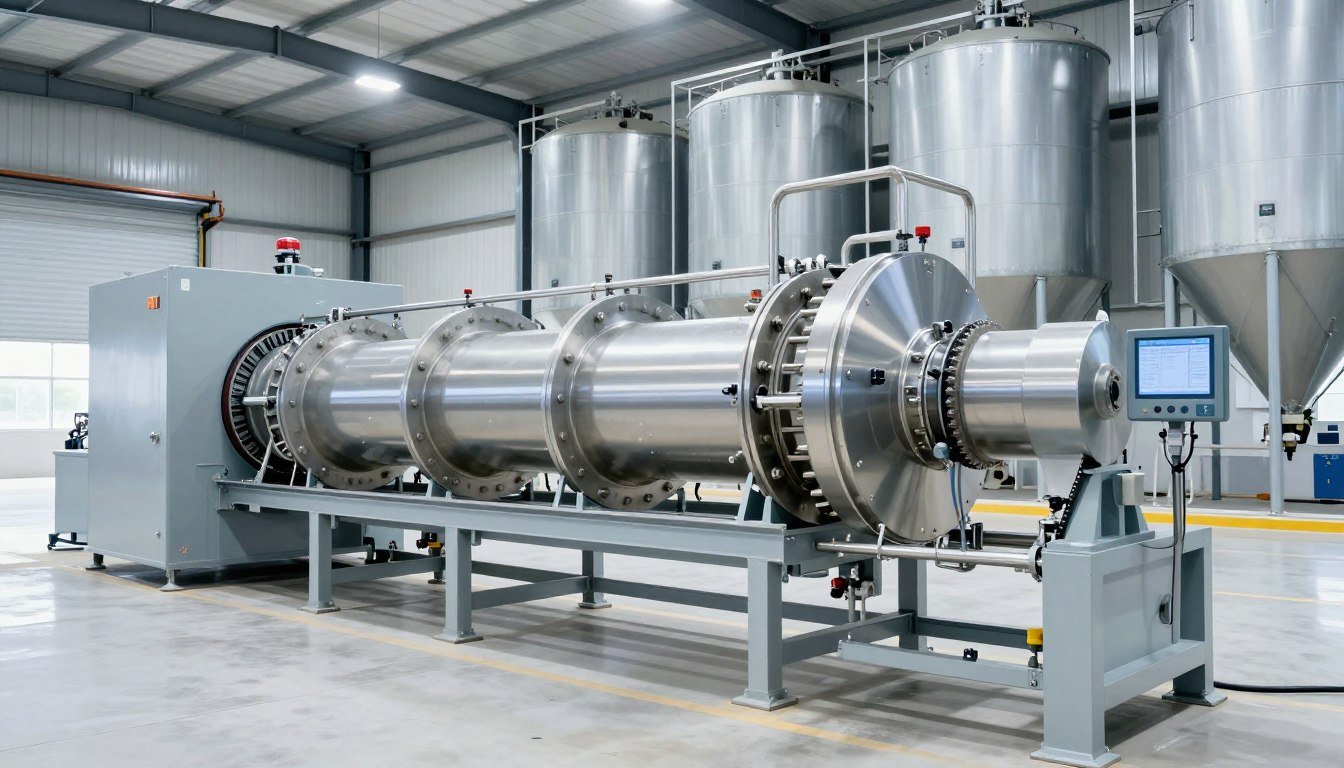
Management decided to add pelletizing capacity in mid-2021. After evaluating options, they selected a MAIKONG 420-millimeter ring die system producing 2.5 tons per hour. The installation included a double-stage conditioner for challenging formulations, a counterflow cooler, and automated packaging equipment. Total project cost reached 2.85 million Rand.
Operational results exceeded projections. The system reliably produces 380 to 420 tons monthly depending on product mix. Pelleted feed commands 650 to 850 Rand per ton premium over equivalent mash products. Customer retention improved measurably as farmers appreciated consistent pellet quality. New customers attracted by the pelleted feed offering increased overall sales volume by 18 percent within 12 months.
Financial performance justified the investment quickly. Premium pricing on 400 tons monthly generates 260,000 to 340,000 Rand additional revenue. Pelleting costs including labor, energy, and maintenance total approximately 85,000 Rand monthly. Net monthly contribution reaches 175,000 to 255,000 Rand, producing payback in 11 to 16 months depending on product mix. The expanded customer base created additional value beyond direct pelleting margins.
Case Study Three: Integrated Pig Production in Mpumalanga
Highveld Pork Production manages 2,800 sows plus growing and finishing facilities in Mpumalanga. This vertically integrated operation breeds pigs, raises them to market weight, and operates a small processing facility. Feed represents their largest operational expense. Management sought maximum control over feed quality and cost.
In late 2020, the company commissioned a complete feed production line including grain receiving, storage, grinding, mixing, and pelleting. The core pelletizer system featured dual MAIKONG 508-millimeter ring die mills, each capable of 4 tons per hour. This redundancy ensures continuous operation even during maintenance. Total project investment reached 8.7 million Rand for the complete installation.
Operational achievements exceeded all targets. Average pellet production reaches 185 tons per week, meeting all farm requirements with capacity for outside sales. Feed waste declined from 19 percent with purchased mash to 4 percent with on-farm pellets. Average daily gains across all growing categories improved by 11 to 14 percent. Feed conversion ratios improved by an average of 0.35 points.
Economic analysis demonstrated exceptional value. Ingredient purchasing power and formulation flexibility reduced feed cost by 1,250 Rand per ton compared to commercial purchases. Weekly savings of 231,250 Rand on 185 tons accumulate to over 12 million Rand annually. The installation paid for itself in 8.7 months. Subsequent years deliver full savings as ongoing contributions to profitability. The operation now considers expanding to supply other producers in the region.
Small Farm Success Factors
- Right-sized equipment matching daily production needs
- Simple operation suitable for farm staff training
- Local technical support for rapid problem resolution
- Flexibility to adjust formulations based on ingredient availability
- Rapid payback from waste reduction and improved FCR
Commercial Scale Success Factors
- Robust equipment designed for continuous operation
- Automation reducing labor requirements per ton
- Product differentiation creating competitive advantages
- Customer retention through consistent quality
- Revenue growth from expanded market reach
Common Success Factors Across All Implementations
Analysis of these case studies plus dozens of other MAIKONG installations across South Africa reveals consistent success factors. Proper sizing of equipment to match operational scale prevents over-investment while ensuring adequate capacity. Undersized systems create bottlenecks and frustration. Oversized equipment wastes capital and creates operational inefficiencies.
Comprehensive training ensures confident, competent operation from day one. MAIKONG provides minimum 40 hours of on-site training covering operation, maintenance, troubleshooting, and safety. This investment in operator competence pays dividends through reduced downtime and optimal pellet quality. Farms attempting to operate complex machinery without adequate training experience frustrating startup periods and suboptimal results.
Local technical support provides critical assistance during the learning curve and throughout operational life. MAIKONG maintains technical staff throughout South Africa, ensuring rapid response when questions or issues arise. WhatsApp support connects operators with experienced technicians within minutes for most questions. This support network prevents minor issues from escalating into extended downtime.
Join Successful South African Pig Farmers Using MAIKONG Pelletizers
From small farms in KwaZulu-Natal to commercial operations in Western Cape, MAIKONG pellet machines deliver proven results across South Africa. Our systems reduce waste, improve growth rates, and strengthen profitability for operations of every scale. Let us design a customized solution for your pig farming operation, backed by our 20 years of African agricultural experience.
Comprehensive Cost Analysis and Return on Investment
Financial viability determines whether pelletizer investment makes sense for specific operations. Accurate cost analysis considers initial capital, operational expenses, and quantifiable benefits. Understanding ROI timelines helps farmers make confident investment decisions.
Initial Capital Investment Components
Equipment costs vary substantially based on capacity and configuration. Small flat die systems suitable for 50 to 200 pig operations cost 180,000 to 350,000 Rand complete. These systems include the pelletizer, motor, basic cooler, and necessary structural support. Medium flat die or small ring die systems for 200 to 600 pig operations range from 420,000 to 950,000 Rand. Large commercial ring die installations exceed 2 million Rand for capacity above 2 tons per hour.
Ancillary equipment adds to total investment but provides essential functionality. Hammer mills for grinding cost 65,000 to 180,000 Rand depending on capacity. Horizontal mixers range from 85,000 to 250,000 Rand. Bucket elevators, surge bins, and conveyors add 120,000 to 450,000 Rand based on system complexity. Complete installations may require 50 to 120 percent more than the pelletizer alone when starting from raw ingredients.
Installation costs including electrical work, structural support, and commissioning typically add 12 to 18 percent to equipment costs. Smaller systems on the lower end, complex installations on the higher end. Working capital for initial ingredient inventory adds another consideration. Most operations require 2 to 3 weeks of ingredient inventory, representing 25,000 to 250,000 Rand depending on scale.
| Operation Size | System Type | Equipment Cost | Installation Cost | Ancillary Equipment | Total Investment |
| 50-150 pigs | Small Flat Die | 180,000-280,000 | 25,000-45,000 | 95,000-165,000 | 300,000-490,000 |
| 150-400 pigs | Medium Flat Die | 320,000-480,000 | 45,000-75,000 | 185,000-320,000 | 550,000-875,000 |
| 400-1,000 pigs | Small Ring Die | 850,000-1,450,000 | 120,000-210,000 | 420,000-720,000 | 1,390,000-2,380,000 |
| 1,000-2,500 pigs | Medium Ring Die | 1,950,000-3,200,000 | 280,000-480,000 | 850,000-1,350,000 | 3,080,000-5,030,000 |
| 2,500+ pigs | Large Ring Die | 4,200,000-7,500,000 | 550,000-950,000 | 1,800,000-3,200,000 | 6,550,000-11,650,000 |
Operational Cost Structure
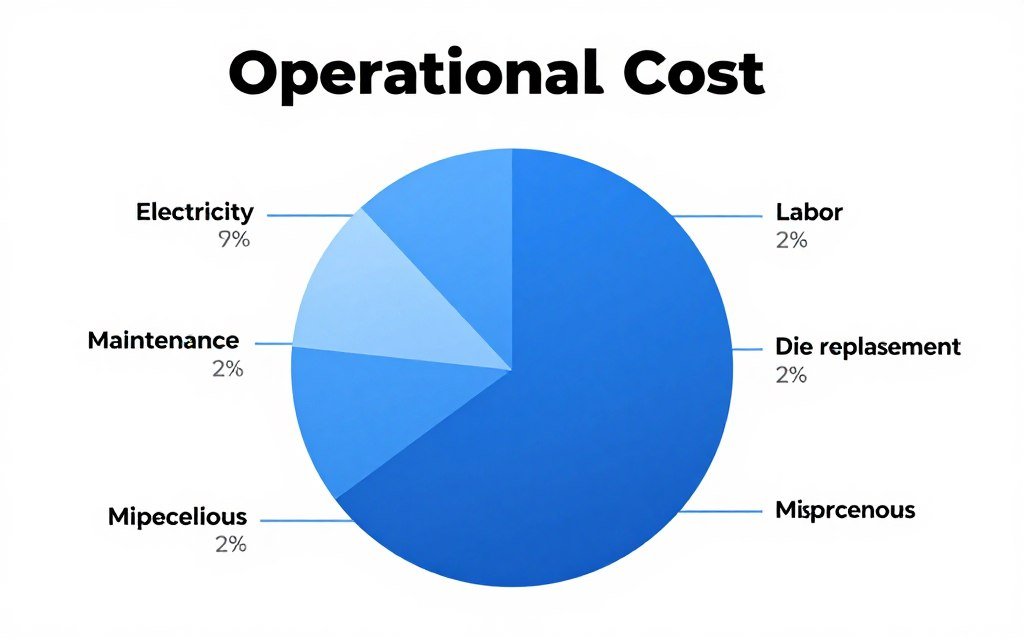
Ongoing expenses determine whether systems remain economically viable long-term. Electrical consumption represents the largest variable operational cost. Small flat die systems consume 18 to 25 kilowatt-hours per ton of pellets produced. Ring die systems improve efficiency to 15 to 20 kilowatt-hours per ton. At South African electricity rates averaging 2.20 Rand per kilowatt-hour, energy costs range from 33 to 55 Rand per ton produced.
Labor requirements scale with production volume and automation level. Small systems operated intermittently require 0.3 to 0.5 labor hours per ton including setup, operation, and cleanup. Larger automated systems reduce this to 0.1 to 0.2 hours per ton. At average agricultural labor rates of 65 to 85 Rand per hour, labor costs add 7 to 43 Rand per ton depending on scale and automation.
Maintenance and parts consumption follows predictable patterns. Dies require replacement every 300 to 1,200 tons depending on quality and ingredient abrasiveness. Die costs range from 8,500 to 35,000 Rand depending on size. Rollers last 1,500 to 3,000 tons, costing 12,000 to 45,000 Rand per set. Routine maintenance items including bearings, belts, and lubricants add 8 to 15 Rand per ton. Total maintenance costs typically range from 25 to 45 Rand per ton across equipment life.
Quantifiable Benefits and Savings
Waste reduction generates the most immediate and measurable savings. Reducing waste from 22 percent to 5 percent means 17 percent more feed actually nourishes pigs. On a 100-ton monthly consumption operation, this represents 17 tons of saved feed worth 93,500 Rand monthly at 5,500 Rand per ton. Annual savings from waste reduction alone reach 1,122,000 Rand for this operation.
Improved feed conversion ratios compound savings significantly. Reducing FCR from 3.2:1 to 2.8:1 means each pig requires 36 fewer kilograms of feed to reach 100 kilograms market weight. For an operation marketing 1,200 pigs annually, this represents 43,200 kilograms or 43.2 tons of saved feed. At 5,500 Rand per ton, annual savings reach 237,600 Rand from FCR improvement alone.
Faster growth rates improve facility utilization and cash flow. Reducing days to market by 15 days increases annual production capacity by approximately 10 percent without facility expansion. An operation previously marketing 1,200 pigs annually can now market 1,320 pigs using existing facilities. Additional revenue of 120 pigs at 3,200 Rand per pig generates 384,000 Rand annually.
Ingredient purchasing flexibility offers variable savings. Farmers buying complete commercial feed pay premiums for convenience, packaging, and distribution. Producing feed on-farm from bulk ingredients typically reduces cost by 1,000 to 1,800 Rand per ton. A 100-ton monthly operation saves 100,000 to 180,000 Rand monthly or 1,200,000 to 2,160,000 Rand annually from ingredient optimization.
Return on Investment Timelines
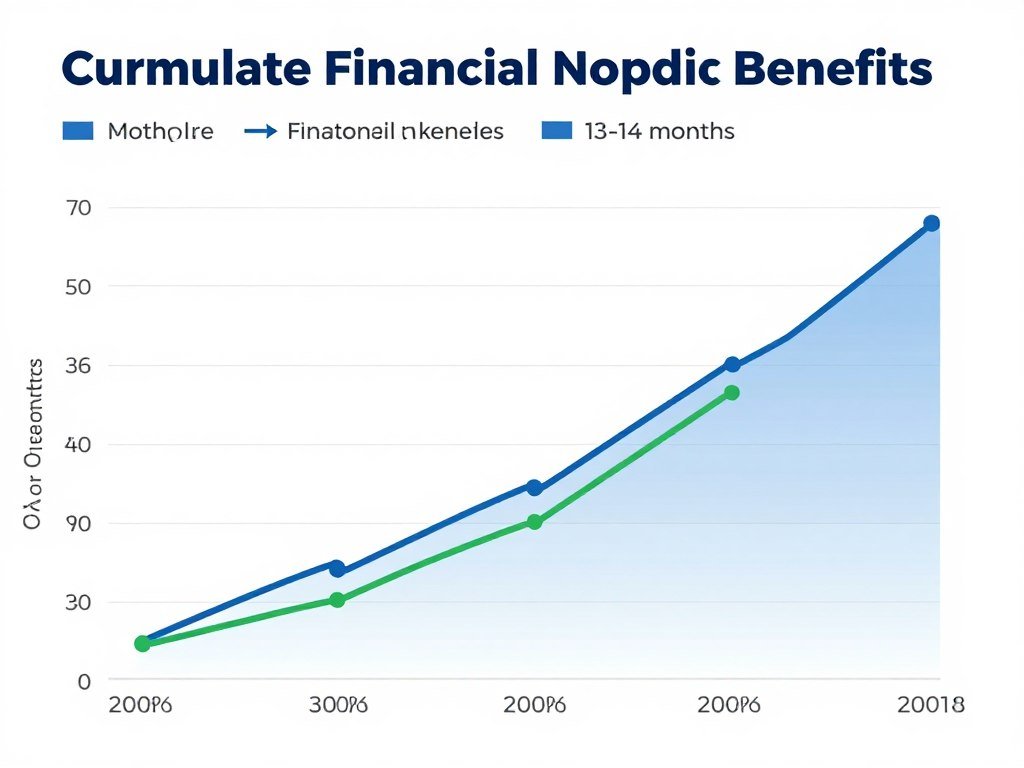
Combining all factors reveals compelling ROI for most operations. A small 150-pig farm investing 400,000 Rand in a complete system saves approximately 28,000 Rand monthly from combined waste reduction, FCR improvement, and ingredient savings. Simple payback occurs in 14.3 months. Internal rate of return exceeds 65 percent annually over 7-year equipment life.
Medium-scale operations of 500 pigs investing 1,800,000 Rand save approximately 135,000 Rand monthly. Payback extends to 13.3 months with IRR exceeding 70 percent. Large operations investing 6,000,000 Rand to serve 2,000 pigs save 420,000 Rand monthly, achieving payback in 14.3 months and IRR of 68 percent. Consistent returns across scales demonstrate robust economic viability.
ROI Calculation Example: 500-Pig Operation
Initial Investment: 1,750,000 Rand (complete system)
Monthly Benefits:
- Waste reduction: 45,500 Rand (8.3 tons saved at 5,500/ton)
- FCR improvement: 18,900 Rand (3.4 tons saved at 5,500/ton)
- Ingredient savings: 64,000 Rand (1,250/ton × 51.2 tons produced)
- Growth rate value: 9,600 Rand (facility utilization improvement)
- Total Monthly Benefit: 138,000 Rand
Monthly Costs:
- Electricity: 2,050 Rand (40 Rand/ton × 51.2 tons)
- Labor: 770 Rand (15 Rand/ton × 51.2 tons)
- Maintenance: 1,540 Rand (30 Rand/ton × 51.2 tons)
- Total Monthly Cost: 4,360 Rand
Net Monthly Benefit: 133,640 Rand
Simple Payback: 13.1 months
Annual ROI: 92% (first year), 115% (subsequent years)
Financing Options for South African Farmers
Multiple financing pathways make pelletizer investments accessible. Traditional agricultural banks offer equipment loans with 15 to 25 percent down payment requirements. Interest rates range from prime plus 1.5 to 3.5 percent depending on borrower credit history. Loan terms extend to 5 or 7 years, matching equipment economic life reasonably well.
Land Bank and other agricultural development institutions offer favorable terms for qualifying farmers. Interest rates may be 0.5 to 1.5 percent below commercial banks. Repayment terms extend up to 10 years on qualifying projects. These programs specifically support infrastructure investments that improve agricultural productivity and food security.
Supplier financing through MAIKONG provides additional flexibility. Qualified purchasers can arrange payment terms directly with equipment delivery and installation. Down payments as low as 20 percent combined with 12 to 36 month payment schedules align costs with benefit realization. Interest rates remain competitive with agricultural banks while simplifying the financing process.
MAIKONG: Your Trusted South African Pelletizer Partner
MAIKONG brings over 20 years of specialized experience in pelletizer design, manufacturing, and support to South African agriculture. Our journey began in 2003 with a mission to make efficient feed pellet production accessible to farmers of all scales. Today, we serve operations across South Africa and throughout the African continent.
Manufacturing Excellence and Quality Standards
Our South African manufacturing facility maintains rigorous quality standards throughout production. Raw materials undergo incoming inspection before entering the manufacturing process. Critical components like die rings and rollers receive heat treatment and hardening following aerospace-grade protocols. This attention to metallurgy ensures extended operational life even under demanding African conditions.
Assembly procedures follow documented work instructions refined over two decades. Each major component undergoes intermediate inspection before integration into complete systems. Finished machines run no-load tests for minimum 4 hours to verify smooth operation and identify any assembly issues. Load testing with actual feed materials validates performance specifications before shipment.
Quality certifications demonstrate our commitment to excellence. MAIKONG maintains ISO 9001 certification for quality management systems. Our electrical components meet IEC safety standards. Structural designs comply with South African engineering standards. These certifications provide customers confidence in both product quality and operational safety.
Comprehensive Product Range
MAIKONG offers complete solutions across the full spectrum of pelletizing requirements. Our feed pellet machine line includes flat die models from 120 to 400 millimeters diameter, suitable for small farms to medium cooperatives. Ring die systems span 250 to 508 millimeters, serving commercial operations and large integrated producers. Each model family offers multiple configuration options to match specific needs precisely.
Beyond pig feed applications, our wood pellet machine range serves biomass energy production. These specialized units handle high-lignin materials including sawdust, wood chips, and agricultural residues. South African farms producing wood pellets for heating or export benefit from our robust designs optimized for abrasive fibrous materials.
Fertilizer pellet machines address organic and compound fertilizer production. These systems manage sticky, moisture-sensitive materials that challenge standard designs. Agricultural operations producing compost or organic fertilizer pellets for own use or commercial sale rely on our fertilizer-specific technology.
Feed Pellet Machines
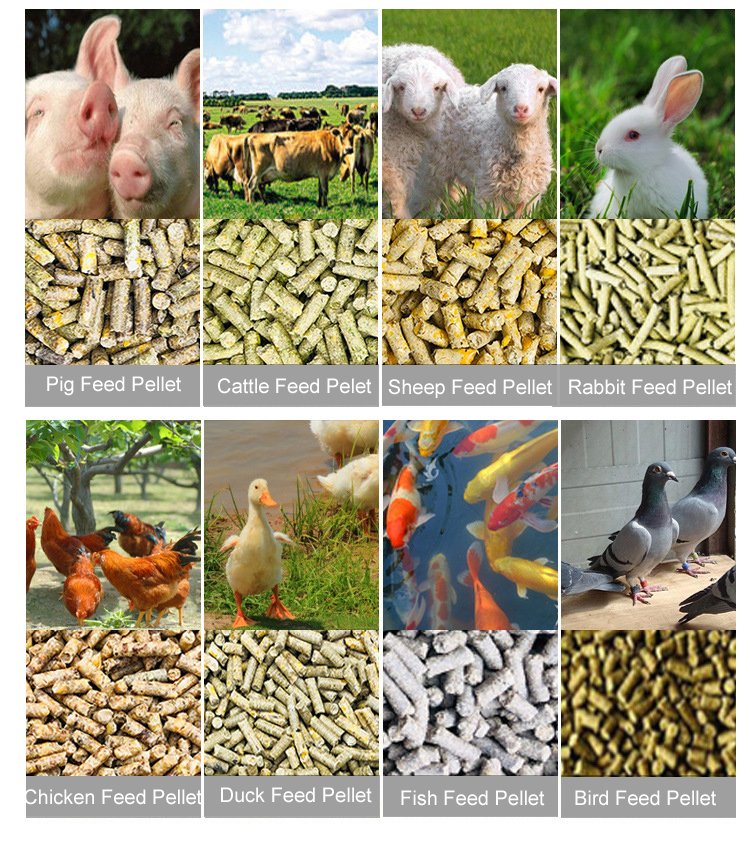
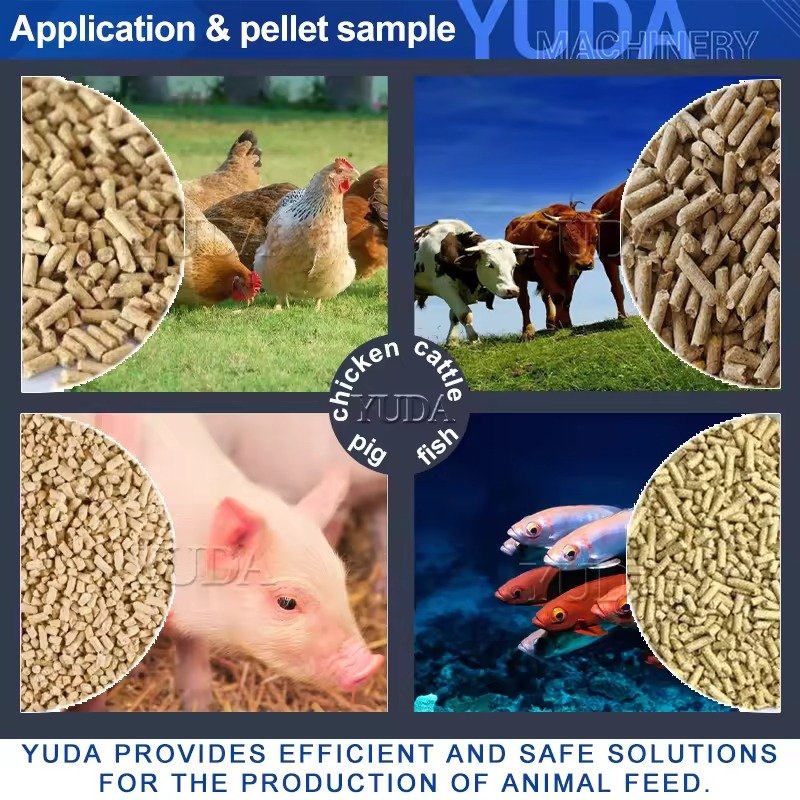
Specialized for animal feed production across all livestock categories. Optimized die designs for poultry, pig, cattle, sheep, and aquaculture feeds. Capacity range: 50 kg/hr to 5 tons/hr.
Wood Pellet Machines
Designed for biomass energy pellet production from forestry and agricultural residues. High-compression designs for dense, durable fuel pellets. Capacity range: 200 kg/hr to 4 tons/hr.
Fertilizer Pellet Machines
Engineered for organic and compound fertilizer pelletizing. Corrosion-resistant materials for challenging formulations. Capacity range: 300 kg/hr to 3 tons/hr.
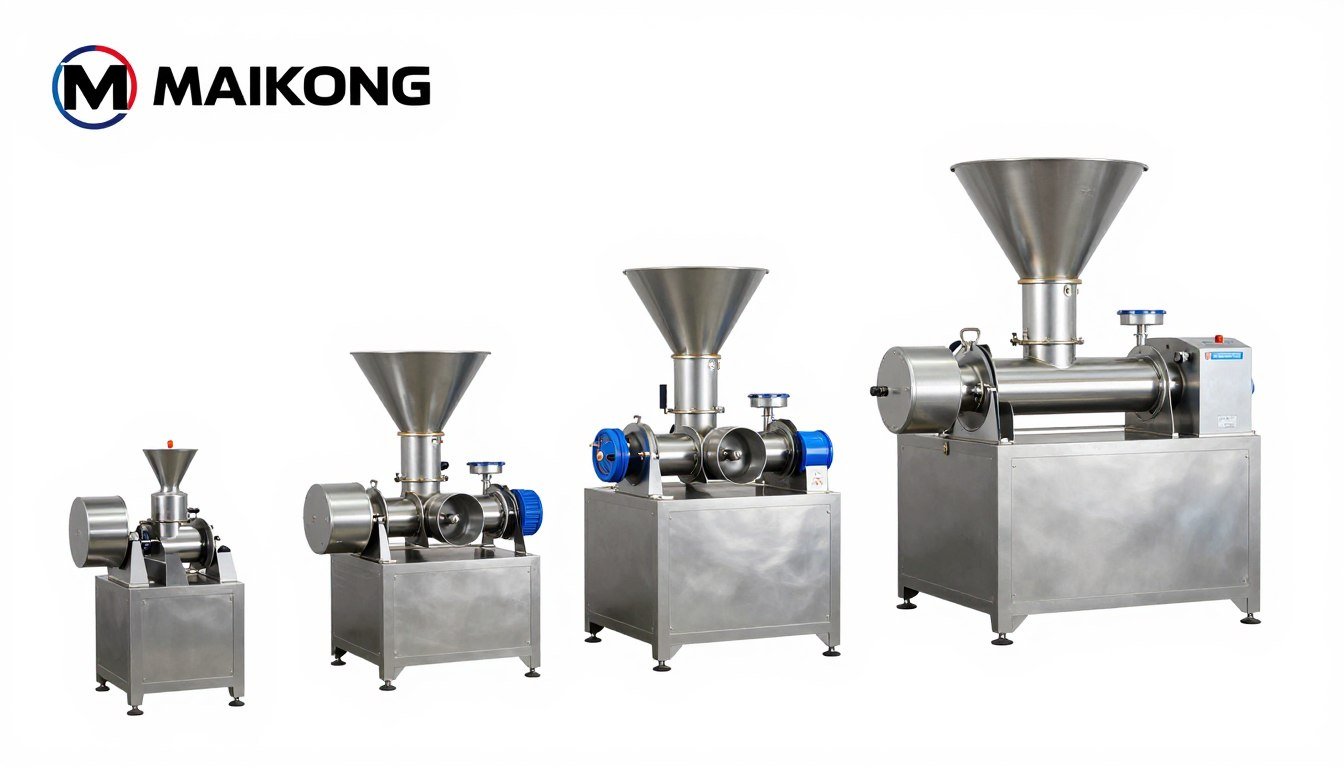
Customization Capabilities
Standard machines serve many applications excellently, but unique situations benefit from customization. MAIKONG offers extensive modification capabilities matching equipment to specific requirements. Capacity adjustments through motor and die changes accommodate growing operations or seasonal variation. Control system upgrades integrate with existing farm automation or add advanced features like remote monitoring.
Appearance customization helps distributors and branded operations maintain visual consistency. Custom paint colors, logo placement, and equipment labeling integrate pelletizers into broader branding strategies. These modifications carry no minimum order quantities, supporting even single-unit purchases.
Technical customization addresses unusual ingredients, extreme environmental conditions, or integration with existing systems. Our engineering team consults on motor sizing for constrained electrical supplies, material selection for corrosive ingredients, and control logic for automated production sequences. South African operations appreciate our willingness to adapt equipment rather than forcing adaptation of operations to equipment.
South African Technical Support Network
Local technical support differentiates MAIKONG from importers offering equipment without African presence. Our South African support team includes factory-trained technicians stationed strategically across major agricultural regions. Gauteng, Western Cape, KwaZulu-Natal, and Eastern Cape all have dedicated support personnel within driving distance of most customers.
WhatsApp technical support provides immediate access to expertise. Text, photo, or video communication allows technicians to diagnose issues remotely in most cases. Response times average 15 to 30 minutes during business hours, 2 to 4 hours after hours. This rapid access prevents minor issues from causing extended downtime. Our dedicated technical WhatsApp line (+86-15815556422) connects directly to experienced personnel.
On-site service visits handle situations requiring physical presence. Emergency service reaches most South African locations within 24 to 48 hours. Scheduled maintenance and training visits are arranged at customer convenience. All service vehicles carry common spare parts, allowing immediate resolution of frequent issues without ordering delays.
Partnership and Distribution Opportunities
MAIKONG actively seeks qualified partners to expand our South African presence. Authorized distributors receive territorial protection, attractive margins, and comprehensive support. Technical training ensures distributor staff can service customers competently. Marketing support including literature, website content, and lead referrals helps partners build successful pelletizer businesses.
OEM partnerships allow established agricultural equipment brands to offer pelletizers under their own branding. MAIKONG manufactures to partner specifications with private labeling, custom colors, and proprietary control systems. Minimum order quantities remain accessible for growing brands, starting at 3 to 5 units depending on model complexity.
Cooperative purchasing programs benefit agricultural cooperatives and farmer associations. Group purchasing delivers economies of scale while allowing individual farmer ownership. MAIKONG coordinates multi-unit orders with staggered delivery, consolidated training, and shared parts inventory arrangements. These programs have successfully established feed production capacity for cooperatives across South Africa.
Become a MAIKONG Authorized Partner
Established agricultural equipment distributor looking to expand your product portfolio? Join our growing South African dealer network. We offer competitive margins, full technical training, marketing support, and priority parts inventory. Our partnership model has helped numerous distributors build profitable pelletizer businesses serving local farming communities.
Training and Knowledge Transfer
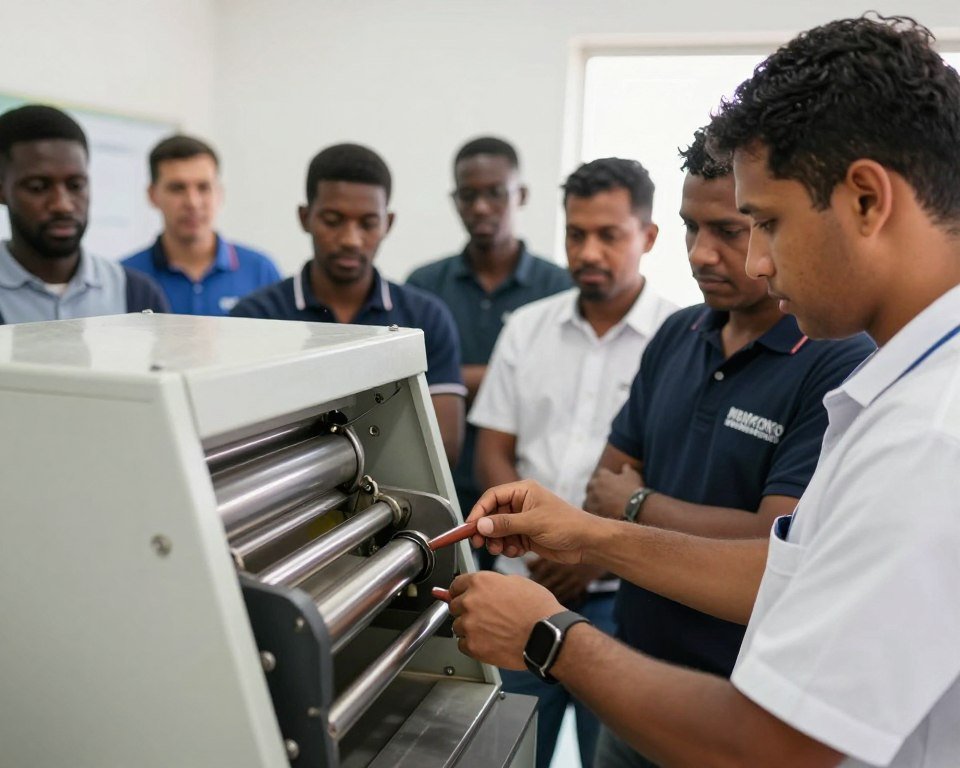
Equipment investment without operator competence wastes money and creates frustration. MAIKONG provides comprehensive training with every installation. Initial training spans 3 to 5 days covering operation, maintenance, troubleshooting, and safety. Classroom sessions explain theoretical principles. Hands-on practice builds practical skills. Operators complete training confidently capable of independent operation.
Maintenance training for farm staff or dedicated technicians ensures long-term operational success. This specialized 2 to 3 day program covers bearing replacement, die and roller changing, belt tensioning, electrical troubleshooting, and preventive maintenance scheduling. Participants practice procedures on actual equipment, building competence through repetition under supervision.
Ongoing knowledge resources support continuous improvement. MAIKONG provides detailed operation and maintenance manuals in English. Video tutorials demonstrate common procedures and troubleshooting steps. Quarterly technical bulletins share best practices and address emerging questions. This knowledge infrastructure ensures customers extract maximum value from their pelletizer investments.
Frequently Asked Questions About Pig Feed Pelletizers
What minimum pig herd size justifies purchasing a pelletizer?
Economic analysis suggests operations with 50 or more growing pigs benefit from on-farm pelletizing. Smaller operations face longer payback periods but still achieve positive returns if pigs represent long-term farming plans. The key factor is daily feed consumption rather than animal count specifically. Operations using 150 to 200 kilograms or more of feed daily generally justify the investment. Calculate your specific situation by comparing current feed costs against projected savings from waste reduction, improved FCR, and ingredient purchasing flexibility.
Can I produce different types of feed with one pelletizer?
Yes, a single pelletizer handles multiple feed formulations effectively. Most pig farmers produce 2 to 4 different feeds addressing different growth stages. Die size changes allow optimization for each feed type. A 3-millimeter die suits nursery pigs, while 6-millimeter works better for finishers. Die changes require 20 to 40 minutes depending on machine size and operator experience. Many farmers operate with a single die size if formulation differences are primarily nutritional rather than physical. The same equipment also produces poultry, cattle, or sheep feeds if you diversify livestock operations.
What electrical requirements do pelletizers have in South African conditions?
Small flat die systems require single-phase or three-phase 220V supply with 30 to 60 amp capacity. Larger systems need three-phase 380V supply. Ring die mills above 1 ton per hour capacity typically require three-phase 380V with 100 to 400 amp capacity depending on motor size. South African power quality sometimes challenges sensitive electronics. MAIKONG systems include voltage regulation and protection against typical power fluctuations. Solar-powered farms should account for 20 to 30 percent margin above rated motor power to handle startup surges. Our technical team can assess your specific electrical supply and recommend appropriate equipment or necessary upgrades.
How long do dies and rollers last before replacement?
Die life depends on ingredient abrasiveness and production volume. Standard alloy steel dies last 300 to 500 tons of production. Premium stainless steel or hardened dies extend life to 800 to 1,200 tons. Ingredients high in minerals or silica wear dies faster. Rollers typically outlast dies by 3 to 5 times, requiring replacement every 1,500 to 3,000 tons. A 500-pig operation producing 50 tons monthly would replace standard dies every 6 to 10 months, premium dies every 16 to 24 months. Proper die maintenance including regular cleaning and avoiding foreign object damage maximizes life. MAIKONG stocks replacement dies and rollers for all models with 24 to 48 hour delivery to most South African locations.
Can I use second hand pelletizer machines to reduce initial investment?
The used pelletizer market offers potential savings but carries risks. Key concerns include unknown maintenance history, worn components requiring immediate replacement, obsolete parts difficult to source, and lack of warranty or support. If considering second hand plastic pelletizer machines for sale or similar used equipment, have an experienced technician inspect thoroughly before purchase. Check roller and die condition, bearing play, gearbox noise, and structural integrity. Many farmers spend 40 to 60 percent of used equipment cost on immediate repairs and upgrades. New equipment from MAIKONG includes comprehensive warranty, full support, and predictable operational costs. Financing options make new equipment accessible with manageable payments aligned to cash flow benefits.
What maintenance schedule should I follow?
Daily maintenance includes lubrication point checks, visual inspection, and cleaning accumulated dust. Allocate 15 to 20 minutes before starting production. Weekly tasks add belt tension verification, roller gap measurement, and cooling system cleaning, requiring 30 to 45 minutes. Monthly maintenance includes bearing temperature monitoring, gear oil level checks, and electrical connection inspection, totaling 1 to 2 hours. Every 500 tons of production requires die inspection and possible replacement, roller condition assessment, and gearbox oil change. Annual major service includes complete bearing replacement or inspection, motor service, control system verification, and structural inspection. MAIKONG provides detailed maintenance schedules specific to each model. Following these schedules prevents 85 to 90 percent of unplanned downtime according to our service records.
How does pelletizer machine location within the farm affect operation?
Location impacts operational efficiency, safety, and convenience significantly. Position near ingredient storage to minimize material transport distance. Adequate ventilation reduces dust accumulation and heat buildup. Electrical supply should be within 20 meters to avoid excessive cable runs and voltage drop. Roof coverage protects equipment from weather while allowing air circulation. Concrete floor provides stable mounting and easy cleaning. Position away from pig housing to prevent dust contamination of living areas. Allow 3 to 5 meters clearance around equipment for maintenance access and material handling. Consider future expansion when selecting location. MAIKONG provides facility planning assistance including layout recommendations, electrical requirements, and ventilation design as part of our installation service.
What happens if I cannot source my normal ingredients?
Feed formulation flexibility represents a major pelletizer advantage. When specific ingredients become unavailable or expensive, reformulate using alternatives. Maize substitutes include wheat, sorghum, or barley in most pig feeds. Soya oilcake alternatives include sunflower cake, canola meal, or combinations with synthetic amino acids. Pelletizers handle ingredient variations better than commercial feed mills locked into specific formulations. Work with an animal nutritionist when making major formulation changes to maintain nutritional adequacy. MAIKONG can recommend die adjustments if alternative ingredients significantly change physical characteristics. South African farmers successfully use seasonal ingredients like harvested crop residues, maintaining production through supply disruptions that halt operations dependent on commercial feeds.
Do pelletizers work with medicated or therapeutic feeds?
Yes, pelletizers successfully incorporate medications and therapeutic additives. The pelleting process distributes medications uniformly throughout each pellet, ensuring consistent dosing. Heat during pelleting may affect some medications. Use heat-stable formulations or post-pelleting application for heat-sensitive compounds. Antibiotics, coccidiostats, growth promoters, and probiotics all pellet successfully with proper selection. Cleaning between medicated batches prevents cross-contamination. Flush with 50 to 100 kilograms of non-medicated feed after medicated production. Document medicated production carefully to meet South African veterinary medicine regulations. Consult your veterinarian and animal nutritionist when formulating medicated feeds. MAIKONG equipment supports compliant medicated feed production for on-farm use.
Can I add a pelletizer to existing mixing equipment?
Absolutely. Many farms already own mixers and grinders, needing only the pelleting system itself. Evaluate existing equipment capacity to ensure compatibility. Mixer should handle batches of 200 to 500 kilograms for small pelletizers, 500 to 1,500 kilograms for medium systems. Grinder capacity should match or exceed pelletizer production rate with appropriate particle size. Add a conditioner and cooler along with the pelletizer for complete functionality. MAIKONG designs integration solutions matching pelletizers to existing equipment. This approach reduces total investment by 30 to 45 percent compared to complete new systems. We assess your current equipment during consultation and recommend optimal integration approaches.
What training do operators need before running a pelletizer?
Operators require both theoretical knowledge and practical skills. Theory covers pelletization principles, ingredient characteristics, quality indicators, and safety protocols. Practical training develops startup procedures, operating adjustments, quality assessment, routine maintenance, and troubleshooting skills. Total training time ranges from 20 to 40 hours depending on prior experience and machine complexity. Farm staff with mechanical aptitude and livestock feeding experience learn quickly, often becoming proficient within one week. MAIKONG includes comprehensive training with every installation. We continue supporting operators through their learning curve with phone and WhatsApp assistance. Written manuals and video resources reinforce training. Most operators achieve independent, confident operation within 2 to 3 weeks of installation.
How do I know what capacity pelletizer my operation needs?
Calculate daily feed requirements first. Count growing pigs and their daily consumption (approximately 2.5 kilograms per pig from 25 to 100 kilograms weight). Multiply pig count by individual consumption to determine daily total. Add 10 to 15 percent for waste and variability. Decide how many hours daily you want to operate the pelletizer. Most farms prefer 4 to 6 hours, allowing morning or afternoon production without consuming the entire day. Divide daily requirement by desired operating hours to determine needed production rate. A 400-pig operation consuming 1,000 kilograms daily operating 5 hours needs a 200 kilogram per hour machine minimum. Choose slightly larger capacity providing margin for growth or operational flexibility. MAIKONG’s technical team can calculate precise requirements during consultation, ensuring optimal equipment sizing.
Taking the Next Step Toward Efficient Pig Feed Production
Feed waste, inconsistent growth rates, and high feed costs challenge every pig farmer in South Africa. Traditional mash feeding systems perpetuate these problems, draining profitability while limiting growth potential. The evidence from research, case studies, and thousands of operating hours demonstrates that pelletized feeding systems solve these fundamental challenges effectively.
Waste reduction alone justifies investment for most operations. Cutting waste from 22 percent to 5 percent translates directly to bottom-line savings. Every rand previously lost to wind, selective feeding, and moisture damage instead contributes to pig growth and farm profitability. Improved feed conversion ratios compound these savings, reducing the total feed required per kilogram of pork produced.
Faster growth rates improve facility utilization and cash flow. Marketing pigs 12 to 18 days earlier increases annual production without facility expansion. This efficiency gain helps growing operations scale up gradually, using existing facilities more intensively before investing in new housing.
Technical complexity concerns often delay decisions. Modern pelletizer machinery has evolved significantly from early designs. Today’s equipment operates reliably with proper training and reasonable maintenance. MAIKONG’s commitment to comprehensive training and local technical support eliminates the uncertainty that once accompanied pelletizer adoption. Farmers throughout South Africa operate these systems successfully, including first-time users without prior industrial equipment experience.
Financial analysis confirms viability across operation sizes. Small farms achieve payback in 12 to 18 months. Larger operations see even faster returns due to economies of scale. Multiple financing options make initial investment manageable, aligning payments with realized benefits. The question shifts from whether to invest to when to invest.
Choosing the right equipment partner matters tremendously. Equipment represents only part of the value. Technical support, training quality, parts availability, and long-term partnership determine ultimate success. MAIKONG’s 20-year history serving African agriculture, combined with local South African presence, ensures you receive not just equipment but a complete support ecosystem.
Customization capabilities mean equipment adapts to your operation rather than forcing operational changes around equipment limitations. From capacity sizing to ingredient accommodation to integration with existing equipment, MAIKONG designs solutions fitting specific situations. This flexibility benefits both small family farms and large commercial operations equally.
The path forward begins with assessment. Evaluate your current feed consumption, waste levels, and costs. Calculate potential savings from waste reduction and FCR improvement. Compare current feed expenses against projected costs with on-farm production. This analysis typically reveals compelling opportunities for profitability improvement.
Contact MAIKONG for detailed consultation. Our South African technical team understands local conditions, ingredient availability, and operational challenges. We provide honest assessments of whether pelletizing suits your situation. Not every operation benefits equally, and we will clearly explain the economics specific to your circumstances.
Visit operating installations when possible. Seeing equipment in actual production environments, talking with current users, and observing real-world performance builds confidence. MAIKONG can arrange farm visits with existing customers who welcome sharing their experiences. This direct exposure often answers questions that specifications and literature cannot address.
Ready to Reduce Waste and Boost Pig Growth?
MAIKONG is your trusted South African partner for proven pelletizer technology. Contact us today for a customized solution tailored to your pig farming operation. Our 20 years of experience serving African farmers, combined with local technical support and comprehensive training, ensures your success from day one. Join hundreds of South African farmers already benefiting from reduced waste, improved growth rates, and strengthened profitability.
Call or WhatsApp:
Technical Support WhatsApp:
Additional Resources
- Website: pelletmachine.co.za
- About MAIKONG: Company Profile and History
- Contact Page: Multiple Contact Options
- Feed Pellet Machines: Complete Product Range
- Animal Feed Solutions: Specialized Animal Feed Equipment
- South African Availability: Equipment for Sale in South Africa
Your journey toward more profitable pig farming begins with a simple conversation. Whether you operate a small family farm or a large commercial operation, MAIKONG has solutions tailored to your specific needs. Our team looks forward to helping you achieve the waste reduction, growth improvements, and profitability gains that hundreds of South African farmers already enjoy. Contact us today.