
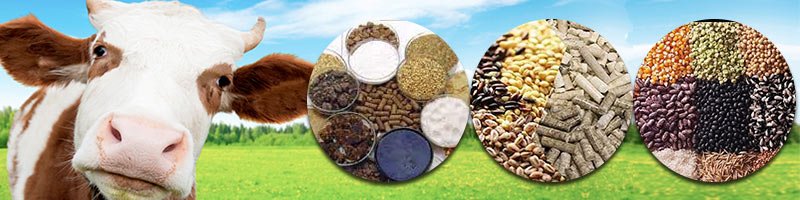
The answer lies in controlling your feed production. A reliable pelletizer transforms raw ingredients into uniform, nutritious pellets right on your farm. This guide cuts through the confusion. You will understand exactly which pelletizer matches your operation size, how to maximize pellet quality, and what ROI to expect.
MAIKONG brings over 20 years of pelletizing expertise to South African farms. Our feed pellet machines operate in small backyard operations through to industrial-scale production lines. We have installed systems from Cape Town to Limpopo. Your questions about capacity, safety, and reliability get answered here.
Questions about pelletizing? WhatsApp our SA team: +86 158 1555 6422
What Is a Pelletizer and How Does It Transform Raw Materials?
A pelletizer compresses loose raw materials into dense, cylindrical pellets. The machine forces ground ingredients through small holes in a rotating die. Friction generates heat during this process. The temperature rise causes starches to gelatinize. This binding effect creates firm, durable pellets that resist crumbling during handling and transport.
The core mechanism contains three critical components. First, the feeder delivers a steady flow of prepared material. Second, the press rollers push ingredients against the die. Third, a knife assembly cuts emerging pellets to uniform lengths. Each component affects final pellet quality.
Key Components That Determine Pelletizer Performance
The die represents the heart of any pelletizer. Two main types exist in the market. Flat dies suit smaller operations producing 100-500 kg per hour. Ring dies handle higher capacities from 500 kg to 20 tonnes per hour. MAIKONG machines use alloy steel dies hardened to HRC 55-60. This durability ensures 3000-5000 hours of operation before replacement.
Roller design impacts compression efficiency. Wider rollers increase the contact area with the die. This spreads the load and reduces wear. Our pellet machines feature tapered rollers. The design maintains even pressure distribution across the entire die surface.
Motor power determines the maximum throughput your pelletizer achieves. Undersized motors cause frequent overloads and shortened lifespan. MAIKONG engineers match motor capacity to your production requirements. Standard models range from 7.5 kW for small farms up to 132 kW for industrial feed mills.
Flat Die Pelletizers
Flat die systems work best for operations under 500 kg/hour. The simple design allows easy maintenance. Your farm staff can change dies without specialist tools.
- Lower initial investment (R 45,000 – R 85,000)
- Suitable for mixed livestock feed production
- Compact footprint for limited space
- Easy to learn operation for farm workers
Ring Die Pelletizers
Ring die configurations deliver higher capacities and superior pellet quality. Commercial feed mills rely on this technology. The vertical design reduces floor space requirements.
- Consistent pellet density for better durability
- Higher production rates (1-20 tonnes per hour)
- Better energy conversion efficiency
- Longer continuous operation periods
Critical Die Specifications
The die hole diameter controls final pellet size. Chicks require 2-3mm crumbles. Mature layers need 3-4mm pellets. Broilers perform best on 4-5mm pellets.
- Compression ratio affects pellet hardness
- Hole arrangement impacts throughput
- Stainless steel dies prevent contamination
- Heat treatment determines wear resistance
Roller Configuration Impact
Multiple roller designs suit different materials. Fibrous ingredients need aggressive roller patterns. Fine powders work better with smooth surfaces.
- Roller width affects pressing capacity
- Surface hardness determines lifespan
- Gap adjustment controls compression force
- Bearing quality impacts maintenance intervals
Understanding pelletizer machine functions helps you select the right model. Each component works together to create consistent pellets. MAIKONG equipment integrates precision engineering with practical farm requirements.
Complete Pelletizer Range: Feed, Biomass, Plastic & Fertilizer Applications
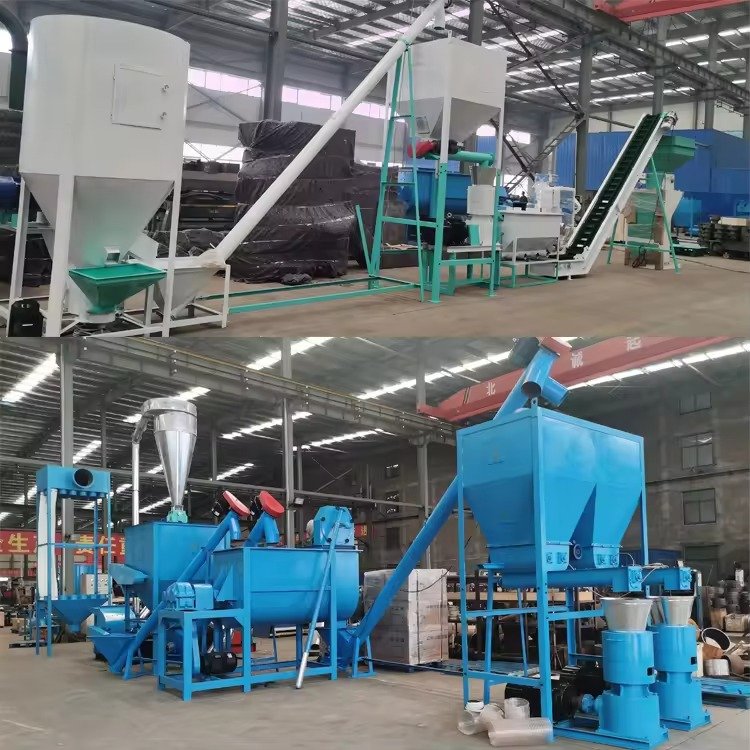
Different materials demand specialized pelletizing approaches. The die configuration that works perfectly for chicken feed fails with wood sawdust. MAIKONG manufactures four distinct pelletizer categories. Each addresses specific material characteristics and production goals.
Feed Pellet Machines: Poultry, Livestock & Aquaculture
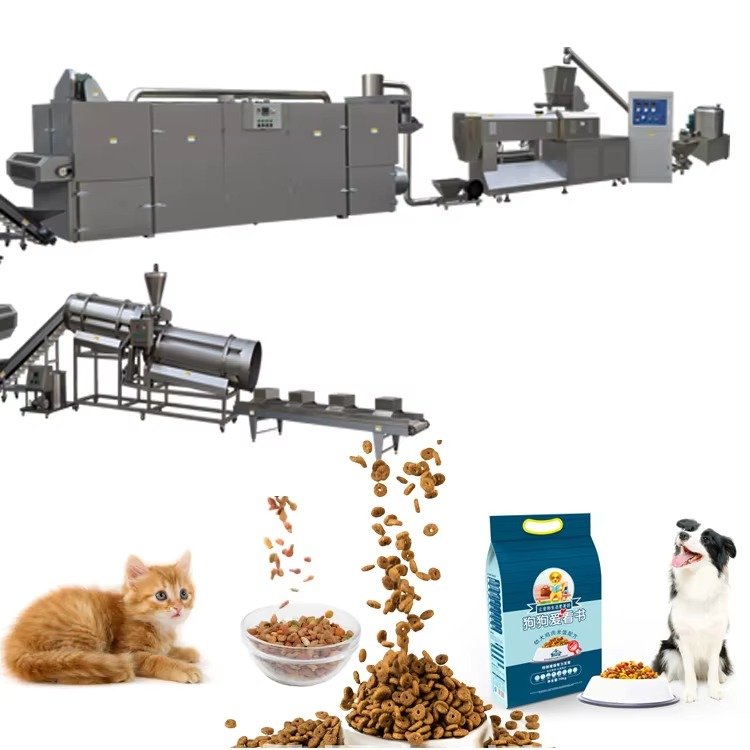
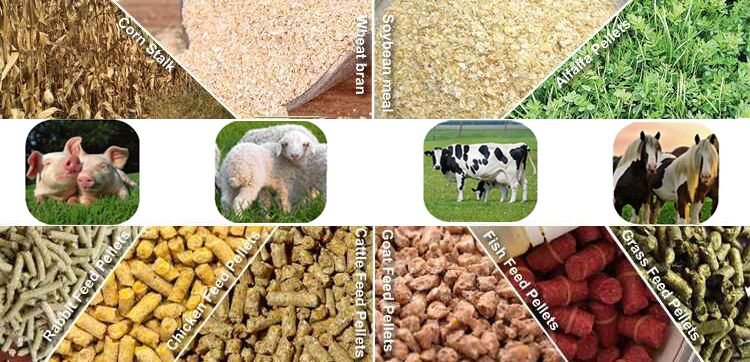
Our feed pellet machine range covers every livestock category. Poultry pellets require different specifications than cattle feed. The pellet size, density, and durability vary significantly between species.
Poultry Feed Pellet Machine
Specialized for chicken, duck, and turkey feed production. Creates crumbles for chicks and standard pellets for mature birds. The adjustable die system allows quick changes between pellet sizes.
- Capacity: 100 kg/h to 5 tonnes/h
- Pellet diameter: 2-5mm
- Power: 7.5-75 kW
- Produces durable pellets resisting breakage
Price range: R 48,000 – R 420,000 depending on capacity
Cattle & Ruminant Feed Pellet Machine
Designed for fibrous materials including lucerne, grass, and mixed rations. Handles higher moisture content than poultry equipment. Heavy-duty construction withstands continuous operation.
- Capacity: 500 kg/h to 10 tonnes/h
- Pellet diameter: 6-12mm
- Power: 22-132 kW
- Processes tough fibrous ingredients
Price range: R 125,000 – R 890,000 for industrial models
Floating Fish Feed Pelletizer
Creates buoyant pellets for tilapia, catfish, and ornamental fish. The expansion process incorporates air pockets. Farmers observe feeding behavior and adjust rations accurately.
- Capacity: 120-2000 kg/h
- Pellet diameter: 1-12mm (adjustable)
- Floating time: 12-24 hours
- Reduces waste and water pollution
Price range: R 68,000 – R 485,000 complete systems
Biomass Pellet Machines: Wood, Grass & Agricultural Waste
Converting biomass into fuel pellets provides renewable energy. South Africa generates millions of tonnes of agricultural waste annually. A wood pellet machine transforms this liability into valuable fuel.
Wood & Sawdust Pelletizers
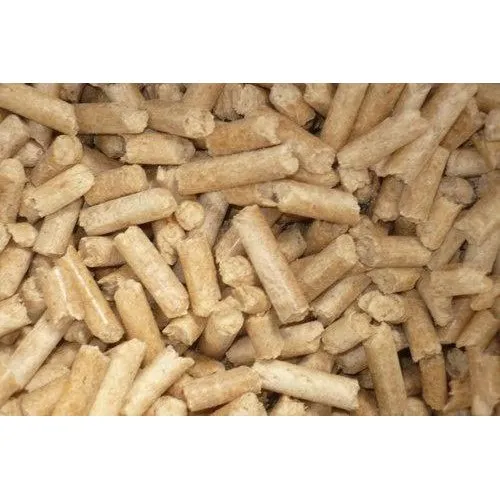
Sawmills discard enormous quantities of dust and shavings. Our wood pelletizer processes this waste into premium heating fuel. The pellets burn cleaner than coal with predictable energy output.
The material enters through a conditioner. Steam injection raises moisture to 12-15%. This level optimizes binding without excess energy consumption. The die compresses sawdust to 650-750 kg/m³ density.
Biomass pellets suit multiple applications. Households use them for heating. Industries fire boilers. Power plants blend them with coal. The consistent size allows automated feeding systems.
Technical Specifications
| Model | Capacity (kg/h) | Power (kW) | Pellet Size (mm) |
| MAIKONG-250 | 150-200 | 15 | 6-8 |
| MAIKONG-350 | 300-400 | 22 | 6-8 |
| MAIKONG-450 | 600-800 | 37 | 6-10 |
| MAIKONG-560 | 1000-1200 | 55 | 8-10 |
Grass and straw pelletizers handle fibrous crops. Farmers bale excess grass during peak growth. Converting it to pellets reduces storage volume by 90%. The compressed form simplifies transport and feeding.
Agricultural Waste Pelletizer
Processes maize stalks, sunflower shells, cotton stalks, and peanut shells. These materials often get burned or discarded. Pelletizing creates marketable biomass fuel.
- Handles moisture content 10-20%
- Reduces storage space by 85-90%
- Creates uniform fuel for boilers
- Eliminates field burning emissions
Alfalfa & Lucerne Pellet Machine
Specialized for South African lucerne farmers. The machine preserves protein content while creating dense, transportable pellets. Export markets demand pelleted lucerne.
- Maintains 16-20% protein levels
- Prevents leaf shatter during handling
- Extends storage life to 12+ months
- Reduces transport costs by 70%
Plastic & Recycling Pelletizers
Plastic pelletizer machine for sale options serve South Africa’s growing recycling sector. These machines convert waste plastic into uniform granules. Manufacturers use recycled pellets in injection molding and extrusion.
The process differs significantly from feed pelletizing. Plastic melts at 150-280°C depending on type. Extruder screws push molten material through a die. Water cooling solidifies strands. A rotating blade cuts them into pellets.
Safety Note: Pelletizer machine safety measures become critical with plastic processing. Molten material causes severe burns. Proper guarding, emergency stops, and operator training prevent accidents. MAIKONG includes comprehensive safety features in all models.
Common applications include PET bottle recycling, HDPE container processing, and PP film reclamation. The pellets must meet strict quality standards. Consistent size, minimal contamination, and proper density ensure acceptance by manufacturers.
Fertilizer Pellet Production Systems
Organic fertilizer pelletizers address soil health concerns. Composted manure, municipal waste, and agricultural byproducts become valuable soil amendments. Pelletizing improves handling and application precision.
The equipment handles sticky, high-moisture materials. Special die designs prevent clogging. Stainless steel construction resists corrosion from acidic ingredients. Output pellets resist moisture uptake during storage.
Choose the Right Pelletizer for Your Material
MAIKONG engineers analyze your raw material characteristics and production goals. We recommend the optimal pelletizer configuration for your specific application. Get expert guidance on capacity, die selection, and auxiliary equipment.
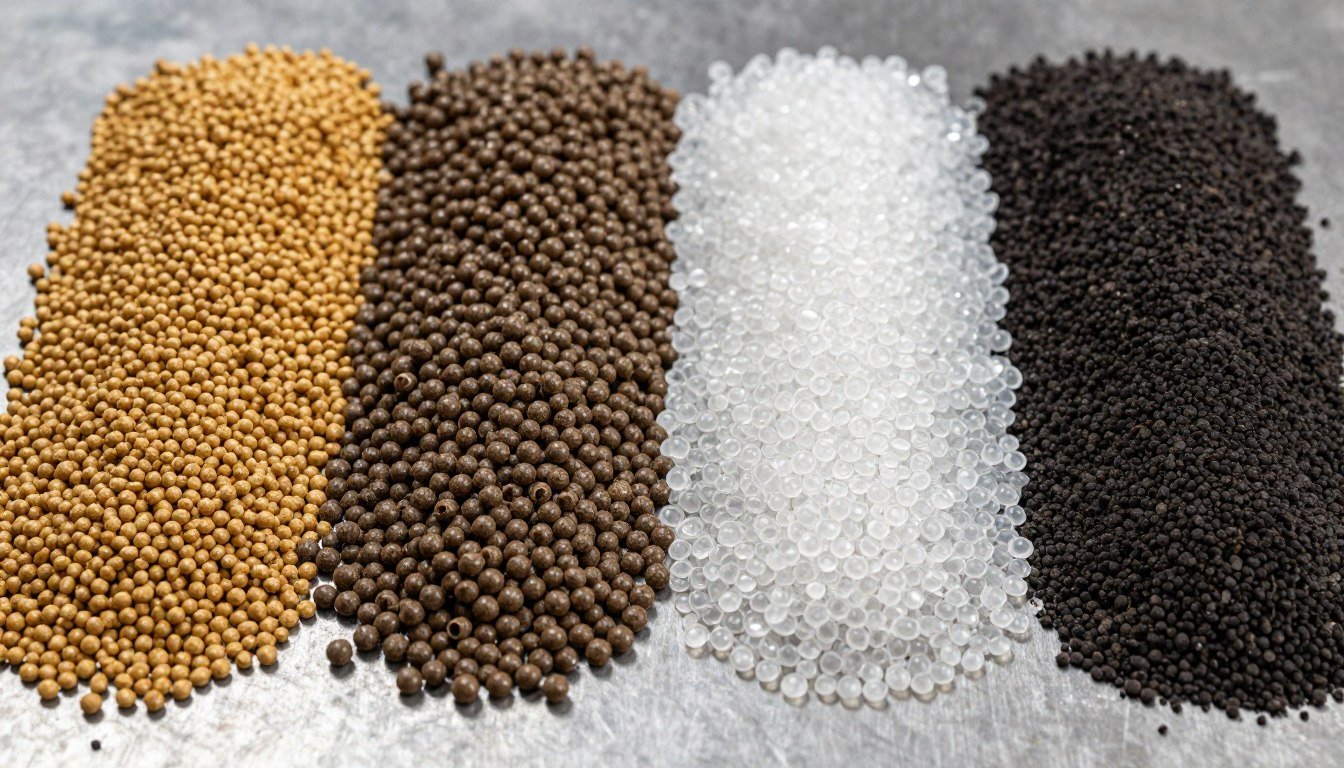
Understanding Pelletizer Machine Functions: From Raw Material to Finished Product
A complete pelletizing system includes multiple stages. Raw ingredients arrive in bulk form. They exit as uniform, durable pellets. Each step affects final product quality and production efficiency.
Stage 1: Material Preparation and Grinding
The hammer mill reduces particle size to 2-4mm. Consistent grinding ensures even compression in the die. Oversized particles jam the machine. Excessive fines reduce pellet durability.
Screens control final particle size. A 3mm screen suits most poultry feed applications. Ruminant rations tolerate 5-6mm particles. The hammer mill design impacts energy consumption. MAIKONG mills achieve 85-90% efficiency through optimized rotor speeds and screen arrangements.
Grinding Parameters Impact
Screen hole size directly affects pellet quality. Finer grinding improves pellet density and durability. However, it increases power consumption and reduces throughput. You must balance quality against production costs.
- 2mm screen: Premium pellets, high energy use
- 3mm screen: Standard quality, optimal efficiency
- 4mm screen: Acceptable quality, maximum throughput
- 5mm+ screen: Lower quality, reduced power demand
Common Grinding Mistakes
Many operators underestimate grinding importance. Poor particle size distribution causes multiple problems downstream. Understand these critical errors before starting production.
- Worn hammers create irregular particles
- Wrong screen selection wastes energy
- Excessive speed generates heat damage
- Insufficient capacity creates bottlenecks
Stage 2: Mixing and Conditioning
Batch or continuous mixers blend ingredients uniformly. Uneven mixing creates inconsistent pellet composition. Nutritional variability affects animal performance. Commercial operations require mixing coefficients below 5% variation.
The conditioner adds steam and moisture. This step serves three purposes. First, heat activates binding properties in starches. Second, moisture lubricates material flow through the die. Third, temperature destroys harmful bacteria like salmonella.
Optimal conditioning targets 75-85°C temperature and 15-17% moisture. These parameters vary with ingredient types. High-starch formulas need less conditioning. Fibrous materials require longer retention times.
Stage 3: Pelleting Process
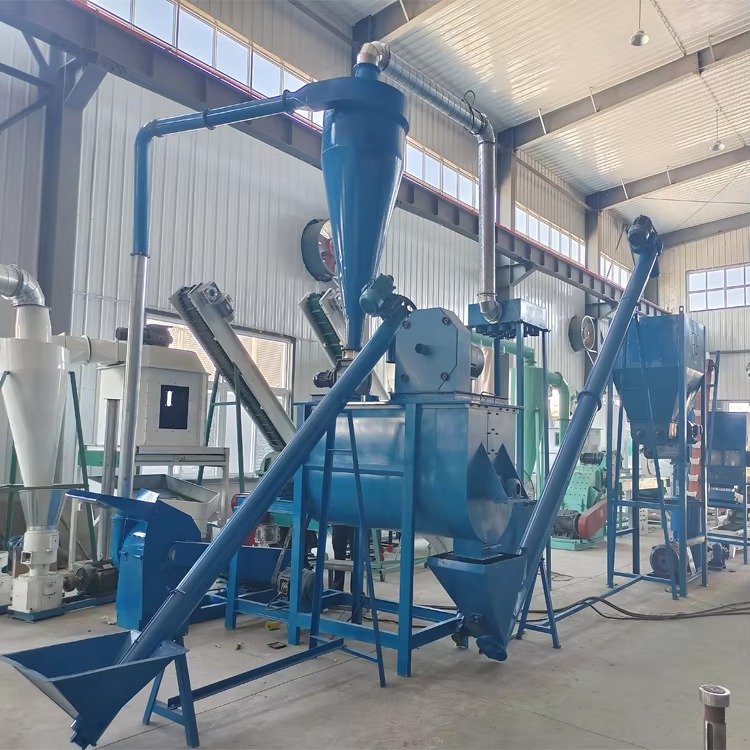
Conditioned material enters the pellet chamber. Feed screws distribute it evenly across the die surface. Rotating rollers compress ingredients through die holes. Friction generates additional heat to 80-95°C.
The compression ratio determines pellet density. This ratio compares hole depth to diameter. Standard feed pellets use 10:1 to 13:1 ratios. Biomass pellets require higher compression at 15:1 to 18:1.
Stage 4: Cooling and Screening
Fresh pellets exit at 75-85°C with 16-18% moisture. Immediate cooling prevents mold growth and bag sweating. Counterflow coolers pass ambient air through descending pellets. The process reduces temperature to within 5°C of ambient and moisture to 12-13%.
Vibrating screens separate fines from whole pellets. Acceptable fines levels run below 2% for quality feed. Excessive fines indicate problems with die condition, formula, or conditioning. The screened fines return to the mixer for reprocessing.
Stage 5: Packaging and Storage
Automated bagging systems improve efficiency for commercial operations. Manual bagging suits smaller farms. Proper storage maintains pellet quality. Moisture intrusion causes mold. Excessive heat triggers fat oxidation.
Storage facilities should provide dry conditions below 25°C. Concrete floors with vapor barriers prevent ground moisture. Good ventilation removes heat generated by respiration. First-in-first-out rotation ensures fresh product delivery.
Production Tip: Monitor pellet temperature exiting the cooler. If it exceeds ambient by more than 8°C, increase cooling time or reduce production rate. Hot pellets invite storage problems.
How to Improve Pellet Quality: Technical Factors and Solutions
Achieving consistent, durable pellets requires attention to multiple variables. Improve pellet quality through systematic control of material preparation, processing parameters, and equipment maintenance. South African conditions present specific challenges. High ambient temperatures stress cooling systems. Variable ingredient moisture demands adjustment.
Material Formulation Effects on Pellet Quality
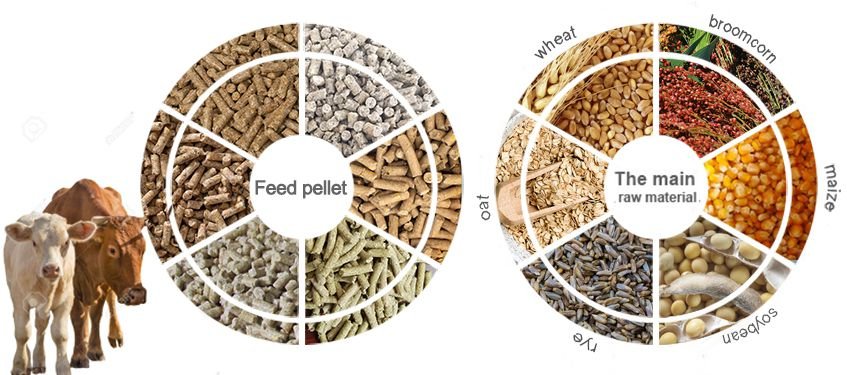
Ingredient composition directly impacts pelletability. Starch content acts as a natural binder. Formulas with 30-40% maize or wheat produce firm pellets. High-fiber rations need binding agents like bentonite clay or lignosulphonates.
Fat levels above 5% create slippery material that flows poorly. The pellets emerge soft and crumbly. Add fats after pelletizing through coating systems. This approach captures nutritional benefits without compromising pellet durability.
| Ingredient Type | Effect on Pelletability | Recommended Level | Quality Impact |
| Maize/Wheat | Excellent binding from starch | 30-50% | High durability |
| Soybean meal | Good protein matrix | 15-25% | Medium-high quality |
| Fish meal | Excellent binding | 5-10% | Very high durability |
| Vegetable oil | Reduces friction/binding | Below 3% | Decreases quality |
| Fiber (bran/hulls) | Dilutes binding agents | Below 8% | Lower durability |
| Bentonite clay | Artificial binder | 1-2% | Improves firmness |
Critical Processing Parameters
Conditioning temperature ranks as the most influential factor. Each 10°C increase improves pellet durability by 15-20%. However, excessive heat destroys vitamins and amino acids. Target 75-82°C for poultry feed. Aquaculture pellets tolerate higher temperatures at 85-95°C.
Moisture addition requires precision. Too little moisture creates excessive friction and rapid die wear. Excess moisture produces soft pellets that crumble easily. The optimal range sits at 15-17% for most applications.
Temperature Management Strategies
Steam quality affects conditioning effectiveness. Wet steam carries liquid water that doesn’t contribute to heating. Dry saturated steam at 3-4 bar pressure delivers consistent results. Install pressure regulators and steam traps to maintain conditions.
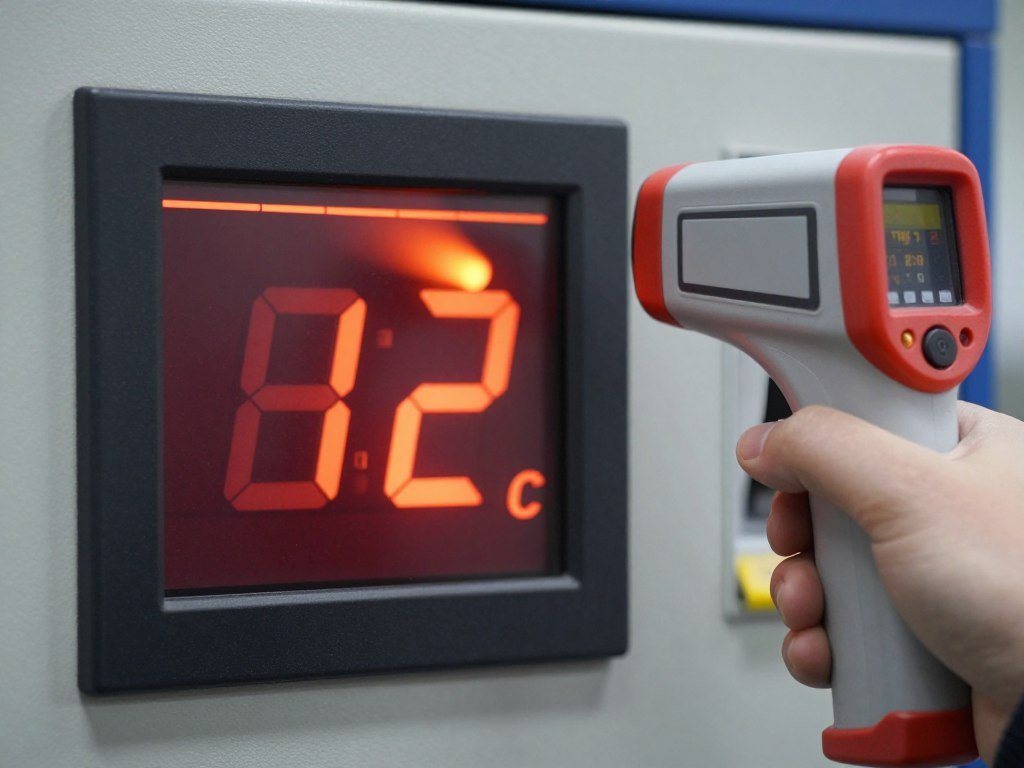
Monitor die temperature during operation. Infrared thermometers provide instant readings. Surface temperatures of 75-85°C indicate proper friction levels. Temperatures exceeding 95°C signal excessive compression or inadequate lubrication.
Die and Roller Maintenance Impact
Worn die holes produce irregular pellets. The compression ratio changes as holes enlarge. Pellet density decreases. Durability suffers. Inspect dies every 500 operating hours. Replace when hole diameter increases by 0.3mm or more.
Roller surface condition determines compression efficiency. Pitted or grooved rollers slip instead of gripping material. Power consumption rises. Throughput falls. Resurface rollers when grooves exceed 1mm depth.
Benefits of Regular Die Replacement
- Consistent pellet size and density
- Reduced power consumption per tonne
- Lower fines percentage in final product
- Extended roller bearing life
- Predictable production capacity
Risks of Delayed Die Replacement
- Irregular pellet dimensions cause feeding problems
- Increased energy use raises operating costs
- Higher fines percentage reduces saleable product
- Accelerated roller wear from compensation pressure
- Unpredictable throughput complicates scheduling
Common Quality Problems and Solutions
Soft or crumbly pellets indicate insufficient binding. Check conditioning temperature first. Verify steam pressure reaches 3-4 bar. Examine formula for adequate starch or protein. Add 1-2% binding agent if needed.
Excessive fines generation points to mechanical issues. Inspect the die for wear patterns. Check knife blade sharpness and alignment. Worn knives tear pellets instead of cutting cleanly. Replace blades when cutting edge shows rounding.
Uneven pellet lengths result from improper knife adjustment. The blade should contact the die surface lightly during rotation. Too much pressure causes rapid wear. Insufficient contact leaves long, irregular pellets.
Quality Alert: Variable pellet density within a batch suggests inconsistent conditioning. Check steam valve operation for sticking. Verify conditioner retention time meets 30-60 seconds minimum. Insufficient retention prevents thorough heat and moisture distribution.
Achieve Consistent Premium Pellet Quality
MAIKONG provides detailed pellet quality troubleshooting protocols with every machine. Our technical team helps you identify problems and implement solutions. WhatsApp support responds within 2 hours during business days.
Pelletizer Machine Safety Hazards and Prevention Measures
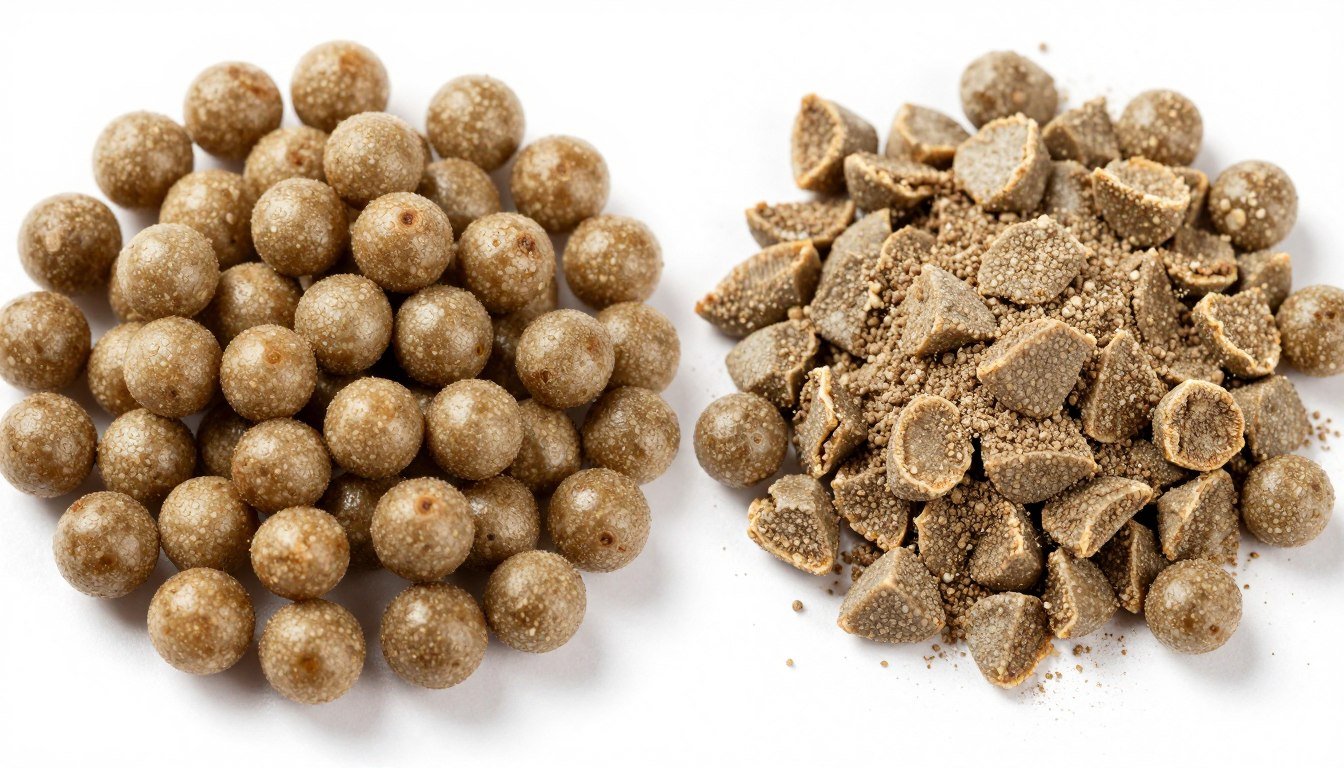
Operating a pelletizer involves significant pelletizer machine safety hazard risks. Moving parts, high temperatures, and electrical systems demand respect. South African occupational health and safety regulations require comprehensive safety programs. MAIKONG builds protection into every machine design.
Primary Safety Hazards in Pellet Production
Rotating components pose the greatest injury risk. The die and rollers operate at 200-400 RPM. Contact causes severe crushing or amputation injuries. Guards must remain in place during operation. Maintenance requires complete lockout/tagout procedures.
High temperature surfaces create burn hazards. The die reaches 80-95°C during normal operation. Steam lines carry 120-150°C vapor. Insulation protects operators from accidental contact. Warning labels identify hot surfaces.
Critical Safety Hazards
- Rotating die and roller crushing points
- Hot surfaces causing thermal burns
- Electrical shock from control systems
- Flying particles during operation
- Steam line rupture risks
- Dust explosion in enclosed spaces
- Noise exposure above 85 dB(A)
- Slips on spilled material or oil
Mandatory Safety Equipment
- Emergency stop buttons (red mushroom type)
- Interlocked access doors with limit switches
- Thermal insulation on hot surfaces
- Electrical isolation switches with lockout
- Impact-resistant safety guards
- Dust collection and ventilation systems
- Noise dampening enclosures
- Non-slip flooring around equipment
Required PPE for Operators
- Safety glasses with side shields
- Heat-resistant gloves for maintenance
- Steel-toe safety boots
- Hearing protection (earplugs or muffs)
- Dust masks or respirators (N95 minimum)
- High-visibility safety vest
- Hard hat in multi-level facilities
- No loose clothing or jewelry
Essential Pelletizer Machine Safety Measures
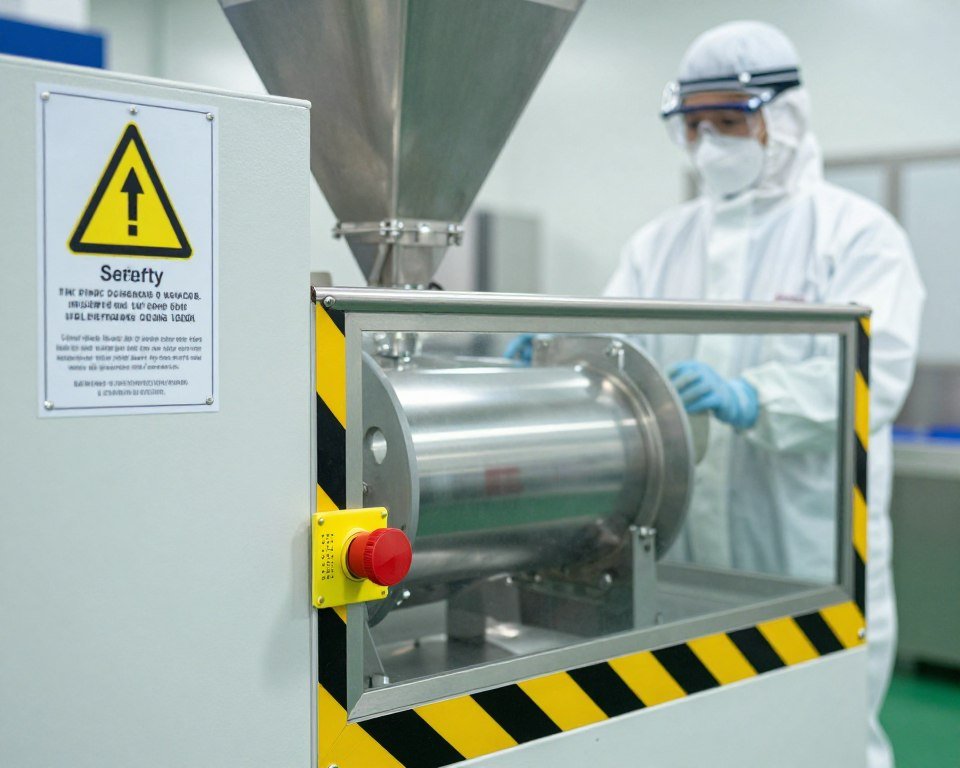
Pelletizer machine safety measures start with proper machine design. MAIKONG incorporates multiple protection layers. Emergency stops halt operation within 2 seconds. Access panels include interlocks preventing operation when open. Thermal sensors shut down the system if temperatures exceed safe limits.
Electrical safety requires professional installation. Three-phase motors need proper grounding and overcurrent protection. Control panels mount at safe heights with IP54 or better protection ratings. Disconnect switches allow complete isolation during maintenance.
Pre-Operation Safety Checklist
- Verify all guards in place and secured
- Check emergency stop function
- Inspect die and rollers for damage
- Confirm proper lubrication levels
- Test interlock switches operation
- Clear work area of tools and debris
- Verify ventilation system running
- Confirm all operators wearing correct PPE
Lockout/Tagout Procedure
- Notify all affected personnel of shutdown
- Switch off machine at control panel
- Open main electrical disconnect
- Apply personal lock to disconnect
- Attach danger tag with name and date
- Attempt restart to verify energy isolation
- Relieve hydraulic/pneumatic pressure
- Allow die to cool below 40°C before contact
Fire and Explosion Prevention
Agricultural dust presents explosion risks in confined spaces. Grain dust can ignite from static discharge or hot surfaces. Maintain dust concentrations below 50 g/m³ through ventilation. Install explosion venting panels on bucket elevators and collectors.
Regular cleaning prevents dust accumulation. Schedule weekly vacuum cleaning of ledges, beams, and equipment surfaces. Never use compressed air for cleaning. It disperses dust into explosive clouds.
Critical Safety Note: The pelletizer die requires 15-20 minutes cooling time after shutdown before maintenance. Attempting immediate access risks severe burns. Always verify surface temperature below 40°C using an infrared thermometer.
Operator Training Requirements
Competent operation demands comprehensive training. New operators need 40 hours minimum instruction covering machine functions, safety procedures, and emergency response. MAIKONG provides detailed training manuals in English and other South African languages.
Training topics include normal operation, routine maintenance, jam clearing, emergency procedures, and first aid for common injuries. Annual refresher courses maintain skills and introduce updated procedures.
Need safety training materials for your team? Contact MAIKONG: +86 158 1555 6422
Pelletizer Machine in North West Province: Regional Applications
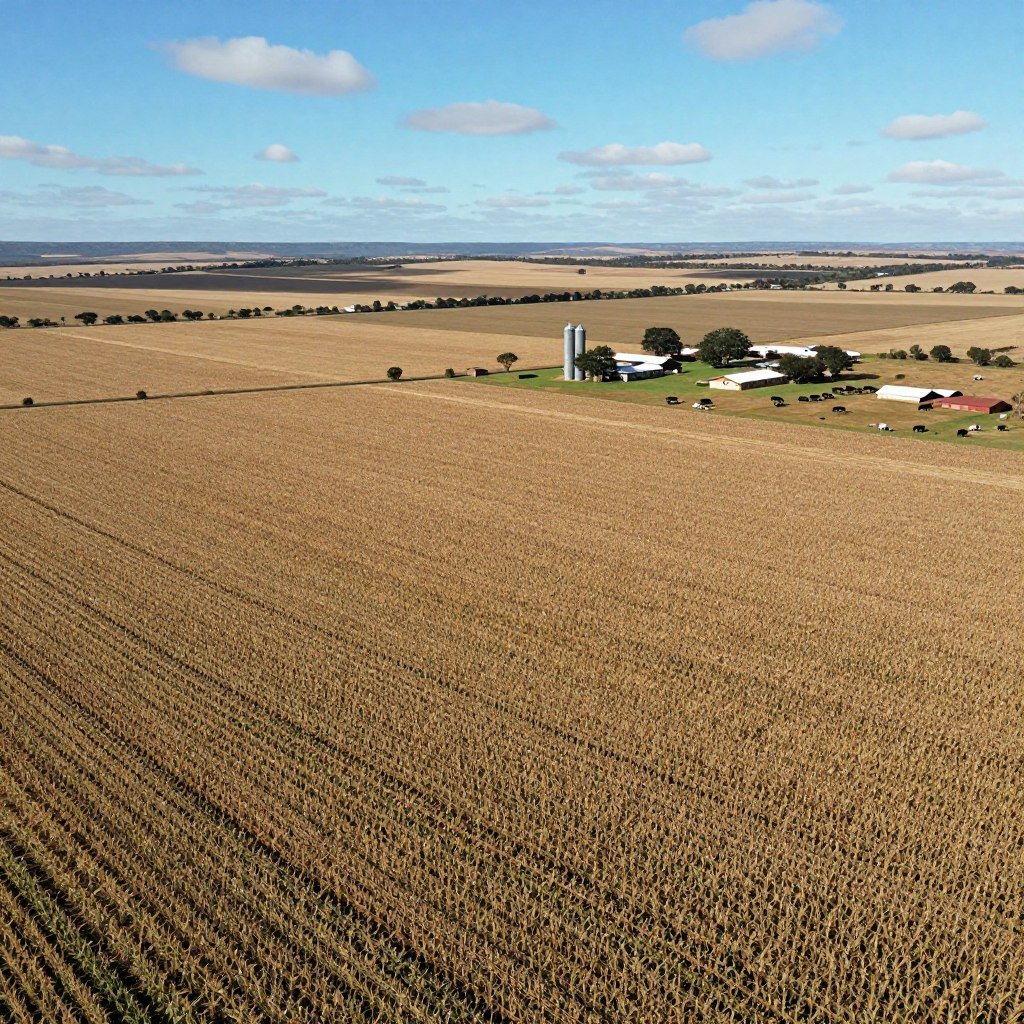
North West Province represents a strategic location for pelletizer machine in north west installations. The region supports extensive agricultural activity including maize cultivation, livestock farming, and sunflower production. These industries generate enormous quantities of suitable raw materials for pelletizing.
Agricultural Opportunities in North West
Maize farming dominates the province with over 1.2 million hectares under cultivation. Harvest generates massive volumes of stalks, cobs, and husks. Traditionally farmers burn this waste. A biomass pelletizer converts it to valuable fuel or animal feed supplement.
Sunflower cultivation produces 300,000+ tonnes annually. The shells represent 45-50% of seed weight. Oil processors discard these shells as waste. Pelletizing creates a marketable heating fuel with 17-18 MJ/kg energy content.
Key Agricultural Sectors
The livestock sector in North West includes significant cattle, poultry, and game farming operations. Each sector benefits from on-farm feed production. Commercial farmers reduce costs by 25-35% through direct pelletizing.
Cattle operations utilize maize silage, lucerne, and protein concentrates. A pelletizer creates total mixed ration pellets for feedlot finishing. This approach improves feed conversion ratios by 8-12% compared to loose rations.
Poultry farms concentrate near Rustenburg, Brits, and Mahikeng. Large integrators operate million-bird complexes. Even small improvements in feed efficiency generate substantial savings. On-site pelletizing offers quality control and flexibility impossible with commercial feed.
Industrial Applications
Mining operations across North West require explosives, cement, and chemicals. Many processes generate organic waste streams. A fertilizer pelletizer processes this material into soil amendments for land rehabilitation.
Food processing facilities in the region include grain mills, abattoirs, and oilseed crushers. Each produces significant waste volumes. Converting waste to pellets reduces disposal costs while creating revenue streams.
MAIKONG Support in North West
MAIKONG maintains technical support capabilities throughout South Africa. Our engineers visit North West Province regularly for installations and service. We partner with local equipment suppliers to ensure parts availability.
Recent installations include a 2-tonne/hour feed pellet machine near Klerksdorp and a 500 kg/hour wood pelletizer in Rustenburg. Each project included operator training, startup assistance, and ongoing technical support.
North West Province Installation Support
MAIKONG provides complete installation services including site assessment, equipment delivery, assembly, operator training, and startup support. We work with your team to ensure smooth commissioning and optimal performance.
Considerations for 2nd Hand Plastic Pelletizer Machine For Sale
Budget constraints lead many buyers to consider 2nd hand plastic pelletizer machine for sale options. Used equipment offers lower initial investment. However, hidden costs and reliability issues often erase the savings. Understanding the risks helps you make informed decisions.
Common Issues with Used Pelletizers
Wear concentrates in three critical areas. The die experiences extreme abrasion from compressed material. Hole enlargement reduces compression and pellet quality. Roller surfaces develop grooves and flat spots. These defects prevent proper material engagement.
Bearing failures rank as the most common mechanical problem. High loads and contamination destroy bearings rapidly. Replacement requires specialized tools and precision alignment. Main shaft bearings can cost R 15,000-R 35,000 per set.
Advantages of Used Equipment
- 40-60% lower purchase price
- Immediate availability (no waiting)
- Proven operational history
- Potential for negotiation
Risks and Hidden Costs
- Unknown maintenance history
- Worn components need immediate replacement
- No manufacturer warranty
- Obsolete parts difficult to source
- Higher operating costs from inefficiency
- Unexpected downtime during critical periods
Critical Inspection Points
Never purchase used equipment without thorough inspection. Examine the die for cracks, erosion, and hole elongation. Measure hole diameters at multiple points. Variation exceeding 0.2mm indicates severe wear.
Check roller surfaces for grooves, pitting, or flat spots. Rotate the die by hand feeling for rough spots or tight areas. Binding indicates bearing problems or shaft misalignment.
Inspect electrical components for damage, corrosion, or amateur modifications. Missing guards, bypassed safety switches, or spliced wiring signal poor maintenance practices. These issues predict future reliability problems.
Buyer Warning: Many sellers misrepresent machine condition and operating hours. Verify claims through independent inspection. Budget 20-30% of purchase price for immediate repairs and component replacement.
The MAIKONG Alternative: Trade-In Program
MAIKONG accepts trade-ins on new equipment purchases. This approach captures used equipment value while ensuring new machine reliability. Trade-in credits reach 15-25% of new equipment cost depending on condition.
New machines include comprehensive warranties covering parts and labor for 12-24 months. Technical support continues throughout equipment life. Replacement parts ship from South African inventory for rapid delivery.
Upgrade Your Old Pelletizer – Trade-In Available
Stop fighting with worn-out equipment. MAIKONG offers generous trade-in allowances on your old pelletizer toward new, reliable machinery. Get guaranteed performance with full warranty coverage.
Maximizing Production Efficiency and Reducing Energy Consumption
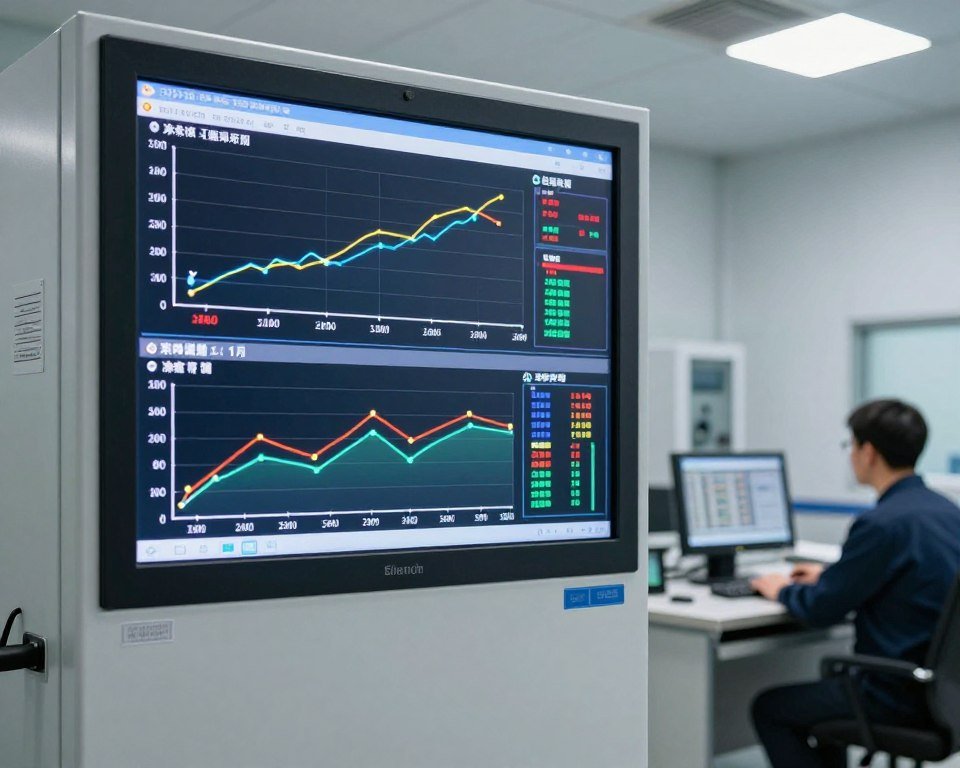
Operating costs determine long-term profitability. Energy consumption represents 30-40% of total pellet production costs. Smart operators focus on efficiency improvements that reduce power usage while maintaining throughput and quality.
Energy Usage in Pellet Production
Each production stage consumes specific energy amounts. Grinding requires 8-15 kWh per tonne depending on initial particle size. Mixing uses 1-2 kWh per tonne. The pelletizer itself demands 15-25 kWh per tonne. Cooling and handling add another 3-5 kWh per tonne.
Total energy consumption ranges from 30-50 kWh per tonne for complete systems. This translates to R 45-75 per tonne at average South African electricity rates. A facility producing 100 tonnes daily spends R 135,000-225,000 monthly on power.
| Production Stage | Energy Use (kWh/tonne) | Percentage of Total | Optimization Opportunity |
| Grinding (hammer mill) | 8-15 | 25-30% | Screen selection, hammer condition |
| Mixing | 1-2 | 3-5% | Batch size optimization |
| Conditioning | 2-4 | 5-8% | Steam pressure, retention time |
| Pelleting | 15-25 | 45-50% | Die condition, formula adjustment |
| Cooling | 2-3 | 5-7% | Airflow optimization |
| Material handling | 1-2 | 3-5% | System layout, conveyor speed |
Proven Energy Reduction Strategies
Formula optimization delivers the quickest returns. Ingredients with high binding capacity reduce the compression force needed. This lowers power draw. Adding 2-3% molasses or 1-2% bentonite clay can reduce pelleting energy by 8-12%.
Proper die maintenance prevents energy waste. Worn dies require higher pressure to achieve the same pellet density. Power consumption increases by 15-20% before operators notice quality degradation. Replace dies on schedule rather than waiting for failure.
Motor sizing affects efficiency. Oversized motors run at low loads where efficiency drops significantly. A 55 kW motor operating at 30% load wastes 10-15% more energy than a properly sized 37 kW unit. MAIKONG engineers match motor capacity precisely to your requirements.
Energy Optimization Checklist
- Monitor power consumption by stage
- Maintain hammer mill screen condition
- Optimize grinding particle size
- Adjust steam conditioning parameters
- Replace dies at scheduled intervals
- Verify proper roller adjustment
- Eliminate air leaks in pneumatic systems
- Use variable frequency drives where applicable
- Schedule production during off-peak electricity rates
- Implement preventive maintenance program
Throughput Optimization Without Capacity Increase
Many operations run below design capacity due to bottlenecks. Identify and eliminate these restrictions before investing in larger equipment. Common bottlenecks include inadequate raw material storage, undersized conveyors, and slow bagging systems.
Scheduled maintenance windows prevent unplanned downtime. A production line generating R 15,000 per hour loses R 360,000 during an unexpected 24-hour breakdown. Weekly 4-hour maintenance schedules cost R 60,000 monthly but prevent costly emergency repairs.
Efficiency Tip: Track specific energy consumption (kWh per tonne) weekly. Gradual increases signal developing problems before they cause failures. A 10% rise in energy use indicates worn dies, bearing problems, or material issues requiring attention.
ROI Analysis: Investment Returns from Pellet Production
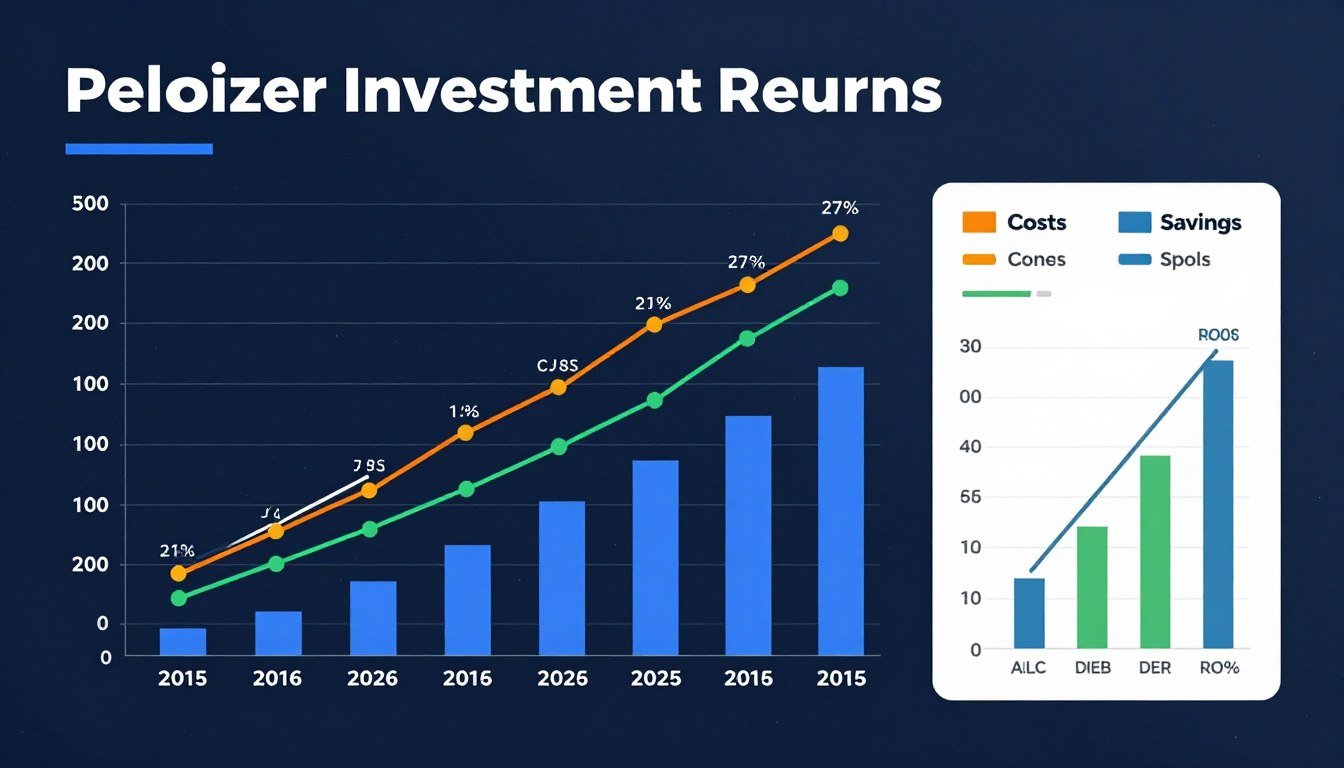
Understanding financial returns guides smart equipment investment decisions. The payback period for a pelletizer varies with application, scale, and material costs. South African operations typically achieve returns within 18-36 months.
Poultry Feed Production Economics
Commercial feed costs R 5,200-6,800 per tonne for layer rations and R 6,500-8,200 per tonne for broiler feed. On-farm production reduces costs to R 3,800-4,500 per tonne. The savings of R 1,400-3,700 per tonne accumulate rapidly.
A 10,000-bird layer operation consumes approximately 110 kg feed daily (11 tonnes monthly). Annual feed purchases total 132 tonnes. Switching to on-farm pelleting saves R 184,800-488,400 annually depending on formula costs.
Small Farm Example
Operation: 5,000 layers
Feed consumption: 66 tonnes/year
Commercial feed cost: R 396,000
On-farm production cost: R 277,200
Annual savings: R 118,800
Equipment investment: R 185,000
Payback period: 18.6 months
5-year return: R 409,000
Commercial Farm Example
Operation: 50,000 broilers per cycle (6 cycles/year)
Feed consumption: 720 tonnes/year
Commercial feed cost: R 5,184,000
On-farm production cost: R 3,240,000
Annual savings: R 1,944,000
Equipment investment: R 850,000
Payback period: 5.2 months
5-year return: R 8,870,000
Biomass Fuel Pellet Economics
Wood pellets retail for R 3,200-4,500 per tonne in South Africa. Production costs including raw material, energy, and labor total R 1,800-2,400 per tonne. Gross margins of R 1,400-2,100 per tonne provide attractive returns.
Sawmills often pay for waste disposal. A wood pelletizer converts this cost center into profit. Small mills producing 2 tonnes daily generate R 840,000-1,260,000 gross margin annually. Equipment investment of R 380,000-650,000 pays back in 6-9 months.
Hidden Benefits Beyond Direct Savings
Formula control provides competitive advantages. You adjust nutrient levels instantly responding to bird performance or ingredient prices. Commercial feed manufacturers require minimum orders and lead times. On-farm production offers complete flexibility.
Quality assurance improves when you control inputs. Questionable ingredients get rejected before mixing. Freshness increases since pellets move directly from cooler to feeders. Commercial feed may sit in warehouses for weeks.
Reduced transport costs matter for remote operations. Bulk ingredient delivery costs less than bagged feed. Trucks make fewer trips. Vehicle maintenance expenses decline.
Calculate Your Specific ROI
MAIKONG provides detailed financial analysis based on your actual operation. We calculate payback periods, cash flow projections, and 5-year returns. Request a custom ROI assessment for your specific situation.
South African Success Stories: Real Production Line Installations
MAIKONG has installed complete pellet production systems across South Africa. These case studies demonstrate real-world performance, challenges faced, and results achieved. Each project provides lessons for prospective buyers.
Case Study 1: Western Cape Broiler Farm
A 100,000-bird broiler operation near Stellenbosch struggled with feed costs exceeding R 3.2 million annually. Commercial feed prices increased 18% over two years. The farm needed cost control without sacrificing bird performance.
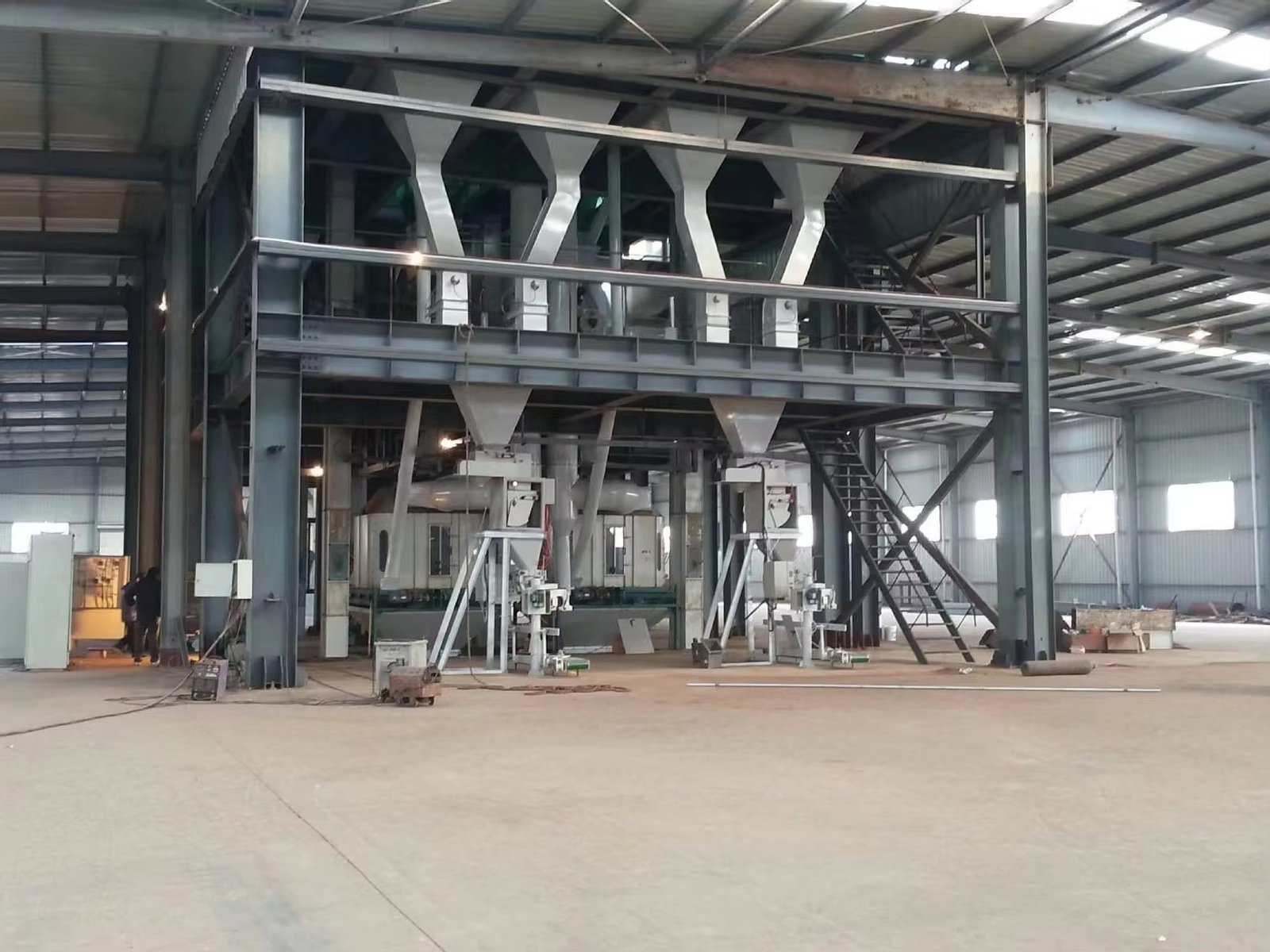
MAIKONG installed a 2-tonne-per-hour feed pellet machine with complete auxiliary equipment. The system includes a hammer mill, mixer, conditioner, pelletizer, cooler, and bagging station. Total investment reached R 875,000.
System Specifications
- Hammer mill capacity: 2.5 tonnes/hour
- Mixer: 1-tonne batch capacity
- Pelletizer: Ring die, 55 kW motor
- Cooler: Counterflow, 2 tonne/hour
- Total power requirement: 95 kW
Results After 12 Months
- Feed cost reduced from R 7,850 to R 5,100 per tonne
- Annual savings: R 1,452,000
- Feed conversion ratio improved 4%
- Mortality decreased 0.8%
- Actual payback: 7.2 months
The farm manager reported: “We doubted the 18-month payback projection. Actual payback came in 7 months. Pellet quality exceeds commercial feed. Birds grow faster on less feed. MAIKONG support during startup proved essential. Their technician stayed three days ensuring smooth operation.”
Case Study 2: KwaZulu-Natal Cattle Ranch
A 2,500-head cattle feedlot near Ladysmith faced high transport costs for lucerne hay. Purchasing 150 tonnes monthly from Free State suppliers cost R 4,200 per tonne delivered. The operation needed an alternative approach.
MAIKONG designed a lucerne pelleting system processing locally-grown alfalfa. The 800 kg/hour system includes drying, grinding, pelleting, and bulk storage. Investment totaled R 620,000.
Operational Changes
The ranch shifted from purchasing baled hay to growing 80 hectares of lucerne. Three cuttings yearly produce 480 tonnes. Fresh lucerne goes through a rotary dryer reducing moisture from 75% to 15%. The hammer mill grinds dried material to 4mm. The pelletizer creates 8mm pellets for cattle rations.
Financial Impact
Production costs total R 2,100 per tonne including growing, harvesting, drying, and pelleting. Compared to purchased hay at R 4,200 per tonne, savings reach R 2,100 per tonne. Annual consumption of 1,800 tonnes generates R 3,780,000 savings. Equipment paid back in 1.9 months.
Case Study 3: Limpopo Fish Farm
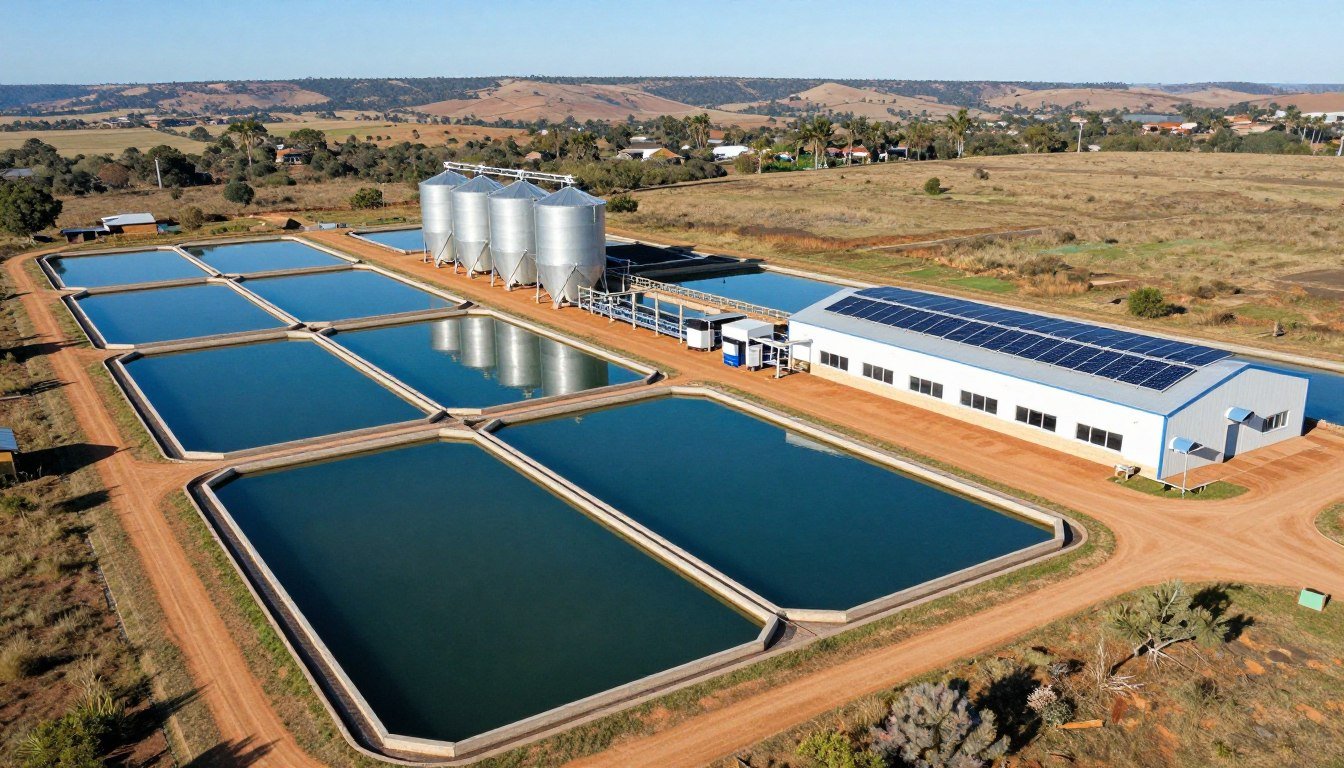
A tilapia operation with 50 production ponds struggled with feed availability. Commercial floating feed required 2-week orders and premium pricing. Stock-outs delayed harvests. The farm needed reliable feed supply with cost control.
MAIKONG supplied a floating fish feed extruder producing 500 kg per hour. The system creates buoyant pellets from 1-6mm diameter. Total investment including installation reached R 485,000.
Results exceeded expectations. Feed costs dropped from R 9,200 to R 5,800 per tonne. The farm now produces custom sizes for different fish age groups. Feed conversion improved from 1.8:1 to 1.5:1. Water quality improved with reduced waste. Annual savings total R 1,836,000 on 540 tonnes feed consumption.
“The floating feed extruder transformed our operation. We control formulas daily based on fish response. Custom pellet sizes optimize feeding at each growth stage. The investment paid back in 3.2 months. MAIKONG training prepared our staff completely. Technical support via WhatsApp solves problems immediately.”
Specialized Pelletizers: Pith and Plastid Applications
Niche materials require specialized pelletizing approaches. Pith pelletizer machine for sale and plastid pelletizer machine for sale options address unique processing challenges in specific industries.
Pith Pelletizing Technology
Bagasse pith represents the fibrous core remaining after sugarcane juice extraction. South African sugar mills generate enormous quantities. Traditional disposal methods include burning or composting. Pelletizing creates valuable applications.
Pith pelletizing demands specialized die designs. The material contains high moisture (45-55%) and long fibers. Standard feed pellet machines jam immediately. MAIKONG pith pelletizers incorporate wider die holes (10-15mm) and aggressive roller patterns.
The process begins with mechanical dewatering reducing moisture to 30-35%. A shredder cuts fibers to 20-30mm lengths. The conditioner adds minimal steam since moisture already exists. The pelletizer compresses material to 550-650 kg/m³ density.
Pith Pellet Applications
- Boiler fuel (12-14 MJ/kg energy content)
- Livestock bedding (excellent absorption)
- Mushroom growing substrate
- Soil amendment and mulch
- Composite board material
Processing Challenges
- High moisture requires extensive drying
- Long fibers cause jamming
- Low density creates bridging in hoppers
- Sticky material builds up on dies
- Seasonal availability affects operations
Plastid Material Pelletizing
Plastid refers to plant cellular components extracted for biochemical applications. Research facilities and pharmaceutical operations process these materials. The pelletizing requirements differ dramatically from agricultural applications.
Plastid pelletizer machine for sale models emphasize contamination control and precise size control. Stainless steel construction prevents oxidation. Sanitary designs allow thorough cleaning. Small-scale capacities suit laboratory and pilot plant work.
These specialized systems operate at 10-50 kg per hour capacities. Precise temperature control maintains biochemical integrity. Nitrogen atmosphere options prevent oxidation of sensitive compounds. Prices range from R 125,000 to R 385,000 depending on specifications.
Become a MAIKONG Distributor in South Africa
MAIKONG actively seeks qualified distribution partners throughout South Africa. The pellet equipment market continues expanding rapidly. Demand comes from agriculture, manufacturing, recycling, and energy sectors. Established relationships in these industries position you for success.
Distributor Benefits and Support
MAIKONG provides comprehensive support enabling distributor success. You receive exclusive territory protection preventing internal competition. Technical training covers installation, operation, and maintenance. Marketing materials include product catalogs, specification sheets, and demonstration videos.
What MAIKONG Provides
- Exclusive territorial rights (province-based)
- Wholesale pricing 35-40% below retail
- Technical training for your staff
- Marketing materials and sales support
- Demonstration equipment programs
- Warranty administration support
- Spare parts inventory assistance
- Installation training and certification
Ideal Distributor Profile
- Established agricultural equipment dealer
- Industrial machinery sales experience
- Service department capability
- Warehouse and inventory capacity
- Sales team covering target territory
- Financial stability for inventory investment
- Customer base in target sectors
- Commitment to technical excellence
Financial Opportunity
- Average sale: R 250,000-850,000
- Gross margin: 35-40% on equipment
- Parts margin: 40-50% ongoing
- Service revenue: R 1,200-1,800 per hour
- Installation fees: R 15,000-65,000 per system
- Training income: R 8,000-12,000 per session
- Annual potential: R 2.5M-8M territory dependent
- 5-year product lifecycle generates recurring revenue
Initial Investment Requirements
Distributor agreements require demonstration equipment purchase and parts inventory investment. Initial equipment commitment ranges R 350,000-600,000 depending on territory size. Parts inventory of R 150,000-250,000 ensures prompt customer support.
MAIKONG offers inventory financing for qualified distributors. Payment terms extend to 60-90 days on initial stock. Demonstration equipment includes favorable lease-purchase options. These programs reduce initial capital requirements.
Training and Certification Program
All distributor personnel complete comprehensive training covering product knowledge, installation, operation, and maintenance. The program includes:
- 5-day factory training in South Africa facility
- Hands-on installation practice
- Troubleshooting and repair procedures
- Sales techniques and customer needs assessment
- Safety protocols and compliance
- Warranty administration and claims processing
Certification examinations verify competency. MAIKONG provides ongoing technical updates quarterly. New product training occurs as models launch.
Limited Territorial Rights Available – Act Now
MAIKONG seeks qualified distributors for remaining open territories. Multiple provinces already assigned. Exclusive rights protect your investment and customer relationships. Join 200+ successful MAIKONG partners across Africa.
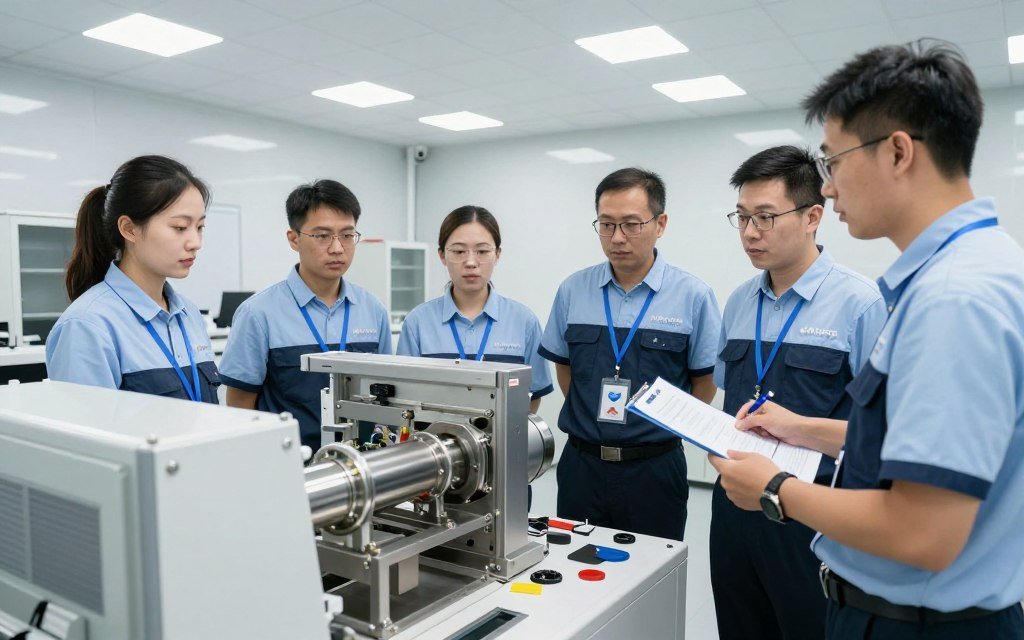
Complete Technical Specifications: MAIKONG Pelletizer Range
Selecting the correct pellet machine requires understanding detailed specifications. This section provides comprehensive technical data across MAIKONG’s complete product range. Match your production requirements to appropriate models.
Feed Pellet Machine Models
| Model | Capacity (kg/h) | Power (kW) | Die Diameter (mm) | Pellet Size (mm) | Weight (kg) | Dimensions (mm) |
| MAIKONG-120 | 80-100 | 3 | 120 | 2-8 | 85 | 800×400×700 |
| MAIKONG-150 | 120-150 | 4 | 150 | 2-8 | 120 | 900×450×800 |
| MAIKONG-200 | 180-250 | 7.5 | 200 | 2-10 | 280 | 1100×500×1000 |
| MAIKONG-300 | 400-500 | 15 | 300 | 3-12 | 420 | 1300×600×1200 |
| MAIKONG-350 | 600-800 | 22 | 350 | 3-12 | 850 | 1500×700×1400 |
| MAIKONG-420 | 1000-1200 | 37 | 420 | 4-12 | 1250 | 1800×850×1600 |
| MAIKONG-508 | 2000-2500 | 55 | 508 | 4-12 | 2800 | 2200×1000×1900 |
| MAIKONG-768 | 8000-10000 | 132 | 768 | 4-12 | 6500 | 3200×1500×2400 |
Biomass Pellet Machine Specifications
Wood and biomass pelletizers handle different materials than feed machines. Higher compression ratios and specialized dies create dense fuel pellets. These models process sawdust, straw, grass, and agricultural residues.
| Model | Capacity (kg/h) | Power (kW) | Pellet Size (mm) | Density (kg/m³) | Price Range (ZAR) |
| MAIKONG-BM250 | 150-200 | 15 | 6-8 | 650-700 | R 165,000-195,000 |
| MAIKONG-BM350 | 300-400 | 22 | 6-8 | 650-700 | R 245,000-285,000 |
| MAIKONG-BM450 | 600-800 | 37 | 6-10 | 650-750 | R 385,000-435,000 |
| MAIKONG-BM560 | 1000-1200 | 55 | 8-10 | 700-750 | R 565,000-625,000 |
Standard Features Across All Models
MAIKONG pelletizers include comprehensive safety and performance features as standard equipment. These eliminate the need for expensive upgrades found on competitor models.
Safety Features
- Emergency stop buttons
- Interlocked safety guards
- Overload protection
- Thermal overload sensors
- Low-voltage control circuits
Performance Features
- Hardened alloy steel dies
- Precision-ground rollers
- Heavy-duty gearbox
- Premium bearings (SKF/NSK)
- Automatic lubrication
Convenience Features
- Quick-change die system
- Adjustable pellet length
- Hour meter for maintenance
- Dust-sealed electrical cabinet
- Vibration dampening mounts
Maintenance Requirements and Technical Support
Reliable operation demands systematic maintenance. MAIKONG provides detailed schedules and support enabling long equipment life. Proper care prevents expensive breakdowns and maintains production efficiency.
Daily Maintenance Tasks
Operators perform quick checks before each shift. These 10-minute procedures prevent most problems. Clean accumulated dust from motor ventilation slots. Check oil levels in gearbox and bearing housings. Inspect belts for proper tension and wear.
Listen for unusual noises during startup. Grinding or knocking sounds indicate bearing problems. Verify ammeters show normal current draw. Spikes signal jamming or overload conditions requiring immediate attention.
Daily Checklist
- Remove accumulated dust and material
- Check gearbox oil level (sight glass)
- Inspect drive belts for tension/wear
- Verify bearing housing temperatures normal
- Check die knife blade condition
- Confirm all guards secure and in place
- Test emergency stop function
- Monitor motor current during operation
Weekly Maintenance
- Grease all bearing points (4 pumps each)
- Clean die and roller surfaces
- Tighten all accessible bolts
- Inspect electrical connections
- Check conditioner steam traps
- Clean dust from control cabinet
- Verify cooling fan operation
- Record operating hours
Scheduled Component Replacement
Wear components require replacement at specified intervals. Operating beyond recommended periods risks catastrophic failure. Track operating hours through the built-in meter. Schedule replacements during planned downtime.
| Component | Replacement Interval | Typical Cost (ZAR) | Failure Symptoms |
| Pellet die | 3000-5000 hours | R 18,000-45,000 | Increased fines, reduced capacity, higher power use |
| Press rollers | 4000-6000 hours | R 12,000-28,000 | Slipping, uneven wear, noise |
| Roller bearings | 5000-7000 hours | R 6,000-15,000 | Heat, noise, vibration |
| Drive belts | 2000-3000 hours | R 800-2,400 | Slipping, cracking, stretching |
| Knife blade | 1000-1500 hours | R 1,200-3,500 | Uneven pellet lengths, tearing |
| Gearbox oil | 2000 hours | R 600-1,200 | Noise, heat, contamination |
MAIKONG Technical Support Services
Comprehensive support ensures minimal downtime. MAIKONG maintains multiple support channels addressing different urgency levels. Choose the appropriate method based on problem severity.
WhatsApp Support
Immediate help for operational questions and minor problems. Technical staff respond within 2 hours during business days. Send photos or videos for visual diagnosis.
Contact: +86 158 1555 6422
Hours: 08:00-17:00 SAST Mon-Fri
Email Support
Detailed technical inquiries, parts orders, and documentation requests. Attach photos, maintenance logs, and operating data for analysis.
Contact: Lucy@pelletmachine.co.za
Response: Within 24 hours
On-Site Service
Complex problems requiring hands-on diagnosis and repair. Schedule service visits for installation assistance, major overhauls, or training.
Availability: All South African provinces
Rates: R 1,500-2,200 per hour plus travel
Spare Parts Availability
MAIKONG maintains comprehensive parts inventory in South Africa. Common wear components ship same-day for orders placed before 13:00. Specialized components arrive within 3-5 business days from factory stock.
Order parts through email, WhatsApp, or phone. Provide machine model number and serial number for accurate identification. All parts carry 90-day warranties against defects.
Technical support via WhatsApp: +86 158 1555 6422

Customization and OEM Partnership Opportunities
Standard models serve most applications effectively. However, unique requirements sometimes demand specialized solutions. MAIKONG offers comprehensive customization services and OEM partnerships for qualified businesses.
Available Customization Options
Modify equipment specifications to match exact requirements. Custom die hole patterns accommodate unusual pellet sizes or shapes. Specialized materials resist corrosion in aggressive environments. Control system modifications integrate with existing facility automation.
Mechanical Customization
- Custom die hole sizes and patterns
- Specialized material construction (stainless steel, titanium)
- Modified capacity through gearing changes
- Explosion-proof electrical systems
- Food-grade sanitary designs
- Compact configurations for space constraints
- Mobile mounting for portable operations
Electrical/Control Customization
- PLC control systems (Siemens, Allen-Bradley)
- SCADA integration capability
- Remote monitoring and diagnostics
- Variable frequency drives (VFD)
- Automated quality control systems
- Multi-language operator interfaces
- Custom voltage/frequency specifications
Appearance and Branding Customization
OEM partners require branded equipment matching corporate identity. MAIKONG accommodates complete appearance customization. Apply your company colors, logos, and branding elements. Control panels display your brand name and contact information.
Custom nameplates identify machines as your product. Technical documentation carries your branding. Training materials reference your company. End customers perceive the equipment as your manufacturing.
Complete Production Line Design
Single machines represent only part of complete systems. MAIKONG engineers design integrated production lines from raw material receiving through finished product packaging. Each system optimizes workflow, minimizes labor, and maximizes efficiency.
Our designers consider your facility layout, power availability, and material flow. Computer models simulate operation identifying bottlenecks before installation. Detailed drawings show every component placement and connection.
Receiving System
- Bulk ingredient storage bins
- Automated weighing systems
- Pneumatic or mechanical conveyors
- Dust collection equipment
Preparation Stage
- Hammer mill for size reduction
- Batch or continuous mixers
- Conditioning equipment
- Ingredient micro-dosing systems
Pelleting Section
- Main pelletizer unit
- Crumbler for broiler feed
- Fat coating system
- Quality monitoring sensors
Finishing Operations
- Counter-flow cooler
- Vibrating screen
- Automated bagging/bulk loading
- Finished product storage
OEM Partnership Process
Qualifying for OEM partnership requires minimum annual volume commitments. Partners typically purchase 10+ units yearly. This volume justifies customization tooling and inventory allocation.
The partnership process begins with needs assessment. MAIKONG engineers review your specifications, markets, and technical requirements. We propose solutions meeting your objectives. Prototypes undergo testing validating performance before full production.
OEM pricing reflects volume discounts and reduced packaging costs. Partners receive 40-45% margins compared to 35-40% for standard distributors. Exclusive territory protection prevents internal competition.
Explore Custom Solutions for Your Business
MAIKONG welcomes inquiries from businesses requiring specialized pelletizing solutions. Our engineering team analyzes your requirements and proposes optimal configurations. OEM partnerships offer substantial profit potential for qualified companies.
Frequently Asked Questions About Pelletizers
What is the difference between a flat die and ring die pelletizer?
Flat die pelletizers feature a horizontal stationary die with rollers pressing from above. They suit smaller operations under 500 kg per hour. Ring die models use a vertical rotating die with internal rollers. This design handles higher capacities from 500 kg to 20 tonnes per hour with better energy efficiency.
Ring dies produce more uniform pellets with higher density. However, they cost more initially and require more complex maintenance. Flat dies offer simplicity and lower investment suitable for farms and small businesses. Choose based on your production volume and budget.
How much electricity does a pelletizer consume?
Power consumption varies with model size and material type. Small 100 kg/hour units use 3-4 kW. Medium 500 kg/hour machines require 15-22 kW. Large 2-tonne/hour systems need 55-75 kW. Complete production lines including grinding, mixing, and cooling consume 30-50 kWh per tonne of finished pellets.
At average South African electricity rates of R 1.50 per kWh, this translates to R 45-75 per tonne energy cost. Efficient operation, proper maintenance, and formula optimization reduce consumption toward the lower end of this range.
What particle size works best for pelletizing?
Optimal particle size ranges from 2-4mm for most applications. Finer grinding improves pellet density and durability but increases energy consumption. Coarser particles above 5mm create weak pellets that crumble easily. The hammer mill screen determines final size.
For chicken feed, use 3mm screens. Cattle rations tolerate 4-5mm particles. Biomass pellets from wood or straw need 3-4mm for proper binding. Always match particle size to your specific material and pellet quality requirements.
How long does a die last before replacement?
Die lifespan depends on material abrasiveness and operating conditions. High-quality alloy steel dies process 3000-5000 tonnes before replacement. Feed pellets cause moderate wear. Abrasive materials like rice husks or mineral-containing formulas reduce life to 2000-3000 tonnes.
Operating hours provide another metric. Expect 3000-5000 hours with proper maintenance. Worn dies show enlarged holes, cracking, or severe pitting. Replace dies when hole diameter increases by 0.3mm or more. This prevents quality degradation and excessive energy use.
Can I make different pellet sizes on the same machine?
Yes, changing dies allows different pellet diameters. MAIKONG machines feature quick-change die systems. The swap requires 30-45 minutes for experienced operators. Order multiple dies when purchasing your pelletizer. Dies cost R 18,000-45,000 depending on size.
Common sizes include 2mm for chick crumbles, 3-4mm for layers, 5mm for broilers, and 6-8mm for cattle. Fish feed ranges from 1mm for fry up to 12mm for large fish. Each die produces only its specified diameter. You cannot adjust size on a single die.
What maintenance skills do operators need?
Basic mechanical aptitude suffices for routine maintenance. Operators should understand simple tools including wrenches, grease guns, and measuring instruments. Daily tasks include cleaning, lubrication, and visual inspections requiring no specialized training.
Major maintenance like die changes, bearing replacement, or alignment adjustments needs intermediate mechanical skills. MAIKONG provides comprehensive training during installation. Manuals include detailed photos and step-by-step instructions. Technical support via WhatsApp guides operators through unfamiliar procedures.
How do I improve pellet quality on my existing machine?
Start by checking conditioning temperature and moisture. Target 75-85°C and 15-17% moisture for most feed pellets. Verify steam pressure maintains 3-4 bar consistently. Inspect the die for wear. Holes should measure within 0.1mm of original diameter.
Formula adjustments help significantly. Add 1-2% bentonite clay or molasses as binding agents. Increase starch sources like maize or wheat to 35-40% of formula. Reduce fat levels below 3% during pelleting. Add fats afterward through coating systems. These changes typically improve pellet durability by 15-25%.
Are pelletizer machine safety hazards serious?
Yes, pelletizers present significant hazards requiring strict safety protocols. Rotating dies and rollers cause severe crushing injuries. Hot surfaces reach 80-95°C causing burns. Electrical systems pose shock risks. Dust explosions occur in enclosed spaces with ignition sources.
Proper guarding, interlocks, and emergency stops prevent most accidents. Operators must wear safety glasses, hearing protection, and steel-toe boots. Never operate machines with guards removed. Follow lockout/tagout procedures during maintenance. MAIKONG equipment includes comprehensive safety features meeting South African occupational health standards.
What warranty coverage does MAIKONG provide?
All MAIKONG pelletizers include 12-month comprehensive warranties covering parts and labor. The warranty begins from installation date or equipment delivery plus 30 days, whichever occurs first. Coverage includes manufacturing defects in materials and workmanship.
Wear components like dies, rollers, and belts carry 90-day warranties. Electrical components receive 12-month coverage. Warranty service occurs through authorized distributors or MAIKONG technical staff. Keep maintenance records and operate within specified parameters to maintain warranty validity.
Can I see a demonstration before purchasing?
Yes, MAIKONG encourages demonstrations before significant investments. We maintain demonstration equipment at our South African facility and selected distributor locations. Schedule visits to observe operation and test your specific materials.
Bring 50-100 kg of your actual ingredients for testing. We will pelletize your formula and evaluate results together. This hands-on experience answers questions about capacity, quality, and suitability. Contact our sales team to arrange demonstrations convenient to your location.
Get Your Custom Pelletizer Quote Today
You have explored comprehensive information about pelletizers, applications, and benefits. The next step involves matching the right equipment to your specific requirements. MAIKONG provides personalized consultations ensuring optimal solutions.
Our engineering team analyzes your production goals, material characteristics, and budget constraints. We recommend specific models with detailed cost breakdowns. Custom proposals include equipment specifications, installation requirements, operator training, and ongoing support.
What Information Helps Us Serve You Better?
Provide these details for accurate recommendations and quotations:
Production Requirements
- Target capacity (kg or tonnes per hour)
- Operating schedule (hours per day)
- Desired pellet size and type
- Expected production growth
Material Information
- Raw material types (maize, wheat, wood, etc.)
- Current moisture content
- Particle size before pelleting
- Any unusual characteristics
Multiple Ways to Contact MAIKONG
WhatsApp (Fastest Response)
Get immediate answers to urgent questions. Send photos or videos of your current setup for visual assessment.
Response Time: Within 2 hours (business days)
Email Inquiries
Detailed technical questions, formal quotations, and documentation requests. Attach files, specifications, or photos.
Email: Lucy@pelletmachine.co.za
Response Time: Within 24 hours
Phone Consultation
Speak directly with technical sales engineers. Discuss complex requirements and custom solutions.
Hours: 08:00-17:00 SAST Mon-Fri
Visit Our Website: Explore our complete product catalog, technical specifications, and customer testimonials at pelletmachine.co.za. Download product brochures and case studies.
Start Your Pellet Production Journey with Confidence
Investing in pelletizing equipment represents a strategic decision affecting your operation for years. You now understand the core technologies, applications, and financial considerations. The right pelletizer reduces costs, improves quality, and provides operational flexibility impossible with commercial feed or fuel.
MAIKONG brings over 20 years of pellet machine expertise to South African businesses. Our equipment operates reliably from small farms to industrial facilities. Comprehensive support ensures success from initial consultation through years of production.
Whether you need a compact 100 kg/hour unit for your poultry farm or a complete 10-tonne/hour production line for commercial operations, MAIKONG delivers proven solutions. Our commitment extends beyond equipment sales to long-term partnerships supporting your growth.
The South African agricultural and manufacturing sectors face increasing cost pressures. Self-sufficient production provides competitive advantages. Control your inputs, optimize formulas, and respond instantly to market conditions. These capabilities separate profitable operations from struggling competitors.
Contact MAIKONG today to discuss your specific requirements. Our engineers provide honest assessments and practical recommendations. We never oversell capacity or promise unrealistic results. Your success builds our reputation and creates long-term partnerships.
Take the First Step Toward Production Independence
Join hundreds of successful South African operations already benefiting from MAIKONG pelletizing solutions. Request your free consultation and detailed quote today. Our team stands ready to help you achieve your production goals.
Your investment in quality pelletizing equipment pays dividends through reduced operating costs, improved product quality, and operational flexibility. MAIKONG stands behind every machine with comprehensive warranties, technical support, and genuine commitment to your success.
Make the decision today that positions your operation for profitable growth tomorrow.