
Cattle Feed Pelletizer for Sale: Beef & Dairy Solutions
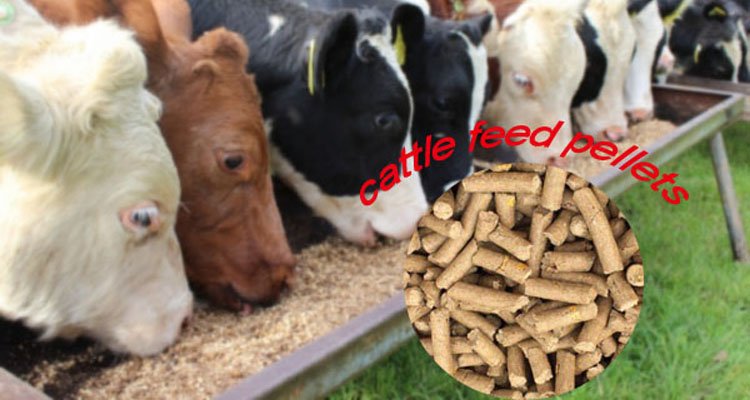
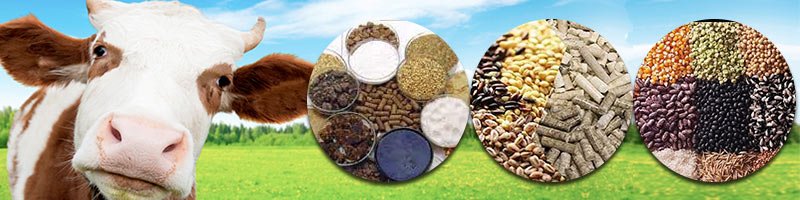
South African livestock farmers face rising feed costs every season. A reliable pelletizer transforms raw ingredients into nutritious, uniform pellets that reduce waste and improve animal health. Whether you manage a small dairy operation in Limpopo or a large beef ranch in North West, understanding how a pelletizer works can change your profitability overnight.
This guide covers everything from pelletizer machine functions to safety measures. You’ll discover how biomass and agricultural waste become valuable feed. We explore plastic pelletizer machine options, second-hand equipment considerations, and complete production lines tailored for South African conditions.
MAIKONG brings two decades of manufacturing excellence to South Africa. Our feed pellet machines, wood pellet machines, and fertilizer pellet machines serve farms across every province. From Gauteng poultry operations to KwaZulu-Natal fish farms, our equipment delivers consistent results backed by local technical support.
What Is a Pelletizer and How Does It Work
A pelletizer compresses loose raw material into dense cylindrical shapes. The process begins when you feed ground ingredients—maize, soya, fishmeal, grass, or agricultural waste—into the machine hopper. Inside, a rotating die and roller mechanism applies tremendous pressure.
Temperature rises during compression due to friction. This heat activates natural binders in the material, causing particles to fuse together. The die contains precisely drilled holes that shape the compressed mixture into pellets of uniform size.
Key Components of a Feed Pelletizer
- Conditioning chamber that adds steam and moisture
- Rotating die with hardened steel construction
- Pressure rollers that force material through die holes
- Cutting mechanism that breaks pellets to desired length
- Cooling system to reduce pellet temperature
- Collection bin for finished product
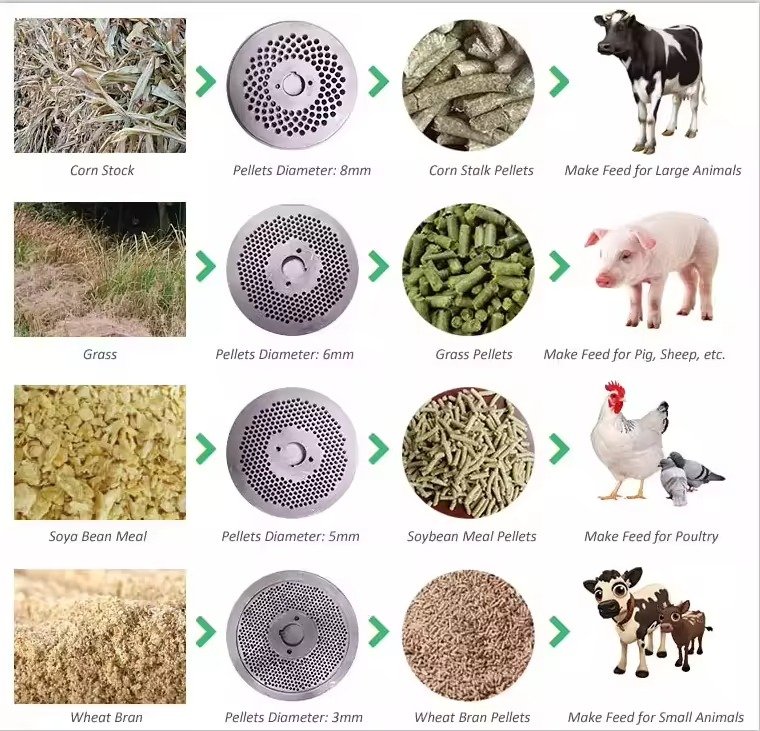
The pelletizing process improves digestibility for livestock. Cattle absorb nutrients more efficiently from pellets than from loose meal. Sheep and goats benefit from consistent pellet size that prevents selective feeding. Fish farmers appreciate floating pellets that reduce water pollution.
Different materials require specific pelletizer configurations. Grass and hay need lower moisture content than poultry feed formulations. Wood biomass demands higher compression pressure than agricultural waste. MAIKONG engineers design each pellet making machine to match your exact raw material characteristics.
Need Help Selecting the Right Pelletizer?
Our technical team provides free consultation for South African farmers. We analyze your raw materials, production goals, and budget to recommend the perfect solution.
Essential Pelletizer Machine Functions Explained
Understanding pelletizer machine functions helps you maximize production efficiency. Modern feed pellet machines perform multiple tasks simultaneously. Each function contributes to pellet quality, energy efficiency, and operational safety.
Moisture Control and Conditioning
The conditioning chamber adds controlled amounts of steam and water. Proper moisture levels (typically 14-16% for feed) activate starches that act as natural binders. Too much water creates soft pellets that crumble during handling. Insufficient moisture produces dusty, low-density pellets.
MAIKONG animal feed pellet machines feature precise moisture sensors. These digital controls maintain optimal content automatically. Your pellets emerge with consistent hardness whether you’re processing maize-based poultry feed or high-protein cattle rations.
Temperature Management Systems
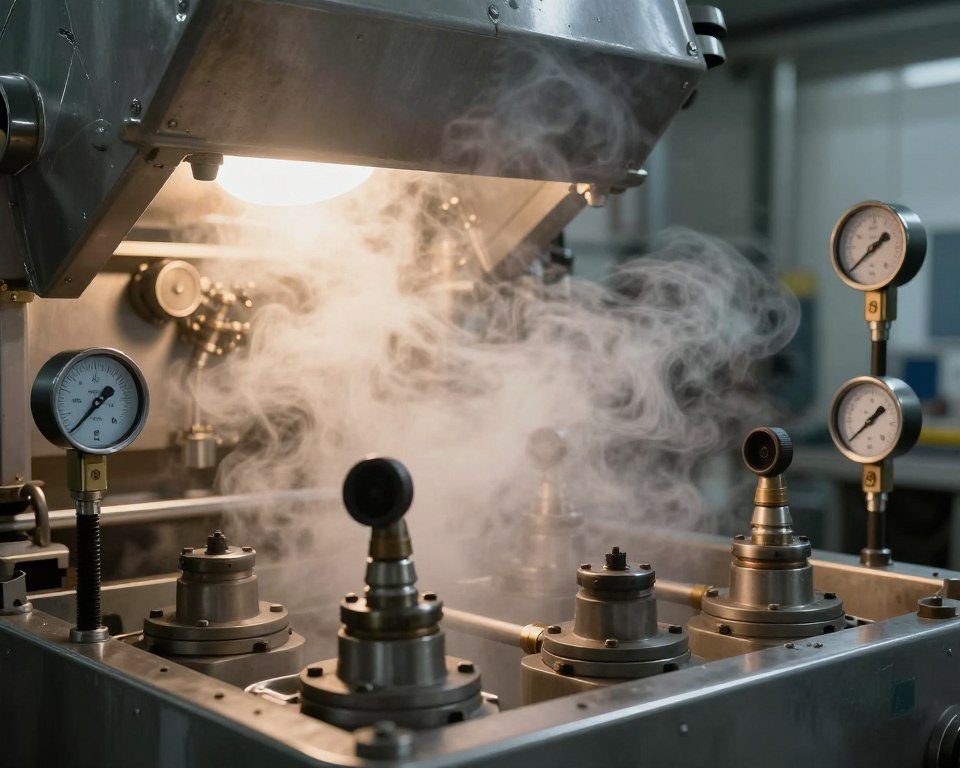
Temperature affects pellet durability and nutritional value. Excessive heat destroys vitamins and enzymes in feed formulations. The friction generated during pelletizing naturally raises temperature to 80-90°C. Advanced machines incorporate cooling zones that bring finished pellets down to safe storage levels.
Our cattle feed pelletizer models include integrated coolers. These systems use ambient air to reduce pellet temperature to within 5°C of room conditions. This prevents mold growth during storage and preserves nutritional content for months.
Die and Roller Configuration
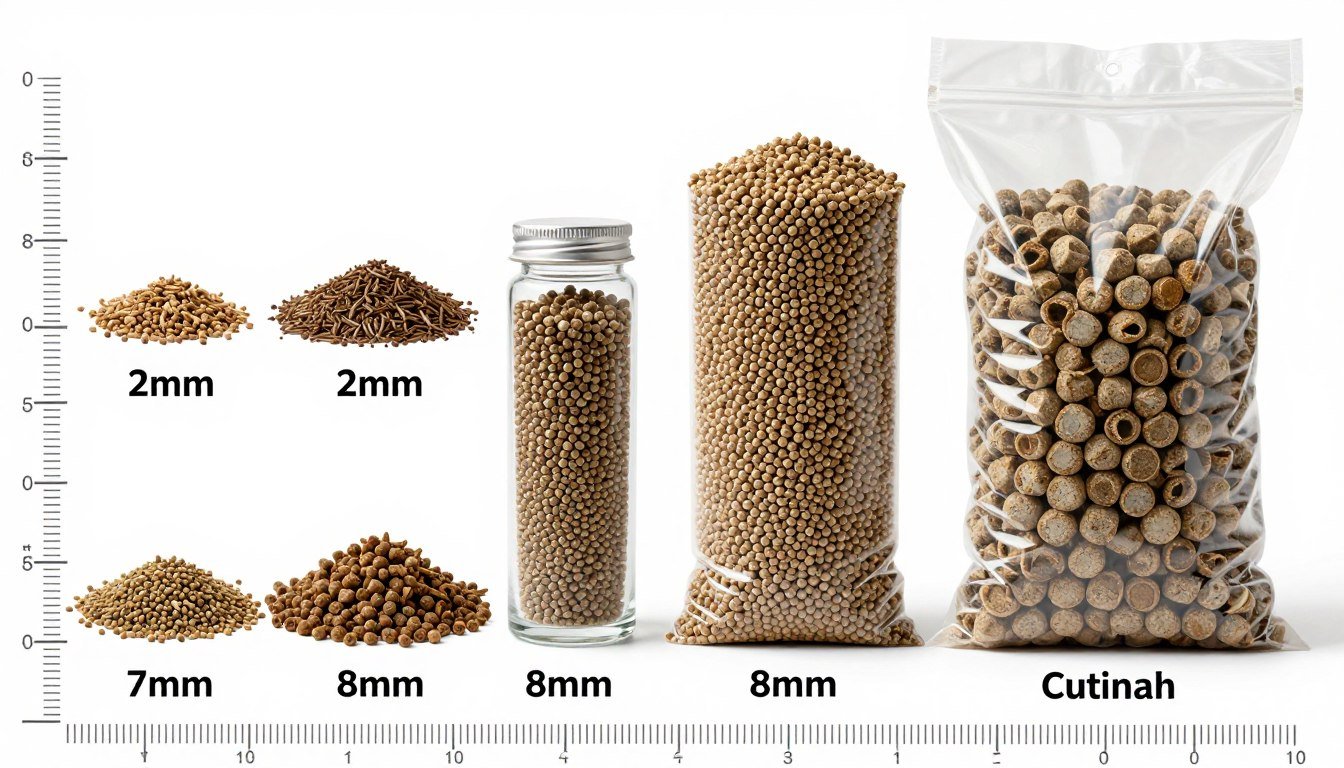
The die determines pellet diameter and density. Common size options range from 2mm for fish feed to 8mm for cattle rations. Hardened steel dies resist wear even when processing abrasive materials like mineral supplements or shell grit.
Roller adjustment mechanisms let operators fine-tune compression pressure. Higher pressure creates denser pellets suitable for transport over long distances. Lower pressure works better for delicate ingredients that shouldn’t be crushed.
| Pellet Size | Application | Typical Density | Die Configuration |
| 2-3mm | Fish feed, chick starter | 550-600 kg/m³ | Fine holes, 2mm depth |
| 4-5mm | Poultry grower, pig feed | 600-650 kg/m³ | Standard spacing, 3mm depth |
| 6-8mm | Cattle, sheep, goat feed | 650-700 kg/m³ | Wide holes, 4mm depth |
| 8-12mm | Horse feed, biomass fuel | 700-750 kg/m³ | Large diameter, 5mm depth |
Automation and Control Features
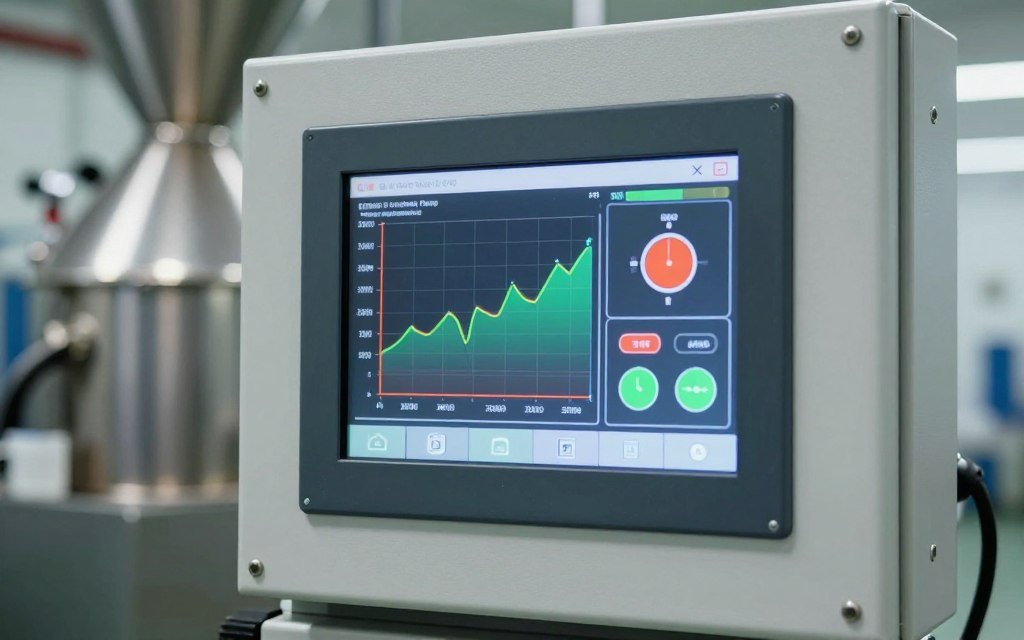
Modern pelletizer machines integrate programmable logic controllers. These systems monitor feed rate, motor load, temperature, and moisture continuously. Automatic shutdown prevents damage if the machine detects blockages or overload conditions.
MAIKONG pellet machines come with user-friendly touchscreen interfaces. Operators save custom recipes for different feed formulations. The system recalls exact settings when switching between cattle rations and poultry feed, eliminating guesswork and ensuring consistent quality.
Pelletizer Machine Safety Hazards and Measures
Operating a pelletizer involves mechanical equipment under high pressure and temperature. Recognizing potential pelletizer machine safety hazards protects your workers and prevents costly downtime. South African workplace regulations require comprehensive safety protocols for all agricultural processing equipment.
Common Safety Hazards
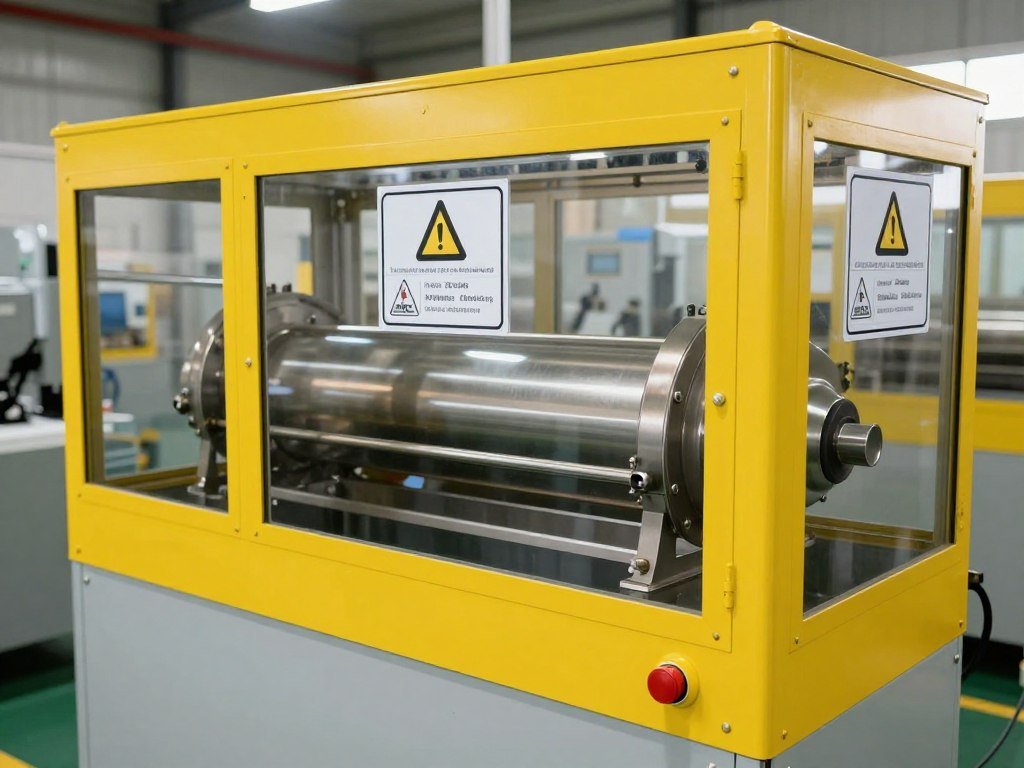
Moving parts pose crush and entanglement risks. The rotating die and rollers operate with tremendous force. Operators must never reach into the pelletizing chamber while the machine runs. Loose clothing, jewelry, and long hair create additional dangers near rotating components.
Heating zones and freshly formed pellets cause burns. Surface temperatures on the die can exceed 90°C during operation. Workers handling hot pellets need appropriate protective equipment. Thermal gloves and face shields prevent injury when clearing jams or performing maintenance.
Dust generated during feed processing irritates lungs and creates explosion hazards. Fine particles from grain grinding accumulate in enclosed spaces. Without proper ventilation, this dust can ignite from static electricity or hot surfaces. Regular cleaning and dust collection systems are essential pelletizer machine safety measures.
Electrical hazards affect maintenance personnel. Pellet mills operate on 380V three-phase power in South Africa. Lockout-tagout procedures prevent accidental startup during repairs. Only qualified electricians should work on motor controllers and automated systems.
Implementing Effective Safety Measures
Physical guards must cover all rotating components. Interlocked access panels cut power automatically when opened. These guards shouldn’t be removed or bypassed during operation. MAIKONG pellet making machines include CE-standard safety guards that meet international requirements.
Mandatory Personal Protective Equipment
- Safety glasses to protect from flying particles
- Heating-resistant gloves rated to 200°C
- Dust masks or respirators (P2 rating minimum)
- Steel-toed boots for crush protection
- Hearing protection in high-noise areas
- High-visibility clothing near moving machinery
Machine-Level Safety Features
- Emergency stop buttons at multiple locations
- Overload protection that shuts down motors
- Temperature sensors with automatic cutoff
- Die guards preventing access during operation
- Warning lights and audible alarms
- Non-slip platforms around work areas
Training programs must cover standard operating procedures. New operators should practice under supervision before running machines alone. Refresher courses keep experienced staff updated on safety protocols. Document all training sessions to comply with South African labour laws.
Maintenance schedules prevent mechanical failures that cause injuries. Worn bearings create excessive vibration. Damaged dies produce irregular pellets and increase jamming frequency. Follow manufacturer recommendations for lubrication intervals and parts replacement.
Emergency Response Procedures
Every facility needs written emergency plans. Workers must know how to shut down equipment quickly during fires, injuries, or mechanical failures. Keep first aid kits within 30 meters of all processing areas. Post emergency contact numbers prominently.
Fire suppression systems are critical for dust-producing operations. Install automatic sprinklers in enclosed pelletizing areas. Keep portable extinguishers rated for electrical and combustible dust fires nearby. Never use water on electrical fires or burning dust.
MAIKONG Safety Commitment
All our feed pellet machines undergo rigorous safety testing before shipment. We provide comprehensive operator manuals in English with clear safety instructions. Our technical support team offers guidance on implementing workplace safety programs compliant with South African regulations.
Questions about safety compliance? Contact our technical support team:
Types of Pelletizers for Different Applications
Not all pelletizers serve the same purpose. South African farmers need specialized machines for different materials and industries. Understanding the main types helps you choose equipment that matches your production goals.
Feed Pellet Machines for Livestock
Feed pellet machines process agricultural ingredients into nutritious rations. These machines handle protein meals, grains, minerals, and vitamin premixes. The pelletizing process gelatinizes starches, improving digestibility for animal nutrition.
Poultry operations benefit from small-diameter pellets (2-4mm) that chickens consume easily. Cattle and sheep require larger pellets (6-8mm) with higher fiber content. Fish farmers need floating pellets produced by extruder-type machines that inject air during formation.
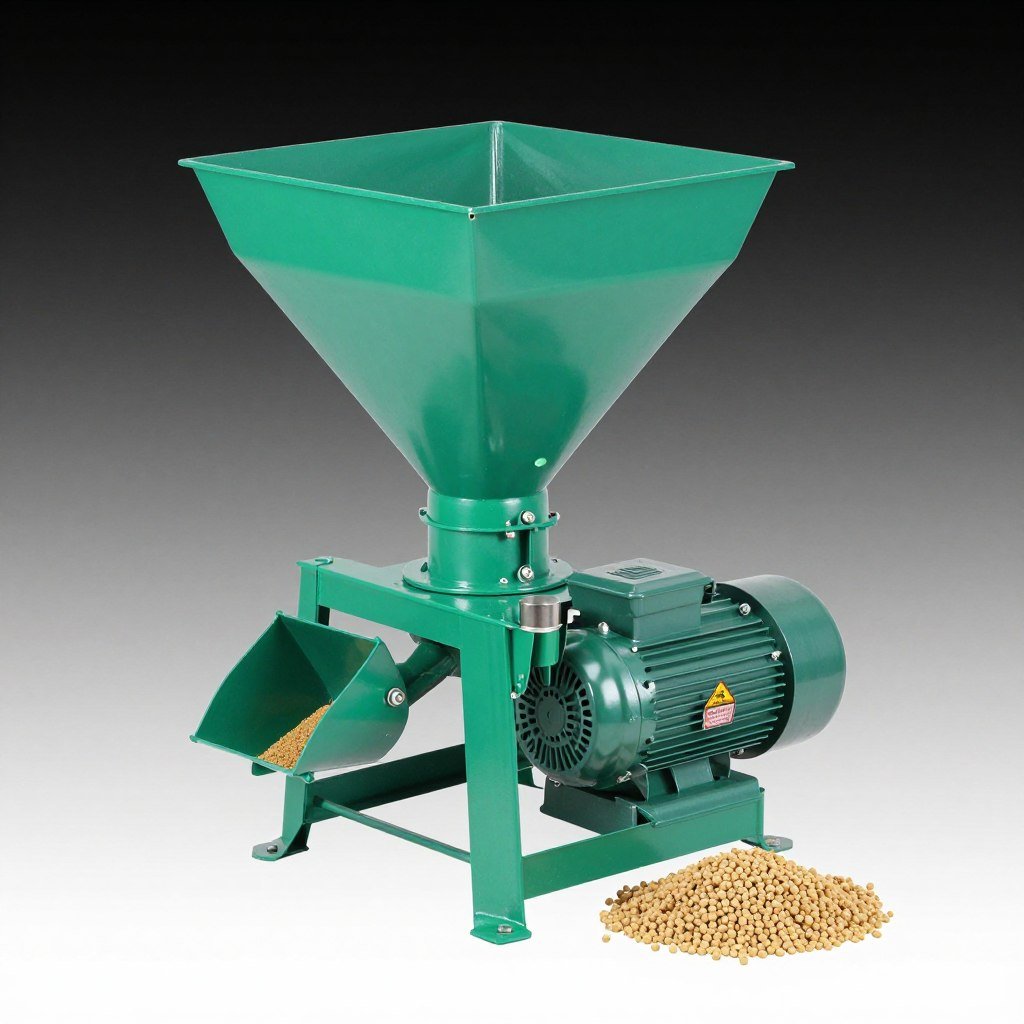
MAIKONG manufactures specialized cattle feed pelletizers designed for South African ranching conditions. Our machines handle local ingredients like maize, lucerne, and brewers grains efficiently. Robust construction withstands the abrasive nature of mineral licks and salt blocks mixed into cattle rations.
Poultry Feed Pellet Machine
Compact models producing 100-500 kg/hour. Perfect for layer farms and broiler operations. Processes soya, maize, and premix supplements into uniform pellets.
- 2.5-4mm pellet size range
- Low energy consumption (7.5-15 kW)
- Simple operation for farm staff
- Affordable entry-level pricing
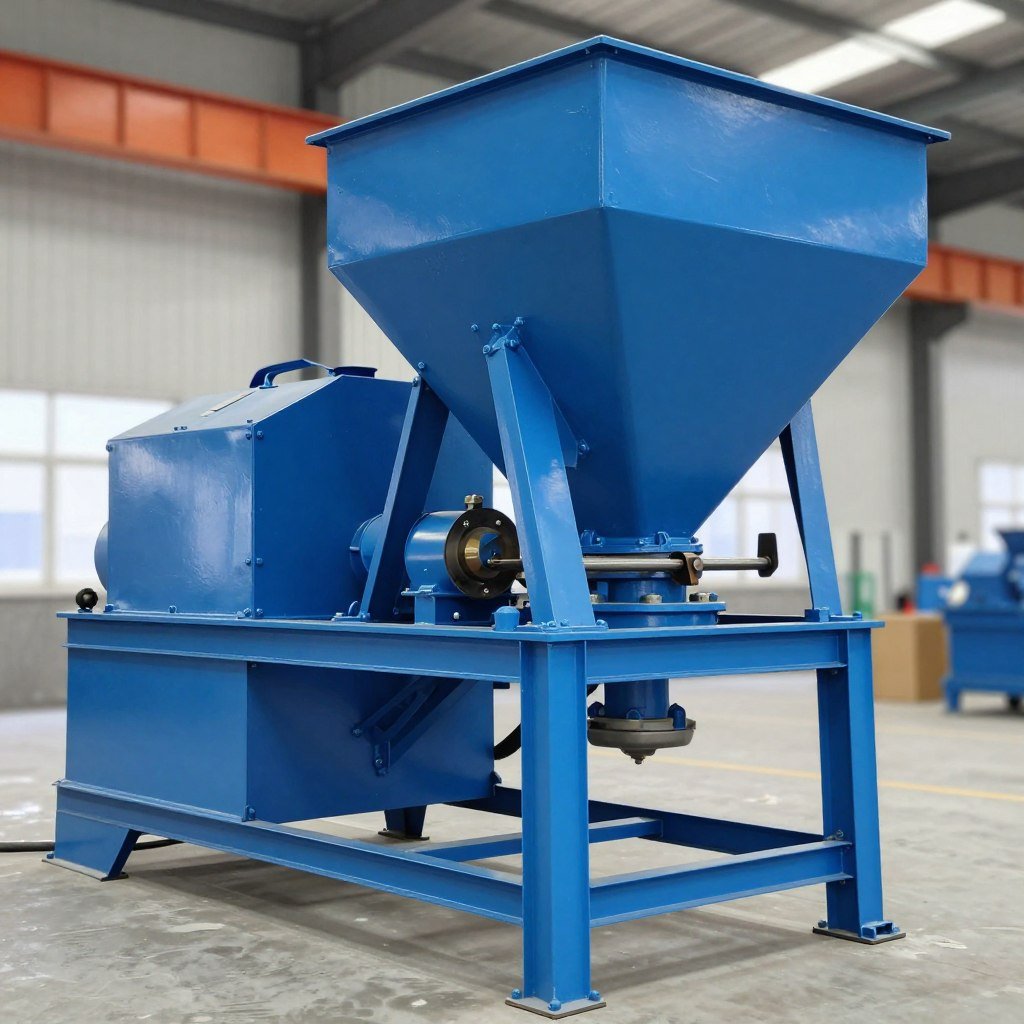
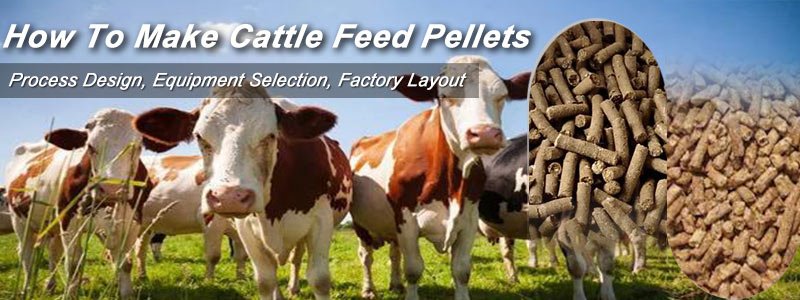
Cattle Feed Pelletizer
Heavy-duty construction for 500-2000 kg/hour production. Handles high-fiber roughage and complete mixed rations. Built for continuous operation on beef and dairy farms.
- 6-8mm pellet diameter
- Reinforced die for abrasive feeds
- Variable speed control
- Stainless steel contact surfaces
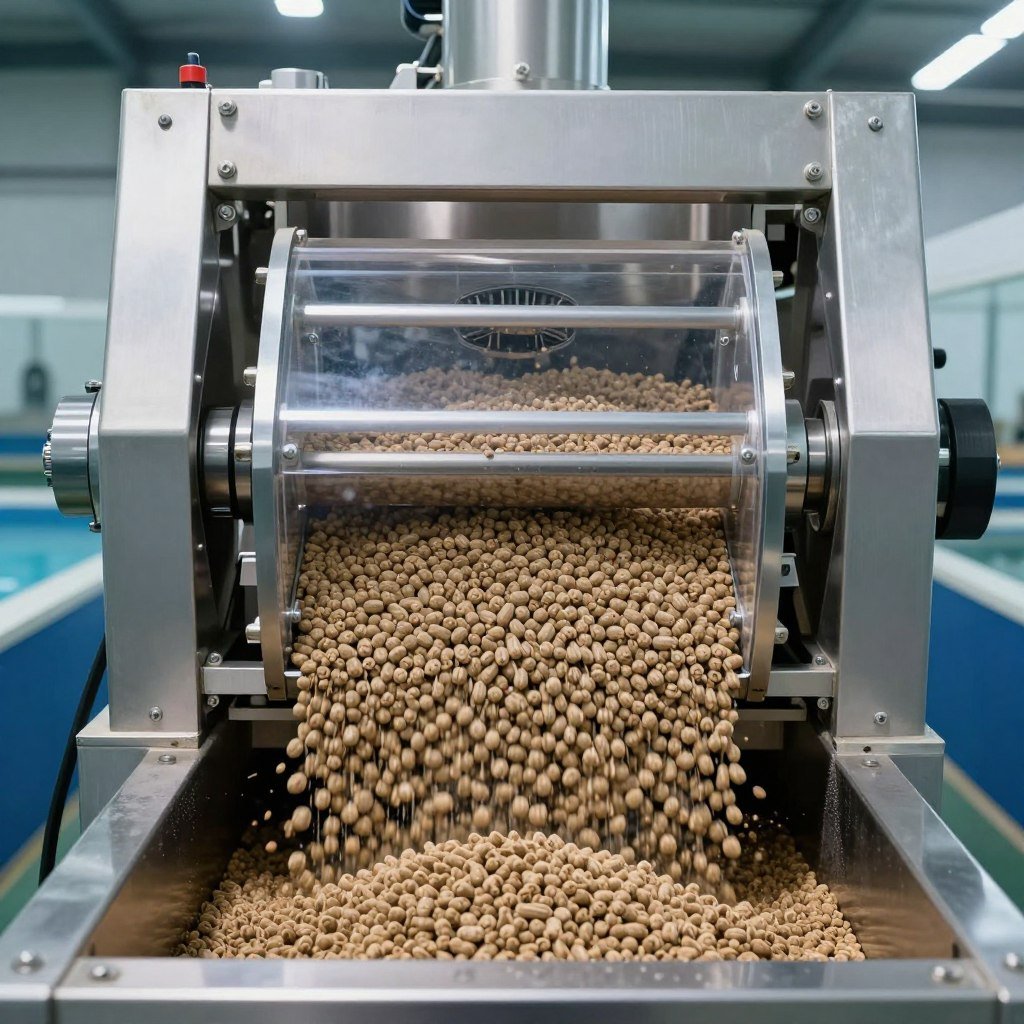
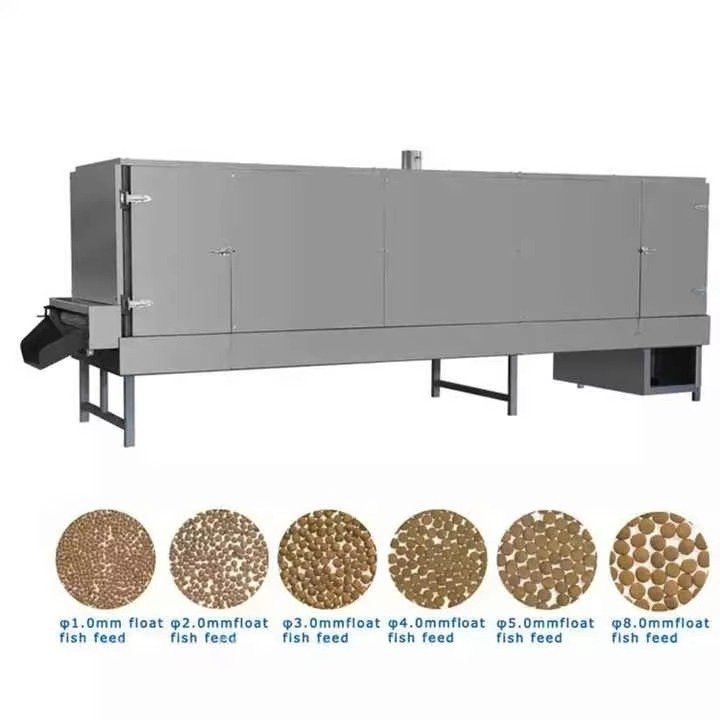
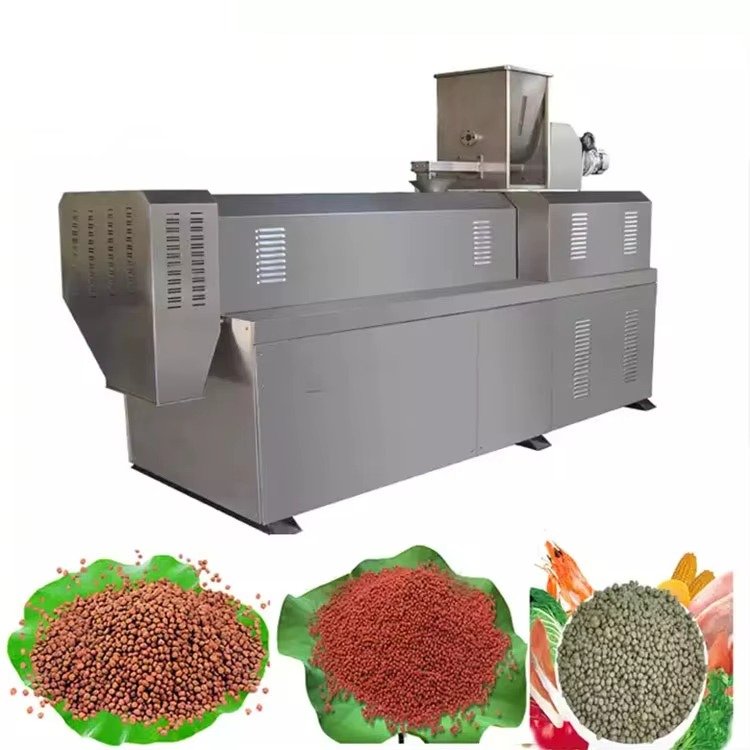
Floating Fish Feed Machine
Extruder technology creates buoyant pellets for aquaculture. Prevents waste and water pollution. Essential for tilapia, catfish, and ornamental fish farms.
- Floating time: 12+ hours
- Precise moisture control
- Variable pellet density
- High protein retention
Biomass and Wood Pellet Mills
Biomass pelletizers convert agricultural and forestry waste into renewable energy fuel. These machines compress sawdust, wood shavings, grass clippings, and crop residues. The resulting wood pellets burn efficiently in stoves and industrial boilers.
South African timber industries generate enormous quantities of sawdust. A wood pellet machine transforms this waste into profit. Furniture manufacturers install pellet mills to monetize their offcuts and dust collection systems.
Biomass pelletizing requires extremely low moisture content (8-12%). Wet materials must pass through dryers before pelletizing. The natural lignin in wood acts as a binder when heated during compression, creating durable fuel pellets without additives.
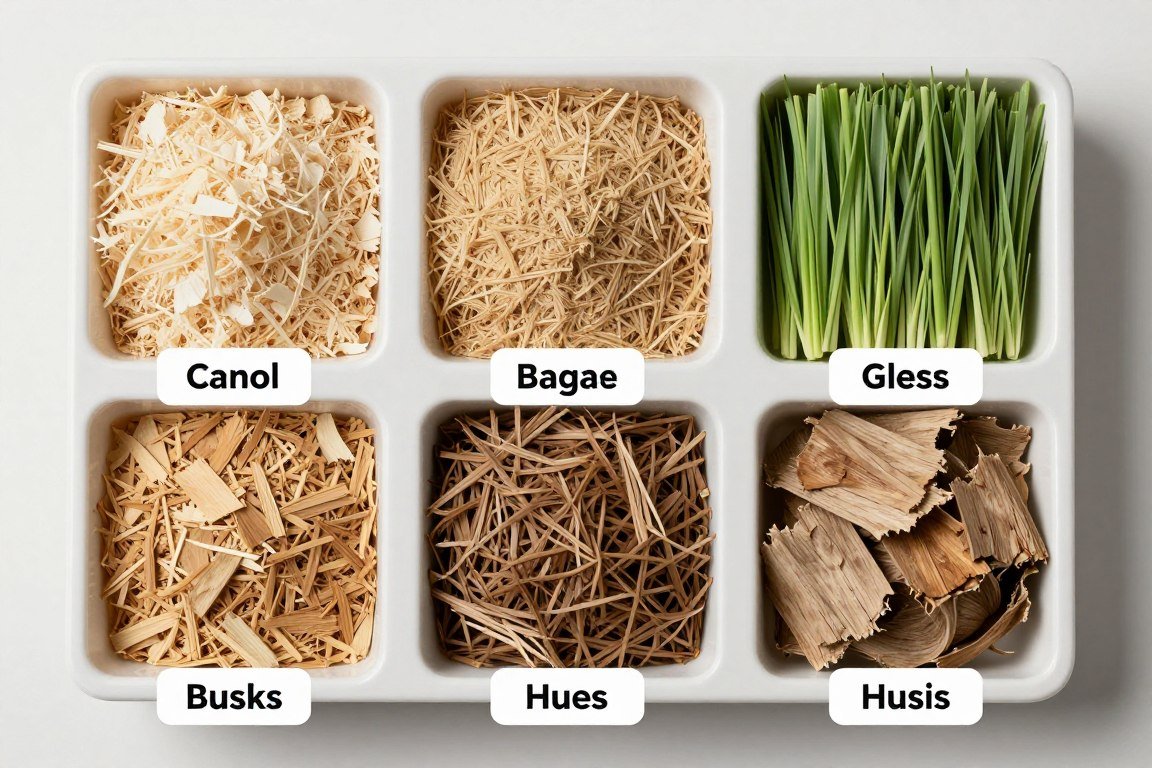
Common Biomass Raw Materials
- Pine and eucalyptus sawdust
- Sugarcane bagasse
- Maize stalks and cobs
- Sunflower husks
- Rice husks (coastal regions)
- Grass clippings and hay
- Bamboo residues
- Coffee and macadamia shells
Each material requires specific die configurations and pressure settings. MAIKONG engineers adjust machines to handle the unique characteristics of South African biomass sources.
Fertilizer Pellet Machines
Organic fertilizer pelletizers convert livestock manure and compost into easy-to-apply granules. These machines solve waste management challenges while creating valuable soil amendments. Dairy farms, chicken operations, and feedlots benefit from fertilizer pelletizing systems.
The pelletizing process reduces fertilizer volume by 60-70%. Pelletized manure doesn’t attract flies or produce odors like raw waste. Farmers can transport and spread pellets using standard equipment, improving field application efficiency.
MAIKONG fertilizer pellet machines handle high-moisture organic materials. Pre-treatment systems dry and grind raw manure before pelletizing. The finished product contains concentrated nutrients that release slowly in soil, reducing leaching and improving crop yields.
Plastic Pelletizer Machines and Recycling Solutions
Beyond agricultural applications, plastic pelletizer machines serve South Africa’s growing recycling industry. These specialized pelletizers convert waste plastics into reusable granules. Manufacturers purchase recycled plastic pellets to produce new products, reducing raw material costs and environmental impact.
How Plastic Pelletizers Differ
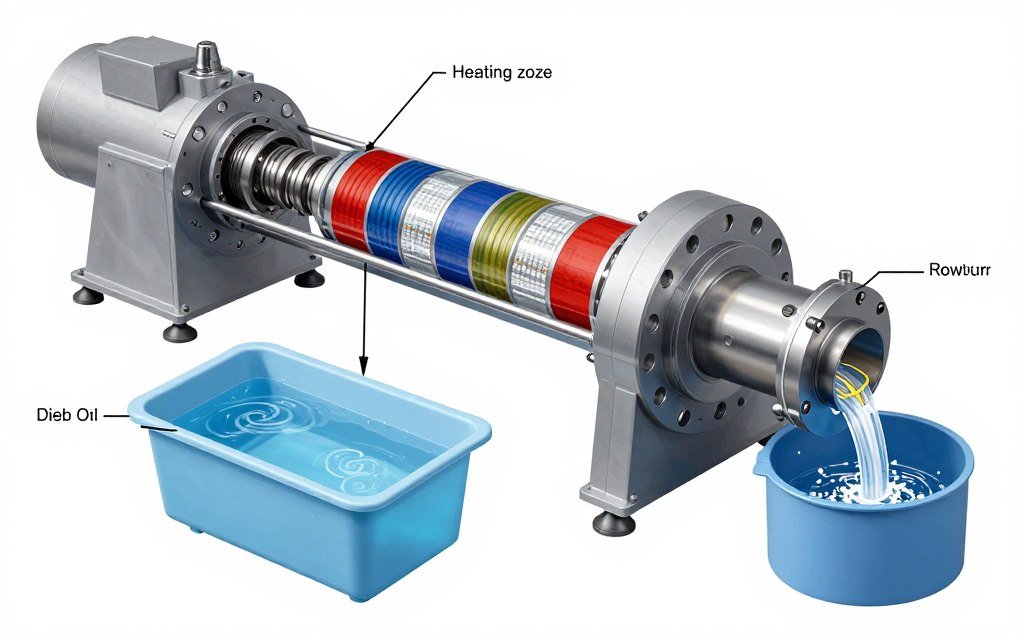
Plastic pelletizers employ different mechanisms than feed or biomass machines. Most use strand pelletizing methods where molten plastic extrudes through a die, cools in a water bath, and cuts into uniform granules. This process requires precise temperature control to prevent polymer degradation.
Different plastic types need specific processing temperatures. Polyethylene melts at lower temperatures than polypropylene. PET bottles require higher heat than HDPE containers. Advanced plastic pelletizer machines for sale include programmable controllers that adjust settings automatically based on material type.
New Versus Second-Hand Equipment
Budget-conscious buyers often search for 2nd hand plastic pelletizer machines for sale. While used equipment costs less initially, several factors deserve consideration. Older machines may lack modern safety features required by current regulations. Worn components increase downtime and maintenance expenses.
Advantages of New Pelletizers
- Full manufacturer warranty coverage
- Latest safety and efficiency features
- Customization to exact specifications
- Technical support and training included
- Proven reliability and part availability
- Compliance with current regulations
Risks of Second-Hand Equipment
- Unknown operating history
- Hidden wear on critical components
- Outdated technology and controls
- Limited or no warranty protection
- Difficulty sourcing replacement parts
- Potential safety compliance issues
MAIKONG offers competitive pricing on new pelletizer machines that often rivals second-hand options. Our equipment includes complete documentation, operator training, and installation support. Five-year warranties on major components provide peace of mind unavailable with used machines.
Applications in South African Industry
Plastic recyclers in Johannesburg, Cape Town, and Durban operate pelletizing lines that process tons of waste daily. Agricultural plastic film from greenhouses and silage covers represents a significant recycling opportunity. Beverage bottle collections generate clean PET suitable for high-value applications.
Small-scale entrepreneurs enter the recycling industry with compact plastid pelletizer machines. These machines handle mixed plastics from community collection programs. The pellets sell to manufacturers producing paving stones, plastic lumber, and drainage pipes.
Important Consideration
While MAIKONG specializes in feed, biomass, and organic fertilizer pelletizers, we recognize the demand for plastic recycling equipment in South Africa. We can connect you with trusted partners who manufacture plastic pelletizer machines for sale or help you explore whether our biomass technology adapts to certain plastic applications. Contact our team to discuss your specific recycling goals.
Pelletizer Machines in North West Province
North West province drives South Africa’s agricultural economy through extensive cattle ranching and maize production. Farmers searching for pelletizer machines in North West need reliable equipment that withstands harsh conditions and variable electricity supply.
Regional Agricultural Challenges
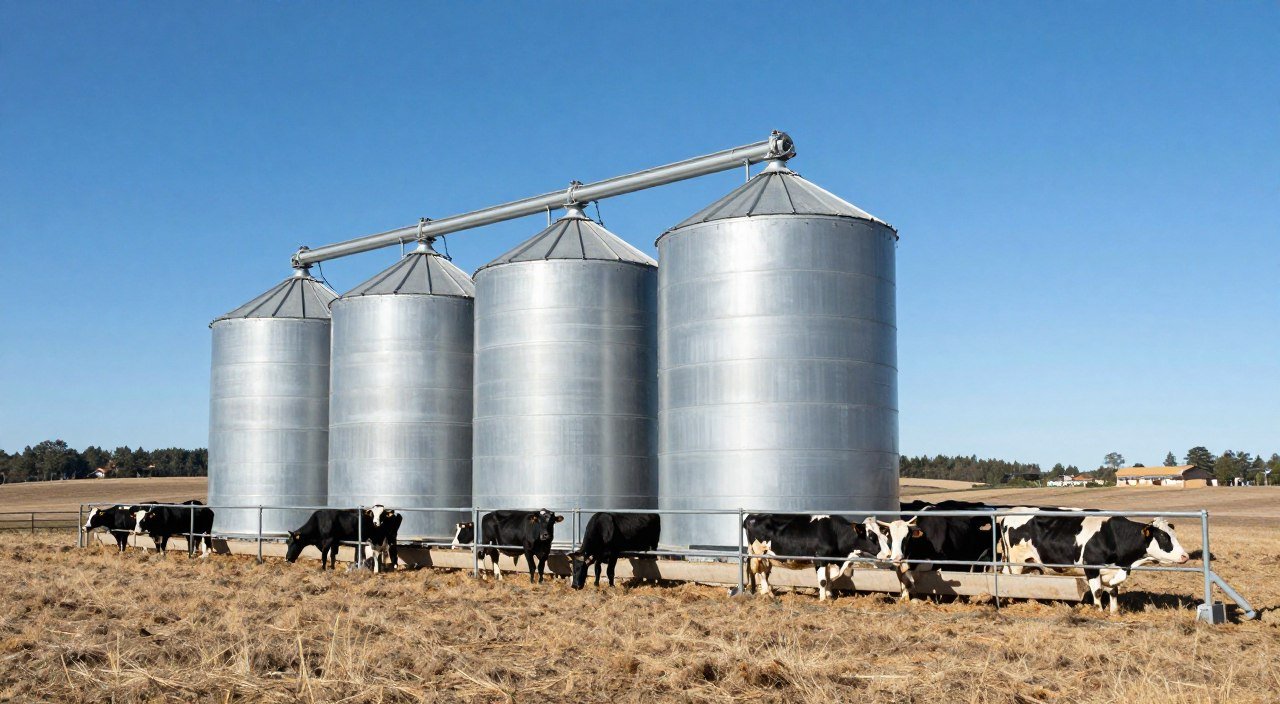
North West’s semi-arid climate limits natural grazing during winter months. Farmers supplement cattle diets with manufactured feed pellets containing preserved nutrients. A farm-based pelletizer allows producers to control feed quality while reducing transport costs from distant mills.
Maize farming generates substantial crop residues—stalks, cobs, and husks. Smart farmers convert this waste into cattle feed or biomass fuel pellets. Pelletizing preserves nutrients better than leaving residues to decompose in fields. Dense pellets store efficiently and remain stable for months.
Power Supply Considerations
Rural North West areas experience occasional load-shedding and voltage fluctuations. MAIKONG pellet machines include voltage stabilizers that protect motors during power irregularities. Soft-start systems prevent electrical surges when machines restart after outages.
Some remote farms operate off-grid using solar power and generators. We design low-power pelletizer configurations compatible with renewable energy systems. A 15 kW pellet mill producing 300 kg/hour runs efficiently on properly sized solar arrays with battery backup.
Local Support Network
MAIKONG maintains technical support coverage throughout North West province. Our service team responds quickly to installations in Mafikeng, Rustenburg, Klerksdorp, and surrounding farming districts. We stock common spare parts regionally to minimize downtime.
Training programs teach farm staff proper operation and basic maintenance. Hands-on instruction covers die changing, roller adjustment, and troubleshooting common issues. Confident operators maximize production efficiency and extend equipment lifespan.
Serving North West Province
Local support, fast delivery, and equipment designed for South African farming conditions. MAIKONG understands the unique challenges facing North West agricultural operations.
Specialized Pelletizers: Pith and Agricultural Waste
South Africa’s diverse agricultural sector generates unique waste streams suitable for pelletizing. Sugarcane pith, citrus peels, and nut shells represent valuable resources when processed correctly. Specialized pith pelletizer machines convert these materials into useful products.
Pith Pelletizer Applications
Pith refers to the soft inner tissue of sugarcane stalks remaining after juice extraction. KwaZulu-Natal and Mpumalanga sugar mills produce thousands of tons annually. Traditionally burned or landfilled, pith contains significant energy value when pelletized into fuel.
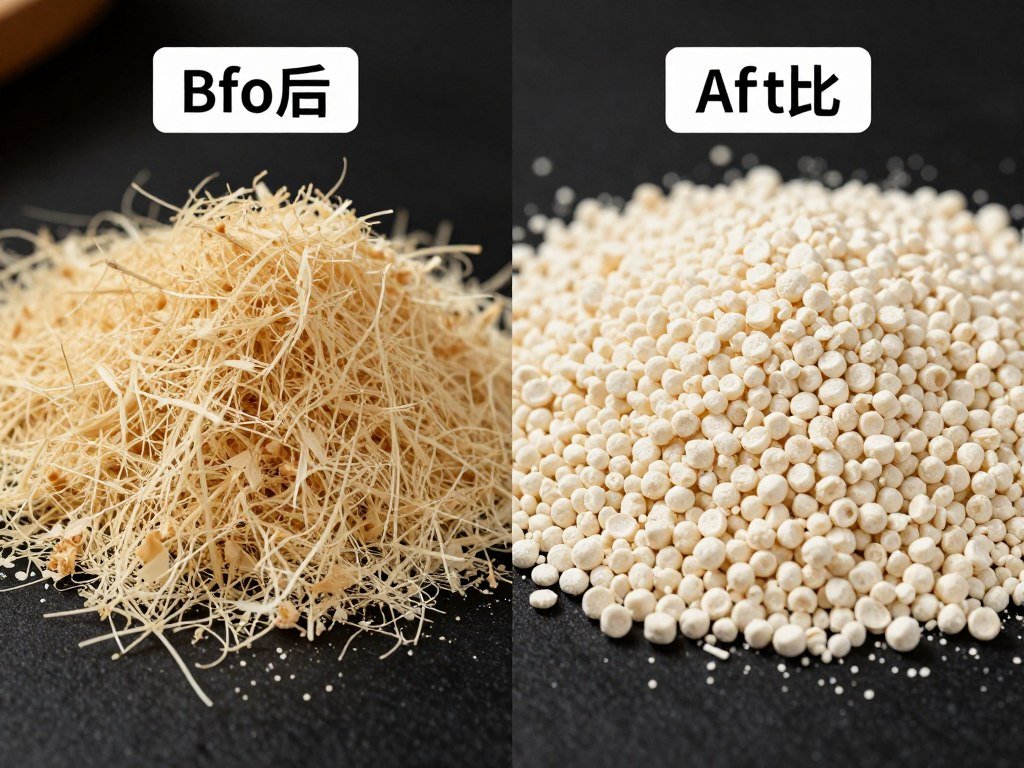
A pith pelletizer machine for sale must handle high moisture content and fibrous texture. Pre-drying systems reduce moisture to acceptable levels (below 15%). Specialized dies with larger holes accommodate pith‘s stringy characteristics without clogging.
Pelletized pith burns cleanly in industrial boilers, generating steam for sugar refining operations. This closes the energy loop, reducing dependence on coal and electricity. Some mills co-fire pith pellets with bagasse for continuous power generation.
Citrus Waste Pelletizing
Orange, lemon, and grapefruit processing creates pulp and peel waste. Fresh citrus waste contains 80-85% moisture, requiring substantial drying before pelletizing. Dried citrus pellets serve as cattle feed supplements rich in fiber and natural sugars.
Citrus pellets stimulate appetite and improve feed intake during hot weather. The natural pectin content benefits digestive health in ruminants. Dairy farmers incorporate 10-15% citrus pellets into total mixed rations, noticing improved milk production.
Nut Shell and Biomass Processing
Macadamia farming in Limpopo and Eastern Cape generates enormous shell volumes. These hard shells resist decomposition but pelletize into excellent fuel. A plastid pelletizer machine (term sometimes misapplied to various agricultural pelletizers) configured for nut shells produces high-density energy pellets.
Pecan and almond shells process similarly. The resulting pellets burn hotter than wood due to higher oil content. Restaurants and lodges purchase nut shell pellets for braai facilities and pizza ovens, creating profitable markets for waste materials.
Feed Applications
- Citrus pulp cattle supplements
- Brewery grain pellets
- Vegetable waste pig feed
- Fruit pomace poultry rations
Fuel Applications
- Sugarcane pith boiler fuel
- Nut shell premium pellets
- Coffee husk biomass energy
- Sawdust heating pellets
Fertilizer Applications
- Composted vegetable waste
- Poultry litter pellets
- Cattle manure granules
- Winery grape marc fertilizer
MAIKONG engineers assess your specific waste materials to recommend appropriate pelletizing solutions. We adjust die specifications, moisture targets, and compression settings for each unique application. Our goal is turning your waste into profit rather than disposal costs.
Choosing the Right Production Capacity
Selecting a pelletizer with appropriate production capacity prevents bottlenecks and wasted investment. Undersized machines run constantly without meeting demand. Oversized equipment operates inefficiently at partial loads, consuming excess energy and wearing components unnecessarily.
Calculating Your Daily Pellet Requirements
Start by determining total daily feed consumption across your livestock. A dairy cow consumes approximately 15-20 kg of feed daily. Beef cattle require 8-12 kg depending on weight and growth stage. Multiply animal numbers by daily rations to establish baseline needs.
Add 15-20% buffer capacity for production variations and storage reserve building. If your herd needs 1000 kg daily, target a machine producing 1150-1200 kg per day. This accounts for downtime, seasonal increases, and potential herd expansion.
| Operation Type | Animal Numbers | Daily Feed Need | Recommended Capacity | Suitable Model |
| Small poultry farm | 500-1000 birds | 50-100 kg | 100-150 kg/hour | MAIKONG PM-150 |
| Medium dairy | 50-100 cows | 800-1500 kg | 300-500 kg/hour | MAIKONG PM-500 |
| Large beef ranch | 500+ cattle | 4000-6000 kg | 800-1200 kg/hour | MAIKONG PM-1000 |
| Commercial feed mill | Multiple farms | 10,000+ kg | 2000-5000 kg/hour | MAIKONG PM-3000 |
Operating Hours and Shift Planning
Most farm-scale pellet mills operate 4-6 hours daily during single-shift operations. Running a 500 kg/hour machine for 5 hours produces 2500 kg—enough for substantial herds with storage reserve. Commercial mills employ multiple shifts for continuous production.
Consider labor availability when sizing equipment. Automated systems reduce operator intervention but increase initial investment. Smaller operations may prefer simpler machines requiring more manual handling but lower purchase prices.
Future Expansion Considerations
Agricultural operations typically grow over time. Purchase pelletizing capacity that accommodates 3-5 year expansion plans. Modular systems allow adding production lines rather than replacing entire machines.
MAIKONG designs scalable solutions starting with single pellet mills that integrate into complete production lines later. Add mixers, coolers, and storage silos as your operation expands. This phased approach spreads investment over time while maintaining operational flexibility.
Factors Affecting Pellet Quality and Durability
High-quality pellets resist breaking during handling and transport. Durable pellets minimize dust and waste, ensuring animals receive intended nutrition. Several factors influence final pellet quality beyond basic machine operation.
Raw Material Characteristics
Particle size of ground ingredients significantly impacts pellet quality. Coarse grinding produces weak pellets that crumble easily. Extremely fine grinding creates excessive dust and may reduce livestock palatability. Optimal particle size range depends on pellet diameter—smaller pellets require finer grinding.
For 6mm cattle feed pellets, grind ingredients to pass through 3-4mm screens. Fish feed requiring 2-3mm pellets needs grinding to 1-1.5mm particle size. MAIKONG recommends hammer mills or roller mills matched to your target pellet specifications.
Moisture content affects binding during pelletizing. Low moisture ingredients (below 10%) struggle to compress properly. Excessive moisture (above 16%) produces soft pellets prone to mold growth. Conditioning chambers add controlled steam to achieve optimal moisture levels before die compression.
Die and Roller Condition
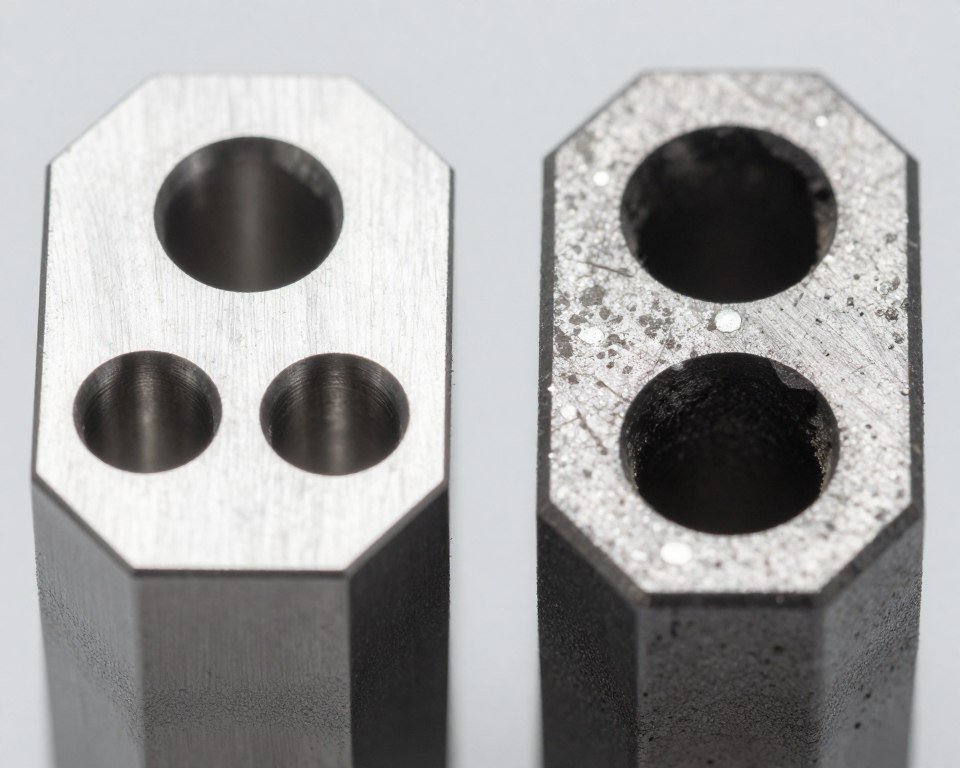
Worn dies produce irregular pellets with poor durability. Inspect die holes monthly for enlargement or rough edges. Replace dies when hole diameter increases by 10% or more. A 6mm die worn to 6.6mm creates loose, crumbly pellets regardless of other settings.
Roller surfaces must maintain proper pressure against the die. Flat spots or uneven wear cause inconsistent compression. Adjust roller gaps according to manufacturer specifications—typically 0.1-0.3mm clearance. MAIKONG machines include wear indicators showing when adjustment or replacement becomes necessary.
Temperature Control During Pelletizing
Proper temperature activates starches and proteins that bind particles together. Most feed formulations pelletize best at 75-85°C. Lower temperatures produce weak pellets. Excessive heat destroys vitamins and amino acids, reducing nutritional value.
Steam conditioning raises temperature before compression while adding moisture. The friction of compression generates additional heat. Cooling systems immediately reduce pellet temperature to prevent thermal damage and prepare pellets for safe storage.
Testing Pellet Durability
The Pellet Durability Index (PDI) measures pellet quality objectively. This test tumbles pellets in a standardized container, then calculates the percentage remaining intact. High-quality pellets achieve PDI scores above 90%. Scores below 85% indicate process problems requiring correction.
MAIKONG conducts quality testing on all machines before shipment. We provide sample pellets produced using your exact raw materials during factory acceptance tests. This proves pellet quality meets your standards before installation.
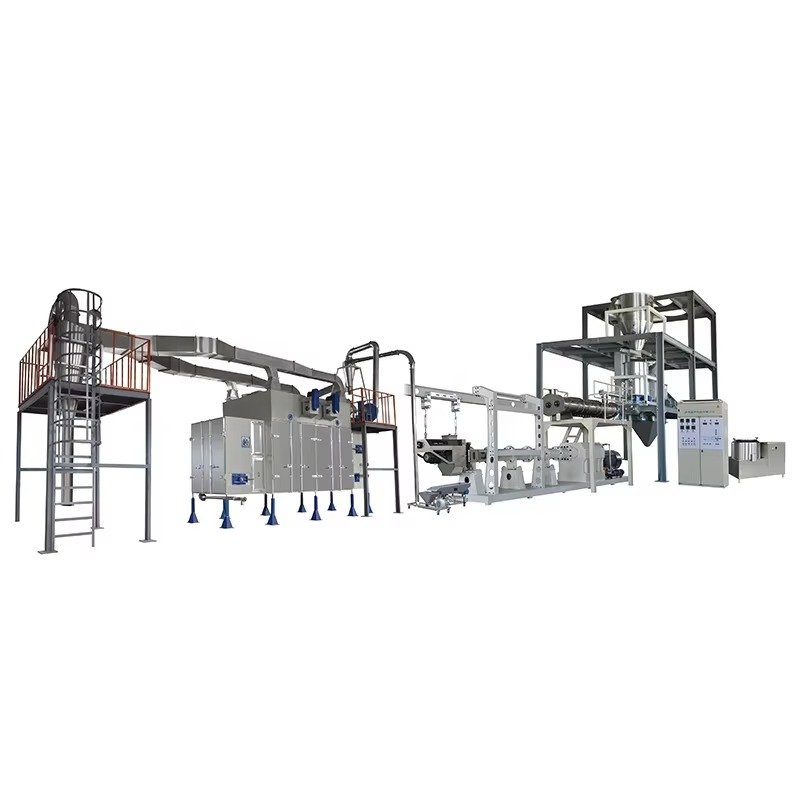
Complete Pellet Production Line Systems
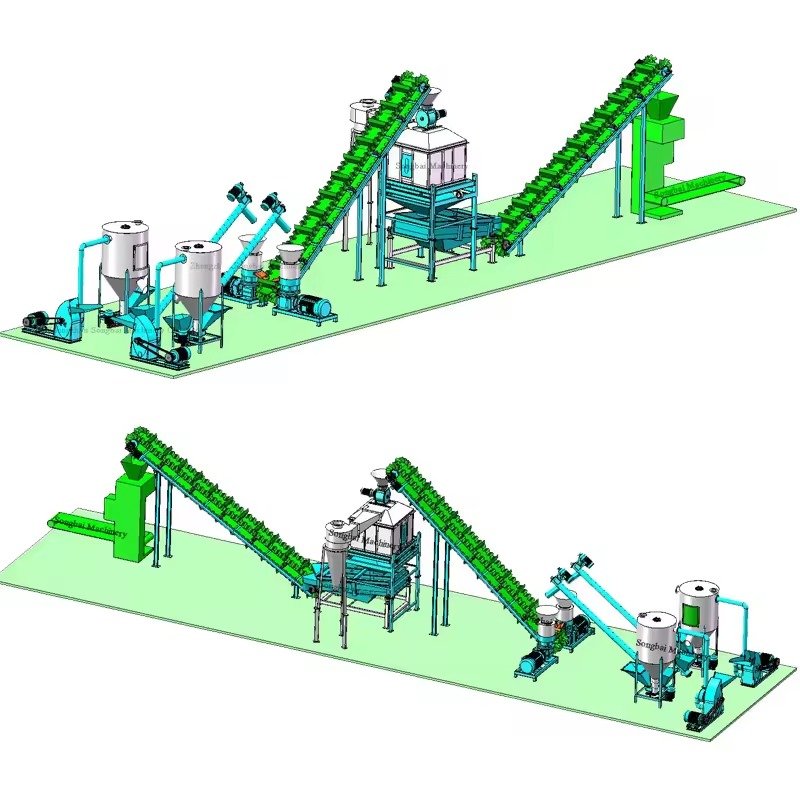
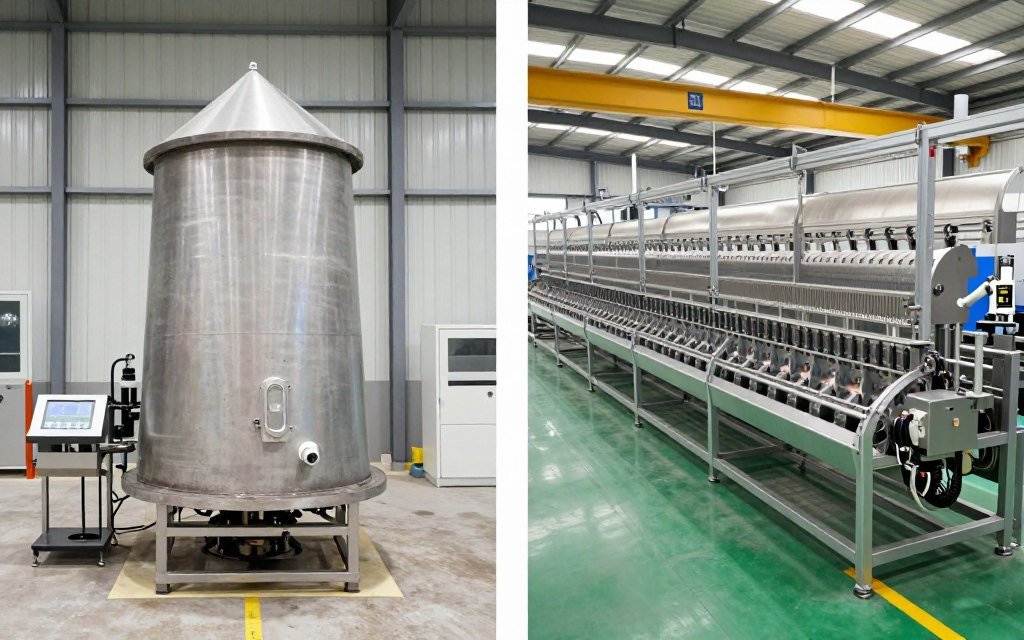
Individual pelletizers form the core of complete production systems. Integrated lines include material handling, grinding, mixing, pelletizing, cooling, and packaging equipment. These systems maximize efficiency while minimizing labor requirements.
Production Line Components
A typical feed pellet production line begins with raw material reception and storage. Bulk bins hold grains, protein meals, and supplements. Augers or conveyors meter ingredients into grinding mills according to formula specifications.
Mixers blend ground ingredients with vitamins, minerals, and medication premixes. Batch mixers process specific quantities before discharging to conditioning chambers. Continuous mixers maintain constant flow for high-volume operations.
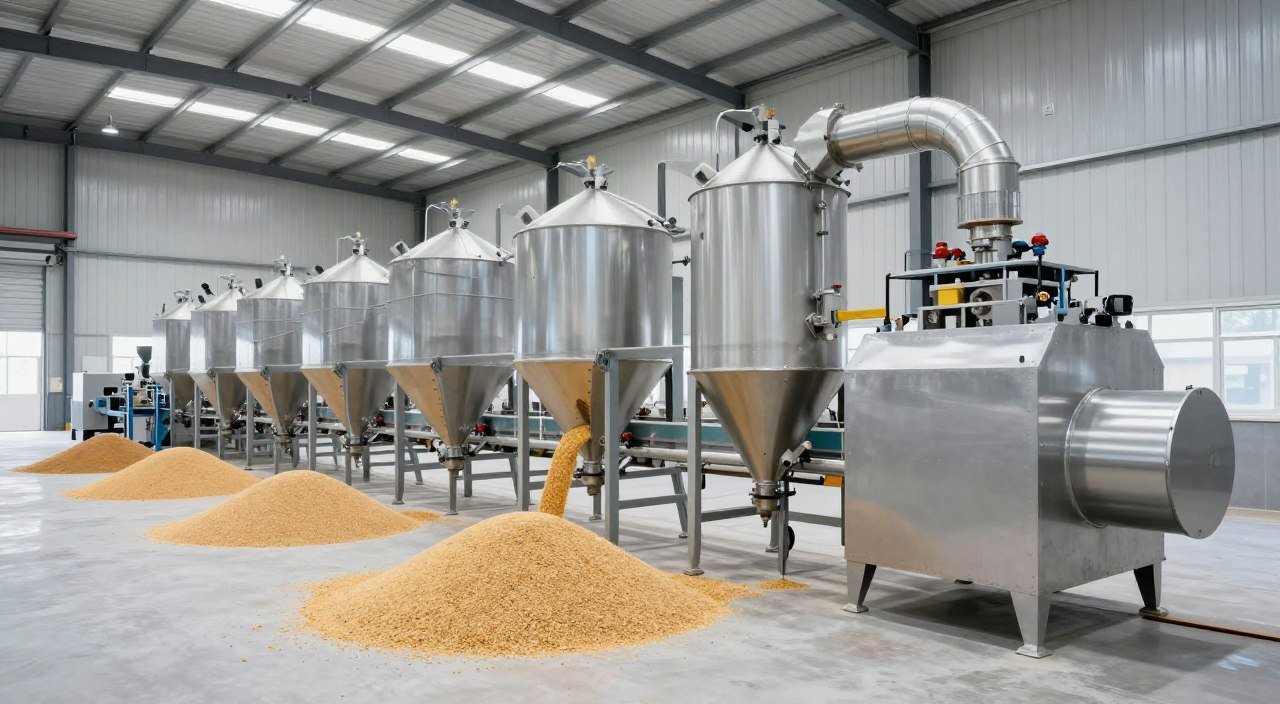
After pelletizing, counterflow coolers reduce temperature to ambient levels plus 5°C maximum. Cooling prevents condensation inside storage bags and extends shelf life. Screening removes fines—broken pellets and dust—which recycle back to the mixer.
Automated weighing and bagging systems package finished pellets precisely. Sewing or heat-sealing equipment closes bags for transport. Large operations use bulk trucks eliminating bagging entirely, loading cooled pellets directly into delivery vehicles.
Capacity Matching Between Components
Production lines require balanced component capacities. If your pellet mill produces 1000 kg/hour, the mixer must supply prepared ingredients at this rate continuously. Undersized mixers create bottlenecks. Oversized coolers waste energy and floor space.
MAIKONG designs integrated systems where each component matches overall production targets. Our engineers calculate material flow rates accounting for recycle streams and process variations. This ensures smooth operations without imbalances that reduce efficiency.
Small-Scale Farm Line
200-500 kg/hour capacity
- Single hammer mill grinder
- Batch mixer (250 kg)
- Single pellet mill
- Air-cooled cooler
- Manual bagging station
- Total power: 35-50 kW
Investment range: Entry-level pricing suitable for individual farms and small cooperatives.
Medium Commercial Line
1-3 tons/hour capacity
- Dual grinding system
- Continuous ribbon mixer
- Twin pellet mills
- Counterflow cooler
- Automated weighing/bagging
- Total power: 120-180 kW
Investment range: Mid-tier systems for commercial feed producers and large farms.
Large Industrial Line
5-10 tons/hour capacity
- Multiple grinding circuits
- Dual-shaft paddle mixer
- Four parallel pellet mills
- Multi-zone cooling system
- Fully automated packaging
- Total power: 350-500 kW
Investment range: Premium installations for major feed manufacturers and export operations.
Automation and Control Systems
Modern production lines employ centralized computer control. Operators monitor all equipment from single screens showing real-time status. Automated recipe management recalls stored formulations, adjusting ingredient proportions automatically.
SCADA (Supervisory Control and Data Acquisition) systems track production metrics—tons per hour, energy consumption, downtime causes. This data identifies efficiency improvements and predicts maintenance needs before failures occur.
MAIKONG integrates industry-standard automation components compatible with South African electrical codes. Our systems interface with existing farm management software, allowing production scheduling based on actual feed requirements and inventory levels.
Return on Investment for Pelletizing Equipment
Purchasing a pelletizer represents significant capital investment. Smart buyers calculate expected returns before committing funds. Several factors influence payback periods and long-term profitability.
Cost Savings Through On-Farm Production
Commercial feed mills charge R50-150 per ton for pelletizing services beyond raw material costs. Large operations consuming 100 tons monthly pay R5,000-15,000 in processing fees annually. A farm-based pellet mill eliminates these recurring charges.
Transport expenses decrease when producing feed on-site. Buying whole grains locally costs less than delivered finished feed from distant mills. Farmers control ingredient quality and formulations, optimizing nutrition for specific livestock needs.
| Operation Size | Monthly Feed Use | Processing Savings | Equipment Cost | Payback Period |
| Small farm (50 cattle) | 15 tons | R1,500-2,250 | R180,000-250,000 | 8-14 months |
| Medium farm (200 cattle) | 60 tons | R6,000-9,000 | R450,000-650,000 | 6-9 months |
| Large ranch (1000+ cattle) | 300 tons | R30,000-45,000 | R1,200,000-1,800,000 | 3-5 months |
| Commercial mill | 1000+ tons | R100,000-150,000 | R3,000,000-5,000,000 | 2-4 months |
Revenue Generation Opportunities
Farmers with excess pelletizing capacity sell finished feed to neighbors. This converts idle equipment into profit centers. Small mills charging R100-200 per ton for custom pelletizing services create additional income streams.
Biomass pellet production offers higher margins than feed. Premium wood pellets sell for R2,500-3,500 per ton in South African markets. Converting waste sawdust or agricultural residues into fuel generates revenue from otherwise valueless materials.
Operating Cost Considerations
Energy consumption represents the primary ongoing expense. A 500 kg/hour pellet mill consumes approximately 15-22 kW during operation. At current electricity rates (R2.50-3.00 per kWh), expect R40-70 hourly power costs.
Maintenance expenses include periodic die replacements (every 500-1000 operating hours), bearing lubrication, and belt changes. Budget 5-8% of initial equipment cost annually for routine maintenance and parts replacement.
Labor costs vary with automation level. Fully manual systems require dedicated operators throughout production runs. Automated lines need minimal supervision, reducing labor to material handling and quality checks.
Financing and Depreciation
Agricultural development banks offer favorable terms for farming equipment purchases. Standard loans provide 5-7 year repayment schedules at competitive interest rates. MAIKONG assists with financing documentation required by South African lending institutions.
Tax depreciation reduces effective equipment costs. Current regulations allow accelerated depreciation for agricultural machinery. Consult your accountant regarding Section 12C allowances applicable to pelletizing equipment.
Calculate Your Custom ROI
Every operation differs. Request a personalized return-on-investment analysis based on your specific circumstances, feed requirements, and local costs.
Real-World Success Stories from South African Farms
Actual results from MAIKONG installations demonstrate practical benefits beyond theoretical calculations. These case studies show how different operations achieve success with pelletizing technology.
Case Study: Limpopo Dairy Cooperative
A 12-member dairy cooperative in Limpopo collectively milks 600 cows. Previously, members purchased commercial feed at varying quality and prices. The cooperative invested in a MAIKONG 800 kg/hour cattle feed pelletizer and shared mixer system.
“Our feed costs dropped by 28% within six months. More importantly, we control exactly what our cows eat. Milk production increased 12% from improved nutrition consistency.”
The installation processes local maize, sunflower meal, and lucerne into complete dairy rations. Members deliver raw materials from their crops, reducing cash purchases. The cooperative pelletizes twice weekly, producing enough feed for all members with minimal storage requirements.
Key Results: 28% feed cost reduction, 12% milk production increase, 14-month payback period, improved herd health metrics.
Case Study: North West Beef Ranch
A 2,500-head beef operation near Vryburg struggled with seasonal feed shortages during winter droughts. Installing a MAIKONG biomass pellet system allowed the ranch to preserve excess summer grass and crop residues.
The operation now bales grass during rainy months, then grinds and pelletizes it for winter feeding. Adding protein supplements and minerals during pelletizing creates balanced rations from otherwise low-value roughage.
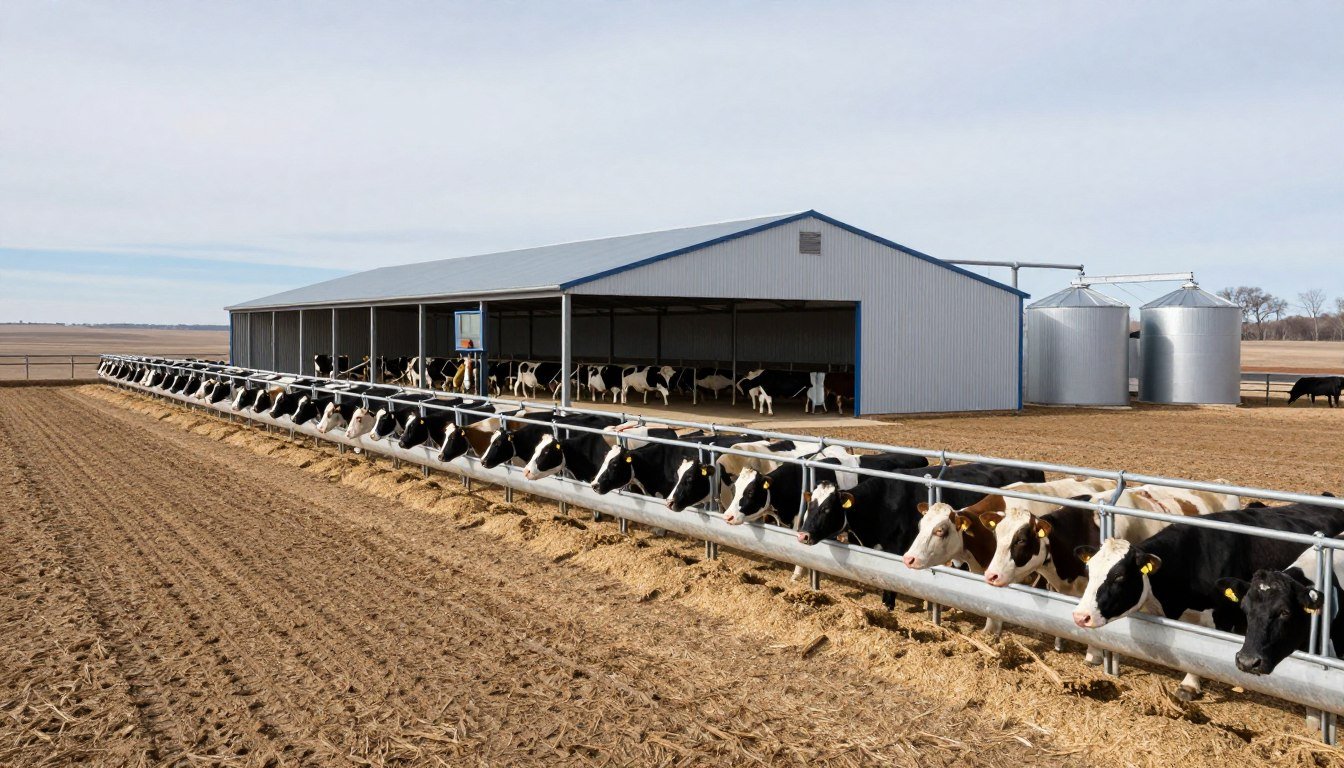
“We used to buy expensive feed supplements every winter. Now we make our own complete rations year-round. The pelletizer paid for itself in one drought season.”
Key Results: R450,000 annual savings on purchased feed, improved weight gain during winter, reduced feed waste, 11-month equipment payback.
Case Study: KwaZulu-Natal Fish Farm
A tilapia farm near Durban previously imported expensive floating feed from international suppliers. Shipping delays and currency fluctuations created production uncertainties. MAIKONG installed a specialized floating fish feed extruder system.
The farm formulates custom pellets using local fishmeal, soya, and vitamin premixes. Precise control over protein levels and pellet size optimizes fish growth at different life stages. Floating pellets remain stable for 12+ hours, eliminating water pollution from sinking feed.
Key Results: 35% feed cost reduction, improved fish growth rates, eliminated import delays, production increased 18%, 16-month payback period.
Why Choose MAIKONG Pelletizer Solutions
MAIKONG stands apart from competitors through comprehensive support, proven reliability, and understanding South African agricultural needs. Our 20 years manufacturing experience translates into practical advantages for your operation.
Engineering Excellence and Customization
Every farm faces unique challenges. MAIKONG engineers design solutions matched to your specific raw materials, production goals, and budget constraints. We don’t sell standardized machines—we customize equipment for your exact requirements.
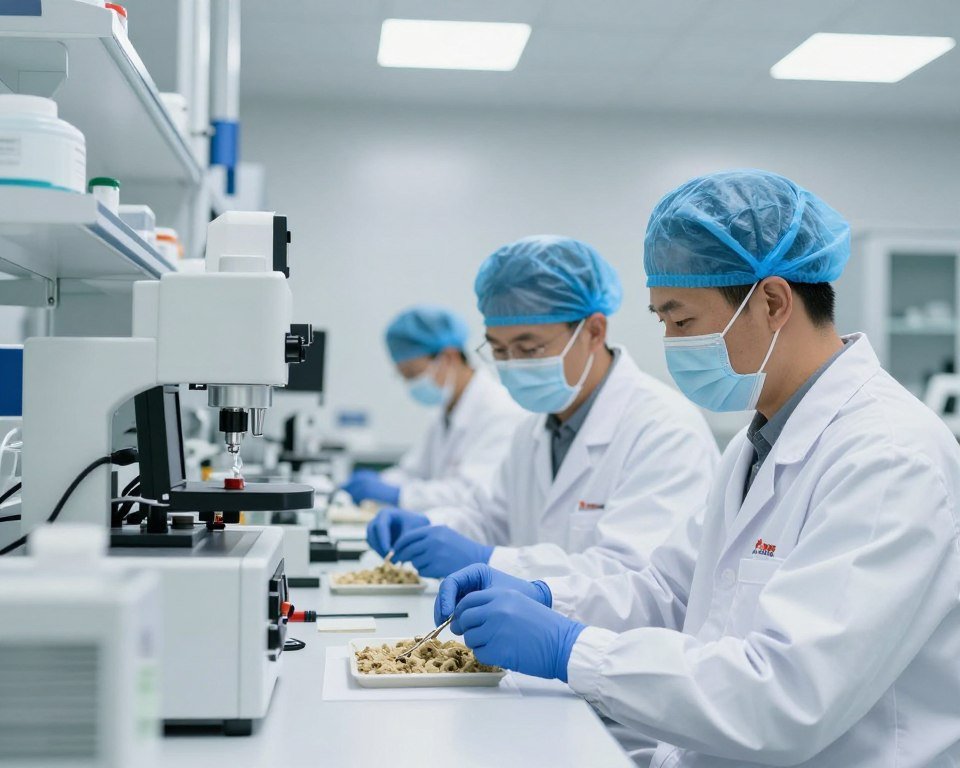
Our design team analyzes samples of your ingredients before recommending pelletizer specifications. Testing determines optimal die configurations, compression ratios, and conditioning parameters. This ensures excellent pellet quality from day one without expensive trial-and-error adjustments.
Local Support Throughout South Africa
Unlike imported equipment sold through distant distributors, MAIKONG provides direct technical support across South Africa. Our service technicians respond to installations from Cape Town to Polokwane. Common spare parts stock in regional warehouses ensures rapid delivery when needed.
Technical support extends beyond equipment repairs. Our team assists with formula optimization, process troubleshooting, and operator training. WhatsApp support (+86-13510907401) provides immediate answers to operational questions without waiting for email responses.
Comprehensive Training Programs
Successful pelletizing requires skilled operators who understand both machinery and process principles. MAIKONG includes thorough training with every installation. Hands-on instruction covers:
- Safe startup and shutdown procedures
- Adjusting pellet size and density
- Troubleshooting common problems
- Routine maintenance tasks
- Quality testing methods
- Record-keeping for production tracking
Refresher courses keep your team updated on advanced techniques. We conduct training in English and support materials in local languages when requested. Confident operators maximize equipment efficiency and lifespan.
Quality Components and Durability
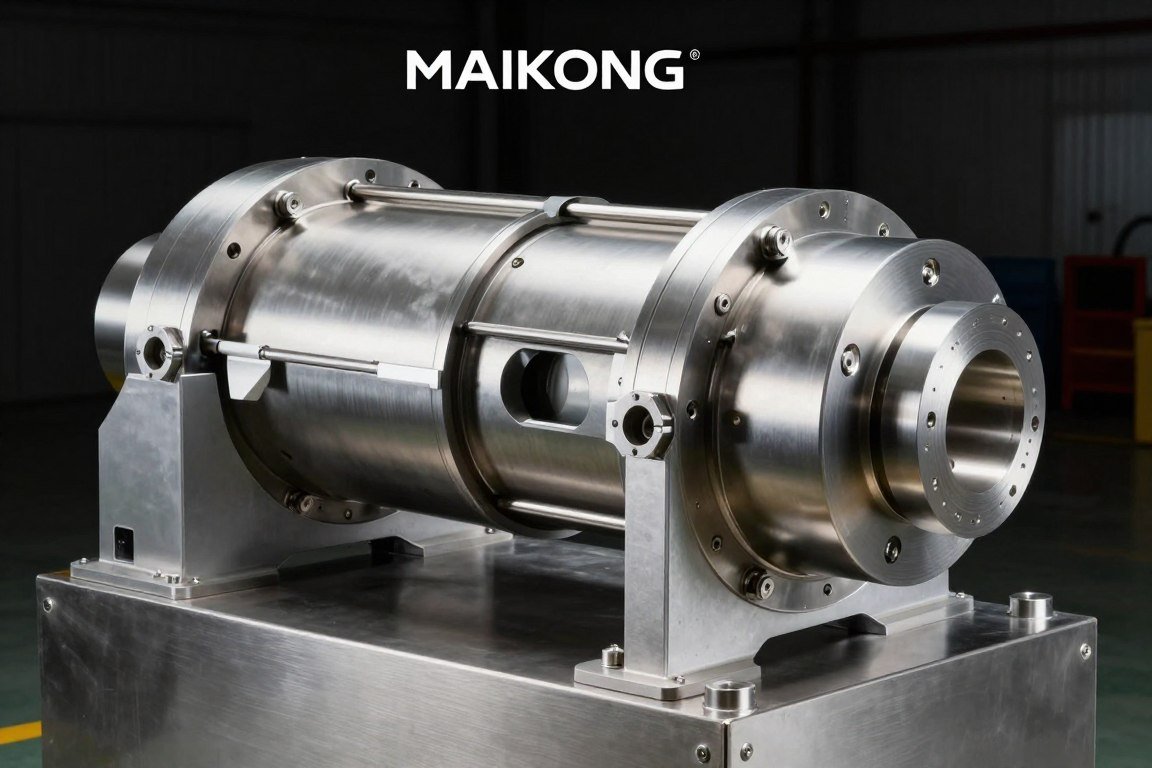
MAIKONG machines incorporate premium components designed for African operating conditions. Dust-sealed bearings resist contamination in farm environments. Hardened steel dies tolerate abrasive minerals in feed formulations. Heavy-duty frames withstand vibration during years of continuous service.
Electrical systems accommodate South African voltage variations and protect against power irregularities. Motors include thermal overload protection preventing damage during high ambient temperatures common in summer months.
Standard Features
- Food-grade stainless steel contact surfaces
- Precision-machined dies (±0.05mm tolerance)
- Heavy-duty gearboxes with 150% overload capacity
- IP54-rated electrical enclosures
- Emergency stop systems at multiple locations
- Noise reduction to below 85 dB
- CE and ISO certification
- 5-year warranty on major components
Distributor and Partnership Opportunities
MAIKONG actively seeks qualified distributors and dealers throughout South Africa. We offer exclusive territorial rights, comprehensive technical training, and marketing support. Dealer margins provide excellent profitability while serving local agricultural communities.
OEM partnerships allow established agricultural equipment companies to offer MAIKONG pelletizers under their own brands. We customize appearance, control interfaces, and specifications to match partner requirements. This creates additional revenue streams for companies with existing customer bases.
Become a MAIKONG Distributor in South Africa
MAIKONG expands our South African presence through carefully selected distribution partners. We seek established agricultural equipment dealers, farming cooperatives, and entrepreneurs passionate about serving local livestock industries.
Distributor Benefits and Support
Authorized MAIKONG distributors receive comprehensive backing enabling business success. We don’t simply sell equipment wholesale—we build partnerships supporting long-term growth.
Technical Training
- Factory training in China (expenses covered)
- Annual refresher courses
- Online technical certification
- Service manual library access
- Direct engineer support line
Marketing Support
- Co-branded promotional materials
- Trade show participation funding
- Digital marketing resources
- Demonstration equipment programs
- Lead generation assistance
Financial Benefits
- Competitive wholesale pricing
- Volume-based incentives
- Protected territory agreements
- Flexible payment terms
- Parts inventory consignment
Ideal Distributor Profile
Successful MAIKONG distributors typically possess existing agricultural equipment experience and established customer relationships. We value partners who understand farmer needs and provide excellent after-sales service.
Preferred qualifications include warehouse facilities for equipment and parts storage, service technicians capable of installation and maintenance, and financial stability supporting inventory investment. Geographic coverage in underserved regions receives priority consideration.
Application Process
Interested parties should contact our South African partnership coordinator. Initial discussions explore your market coverage, existing business operations, and growth ambitions. Qualified candidates receive detailed distributor agreements outlining responsibilities and benefits.
Limited Territories Available
MAIKONG maintains exclusive distributor agreements protecting partner investments. Several provinces already have appointed distributors. North West, Limpopo, and Eastern Cape currently offer open territories. Contact us immediately to discuss availability in your region.
Maintenance Requirements and Long-Term Support
Proper maintenance extends pelletizer lifespan while preventing unexpected breakdowns. MAIKONG designs machines for easy servicing, with common tasks completable by farm staff using basic tools.
Daily Maintenance Tasks
Operators should inspect machines before each production run. Check feed hopper screens for blockages and remove any foreign objects. Verify proper lubrication levels in gearbox sight glasses. Listen for unusual noises indicating bearing wear or loose components.
Clean dust accumulation from motors and electrical panels daily. Compressed air removes buildup without damaging components. Ensure cooling fan vents remain clear for proper motor temperature management.
Weekly and Monthly Maintenance
Lubricate bearings according to manufacturer schedules—typically every 40-80 operating hours. Use specified food-grade greases avoiding contamination of feed products. Over-lubrication causes as much damage as neglect, so follow recommended quantities precisely.
Inspect belts for wear, cracking, or glazing monthly. Adjust belt tension to manufacturer specifications. Loose belts slip reducing production capacity, while over-tight belts stress bearings and motors.
| Maintenance Task | Frequency | Time Required | Skill Level |
| Visual inspection and cleaning | Daily | 10-15 minutes | Operator |
| Bearing lubrication | Every 50 hours | 20-30 minutes | Operator |
| Belt inspection and tension | Monthly | 30 minutes | Mechanic |
| Die and roller inspection | Every 200 hours | 1-2 hours | Technician |
| Complete service and alignment | Annually | 4-8 hours | Specialist |
Die Replacement and Service
Dies wear gradually depending on material abrasiveness and production volume. Expect 500-1500 operating hours before replacement becomes necessary. Keep spare dies in inventory to minimize downtime during changes.
MAIKONG provides detailed die change procedures in operator manuals. Most technicians complete replacements within 2-3 hours after gaining experience. We supply precision shims ensuring proper alignment during installation.
Spare Parts Availability
Critical spare parts stock locally through MAIKONG’s South African support network. Common items like belts, bearings, and wear plates ship within 24-48 hours of ordering. Specialized components like dies and gearboxes maintain regional inventory for rapid delivery.
We recommend maintaining small parts kits on-site including belts, fuses, and basic wear items. This prevents production delays waiting for courier deliveries. MAIKONG provides recommended spare parts lists during installation.
Need Technical Support?
Our technical team provides guidance on maintenance, troubleshooting, and parts identification. Fast response ensures your operation stays running.
Energy Efficiency and Operating Costs
Energy consumption directly impacts pelletizing profitability. Modern machines incorporate efficiency improvements reducing electricity usage while maintaining production rates. Understanding power requirements helps calculate true operating costs.
Power Consumption Factors
A pelletizer’s energy demand varies with pellet size, material density, and moisture content. Larger pellets require more compression force, increasing motor load. Dry materials resist compaction more than properly conditioned ingredients.
Typical energy consumption ranges from 20-35 kWh per ton of finished pellets. High-efficiency machines achieve the lower range, while older or poorly maintained equipment consumes more power. At R2.75/kWh electricity costs, expect R55-96 power expenses per ton produced.
Efficiency Optimization Strategies
Proper raw material preparation significantly reduces energy requirements. Grinding ingredients to optimal particle size improves compression efficiency. Pre-conditioning with steam reduces friction during pelletizing, lowering motor loads by 15-25%.
Regular maintenance keeps machines operating efficiently. Worn dies increase compression resistance, forcing motors to work harder. Clean cooling systems prevent overheating that triggers thermal protection shutdowns and production interruptions.
Variable Frequency Drives
MAIKONG equips premium models with variable frequency drives (VFDs) controlling motor speeds. VFDs reduce starting current by 60-70%, preventing electrical surges. During operation, they adjust motor speed matching actual load requirements rather than running constantly at full capacity.
VFD-equipped machines consume 10-20% less energy than fixed-speed alternatives. The initial cost premium recovers through electricity savings within 18-24 months for high-volume operations.
Comparing Operating Costs
Total operating costs include energy, labor, maintenance, and raw material handling. Breaking down expenses per ton produced enables accurate comparison between on-farm pelletizing and purchasing commercial feed.
| Cost Component | On-Farm Pelletizing | Commercial Feed Purchase | Difference |
| Raw materials (per ton) | R2,800 | R2,800 | R0 |
| Processing/pelletizing | R75 (electricity + labor) | R450 (mill charges) | -R375 |
| Transport | R20 (local grain delivery) | R180 (finished feed delivery) | -R160 |
| Storage and handling | R25 | R35 | -R10 |
| Total per ton | R2,920 | R3,465 | -R545 savings |
This example demonstrates R545 per ton savings through on-farm pelletizing. Operations consuming 100 tons monthly save R54,500—recovering equipment investment rapidly while maintaining long-term cost advantages.
Frequently Asked Questions About Pelletizers
What raw materials can MAIKONG pelletizers process?
MAIKONG machines handle virtually any agricultural or biomass material suitable for compression. Common applications include maize, soya, sunflower meal, lucerne, grass hay, wood sawdust, sugarcane pith, animal manures, and crop residues. Each material may require specific die configurations and moisture adjustments.
Our engineering team analyzes samples of your intended raw materials to confirm compatibility and recommend optimal machine settings. Some extremely oily or sticky materials may need additives or special processing, which we identify during pre-purchase testing.
How long does a pelletizer die last before replacement?
Die lifespan varies significantly based on material abrasiveness and production volume. Soft materials like pure grains may allow 1,000-1,500 operating hours. Abrasive formulations containing minerals, shells, or bone meal reduce life to 500-800 hours.
We manufacture dies from hardened alloy steel specifically formulated for extended wear. Proper lubrication and avoiding metal contamination in feed streams maximize die longevity. Keep spare dies in inventory to prevent production delays when replacement becomes necessary.
Can I produce different pellet sizes on the same machine?
Yes, changing pellet diameter requires only die replacement. MAIKONG machines accept interchangeable dies in various hole sizes from 2mm to 12mm. Most operations maintain 2-3 dies for different applications—small diameter for poultry, larger for cattle.
Die changes typically require 1-2 hours for experienced technicians. We provide complete instructions and necessary tools with each machine. Some high-volume operations purchase multiple pellet mills dedicated to specific pellet sizes, eliminating changeover time entirely.
What causes pellets to crumble, and how do I fix it?
Weak pellets result from several factors: insufficient moisture during pelletizing, ingredients ground too coarse, inadequate steam conditioning, worn dies, or incorrect compression pressure. Solving crumbling requires systematic troubleshooting.
Start by checking moisture content—target 14-16% for most feed applications. Verify proper steam addition in the conditioning chamber. Inspect die condition for wear or damage. Ensure ingredients grind to appropriate particle size for your pellet diameter. MAIKONG technical support assists with detailed troubleshooting when problems persist.
Do MAIKONG pelletizers work with solar power systems?
Yes, we design low-power configurations compatible with off-grid renewable energy installations. A typical 300 kg/hour pellet mill requires 12-15 kW, achievable with properly sized solar arrays and battery storage.
Successful solar integration requires careful system design accounting for peak loads during startup and continuous operation demands. We work with your solar installer to specify appropriate inverter capacity and battery reserves. Hybrid systems combining solar with backup generators provide excellent reliability for remote farms.
What training does MAIKONG provide with new equipment?
Every installation includes comprehensive operator training covering safe operation, adjustment procedures, routine maintenance, quality testing, and basic troubleshooting. Training occurs on-site at your facility using your actual raw materials.
We provide detailed manuals in English with clear photographs and diagrams. Online support continues indefinitely through WhatsApp and email channels. Refresher training is available upon request for new staff or when implementing advanced techniques.
How does MAIKONG pricing compare to other brands?
MAIKONG offers exceptional value combining premium quality with competitive pricing. We manufacture directly without multiple distributor markups, passing savings to customers. Our machines typically cost 15-25% less than equivalent European brands while matching or exceeding quality standards.
Total ownership costs favor MAIKONG through lower maintenance requirements, readily available parts, and superior energy efficiency. Five-year warranties on major components provide confidence unavailable with budget-priced alternatives. Request detailed quotations comparing specifications directly—we’re confident our value proposition proves compelling.
Can I visit the MAIKONG factory before purchasing?
Absolutely. We welcome potential customers to tour our manufacturing facilities in China. Factory visits allow you to inspect production processes, test machines with your materials, and meet our engineering team personally.
For South African customers unable to travel internationally, we arrange comprehensive video tours showing your specific machine during production and testing. We also connect you with existing MAIKONG users in South Africa who share their experiences and demonstrate equipment in operation.
Taking the Next Step Toward Pelletizing Success
Investing in a pelletizer transforms agricultural operations through cost savings, improved feed quality, and operational independence. Whether you manage a small family farm or large commercial enterprise, the right pelletizing solution exists for your needs.
MAIKONG’s 20 years of manufacturing excellence serves South African farmers with reliable, efficient, and customizable equipment. Our comprehensive support—from initial consultation through installation, training, and ongoing technical assistance—ensures your investment delivers maximum returns.
The pelletizing industry continues evolving with advances in automation, energy efficiency, and process control. MAIKONG remains at the forefront, developing new technologies that benefit our customers. Our commitment to innovation means your equipment won’t become obsolete—we provide upgrade paths keeping existing machines current with latest capabilities.
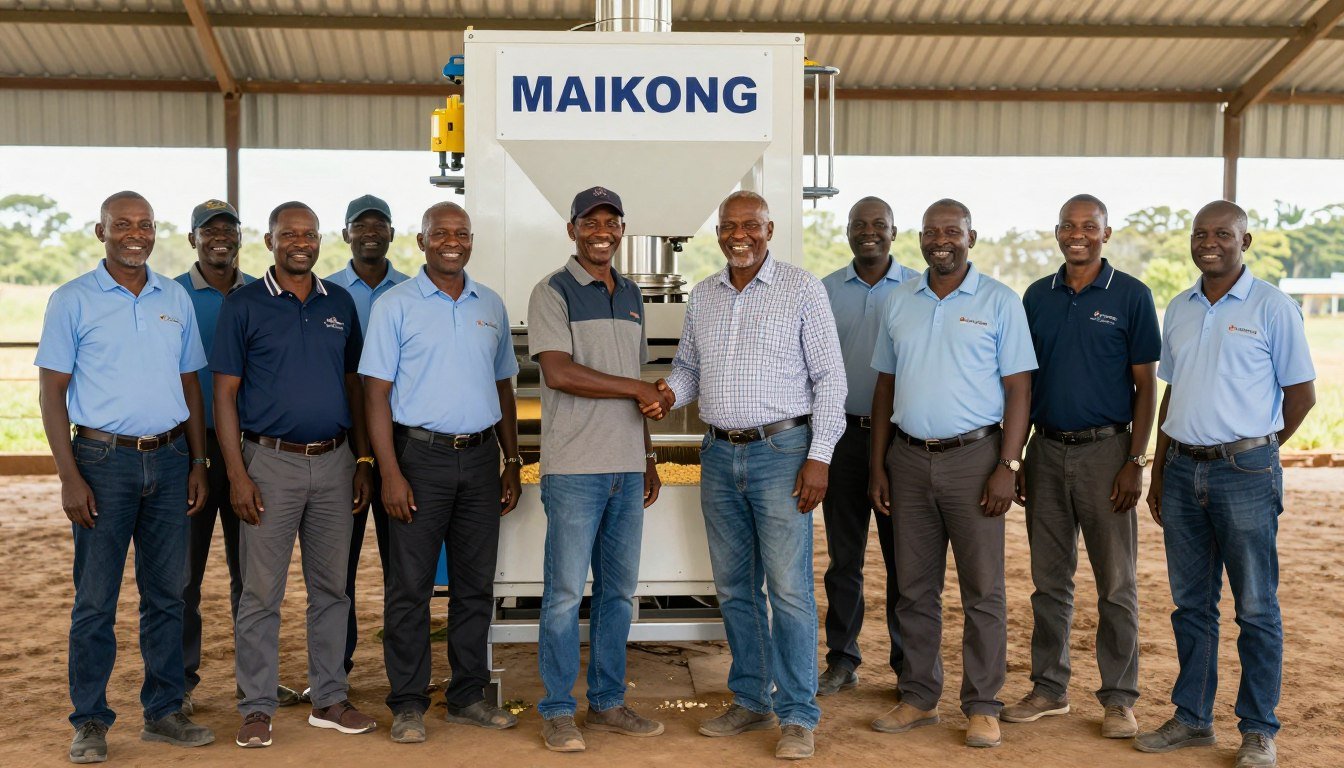
Don’t let high feed costs and unreliable suppliers limit your agricultural success. On-farm pelletizing puts you in control of nutrition, quality, and timing. The initial investment recovers quickly through ongoing savings and revenue opportunities.
Contact MAIKONG today to discuss your specific requirements. Our team provides honest assessments of whether pelletizing makes economic sense for your operation. We never recommend unnecessary equipment—only solutions delivering genuine value.
Ready to Transform Your Feed Production?
MAIKONG – 20 Years of Pelletizer Excellence Serving South African Agriculture
Prefer to speak directly with our South African team?
Technical Support WhatsApp: +86-13510907401
Email: Lucy@pelletmachine.co.za
Website: pelletmachine.co.za
About MAIKONG
MAIKONG is a leading manufacturer of pelletizing equipment with over 20 years of research, development, and production experience. We specialize in feed pellet machines, wood pellet machines, fertilizer pellet machines, and complete production lines serving agricultural and industrial sectors across South Africa and Africa.
Our product range includes specialized solutions for cattle feed, poultry feed, fish feed, biomass fuel, and organic fertilizer production. We support customization for appearance and functionality, OEM partnerships, and offer comprehensive distributor opportunities throughout South Africa.
Visit our website at pelletmachine.co.za to explore our complete product catalog, technical specifications, and customer success stories.