
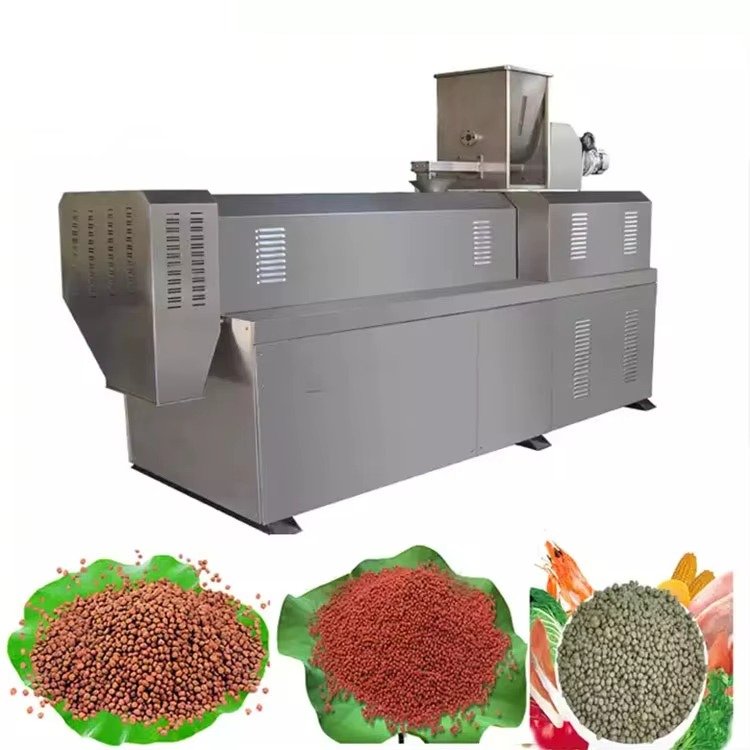
This guide explores how the right Feed (Wildlife) Pellet Machine transforms reserve management. You will discover technical specifications, real African case studies, and practical implementation strategies. Whether you manage a small private reserve or a large conservation area, understanding pellet production technology helps you make informed equipment decisions.
Feed (Wildlife) Pellet Machine Technology for South African Reserves
Wildlife feed pellet production differs significantly from standard livestock feed manufacturing. Game animals including kudu, impala, eland, and buffalo require specific nutritional profiles that match their natural browsing and grazing behaviors. A proper feed pellet making machine must handle diverse raw materials while maintaining pellet integrity under various storage conditions.
Core Components of Wildlife Feed Pellet Production Systems
Every effective pellet machine system includes several critical components. The hammer mill reduces various raw materials into uniform particle sizes. This preparation step ensures consistent pellet quality regardless of whether you process lucerne, maize, or specialized browse supplements.
Material Processing Equipment
- Hammer mill for size reduction of grain and roughage materials
- Mixer unit ensuring uniform nutrient distribution throughout batches
- Conditioning chamber adding moisture and heat for optimal pelleting
- Cooling system stabilizing fresh pellets after production
Pelletizing Core Machinery
- Ring die pellet mill for high-capacity operations above 1 ton per hour
- Flat die machines suitable for smaller reserves processing under 500 kg per hour
- Variable speed motor systems adapting to different material densities
- Quick-change die systems enabling rapid product switching
How Wildlife Feed Pelletizer Machine Processing Works
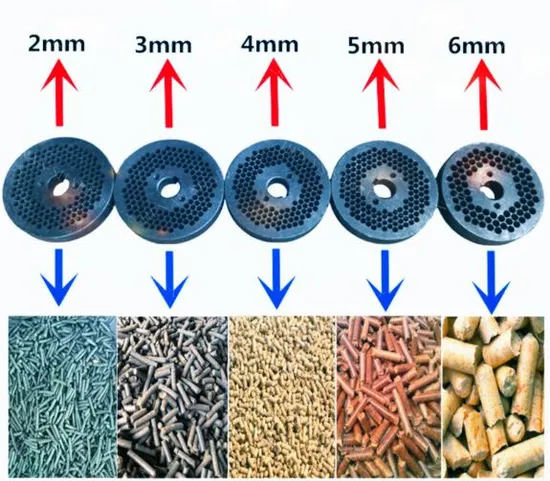
The pelleting process begins with grinding various raw materials including maize, lucerne hay, soybean meal, and mineral supplements. Your hammer mills reduce these materials into particles between 2mm and 4mm. Proper particle size proves essential for die longevity and pellet quality.
Mixed materials enter the conditioning chamber where steam and moisture prepare the mixture for compression. Temperature reaches 75-85°C, activating starches and creating binding properties. The conditioned material then flows into the pellet mill where rotating rollers force it through die holes under tremendous pressure.
As pellets exit the die, they measure 80-90°C and contain approximately 15-17% moisture. Your cooling system reduces temperature to ambient levels and moisture content to 12-13%. This final step ensures pellets remain stable during storage without mold development or nutrient degradation.
Capacity Considerations for Reserve Operations
Small reserves managing 50-200 animals typically require machines producing 200-500 kg per hour. Mid-sized operations with 200-1000 animals need capacity between 500 kg and 1 ton per hour. Large conservation areas supporting over 1000 animals benefit from production lines delivering 1-3 ton per hour.
| Reserve Size | Animal Population | Daily Feed Requirements | Recommended Capacity | Machine Type |
| Small Private Reserve | 50-200 animals | 500-2000 kg | 200-500 kg/hour | Flat die feed pellet machine |
| Medium Game Farm | 200-1000 animals | 2-10 tons | 500-1000 kg/hour | Small ring die system |
| Large Conservation Area | 1000-5000 animals | 10-50 tons | 1-3 ton/hour | Complete production line |
| Commercial Wildlife Ranch | 5000+ animals | 50+ tons | 3-5 ton/hour | Automated production line |
When selecting equipment capacity, factor in seasonal variations in feeding requirements. Winter months typically demand 20-30% more supplemental feeding than summer periods when natural browse remains abundant. Your machinery should handle peak demand periods without running continuously at maximum capacity.
MAIKONG Feed Pellet Machine Solutions for South African Wildlife Operations
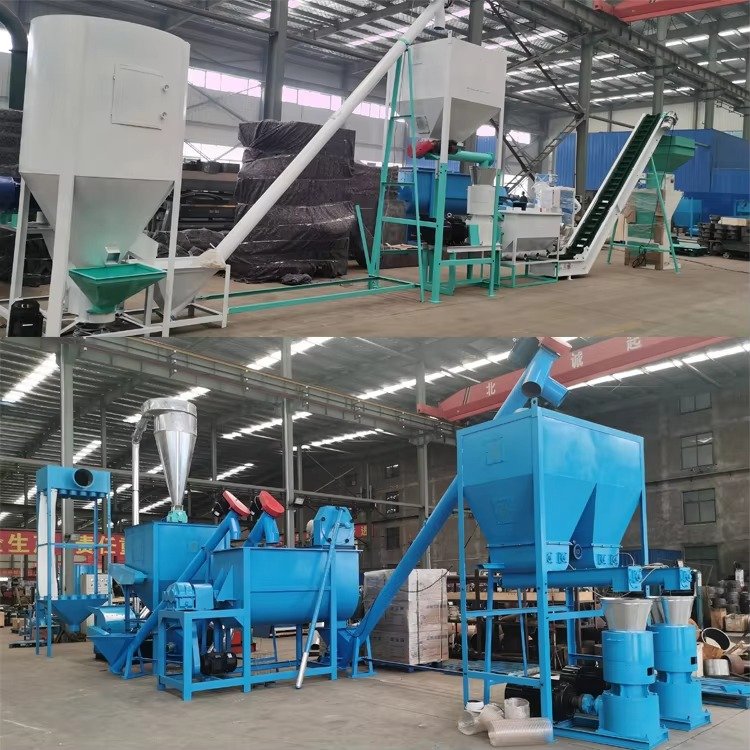
MAIKONG manufactures specialized feed pellet making machine systems designed for African operating conditions. Our 20 years of manufacturing experience enables us to understand challenges unique to South African reserves including dust, temperature extremes, and variable power quality. Each machine series addresses specific operational requirements and budget constraints.
MAIKONG Compact Series – Entry-Level Wildlife Feed Production
The Compact Series serves small reserves and breeding operations requiring basic pellet production capability. These manual feed pellet machine systems produce 150-300 kg per hour with minimal power requirements. Simple operation makes them ideal for reserves with limited technical staff.
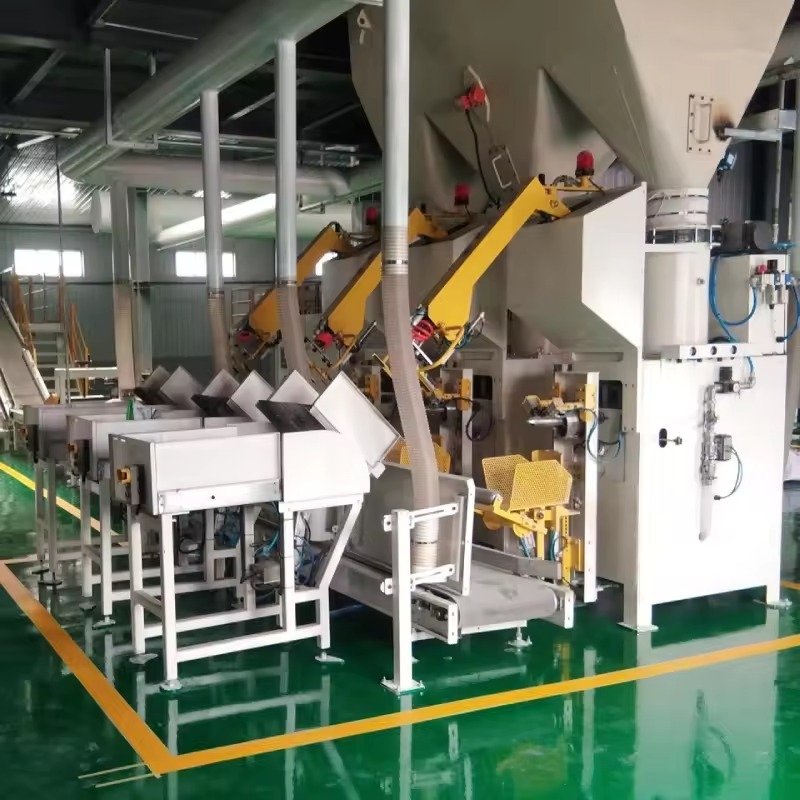
Technical Specifications – Compact Series
- Capacity: 150-300 kg/hour depending on material type
- Motor power: 11-15 kW three-phase electric
- Die diameter: 200-250mm flat die configuration
- Pellet diameter: 4-8mm adjustable through die selection
- Power consumption: 35-45 kWh per ton of finished pellets
- Footprint: 1.5m x 1.2m x 1.4m (L x W x H)
- Weight: 380-450 kg for easy relocation
- Material compatibility: All standard feed ingredients
Ideal Applications
The Compact Series excels in small-scale wildlife operations where daily feed requirements remain under 2 tons. Private reserves, breeding camps, and supplemental feeding programs benefit from this flexible system. Many customers begin with Compact machinery and expand as animal populations grow.
MAIKONG designs these machines for straightforward operation without specialized training. One person can operate the entire system from material loading through finished product bagging. Maintenance requirements remain minimal with basic lubrication and periodic die inspection.
MAIKONG Professional Series – Mid-Scale Reserve Solutions
Professional Series pellet mills deliver 500-1000 kg per hour capacity suited for established game farms and mid-sized reserves. Ring die technology provides superior pellet durability compared to flat die systems. These machines process a wider range of materials including fibrous browse supplements and high-protein formulations.
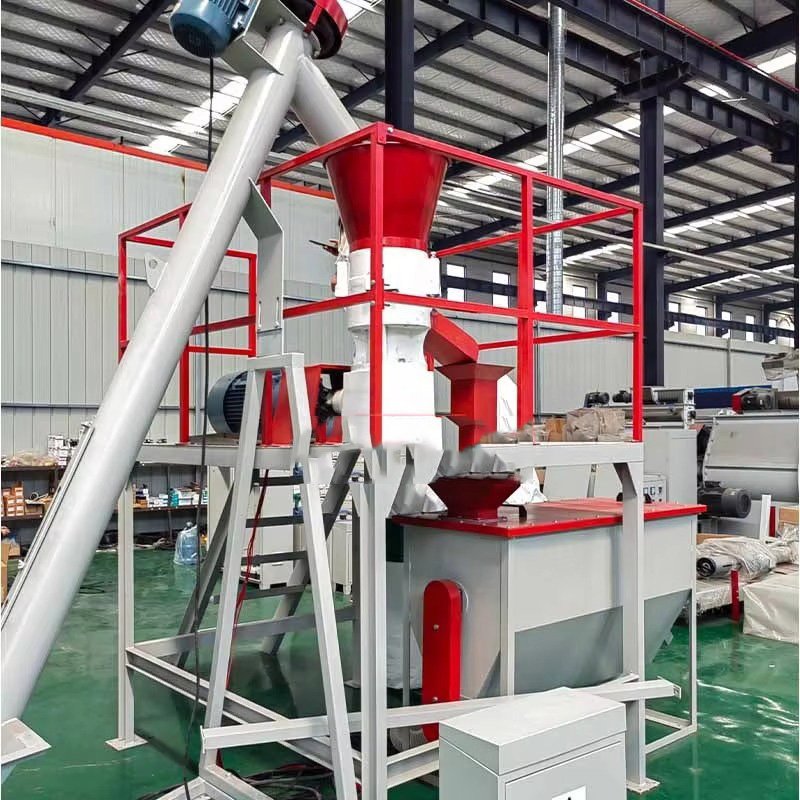
Professional 500 Model
- Production rate: 500-600 kg/hour
- Ring die diameter: 350mm
- Main motor: 37 kW
- Feeder motor: 1.5 kW variable speed
- Pellet sizes: 3-10mm through die changes
- Suitable for reserves with 200-500 animals
Professional 800 Model
- Production rate: 800-1000 kg/hour
- Ring die diameter: 420mm
- Main motor: 55 kW
- Feeder motor: 2.2 kW variable speed
- Pellet sizes: 3-12mm through die changes
- Suitable for reserves with 500-1000 animals
Professional Series Advantages
- Reinforced gearbox handles heavy-duty cycles
- Quick-release die system reduces changeover time
- Automatic lubrication extends bearing life
- Variable speed feeder optimizes material flow
- Produces durable pellets surviving outdoor storage
- Processes high-fiber wildlife browse formulations
MAIKONG Industrial Series – Large-Scale Conservation Projects
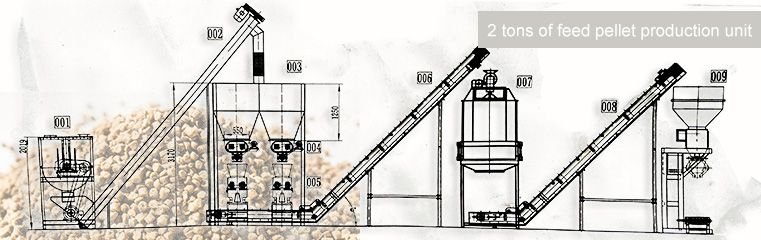
Industrial Series production lines serve large conservation areas, commercial wildlife ranches, and regional feed production facilities. Complete systems include grain cleaning, hammer mill grinding, batching, mixing, conditioning, pelleting, cooling, and automated bagging. Production capacity ranges from 1 to 5 ton per hour depending on configuration.
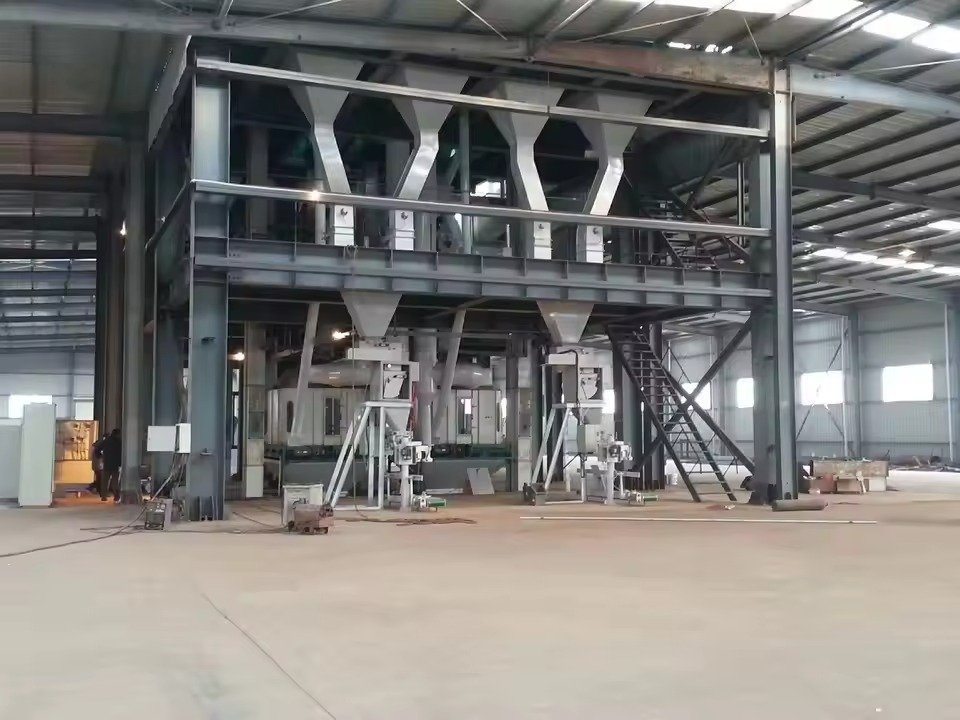
These automated systems minimize labor requirements while maximizing output quality and consistency. Computer controls monitor every production stage ensuring precise nutrient delivery in every batch. Large conservation operations producing 10-50 tons daily find Industrial Series systems deliver rapid return on investment through labor savings and feed cost reduction.
| Component | Function | Equipment Options | Power Requirement |
| Material Intake | Receives and cleans raw materials | Grain cleaner, magnetic separator | 3-5 kW |
| Size Reduction | Grinds materials to uniform particle size | Hammer mills with multiple screen sizes | 45-90 kW |
| Batch Mixing | Blends ingredients to precise formulation | Horizontal ribbon mixer, vertical mixer | 11-22 kW |
| Conditioning | Adds steam and moisture for optimal pelleting | Retention chamber with steam injection | 2-4 kW |
| Pelleting | Compresses material into pellets | Ring die pellet mill 1-5 ton/hour | 90-160 kW |
| Cooling | Reduces pellet temperature and moisture | Counterflow cooler with air blower | 7-15 kW |
| Packaging | Weighs and bags finished product | Automatic bagging scale | 2-3 kW |
Design Your Custom Wildlife Feed Production System
MAIKONG engineering teams work directly with reserve managers to design optimal production line configurations. We assess your current operations, future expansion plans, and specific wildlife nutritional requirements. Every system receives customization ensuring it matches your unique operational needs and budget constraints.
Complete Technical Specifications for Wildlife Feed Pellet Machine Selection
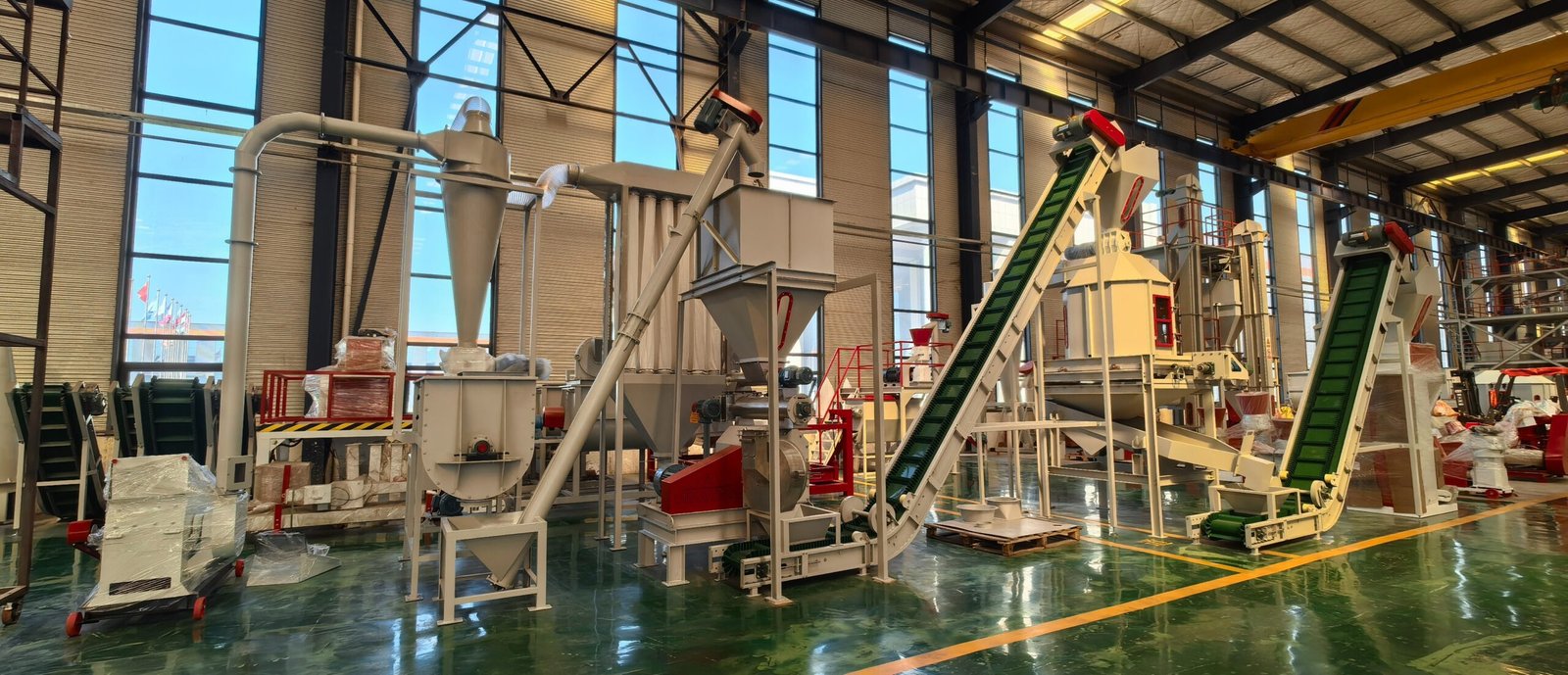
Selecting appropriate pellet machine equipment requires understanding multiple technical factors. Power requirements, production capacity, die specifications, and maintenance needs all influence long-term operational success. South African reserves face unique challenges including variable power quality, extreme temperatures, and dust exposure requiring robust equipment design.
Power and Performance Parameters
Your electrical infrastructure determines which machines suit your operation. Small manual feed pellet machine units operate on single-phase power while larger systems require three-phase industrial supplies. Power quality affects motor lifespan and production consistency making voltage regulation important in rural areas.
Electrical Requirements by Capacity
- 150-300 kg/hour: 11-15 kW three-phase, 25-30 amp service
- 500-600 kg/hour: 37-45 kW three-phase, 70-85 amp service
- 800-1000 kg/hour: 55-75 kW three-phase, 110-140 amp service
- 1-2 ton/hour: 90-132 kW three-phase, 180-250 amp service
- 3-5 ton/hour: 160-250 kW three-phase, 320-480 amp service
Include 20-30% additional electrical capacity for auxiliary equipment such as conveyors, elevators, and dust collection systems. Startup surge current can reach 6-7 times running amperage requiring properly sized motor starters and circuit protection.
Fuel and Energy Considerations
Energy costs represent 15-25% of total pellet production expenses. Efficient machinery consumes 35-55 kWh per ton of finished pellets depending on material density and moisture content. Diesel generator backup proves essential for reserves experiencing frequent power interruptions.
Steam generation for conditioning requires additional fuel. Small operations use electric boilers consuming 20-30 kW. Larger facilities install diesel or gas-fired boilers producing 200-500 kg steam per hour. Proper conditioning reduces pellet mill power consumption by 15-20% through improved material flow.
Die Selection and Pellet Quality Specifications
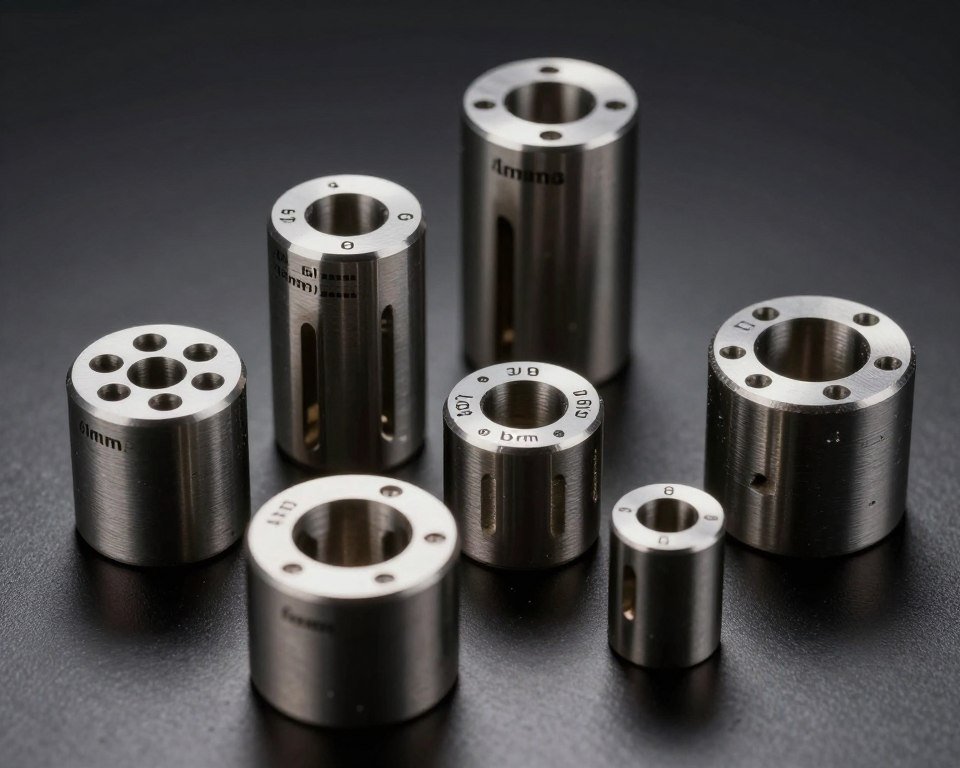
Die design directly impacts pellet durability, production rate, and power consumption. Wildlife feed typically uses 4-8mm diameter pellets providing appropriate size for most game species. Pellet length should measure 1.5-2.5 times diameter ensuring animals cannot selectively sort ingredients.
| Die Specification | Pellet Diameter | Compression Ratio | Typical Applications | Durability Rating |
| Standard Wildlife | 6mm | 1:10 | General game feed, mixed species | High |
| Small Species | 4mm | 1:9 | Nyala, bushbuck, smaller antelope | Medium-High |
| Large Species | 8mm | 1:11 | Buffalo, eland, larger game | Very High |
| High-Fiber Browse | 6-8mm | 1:8 | Roughage-based formulations | Medium |
| Protein Concentrate | 4-6mm | 1:12 | Supplemental high-protein feeds | Very High |
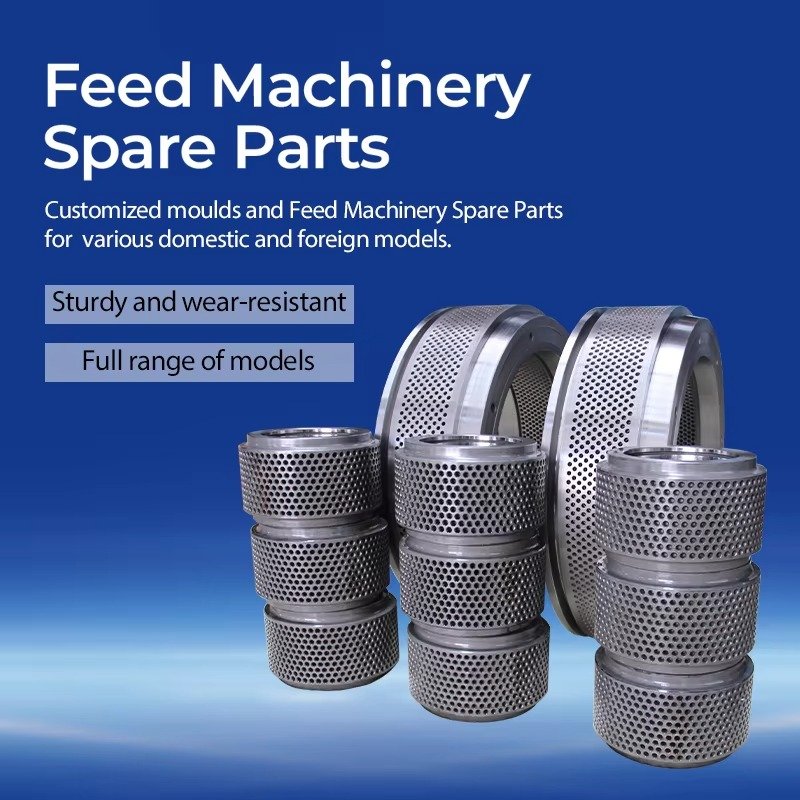
Die life varies from 500-2000 hours depending on material abrasiveness and die quality. MAIKONG manufactures dies from alloy steel treated to 55-60 HRC hardness ensuring extended service life even when processing abrasive materials like grain hulls or mineral supplements.
Material Handling and Processing Capabilities
Effective wildlife feed formulations incorporate diverse ingredients. Your pellet machine must handle fibrous materials like lucerne and grass hay alongside dense grain components. Material moisture content between 12-15% provides optimal pelleting conditions though some systems process materials from 10-18% moisture.
Grain and Concentrate Processing
- Maize (whole kernel or ground)
- Wheat and barley
- Oats and sorghum
- Soybean meal
- Sunflower meal
- Cotton seed meal
Roughage and Fiber Sources
- Lucerne hay (chopped or ground)
- Grass hay various species
- Browse meal from prunings
- Straw (wheat, barley, oat)
- Maize stover
- Sugarcane bagasse
Supplements and Additives
- Mineral premixes
- Vitamin supplements
- Molasses (liquid or dry)
- Salt and trace minerals
- Urea (controlled amounts)
- Fat supplements
MAIKONG machinery processes any combination of these materials through proper formulation and system configuration. Our technical team provides guidance on ingredient preparation, mixing sequences, and conditioning parameters ensuring consistent high-quality output regardless of formulation complexity.
Receive Custom Technical Specifications
Every reserve operates differently requiring tailored technical solutions. Share your current feed formulations, daily production targets, and available utilities. Our engineers provide detailed specifications and performance projections for equipment matching your exact requirements.
Proven Success: MAIKONG Wildlife Feed Projects Across Africa
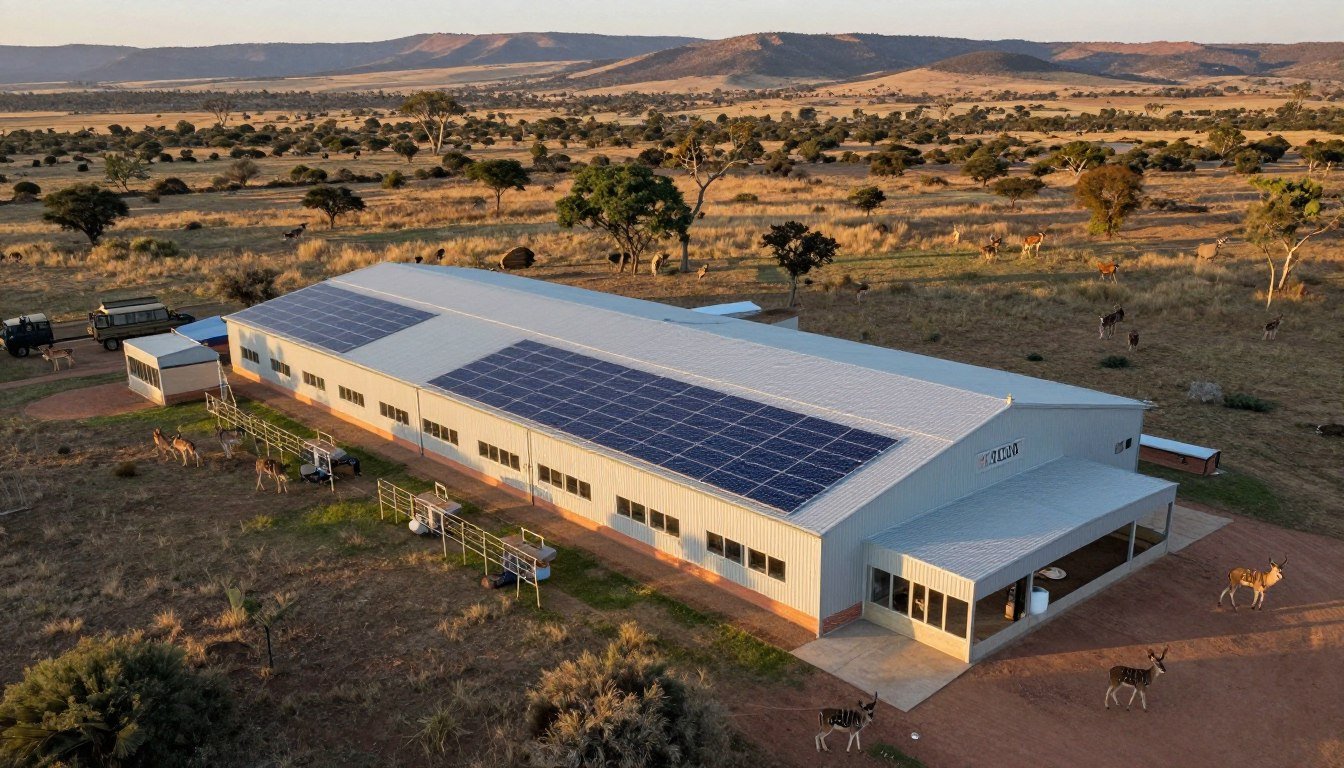
Real-world performance validates equipment capabilities better than specifications alone. MAIKONG has supplied pellet machine systems to wildlife operations throughout southern and eastern Africa. These case studies demonstrate practical applications, challenge solutions, and measurable results from actual reserve implementations.
Case Study 1: Limpopo Private Game Reserve – 8000 Hectare Wildlife Operation
A 8000-hectare private reserve in Limpopo Province manages populations of buffalo, kudu, impala, eland, and various plains game species. Prior to installing MAIKONG equipment, the reserve purchased 40 tons of commercial feed monthly at R6,200 per ton. High costs and inconsistent product quality motivated investment in on-site production capability.
System Configuration and Installation
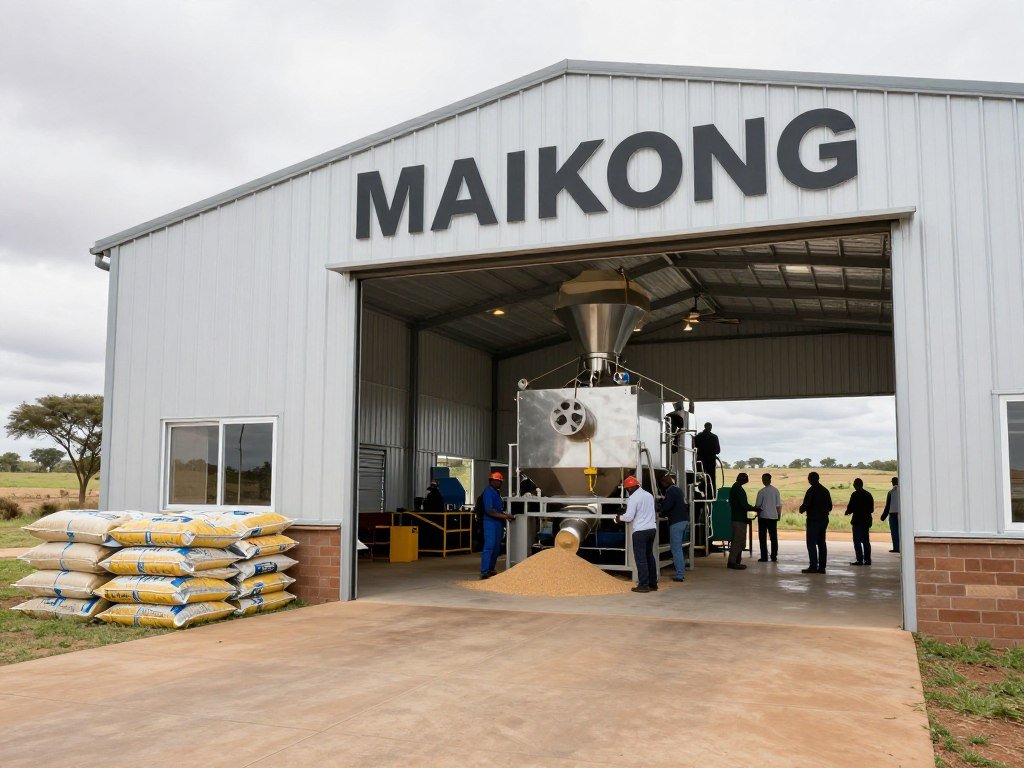
The reserve selected a MAIKONG Professional 800 system producing 800 kg per hour. The complete installation included a 55 kW hammer mill for grain grinding, 1000 kg batch horizontal mixer, conditioning chamber with electric steam generator, the Professional 800 ring die pellet mill, counterflow cooler, and semi-automatic bagging station.
Installation required three weeks including foundation preparation, equipment positioning, electrical connections, and operator training. MAIKONG technical staff remained on-site for initial production runs ensuring optimal system performance before departing.
The reserve formulated feed using locally sourced maize, lucerne hay, sunflower meal, and a custom mineral premix. Raw material costs averaged R3,800 per ton of finished pellets including labor and utilities.
Measurable Results After 18 Months
- Feed cost reduced from R6,200 to R3,800 per ton (39% savings)
- Monthly savings of R96,000 on 40 ton production
- Equipment investment recovered in 14 months
- Improved game condition scores and weight gains
- Reduced feed waste through better pellet durability
- Employment created for three local staff members
- Flexibility to adjust formulations for seasonal needs
“The MAIKONG system transformed our feed program completely. We control every ingredient, adjust nutrition seasonally, and produce at half the cost of commercial feeds. The equipment runs reliably despite challenging conditions and dust. Technical support has been excellent with rapid response to our questions.”
Case Study 2: Eastern Cape Buffalo Breeding Operation
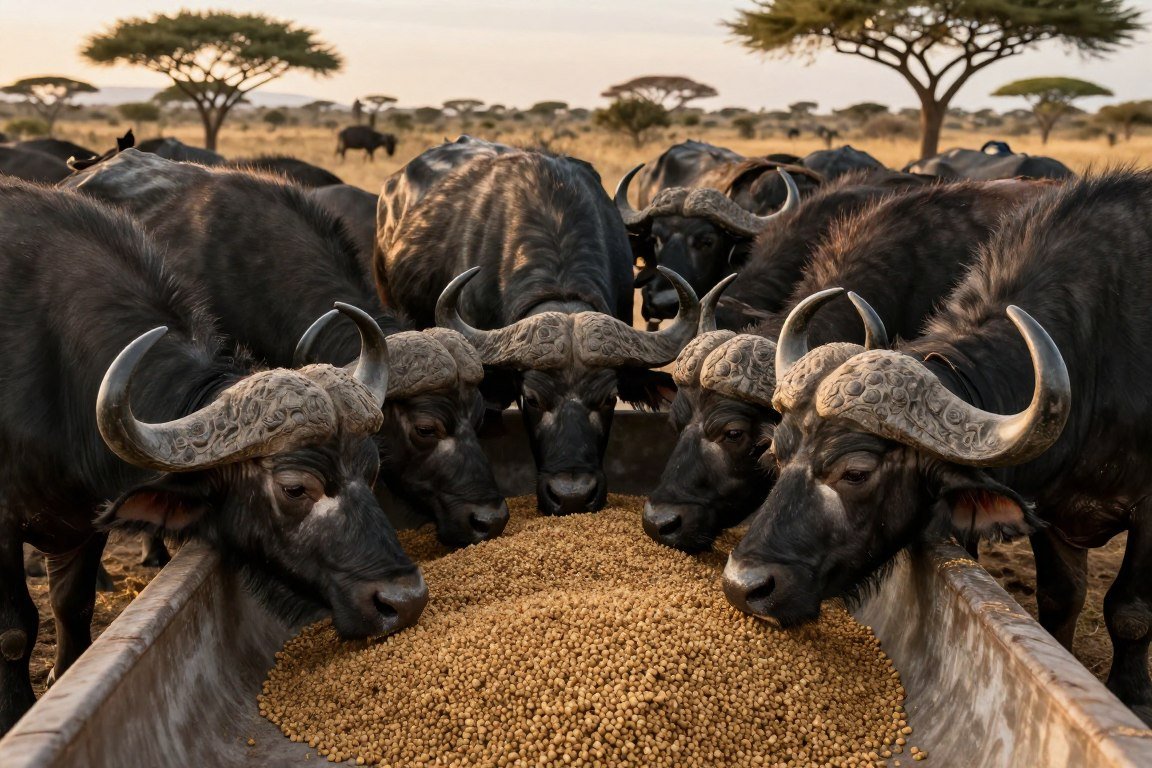
A specialized buffalo breeding operation in Eastern Cape Province maintains 450 buffalo focused on genetic improvement and trophy quality. High-protein supplementation proves essential for optimal bull development and cow reproductive performance. The operation required a feed pellet machine producing concentrated protein supplements to complement natural grazing.
Unique Challenges and Solutions
Buffalo require durable pellets withstanding outdoor storage and aggressive feeding behavior. Standard wildlife formulations produced excessive fines and dust. MAIKONG engineers recommended an 8mm die with 1:11 compression ratio plus addition of 3% molasses improving pellet binding properties.
The operation installed a MAIKONG Professional 500 system focused on quality over quantity. Daily production of 2.5 tons meets herd requirements with one 5-hour production run. The smaller system fit available facility space and electrical infrastructure while delivering the pellet durability necessary for buffalo feeding programs.
Before MAIKONG Installation
- Purchased commercial buffalo feed at R7,800 per ton
- 30% fines and dust in delivered product
- Inconsistent protein levels batch to batch
- Limited ability to adjust seasonal nutrition
- Monthly feed expense: R195,000 for 25 tons
- Bulls below target condition scores
After MAIKONG Installation
- Produce custom buffalo feed at R4,200 per ton
- Less than 5% fines with proper cooling
- Consistent 18% crude protein formulation
- Seasonal adjustments for breeding and growth
- Monthly feed expense: R105,000 for 25 tons
- Bulls achieving target condition and weight
The operation recovered its R850,000 investment in 9.5 months through feed cost savings. Additional benefits included improved bull sale values and higher conception rates in breeding cows attributed to superior nutritional management.
Case Study 3: Multi-Reserve Cooperative Feed Production Facility
Six small reserves in KwaZulu-Natal formed a cooperative to share feed production infrastructure. Combined animal populations totaled 2,200 head across properties ranging from 800 to 3,500 hectares. Collective purchasing power enabled investment in a larger system than any single operation could justify.
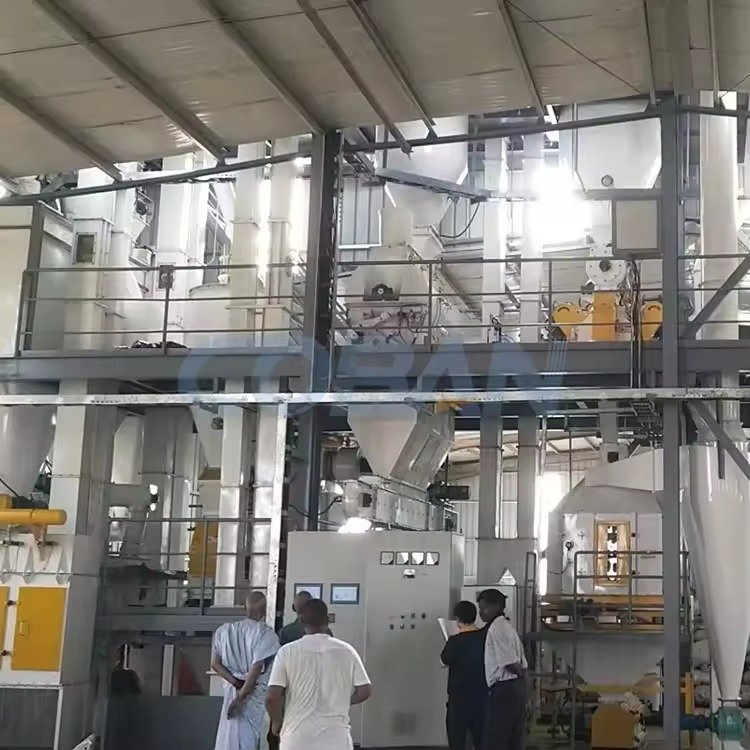
The cooperative installed a MAIKONG Industrial Series 2-ton–per hour production line. This system produces 35-40 tons during two daily shifts meeting all member requirements. Economies of scale reduced individual reserve feed costs by 52% compared to previous commercial purchases while creating employment for 12 local residents.
| Performance Metric | Target | Actual Achievement | Variance |
| Daily Production Target | 35 tons | 38 tons average | +8.6% |
| Power Consumption | 45 kWh per ton | 42 kWh per ton | -6.7% |
| Labor Hours per Ton | 0.35 hours | 0.31 hours | -11.4% |
| Pellet Durability Index | 92% minimum | 94.5% average | +2.7% |
| System Uptime | 90% | 94% | +4.4% |
| Cost per Ton Produced | R4,000 | R3,750 | -6.3% |
This cooperative model demonstrates how smaller operations achieve economies of scale through collaboration. MAIKONG supports cooperative structures by providing larger systems with flexible production capabilities meeting diverse member requirements from a single facility.
Discuss Your Project with African Case Study Experience
Why South African Reserves Choose MAIKONG Feed Pellet Machine Systems
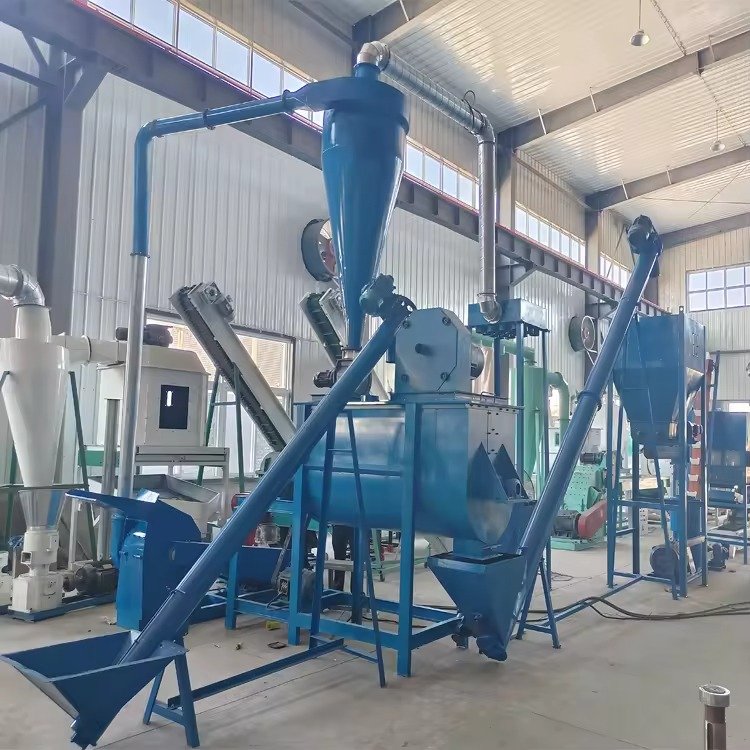
Twenty years of dedicated pellet machine manufacturing provides MAIKONG with deep expertise in African operating conditions. We understand challenges facing South African wildlife operations from power quality issues to extreme temperature ranges. Every system receives design consideration for reliability, serviceability, and long-term performance under demanding conditions.
Manufacturing Excellence and Quality Standards
Our manufacturing facility maintains ISO 9001 quality certification ensuring consistent production standards. Critical components including dies, rollers, and main shafts undergo precision machining and heat treatment. All equipment completes comprehensive testing before shipment verifying performance specifications.
Component Quality Standards
- Main shafts machined from 45# steel, heat-treated to 45-50 HRC
- Rollers manufactured from bearing steel, surface hardness 55-60 HRC
- Dies produced from alloy steel, precisely drilled and heat-treated
- Gearboxes use high-strength alloy gears rated 20% above operating loads
- Bearings sourced from internationally certified suppliers
- Electrical components meet IEC international standards
Testing and Validation Process
- No-load running tests verify mechanical operation
- Full-load production tests with actual feed materials
- Power consumption measurement and efficiency validation
- Vibration analysis ensures proper balance and alignment
- Safety system verification including emergency stops
- Documentation of actual performance versus specifications
Customization Capabilities for South African Requirements
MAIKONG provides extensive customization ensuring equipment matches your specific operational needs. We modify machinery for available power supplies, facility layouts, raw material characteristics, and production requirements. No two reserves operate identically requiring flexible engineering approaches.
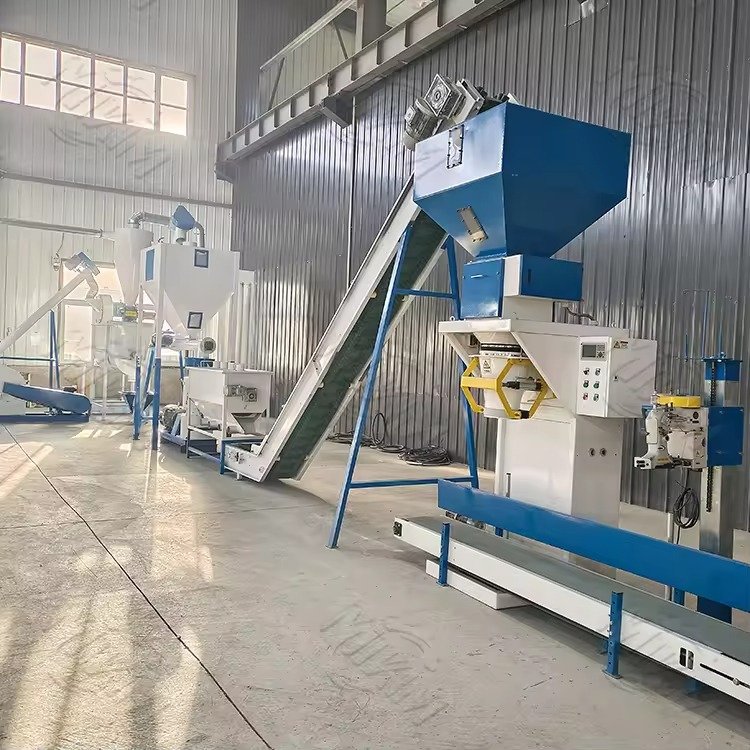
Available Customization Options
Electrical Adaptations
- Voltage configuration for local supply
- Motor specifications for generator operation
- Soft-start systems reducing surge current
- Variable frequency drives for flexibility
Physical Modifications
- Custom hopper sizes and configurations
- Modified discharge heights
- Specialized covers for outdoor installation
- Color schemes matching your operation
Performance Adjustments
- Die specifications for specific formulations
- Roller configurations optimizing throughput
- Feeder modifications for challenging materials
- Capacity tuning for exact requirements
Comprehensive Technical Support and Training
Successful pellet machine operation requires proper training and ongoing support. MAIKONG provides comprehensive operator training during installation. Our technical team remains available via WhatsApp, email, and phone for consultation throughout your equipment lifetime.
Training Program Components
On-site training spans 3-5 days covering all operational aspects. Operators learn startup procedures, material handling, quality assessment, routine maintenance, and troubleshooting. We provide detailed operation manuals in English with clear illustrations and step-by-step instructions.
Training includes hands-on production runs with your actual formulations ensuring operators gain practical experience before our technical staff depart. Follow-up support continues indefinitely via our technical hotline.
Technical Support Channels
- WhatsApp Technical Line: +86-135-1090-7401 for immediate consultation
- Email Support: Lucy@pelletmachine.co.za for detailed technical questions
- Phone Support: Direct connection to engineering department
- Video Consultation: Remote troubleshooting via video call
- Spare Parts Service: Comprehensive inventory with rapid shipping
- Annual Maintenance Visits: Available under service contracts
Competitive Advantages for South African Partners
MAIKONG positions itself as a long-term partner rather than simple equipment supplier. We invest in customer success through competitive pricing, flexible payment terms, and exceptional post-sale support. Our goal involves building lasting relationships with South African wildlife operations.
MAIKONG Partnership Benefits
- Direct factory pricing eliminates middleman markup
- Flexible payment terms accommodate operational budgets
- 20-year track record of reliable machinery
- Comprehensive warranty coverage on all components
- Lifetime technical support included with purchase
- Customization at no additional cost for standard modifications
- Rapid spare parts availability
- Free formulation consultation and optimization
- Dealer and distributor programs with attractive margins
- OEM manufacturing for private-label opportunities
Investment Considerations
- Initial capital requirement for equipment purchase
- Facility space needed for installation
- Training time required for operators
- Raw material inventory management
- Scheduled maintenance requirements
Explore Partnership Opportunities with MAIKONG
We actively seek dealers, distributors, and OEM partners throughout South Africa. Our partnership programs provide attractive margins, comprehensive technical support, and marketing assistance. Agricultural equipment dealers find MAIKONG products complement existing offerings while creating additional revenue streams.
Custom Wildlife Feed Solutions for Unique Reserve Requirements
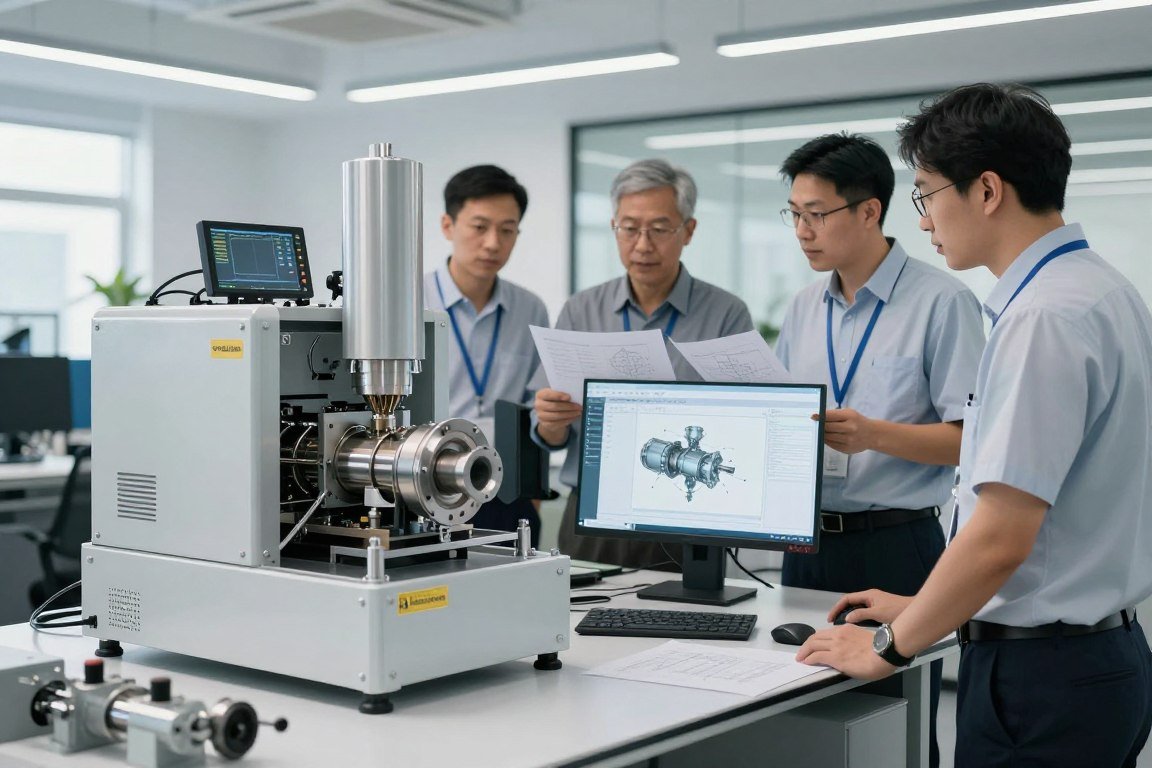
Every reserve operates under unique conditions requiring tailored solutions. MAIKONG engineering teams work directly with customers designing machinery configurations matching specific operational needs. We consider facility constraints, power availability, raw material sources, production volumes, and future expansion plans when recommending equipment.
Formulation Development and Optimization
Successful wildlife feed programs balance nutrition, palatability, cost, and pellet durability. MAIKONG nutritionists provide formulation assistance ensuring your recipes meet animal requirements while optimizing pellet machine performance. We help source local raw materials reducing ingredient costs and improving sustainability.
Sample Wildlife Feed Formulations
| Ingredient | General Game % | Buffalo High-Protein % | Maintenance % |
| Maize meal | 40 | 35 | 45 |
| Lucerne meal | 25 | 20 | 30 |
| Sunflower meal | 15 | 25 | 10 |
| Molasses | 5 | 5 | 3 |
| Wheat bran | 10 | 10 | 8 |
| Mineral premix | 3 | 3 | 2 |
| Salt | 1 | 1 | 1 |
| Urea | 1 | 1 | 1 |
| Crude Protein | 14% | 18% | 12% |
These formulations represent starting points requiring adjustment for local ingredient availability and specific animal requirements. MAIKONG nutritionists help modify recipes ensuring proper balance while maintaining good pelleting characteristics.
Formulation Services
Our team provides comprehensive formulation support throughout your operation. Services include initial recipe development, seasonal adjustments, cost optimization, and quality troubleshooting. We help you use locally available ingredients reducing transportation costs and improving sustainability.
Common modifications address specific challenges like high fiber content requiring die adjustments, moisture variations affecting conditioning parameters, or mineral supplements causing premature die wear. Our experience with African ingredients helps avoid common problems.
Complete Turn-Key System Design
MAIKONG offers complete production line design and installation for operations requiring comprehensive solutions. We handle all aspects from facility layout through equipment commissioning ensuring smooth project execution. Turn-key systems eliminate coordination challenges when working with multiple suppliers.
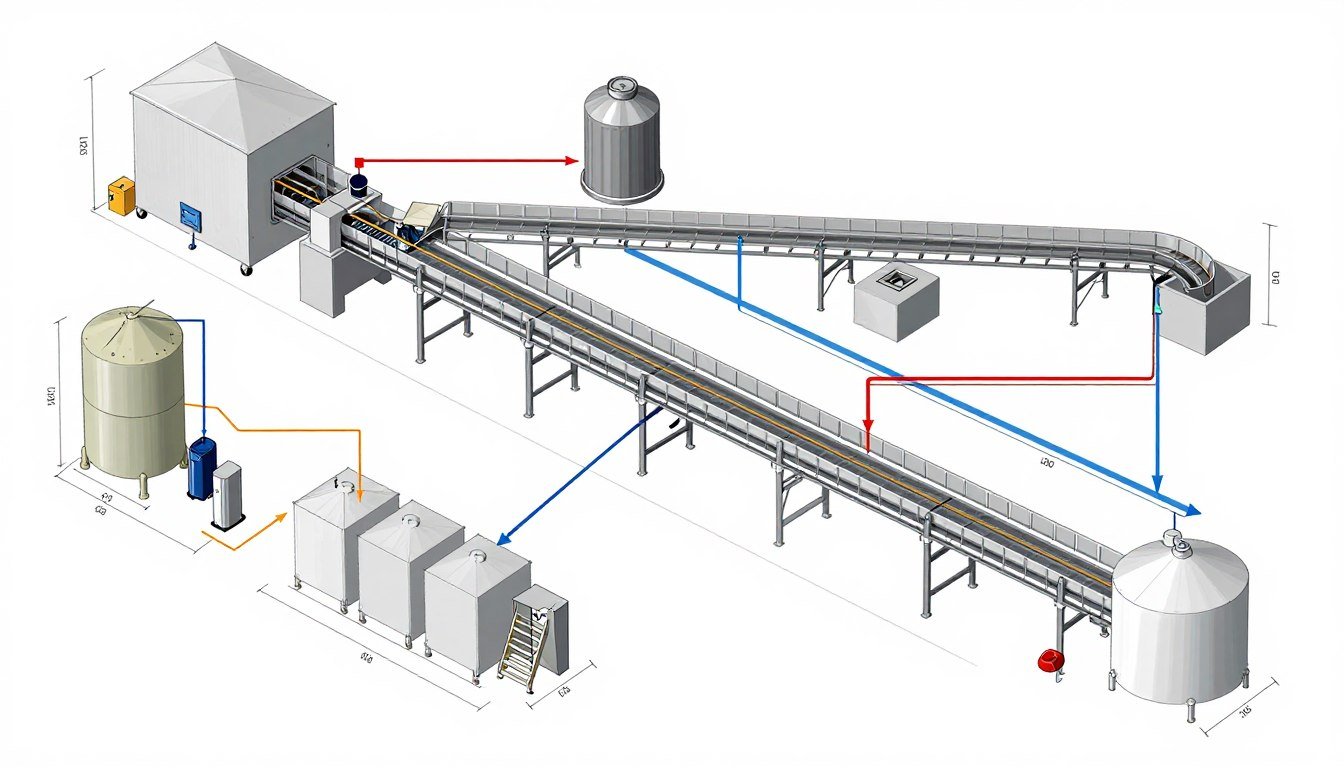
Turn-Key Project Components
- Initial Consultation: Assessment of requirements, site conditions, and operational goals
- System Design: Detailed equipment selection and facility layout planning
- Equipment Manufacturing: Custom fabrication and factory testing
- Site Preparation: Guidance on foundations, electrical infrastructure, and facility modifications
- Equipment Delivery: Coordinated shipping and logistics management
- Installation: Professional equipment positioning and connection
- Commissioning: System startup, testing, and performance verification
- Training: Comprehensive operator and maintenance training
- Documentation: Complete technical manuals and maintenance schedules
- Warranty Support: Ongoing technical assistance and warranty coverage
OEM Manufacturing and Private Label Opportunities
Agricultural equipment dealers and distributors benefit from MAIKONG OEM capabilities. We manufacture pellet machine systems under your brand enabling you to offer complete solutions to customers. OEM programs include custom color schemes, branded control panels, and private label documentation.
OEM Partnership Benefits
Establish your brand in the feed production equipment market without manufacturing investment. MAIKONG handles production while you focus on sales, marketing, and customer relationships. We provide technical support enabling your team to serve customers effectively without deep engineering expertise.
Minimum order quantities remain reasonable making OEM programs accessible to established dealers. Custom branding applies to machinery, documentation, and spare parts packaging creating cohesive brand presence throughout the customer experience.
Start Your Custom System Design Today
Share details about your reserve operation, animal populations, current feed program, and facility capabilities. Our engineering team develops custom system proposals with detailed specifications, performance projections, and investment requirements. Consultations remain free with no obligation to purchase.
Understanding Investment Returns from Wildlife Feed Pellet Machine Systems
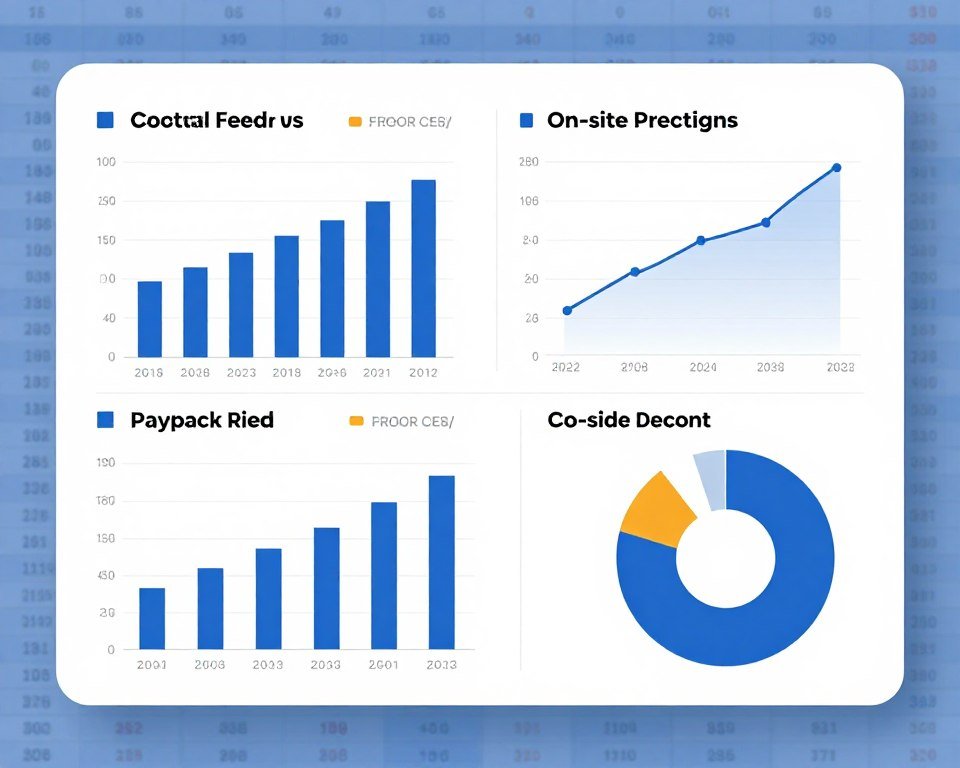
Capital equipment investments require careful financial analysis. Wildlife operations evaluate pellet machine purchases based on payback periods, ongoing cost savings, and operational flexibility benefits. Understanding true costs versus benefits helps make informed decisions aligning with operational goals and budget constraints.
Complete Cost Analysis Framework
Accurate financial projections require comprehensive cost accounting. Initial equipment investment represents just one component of total ownership costs. Facility modifications, raw material inventory, labor, utilities, and maintenance contribute to overall expense structure.
Initial Investment Components
- Equipment purchase (primary machinery)
- Auxiliary equipment (conveyors, elevators, silos)
- Shipping and import duties
- Foundation and facility preparation
- Electrical infrastructure upgrades
- Installation labor and supervision
- Initial spare parts inventory
- Operator training
- Raw material working inventory
- Contingency reserve (10-15% of total)
Ongoing Operating Costs
- Raw material purchases
- Electrical power consumption
- Labor (operators and supervisors)
- Routine maintenance supplies
- Die and roller replacements
- Bearing and seal replacements
- Packaging materials (paper bags)
- Quality testing supplies
- Insurance and licensing
- Storage and handling costs
Realistic Payback Period Calculations
Payback periods vary based on current feed costs, raw material availability, and production volumes. Small operations typically recover investments in 18-30 months while larger facilities achieve payback within 12-18 months due to economies of scale.
| Operation Size | Monthly Feed Use | System Investment | Monthly Savings | Payback Period |
| Small Reserve | 10 tons | R450,000 | R24,000 | 18.8 months |
| Medium Reserve | 25 tons | R750,000 | R60,000 | 12.5 months |
| Large Reserve | 50 tons | R1,200,000 | R120,000 | 10.0 months |
| Very Large Operation | 100 tons | R2,100,000 | R240,000 | 8.8 months |
These calculations assume 40% cost reduction versus commercial feed purchases. Actual savings vary based on formulation, local ingredient prices, and commercial feed costs in your area. Conservative estimates ensure realistic financial planning.
Beyond Simple Cost Savings
Financial analysis should include benefits beyond direct cost reduction. Improved animal performance, operational flexibility, and market independence provide substantial value difficult to quantify in simple payback calculations.
Nutritional Benefits
- Custom formulations for specific species
- Seasonal nutrition adjustments
- Consistent quality batch to batch
- Fresh product without storage degradation
- Control over ingredient quality
Operational Advantages
- Independence from supplier availability
- No minimum order quantities
- Produce exactly what you need
- Rapid formulation changes
- Local employment creation
Business Development
- Sell excess capacity to neighbors
- Develop custom products
- Create additional revenue streams
- Build reserve brand identity
- Vertical integration opportunities
Financing and Payment Options
MAIKONG works with customers to structure payment terms matching operational cash flows. We understand that capital availability varies requiring flexible approaches. Our goal involves making quality equipment accessible to operations of all sizes.
Available Payment Structures
Standard terms include 30% deposit with 70% balance due before shipment. For established customers and larger orders, we offer extended payment schedules including phased payments tied to project milestones. Discuss your financial requirements with our sales team to explore available options.
Discuss Financing Options and Payment Terms
Maintenance Requirements and Long-Term Support for Wildlife Feed Systems
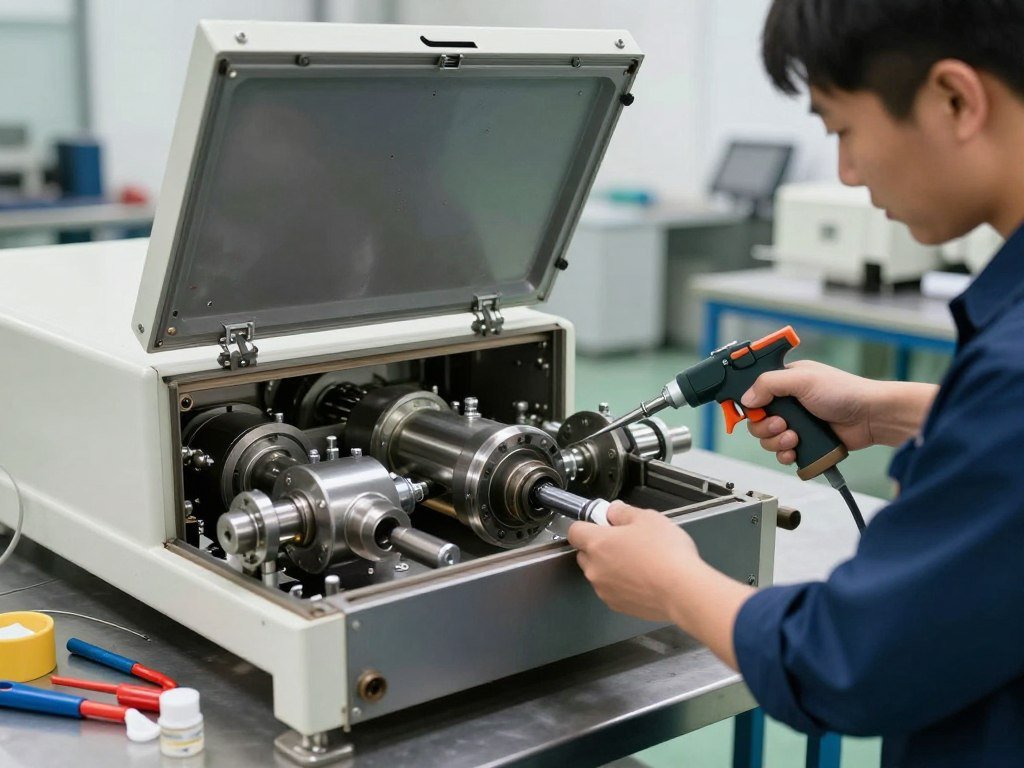
Reliable equipment operation requires proper maintenance and care. MAIKONG designs machinery for straightforward maintenance accessible to operators without specialized training. Understanding maintenance requirements helps plan resources and ensure consistent production availability.
Routine Maintenance Schedules
Preventive maintenance extends equipment life and prevents unexpected breakdowns. Simple daily checks take 10-15 minutes while more comprehensive weekly and monthly tasks require 1-3 hours. Annual major maintenance may involve specialized technicians though many customers handle this work internally.
| Maintenance Task | Frequency | Time Required | Skill Level |
| Visual inspection for loose bolts and abnormal sounds | Daily | 10 minutes | Operator |
| Check and refill gearbox oil level | Weekly | 15 minutes | Operator |
| Grease all bearing points | Weekly | 30 minutes | Operator |
| Clean feed residue from machine interior | Weekly | 45 minutes | Operator |
| Inspect and clean electrical connections | Monthly | 30 minutes | Electrician |
| Check roller and die wear patterns | Monthly | 1 hour | Operator |
| Replace gearbox oil completely | Every 6 months | 2 hours | Technician |
| Inspect and replace worn bearings | Annually | 4-6 hours | Technician |
| Complete system inspection and alignment | Annually | 8 hours | Technician |
Spare Parts Management
Maintaining critical spare parts inventory minimizes downtime when wear components require replacement. MAIKONG provides recommended spare parts lists during installation ensuring you stock appropriate items. Our efficient logistics ensure rapid delivery when additional parts become necessary.
Recommended Initial Spare Parts Inventory
- Complete die set in your primary pellet size
- Pair of roller shells for your mill size
- Main bearing set (2 pieces)
- Feeder drive belt
- V-belts for main drive (if belt-driven)
- Emergency stop switch assembly
- Oil seals for main shaft
- Set of lubrication fittings
- Electrical contactors and overloads
- Die mounting bolts and hardware
This inventory covers most common wear items and minor emergencies. Additional parts order from MAIKONG typically ships within 3-5 business days depending on destination. We maintain comprehensive parts inventory for all equipment models including older systems.
Part numbers remain consistent across production years simplifying long-term parts management. Clear identification markings on components ensure correct parts order every time. Our parts specialists help identify needed components from photos or descriptions when part numbers are unavailable.
Troubleshooting Common Issues
Most operational problems trace to simple causes resolved through basic troubleshooting. MAIKONG provides comprehensive troubleshooting guides helping operators diagnose and correct issues without external assistance. Our technical support team remains available for complex problems requiring expert guidance.
Low Production Output or Reduced Throughput
Possible Causes: Worn die, insufficient conditioning, improper raw material moisture content, incorrect feeder speed, partially blocked die holes, worn rollers.
Solutions: Inspect die surface for glazing or wear. Increase conditioning time or steam flow. Test raw material moisture (should be 12-15%). Adjust feeder speed to maintain proper material flow. Clean or replace die if holes are blocked. Replace rollers if surface shows significant wear.
Poor Pellet Quality – Excessive Fines or Crumbling
Possible Causes: Insufficient steam conditioning, improper formulation, die too cold, inadequate cooling, wrong pellet diameter for formulation.
Solutions: Increase conditioning temperature to 75-85°C. Review formulation for binding properties – add 2-3% molasses if needed. Warm die through gradual startup procedure. Ensure cooler operates properly reducing pellet temperature to ambient. Consider smaller pellet diameter for better durability.
Excessive Vibration or Unusual Noise
Possible Causes: Loose mounting bolts, worn bearings, imbalanced rollers, foreign object in machine, shaft misalignment.
Solutions: Inspect and tighten all mounting bolts. Check bearing condition – replace if rough or noisy. Remove rollers and inspect for damage or wear. Clean machine interior thoroughly removing all foreign materials. Verify proper shaft alignment using dial indicator if available.
High Power Consumption or Motor Overheating
Possible Causes: Overloaded machine, improper material preparation, worn die requiring excessive force, insufficient lubrication, voltage problems.
Solutions: Reduce feeder speed limiting material flow. Verify proper particle size through grinding – should be 2-4mm. Replace worn die with fresh unit. Check lubrication of all bearings and gearbox. Measure supply voltage – should remain within ±10% of rated voltage.
Access Technical Support When You Need It
MAIKONG technical specialists help resolve operational challenges quickly minimizing downtime. Our support team includes experienced engineers familiar with African operating conditions and wildlife feed applications. Contact us via WhatsApp, email, or phone for rapid assistance with any technical question.
Frequently Asked Questions About Wildlife Feed Pellet Machine Systems
What is the minimum feed volume needed to justify pellet machine investment?
Operations using 5-10 tons monthly typically reach payback within 24-30 months. Smaller volumes can still justify investment if you value formulation control and operational independence beyond simple cost savings. Reserves using 15+ tons monthly usually recover investment within 12-18 months making financial justification straightforward.
Consider collaborative approaches like cooperative facilities if your individual volume remains small. Several reserves sharing equipment achieve economies of scale while distributing investment costs.
Can I produce pellets from locally-grown crops and natural vegetation?
Absolutely. MAIKONG machines process virtually any organic material including maize grown on your property, lucerne from your own fields, prunings from browse management, and native grasses. This flexibility reduces raw material costs while improving sustainability.
Our technical team helps optimize formulations using available local ingredients. We provide guidance on material preparation, mixing ratios, and processing parameters ensuring successful pelleting with whatever materials you can source.
How much space does a feed pellet machine system require?
Small systems need approximately 4m x 5m (20 square meters) including material storage and working space. Medium capacity installations require 6m x 8m (48 square meters). Complete production lines occupy 10m x 15m (150 square meters) or more depending on configuration.
Height clearance of 3.5-4.5 meters accommodates elevators and material handling equipment. MAIKONG provides detailed facility layout drawings during system design ensuring your building suits equipment requirements.
What electrical power requirements should I plan for?
Small manual feed pellet machine systems operate on 15-20 kW three-phase supplies. Medium systems need 45-75 kW. Large production lines require 150-250 kW depending on capacity and auxiliary equipment.
Power quality matters significantly. Voltage should remain stable within ±10% of rated voltage. Rural areas with poor power quality benefit from voltage regulators or dedicated generator backup. MAIKONG can specify equipment for generator operation if necessary.
How to make a feed pellet machine produce different pellet sizes for various wildlife species?
Change pellet size through die replacement. MAIKONG machines accept multiple die sizes enabling rapid switching between pellet diameters. A typical die change requires 30-45 minutes including system shutdown and restart.
Stock multiple dies if you regularly produce different pellet sizes. Common wildlife operations maintain 4mm, 6mm, and 8mm dies serving small, medium, and large game species. Dies represent modest investment providing significant operational flexibility.
What is the typical lifespan of pellet machine equipment?
With proper maintenance, MAIKONG pellet mills operate reliably for 15-20+ years. Critical wear components including dies and rollers require periodic replacement but main structural components, frames, and gearboxes last decades.
Die life ranges from 500-2000 operating hours (roughly 6-24 months depending on usage intensity). Rollers last 2000-4000 hours. Bearings typically serve 8000-15000 hours. Regular maintenance dramatically extends component life.
Can I start with a small feed pellet machine and expand later?
This represents an excellent approach for growing operations. Begin with a Compact or small Professional Series system meeting current needs. As animal populations grow, add additional capacity through parallel machines or upgrade to larger systems.
MAIKONG designs systems for phased expansion. Initial installations include space and utility provisions for future growth. Your starter equipment can continue serving specialized roles even after acquiring larger primary systems.
What training do operators need to run pellet machine systems safely?
MAIKONG provides comprehensive 3-5 day training during installation. Operators learn startup procedures, material handling, quality control, routine maintenance, and safety protocols. No prior experience is required – we train from basics.
After training, most operators handle daily operations independently. Complex troubleshooting or major maintenance may require technician involvement though many customers develop internal expertise over time.
How does feed pellet machine price vary between different system sizes?
Compact systems producing 150-300 kg/hour start around R350,000-R450,000. Professional Series systems delivering 500-1000 kg/hour range from R650,000-R950,000. Complete Industrial Series production lines cost R1,200,000-R3,500,000 depending on capacity and automation level.
These estimates include basic machinery. Additional costs for facility preparation, auxiliary equipment, installation, and initial spare parts increase total investment by 20-35%. Contact us for detailed quotations specific to your requirements.
Can MAIKONG provide references from other South African wildlife operations?
Absolutely. We maintain relationships with numerous satisfied customers throughout South Africa and can arrange facility visits or reference calls. Many customers welcome opportunities to share their experiences and demonstrate their equipment to prospective buyers.
Our case studies section profiles several installations though we have many additional references available upon request. Contact our sales team to connect with operations similar to yours.
Partner with MAIKONG for Your Wildlife Feed Production Success
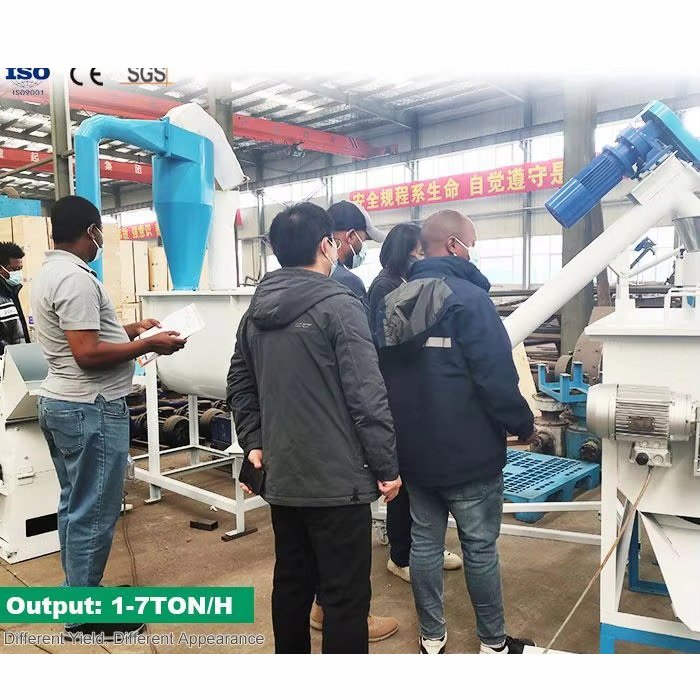
Successful wildlife management requires consistent, high-quality nutrition delivered cost-effectively. MAIKONG Feed (Wildlife) Pellet Machine systems provide South African reserves with the tools to achieve these goals. Our 20 years of manufacturing experience translates into reliable equipment, responsive support, and lasting customer relationships.
Whether you manage a small private reserve or a large conservation area, MAIKONG offers solutions matching your requirements and budget. From simple manual feed pellet machine units to complete automated production lines, we provide equipment delivering consistent performance under African operating conditions.
Take the Next Step Toward Feed Independence
Your journey toward on-site feed production begins with a conversation. Share details about your operation, current feed program, and goals for the future. Our team provides expert guidance, detailed proposals, and realistic projections helping you make informed decisions.
Immediate Actions You Can Take
- Calculate your current monthly feed costs and volumes
- Assess available facility space and utilities
- Identify locally available raw materials and pricing
- Determine your wildlife nutritional requirements
- Consider future expansion plans and animal population growth
- Contact MAIKONG to discuss your specific situation
What MAIKONG Provides in Initial Consultation
- Equipment recommendations matching your scale and budget
- Formulation guidance using local ingredients
- Facility layout and utility requirement specifications
- Detailed cost projections and ROI analysis
- Timeline estimates from order through commissioning
- Answers to all your technical and commercial questions
Multiple Ways to Connect with MAIKONG
We understand that different customers prefer different communication methods. MAIKONG provides multiple channels ensuring you can reach us through your preferred medium. Our team responds promptly whether you contact us by phone, WhatsApp, or email.
Start Your Wildlife Feed Solution Today
Contact MAIKONG South Africa to begin designing your custom feed pellet machine solution. Our team provides expert consultation, detailed proposals, and comprehensive support throughout your project. Join the growing number of South African reserves achieving feed independence and cost savings through on-site pellet production.
Direct Contact Numbers
Additional Resources:
Explore Our Complete Product Range
MAIKONG manufactures comprehensive pellet machine solutions beyond wildlife feed applications. Agricultural operations throughout South Africa rely on our equipment for diverse pelleting needs. Explore our full product range to discover additional solutions for your operation.
Feed Pellet Machine Solutions
Specialized Agricultural Systems
Purchase Information
Dealer and Distributor Opportunities
Agricultural equipment dealers throughout South Africa benefit from partnering with MAIKONG. We offer attractive dealer margins, comprehensive technical support, marketing assistance, and flexible order terms. Our product range complements existing agricultural equipment lines while opening new market opportunities.
Contact our dealer development team to explore partnership possibilities. We actively seek qualified dealers in all South African provinces and neighboring countries.
MAIKONG remains committed to supporting South African agriculture and wildlife management through quality equipment, responsive service, and lasting partnerships. We look forward to contributing to your operational success.
