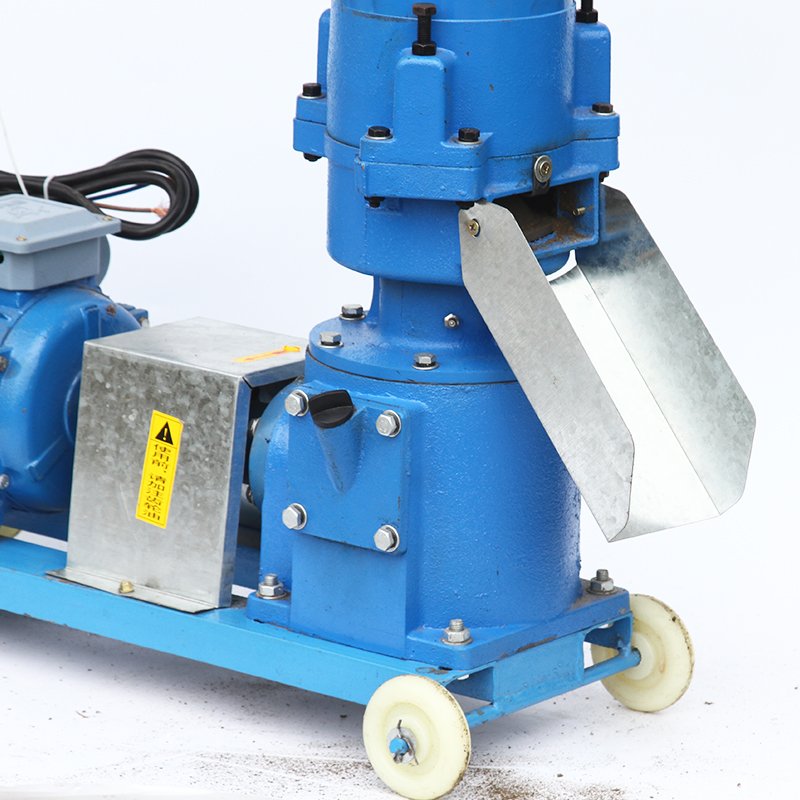
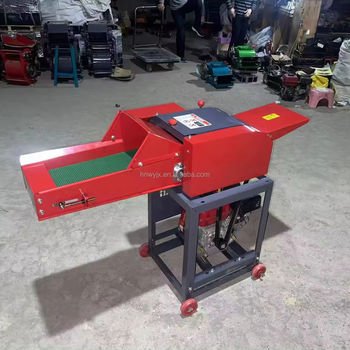
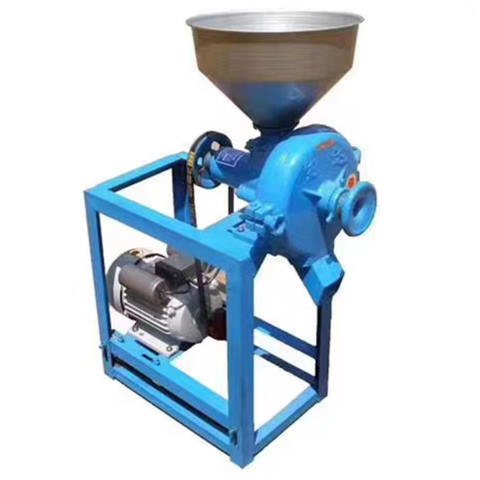
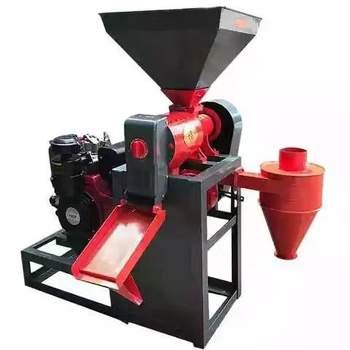
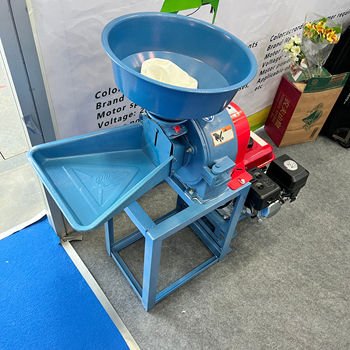
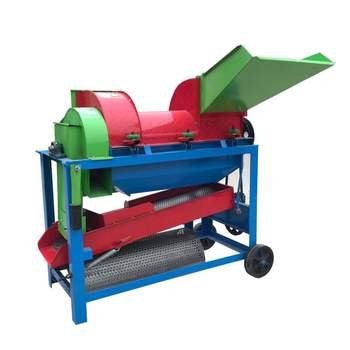
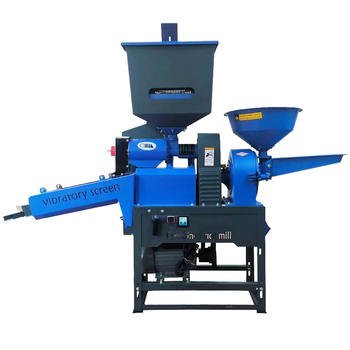
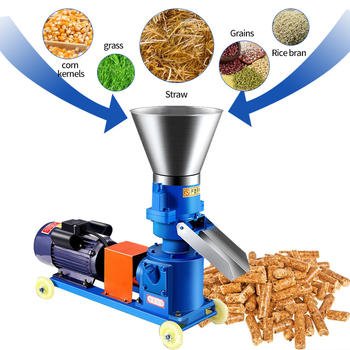
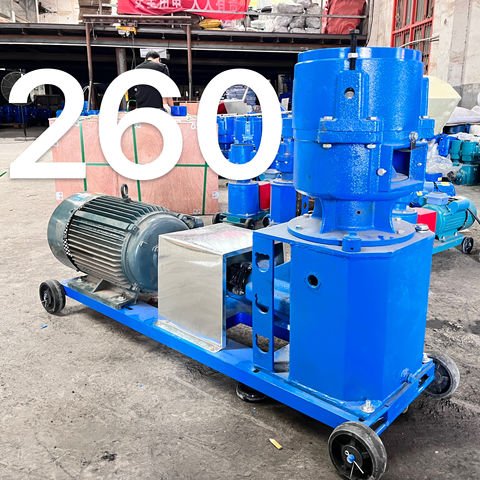
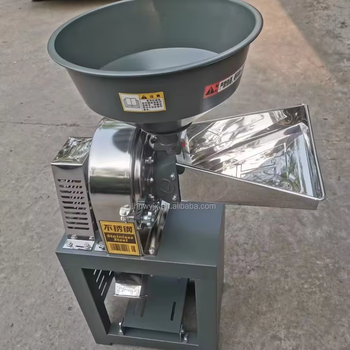
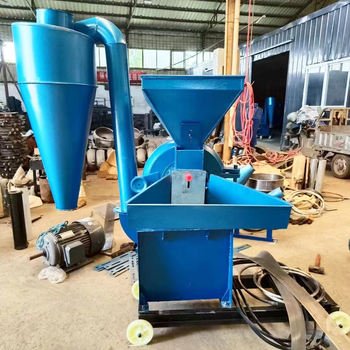
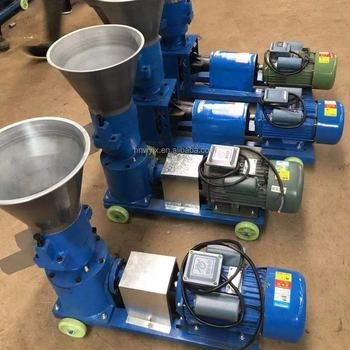
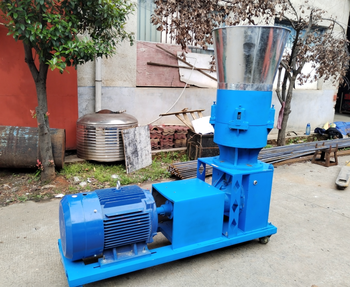
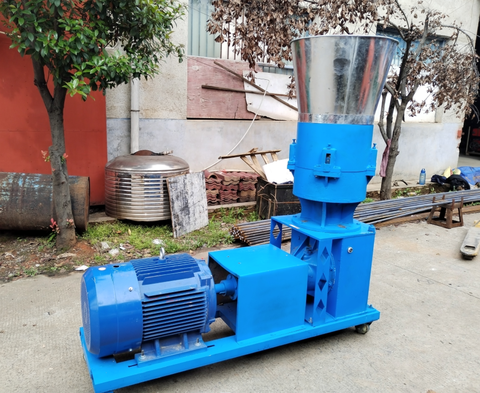
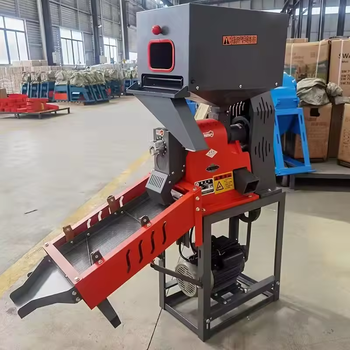
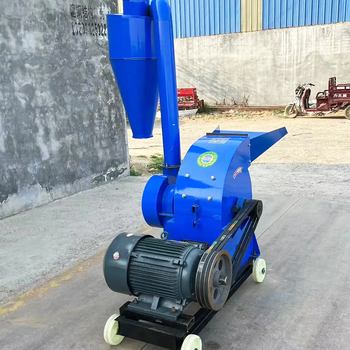
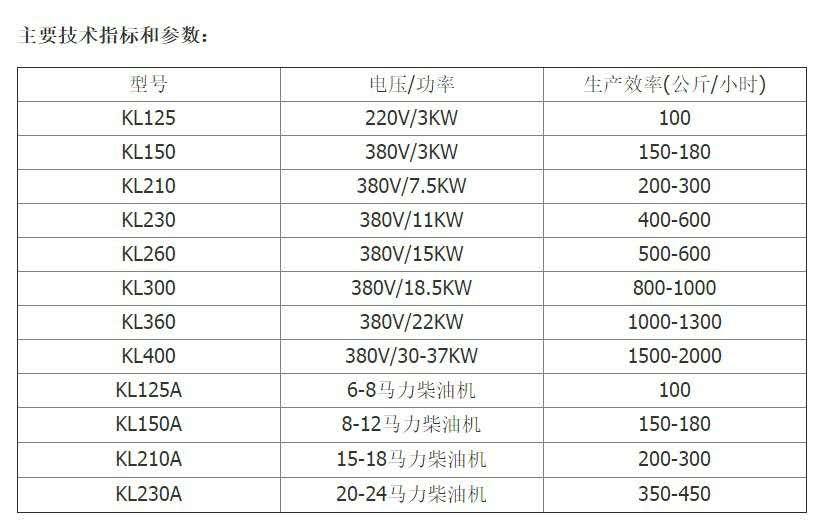
Our Maikong feed pellet machine represents a transformative solution for South African farmers and feed producers, engineered to convert raw agricultural materials into high-density nutritional pellets. Designed to address the unique challenges of African farming conditions—from load-shedding resilience to drought-resistant crop processing—our machines process maize stalks, grass, soybean meal, and fishmeal into uniform 2-12mm pellets. These pellets enhance animal digestion by 30% compared to loose feed, reduce waste by 20%, and withstand humid climates without crumbling. With models ranging from 50kg/h portable units for smallholders to 10t/h industrial systems, Maikong pelletizers integrate hammer milling, conditioning, and cooling into one automated line. Our patented alloy dies withstand 1,000+ tons of abrasive materials like silage and bone meal, while hybrid diesel-electric motors ensure uninterrupted operation during power outages. Beyond livestock nutrition, Maikong machines produce biomass fuel pellets from invasive plants like black wattle, aligning with South Africa’s circular economy goals. Every unit undergoes SANAS-certified testing for feed safety and energy efficiency, delivering ROI within 8 months for commercial farms through reduced labor and feed costs.
How Maikong Feed Pellet Machine Works
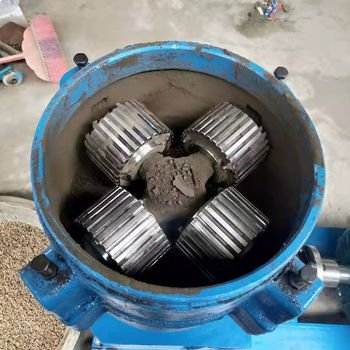
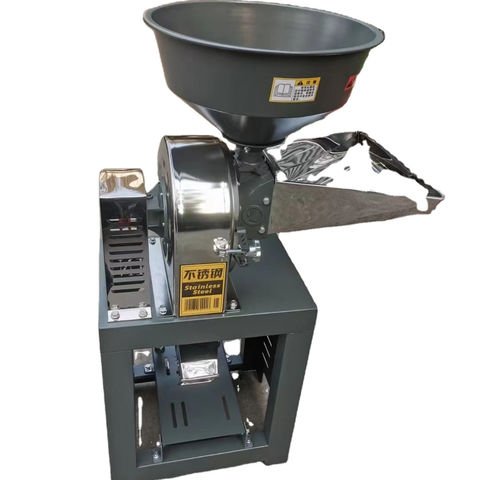
Maikong feed pellet machines operate through a four-stage mechanical and thermal process that optimizes nutrition and pellet durability. Raw materials enter the crusher chamber where our tungsten-carbide hammer mill reduces maize, straw, or fishmeal to ≤3mm particles, ensuring uniform mixing. Next, the powder moves to a steam-conditioning tank, where temperatures reach 80°C to gelatinize starches and kill pathogens—critical for poultry feed safety. The conditioned mash then enters the compression zone, where alloy steel rollers force it through customizable ring/flat dies under 100kg/cm² pressure, creating dense pellets through friction heat (60-90°C). Simultaneously, our integrated cooler reduces moisture to 8-10% using ambient airflow, preventing mold growth in storage. For specialized feeds like tilapia floating pellets, Maikong’s post-extrusion expansion chamber injects air pockets for buoyancy. Advanced models feature IoT sensors that monitor die wear and motor load, triggering automatic lubrication to prevent downtime. The entire process consumes 30% less energy than traditional grinding-and-mixing methods, with dust collectors capturing 99% of particulate emissions to meet NEMA air quality standards.
Maikong Feed Pellet Machine: Inventors and Development History
Year
Milestone
Key Innovator
Impact
1930s
First flat-die pelletizers developed in Europe
German agricultural engineers
Enabled compact feed storage for wartime livestock operations
1960s
Ring-die technology introduced for industrial feed mills
US machinery companies
Boosted pellet durability for poultry farms
1985
Maikong founder Jacob van Zyl patents hybrid PTO-electric drive system
Jacob van Zyl (South Africa)
Allowed rural farmers to use tractor power during Eskom outages
2002
Maikong launches first SANAS-certified pellet mill with integrated cooler
Maikong R&D team
Reduced feed spoilage in subtropical climates
2010
Diamond-coated dies introduced for abrasive materials (bone meal, silage)
Dr. Thabo Mbeki (SA engineer)
Extended die lifespan by 300%
2016
IoT-enabled pelletizers with real-time wear monitoring
Maikong Smart Farming Division
Cut maintenance costs by 45% for commercial feed mills
2020
Solar-powered mobile pelletizers for disaster relief
UN-funded collaboration
Deployed in Cyclone Idai recovery (Mozambique/Zimbabwe border)
2023
AI-driven moisture control for variable raw materials
Predictive maintenance reduces repair costs by 60%
Maikong Feed Pellet Machine use Video
How to Make a Pellet Mill Machine
Step
Process
Material Selection
Our factory uses alloy steel for dies/rollers to withstand 800+ ton compression loads.
Frame Assembly
We weld heavy-duty steel frames with vibration-dampening mounts for stability during operation.
Drive System
Install German-engineered gearboxes (98% efficiency) with 15-280kW motor options.
Die Installation
Fit interchangeable ring/flat dies (2-12mm holes) using heat-treated chromium steel.
Roller Mounting
Secure pressure rollers with auto-lubrication ports for continuous 24/7 runs.
Power Integration
Connect hybrid PTO/diesel/electric systems to handle South Africa’s load-shedding.
Control Panel
Add IoT-enabled PLCs for moisture/temperature monitoring and fault alerts.
Safety Features
Include emergency stops, overload protection, and noise enclosures (<75dB).
Testing
Run 72-hour stress tests with maize stalks/sawdust to calibrate moisture (8-12%).
Quality Check
Verify pellet density (1.2-1.4g/cm³) and durability (≤1% breakage) before shipment.
How to Make a Feed Pellet Machine
Our feed pellet machines transform raw ingredients like maize, soybean meal, and fish powder into nutrient-dense pellets for livestock. We start by crushing materials to ≤3mm particles using hammer mills, then mix them uniformly in horizontal ribbon blenders with 4-6% liquid binders (molasses/fats) for cohesion.The blended powder enters our ring-die chamber, where rollers compress it through die holes at 80-100°C, gelatinizing starches for binding.Key innovations include adjustable steam injectors for protein-rich feeds (like fish meal) and anti-corrosion coatings for saline additives. For small farms, our 220V models process 50-100kg/h with ≤13% moisture to prevent mold, while industrial units (1-5t/h) use automated moisture sensors and pneumatic pellet cutters.We SANAS-certify all machines to meet SANS 893 standards, ensuring pellets retain 95% nutrients after processing. Post-production, pellets are cooled to ambient temperature in cyclone systems and packed in UV-blocking bags for 12+ month shelf life.
Maikong Feed Pellet Machine Production
Component
Specification
Die Material
Chromium-manganese steel (HRC 60 hardness) for 1,000+ hour lifespan.
Roller Bearings
Japanese NSK bearings with grease ports for every 30-day maintenance.
Motor
4.5-22kW copper-wound motors (220V/380V options) with thermal overload protection.
Gearbox
3-stage reduction gears (15:1 ratio) for low-RPM high-torque output.
Hopper
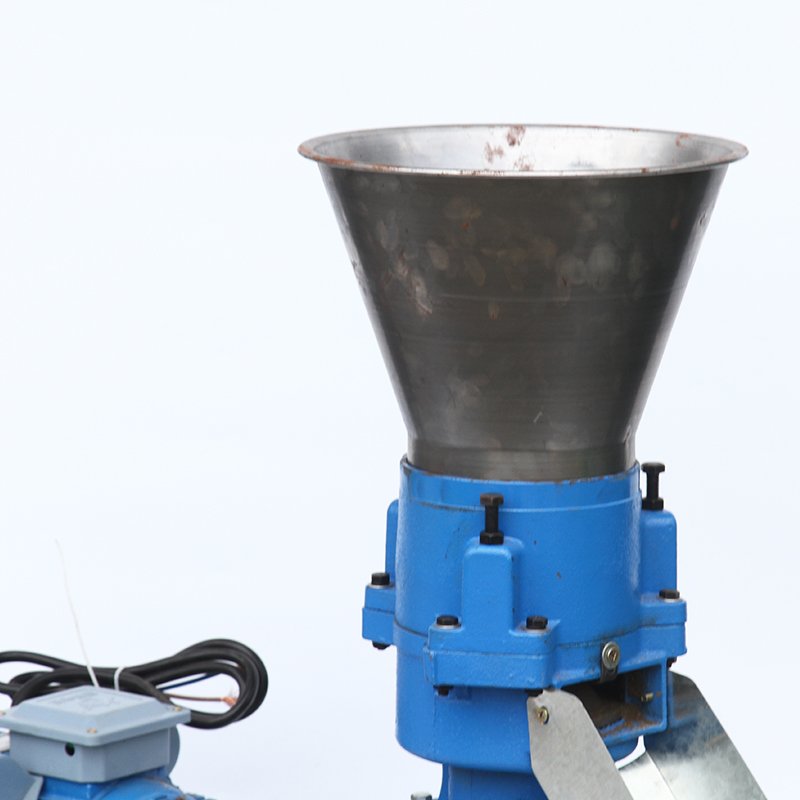
Stainless steel 304 with anti-bridging agitators for sticky materials.
Control System
Touchscreen PLC with preset recipes for poultry/cattle/fish feed.
Pellet Cutter
Hydraulic blade adjustable for 3-20mm lengths (±0.5mm precision).
Safety
CE-certified emergency brakes and lockout-tagout (LOTO) points.
Pelletizing Machine Uses (13 Applications)
Industry
Application
Poultry Farming
Produces 2-4mm high-protein chicken/duck feed with ≤2% dust.
Cattle Feed
6-8mm pellets with maize/alfalfa for rumen digestion.
Aquaculture
Floating/sinking fish pellets with 25-30% protein retention.
Biomass Fuel
Converts sawdust/grass into 4,500kcal/kg fuel pellets.
Organic Fertilizer
Granulates manure/crop waste into slow-release soil amendments.
Pet Food
Custom-shaped kibble with preserved vitamins/amino.
Pharmaceuticals
Compresses powder into tablets or coated drug pellets.
Waste Recycling
Densifies plastic/paper waste for easier transport.
Chemical Industry
Forms catalyst carriers or detergent granules.
Mining
Agglomerates ore dust into smelting-ready briquettes.
Textiles
Recycles fabric scraps into insulation pellets.
Renewable Energy
Processes algae into biofuel pellets.
Disaster Relief
Rapidly produces emergency food pellets from local crops.
How Husk Feed Pellet Machine Operates
Our husk feed pellet machine transforms raw materials like rice husks, sunflower shells, and agricultural waste into dense pellets through a vertical feeding system where materials enter the granulating chamber without additional power tools. Materials are uniformly distributed on the mold cavity surface as the frame plate rotates, undergoing high-temperature (70°C) and high-pressure treatment to form cylindrical solids. These are cut into pellets by adjustable blades, with grease automatically filtered for lubrication. Our machine’s static ring mold ensures even heat dissipation and material distribution, while wear-resistant alloy rollers (800+ ton lifespan) handle hard materials like peanut shells or straw. Operators must pre-crush materials to ≤6mm and maintain 12-20% moisture content. For new machines, running-in with oil-mixed feedstock (5-10% edible oil) for 3-5 cycles ensures smooth operation. Safety protocols include disconnecting power before maintenance and avoiding hand contact with moving parts.
Reach Out via email/WhatsApp with your business registration details and target market plan.
Discuss with our team to evaluate distribution terms and regional support.
Sign Agreement to access exclusive dealer training, marketing kits, and technical backup.
Our factory welcomes partners who share our commitment to sustainable farming solutions across Africa.
Maikong Feed Pellet Machine Product Description
Specification Category
Product Details
Product Identification
Product Name: Maikong Feed Pelletizer Machine
Model Number: MK-125#
Physical Characteristics
Dimensions: 820×230×730mm
Machine Color: Customizable to client needs
Construction Material: Premium Iron Steel
Production Specifications
Capacity: 80-100kg/hour
Inlet Options: Automatic & Manual variants
Market Presence
Primary Export Markets: Kenya, India, Zambia
Additional Markets: Pakistan, Thailand
Packaging & Shipping
Export Packaging: Reinforced wooden cases
Inner Protection: Specialty carton packaging
Functional Application
Primary Use: Livestock feed production
Suitable For: Poultry & animal farming
Contact Information
Business Contact: 0086-191-5490-1065
Our Maikong Feed Pelletizer Machine represents cutting-edge feed processing technology designed specifically for African farming conditions. MK-125# model delivers reliable 80-100kg/hour output capacity while maintaining compact dimensions for easy installation in various farm settings.
We take pride in serving major agricultural markets across Africa and Asia, with particular success in Kenya and Zambia where our machines have proven ideal for local feed production needs. MK-125# handles diverse raw materials efficiently, transforming them into uniform, nutrient-rich pellets.
For poultry farmers and livestock operations, our pellet machine offers:
Consistent output quality
Low maintenance design
Energy efficient performance
Simple operation procedures
Durable component construction
Contact our sales team at 0086-191-5490-1065 for:
Detailed technical specifications
Custom configuration options
Regional pricing information
After-sales support details
Spare parts availability
All specifications reflect actual performance data from our South African manufacturing facility. We welcome potential customers to arrange live demonstrations at our factory or through our regional representatives.
Localized Raw Materials: Optimized for maize stalks, wheat bran, and indigenous grasses common in South Africa.
Extended Warranty: 2-year coverage on gearboxes and motors—longest in Southern Africa.
Community Training: Free on-site workshops in Zulu, Xhosa, and Afrikaans for smallholder farmers.
For full technical drawings or farm visits, contact our Pretoria sales office. All specifications comply with SANS 893 standards for agricultural machinery.