
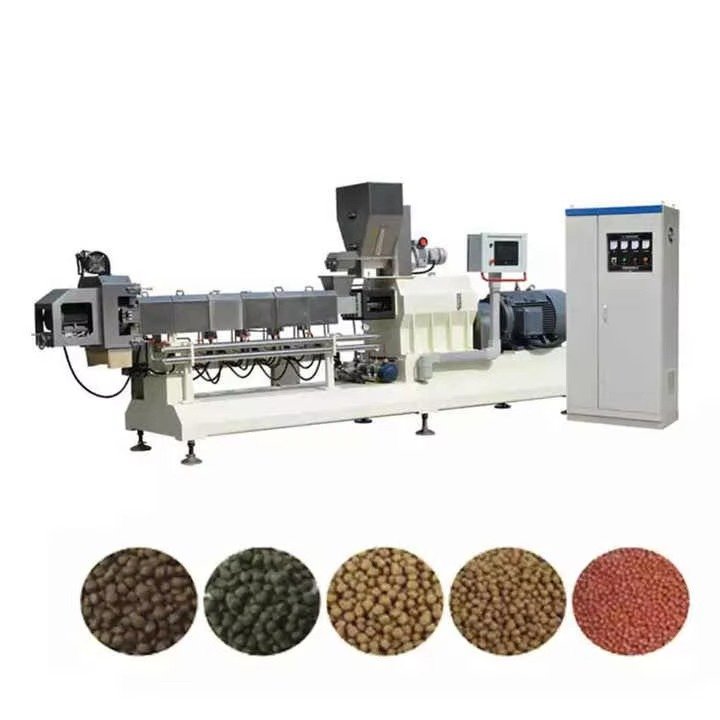
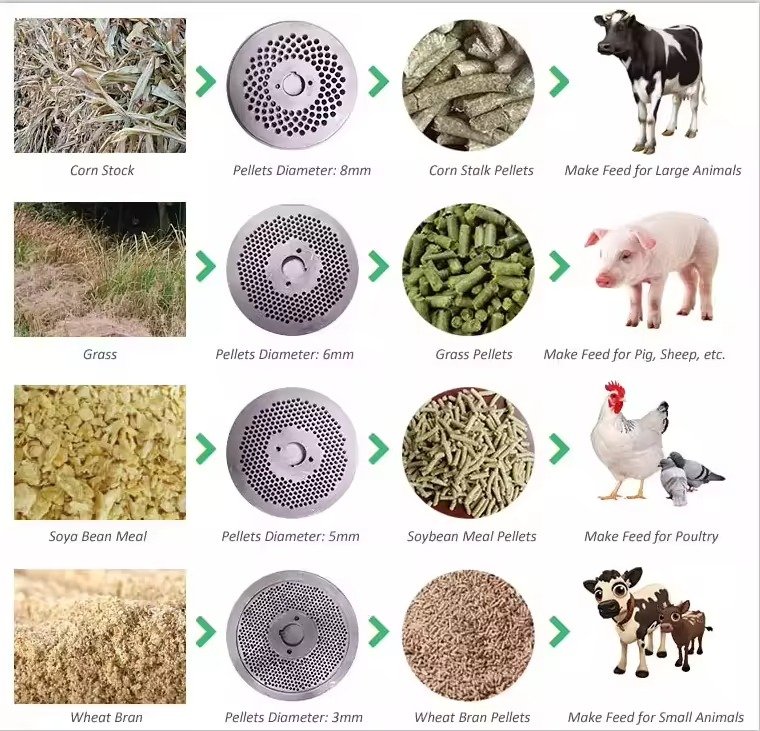
 feed pelletizer machine transforms raw materials into uniform pellets. These pellets improve digestion and reduce waste. Waterfowl especially benefit from properly sized pellets that float or sink based on feeding behavior.
MAIKONG has manufactured quality pellet machines for over 20 years. Our equipment serves farms across South Africa and Africa. This guide explains everything about duck and goose feed pellet making machines.
Need immediate assistance? Our technical team responds fast:
Why Duck and Goose Farmers Choose Feed Pelletizer Machines
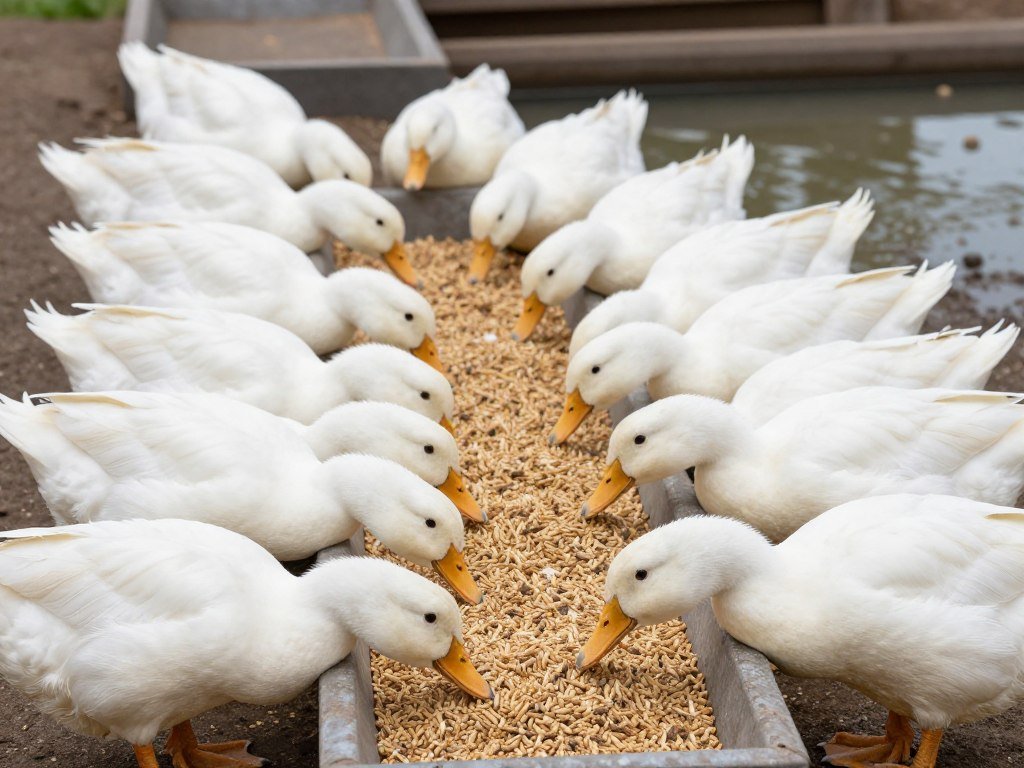
Waterfowl have different feeding needs than chickens. Their bills and digestive systems work better with specific pellet types. Making your own feed gives you complete control over nutrition and size.
Cost Savings That Transform Your Business
Commercial waterfowl feed costs significantly more than raw materials. Farmers who invest in a feed pellet machine typically reduce feed costs by 35-45%. This savings pays back the machine investment within 8-14 months for most operations.
Raw materials like maize, soya, fishmeal, and vitamins cost less when purchased in bulk. You eliminate middleman markups. Your pellet production runs on your schedule.
Nutritional Control for Better Growth
Ducks and geese need h
igher protein during laying season. Growing birds require different ratios than mature breeders. When you control the recipe, you adjust nutrition precisely.
A quality feed pelletizer machine processes various ingredients uniformly. This ensures every pellet contains balanced nutrition. Birds cannot selectively eat only their favorite ingredients.
Reduced Feed Waste
Loose mash feed gets wasted easily. Wind blows it away. Water makes it soggy. Birds scatter it while eating. Pellets eliminate most of this waste.
Properly made pellets hold together until consumed. They resist water better than mash. Most farmers see waste reduction of 20-30% after switching to pelleted feed.
Mash Feed Challenges
- Birds pick through ingredients
- Wind scatters lightweight particles
- Water damage causes spoilage
- Dust creates respiratory issues
- Inconsistent nutrition per bite
Pellet Feed Advantages
- Uniform nutrition in every piece
- Weather resistant structure
- Reduced waste by 20-30%
- Easier to handle and store
- Better feed conversion ratios
Ready to Cut Your Feed Costs by 40%?
Get a custom quote for your duck and goose farming operation. Our engineers will calculate your exact capacity needs and provide a complete ROI analysis.
How Feed Pelletizer Machines Work
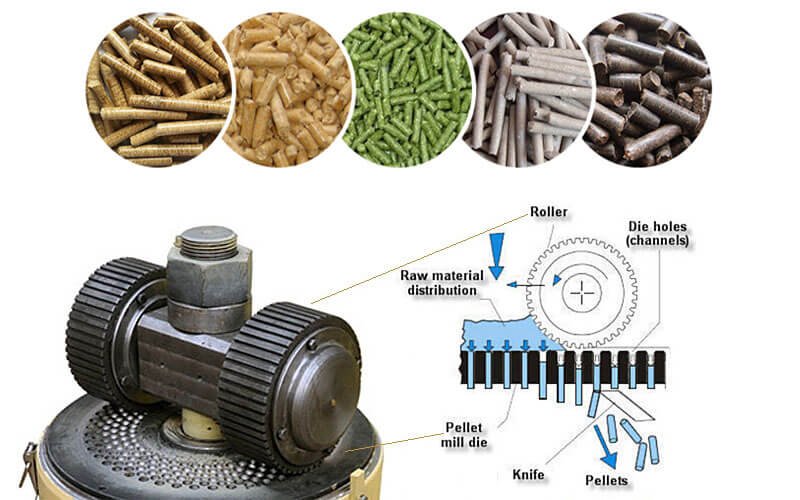
Understanding the pellet making machine process helps you choose the right equipment. The operation involves several coordinated steps that transform raw materials into finished pellets.
The Pelleting Process Step by Step
Raw materials enter the machine through a hopper. A conditioning chamber adds steam or water to reach optimal moisture content. This process makes ingredients bind together better.
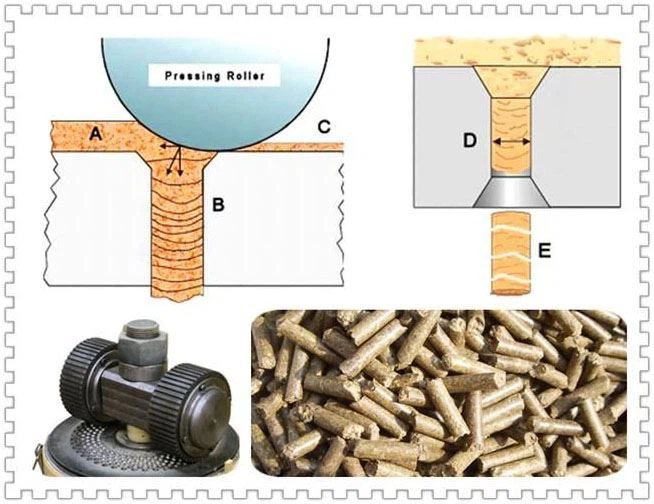
The conditioned mixture moves into the compression chamber. Here, rotating rollers press material through a circular die. Small holes in the die determine pellet diameter and length.
As material passes through die holes under pressure, friction generates heat. This heat partially cooks the mixture and activates natural starches. These starches act as binding agents.
A cutting knife trims emerging pellets to desired length. Fresh pellets exit hot and soft. They firm up as they cool. A cooling system reduces temperature and moisture for storage stability.
Critical Machine Components
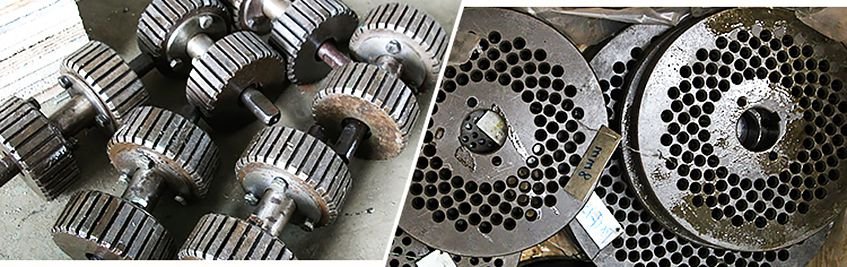
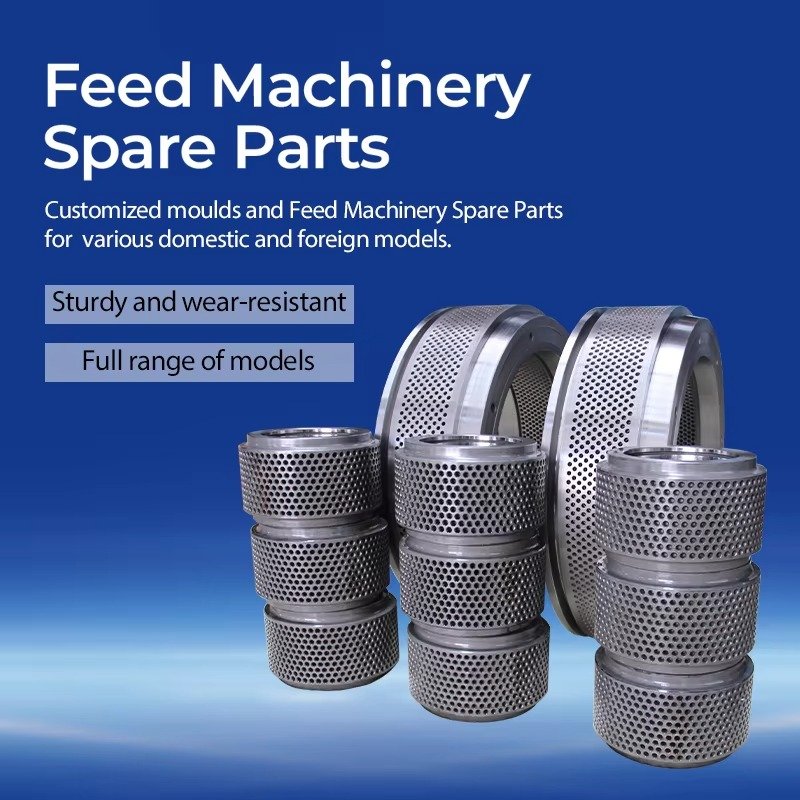
The die plate is the heart of any pellet machine. It determines pellet quality and production rate. MAIKONG uses hardened steel dies that last thousands of operation hours.
Compression rollers press material through die holes. Roller quality affects energy efficiency and pellet consistency. Our rollers feature precision bearings for smooth operation.
The motor powers the entire system. MAIKONG installs copper motor winding for durability and efficiency. Motor size matches your capacity requirements exactly.
| Component | Function | MAIKONG Advantage |
| Die Plate | Forms pellet shape and size | Hardened alloy steel, 2000+ hour lifespan |
| Compression Rollers | Presses material through die | Precision bearings, replaceable design |
| Motor | Powers the pelleting system | 100% copper winding, 3-phase options |
| Conditioner | Prepares material moisture level | Stainless steel, adjustable retention time |
| Cooling System | Stabilizes finished pellets | Counter-flow design, even cooling |
Optimal Pellet Specifications for Ducks and Geese
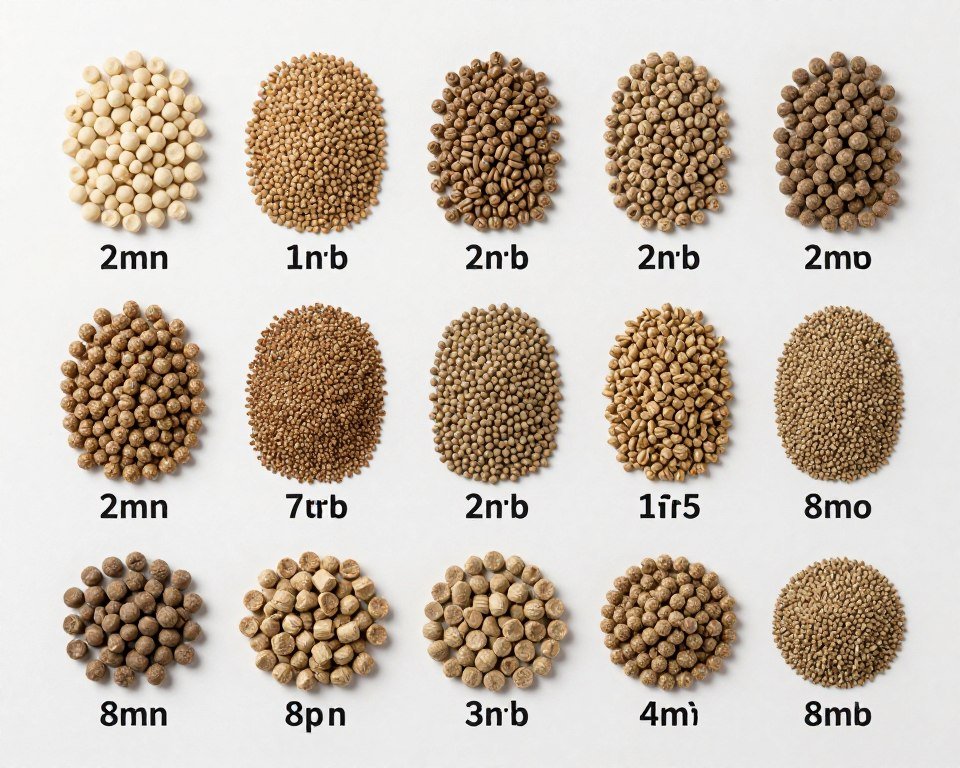
Waterfowl have different feeding behaviors than chickens. The right pellet size improves feed conversion and reduces waste. Your feed pellet machine should produce appropriate dimensions.
Pellet Diameter Recommendations
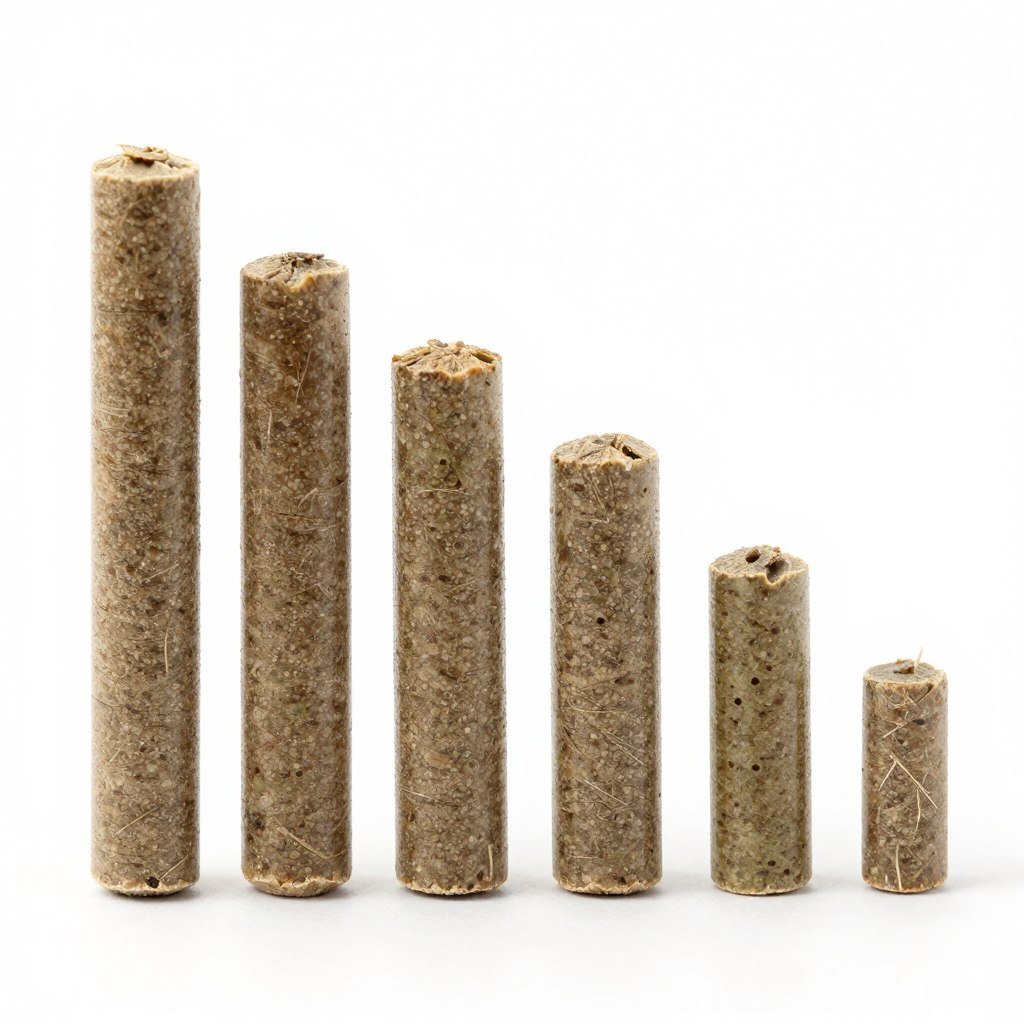
Ducklings and goslings under three weeks need smaller pellets. A 2-3mm diameter works best for young birds. Their small bills cannot handle larger sizes.
Growing ducks and geese from three weeks to maturity do well with 4-5mm pellets. This size balances easy consumption with production efficiency.
Adult breeding waterfowl can handle 6-8mm diameter pellets. Larger pellets reduce production time per ton. They also last longer in wet conditions around water sources.
Pellet Length and Density
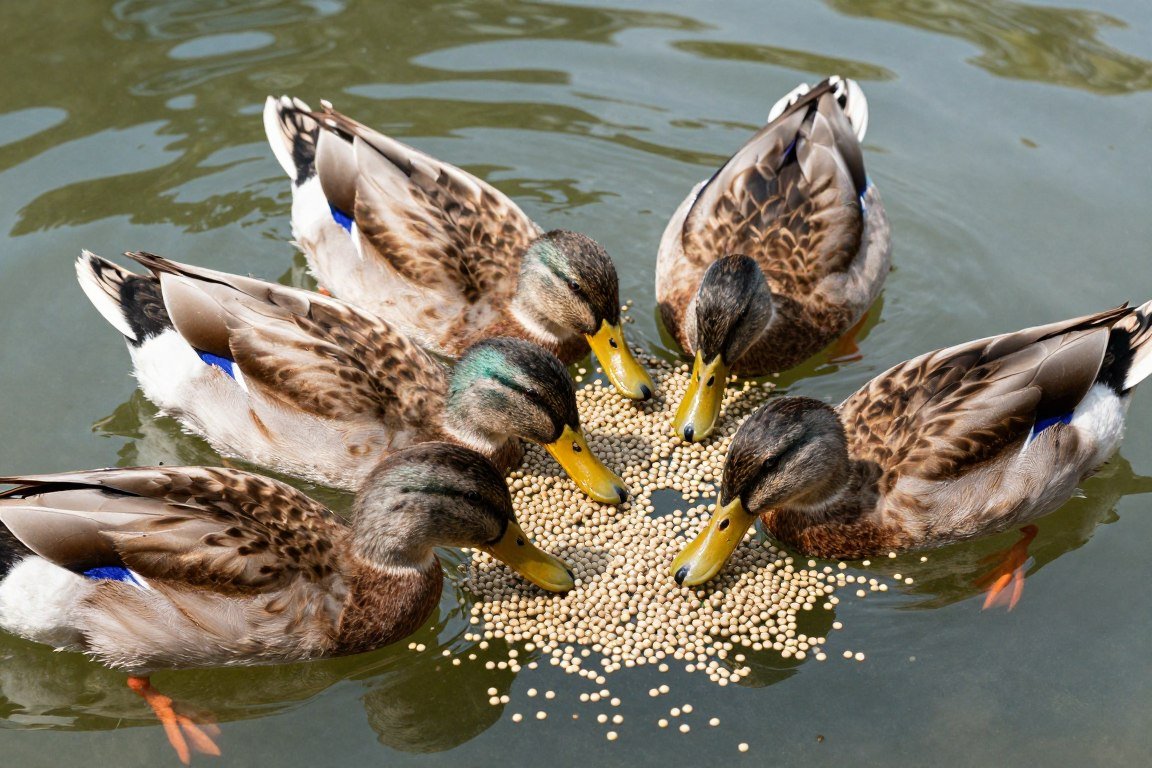
Length affects how pellets behave in water. Shorter pellets of 5-10mm tend to sink faster. Longer pellets of 10-15mm may float temporarily before sinking.
For ducks that dabble at the surface, slightly longer floating pellets work well. Geese that graze prefer denser pellets that settle on the bottom where they feed.
Your feed pelletizer machine die thickness determines pellet length. MAIKONG offers interchangeable dies for different pellet specifications. This flexibility lets you adjust production as your flock changes.
Moisture Content Requirements
Finished pellets should contain 10-12% moisture for storage stability. Too much moisture causes mold growth. Too little makes pellets crumble and create dust.
The pelletizer machine conditioning system adds moisture during processing. The cooling system then removes excess moisture. This controlled process ensures consistent final moisture levels.
Ducklings (0-3 weeks)
- 2-3mm diameter pellets
- 5-8mm length
- High protein formula (20-22%)
- Floating pellets preferred
- Fine texture for easy digestion
Growing Birds (3-12 weeks)
- 4-5mm diameter pellets
- 8-12mm length
- Moderate protein (16-18%)
- Semi-floating pellets
- Standard density
Adult Layers/Breeders
- 6-8mm diameter pellets
- 10-15mm length
- Balanced protein (15-17%)
- Sinking pellets acceptable
- Enhanced calcium content
MAIKONG Feed Pelletizer Machine Models
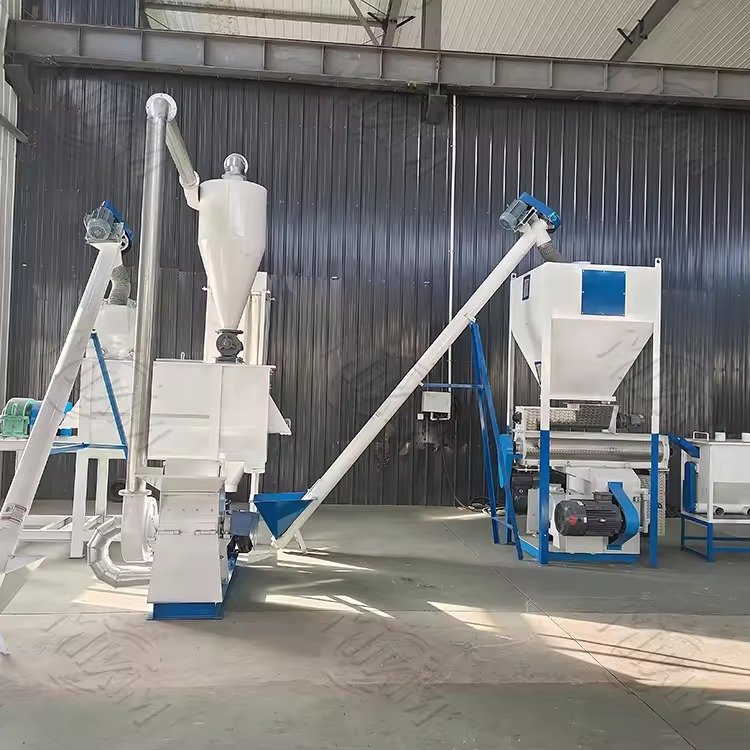
MAIKONG manufactures pellet machines for every scale of operation. From mini home units to industrial production lines, we have equipment that fits your needs.
Small Scale Manual and Electric Models
Our manual feed pellet machine suits home farmers with 20-50 ducks or geese. This hand-operated unit requires no electricity. It produces 40-60kg per hour with manual effort.
The Model 120 electric pellet machine steps up capacity to 80-120kg hourly. A 3kW motor powers consistent production. This model fits farms with 100-200 waterfowl.
Both models feature interchangeable dies. You can switch between 2mm and 6mm pellet sizes. The compact design saves space in small farming operations.
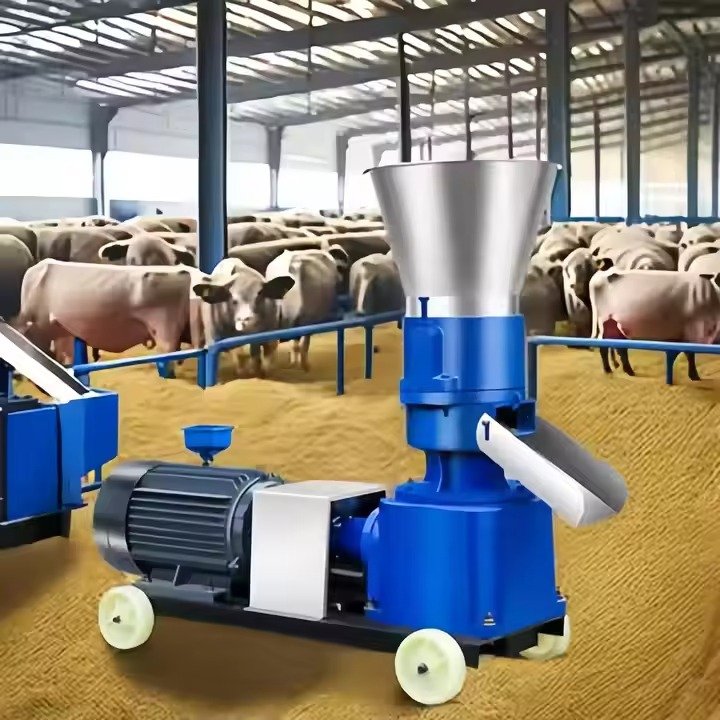
Medium Capacity Automated Systems
The Model 200 handles 200-300kg per hour. Farms with 500-1000 birds benefit from this capacity. Automated feeding and temperature control reduce labor needs.
Model 260 increases output to 400-500kg hourly. This suits commercial operations producing feed for multiple farms. The larger die diameter improves efficiency with bigger pellets.
Both models include built-in cooling systems. Automatic temperature monitoring prevents overheating. Safety shutoffs protect the motor and extend equipment life.
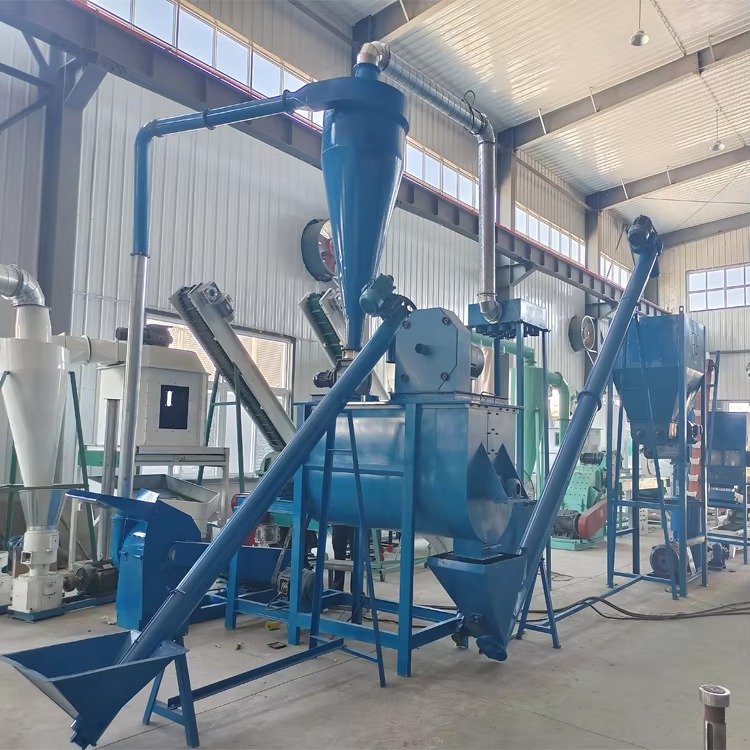
Industrial Production Lines
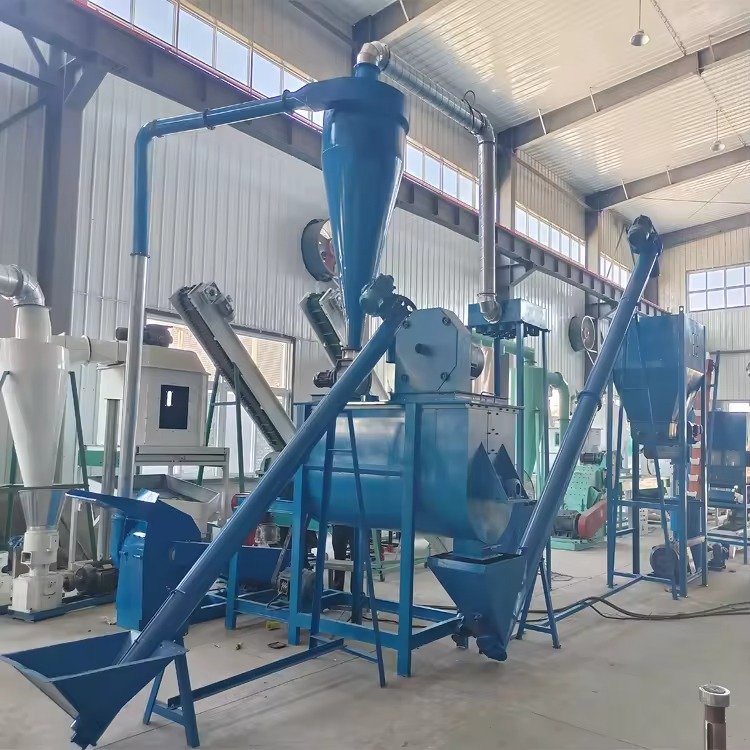
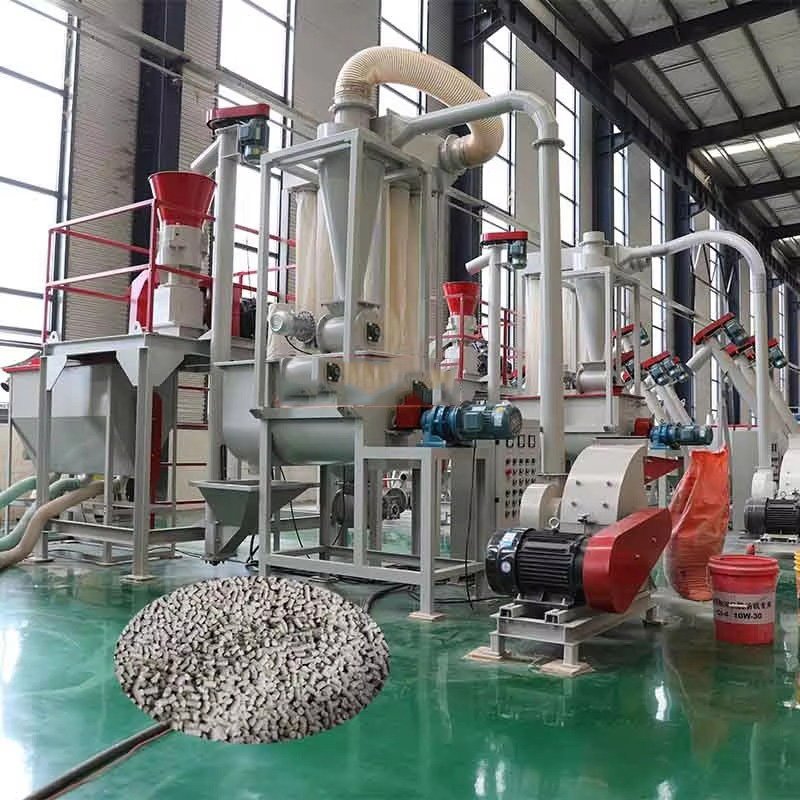
Complete feed production lines integrate multiple machines. Raw material handling, grinding, mixing, pelleting, cooling, and packing happen in one automated system.
Our 1-2 ton per hour production line serves large commercial farms. The 3-5 ton per hour line supplies regional feed distributors. Both systems include quality control sensors and automated packaging.
MAIKONG designs custom production lines for your exact requirements. We consider your raw materials, target capacity, available space, and budget.
| Model | Capacity (kg/hour) | Power (kW) | Pellet Size (mm) | Best For |
| Manual PM-100 | 40-60 | Hand-operated | 2-6 | Home flocks, 20-50 birds |
| Model 120 | 80-120 | 3 | 2-6 | Small farms, 100-200 birds |
| Model 160 | 150-200 | 7.5 | 2-8 | Medium farms, 300-500 birds |
| Model 200 | 200-300 | 11 | 2-8 | Large farms, 500-1000 birds |
| Model 260 | 400-500 | 22 | 3-10 | Commercial production |
| Production Line 1T | 800-1200 | 75-90 | 2-12 | Feed manufacturing plants |
Which Model Fits Your Farm?
Our technical team helps you select the perfect capacity. Tell us your flock size and production goals for a personalized recommendation.
Duck and Goose Feed Formulation Recipes
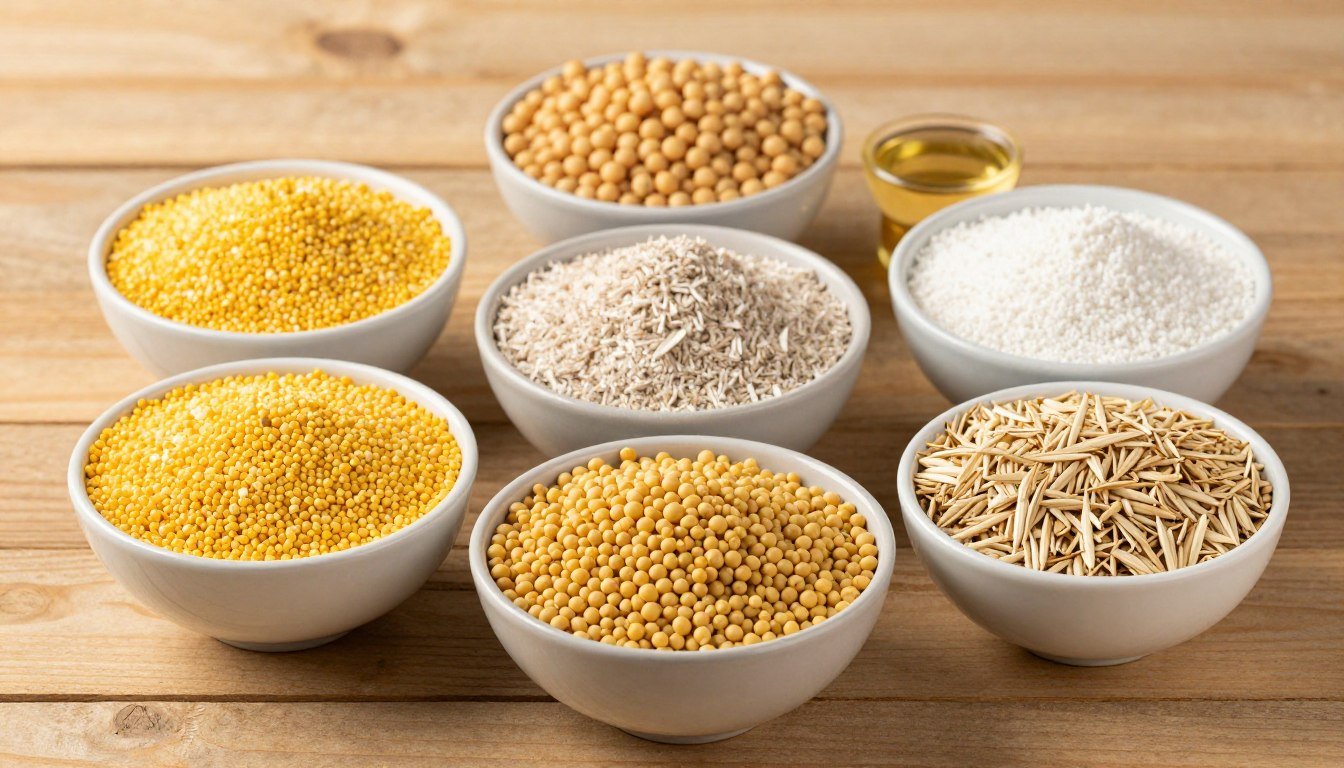
Proper nutrition formulas maximize growth and egg production. Your feed pellet making machine works best with balanced recipes. These proven formulations suit South African conditions and available materials.
Duckling Starter Feed (0-3 Weeks)
Young ducklings need high protein for rapid growth. This formula provides 20-22% protein with essential vitamins and minerals.
Ingredient Proportions
- Maize (yellow): 45%
- Soya meal (full-fat): 25%
- Fishmeal: 12%
- Wheat bran: 8%
- Sunflower meal: 5%
- Limestone: 2%
- Salt: 0.3%
- Vitamin premix: 0.5%
- Mineral premix: 2.2%
Processing Notes
Grind all ingredients to fine consistency before pelleting. The machine produces 2-3mm pellets for small bills.
Add water to reach 14-16% moisture during conditioning. This helps binding without making pellets too soft.
Cool finished pellets to room temperature before storage. Package in moisture-proof bags to maintain freshness.
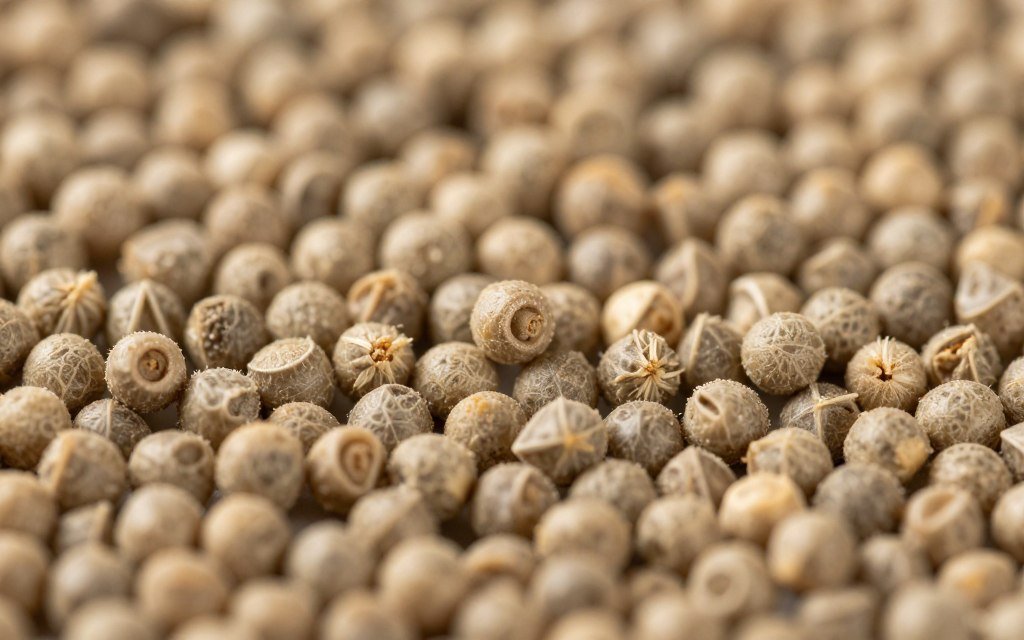
Growing Duck and Goose Feed (3-12 Weeks)
Growing birds need moderate protein for steady development. This 16-18% protein formula supports healthy growth without excessive fat.
| Ingredient | Percentage | Purpose |
| Maize | 50% | Energy source, carbohydrates |
| Soya meal | 18% | Protein, amino acids |
| Fishmeal | 8% | Animal protein, omega-3 |
| Wheat bran | 12% | Fiber, digestive health |
| Sunflower meal | 6% | Additional protein, variety |
| Limestone | 2.5% | Calcium for bone development |
| Dicalcium phosphate | 1.5% | Phosphorus, bone strength |
| Salt | 0.3% | Electrolyte balance |
| Premix (vitamins & minerals) | 1.7% | Complete micronutrient profile |
Layer and Breeder Feed (Adult Birds)
Adult waterfowl laying eggs need extra calcium and balanced nutrition. This 15-17% protein formula supports consistent egg production.
Increase limestone to 4-5% for optimal shell quality. Add extra vitamin D3 for calcium absorption. Reduce protein slightly compared to growing feed.
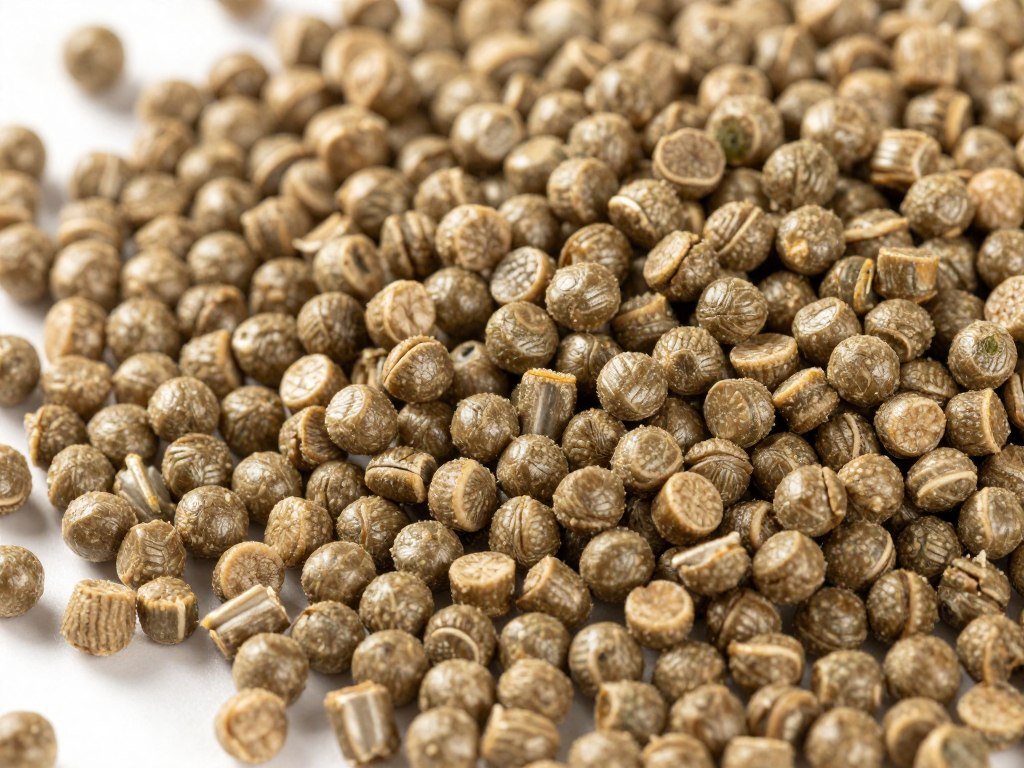
MAIKONG Recipe Customization Service: Our nutritionists help formulate recipes using your locally available ingredients. We calculate exact mixer settings for your production line. Contact us with your ingredient list for a custom formula.
Seasonal Formula Adjustments
Winter feeding may need extra energy from increased maize content. Summer formulas can reduce energy density slightly. Breeding season requires enhanced vitamins E and B complex.
Your feed pelletizer machine handles formula changes easily. Simply adjust the mixer proportions. The pelleting process works the same across different recipes.
Sourcing Quality Raw Materials in South Africa
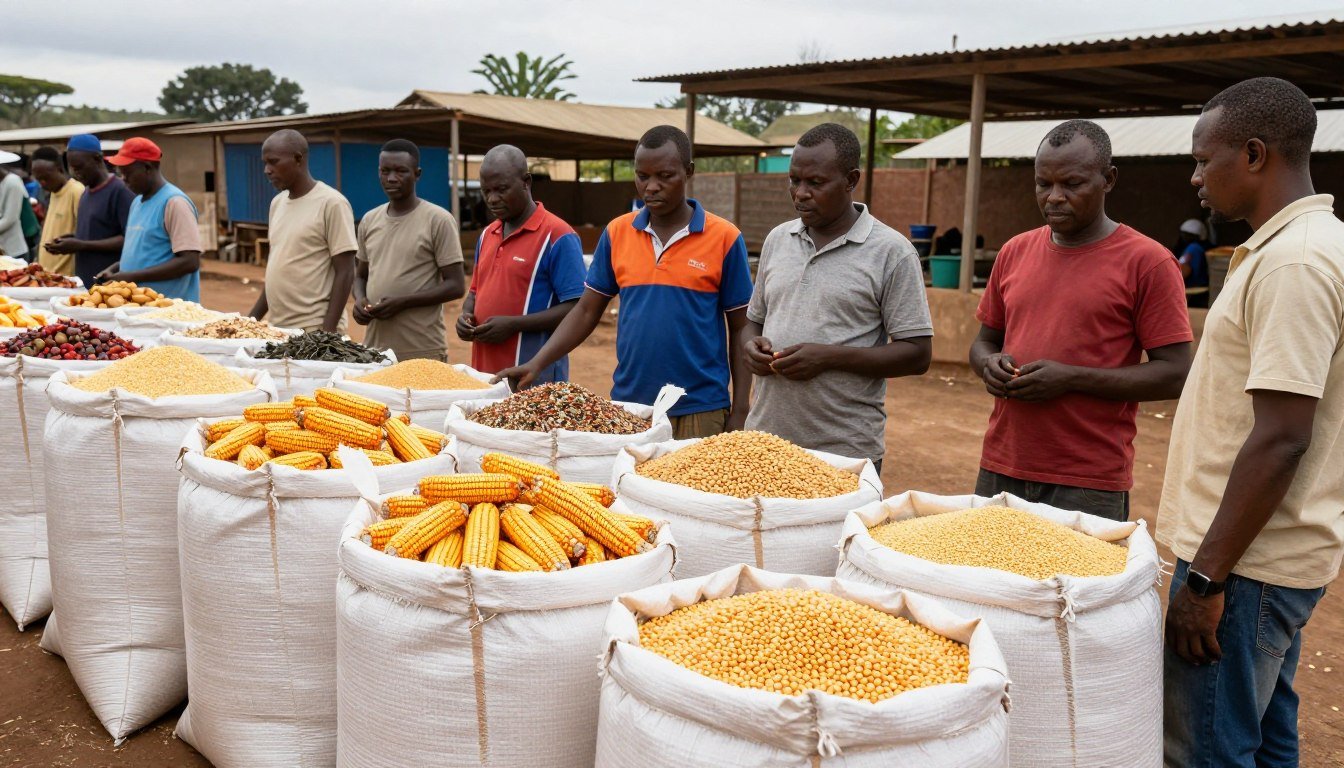
Your pellets quality depends on ingredient quality. South Africa offers good access to most feed materials. Smart sourcing reduces costs while maintaining nutrition standards.
Local Grain and Protein Sources
Maize grows extensively in South Africa. North West, Free State, and Mpumalanga provinces produce most commercial maize. Buy directly from farmers after harvest for best prices.
Soya meal comes from crushing plants in Gauteng and KwaZulu-Natal. Full-fat soya offers more energy than de-fatted meal. Choose based on your formula needs and budget.
Fishmeal imports arrive through Durban and Cape Town ports. Local fishmeal production exists but supplies limited quantities. Build relationships with importers for consistent supply.
Alternative Protein Sources
Sunflower meal from Eastern Cape and Free State provides economical protein. Cottonseed meal works in limited quantities. Lucerne (alfalfa) adds protein and fiber for adult birds.
Insect protein from black soldier fly farming grows in South Africa. This sustainable source offers excellent amino acid profiles. Several producers now supply commercial quantities.
Primary Ingredients
- Yellow maize – widely available
- Soya meal – from crushing plants
- Fishmeal – mostly imported
- Wheat bran – from mills nationwide
- Limestone – mining in Limpopo
Alternative Options
- Sunflower meal – local production
- Lucerne pellets – Western Cape
- Insect protein – emerging suppliers
- Cottonseed meal – limited use
- Brewery waste – near breweries
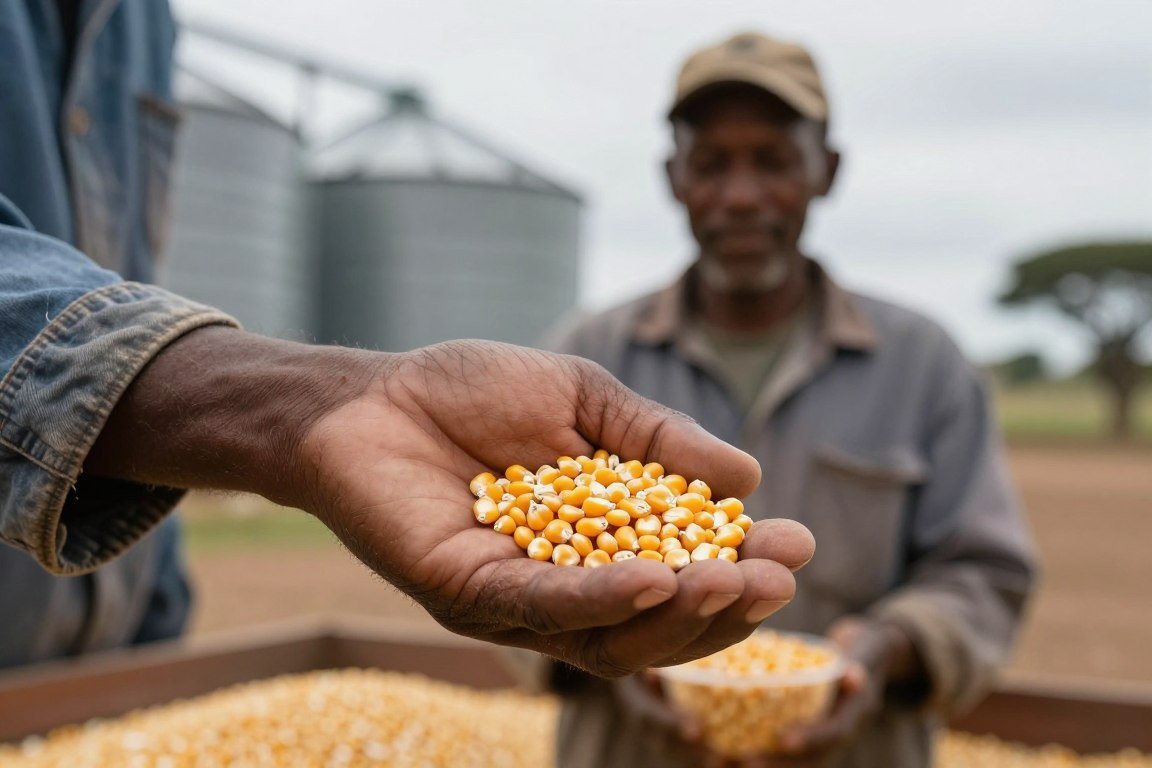
Vitamin and Mineral Premixes
Complete premixes come from specialized suppliers in major cities. These contain all essential vitamins and trace minerals. Using premixes ensures consistent nutrition.
Major suppliers include Chemunique, Nova Feeds, and Kynoch. They formulate premixes specifically for waterfowl. Some offer custom blends for your exact recipes.
Storage and Quality Management
Store grains in dry, cool conditions. Moisture above 14% causes mold growth. Use sealed containers or bags to prevent insect infestation.
Rotate stock using first-in-first-out principles. Most ingredients stay fresh for 2-3 months under proper storage. Fishmeal and fats have shorter shelf life.
Test ingredient quality periodically. Simple moisture meters cost little but prevent problems. Visual inspection catches obvious contamination or damage.
Operating Your Feed Pelletizer Machine Efficiently
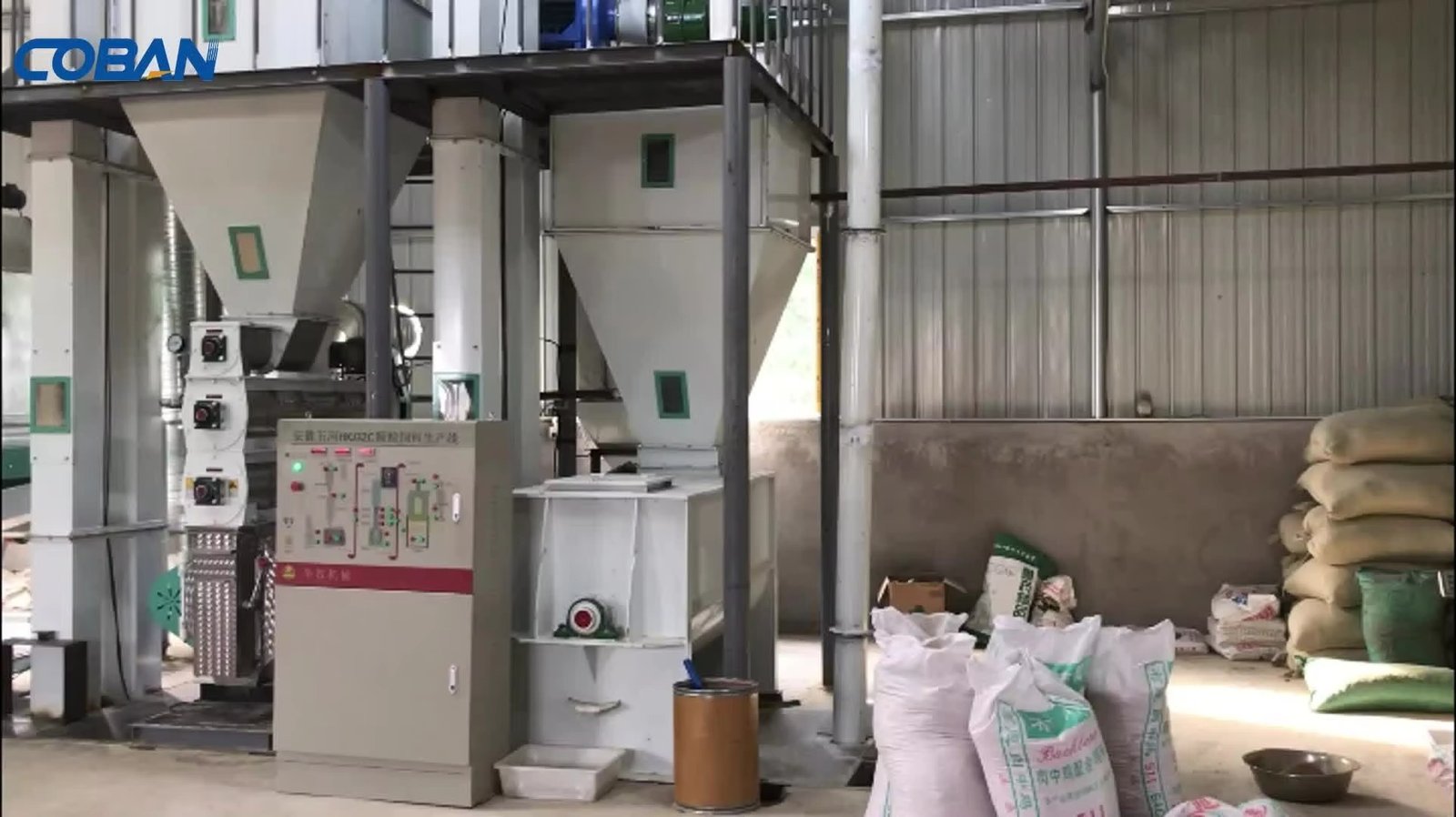
Proper operation extends machine life and improves pellet quality. These proven techniques help new operators master the pellet making machine quickly.
Pre-Operation Preparation
Check all machinery connections before starting. Ensure the die plate sits securely. Verify that safety guards are in place.
Inspect raw materials for moisture content. Test with a moisture meter or hand squeeze test. Materials should feel barely damp, not wet or bone dry.
Mix ingredients thoroughly before feeding into the machine. A separate mixer ensures even distribution. This prevents nutrition variation between pellets.
Starting and Running the Machine
Start the motor without material first. Listen for unusual sounds. Let it run empty for 1-2 minutes to reach operating temperature.
Begin feeding material slowly. Gradually increase feed rate to optimal production speed. Watch pellet quality as you adjust.
Monitor motor amperage or power consumption. Overloading damages equipment. Reduce feed rate if the motor struggles.
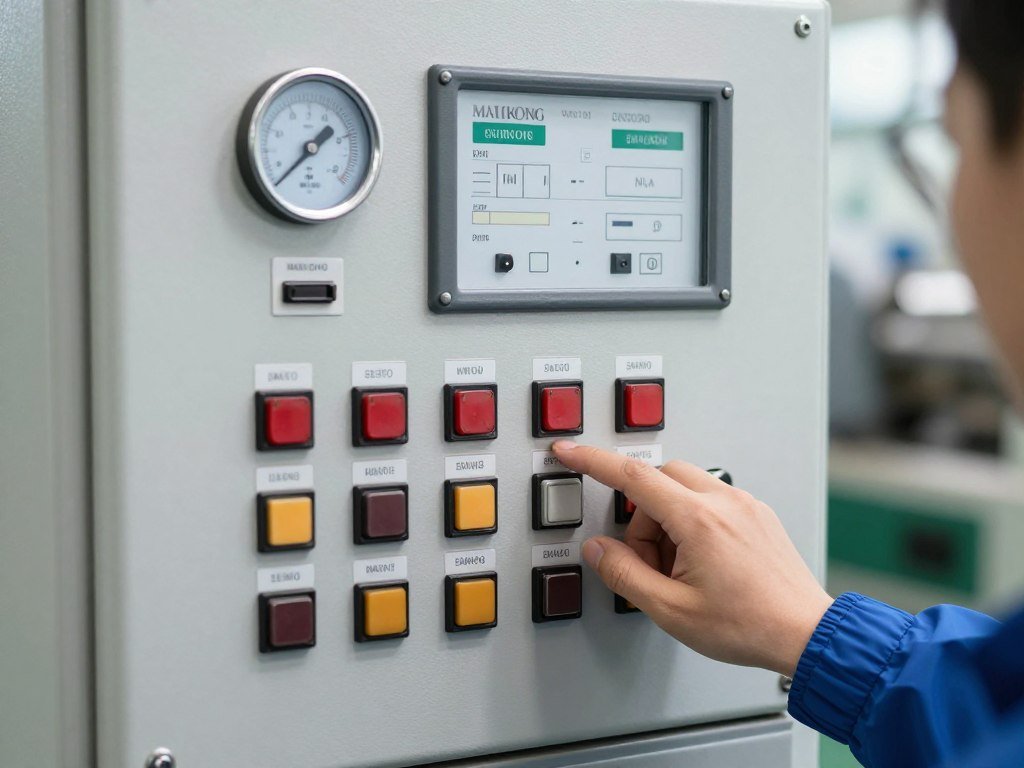
Achieving Optimal Pellet Quality
Proper conditioning temperature affects pellet durability. Most formulas work best at 75-85°C in the conditioner. Your specific recipe may vary.
Adjust moisture addition based on pellet appearance. Too dry creates crumbly pellets. Too wet makes them stick together.
Die temperature should stabilize at 80-90°C during normal production. Higher temperatures may indicate friction problems. Lower suggests insufficient compression.
Good Quality Pellets
- Uniform size and length
- Smooth surface texture
- Minimal fines or dust
- Break cleanly when bent
- Consistent color throughout
- 10-12% moisture content
Problem Indicators
- Irregular sizes and shapes
- Rough or cracked surfaces
- Excessive dust production
- Crumble when handled
- Color variations or dark spots
- Too wet or too dry
Shutdown Procedures
Stop feeding material but let the machine run. This clears remaining mixture from the die. Run empty for 2-3 minutes.
Some operators feed a handful of dry rice or maize through last. This absorbs oils and prevents die clogging.
Turn off the motor only after the chamber empties. Clean external surfaces while the machine cools. Wipe away dust and pellet fragments.
Need Technical Support?
Our engineers provide free operation training via WhatsApp video call. Get answers to your specific questions about running your MAIKONG machine.
Maintenance and Troubleshooting
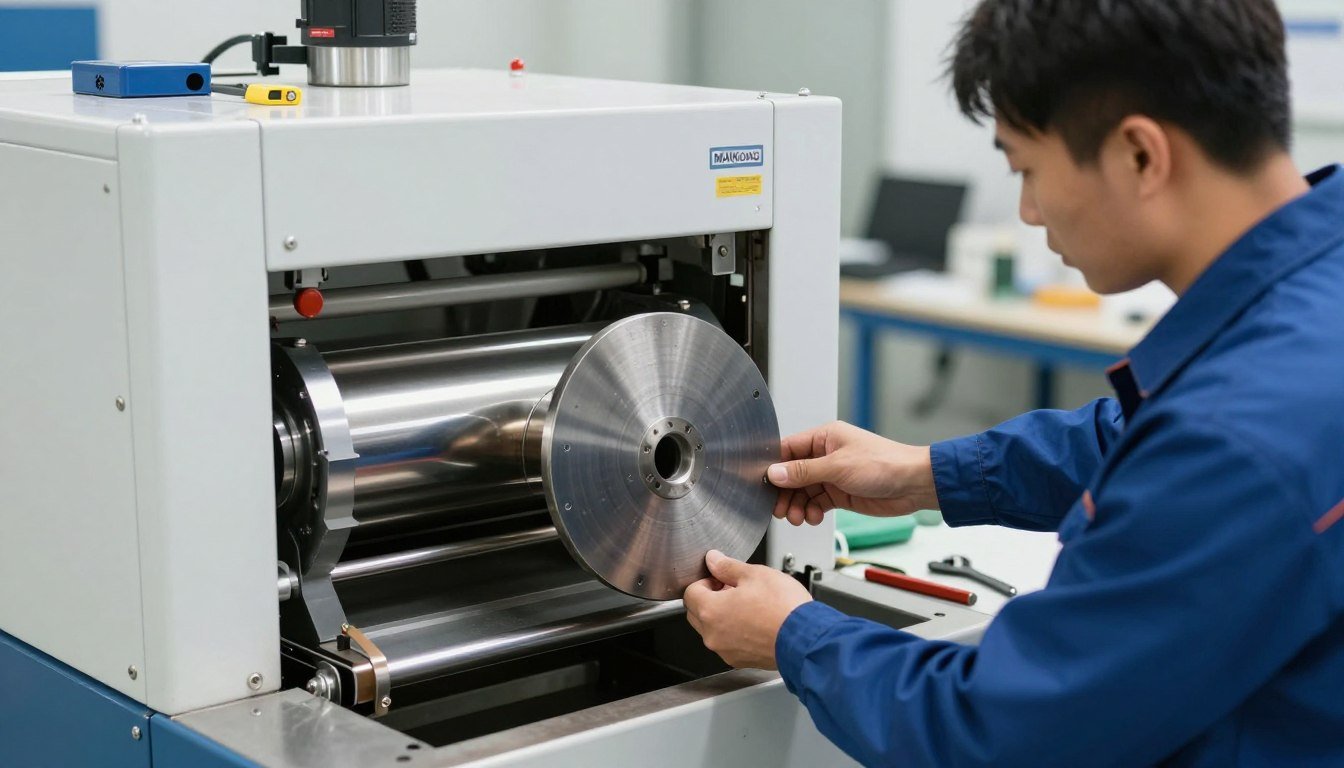
Regular maintenance prevents breakdowns and extends equipment life. MAIKONG machines need minimal service but reward proper care with years of reliable operation.
Daily Maintenance Tasks
Clean the machine exterior after each production run. Remove dust and pellet debris from all surfaces. Check for loose bolts or unusual wear.
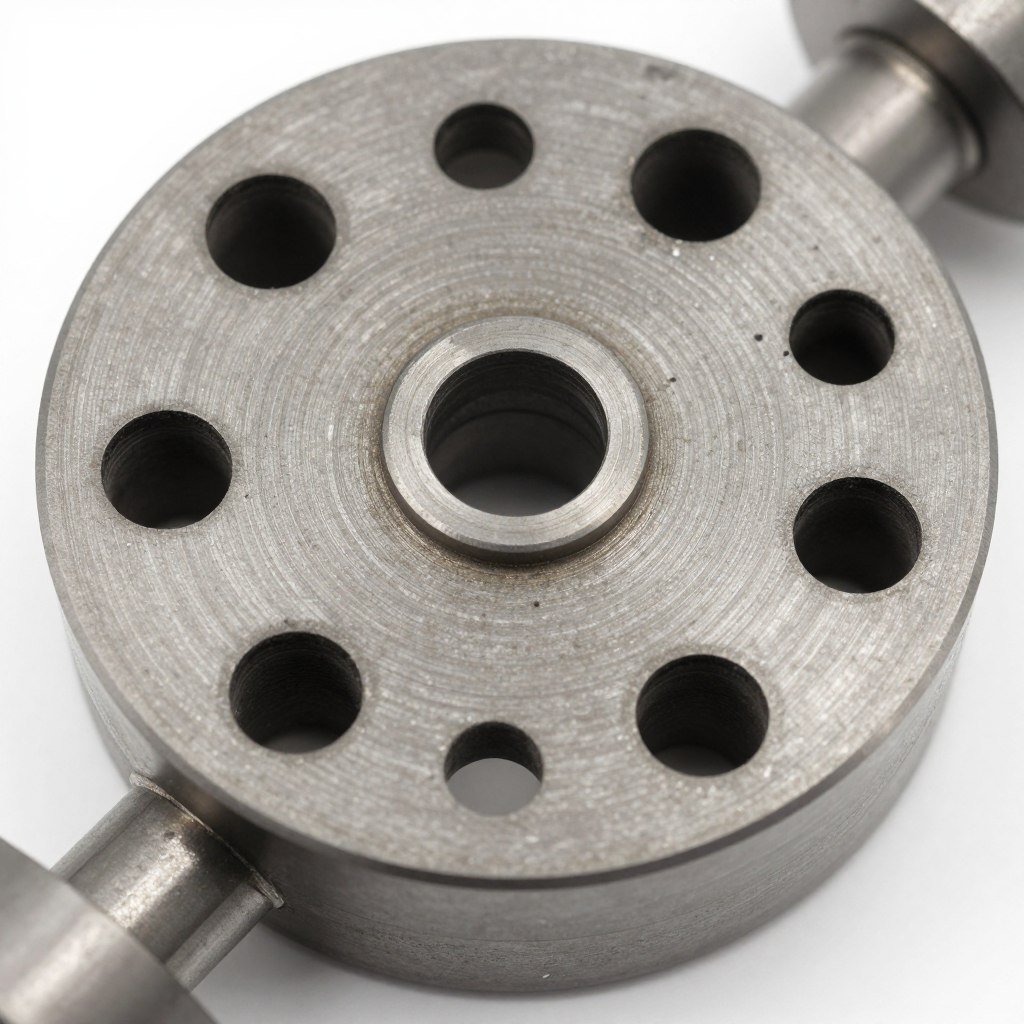
Inspect the die plate for cracks or excessive wear. Look at die holes for deformation. Replace the die when holes enlarge noticeably.
Check roller alignment and surface condition. Rollers should spin freely without wobble. Replace if surfaces show deep grooves or flat spots.
Weekly Service Requirements
Lubricate all bearing points according to the manual. MAIKONG machines have clearly marked grease fittings. Over-greasing causes problems, so follow specifications.
Check drive belts for proper tension and wear. Loose belts slip and reduce efficiency. Cracked belts need immediate replacement.
Clean the cooling system air filters. Blocked filters reduce cooling effectiveness. This shortens pellet storage life.
Monthly Deep Maintenance
Perform complete system inspection. Check all electrical connections for corrosion or looseness. Test safety switches and emergency stops.
Inspect the motor for proper operation. Listen for bearing noise. Check that cooling fans work correctly.
Clean the conditioning chamber thoroughly. Built-up material affects moisture control. Remove panels and scrape away deposits.
| Component | Check Frequency | Key Indicators | Replacement Interval |
| Die Plate | Daily | Hole enlargement, cracks | 1500-2500 hours |
| Rollers | Daily | Surface wear, wobble | 2000-3000 hours |
| Drive Belts | Weekly | Cracks, glazing, tension | 800-1200 hours |
| Bearings | Weekly | Noise, heat, roughness | 3000-5000 hours |
| Motor Brushes | Monthly | Length, sparking | 2000-4000 hours |
Common Problems and Solutions
Problem: Pellets crumble easily
Solution: Increase conditioning temperature or moisture. Check die compression ratio. Adjust formula binding agents.
Problem: Excessive dust production
Solution: Material too dry entering the machine. Increase steam or water in conditioner. Check for worn die or rollers.
Problem: Uneven pellet length
Solution: Cutting knife needs sharpening or replacement. Check knife clearance from die face.
Problem: Production capacity decreased
Solution: Die holes may be partially blocked. Motor could be underperforming. Check for worn rollers reducing compression.
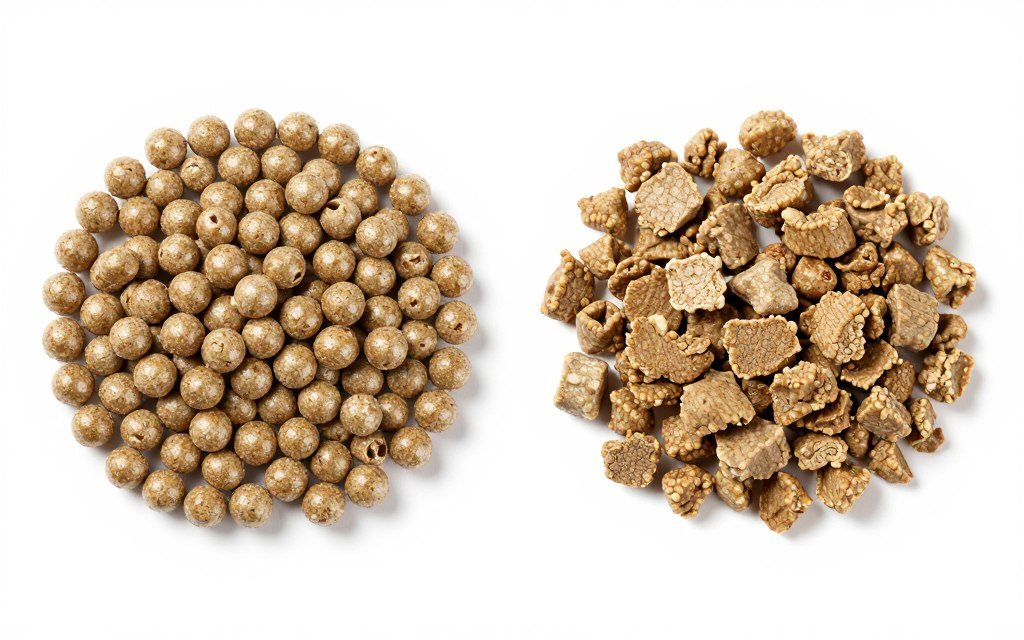
MAIKONG Maintenance Support: We provide detailed maintenance videos and manuals with every machine. Our technical team offers remote troubleshooting via WhatsApp video calls. Spare parts ship within 48 hours to South Africa.
Success Stories from African Duck and Goose Farms
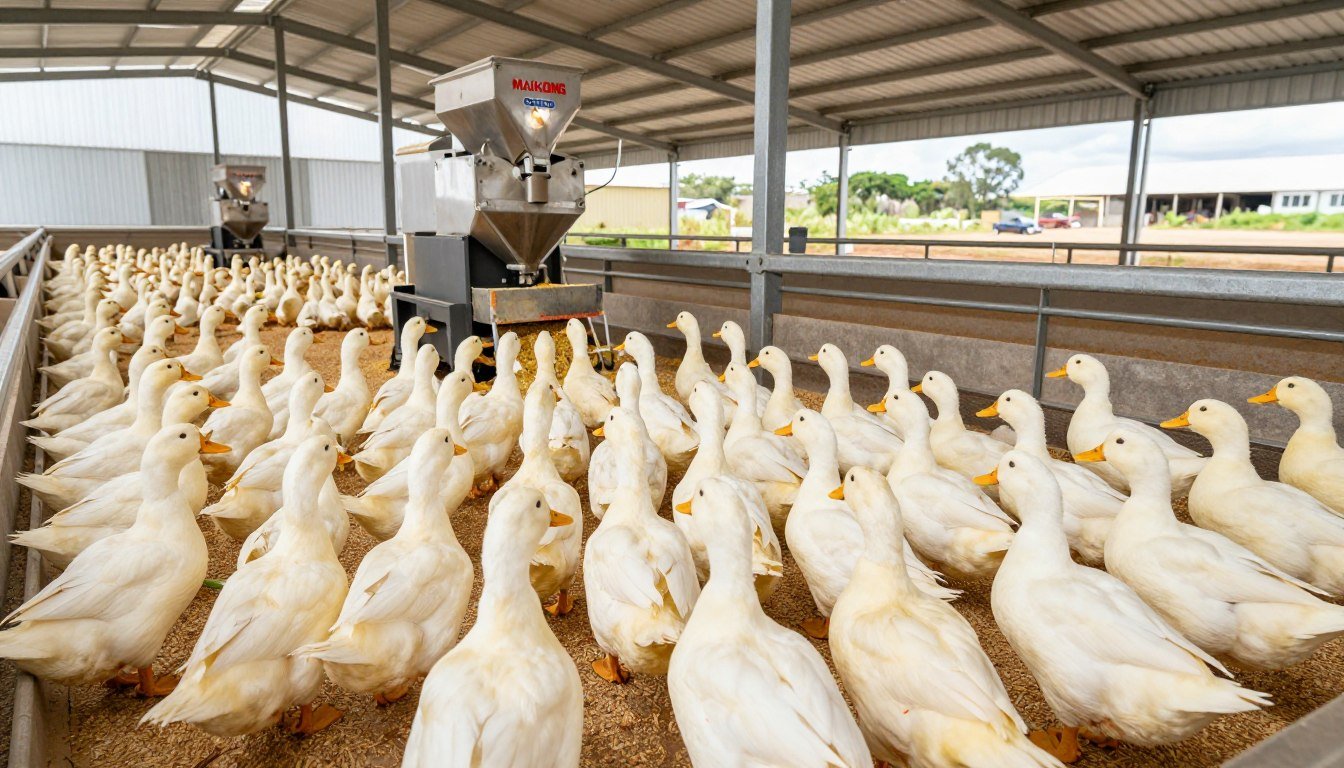
Real experience from African farmers shows how feed pelletizer machines transform operations. These case studies demonstrate actual results from MAIKONG equipment installations.
Case Study 1: Western Cape Duck Farm
Johannes runs a 800-bird duck farm near Stellenbosch. He previously bought commercial feed costing R420 per 50kg bag. His monthly feed expense exceeded R40,000.
In 2022, Johannes purchased a MAIKONG Model 200 pelletizer machine. He sources maize directly from farmers at R180 per 50kg. Soya and fishmeal add R120 per 50kg of finished feed.
His current feed cost dropped to R300 per 50kg. Monthly savings exceed R15,000. The machine paid for itself in 11 months. Johannes now produces 300kg daily, meeting all farm needs plus selling surplus to neighbors.
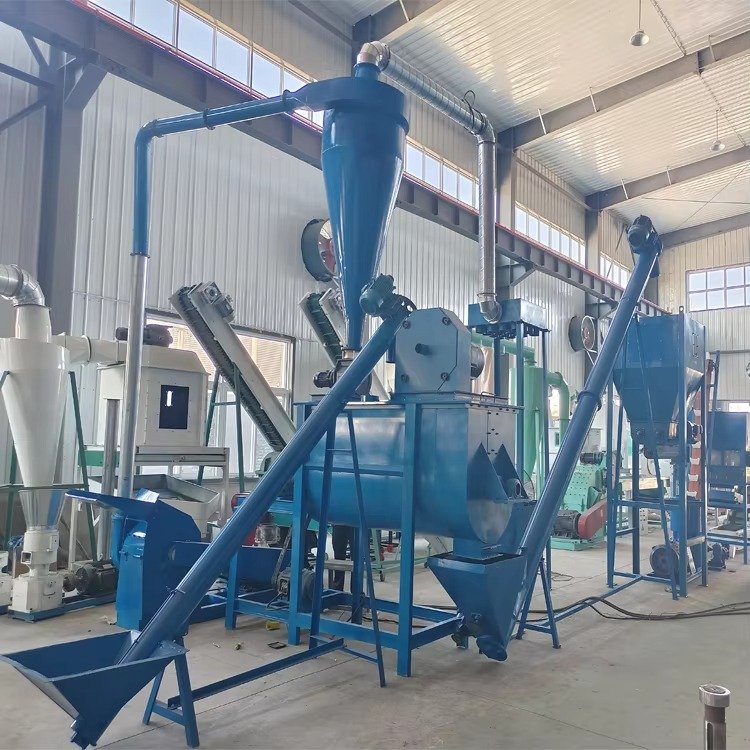
Results After 18 Months
- Feed cost reduced by 40%
- Machine paid back in 11 months
- Now supplies 3 neighboring farms
- Duck growth rate improved 12%
- Egg production increased 8%
- Total profit up 35%
Case Study 2: KwaZulu-Natal Goose Breeding Operation
Thandi operates a specialized goose breeding farm in the KZN Midlands. Her 400 breeding geese require specific nutrition during laying season. Commercial goose feed was rarely available locally.
MAIKONG installed a complete small-scale production line including mixer, Model 160 pelletizer, and cooling system. The setup handles 150kg per hour, perfect for her operation.
Thandi formulates custom recipes for different life stages. Breeding season feed includes extra calcium and vitamin E. Growing goslings get higher protein formulas. This precision improved fertility rates by 15%.
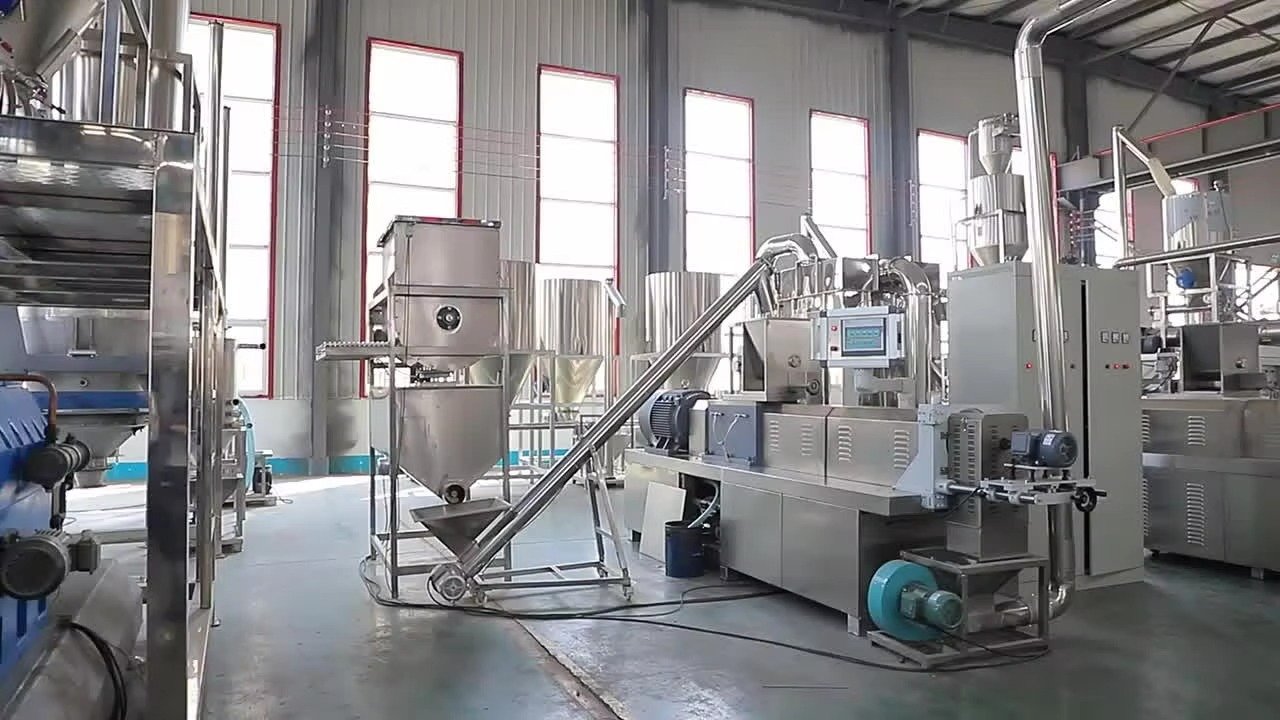
The ability to produce fresh feed weekly improved feed palatability. Geese consume pelleted feed more eagerly than stored commercial alternatives. Weight gain during growing period increased 10%.
Case Study 3: Cooperative Feed Production in Limpopo
A farming cooperative of 12 smallholder duck farmers pooled resources to purchase a MAIKONG Model 260. The cooperative serves farms ranging from 50 to 300 ducks each.
Members deliver raw materials monthly. The cooperative produces different pellet sizes for various bird ages. Production happens twice weekly, supplying all member farms.
The shared investment model worked perfectly. Each farmer contributed based on their flock size. Larger farms pay more but receive proportional feed quantities.
After two years of operation, average feed costs across the cooperative dropped 38%. Individual farmers could never achieve these savings alone. The shared machine creates economy of scale.
Case Study 4: Commercial Feed Production in Gauteng
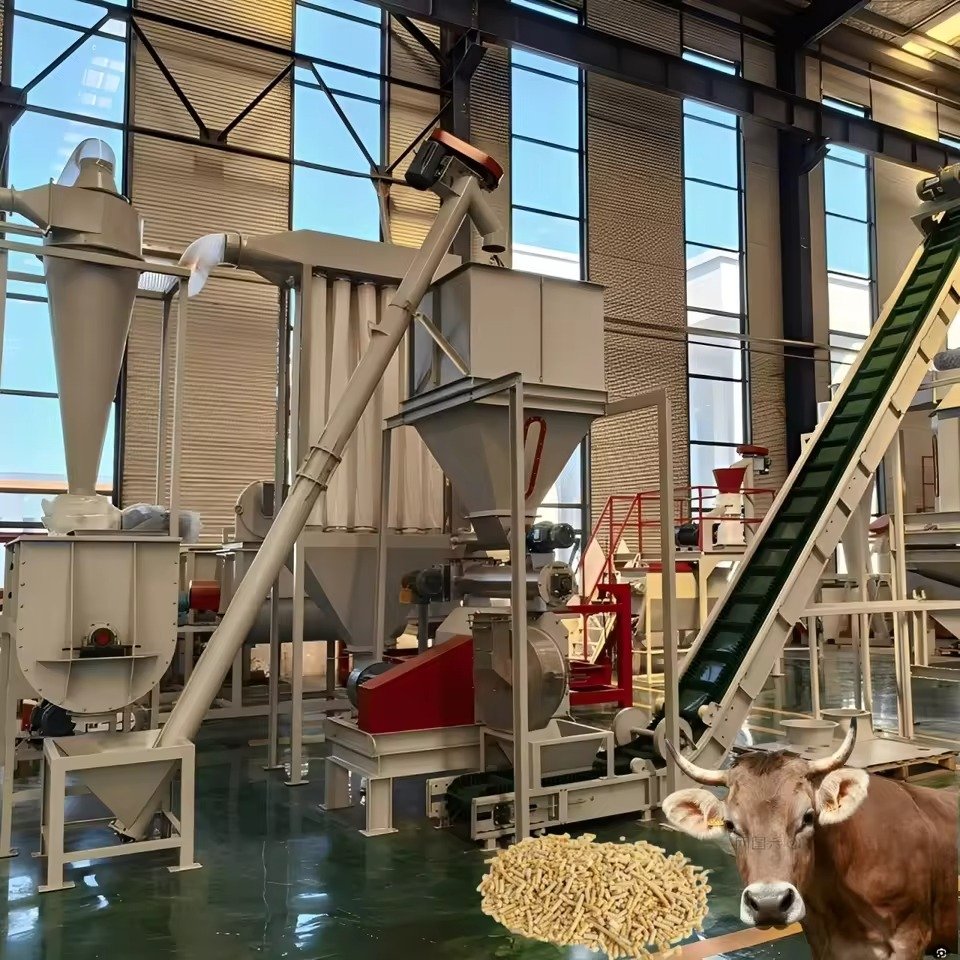
Mpho started a commercial duck and goose feed business in 2021. He supplies farms within 100km radius of Johannesburg. His MAIKONG 2-ton-per-hour production line runs 8 hours daily.
The complete line includes automated raw material handling, precision mixing, pelleting, cooling, and packing. Only two operators run the entire system.
Mpho produces five different formulas for different waterfowl needs. Automated formula selection makes switching products efficient. The system records all production data for quality control.
Monthly production averages 400 tons. His business supplies 45 farms regularly. Revenue exceeds R1.2 million monthly with healthy profit margins.
Investment Details
- Complete production line cost: R850,000
- Building modifications: R120,000
- Initial raw material stock: R180,000
- Working capital: R150,000
- Total investment: R1,300,000
Monthly Operations
- Production: 400 tons
- Raw material cost: R480,000
- Labor & utilities: R95,000
- Sales revenue: R1,200,000
- Net profit: R625,000
Growth Metrics
- Customer farms: 45
- Employees: 6 full-time
- Delivery vehicles: 3
- Product varieties: 5
- Market share: Growing 25% yearly
Why Choose MAIKONG for Your Feed Pelletizer Machine
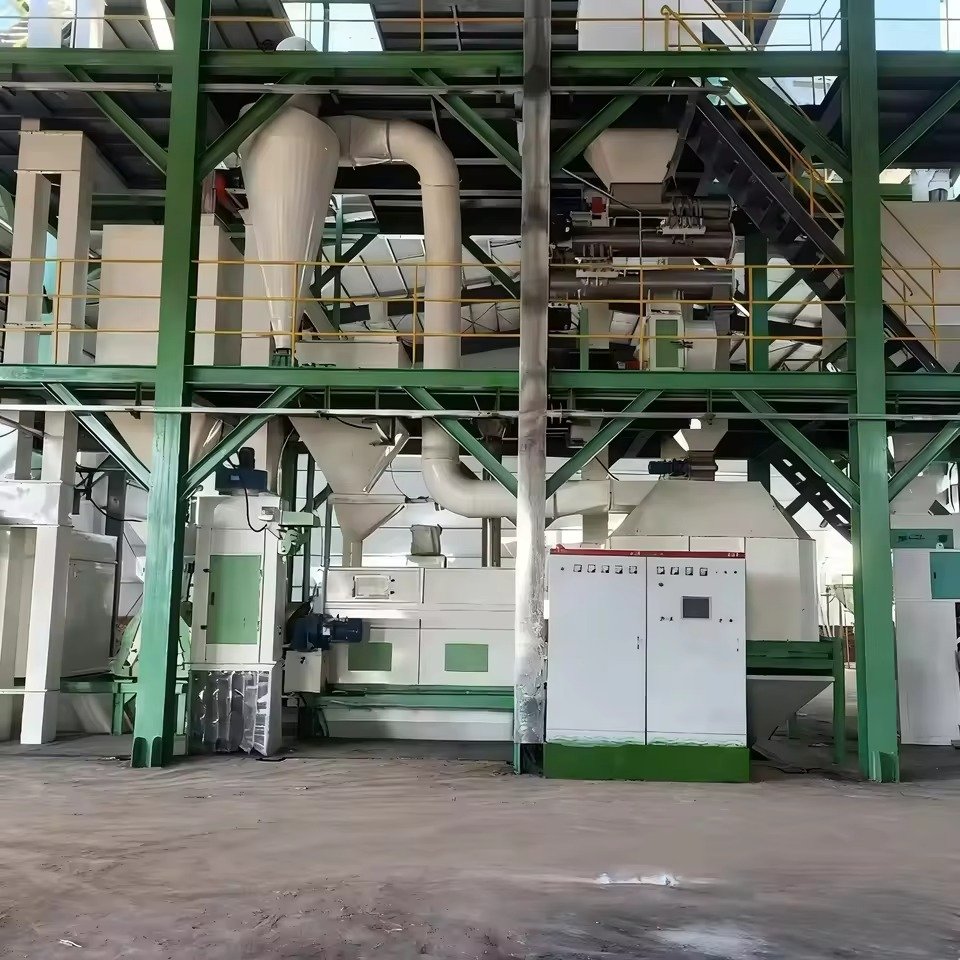
MAIKONG brings over 20 years of specialized experience in pellet machine manufacturing. Our commitment to African agriculture sets us apart from generic industrial equipment suppliers.
Proven African Experience
We understand African farming conditions. Our machines handle the local raw materials you actually use. Designs account for power fluctuations common in rural areas.
MAIKONG has installed over 100 feed production lines across Africa. We know the challenges of maize varieties from different regions. Our formulas work with sunflower meal from South African processors.
Every machine undergoes testing with African ingredients before shipping. This ensures reliable performance when you start production.
Complete Customization Capabilities
Standard models suit most farms. But unique operations need custom solutions. MAIKONG offers full customization of capacity, die specifications, and system configuration.
Need specific pellet sizes for your waterfowl? We manufacture custom dies. Want your farm name on the equipment? We provide OEM branding.
Voltage requirements differ across Africa. We build machines for 220V single-phase, 380V three-phase, or your specific power system.
Technical Support in Your Language
Our support team communicates in English. WhatsApp technical support responds within 24 hours. Video calls help diagnose problems quickly.
Every machine includes comprehensive manuals with photos and diagrams. Installation videos guide setup step-by-step. Operation training happens via video call before first production.
We maintain spare parts inventory in South Africa. Critical components ship within 48 hours. Common wear parts like dies and rollers stock locally.
MAIKONG Advantages
- 20+ years manufacturing experience
- 100+ African installations
- Complete customization available
- Local spare parts inventory
- WhatsApp technical support
- English documentation
- Tested with African ingredients
- OEM branding options
- Competitive pricing
- Proven reliability
What We Don’t Offer
- Untested experimental designs
- Cheap low-quality components
- Generic overseas support only
- Extended payment terms
- Installation included in price
Partnership Opportunities
MAIKONG seeks qualified dealers and distributors in South Africa. Exclusive territory arrangements protect your investment in marketing our equipment.
We provide technical training for your sales and service teams. Marketing materials, product catalogs, and demonstration videos support your sales efforts.
Dealers receive priority technical support and preferential pricing. Your customers benefit from local service while you build a profitable business.
Join the MAIKONG Dealer Network
Exclusive dealership territories available in South Africa. Expand your agricultural equipment business with proven, profitable products. Full training and marketing support included.
Investment and Return on Investment Analysis

Understanding the financial side helps make smart purchasing decisions. This analysis shows real costs and potential returns from feed pelletizer machine investment.
Initial Investment Breakdown
Machine cost varies by model and capacity. Small manual feed pellet machines start around R8,500. Electric Model 120 costs approximately R28,000. Mid-size Model 200 runs about R75,000.
Complete production lines range from R450,000 to R2,500,000 depending on capacity. These include mixers, elevators, the pelletizer, cooling system, and packing equipment.
Additional costs include installation support, initial spare parts kit, and operator training. Budget 10-15% of machine cost for these items.
| Farm Size | Recommended Model | Machine Cost | Additional Setup | Total Investment |
| 50-100 birds | Manual PM-100 | R8,500 | R1,200 | R9,700 |
| 100-300 birds | Model 120 | R28,000 | R4,000 | R32,000 |
| 300-600 birds | Model 160 | R55,000 | R7,500 | R62,500 |
| 600-1200 birds | Model 200 | R75,000 | R11,000 | R86,000 |
| 1200-3000 birds | Model 260 | R145,000 | R22,000 | R167,000 |
| Commercial Production | Complete Line 1T/hr | R750,000 | R125,000 | R875,000 |
Operating Cost Comparison
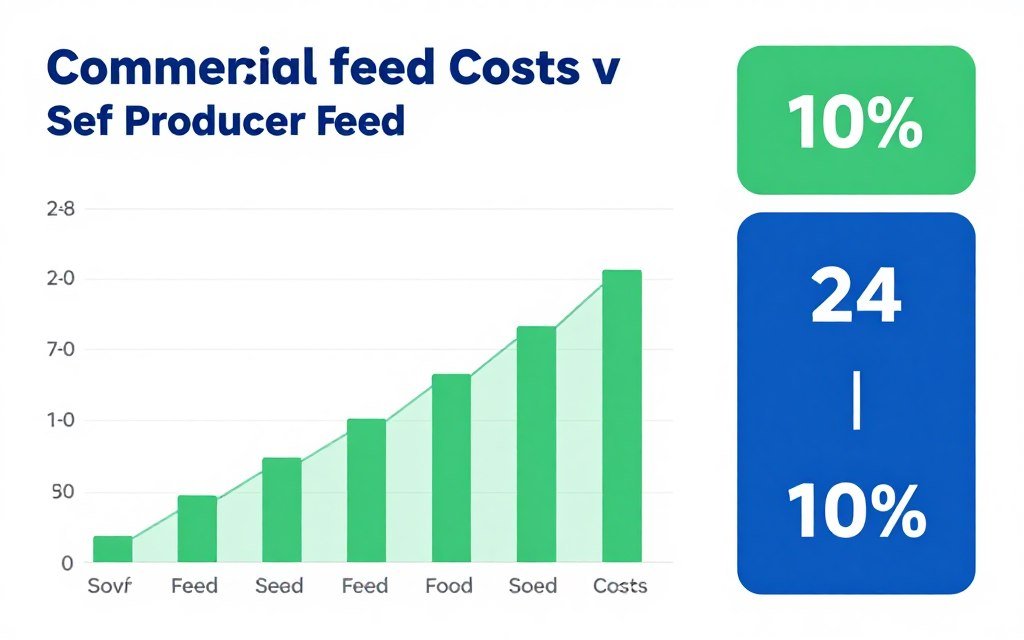
Commercial duck feed averages R420 per 50kg bag in South Africa. A 500-bird farm consumes roughly 75kg daily, or 2,250kg monthly. That’s 45 bags costing R18,900 monthly.
Making your own pellets reduces costs significantly. The same 2,250kg costs approximately R6,750 in raw materials. Add R1,200 for electricity and labor. Total monthly cost: R7,950.
Monthly savings of R10,950 means a Model 200 machine (R86,000 investment) pays back in less than 8 months. After payback, that R10,950 becomes pure profit improvement.
Return on Investment Timeline
Most farmers see full payback within 8-14 months depending on flock size and production efficiency. Larger operations recover investment faster due to higher volume savings.
After payback, the machine continues generating savings for 10-15 years with proper maintenance. Long-term ROI often exceeds 400-600% over equipment lifetime.
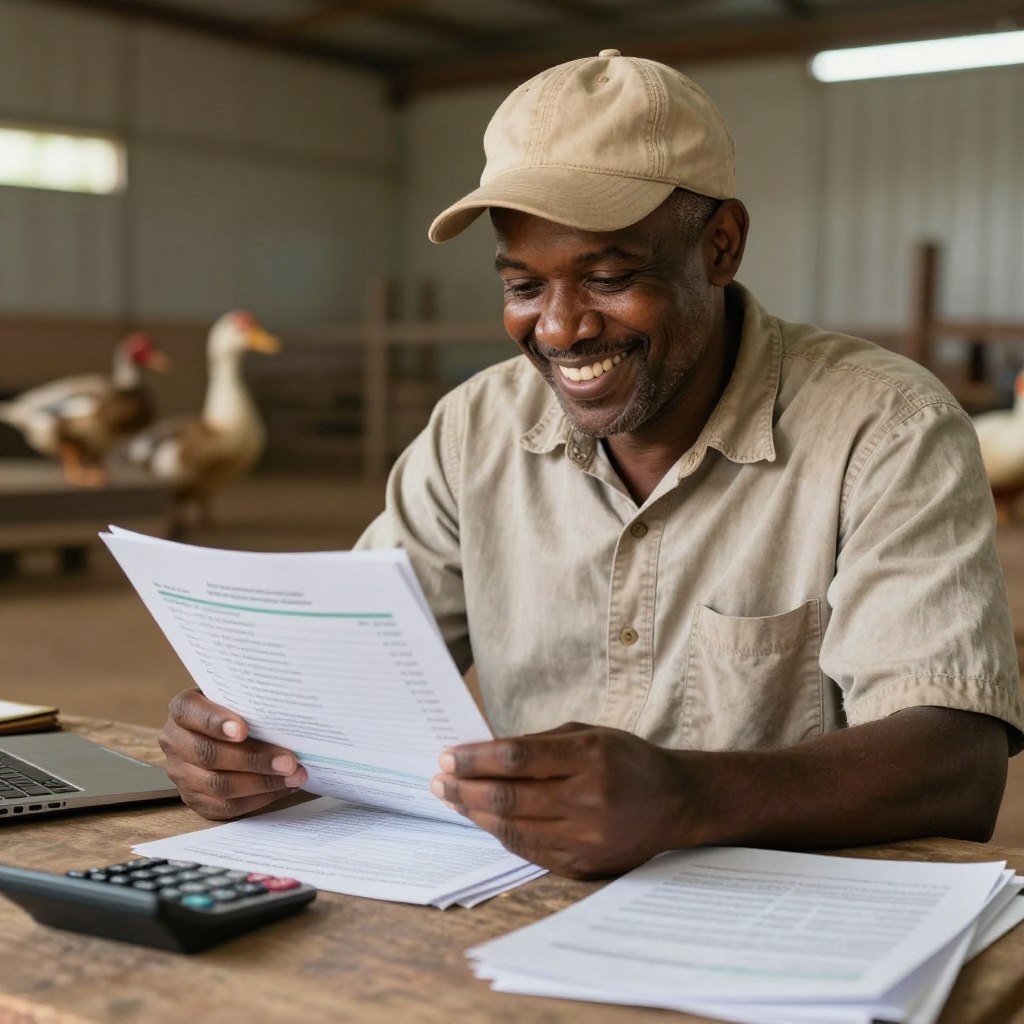
500-Bird Farm Example
- Initial Investment: R86,000 (Model 200)
- Monthly Feed Savings: R10,950
- Payback Period: 7.8 months
- Year 1 Net Benefit: R45,400
- Year 2 Net Benefit: R131,400
- Year 3 Net Benefit: R131,400
- 5-Year Total Benefit: R568,600
- 5-Year ROI: 560%
Additional Revenue Opportunities
Extra production capacity creates new income streams. Many farmers sell surplus pellets to neighbors. This generates R3,000-R8,000 additional monthly income for small to medium farms.
Contract feed production for other farmers builds consistent revenue. Some operators run mobile pelleting services, charging per ton produced.
Custom formulation services for specialty pet food or exotic bird feed command premium prices. These niche markets appreciate quality locally-made products.
MAIKONG Complete Product Range
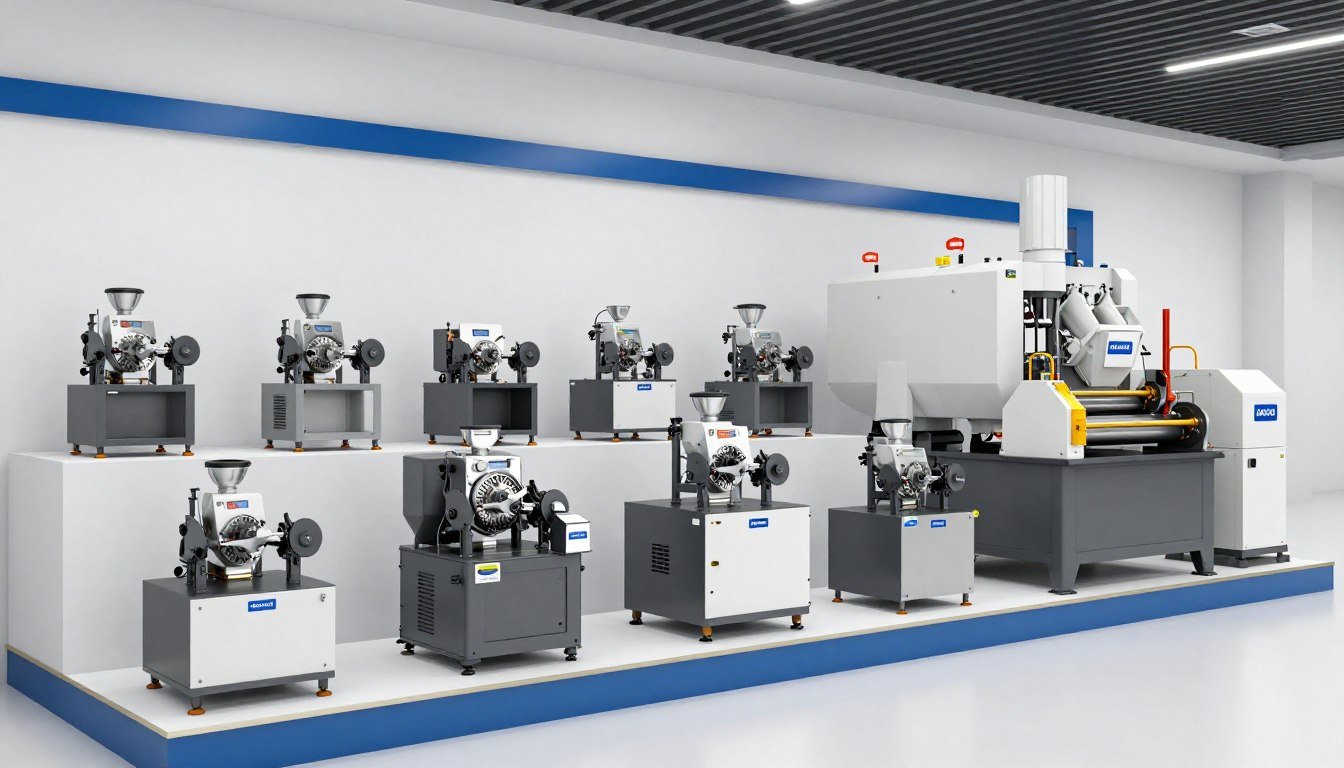
MAIKONG manufactures comprehensive pellet making machinery beyond just animal feed equipment. Our expertise spans multiple pellet production applications serving diverse agricultural and industrial needs.
Feed Pellet Machine Category
Our feed pellet machine line includes specialized models for different animal types. Poultry feed pellet machines optimize chicken, duck, and goose feed production. Cattle and ruminant models handle fibrous materials efficiently.
Fish feed machines produce both floating and sinking pellets. Aquaculture operations need precise density control. Our floating fish feed extruders create the buoyancy required for surface feeders.
Complete animal feed pellet machine production lines integrate all processing steps. From raw grain reception through final packaging, everything operates in automated sequence.
Wood Pellet Machine Options
Biomass energy production grows across Africa. Our wood pellet machines convert sawdust, wood chips, and forestry waste into fuel pellets. These renewable energy sources reduce dependence on coal and firewood.
Small sawmills benefit from converting waste into valuable pellet fuel. Larger forestry operations install complete biomass pellet production lines. MAIKONG supplies both scales.
Fertilizer Pellet Equipment
Fertilizer pellet machines transform organic waste into valuable soil amendments. Chicken manure, cow dung, and compost become uniform fertilizer pellets. These products sell to commercial farms and garden centers.
Pelleted organic fertilizer handles and applies easier than loose compost. The pellet form reduces dust and improves storage life. Many livestock farmers create additional income from manure processing.
Accessories and Support Equipment
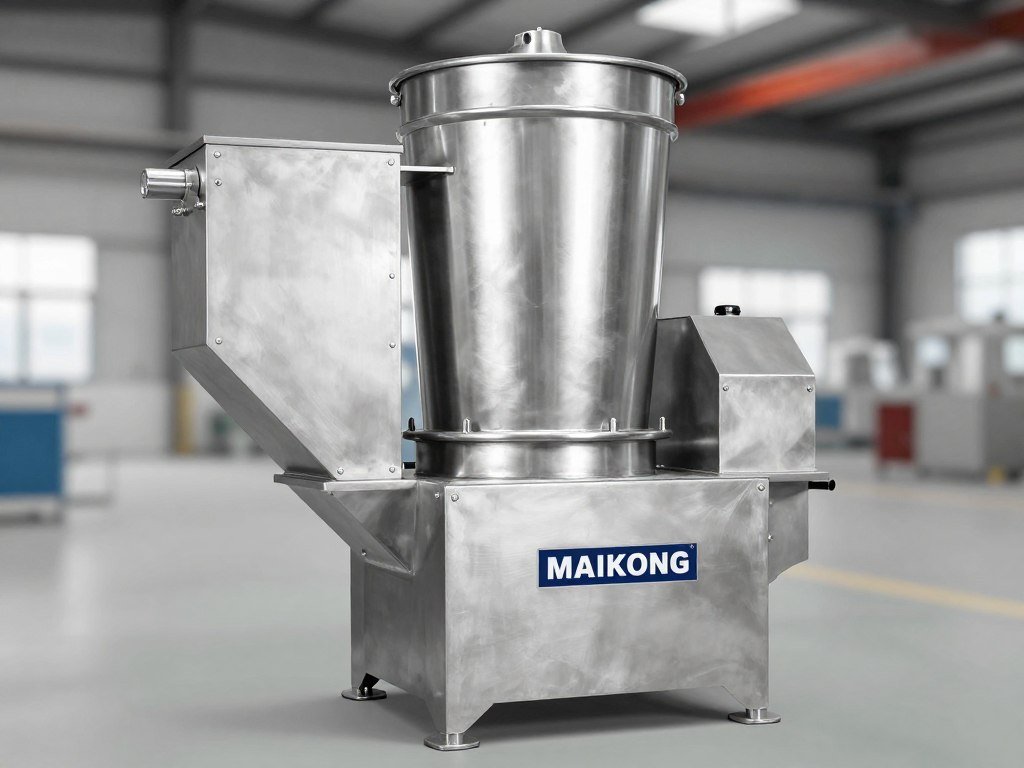
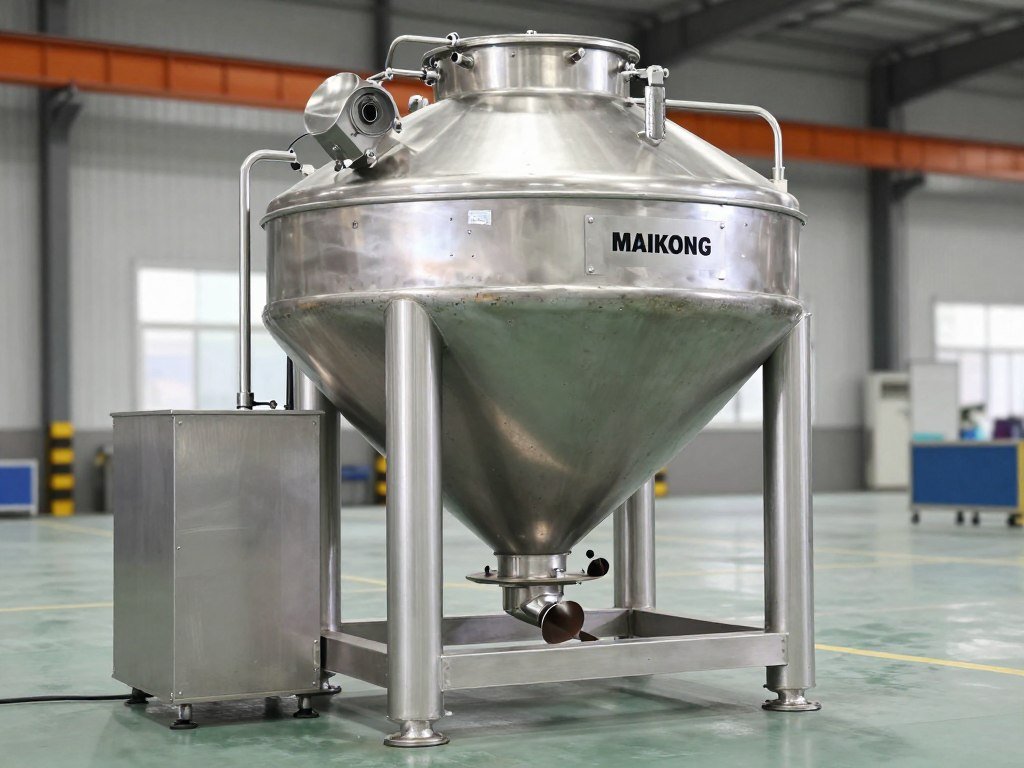
Complete pellet production requires supporting machinery. MAIKONG supplies hammer mills for grinding raw materials. Mixers ensure ingredient uniformity before pelleting.
Coolers stabilize fresh pellets and reduce moisture. Screeners separate fines from finished products. Packing machinery fills and seals bags automatically.
We design integrated systems or supply individual components. Your specific needs determine the optimal configuration.
Grinding Equipment
- Hammer mills
- Pulverizers
- Crushers
- Screeners
Mixing Systems
- Ribbon mixers
- Paddle mixers
- Vertical mixers
- Liquid addition systems
Post-Processing
- Counter-flow coolers
- Vibrating screeners
- Automatic packers
- Dust collection systems
Customization and OEM Services
Every farming operation has unique requirements. MAIKONG offers extensive customization to match your specific needs perfectly.
Equipment Customization Options
Capacity customization ensures your machine matches actual production needs. We adjust motor power, die specifications, and system components precisely.
Color and appearance customization makes equipment match your facility aesthetic. Corporate colors, logos, and branding integrate into the machine design.
Control system customization accommodates different languages and measurement units. We program displays in English with metric or imperial units as preferred.
Die and Pellet Specification Customization
Standard die plates offer common pellet sizes. Custom dies produce any diameter from 1.5mm to 12mm. Hole patterns optimize for specific material types.
Compression ratios adjust for different ingredient formulas. High-fiber formulas need different ratios than grain-heavy recipes. MAIKONG engineers calculate optimal specifications.
Die material selection depends on expected production volume. Standard steel handles moderate production. Hardened alloy steel extends life for high-volume operations.
OEM Manufacturing for Dealers
Agricultural equipment dealers and distributors benefit from OEM partnerships. MAIKONG manufactures machines under your brand name. This builds your brand equity while we handle production.
OEM services include your branding, custom paint colors, and specialized packaging. Technical manuals and marketing materials feature your company information.
We maintain confidentiality of your customer relationships. Your clients see only your brand. Our role remains behind the scenes as manufacturing partner.
OEM Minimum Orders: We accept OEM orders starting from 5 units. This low minimum makes private labeling accessible for growing dealers. Contact us to discuss your specific branding requirements and customization needs.
Software and Control Customization
Advanced production lines include programmable logic controllers. We customize control software to your preferred language and operational logic.
Automated formula selection systems can store your specific recipes. One-touch production changes reduce setup time between different feed types.
Data logging and reporting customization provides the metrics you need. Production volume, energy consumption, and quality parameters track automatically.
Need Custom Specifications?
Our engineering team designs solutions for unique requirements. Whether you need special capacity, unusual pellet sizes, or complete OEM branding, we make it happen.
Ordering Process and Shipping to South Africa
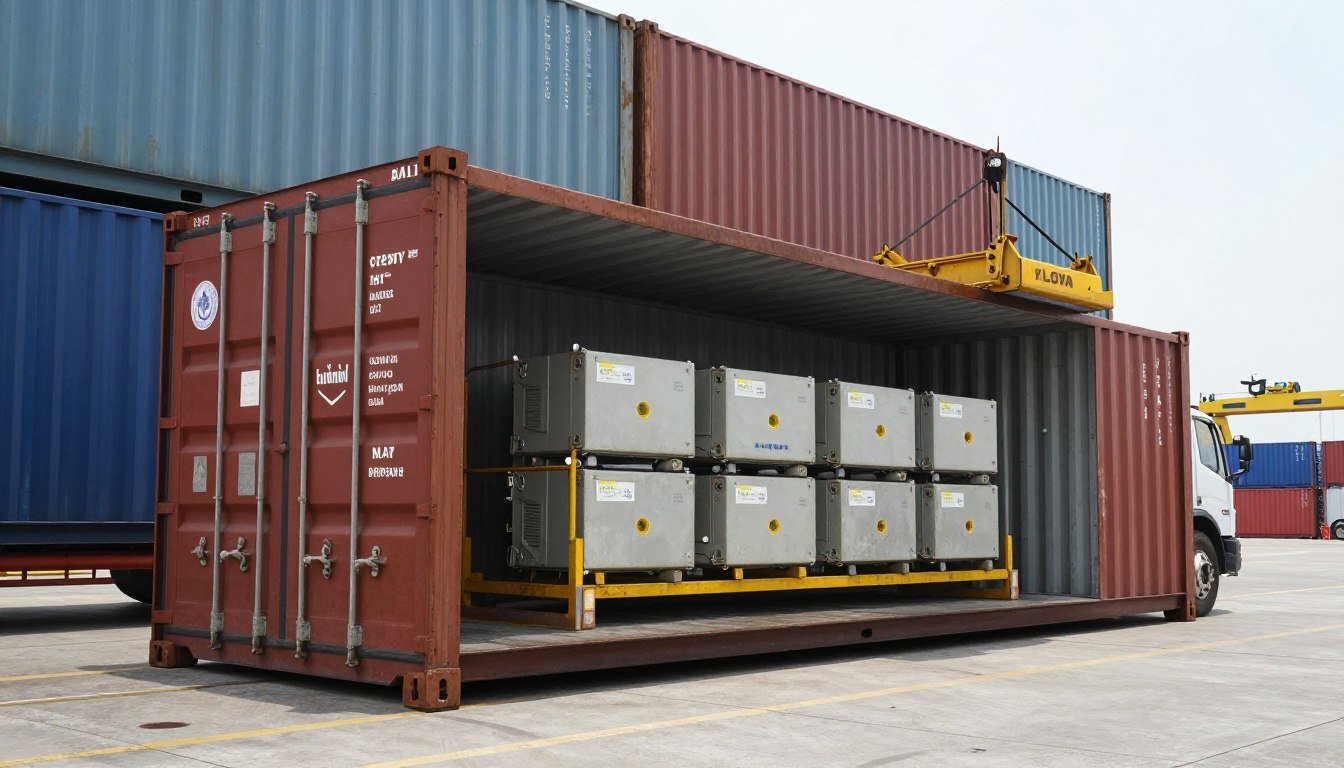
MAIKONG streamlines the purchasing and delivery process. We handle all complexity so you receive your equipment ready for installation.
Quotation and Consultation
Contact us through email, WhatsApp, or phone to begin. Our technical team asks about your operation to recommend optimal equipment. We need to know flock size, growth plans, available space, and budget range.
Within 24 hours, you receive a detailed quotation. This includes machine specifications, pricing, shipping estimates, and delivery timeline. We explain all costs clearly with no hidden fees.
The consultation process continues until you fully understand your options. We answer questions about operation, maintenance, and long-term costs. Video calls help clarify technical details.
Order Confirmation and Production
Place your order with a 30% deposit. This reserves production capacity and begins manufacturing. Standard models ship within 5-7 business days. Custom configurations need 15-25 days.
We provide production updates throughout manufacturing. Photos and videos show your equipment during assembly. Quality testing happens before packaging for shipment.
Final payment clears before shipping. We accept bank transfers in major currencies. Payment instructions come with your quotation.
Shipping and Delivery
MAIKONG handles all export documentation and customs clearance. We work with reliable freight forwarders experienced in agricultural machinery shipping.
Sea freight to South African ports (Durban, Cape Town, Port Elizabeth) takes 25-35 days. Air freight reaches you in 7-10 days but costs significantly more.
We provide complete tracking information. You know exactly where your shipment is throughout transit. Local clearing agents handle customs formalities at destination.
Delivery to your farm can be arranged through South African logistics partners. Or you collect from the port after customs clearance.
| Shipping Method | Transit Time | Cost Estimate | Best For |
| Sea Freight – Standard | 25-35 days | R8,000 – R25,000 | Most orders, best value |
| Sea Freight – Express | 18-22 days | R12,000 – R35,000 | Faster delivery needed |
| Air Freight | 7-10 days | R45,000 – R120,000 | Urgent orders only |
Installation and Training Support
Every machine ships with detailed installation manuals. Clear diagrams and step-by-step instructions guide setup. Most customers complete installation without professional help.
Video call support assists during installation if needed. Our technicians see your setup through video and provide real-time guidance. This saves the cost of on-site service visits.
Operation training happens via video demonstration. We show proper startup, production techniques, shutdown procedures, and basic maintenance. Record these sessions for future reference.
For large production lines, we can arrange on-site installation and training. This optional service ensures complex systems start properly. Contact us for on-site service pricing.
Frequently Asked Questions

What pellet size works best for adult ducks?
Adult ducks handle 5-6mm diameter pellets comfortably. This size provides good nutrition density while remaining easy to consume. Some farmers prefer 6-8mm for larger breeds like Pekin or Muscovy. The Model 160 or Model 200 produces these sizes efficiently. We recommend starting with 6mm and adjusting based on your birds’ preference.
Can one machine produce different pellet sizes?
Yes, by changing the die plate. MAIKONG machines accept interchangeable dies. Purchase multiple die sizes to switch between ducklings feed (2-3mm) and adult feed (6-8mm). Die changes take 20-30 minutes with basic tools. We provide detailed instructions for safe die replacement. Many farmers keep 2-3 different dies for their operation.
How much electricity does a pelletizer machine consume?
Power consumption depends on model size. The Model 120 uses a 3kW motor, consuming about 3 units per hour during production. Model 200 with an 11kW motor uses approximately 10-11 units hourly. Actual consumption varies with material density and production rate. Most farms find electricity costs minimal compared to feed savings. A 500-bird farm spends roughly R800 monthly on pelleting electricity while saving R10,000+ on feed costs.
What maintenance does the machine need?
Daily cleaning takes 10-15 minutes. Wipe down exterior surfaces and check for loose parts. Weekly lubrication of bearing points requires 5 minutes. Monthly deep inspection of die, rollers, and belts takes about 30 minutes. The die plate needs replacement every 1500-2500 hours depending on materials processed. Rollers last 2000-3000 hours typically. MAIKONG provides complete maintenance schedules with each machine. Parts availability in South Africa makes servicing convenient.
Can I make floating fish feed for my ducks?
Standard feed pellet machines produce sinking pellets. Floating pellets require an extruder with cooking capability. MAIKONG manufactures both type of equipment. For ducks, sinking pellets work perfectly fine as they dabble underwater anyway. If you specifically need floating pellets, our fish feed extruder models create the expansion needed. These cost more than standard pelletizers but serve dual purpose for fish and waterfowl feed.
What raw materials work in the pelletizer?
MAIKONG machines process all common feed ingredients. Grains like maize, wheat, sorghum, and barley work excellently. Protein sources including soya meal, fishmeal, sunflower meal, and cottonseed meal pellet well. Brans, middlings, and fiber sources add bulk. Fats and oils can comprise up to 3-5% of formulas. Vitamins and minerals in powder form integrate easily. The key is proper grinding before pelleting. Ingredients should pass through a 3-4mm screen for best results.
How long do finished pellets stay fresh?
Properly cooled and dried pellets with 10-12% moisture content store for 2-3 months. Keep them in a cool, dry location away from direct sunlight. Sealed containers or bags prevent moisture absorption and insect access. High temperatures reduce storage life. During hot summer months, produce smaller batches more frequently. Some farmers add natural preservatives like propionic acid for extended storage. Most operations produce weekly or bi-weekly, eliminating long-term storage concerns.
What warranty does MAIKONG provide?
All MAIKONG machines include a 12-month warranty covering manufacturing defects. This includes the motor, structural components, and electrical system. Wear parts like dies and rollers are not warrantied as they naturally degrade with use. The warranty starts from delivery date. We replace or repair defective components at no charge during the warranty period. Extended warranty options are available for purchase. Proper operation and maintenance must be followed to maintain warranty coverage.
Can I start with a small machine and upgrade later?
Absolutely. Many farmers begin with a Model 120 or 160 for their initial flock. As the farm grows, they add capacity by purchasing a larger unit. The smaller machine then handles special formulas or serves as a backup. Some operations sell their starter machine to neighboring farmers when upgrading. MAIKONG offers trade-in programs where we credit your old unit toward a new purchase. This makes scaling up economical as your business expands.
Do you offer payment plans or financing?
MAIKONG requires 30% deposit with order and balance before shipping. We do not directly offer payment plans. However, many South African farmers secure financing through agricultural banks or equipment finance companies. Your bank may offer equipment loans with favorable terms. Some customers form cooperatives to share purchase costs. We provide all documentation needed for your financing applications. The strong ROI makes equipment loans attractive to lenders.
What makes MAIKONG different from cheaper alternatives?
MAIKONG invests in quality components that last. Our copper motor windings outlast aluminum alternatives. Hardened steel dies provide 2-3 times longer life than standard steel. Precision bearings reduce friction and energy consumption. We test every machine before shipping. Support continues long after purchase with WhatsApp technical assistance. Spare parts remain available for 10+ years. Cheaper machines often use lower-grade materials and offer minimal support. The initial savings disappear when you face frequent breakdowns and replacement parts unavailability.
Can the machine handle wet ingredients?
Ingredients should be relatively dry entering the pelletizer. Moisture gets added in the conditioning chamber right before pelleting. Starting with wet ingredients causes clogging and poor pellet quality. If you have wet ingredients like fresh greens or silage, pre-dry them first or limit to small percentages. The conditioning system adds precisely controlled moisture at the optimal point in the process. This ensures consistent pellet quality batch after batch.
Get Your Custom Quote Today

Ready to reduce your feed costs and take control of nutrition quality? MAIKONG’s team helps you select the perfect feed pelletizer machine for your duck and goose farming operation.
Complete the form below or contact us directly. Our technical consultants respond within 24 hours with personalized recommendations and accurate pricing.
Email Us
Send detailed inquiries including photos of your operation for comprehensive consultation.
Lucy@pelletmachine.co.za
WhatsApp Support
Quick questions? Chat directly with our technical team. We respond within 24 hours.
+86-13510907401
Phone Call
Prefer speaking directly? Call our South Africa support line during business hours.
+86-13510907401
Business Hours: Monday – Friday, 8:00 AM – 5:00 PM SAST | WhatsApp Support: 7 days a week | Email Response: Within 24 hours
Start Producing Quality Duck and Goose Feed Today
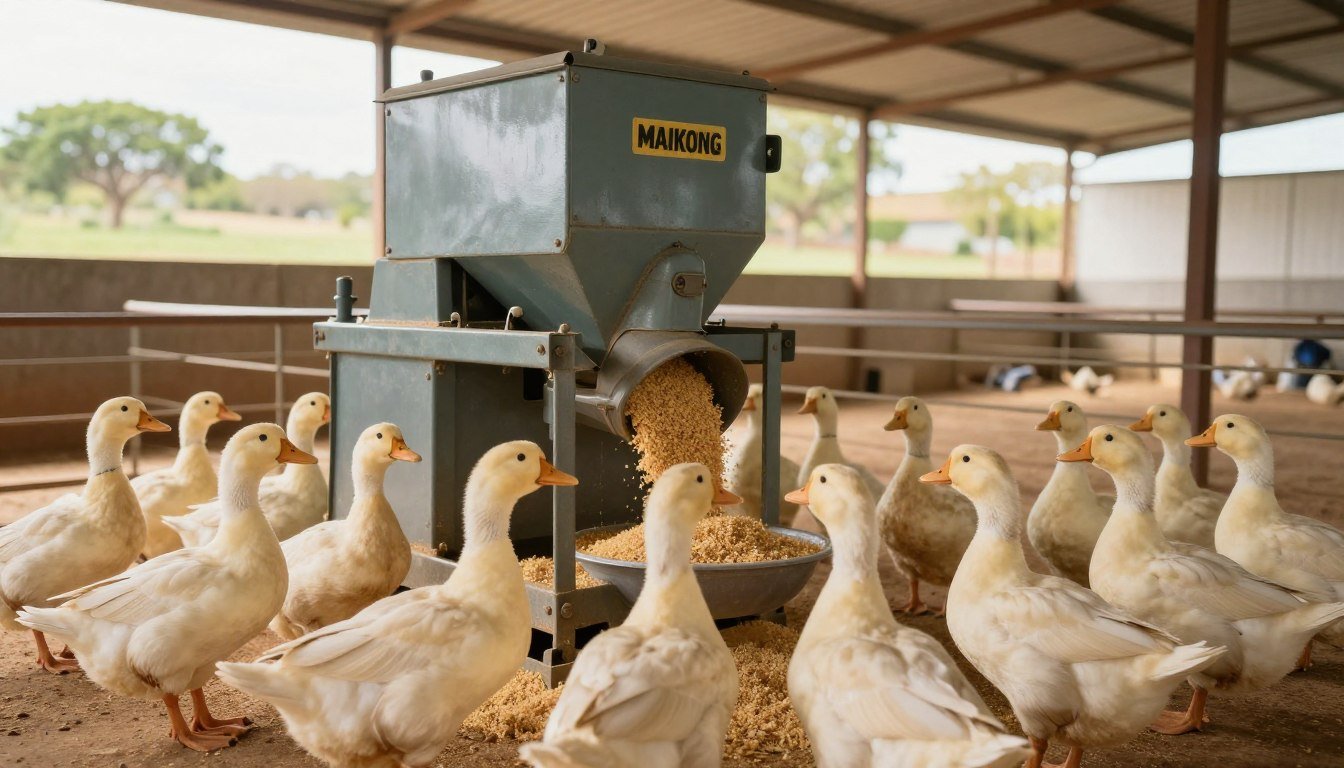
Investing in a feed pelletizer machine transforms your duck and goose farming operation. You gain control over nutrition, dramatically reduce costs, and improve bird health and performance.
MAIKONG brings 20 years of manufacturing excellence to South African agriculture. Our equipment handles local ingredients perfectly. Technical support in English ensures you never face problems alone.
From small manual feed pellet machines for home flocks to complete industrial production lines, we supply the right solution for your scale. Customization options and OEM services support dealers and large operations.
The investment pays back quickly through feed cost savings. Most farmers recover their machine cost within 8-14 months. After that, savings become pure profit improvement for years to come.
Hundreds of African farmers already benefit from MAIKONG pellet machines. Their success stories prove the technology works in real farming conditions. You can achieve similar results.
Take the Next Step Toward Feed Independence
Contact MAIKONG today for your personalized consultation and quote. Our team helps you select equipment that fits your exact needs and budget. Start saving on feed costs while improving nutrition quality.
MAIKONG – Your Partner in Agricultural Success
Visit our complete product range: pelletmachine.co.za
Explore specific categories: Feed Pellet Machines | Animal Feed Solutions | About MAIKONG
Thank you for reading this comprehensive guide to duck and goose feed pelletizer machines. We look forward to supporting your farming success with quality MAIKONG equipment.
