
Understanding Roughage Processing in South African Livestock Operations
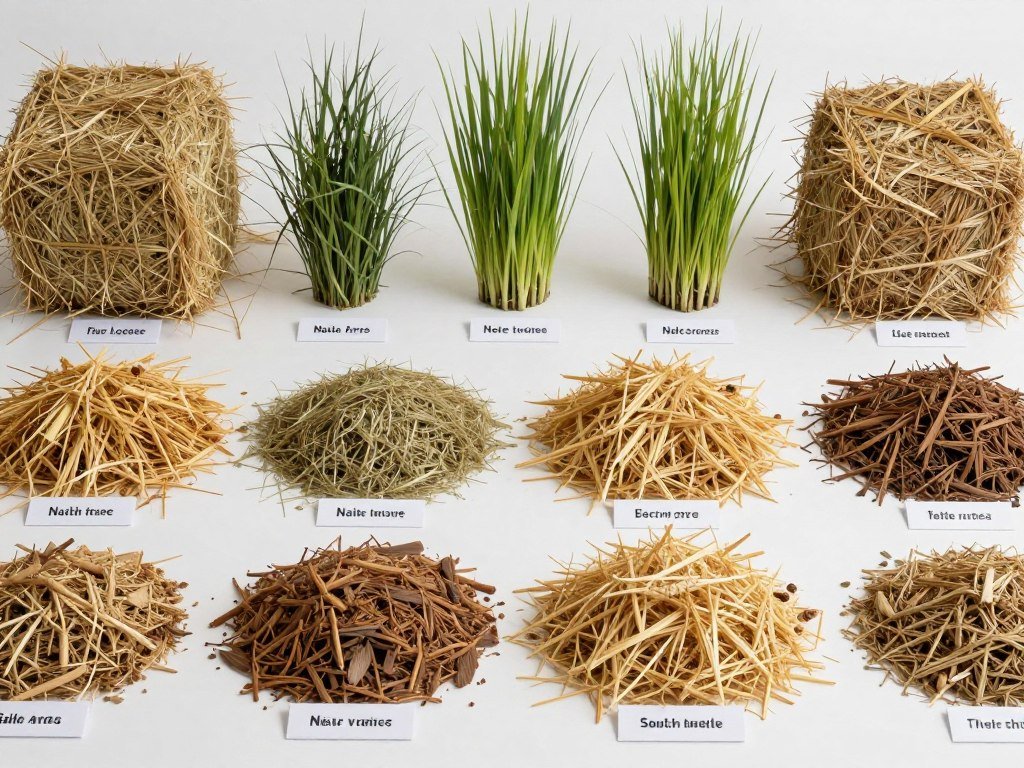
Ruminant animals possess unique digestive systems. Cattle, sheep, and goats thrive on fibrous materials that monogastric animals cannot digest. Yet farmers struggle to utilize roughage efficiently. Loose hay wastes during transport. Wind scatters dried grass. Storage losses reach 30% or higher.
Why Standard Feed Machines Fail with Roughage
Most feed pellet machines target grain-based ingredients. Roughage presents different challenges. Long fibrous strands jam standard equipment. High moisture content causes blockages. Die holes clog with stringy materials. Standard pellet mills produce inconsistent results or fail completely.
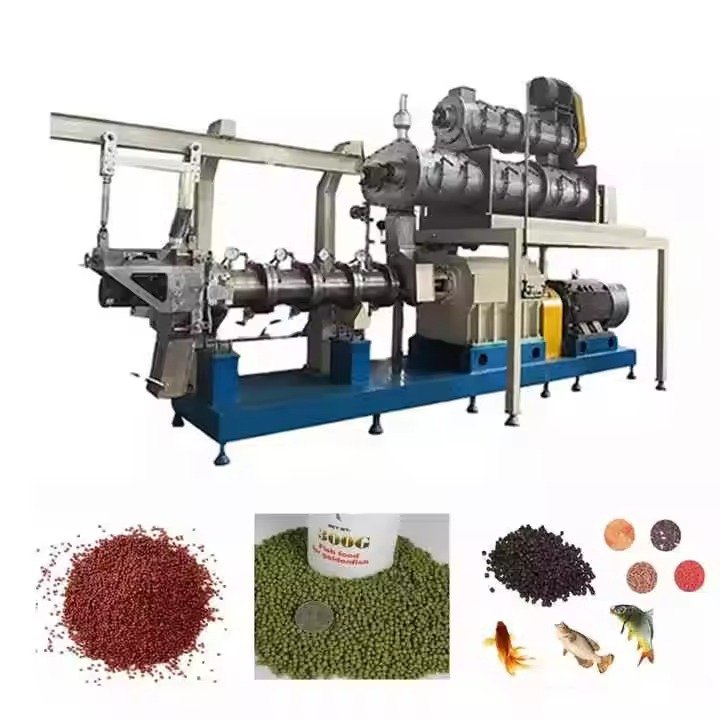
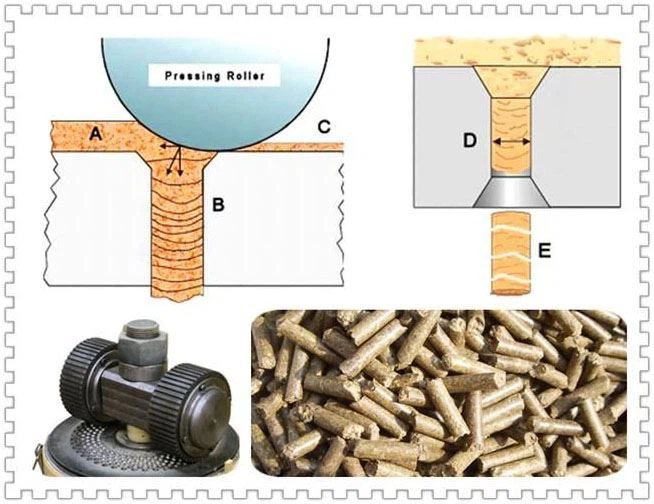
Specialized ruminant pellet machines address these issues through engineering modifications. Reinforced compression systems handle tough fibers. Modified die configurations prevent clogging. Adjustable moisture controls accommodate various roughage types.
Economic Impact of Roughage Pelletization
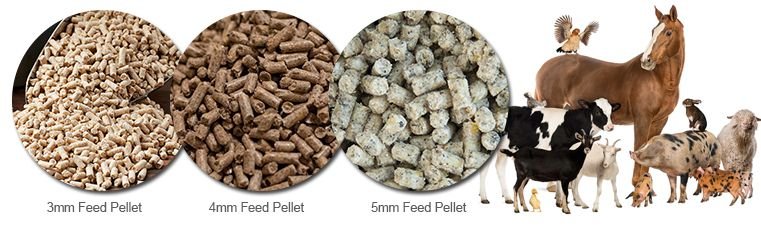
South African farmers report dramatic cost reductions. One KwaZulu-Natal cattle operation reduced feed costs by 42% after installing a MAIKONG feed pellet machine. Storage losses dropped from 28% to less than 5%. Transport efficiency improved threefold.
Loose Roughage Disadvantages
- Storage losses 20-35% annually
- Transportation inefficiency
- Weather damage vulnerability
- Selective feeding waste
- Inconsistent nutritional intake
- Dust and contamination issues
Pelleted Roughage Advantages
- Storage losses under 5%
- 3x transportation density
- Weather-resistant packaging
- Uniform feed consumption
- Consistent nutrient delivery
- Minimal dust generation
Get Expert Advice on Your Roughage Type
Every farm has unique roughage materials and livestock requirements. Our technical team analyzes your specific needs and recommends the optimal pellet machine configuration. Free consultation available via WhatsApp.
Feed Pellet Machine Specifications for Ruminant Operations
MAIKONG manufactures feed pellet machines across capacity ranges. Small-scale farmers start with 50-100 kg/hour units. Commercial operations deploy 1-5 ton/hour systems. Understanding specifications ensures correct equipment selection.
Critical Specifications for Roughage Processing
| Specification | Small Scale | Medium Scale | Industrial Scale |
| Capacity | 50-150 kg/hour | 300-500 kg/hour | 1-5 ton/hour |
| Motor Power | 4-7.5 kW | 15-22 kW | 55-132 kW |
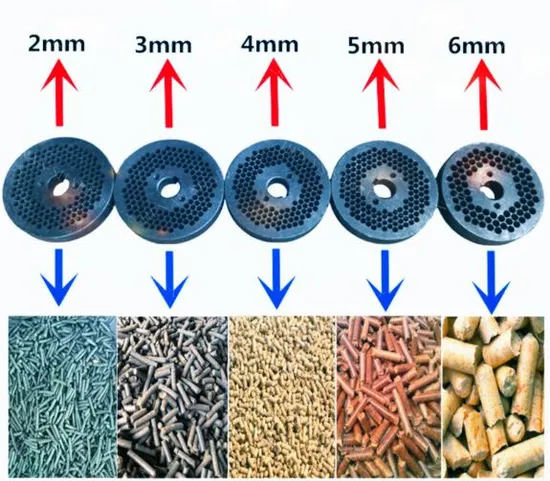
| Die Diameter | 120-200mm | 250-300mm | 400-508mm |
| Pellet Size | 3-8mm | 4-12mm | 4-12mm |
| Power Supply | 220V/380V | 380V | 380V/440V |
Material-Specific Requirements
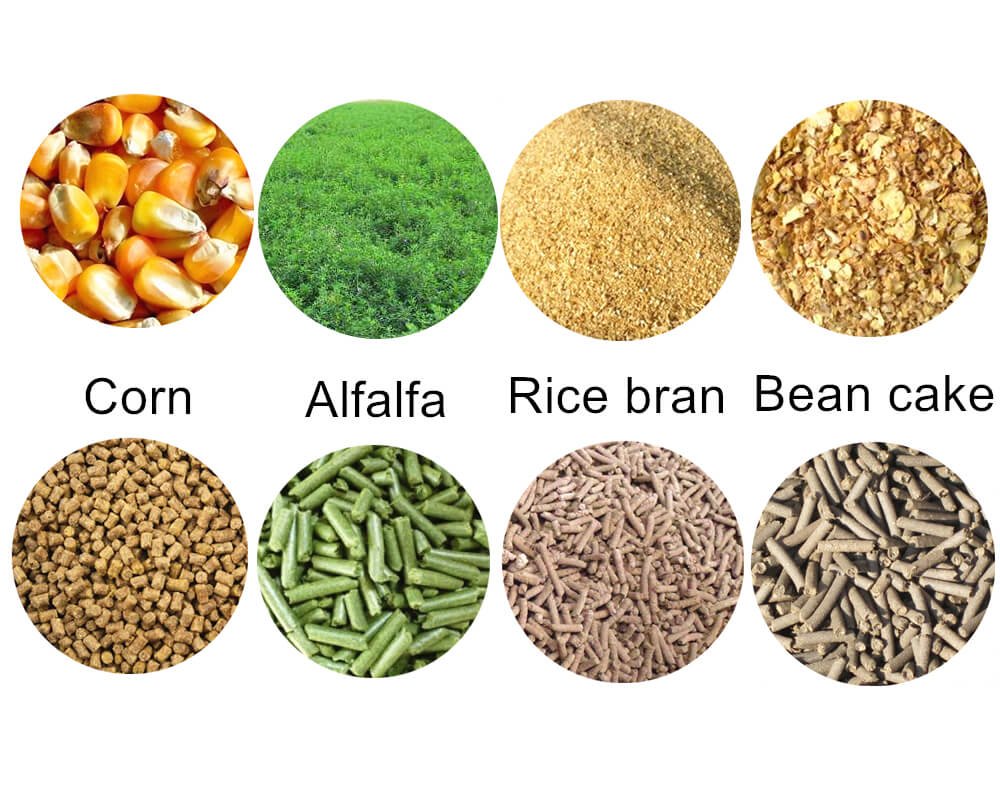
Different roughage types demand specific machine configurations. Lucerne requires powerful compression due to high protein content. Grass processes easily but needs moisture adjustment. Crop residues like maize stover require aggressive grinding before pelletization.
Lucerne/Alfalfa Processing
Optimal moisture: 12-15%
- High-compression dies required
- Reinforced rollers essential
- Cooling system recommended
- Output: 6-8mm pellets
Native Grass Processing
Optimal moisture: 13-16%
- Standard die configuration
- Pre-grinding to 3-5mm
- Dust collection system
- Output: 4-6mm pellets
Crop Residue Processing
Optimal moisture: 10-14%
- Heavy-duty grinder required
- Reinforced feed system
- Variable speed control
- Output: 6-10mm pellets
Supporting Equipment Requirements
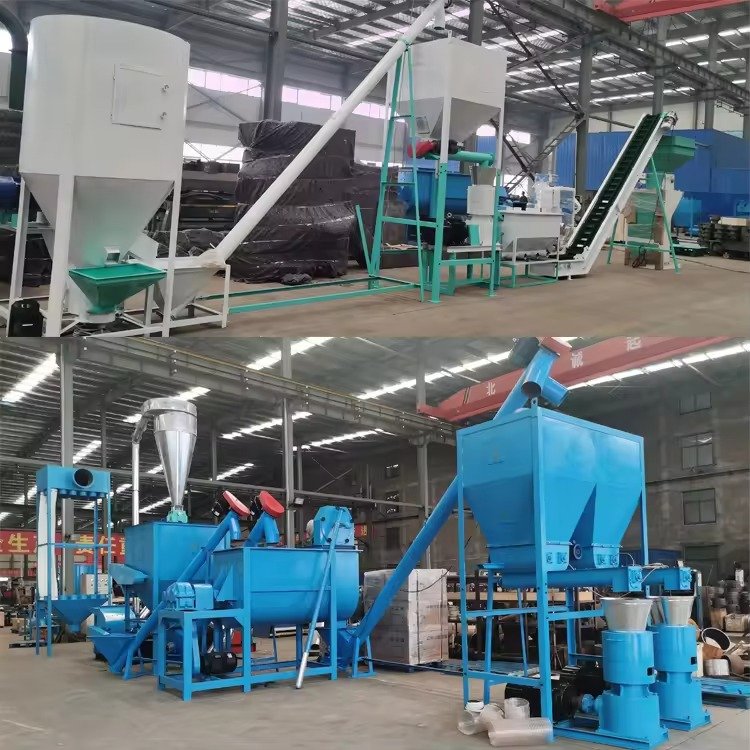
Complete feed production requires more than the pellet mill. A grinder reduces raw materials to optimal size. Mixers blend ingredients uniformly. Coolers stabilize finished pellets. MAIKONG designs integrated systems or provides standalone machines.
Request Detailed Technical Specifications
Each farm’s requirements differ based on livestock type, production scale, and available raw materials. Our engineering team prepares customized specifications including power requirements, space planning, and equipment layouts.
Operating Your Feed Pellet Machine for Maximum Productivity
Proper operation separates successful pellet production from frustrating breakdowns. South African farmers face unique challenges: inconsistent power supply, dust, and temperature extremes. MAIKONG machines incorporate design features addressing these conditions.
Pre-Processing Raw Materials
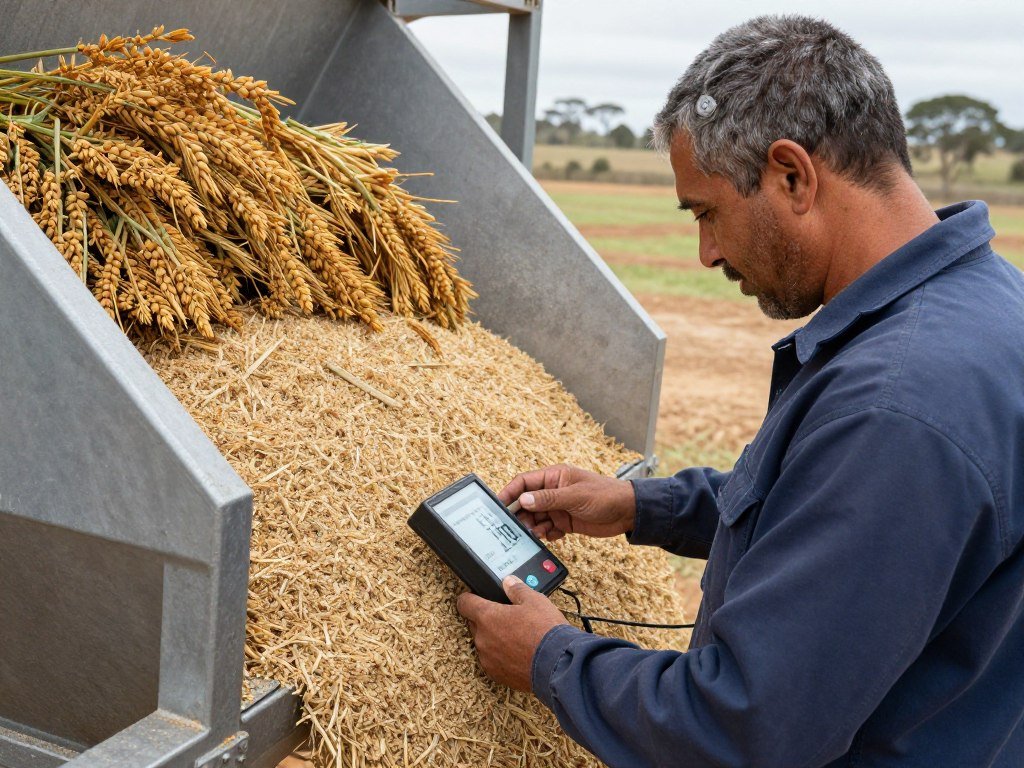
Roughage preparation determines pellet quality. Moisture content requires careful management. Too dry causes excessive dust and die wear. Too wet creates soft pellets that crumble. Optimal moisture ranges from 12-16% depending on material type.
Grinding Requirements
The grinder represents the first critical step. Particle size affects pellet density and durability. MAIKONG recommends hammer mills for roughage processing.
- Target particle size: 3-5mm for most roughage
- Screen selection: 3-6mm apertures
- Hammer maintenance: Replace every 500 hours
- Dust control: Cyclone separator essential
Mixing and Conditioning
Uniform mixing ensures consistent pellet quality. Conditioning adds moisture and heat before pelletization.
- Mixing time: 5-8 minutes for roughage blends
- Steam conditioning: 80-85°C for 30-60 seconds
- Moisture addition: 2-4% during conditioning
- Ingredient distribution: ±3% variation maximum
Operating Parameters for Optimal Output
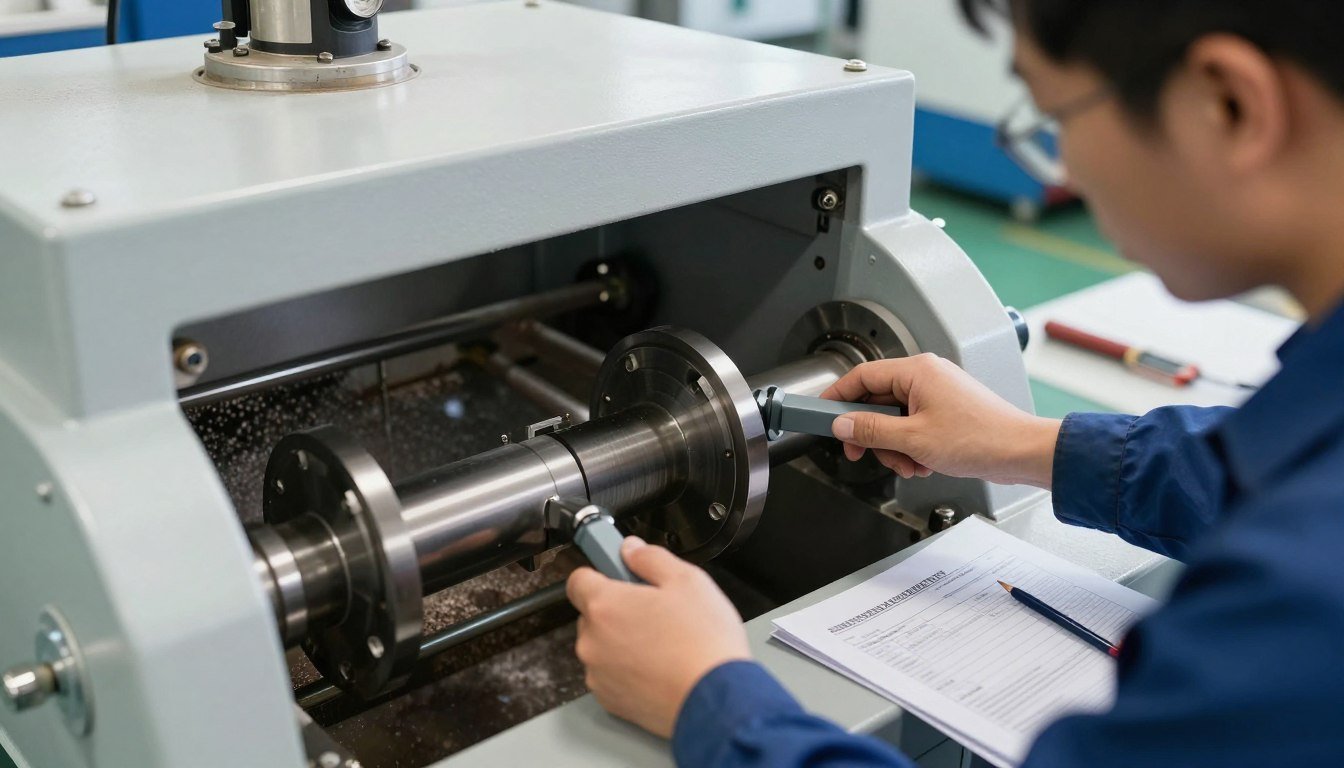
Experienced operators adjust parameters based on material characteristics. Die gap, roller pressure, and conditioning time require fine-tuning. MAIKONG provides comprehensive training ensuring optimal productivity.
Production Efficiency Tip: Start each production run with 15-20 minutes of warm-up using the same material formula. This conditions the die and prevents initial soft pellets. MAIKONG technical support via WhatsApp helps troubleshoot production challenges in real time.
Maintenance Schedule for Longevity
Regular maintenance prevents costly breakdowns. South African conditions demand attention to dust accumulation and bearing lubrication. MAIKONG machines feature accessible service points reducing maintenance time.
| Maintenance Task | Frequency | Estimated Time |
| Bearing lubrication | Every 8 hours operation | 5 minutes |
| Die and roller inspection | Daily | 10 minutes |
| Belt tension check | Weekly | 15 minutes |
| Complete cleaning | After each production batch | 30 minutes |
| Die replacement | Every 1000-1500 hours | 2 hours |
| Roller replacement | Every 2000-3000 hours | 3 hours |
Investment and Return Analysis for South African Farmers
Financial justification determines equipment purchases. Smart farmers calculate return on investment before committing. MAIKONG provides transparent pricing and realistic production costs enabling informed decisions.
Initial Investment Breakdown
Complete feed pellet machine systems include multiple components. Understanding total investment prevents budget surprises. MAIKONG offers flexible configurations matching different budget levels.
Starter Package
Ideal for small farms (50-150 kg/hour)
- Pellet machine: Primary investment
- Small hammer grinder
- Simple mixer (optional)
- Basic delivery and installation
- Standard training (1 day)
Professional Package
Suited for medium operations (300-500 kg/hour)
- Industrial pellet mill
- Heavy-duty grinder
- Horizontal mixer
- Cooling system
- Installation and commissioning
- Comprehensive training (3 days)
Complete Production Line
For large-scale feed production (1-5 ton/hour)
- Automated feed production line
- Multiple grinder stations
- Batch mixer system
- Pelletizing and cooling
- Bagging system
- Full technical support package
Operating Cost Considerations
Monthly operations consume electricity, maintenance supplies, and labor. Accurate costs calculations prevent financial surprises. MAIKONG customers report predictable operating expenses.
Real Cost Example – Western Cape Sheep Farm: A 200-head Dorper sheep operation processes 500kg lucerne daily. Monthly electricity: R1,200. Maintenance supplies: R400. Labor (part-time): R2,500. Total monthly costs: R4,100. Commercial feed equivalent would cost R18,500 monthly. Net monthly savings: R14,400.
Return on Investment Timeline
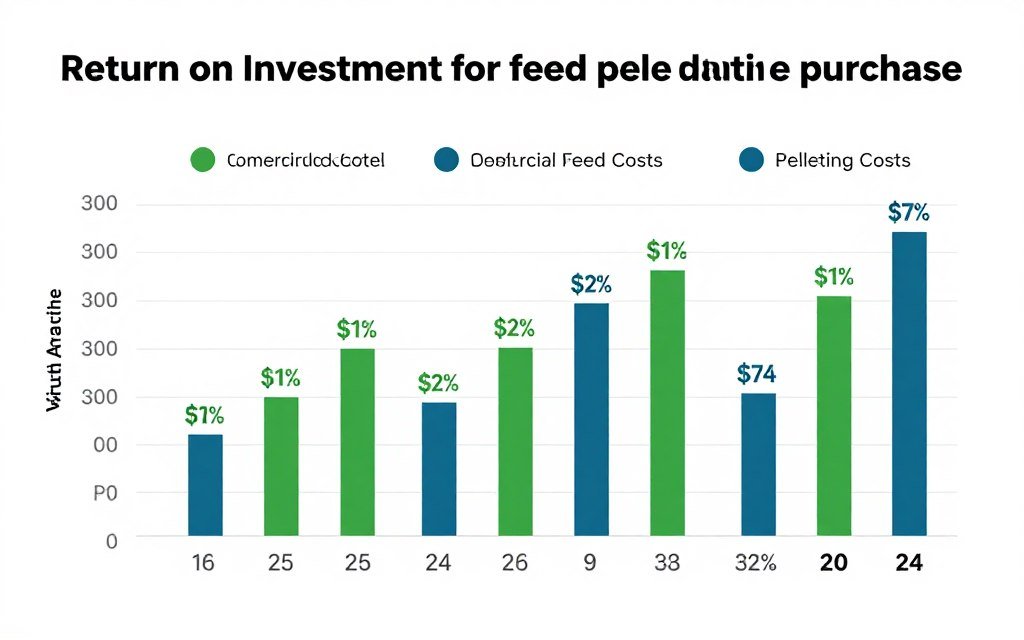
Most South African farmers achieve payback within 12-18 months. Factors affecting ROI include livestock type, production scale, and commercial feed costs in your region.
Calculate Your Specific Savings Potential
Every farm’s financial picture differs based on livestock numbers, current feed costs, and available roughage. Our team prepares customized ROI calculations showing realistic payback timelines for your specific operation.
South African Success Stories: Real Farm Results
Theoretical benefits mean little without real-world validation. These South African farmers transformed their operations with MAIKONG feed pellet machines. Their results demonstrate practical applications across different livestock types and farm scales.
Case Study 1: KwaZulu-Natal Cattle Operation
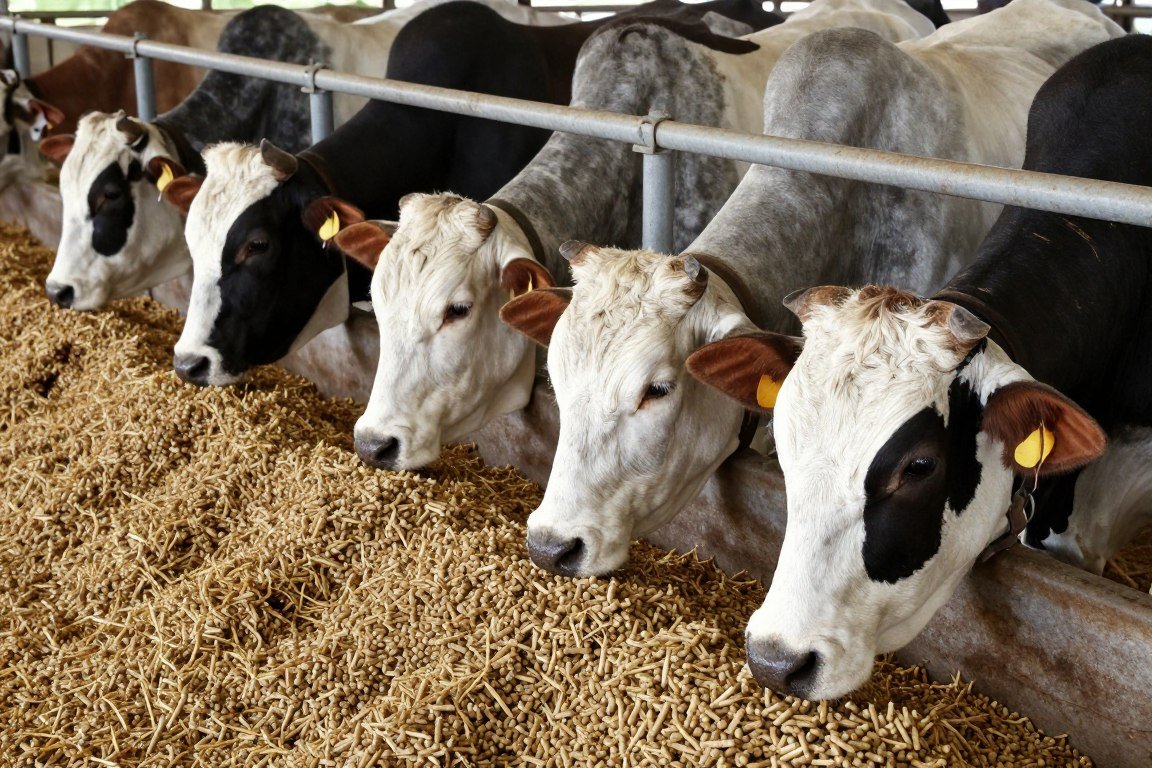
Farm Profile: 150-head Nguni cattle operation near Pietermaritzburg. Previously purchased commercial feed at escalating costs. Abundant lucerne and grass available but unutilized.
Challenge: Monthly feed expenses exceeded R45,000. Storage and transport of loose roughage proved inefficient. Sought cost reduction without compromising nutrition.
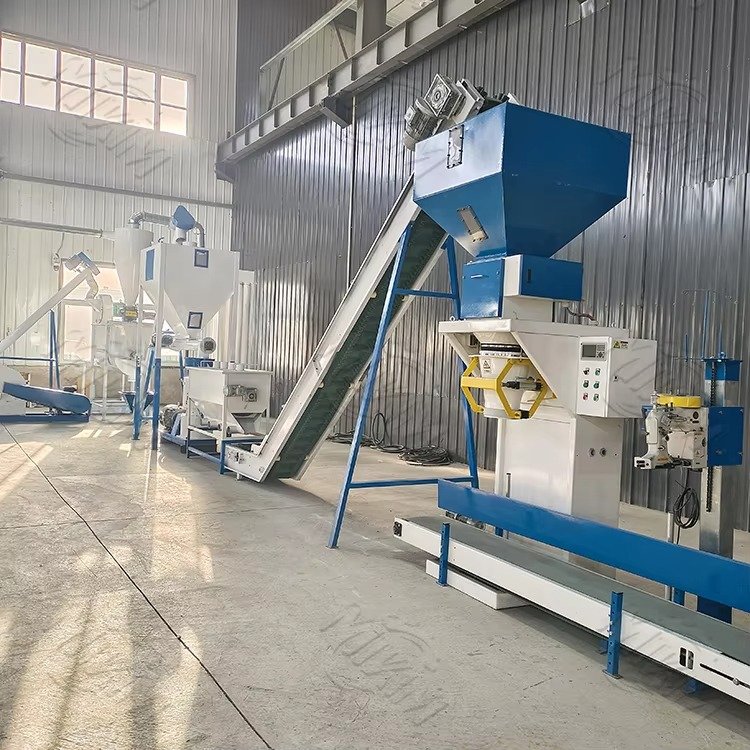
MAIKONG Solution: Installed 500 kg/hour feed pellet machine with supporting grinder and mixer. Custom die configuration for local roughage types.
Results After 12 Months:
- Feed costs reduced by 42% (R19,000 monthly savings)
- Cattle weight gain increased 15% due to consistent nutrition
- Storage losses dropped from 28% to 4%
- Equipment paid for itself in 14 months
- Now supplies neighboring farmers generating additional income
Case Study 2: Free State Sheep Farming Cooperative
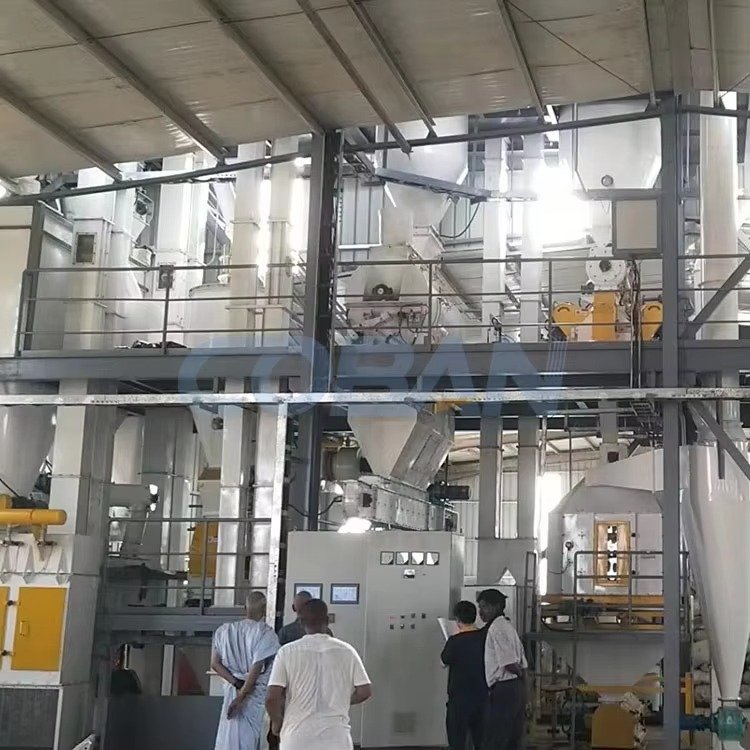
Operation Profile: Seven-family cooperative managing 800 Dorper sheep. Pooled resources to establish centralized feed production.
Challenge: Individual farmers struggled with feed costs and inconsistent nutrition. Sought collective solution reducing expenses while maintaining independence.
MAIKONG Solution: Cooperative purchased 800 kg/hour production line. MAIKONG provided training for designated operators. Custom scheduling accommodates all members.
Results After 18 Months:
- Each member saves R6,800 monthly on feed
- Cooperative generates income selling excess capacity
- Lamb survival rates improved 22%
- Consistent pellet quality across all farms
- Created three full-time employment positions
Case Study 3: Eastern Cape Goat Farm Expansion
Farm Profile: 300-head Boer goat operation. Owner planned expansion to 600 head but faced feed supply constraints.
Challenge: Commercial feed availability inconsistent in remote area. Transport costs excessive. Expansion impossible without reliable feed source.
MAIKONG Solution: Installed small feed pellet machine (150 kg/hour) processing local vegetation and crop residues. Designed system for easy capacity expansion.
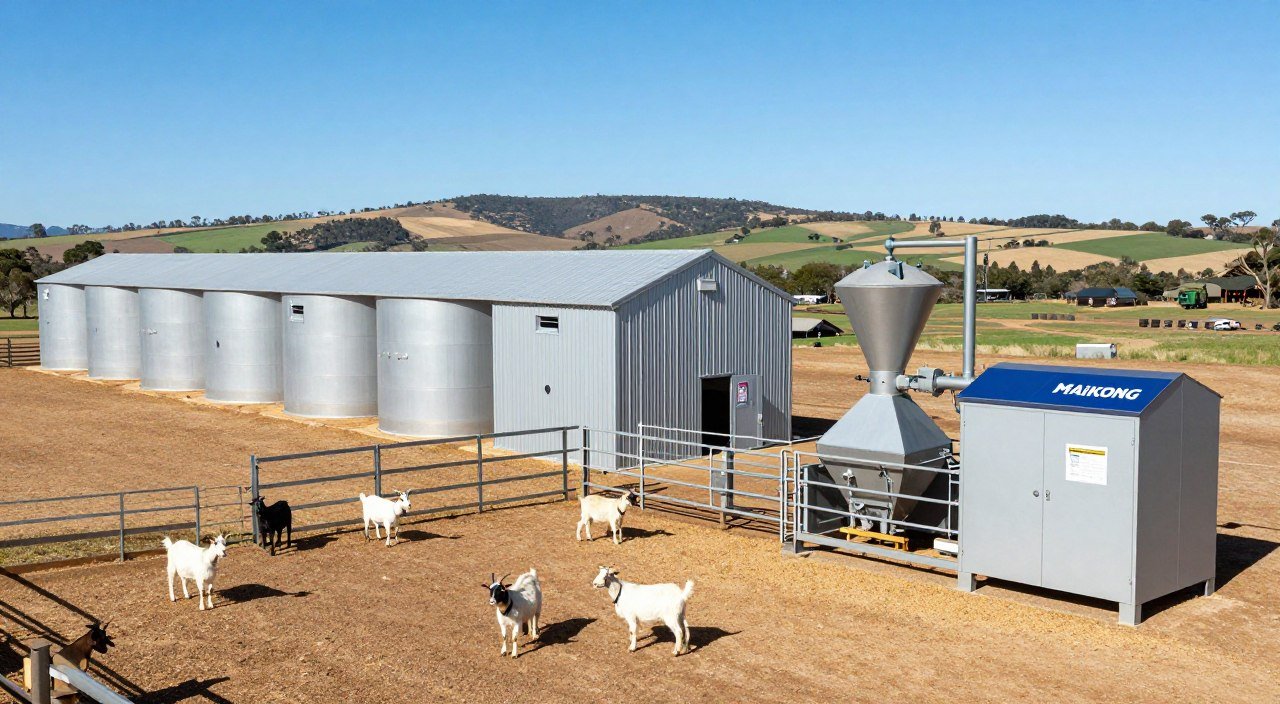
Results After 24 Months:
Financial Impact
Cost control enabled expansion investment
- Feed costs per animal reduced 65%
- Eliminated transport dependencies
- Generated surplus feed sales income
- ROI achieved in 11 months
Operational Improvements
Self-sufficiency transformed farm management
- Successfully expanded to 550 head
- Year-round feed security established
- Kidding rates improved 18%
- Added second machine for increased capacity
Join 500+ Successful South African Farmers
These results represent typical outcomes from MAIKONG feed pellet machine installations. Your farm can achieve similar transformations. Our technical team helps design solutions matching your specific livestock type, scale, and available materials.
Why South African Farmers Choose MAIKONG Feed Pellet Machines
Twenty years manufacturing experience translates into reliable, farmer-focused equipment. MAIKONG understands South African agricultural challenges. Our machines incorporate design features addressing local conditions and farmer needs.
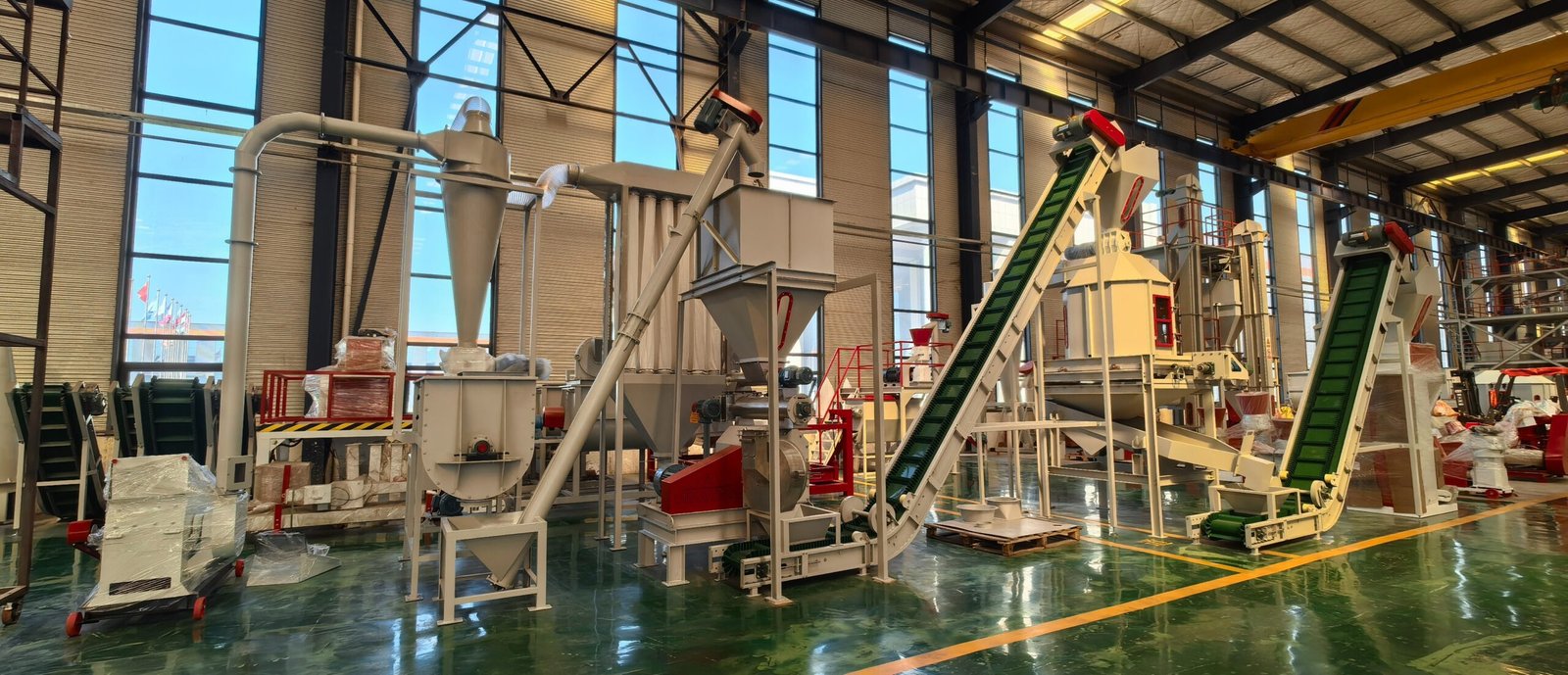
Manufacturing Excellence and Quality Assurance
MAIKONG factories employ strict quality control protocols. Each pellet machine undergoes 72-hour testing before shipping. Critical components exceed industry standards ensuring longevity under African conditions.
MAIKONG Quality Features
- Reinforced dies lasting 2000+ hours
- Sealed bearings resisting dust intrusion
- Heavy-duty motor with thermal protection
- Stainless steel feed zones preventing corrosion
- Precision-machined rollers ensuring uniform compression
- Modular design simplifying component replacement
Standard Competitor Limitations
- Dies require replacement every 500-800 hours
- Standard bearings fail in dusty environments
- Motors lack overload protection systems
- Mild steel components rust in humid conditions
- Generic rollers produce inconsistent pellets
- Complex designs increase maintenance time
Customization for South African Requirements
No two farms share identical requirements. MAIKONG provides extensive customization ensuring equipment matches specific needs. Appearance, capacity, power supply, and processing configurations adapt to individual circumstances.
Technical Customization
- Die hole configuration for specific roughage
- Power supply voltage adaptation (220V/380V/440V)
- Capacity scaling matching farm size
- Integration with existing equipment
- Automation level selection
Branding Customization
- Custom color schemes
- Private label machinery
- Dealer branding options
- Custom control panel layouts
- Packaging and documentation
Support Customization
- Training in local languages
- Documentation translation
- Regional spare parts warehousing
- Custom maintenance schedules
- Seasonal support planning
Local Support Infrastructure
MAIKONG maintains dedicated South African support channels. Technical assistance reaches farmers quickly regardless of location. WhatsApp support provides immediate troubleshooting. Email handles complex technical queries. Phone support connects farmers directly with experienced engineers.
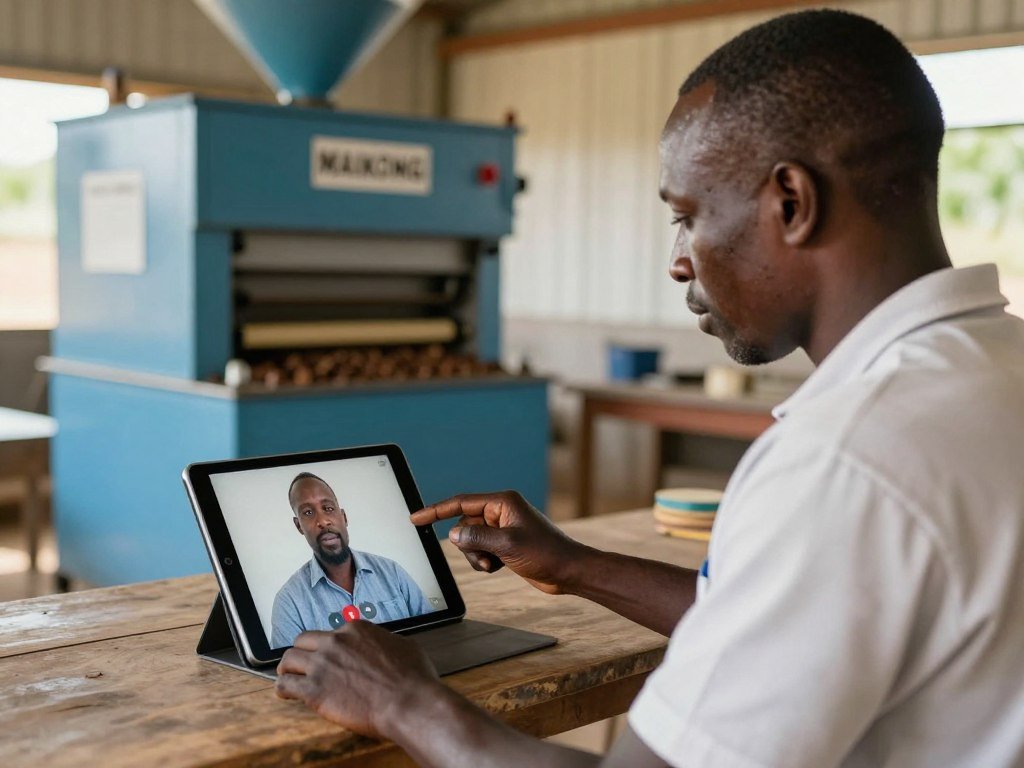
Support Commitment: Every MAIKONG customer receives guaranteed response within 2 hours via WhatsApp during business hours. Complex technical issues escalate to senior engineers. Spare parts ship within 48 hours of order confirmation. This support infrastructure differentiates MAIKONG from competitors lacking local presence.
Partnership Opportunities for South African Entrepreneurs
MAIKONG actively seeks distribution partners across South African provinces. Becoming a MAIKONG agent provides business opportunities with generous profit margins and comprehensive support.
Agent Benefits Package
- Exclusive territorial rights available
- Competitive wholesale pricing structure
- Marketing materials and technical documentation
- Comprehensive product training programs
- Sales support and lead generation assistance
- After-sales technical backup
- Co-branded marketing campaigns
- Demonstration equipment programs
Ideal Partner Profile
- Agricultural equipment dealers
- Feed supply businesses
- Farming cooperatives
- Agricultural consultants
- Rural development organizations
- Established sales networks
- Technical service capabilities
- Customer relationships in livestock sector
Become a MAIKONG Distribution Partner
Build a profitable business representing South Africa’s growing feed pellet machine brand. MAIKONG provides complete partner support including training, marketing assistance, and technical backup. Exclusive territories available in most provinces.
MAIKONG Product Range for Complete Feed Solutions
Ruminant feed represents one category within MAIKONG’s comprehensive product portfolio. Our range covers complete agricultural pelletizing needs from animal feed to biomass fuel production.
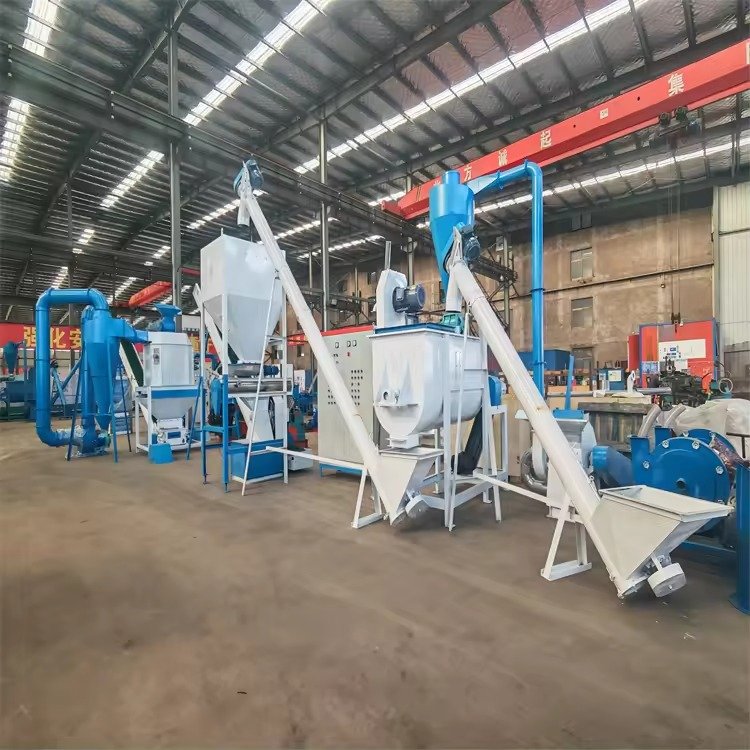
Animal Feed Pellet Machine Categories
MAIKONG manufactures specialized pellet machines for different livestock categories. Each type incorporates design modifications optimizing performance for specific feed formulations and animal requirements.
Poultry Feed Pellet Machine
Designed for chicken, duck, and turkey feed production. Produces small-diameter pellets (2-4mm) suitable for different bird ages.
Cattle Feed Pellet Machine
Heavy-duty construction for processing fibrous roughage and grain mixtures. Produces 6-12mm pellets for beef and dairy cattle.
Sheep Feed Pellet Machine
Optimized for high-fiber diets with moderate protein content. Ideal for both meat and wool sheep operations.
Pig Feed Pellet Machine
Versatile design handling diverse ingredients from grains to by-products. Produces durable pellets resisting crumbling.
Goat Feed Pellet Making Machine
Specialized for browser animals requiring varied nutrition. Processes woody browse materials effectively.
Livestock Feed Pellet Machine
General-purpose design suitable for mixed farming operations. Handles multiple feed types with quick changeovers.
Complete Production Line Solutions
Individual machines suit small operations. Larger enterprises require integrated systems. MAIKONG designs turnkey production lines automating complete feed manufacturing processes.
| Production Line Type | Capacity Range | Key Components | Typical Applications |
| Cattle Feed Production Line | 1-10 ton/hour | Grinder, mixer, pellet mill, cooler, bagger | Dairy farms, feedlots, commercial feed mills |
| Sheep Feed Production Line | 500kg-5 ton/hour | Roughage processor, mixer, pellet mill, cooler | Sheep farms, cooperatives, regional suppliers |
| Poultry Feed Production Line | 1-20 ton/hour | Multi-stage grinder, micro-ingredient dosing, mixer, pellet mill, crumbler, cooler | Integrated poultry operations, commercial feed manufacturers |
| Ruminant Feed Production Line | 500kg-8 ton/hour | Heavy-duty grinder, batch mixer, conditioning system, reinforced pellet mill, cooler | Mixed livestock farms, custom feed manufacturers |
Complementary Product Categories
MAIKONG’s expertise extends beyond animal feed. Our pelletizing technology applies to multiple industries creating diversification opportunities for partners and customers.
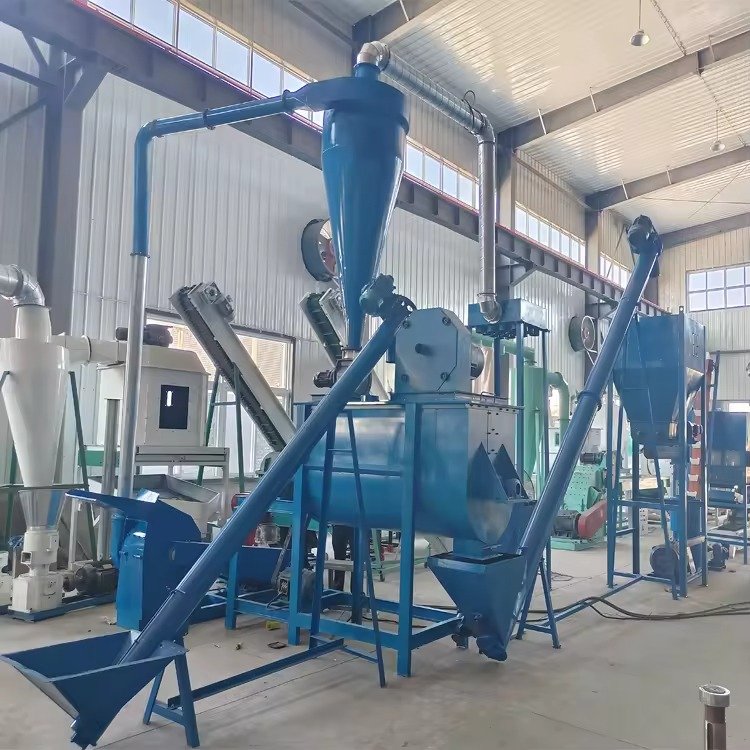
Biomass Pellet Production
Convert agricultural waste into valuable fuel pellets. MAIKONG wood pellet machines process sawdust, crop residues, and forestry waste.
- Wood Pellet Machine – sawdust and wood waste
- Straw Pellet Machine – agricultural residues
- Grass Pellet Machine – excess pasture
- Multi-purpose Biomass Lines
Fertilizer Pellet Production
Organic waste becomes valuable fertilizer pellets. Livestock manure transforms into marketable soil amendments.
- Fertilizer Pellet Machine – organic fertilizer
- Manure Processing Equipment
- Compost Pelletizing Systems
- Complete Fertilizer Lines
Getting Started with MAIKONG: Your Path to Feed Independence
Transitioning to on-farm pellet production requires planning and preparation. MAIKONG guides customers through every step ensuring successful implementation. Our proven process minimizes risks and accelerates results.

Initial Consultation and Needs Assessment
Every successful installation begins with understanding your specific situation. MAIKONG’s technical team evaluates your livestock type, feed requirements, available raw materials, and budget parameters.
Information We Need
- Livestock type and current numbers
- Current feed costs and quantities
- Available roughage types and volumes
- Existing infrastructure and power supply
- Budget and financing considerations
- Growth plans and future capacity needs
What We Provide
- Equipment recommendations matching needs
- Detailed cost and ROI projections
- Space and utility requirements
- Customization options and pricing
- Implementation timeline
- Training and support plans
Ordering and Customization Process
Once equipment selection concludes, MAIKONG initiates the customization and manufacturing process. Typical lead time spans 4-6 weeks depending on customization complexity. Customers receive regular progress updates.
- Order Confirmation: Detailed specifications finalized and purchase order processed
- Manufacturing: Equipment built to specifications with quality checkpoints
- Factory Testing: 72-hour operational testing validates performance
- Shipping Preparation: Secure packaging and export documentation
- South African Delivery: Coordinate logistics to farm location
- Installation: Professional setup and commissioning
- Training: Comprehensive operator and maintenance instruction
- Follow-up Support: Ongoing technical assistance via WhatsApp
Training and Knowledge Transfer
Successful operation requires proper training. MAIKONG provides hands-on instruction ensuring operators gain competence and confidence. Training covers operations, troubleshooting, and routine maintenance.
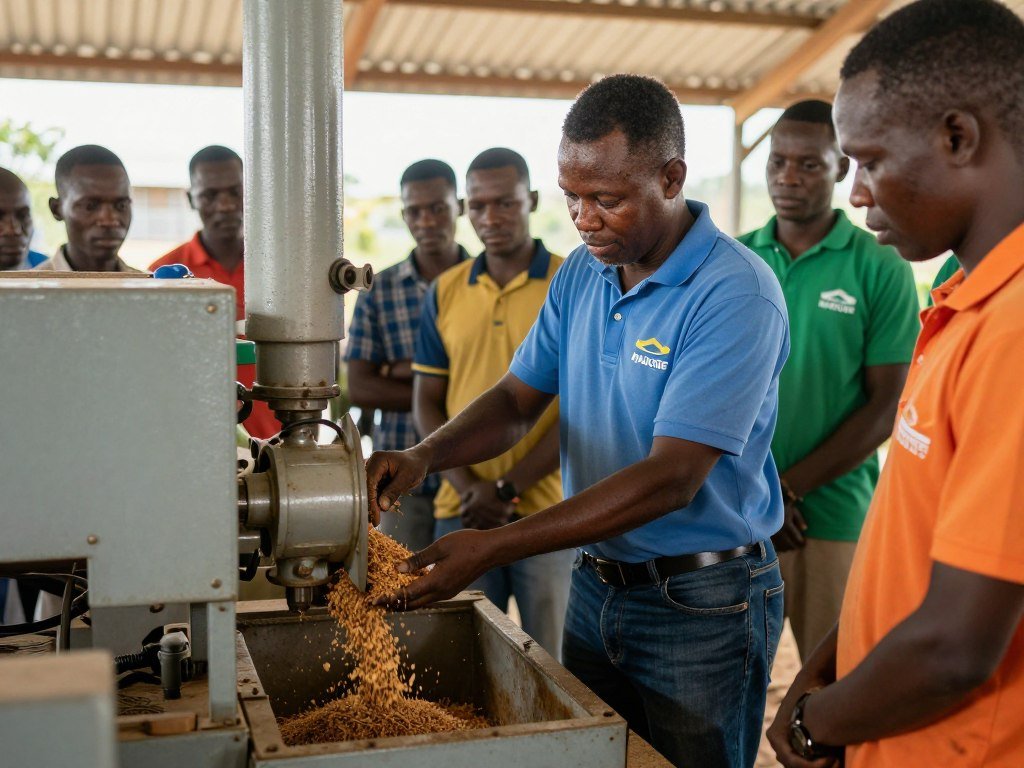
“The training MAIKONG provided made all the difference. Within two days, our team operated the equipment confidently. The WhatsApp support helps when questions arise. We haven’t experienced any serious problems in eight months of operation.”
Ongoing Support and Parts Availability
MAIKONG’s relationship with customers extends far beyond equipment sale. Comprehensive support ensures long-term success. Technical assistance remains available throughout equipment lifespan.
Technical Support
- WhatsApp: +86 135 1090 7401
- Response within 2 hours
- Video troubleshooting available
- Remote diagnostics when possible
- Escalation to engineers for complex issues
Spare Parts Service
- Common parts kept in stock
- 48-hour shipping commitment
- Genuine MAIKONG components
- Competitive pricing
- Technical guidance on replacement
Customer Resources
- Operation manuals (English)
- Video tutorials online
- Maintenance checklists
- Troubleshooting guides
- Recipe formulation assistance
Ready to Transform Your Livestock Operation?
Frequently Asked Questions About Feed Pellet Machines
South African farmers commonly ask these questions when considering pellet production equipment. MAIKONG’s experience with hundreds of installations provides clear, practical answers.
What is the minimum farm size justifying a feed pellet machine investment?
Economic viability depends on livestock numbers rather than land size. Generally, operations with 50+ cattle, 200+ sheep/goats, or 500+ poultry benefit from on-farm pellet production. Smaller operations can justify investment when forming cooperatives or selling excess capacity to neighbors. MAIKONG’s smallest machines (50-100 kg/hour) suit operations purchasing 1-2 tons commercial feed monthly.
Can I process any type of roughage in a feed pellet machine?
Most roughage types process successfully with proper preparation. Lucerne, grass hay, straw, and crop residues all work well. Materials require grinding to 3-5mm particle size before pelletization. Moisture content needs adjustment to 12-16% range. Some materials like fresh grass need pre-drying. Very woody materials (thick stalks, branches) require specialized heavy-duty grinder equipment. MAIKONG provides material-specific processing guidance during consultation.
How much electricity does a feed pellet machine consume?
Power consumption varies by capacity. Small units (50-150 kg/hour) typically use 4-7.5kW, consuming approximately 5-8 kWh per 100kg pellets produced. Medium units (300-500 kg/hour) require 15-22kW motor. Large industrial systems use 55-132kW. Actual consumption depends on material density and moisture. A typical small operation producing 200kg daily consumes about 15-20 kWh, costing R20-30 in electricity at standard South African rates. This represents minor cost compared to commercial feed savings.
What maintenance does a pellet machine require?
Daily maintenance takes 10-15 minutes: visual inspection of dies and rollers, bearing lubrication check, belt tension verification. Weekly tasks (30 minutes) include thorough cleaning and detailed component inspection. Every 1000-1500 hours, dies require replacement (2-3 hours). Rollers last 2000-3000 hours before replacement. MAIKONG designs facilitate easy maintenance with accessible service points. Most farmers perform routine maintenance themselves. Technical support via WhatsApp helps diagnose any unusual issues.
How long do pellets remain fresh in storage?
Properly produced and stored pellets maintain quality 6-12 months. Key factors include moisture content (should be below 12% after cooling), storage conditions (cool, dry location), and packaging (sealed bags preferred). Pellets stored in bulk bins require good ventilation preventing condensation. South African climate variations affect storage duration – coastal humidity areas demand better moisture control than drier inland regions. MAIKONG provides storage recommendations specific to your location and production volume.
Can I add vitamins and minerals to pelleted feed?
Yes, complete ration formulation possible with proper mixing. Micro-ingredients (vitamins, minerals, medications) require uniform distribution before pelletization. A quality mixer ensures even dispersion. Heat-sensitive ingredients may degrade during pelletization – coating after production solves this issue. MAIKONG provides formulation guidance matching livestock nutritional requirements. Many customers work with animal nutritionists developing balanced rations then produce them in-house at fraction of commercial feed cost.
What warranty and support does MAIKONG provide?
All MAIKONG equipment includes 12-month manufacturer warranty covering defects in materials and workmanship. Wear parts (dies, rollers, screens) excluded as these are consumables. Extended warranty options available. Comprehensive technical support continues throughout equipment lifespan via WhatsApp, email, and phone. South African customers receive guaranteed 2-hour response time during business hours. Spare parts ship within 48 hours of confirmed order. Annual service packages available for larger installations.
Can I produce pellets for sale to other farmers?
Many MAIKONG customers generate additional income through excess capacity sales. Neighboring farmers welcome access to affordable custom pellets. Regulations regarding commercial feed sales vary by province – check local requirements. Some customers operate on-farm feed mills serving their community. Others provide mobile pelletizing services traveling to client locations. MAIKONG supports these business models with appropriately scaled equipment and technical guidance. Profitable opportunities exist, particularly in areas with limited commercial feed availability.
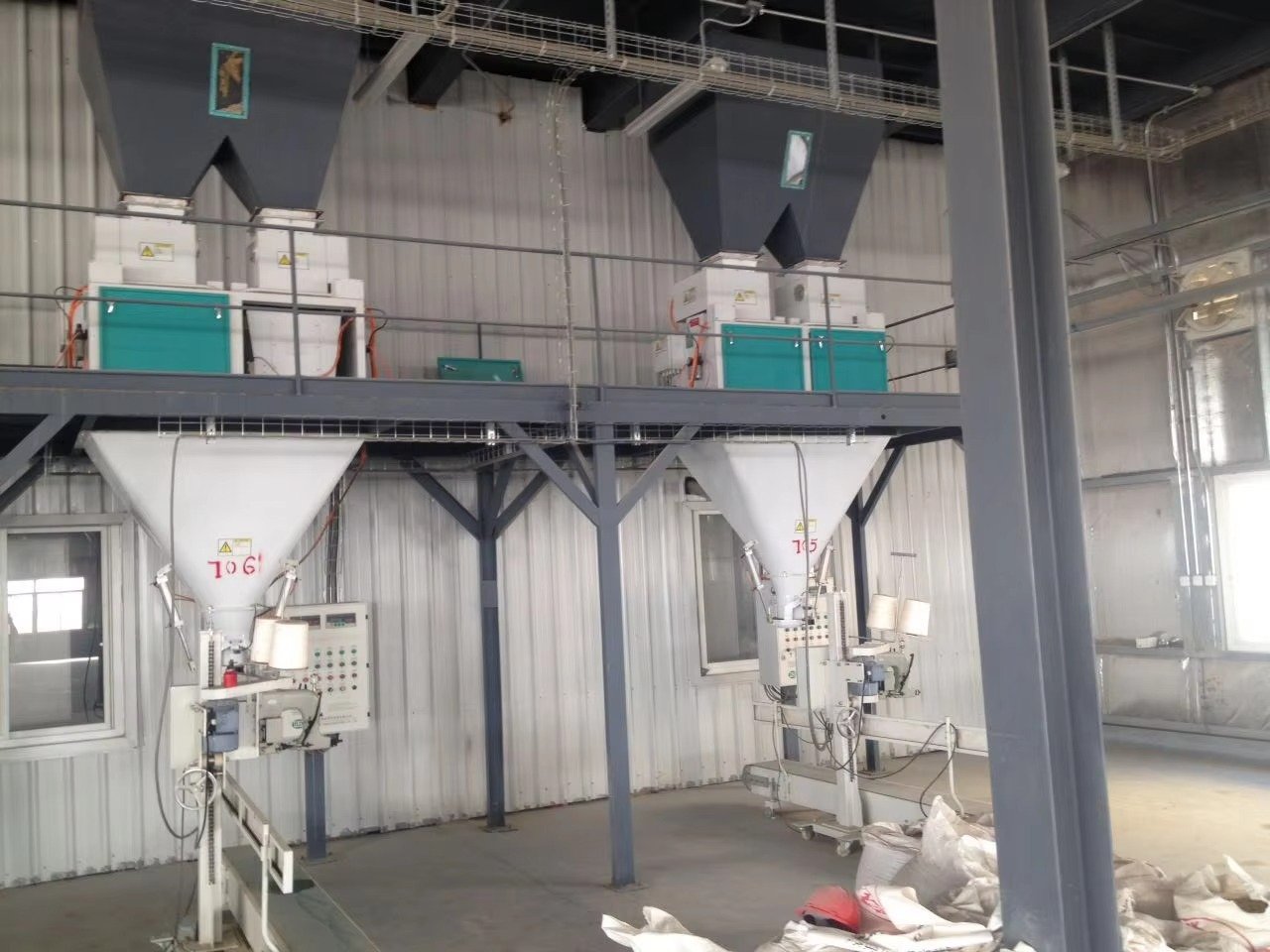
Take the Next Step Toward Feed Independence
Thousands of South African farmers already transformed their operations with MAIKONG feed pellet machines. Rising commercial feed costs continue squeezing profit margins. On-farm pellet production provides the solution – converting unused roughage into valuable nutrition while dramatically reducing expenses.
MAIKONG’s 20+ years manufacturing experience, comprehensive support infrastructure, and commitment to South African agriculture make us your ideal partner. Whether you manage a small family farm or large commercial operation, we provide equipment and expertise matching your specific requirements.
Multiple Ways to Connect with MAIKONG
WhatsApp Support
Fastest response for technical questions and quick consultations.
Available during business hours
Email Inquiries
Detailed questions, quotes, and partnership discussions.
Detailed responses within 24 hours
Phone Consultation
Direct voice connection with technical specialists.
Call for complex technical discussions
Comprehensive Inquiry Form
Provide detailed information enabling our team to prepare specific recommendations for your operation. Complete responses help us deliver accurate solutions matching your exact needs.
Visit Our Online Resources
Explore MAIKONG’s complete product range and technical resources through our website. Detailed specifications, case studies, and educational content help you make informed decisions.
Product Categories
Company Information
Start Your Feed Independence Journey Today
Don’t let rising feed costs continue eroding your profitability. Join hundreds of successful South African farmers who transformed their operations with MAIKONG feed pellet machines. Our technical team stands ready to design the perfect solution for your specific needs.
Your Path Forward: From Commercial Feed Dependency to Self-Sufficiency
South African livestock farmers face unprecedented challenges. Commercial feed prices increase relentlessly. Climate variability affects feed availability. Import dependencies create supply uncertainties. Yet within these challenges lies opportunity – the chance to take control of your feed supply and dramatically improve profitability.
A feed pellet machine represents more than equipment purchase. It symbolizes independence from commercial feed suppliers. It means converting unused farm resources into valuable nutrition. It delivers consistent quality regardless of market conditions. Most importantly, it puts profitability back in your hands.
MAIKONG brings two decades of manufacturing excellence to South African agriculture. Our machines handle the unique roughage materials abundant on your farms. Our support infrastructure ensures you never face technical challenges alone. Our customization capabilities mean equipment perfectly matches your specific requirements.
The farmers featured in these case studies started exactly where you stand now – evaluating options, calculating costs, wondering if investment made sense. Today they enjoy reduced feed expenses, improved livestock performance, and newfound independence. Their success proves the viability of on-farm pellet production across different scales and livestock types.
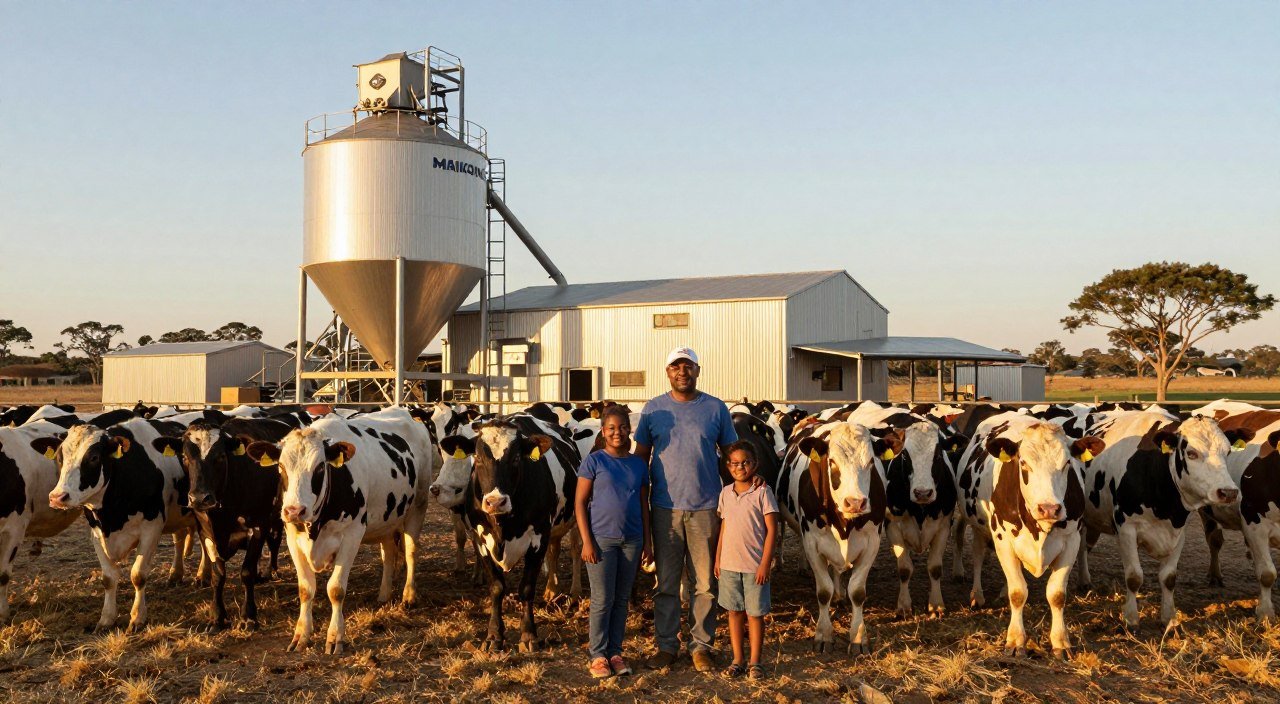
Your journey toward feed independence begins with a single conversation. Whether through WhatsApp, email, or phone, MAIKONG’s team stands ready to discuss your specific situation. We’ll analyze your livestock requirements, evaluate available materials, recommend appropriate equipment, and project realistic financial returns. No obligation, no pressure – just honest, professional guidance based on extensive experience.
The question isn’t whether you can afford a feed pellet machine. The real question is whether you can afford to continue current feed expenses. Calculate your annual commercial feed costs. Project next year’s increases. Compare against pellet production expenses and equipment investment. The numbers speak clearly – on-farm production makes financial sense for most operations.
Take that first step today. Contact MAIKONG through your preferred channel. Share your situation. Ask questions. Get specific answers tailored to your farm. Discover how hundreds of South African farmers transformed their operations – and how you can join them.
MAIKONG: Building South African feed independence, one farm at a time.
Multiple Contact Options – Choose What Works Best for You:
