This guide covers everything you need to know about feed pellet machines. You will learn about machine types, capacity options, and production processes. We will explore costs, benefits, and real results from African farms. By the end, you will understand exactly which pellet machine fits your operation.
Quail Feed Requirements and Pellet Production
Quail birds need specific nutrition at different life stages. Young chicks require 24-28% protein content. Adult layers need 18-20% protein for optimal egg production. Meat quail perform best with 22-24% protein formulations.
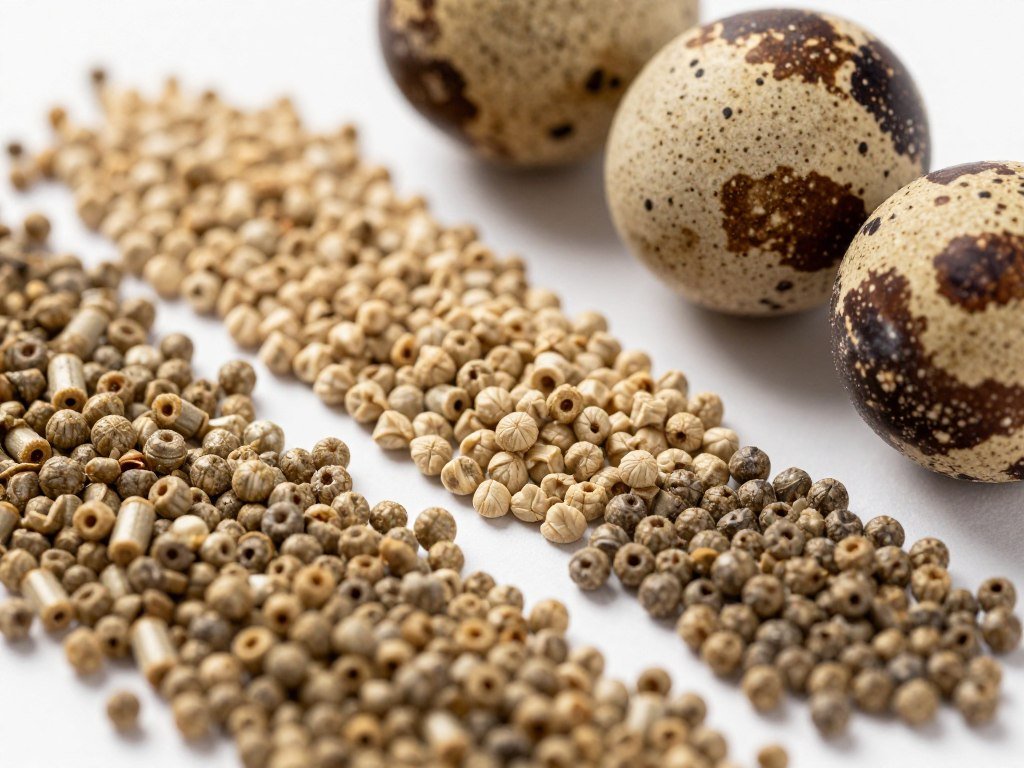
The pellet feed format offers several advantages over mash feed. Pellets reduce waste by 15-20% compared to loose feed. Birds cannot selectively pick ingredients from pellets made correctly. This ensures balanced nutrition in every bite.
Why Pellet Format Matters for Quail
Quail have small beaks and fast metabolisms. Mash feed creates dust that irritates their respiratory systems. Feed pellets eliminate this dust problem entirely. The compact form also makes storage and handling much easier.
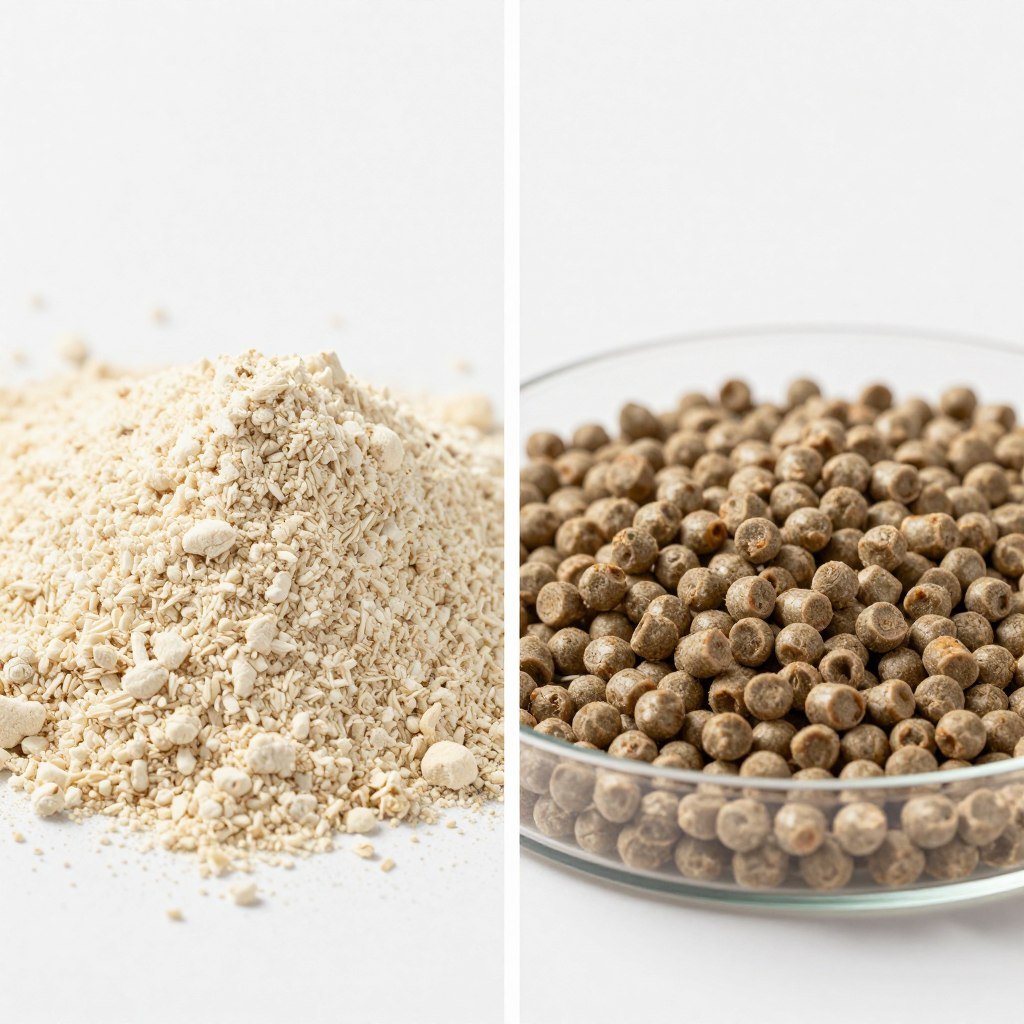
Pellet density affects digestibility and growth rates. Proper pellet making creates the right density for quail digestion. MAIKONG machines produce pellets with consistent density throughout each batch.
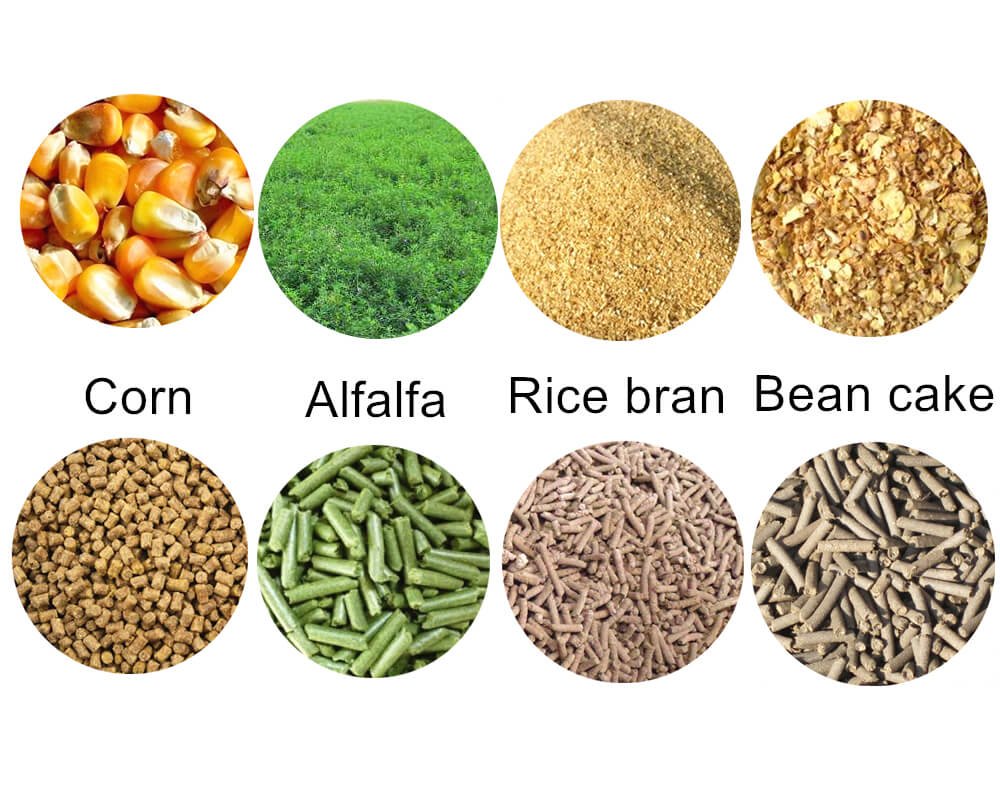
Raw Materials Commonly Used
- Maize (40-50% of formulation)
- Soybean meal (20-30%)
- Fish meal (5-8%)
- Limestone (5-7%)
- Premix vitamins (2-3%)
- Vegetable oil (2-4%)
Benefits of On-Site Production
- Cost savings of 30-40%
- Fresh feed without preservatives
- Custom formulations for your flock
- No dependency on suppliers
- Control over ingredient quality
- Reduced storage space needs
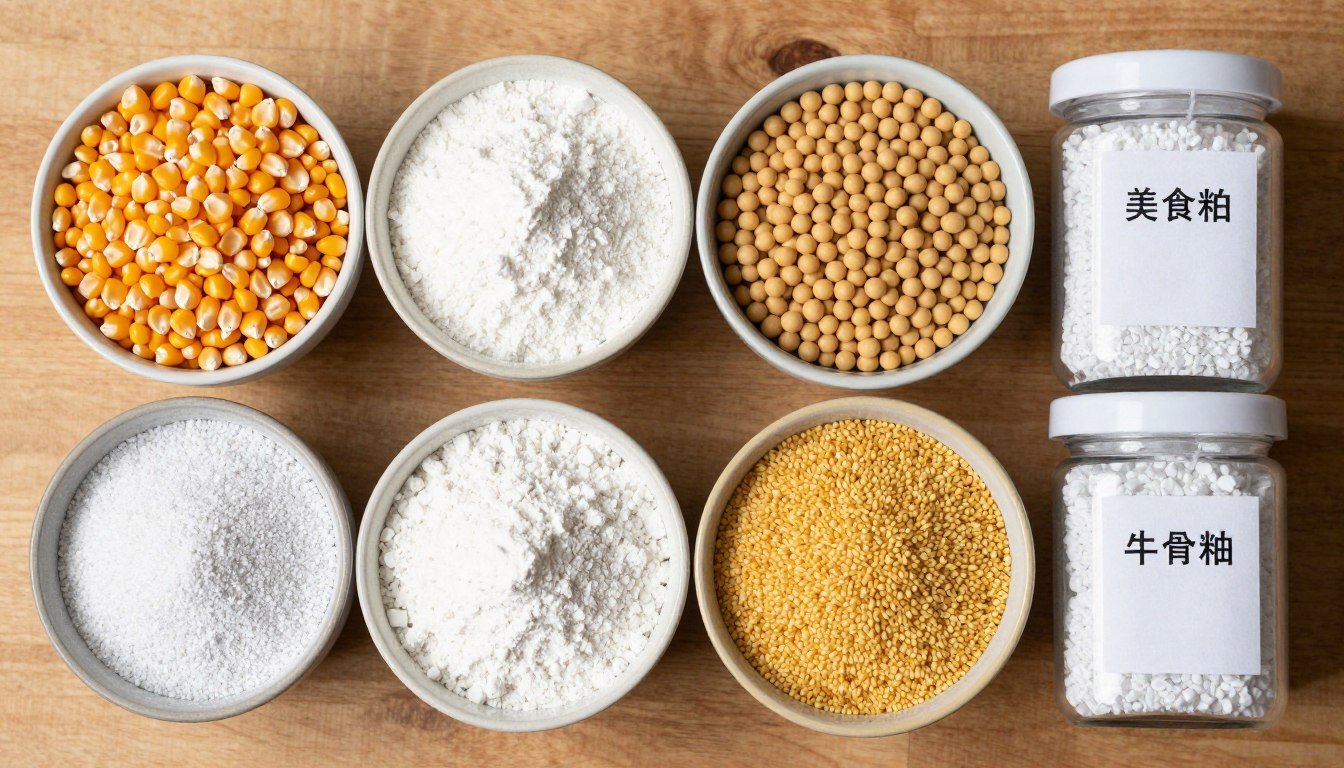
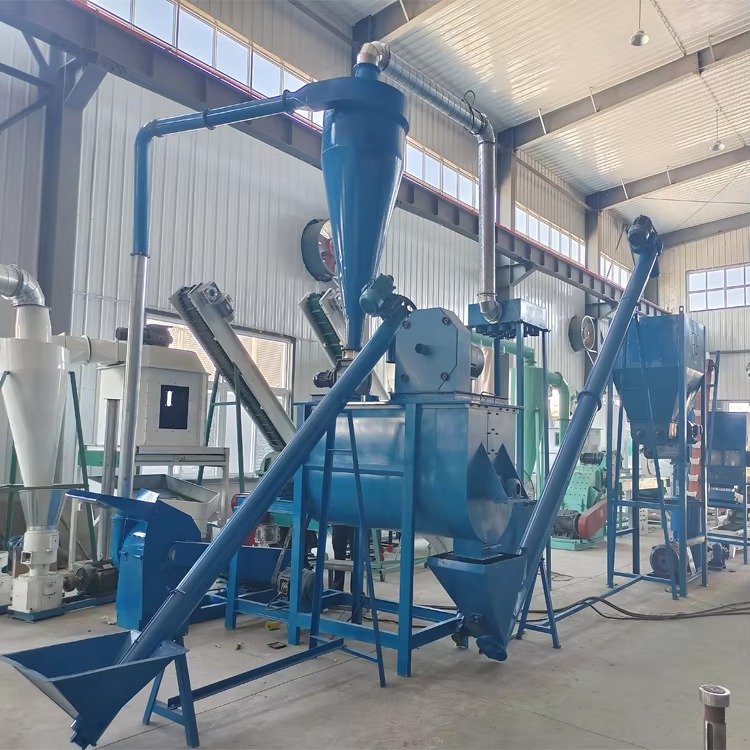
The feed pellet making machine process involves several steps. First, a grinder reduces raw materials to proper particle size. Then a mixer blends ingredients uniformly. The pellet mill compresses this mixture through a die. Finally, cooling and packaging prepare pellets for storage.
Pellet Size Specifications for Quail
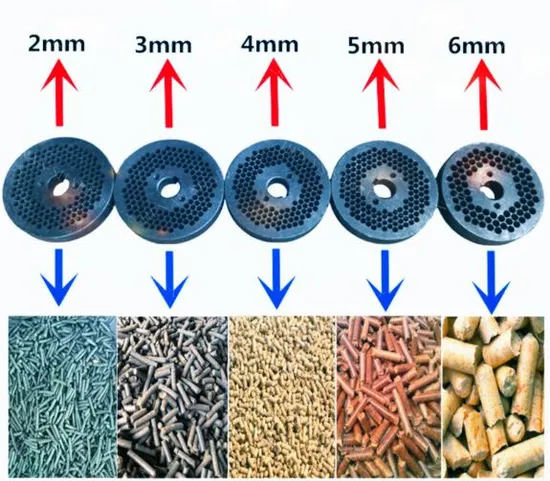
Chick starter feed requires 2mm diameter pellets. Grower feed works best at 3mm diameter. Layer and breeder quail need 3-4mm pellets. MAIKONG equipment handles all these size requirements with simple die changes.
Feed processing temperature affects pellet quality significantly. Proper heat treatment kills harmful bacteria in raw materials. The pelletizing machine generates heat through compression. This heat also improves starch gelatinization for better digestion.
Types of Quail Feed Manufacturing Machine Available
The market offers several machine categories for feed production. Each type suits different operation scales and budgets. Understanding these differences helps you make the right investment decision.
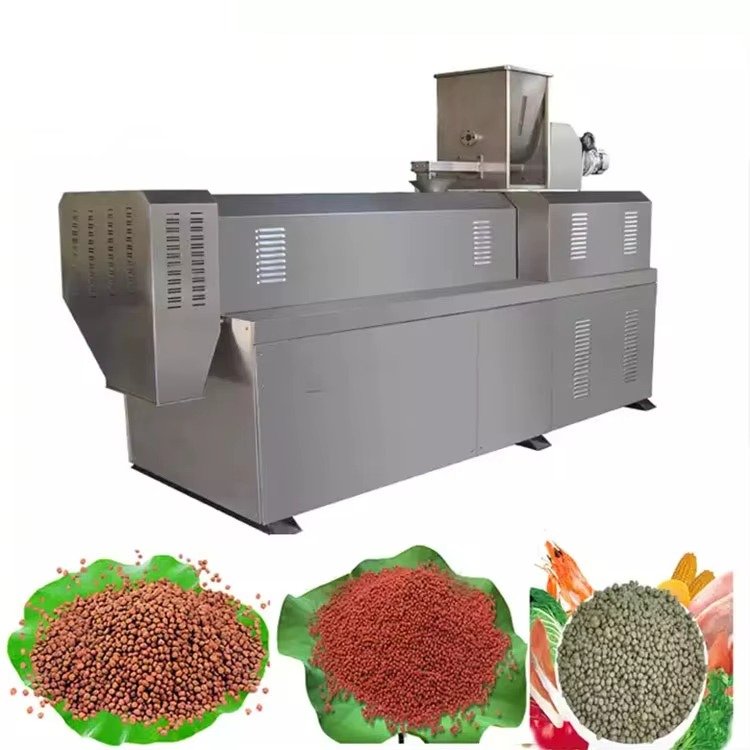
Manual Feed Pellet Machine
The manual feed pellet machine serves small-scale operations perfectly. These machines require hand-cranking or foot-pedal operation. Production capacity ranges from 50-100 kg per hour. No electricity connection is needed for operation.
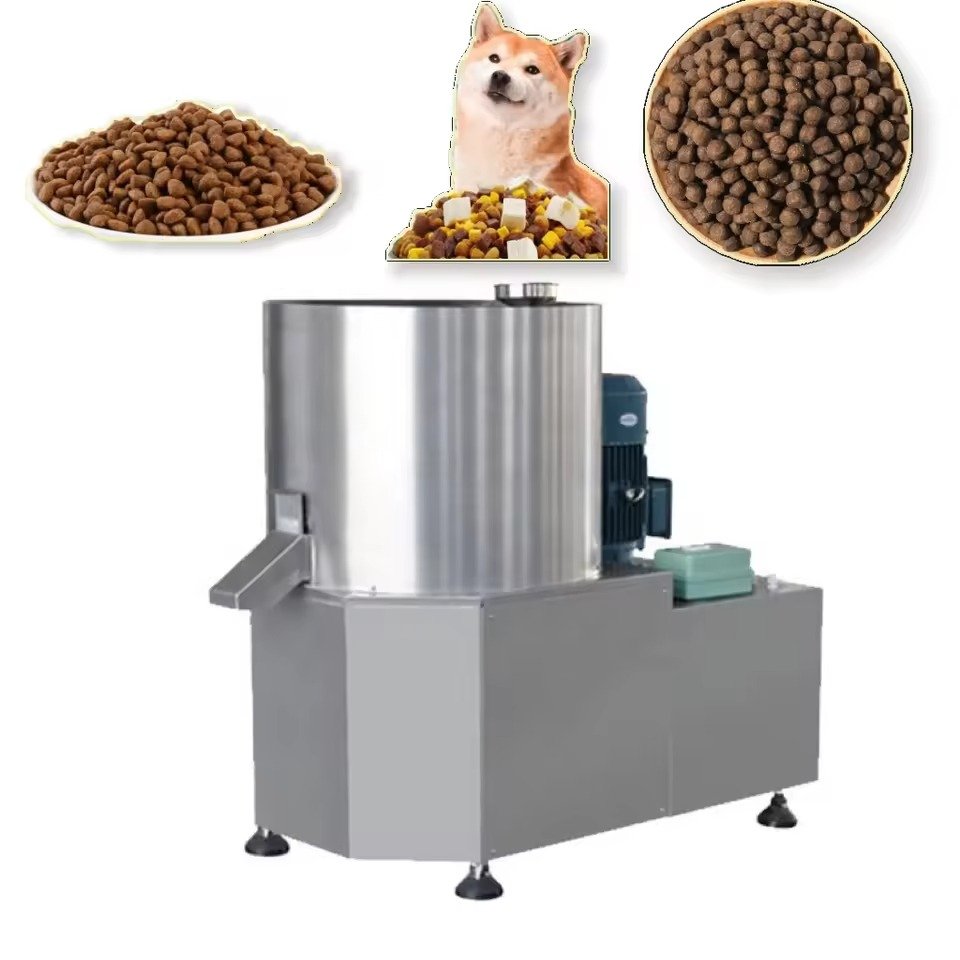
Manual machines cost significantly less than powered units. Initial investment starts around R15,000-R25,000. These units work well for flocks under 500 birds. Maintenance requirements are minimal due to simple construction.
Manual Machine Advantages
- Low initial cost
- No electricity needed
- Easy to maintain
- Portable design
- Perfect for testing
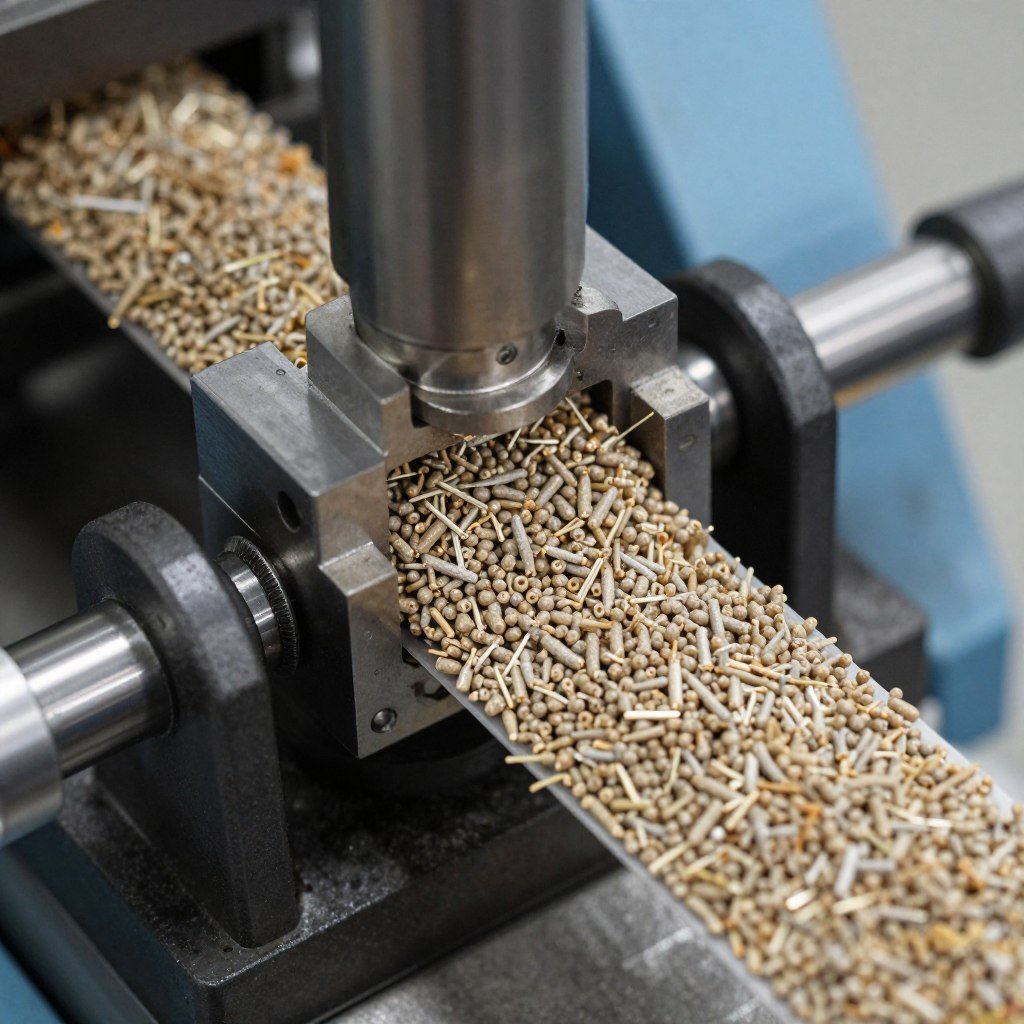
Small-Scale Electric Feed Pellet Machine
Electric machines bring automation to small and medium farms. These units feature motor-driven compression systems. Capacity ranges from 100-500 kg per hour depending on motor power. Most models run on standard 220V or 380V power supplies.
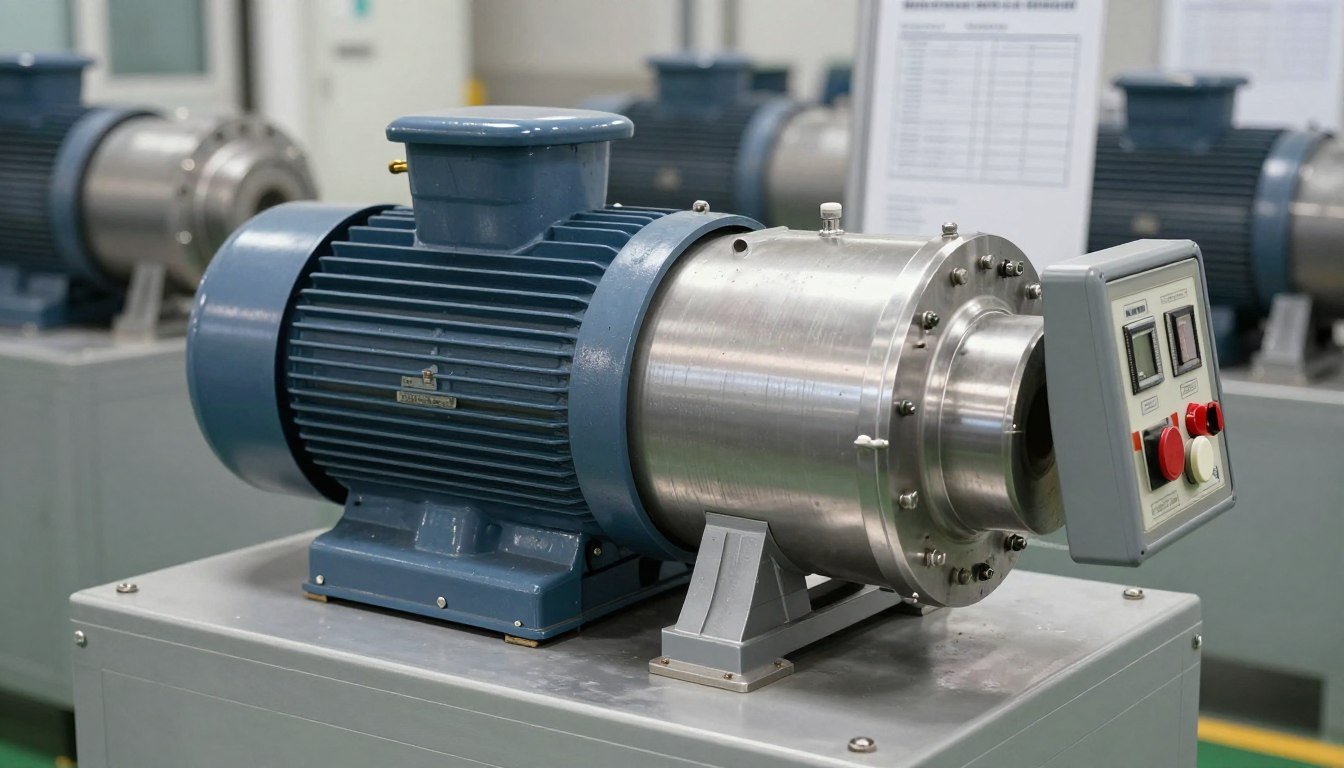
The small feed pellet machine price varies by capacity and features. Entry-level electric models start around R45,000. Mid-range units with 5-7.5 kW motors cost R75,000-R120,000. These machines suit flocks of 1,000-5,000 quail birds.
MAIKONG PM-120 Model
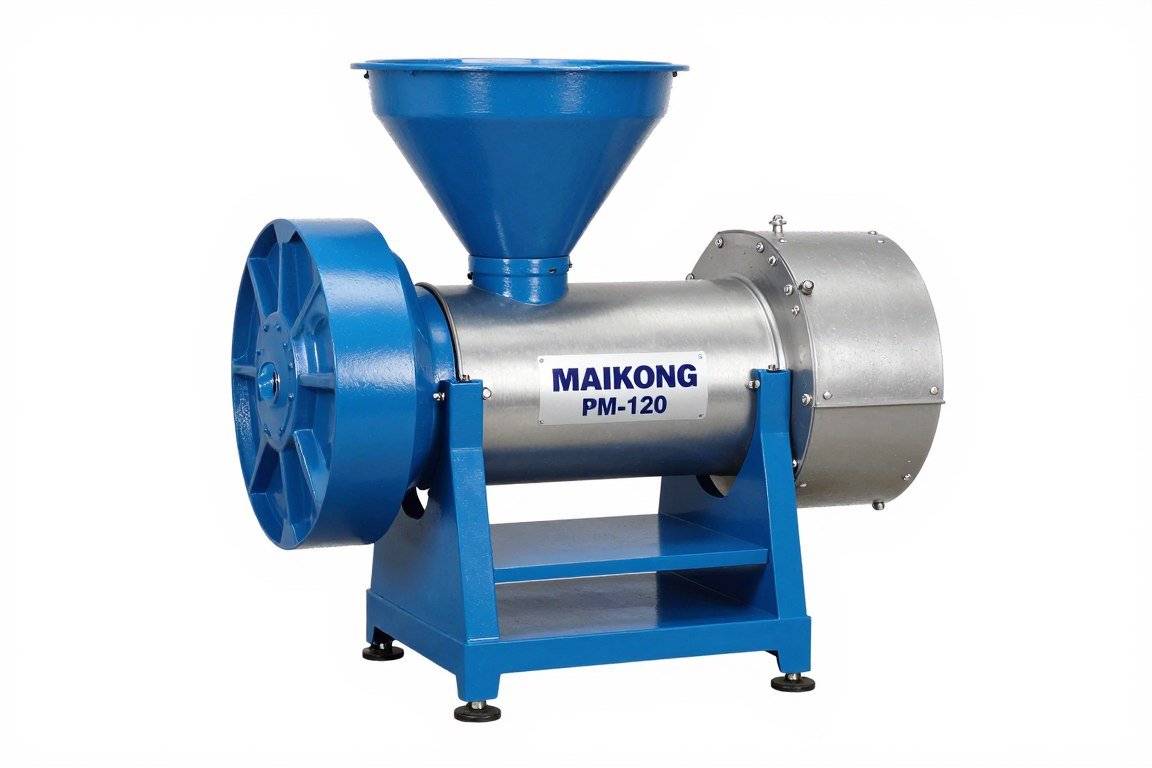
Capacity: 100-120 kg/hour
Motor: 3 kW / 220V
Pellet sizes: 2-4mm
Ideal for: 500-1,500 birds
MAIKONG PM-200 Model
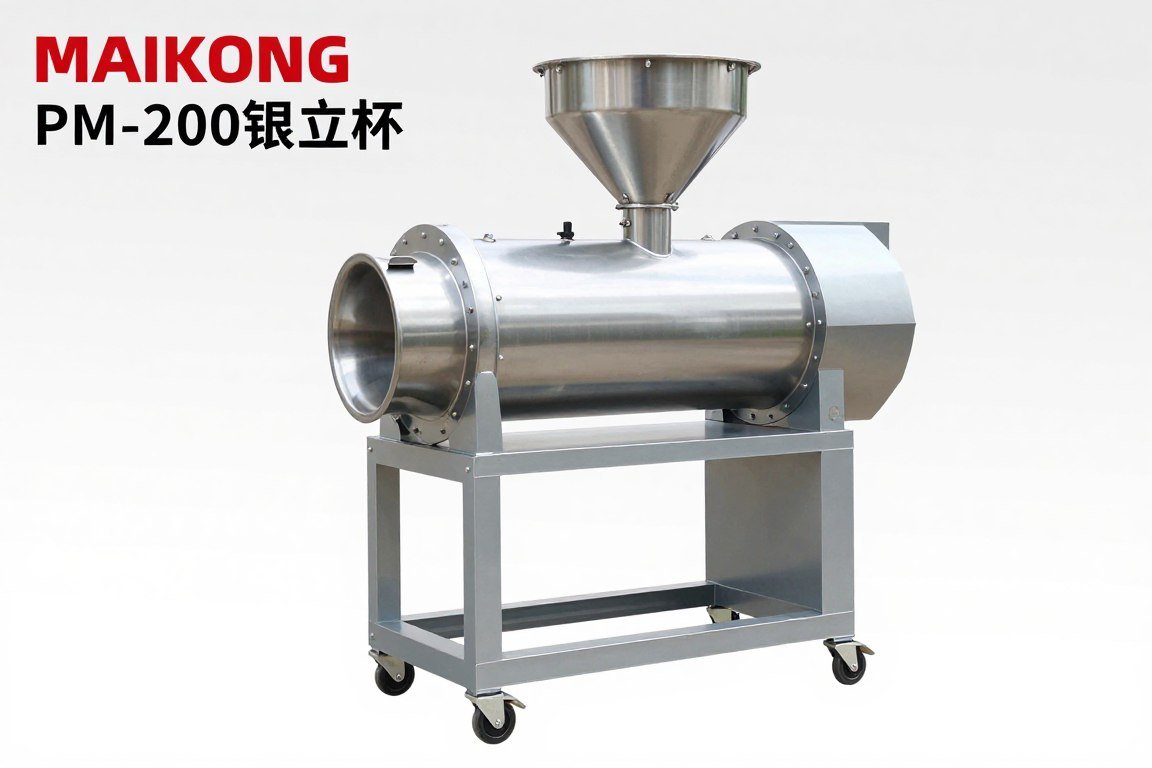
Capacity: 200-250 kg/hour
Motor: 7.5 kW / 380V
Pellet sizes: 2-6mm
Ideal for: 1,500-3,500 birds
MAIKONG PM-300 Model
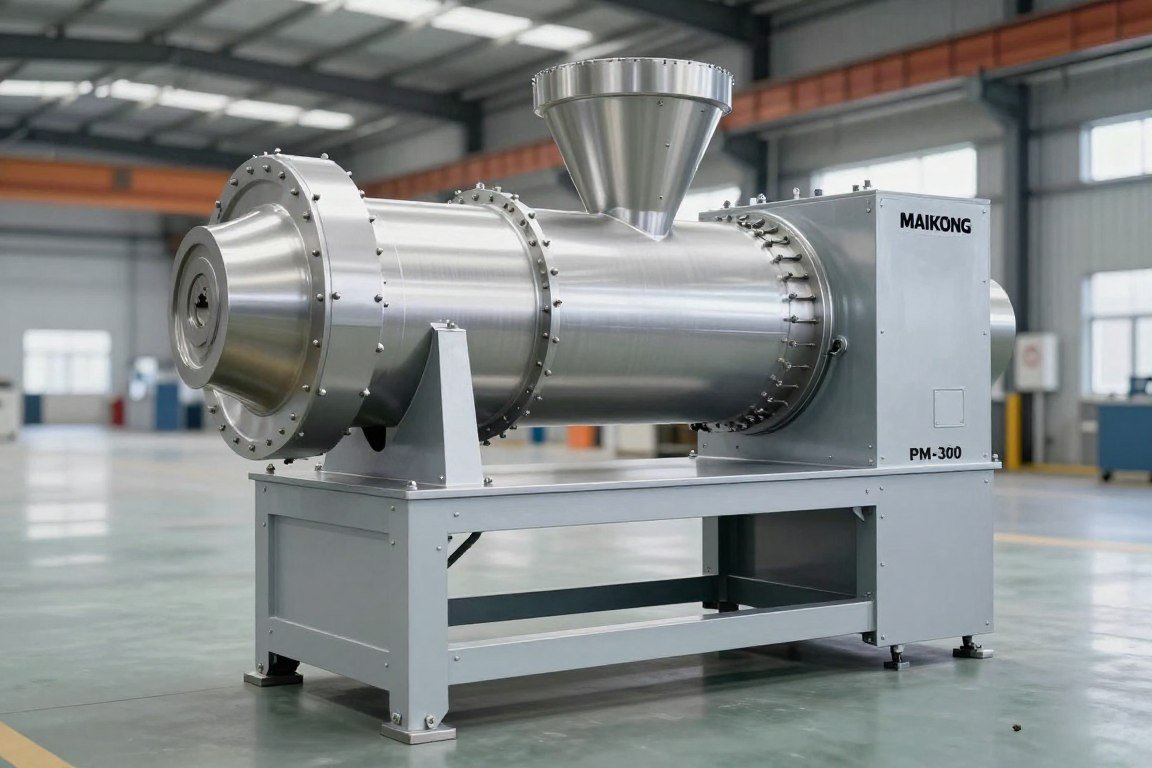
Capacity: 300-400 kg/hour
Motor: 15 kW / 380V
Pellet sizes: 2-8mm
Ideal for: 3,500-7,000 birds
Complete Feed Production Lines
Large operations benefit from integrated production systems. A complete line includes all necessary equipment and machinery. Components work together for continuous feed manufacturing.
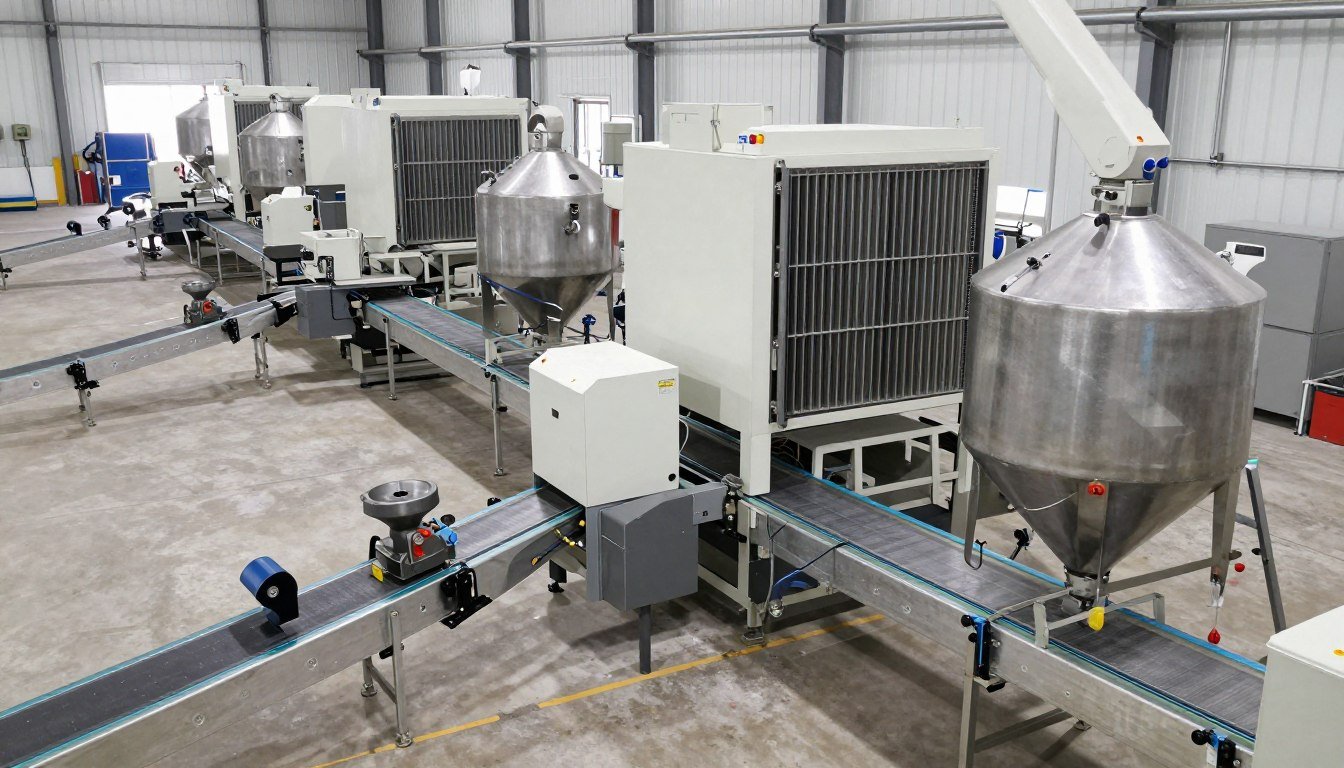
Typical production line components include:
- Raw material receiving and storage system
- Cleaning and screening equipment
- Grinding machinery (grinder or hammer mill)
- Mixing system for ingredient blending
- Pellet mill for compression
- Cooling system for finished pellets
- Screening and grading equipment
- Automatic packaging system
- Control panel for entire line
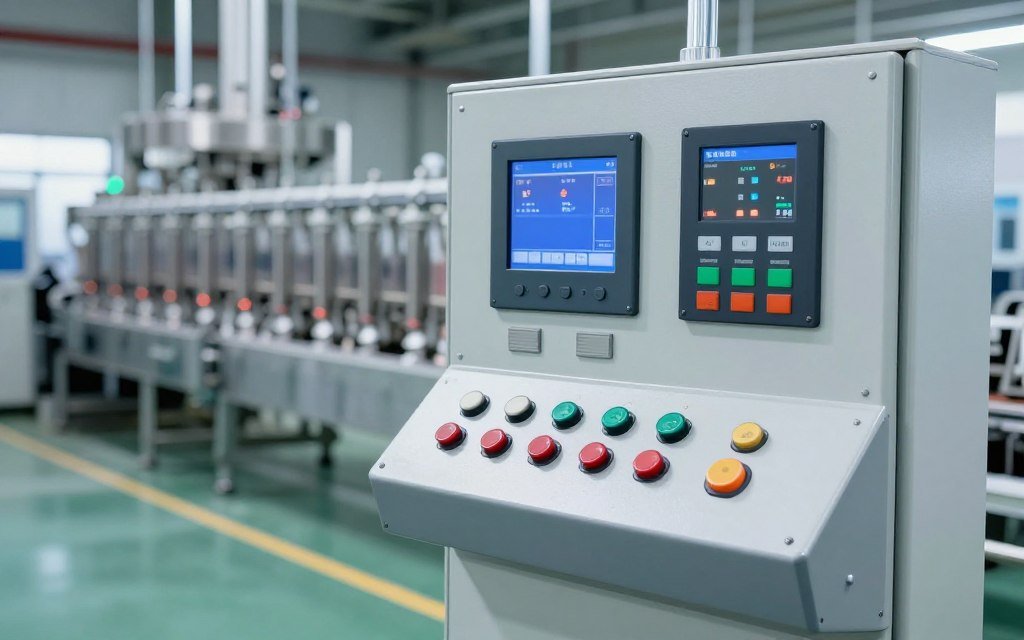
Complete lines produce 1-5 tons per hour depending on configuration. Investment ranges from R500,000 to R2,500,000. These systems suit large farms, commercial feed manufacturers, and cooperatives.
Specialized Poultry Feed Pellet Machine
Some machines are designed specifically for poultry feed. These units optimize pellet characteristics for bird consumption. Die design, compression ratio, and cooling systems all target poultry requirements.
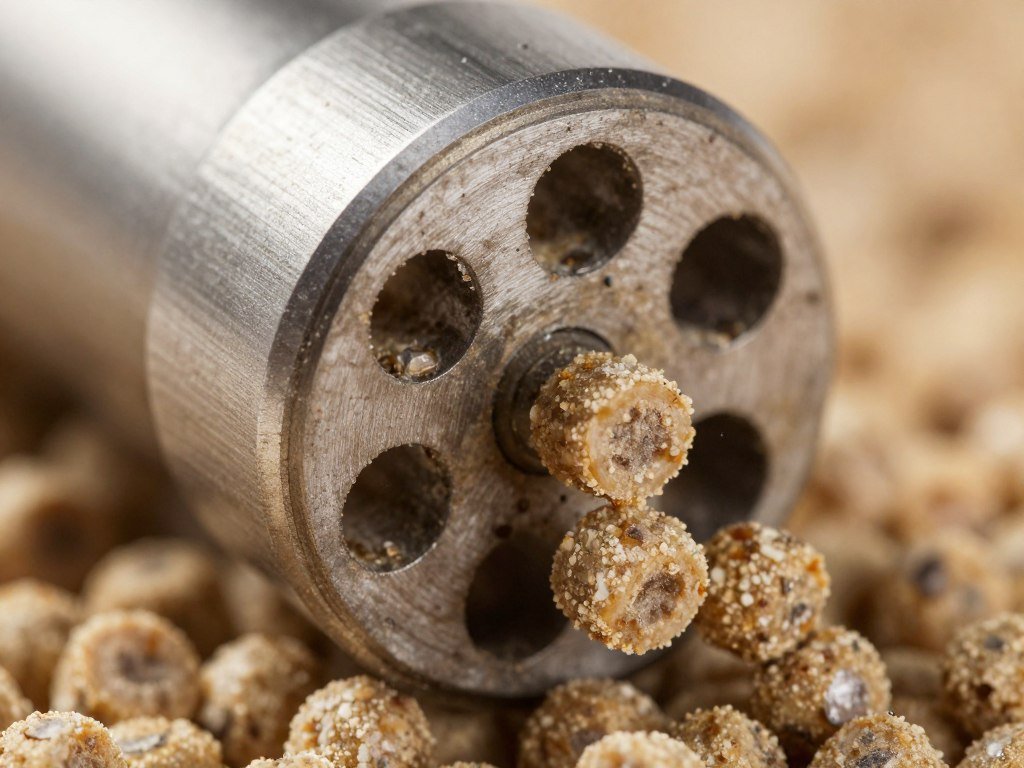
The poultry feed pellet machine creates harder pellets than standard models. This hardness prevents crumbling during handling and storage. Pellets maintain their form even in automatic feeding systems.
MAIKONG specializes in poultry feed equipment for African markets. Our machines handle local grain varieties effectively. Designs account for South African climate conditions and power supply variations.
Feed Pellet Making Process Step by Step
Understanding the production process helps you operate equipment efficiently. Each step affects final pellet quality and feed performance. Proper processing ensures consistent results batch after batch.
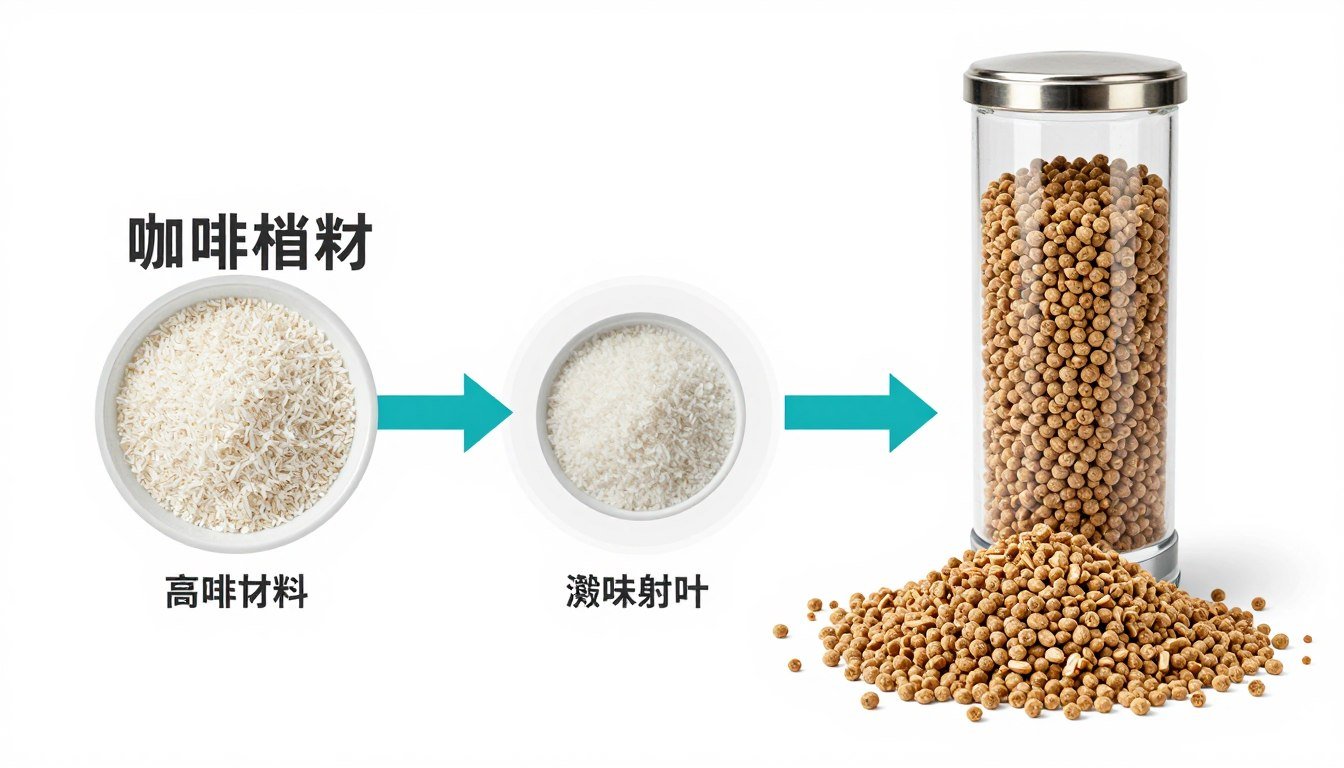
Step 1: Raw Material Preparation
Quality feed starts with quality ingredients. Inspect all raw materials for moisture content and contamination. Corn should have less than 14% moisture. Soybean meal works best under 12% moisture.
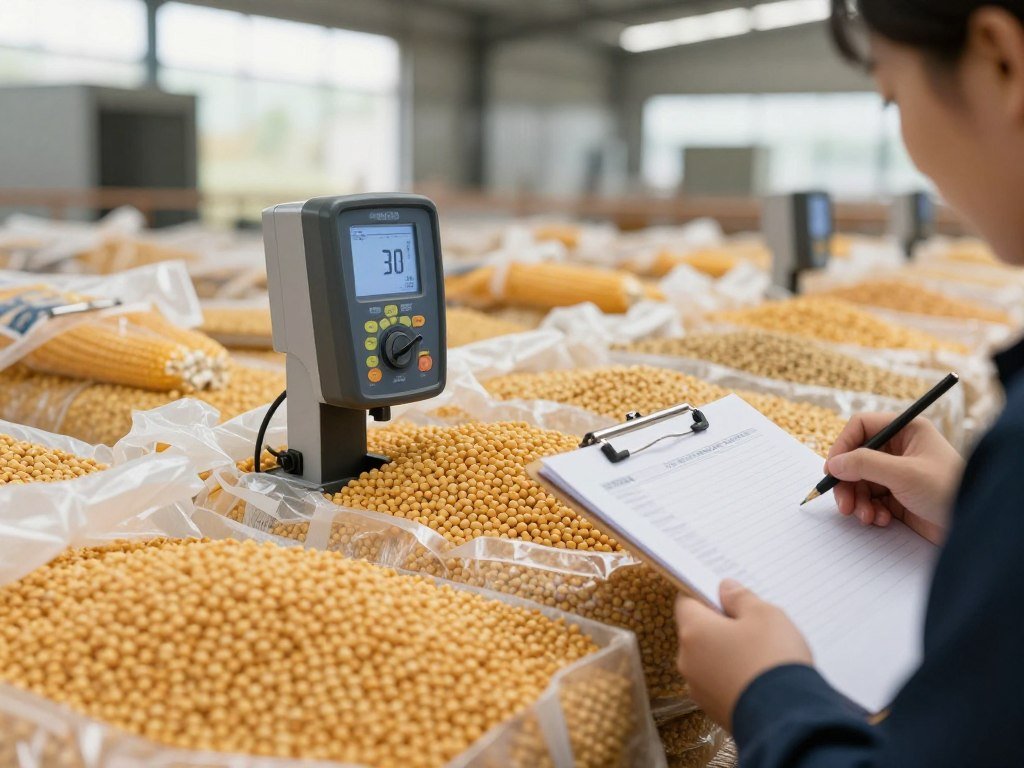
Store ingredients in dry, ventilated spaces away from direct sunlight. Separate storage prevents cross-contamination between materials. Label containers clearly with ingredient names and dates.
Step 2: Grinding and Size Reduction
The grinder reduces particle size for better mixing and compression. Hammer mills work well for most grain materials. Screen size determines final particle dimensions.
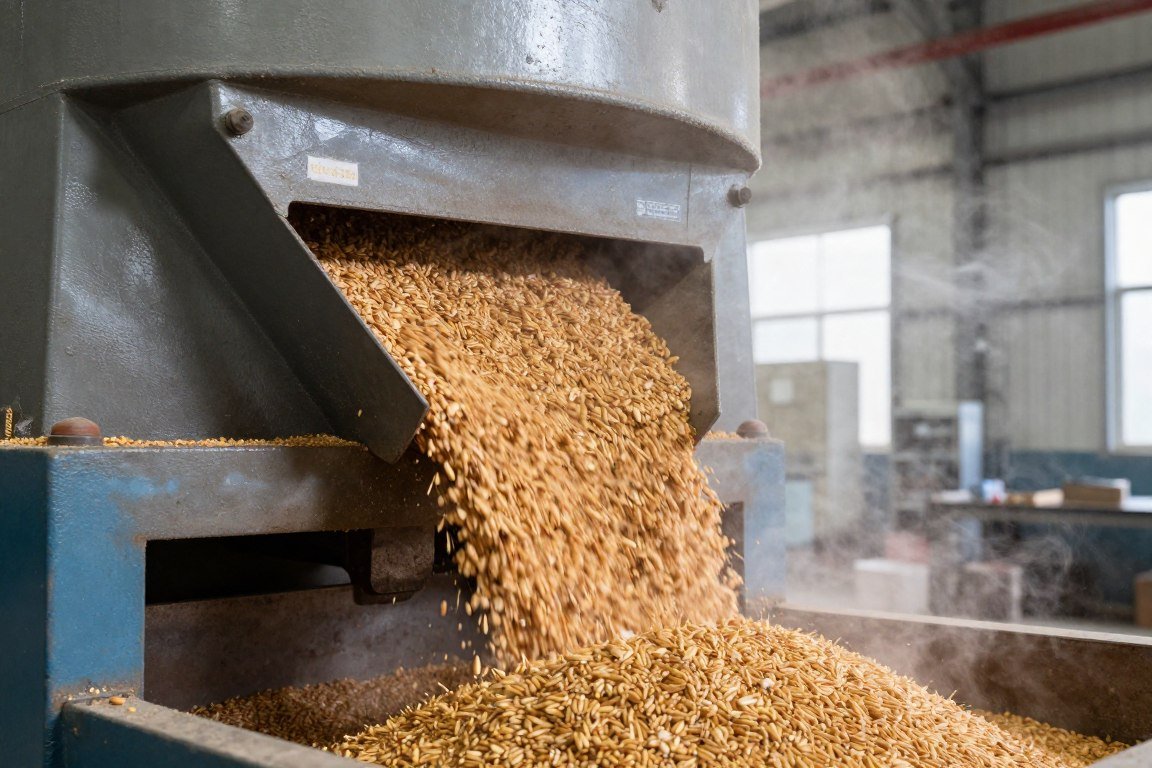
Quail feed requires particles between 0.5-2.0mm diameter. Smaller particles compress into stronger pellets. Too-fine grinding wastes energy and creates excess dust. The ideal particle size balances pellet quality with energy efficiency.
Step 3: Ingredient Mixing
Uniform mixing ensures every pellet contains balanced nutrition. Ribbon mixers or paddle mixers work well for feed ingredients. Mixing time typically runs 5-10 minutes per batch.
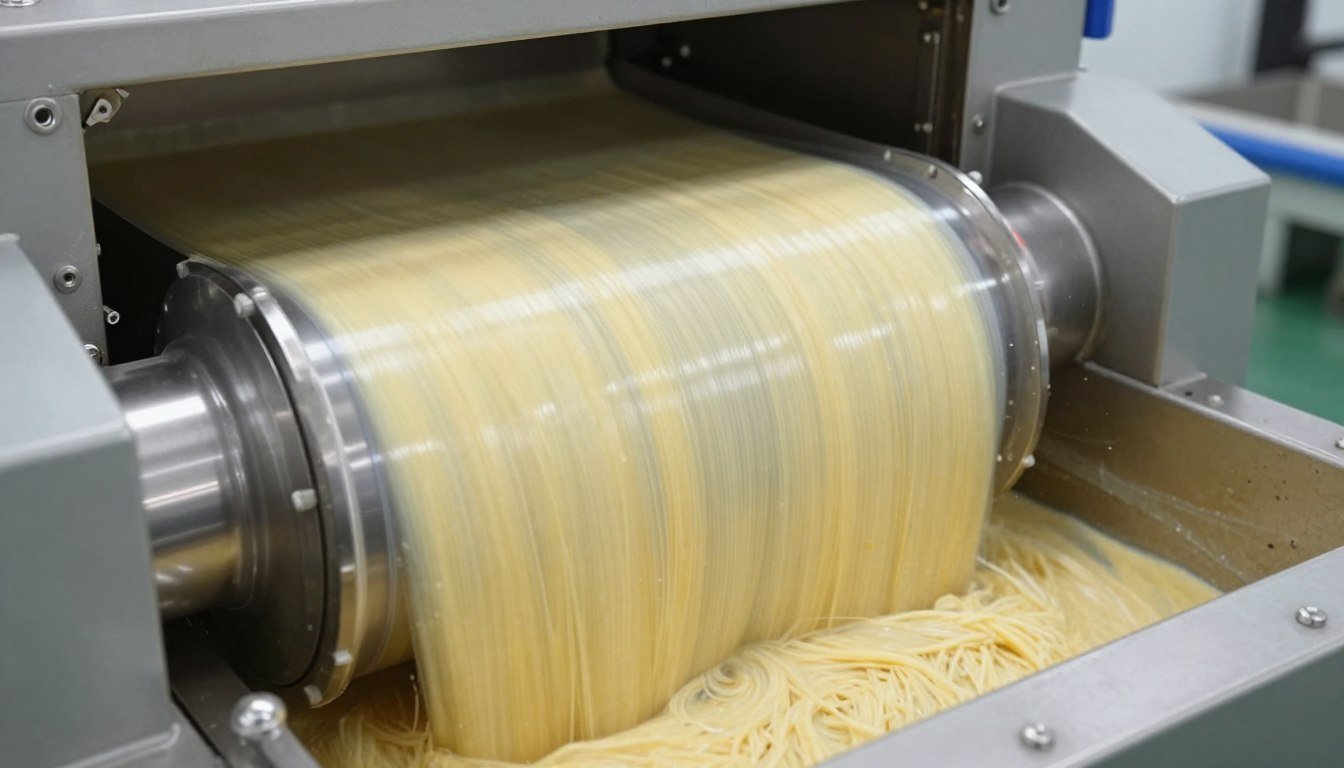
Add liquid ingredients like oil during mixing. Water addition at 2-3% moisture improves pellet formation. Over-wetting causes pellets to crack during cooling. Under-wetting produces crumbly pellets.
Mixing Sequence
- Add dry ingredients first
- Run mixer for 2 minutes
- Add micro-ingredients (vitamins, minerals)
- Run mixer for 3 minutes
- Add liquids (oil, water)
- Run mixer for final 3 minutes
- Check mixture uniformity
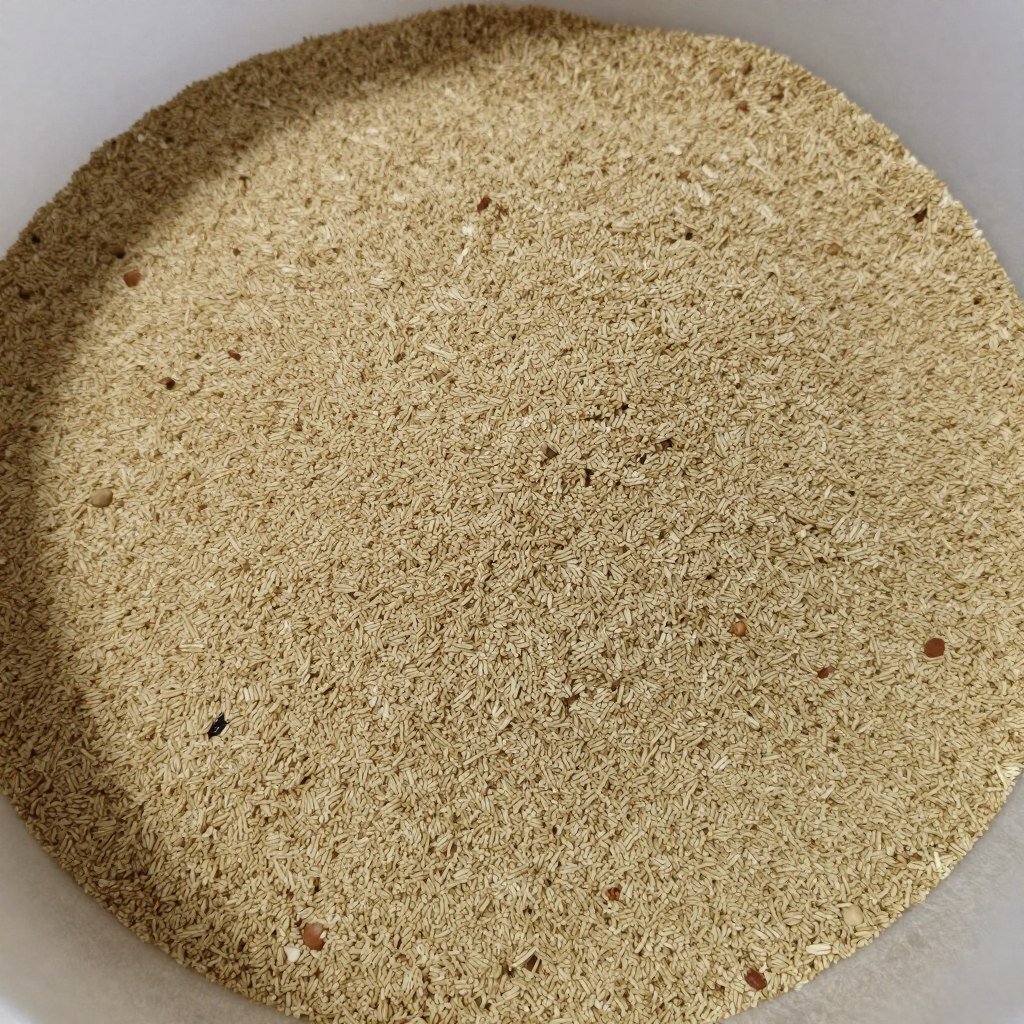
Step 4: Conditioning (For Advanced Systems)
Conditioning adds steam and heat before pelletizing. This step gelatinizes starches and softens ingredients. Conditioned material forms stronger pellets with better durability.
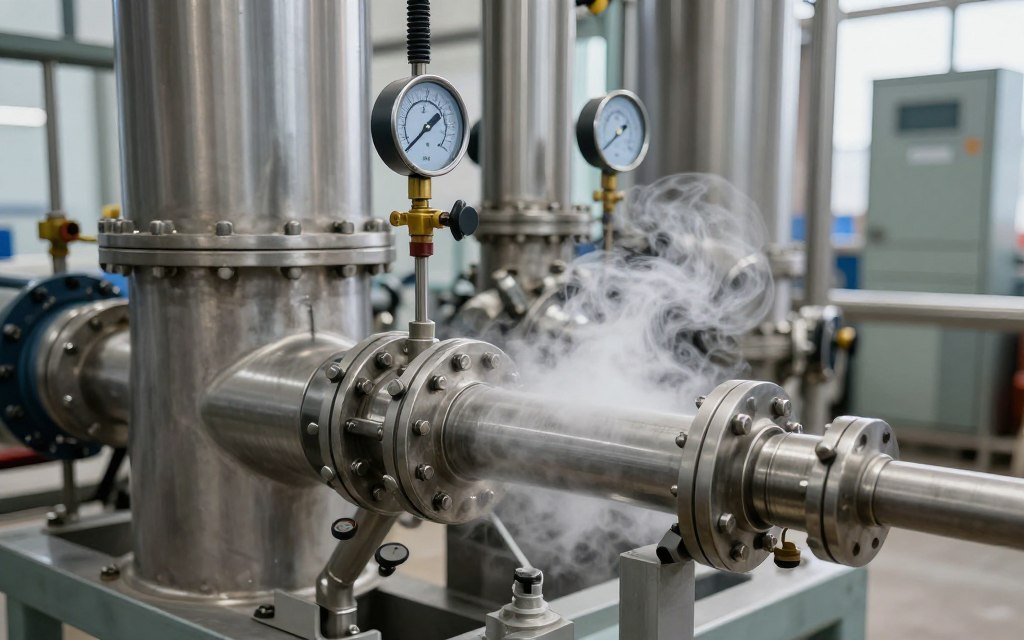
Conditioning temperature ranges from 75-85°C for poultry feed. Treatment time lasts 30-60 seconds typically. Not all machines include conditioning systems. Smaller units rely on friction heat during compression.
Step 5: Pelletizing Compression
The pellet mill compresses mixture through a die. Rollers press material into die holes under high pressure. Heat generated during compression reaches 80-90°C.
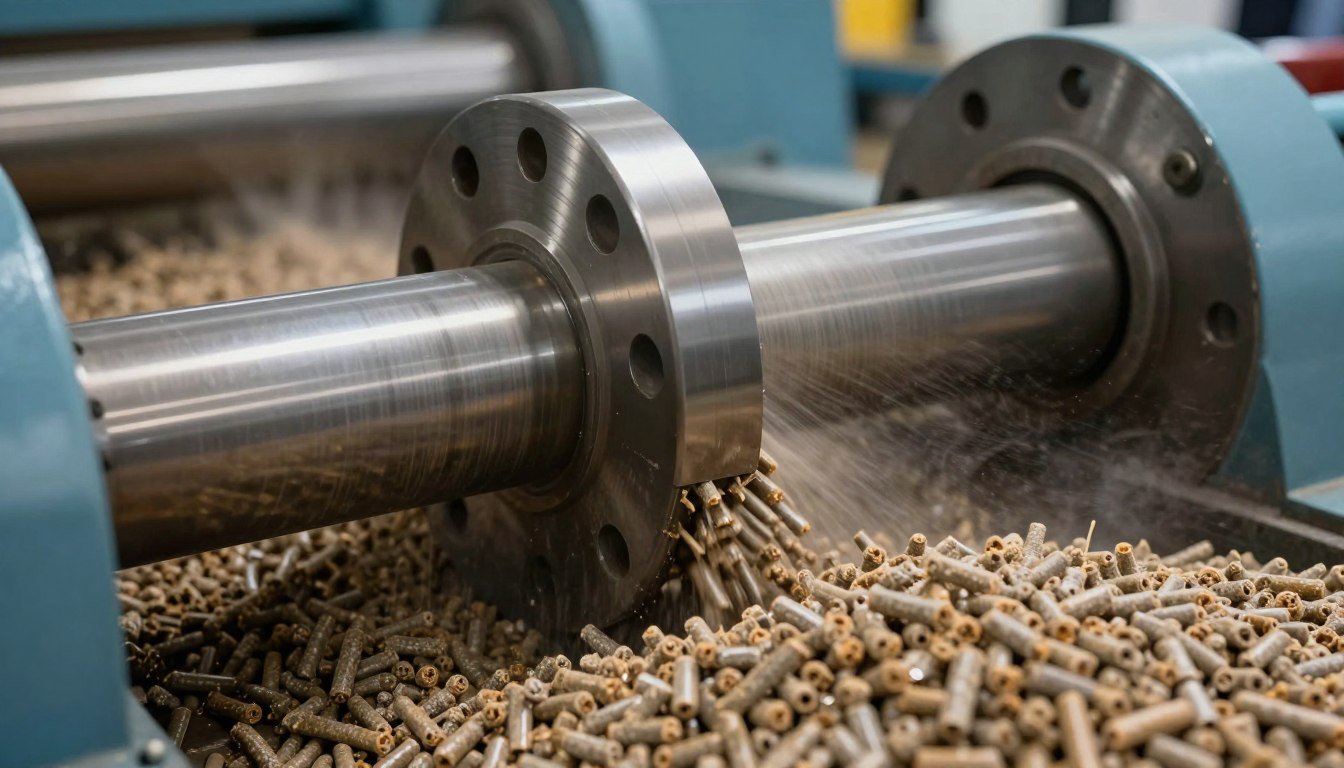
Die hole diameter determines pellet size. Compression ratio affects pellet density and durability. Higher ratios create harder pellets but require more power. MAIKONG machines optimize compression for energy efficiency.
Fresh pellets emerge hot from the die at 75-85°C. Moisture content drops during compression from heat. Pellets are soft and fragile immediately after formation.
Step 6: Cooling and Drying
Cooling stabilizes pellets and removes excess moisture. Counter-flow coolers work best for feed pellets. Cool air moves upward while pellets move downward.
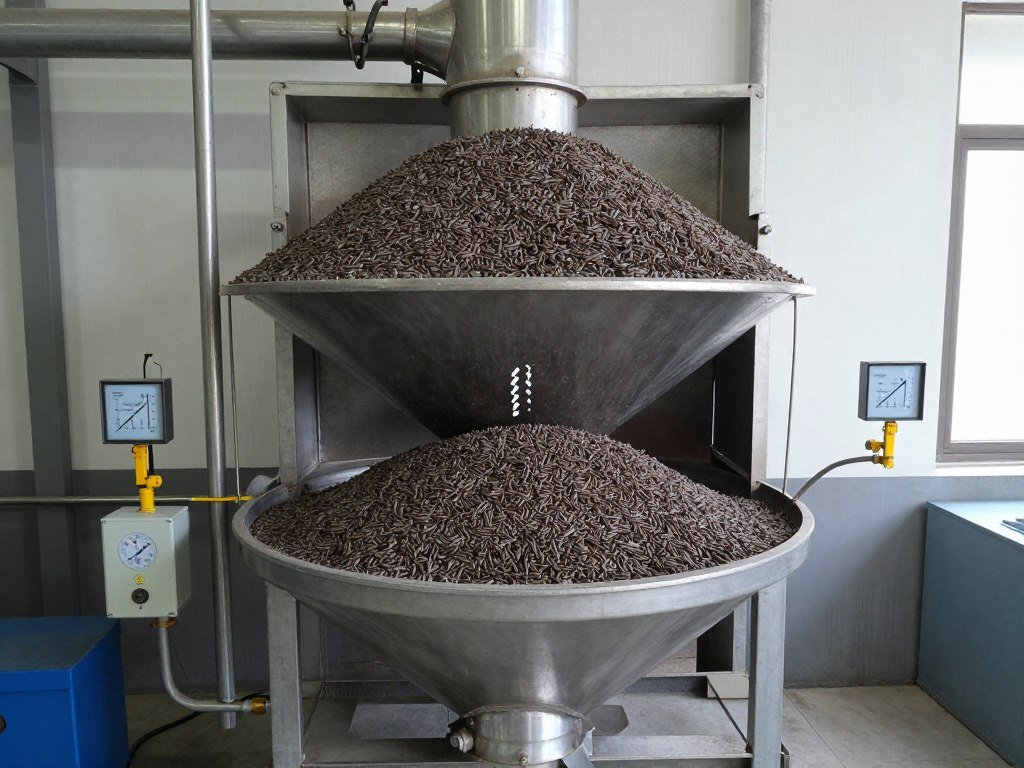
Cooling time ranges from 10-20 minutes depending on pellet size. Final temperature should be within 5°C of ambient temperature. Properly cooled pellets harden and resist breakage during handling.
Step 7: Screening and Quality Control
Screens remove dust and broken pellets from finished product. Crumbles get recycled back to the mixer. Only intact pellets proceed to packaging.
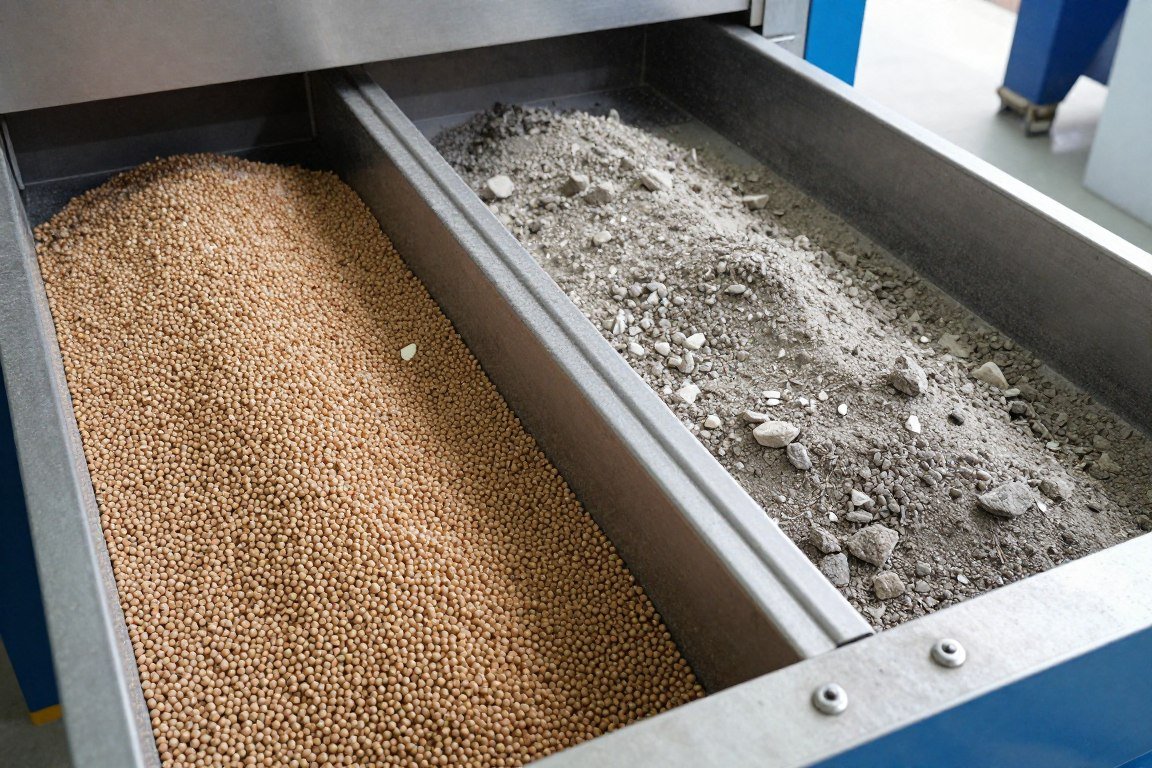
Quality checks should measure:
- Pellet durability index (PDI) – target above 95%
- Moisture content – should be 10-12%
- Length uniformity – ideally 1.5-2 times diameter
- Absence of mold or discoloration
Step 8: Packaging and Storage
Proper packaging protects feed quality during storage. Use moisture-resistant bags for longer shelf life. Store bags on pallets in dry, well-ventilated areas.
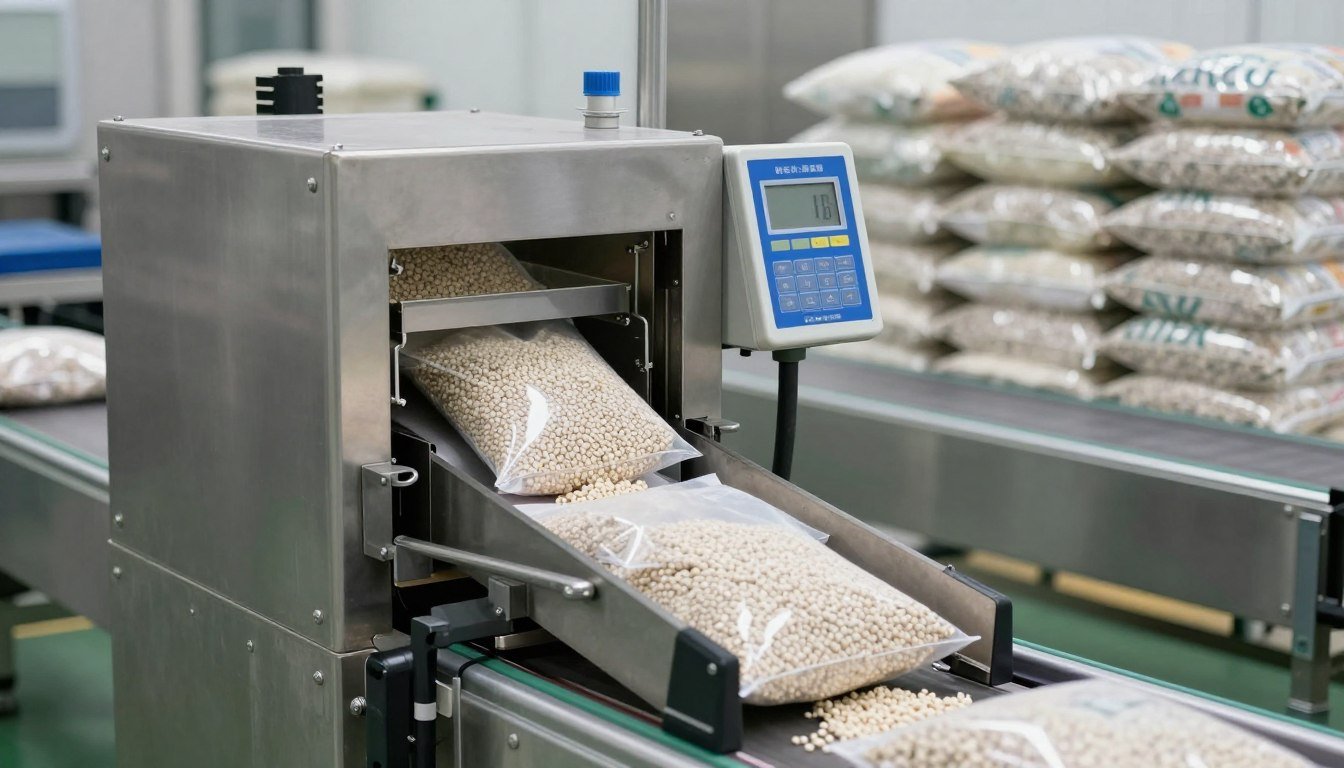
Label each bag with production date and formulation details. Implement FIFO (first-in, first-out) inventory management. Use pellets within 30 days for best nutritional value.
Get Your Customized Production Quote
MAIKONG designs feed production systems tailored to your specific requirements. Our team will help you select the right equipment combination for your flock size and budget. Contact us today for a detailed proposal.
Feed Pellet Machine Price and Return on Investment
Investment in feed manufacturing equipment requires careful financial planning. Understanding costs and returns helps you make informed decisions. Let’s break down the numbers for South African conditions.

Initial Equipment Investment
The small feed pellet machine price varies significantly by capacity. Manual units start at R15,000-R25,000. Small electric machines range from R45,000-R120,000. Mid-size professional units cost R150,000-R350,000.
| Machine Type | Capacity (kg/hr) | Price Range (ZAR) | Suitable Flock Size |
| Manual Pellet Machine | 50-100 | 15,000 – 25,000 | Under 500 birds |
| PM-120 Electric | 100-120 | 45,000 – 65,000 | 500 – 1,500 birds |
| PM-200 Electric | 200-250 | 85,000 – 120,000 | 1,500 – 3,500 birds |
| PM-300 Professional | 300-400 | 150,000 – 220,000 | 3,500 – 7,000 birds |
| PM-500 Industrial | 500-600 | 280,000 – 380,000 | 7,000 – 12,000 birds |
Supporting equipment adds to total investment. A grinder costs R8,000-R35,000 depending on capacity. Mixers range from R12,000-R55,000. Complete small-scale setups total R80,000-R200,000.
Operating Cost Breakdown
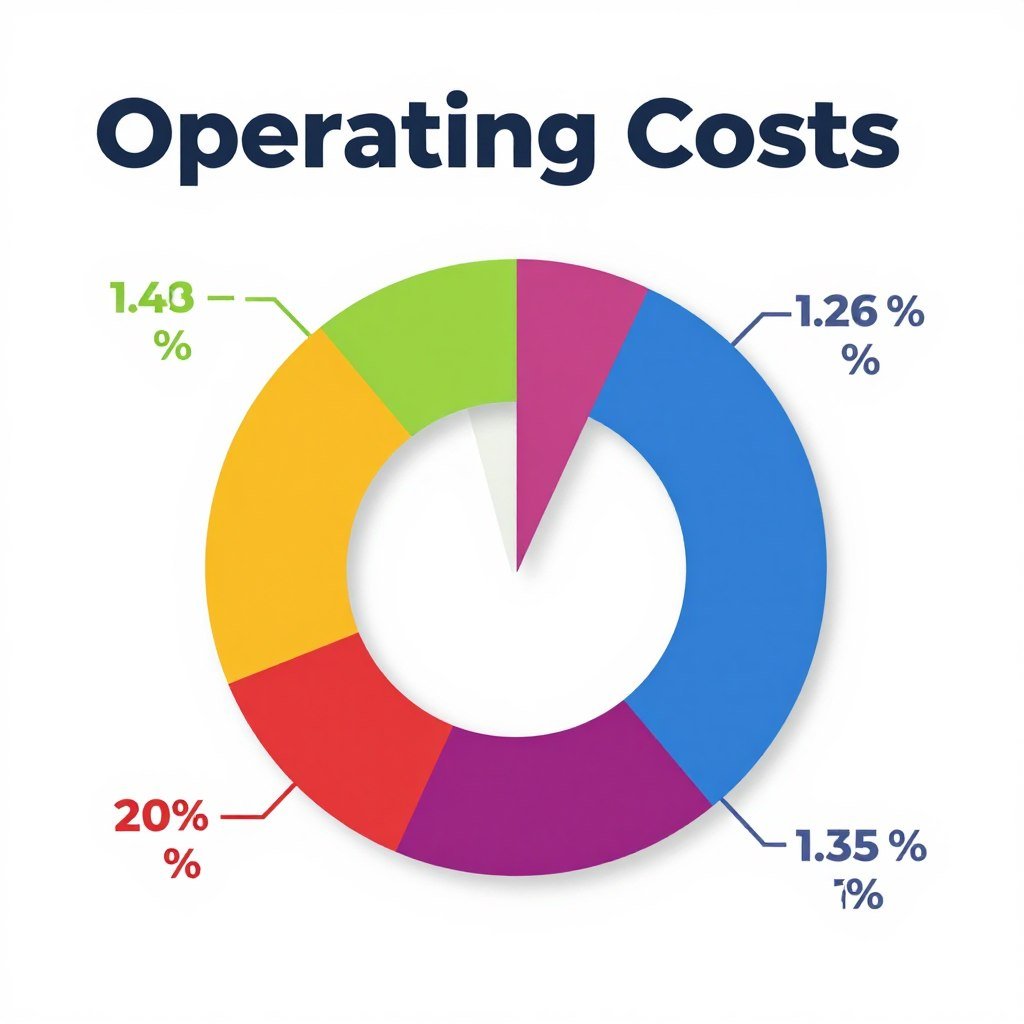
Monthly operation costs include several components. Electricity consumption depends on motor size and production hours. Raw material costs vary with market prices and formulation.
Monthly Operating Costs (PM-200 Example)
- Electricity: R800-R1,200
- Maintenance parts: R300-R600
- Labor (if hiring): R4,000-R6,000
- Raw materials: R25,000-R40,000
- Packaging bags: R400-R800
- Miscellaneous: R500-R800
Feed Cost Comparison Analysis
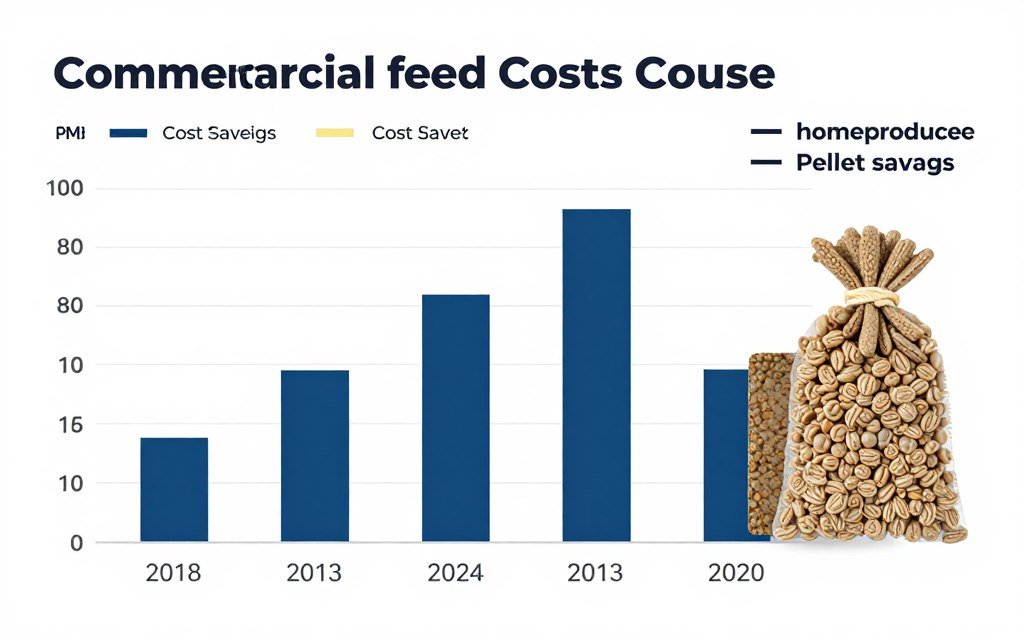
Commercial quail feed in South Africa costs R8-R12 per kilogram. Home-produced pellets cost R4.50-R6.50 per kilogram. Savings range from 35-45% depending on ingredient sourcing.
Let’s calculate savings for a 2,000-bird quail farm. Each bird consumes approximately 25 grams daily. Total monthly consumption equals 1,500 kg of feed.
| Feed Source | Cost per kg (ZAR) | Monthly Cost (1,500 kg) | Annual Cost |
| Commercial Feed | 10.00 | 15,000 | 180,000 |
| Home-Produced Pellets | 5.50 | 8,250 | 99,000 |
| Monthly Savings | – | 6,750 | 81,000 |
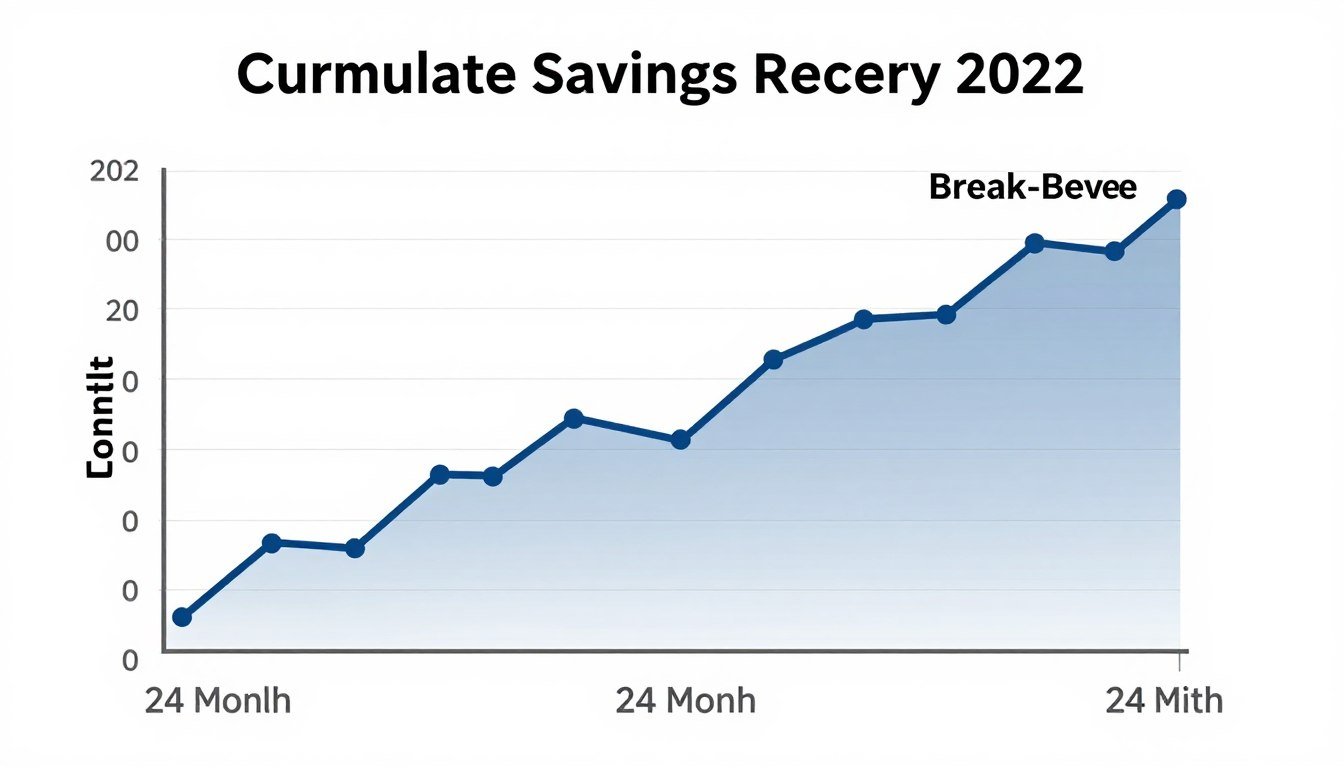
Annual savings of R81,000 cover equipment investment quickly. A PM-200 machine costing R100,000 pays for itself in 15 months. Larger operations see even faster returns.
Return on Investment Timeline
ROI calculations must account for all costs and benefits. Include equipment purchase, installation, training, and working capital. Factor in increased production efficiency and feed quality improvements.
Factors That Improve ROI
- Bulk ingredient purchasing
- Higher production capacity utilization
- Selling excess pellets to neighbors
- Reduced feed waste from better quality
- Improved bird performance and growth rates
- Lower transportation costs
- Independence from supplier price increases
Many South African farmers report additional benefits beyond direct cost savings. Better feed quality improves egg production by 8-12%. Mortality rates drop 3-5% with fresh, properly formulated feed.
The ability to adjust formulations provides tremendous value. During ingredient price fluctuations, you can substitute alternatives. This flexibility protects against market volatility.
Financing Options
Several financing paths can ease the initial investment burden. South African agricultural development banks offer equipment loans. Terms typically range from 24-60 months with competitive interest rates.

Some cooperative business models pool resources among multiple farmers. Shared equipment ownership reduces individual investment. This approach works well for small-scale producers.
MAIKONG offers flexible payment terms for qualified buyers. We understand the financial challenges facing South African farmers. Our goal is making quality equipment accessible to operations of all sizes.
Real Results from South African Feed Production Installations
Concrete examples demonstrate the practical benefits of feed manufacturing equipment. These case studies come from actual MAIKONG installations across South Africa. Each story shows different operation types and results.
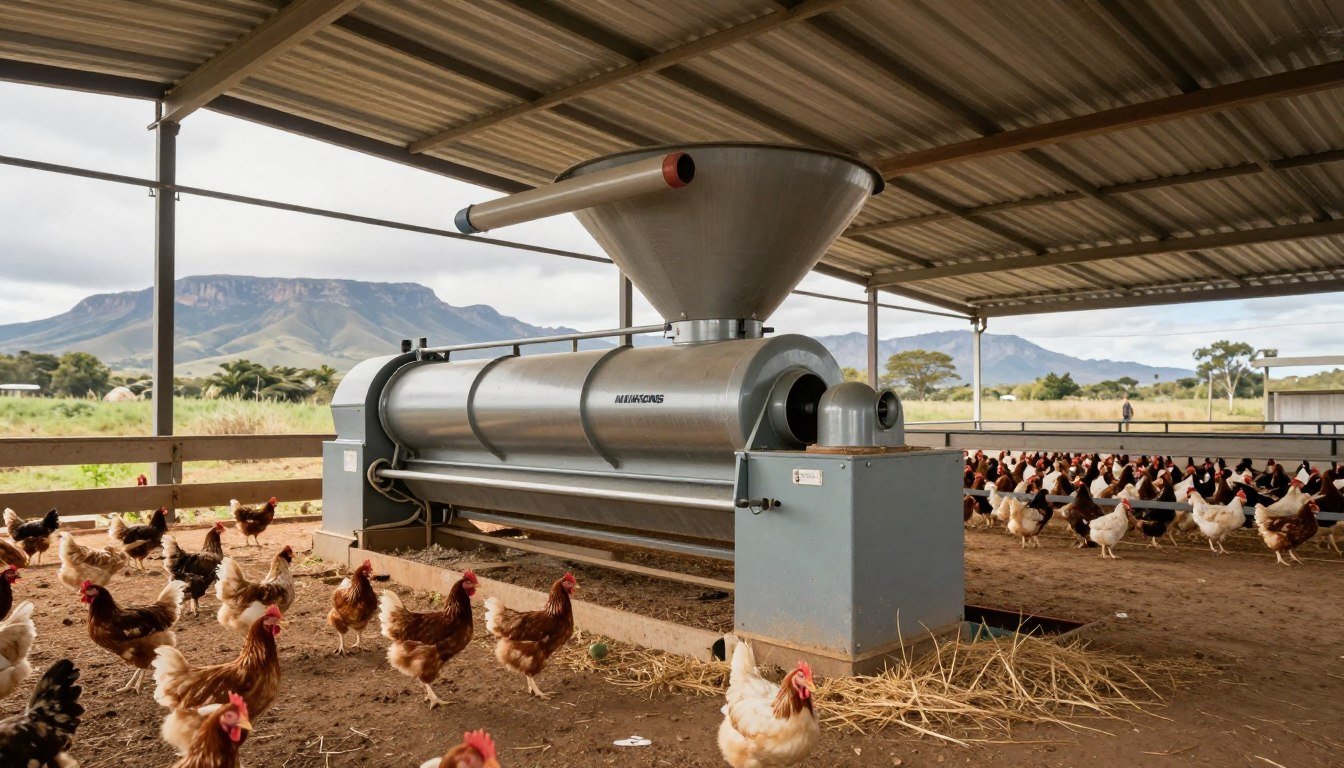
Case Study 1: Small Family Farm in Limpopo
The Ndlovu family runs a 1,200-bird quail farm near Polokwane. They previously purchased commercial feed at R10.50 per kilogram. Monthly feed costs exceeded R9,000 for their operation.
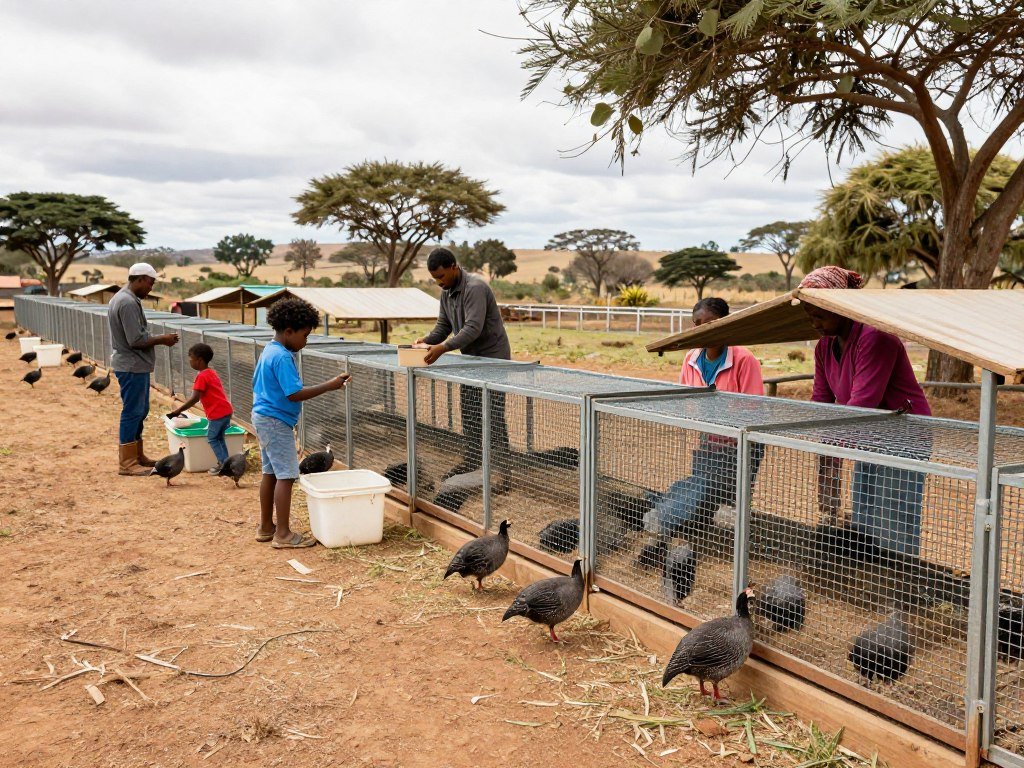
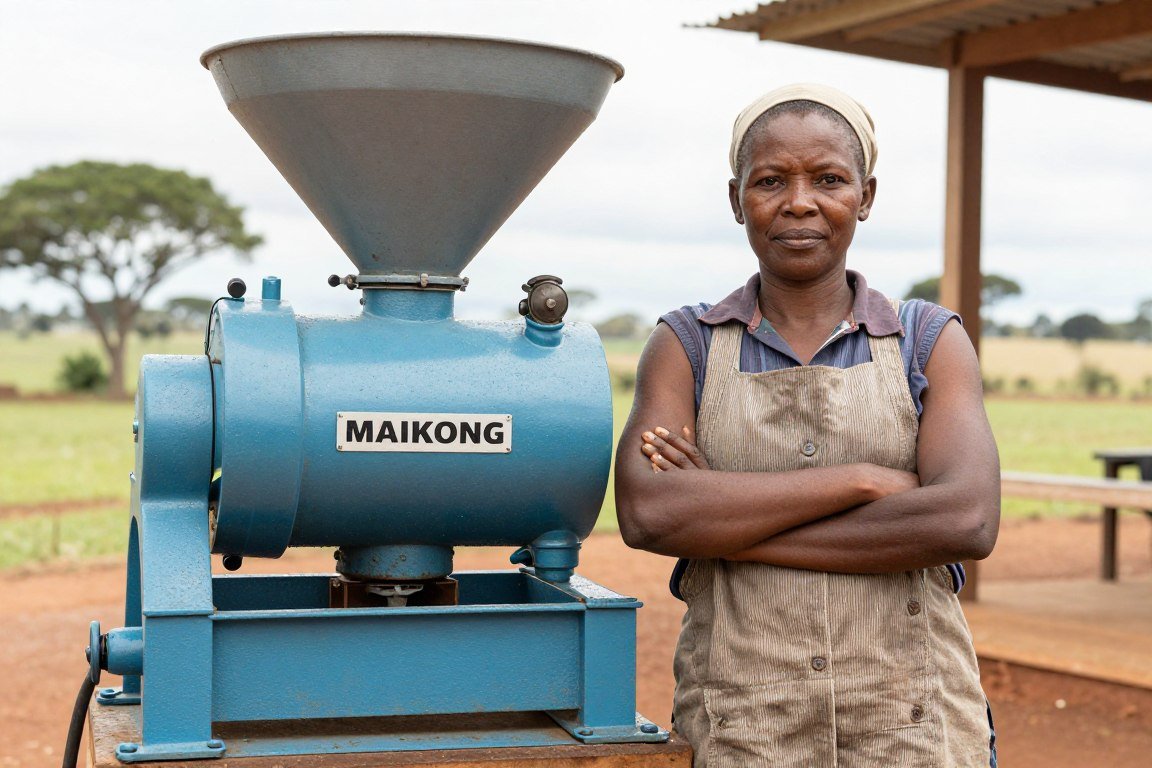
In 2022, they invested in a MAIKONG PM-120 machine with supporting equipment. Total investment was R78,000 including installation and training. The family now produces their own pellets at R5.80 per kilogram.
| Metric | Before MAIKONG | After MAIKONG | Improvement |
| Monthly Feed Cost | R9,450 | R5,220 | -45% |
| Egg Production Rate | 82% | 89% | +7% |
| Feed Waste | 18% | 7% | -61% |
| Payback Period | – | 18.4 months | – |
“The machine changed our business completely,” says Mrs. Ndlovu. “We not only save money on feed, but our birds perform better. The pellets are fresh and we control exactly what goes in.”
Case Study 2: Commercial Operation in Western Cape
Sunrise Quail Farm operates 15,000 birds near Stellenbosch. This commercial operation supplies restaurants and specialty food markets. Their feed requirements exceed 11 tons monthly.
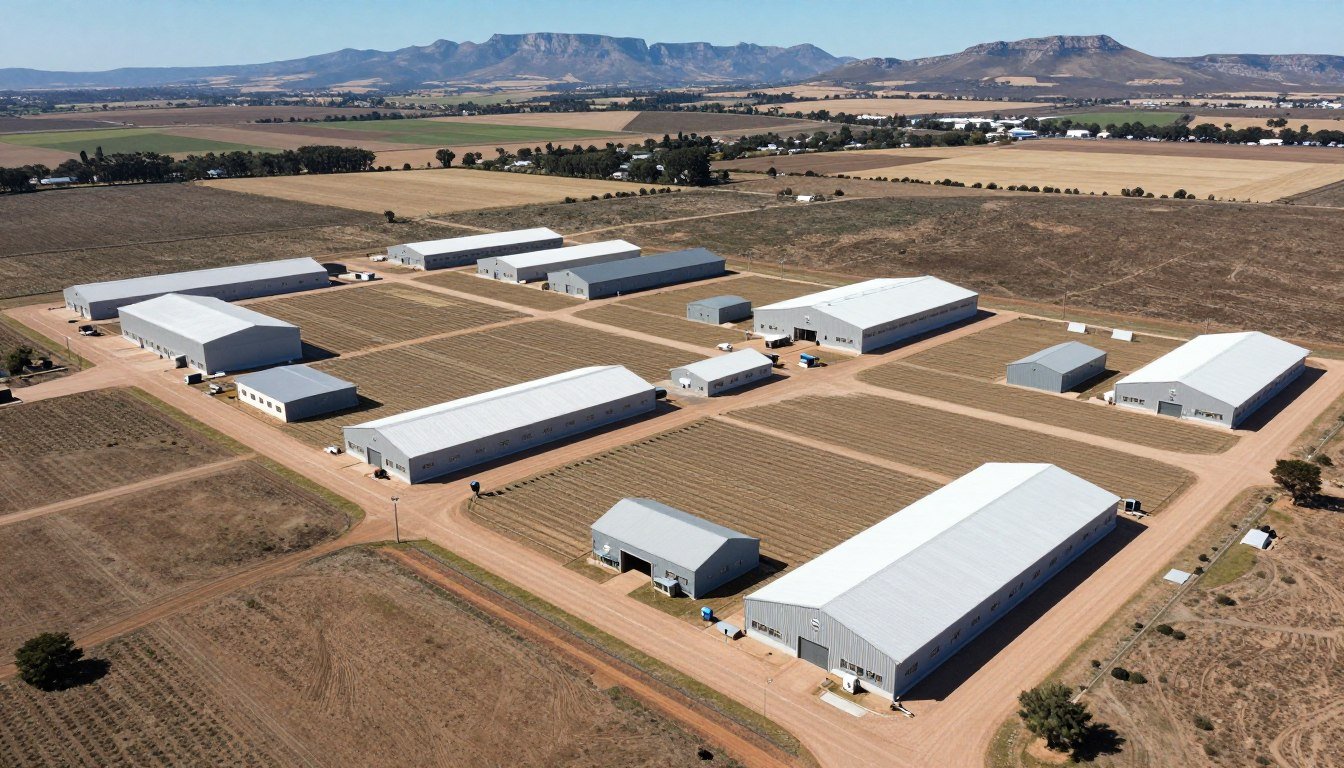
The farm installed a complete MAIKONG production line in 2021. The system includes grinder, mixer, PM-500 pellet mill, cooler, and automatic packaging. Total investment was R485,000.
Within 12 months, the operation achieved full ROI. Annual savings exceeded R420,000 compared to commercial feed purchases. The farm now produces premium quality pellets specifically formulated for their genetics.
Operational Improvements
- Custom formulations for different life stages
- Consistent pellet quality batch after batch
- Ability to use local grain sources
- Reduced dependency on suppliers
- Additional revenue from selling excess pellets
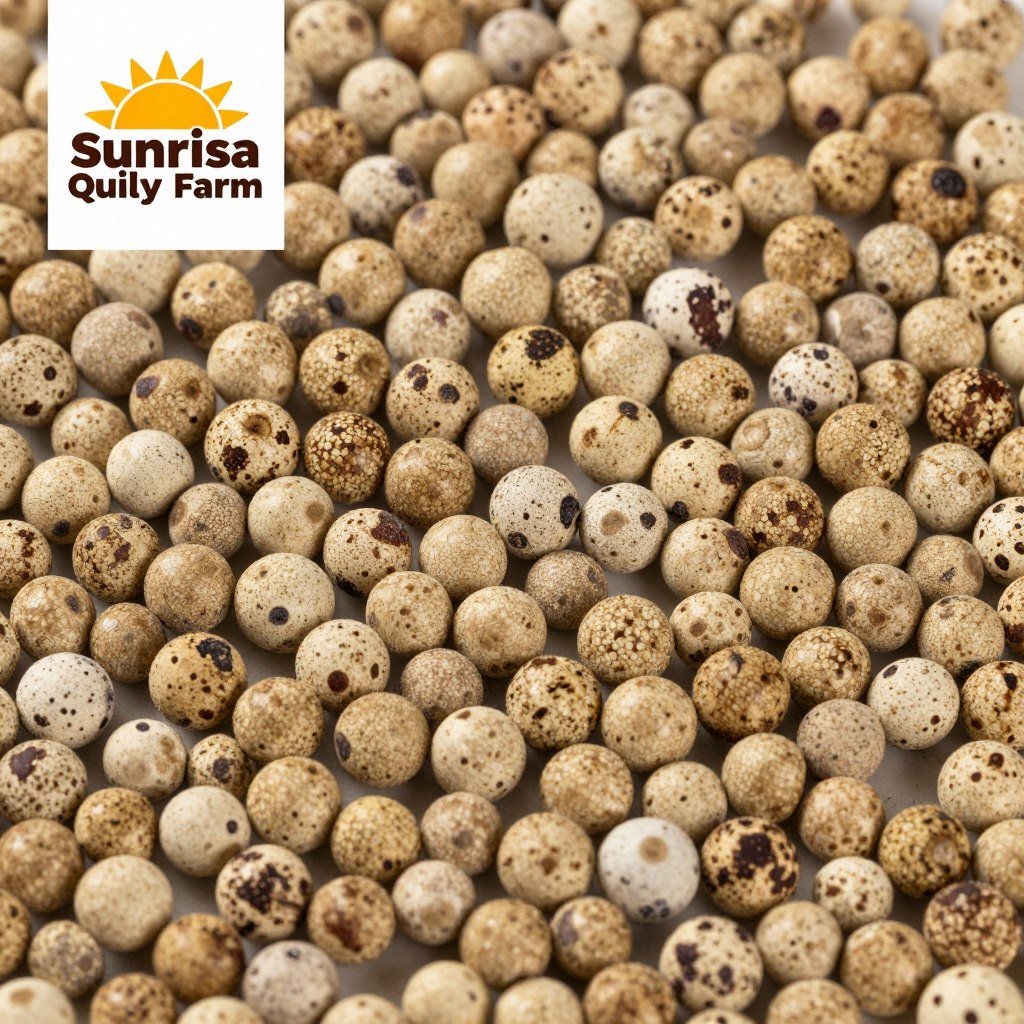
“MAIKONG’s technical support made all the difference,” explains farm manager Johan van der Merwe. “They helped us optimize our formulations for our specific birds. The equipment runs reliably every day.”
Case Study 3: Cooperative Model in KwaZulu-Natal
Ten small-scale farmers near Durban formed a cooperative in 2020. Combined, they manage 8,500 quail birds. Individual feed purchases were expensive and inconsistent in quality.
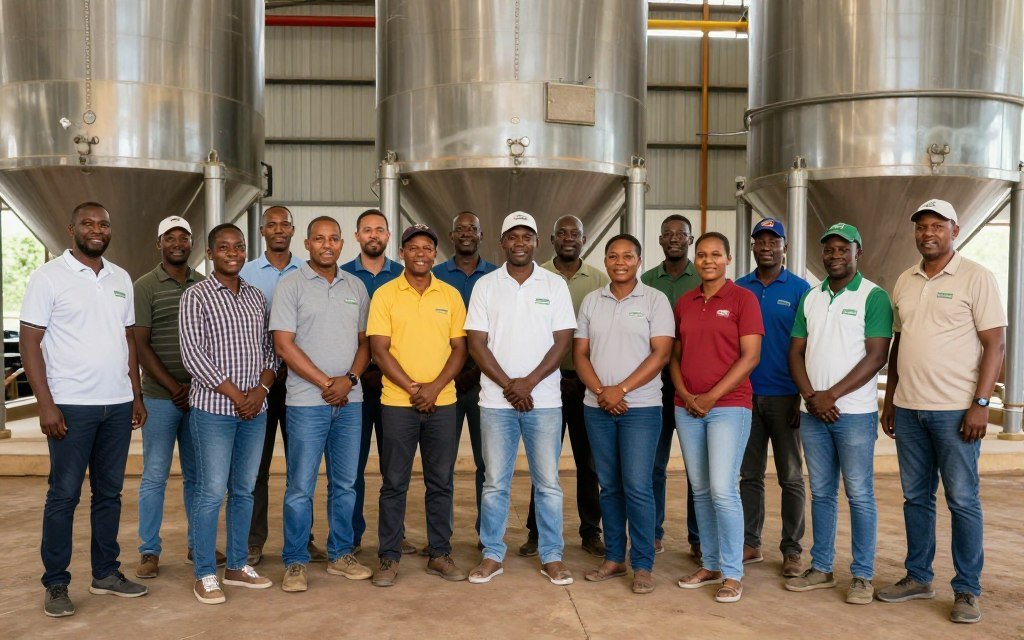
The cooperative pooled resources to purchase a MAIKONG PM-300 system. Each member contributed R18,000 for a total R180,000 investment. They established a centralized production facility managed by a rotating schedule.
Members collect pellets weekly based on their flock size. The cooperative charges R6.20 per kilogram to cover operating costs. This price is 40% below commercial feed rates.
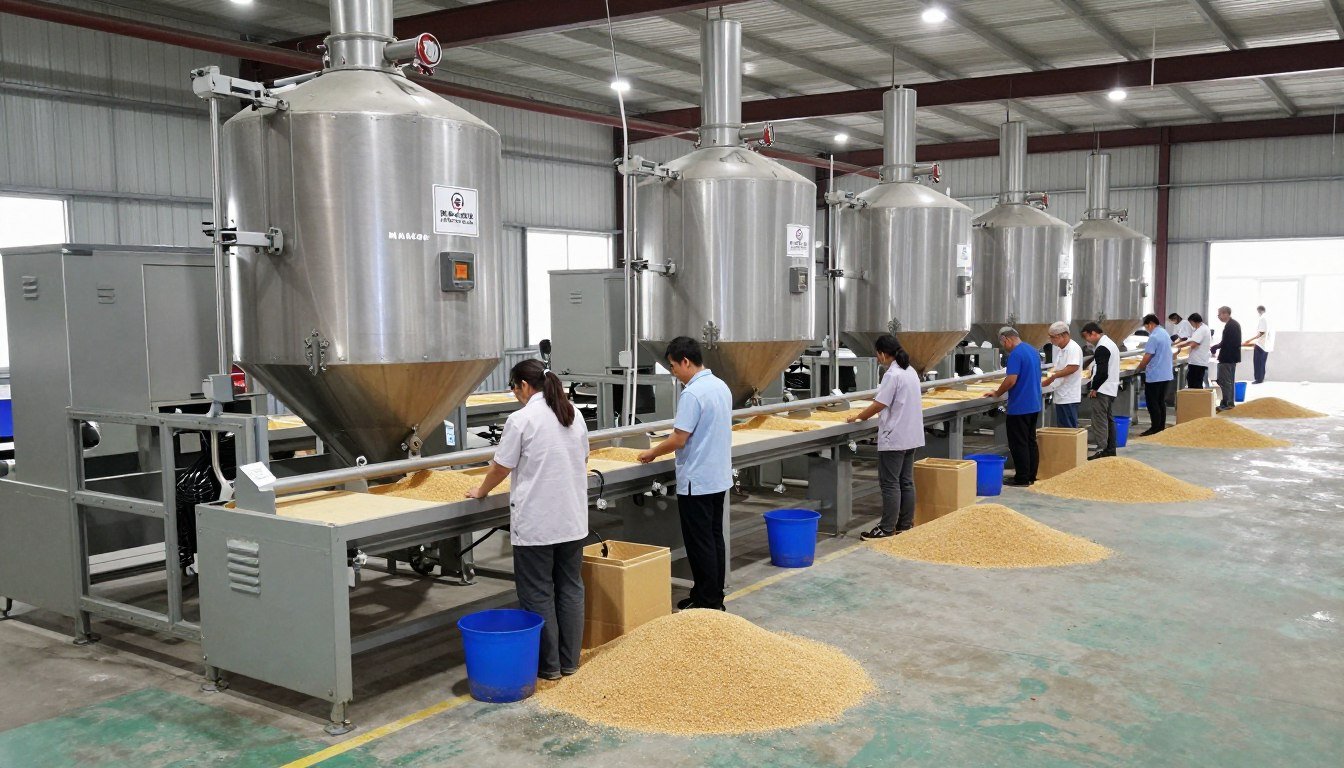
The cooperative model created additional benefits beyond cost savings. Members share knowledge about formulations and bird management. The group negotiates better prices on bulk ingredient purchases. Some members expanded their flocks based on reliable, affordable feed access.
Case Study 4: Training Institution in Gauteng
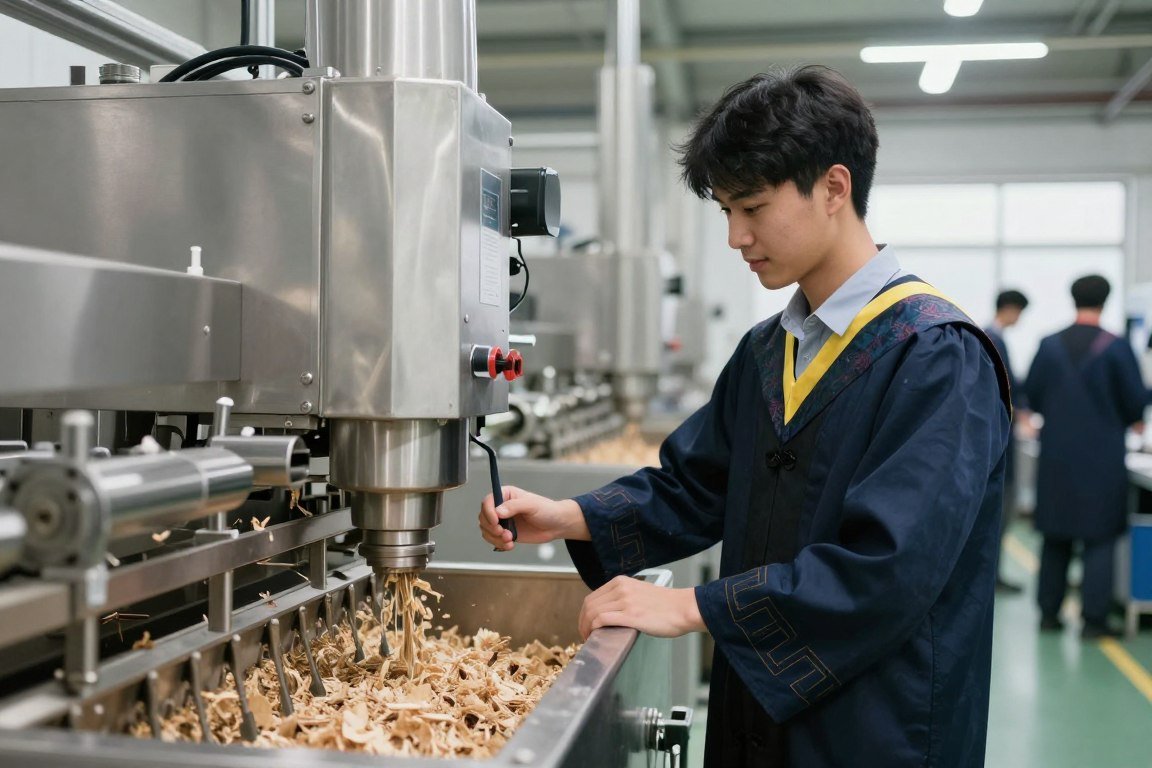
The Agricultural Skills Development Center in Johannesburg added feed production to its curriculum. The institution trains unemployed youth in modern farming techniques. Practical equipment experience improves job placement rates.
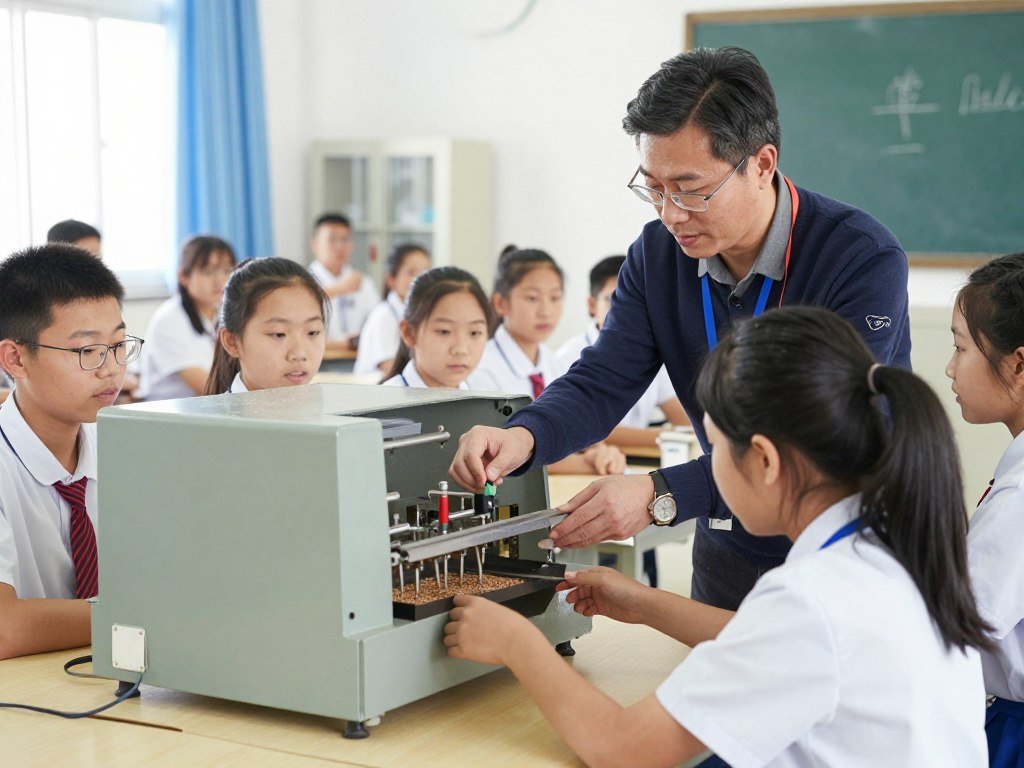
MAIKONG supplied a PM-200 system specifically configured for training purposes. The equipment includes safety features and modular design for educational demonstrations. Students learn the complete feed manufacturing process from raw materials to finished product.
“Our graduates now have marketable skills in feed production,” states Director Thabo Mokoena. “Several have started their own feed manufacturing businesses. Some work at commercial farms managing production lines.”
Join Our Growing Network of Successful South African Farmers
These success stories can be yours too. MAIKONG provides complete support from equipment selection through installation and ongoing technical assistance. We have solutions for every scale of operation, from small family farms to commercial enterprises. Our South African dealer network offers local support in your language.
Why Choose MAIKONG Feed Pellet Machine for South Africa
The feed pellet machine market offers many suppliers and brands. Understanding what sets MAIKONG apart helps you make the best choice. Our 20-year track record speaks to quality and reliability.
Manufacturing Experience and Expertise
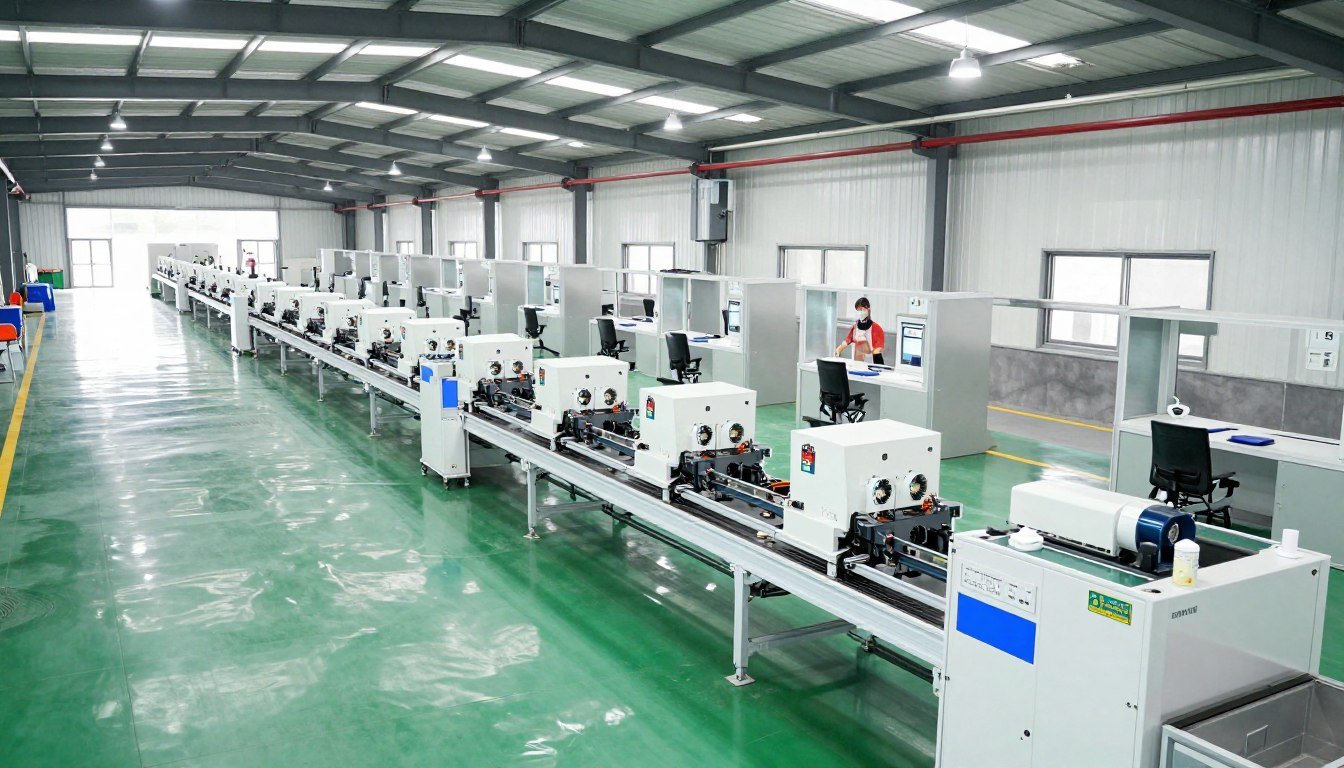
MAIKONG has specialized in pellet machinery since 2003. We manufacture feed pellet machines, wood pellet mills, and fertilizer equipment. Our engineering team constantly improves designs based on customer feedback.
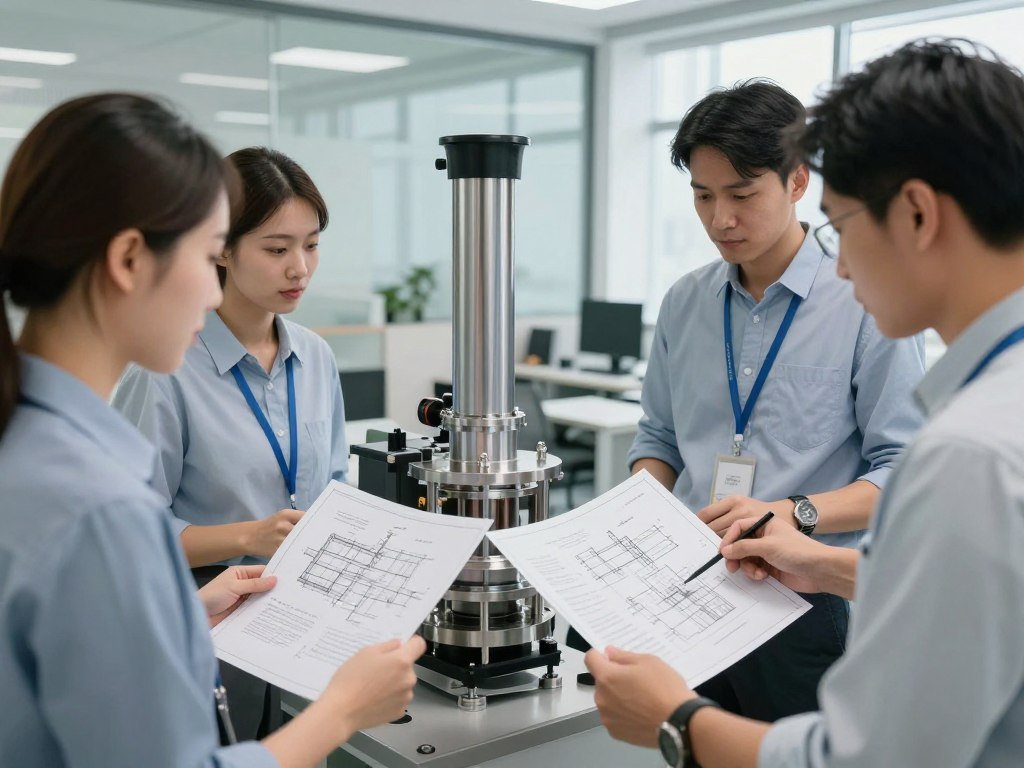
Every machine undergoes rigorous testing before shipment. We verify capacity, power consumption, and pellet quality standards. Quality control ensures consistent performance across all units.
MAIKONG Quality Standards
- ISO 9001:2015 certified manufacturing
- CE compliance for electrical safety
- 100% pre-delivery testing
- Premium wear-resistant components
- Precision-machined die and rollers
- Heavy-duty motor specifications
- Corrosion-resistant finishes
Customization Capabilities
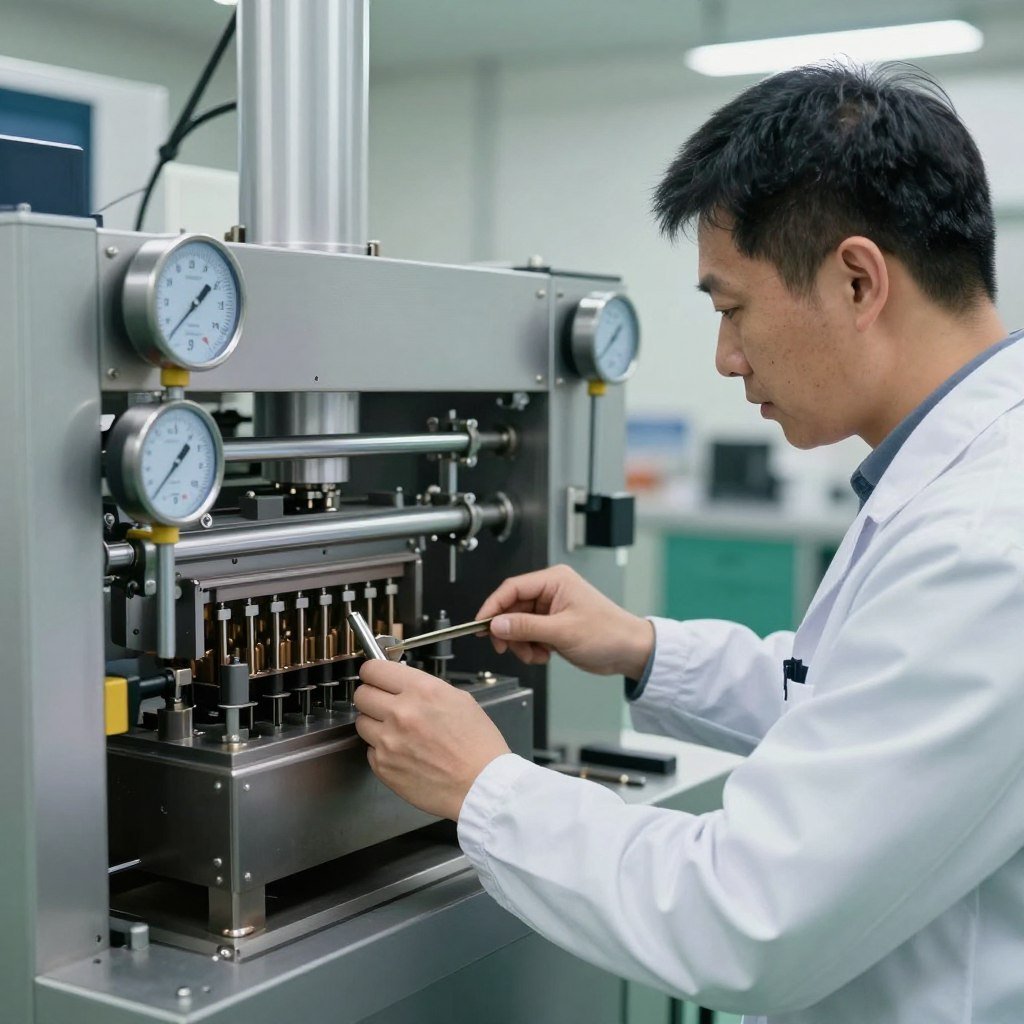
Standard machines don’t suit every operation. MAIKONG offers extensive customization options. We modify capacity, motor specifications, and die configurations to match your needs.
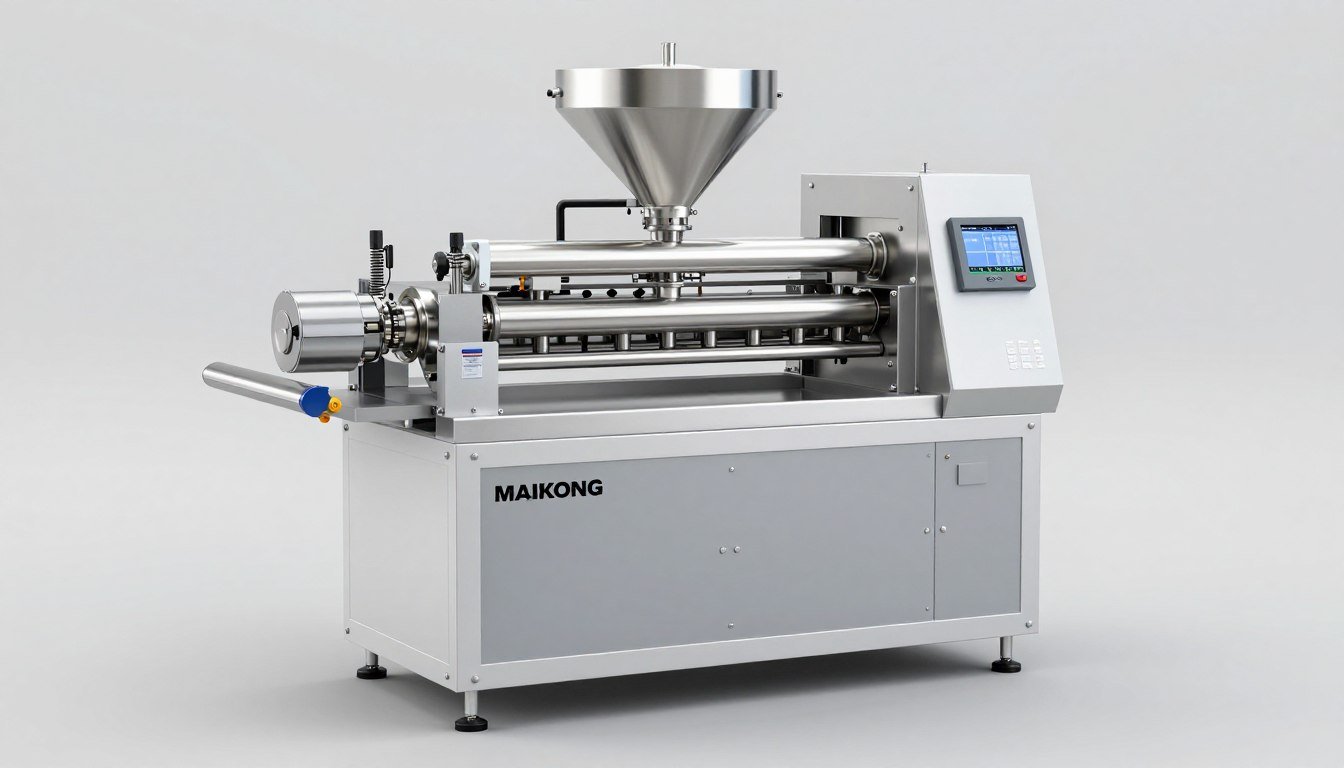
Appearance customization includes color schemes and branding options. OEM customers can add their logos and specifications to equipment. This flexibility supports dealers building their own brand identity.
Technical customization addresses specific production requirements. Special die designs handle unique ingredient mixes. Voltage and frequency adjustments accommodate different power supplies. We configure machines for South African electrical standards.
Comprehensive Support System
Purchasing equipment is just the beginning of our relationship. MAIKONG provides ongoing technical support throughout machine lifetime. Our support system includes multiple channels and languages.

Pre-Purchase Support
- Free consultation on capacity needs
- Formulation assistance and testing
- Site assessment and layout planning
- ROI calculations for your operation
- Sample pellet production testing
Installation Support
- Detailed installation manuals
- Video installation guides
- Remote installation assistance
- On-site installation available
- Initial operation training
Ongoing Support
- WhatsApp technical hotline
- Email support in English
- Video troubleshooting sessions
- Spare parts availability
- Annual maintenance guidance
South African Market Focus
MAIKONG actively develops the South African agricultural market. We understand local farming conditions and challenges. Our equipment specifications account for African climate and power infrastructure.
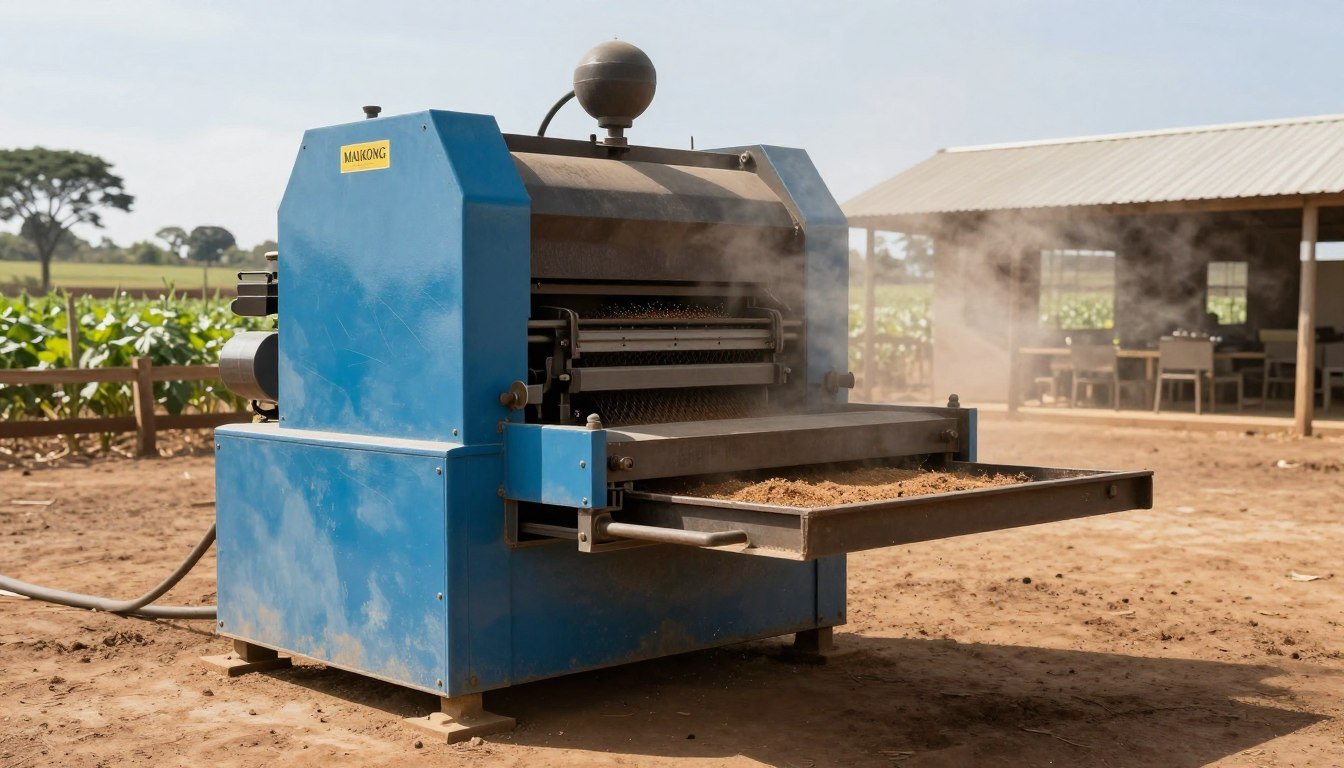
We support local dealership development across South Africa. Dealers receive comprehensive training on equipment and technical support. Marketing materials and demonstration units help dealers grow their business.
Our pricing structure recognizes the South African market reality. We offer competitive rates without compromising quality. Payment terms accommodate farming business cash flow patterns.
Product Range for Every Need
MAIKONG’s extensive product line covers all pellet production needs. Beyond feed pellet machines, we manufacture complete production systems. This comprehensive range simplifies sourcing from a single supplier.
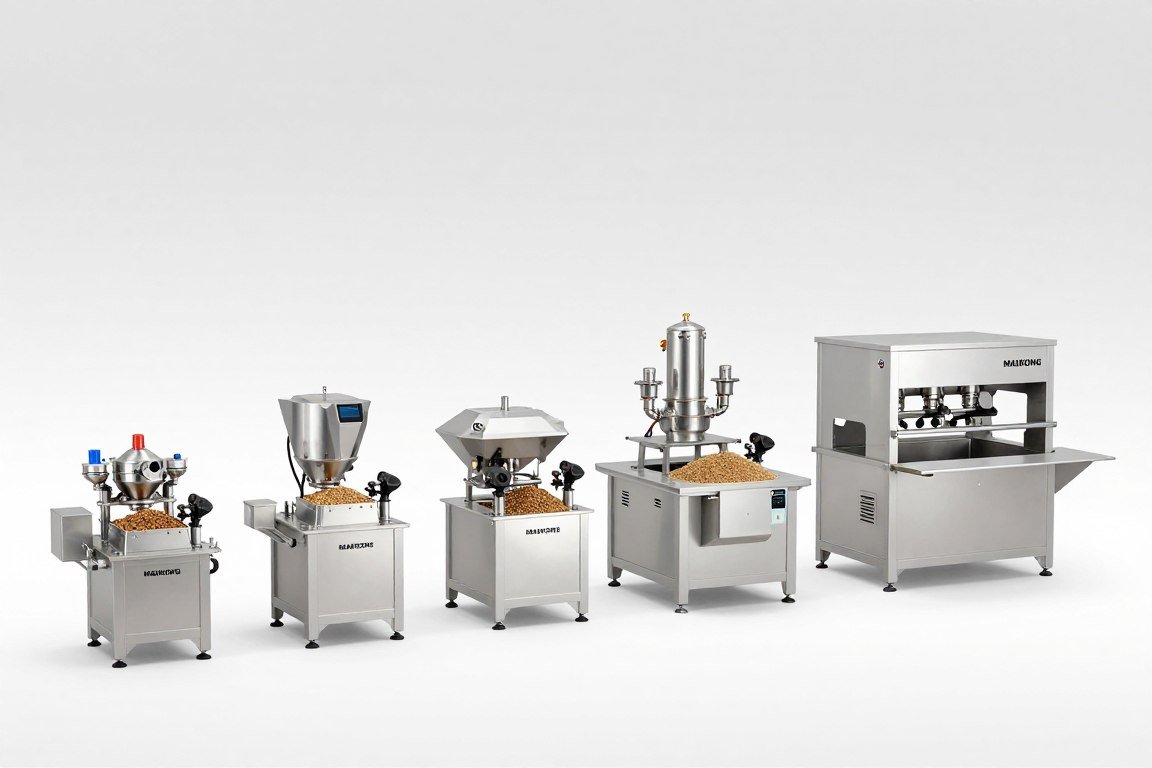
Feed Pellet Machines
Complete range from manual to industrial capacity. Specialized poultry, cattle, pig, and sheep feed models. Capacities from 50 kg/hr to 5 tons/hr.
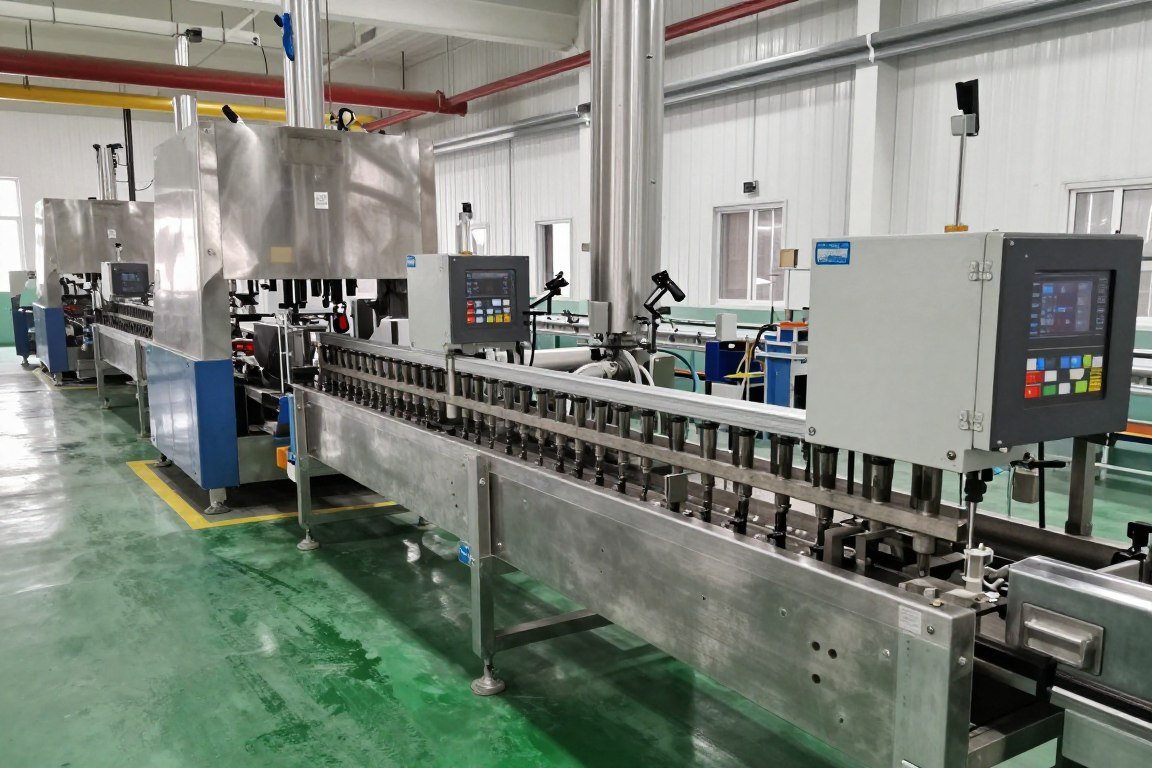
Production Lines
Integrated systems including grinding, mixing, pelletizing, cooling, and packaging. Automated controls for consistent quality. Custom configurations available.
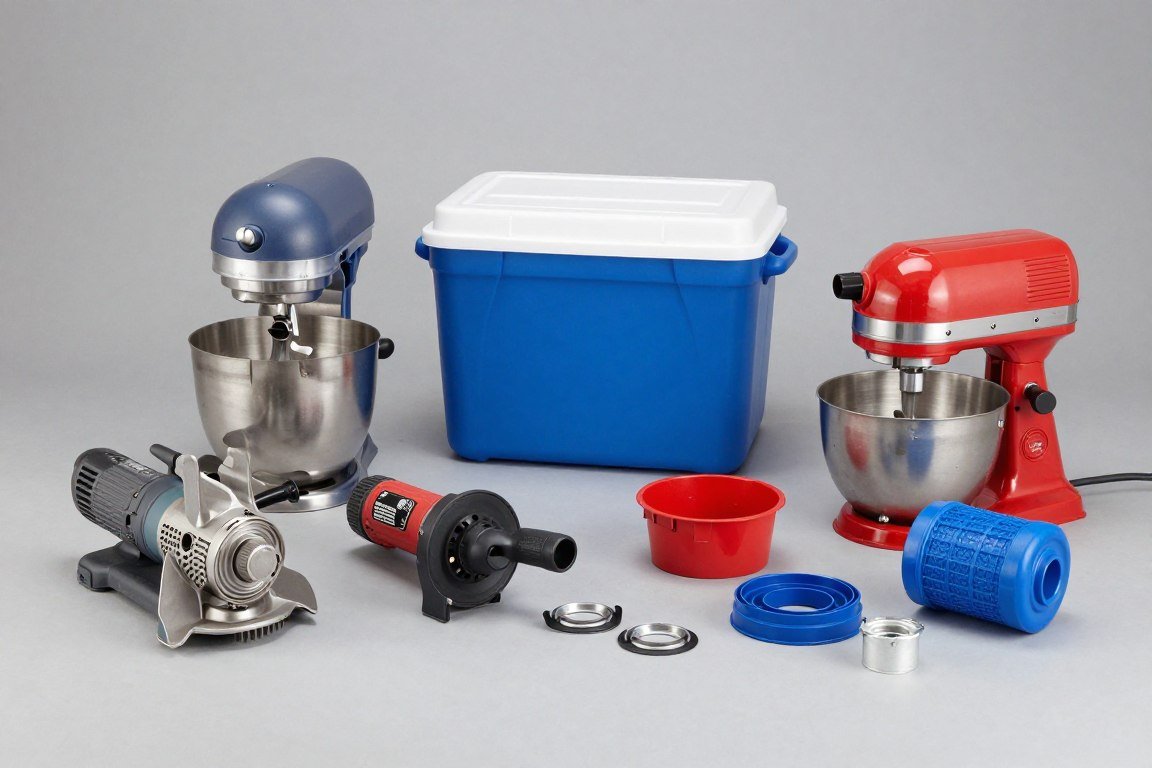
Supporting Equipment
Grinders, mixers, coolers, and all necessary components. Spare parts and wear components. Everything needed for complete operation.
Dealer and Partnership Opportunities
MAIKONG actively seeks qualified partners across South Africa. We offer attractive terms for dealers and distributors. This partnership model creates mutual growth opportunities.

Dealer Benefits
- Protected territory rights
- Competitive wholesale pricing
- Marketing support and materials
- Technical training programs
- Demo unit programs
- Co-op advertising funds
- Priority spare parts access
- Annual incentive programs
Successful dealers typically start with demonstration equipment and build from there. We provide all necessary training on product features and operation. Sales support materials help dealers communicate value effectively.
OEM partnerships allow manufacturing under your brand. We can customize appearance, specifications, and packaging. This option suits established agricultural equipment companies expanding their range.
Become a MAIKONG Partner in South Africa
Join our growing network of successful dealers and distributors. We’re actively seeking partners in all South African provinces. Whether you’re an established agricultural equipment dealer or an entrepreneur entering the market, MAIKONG offers comprehensive support for your success. Our partnership program provides training, marketing support, and attractive profit margins.
Frequently Asked Questions About Quail Feed Manufacturing Machine
These common questions come from actual South African farmers and business owners. Our answers provide practical information based on real-world experience.
What capacity machine do I need for my quail flock?
Calculate based on daily feed consumption and production frequency. Each quail consumes approximately 25 grams daily. A 1,000-bird flock needs 25 kg of feed per day, or 750 kg monthly.
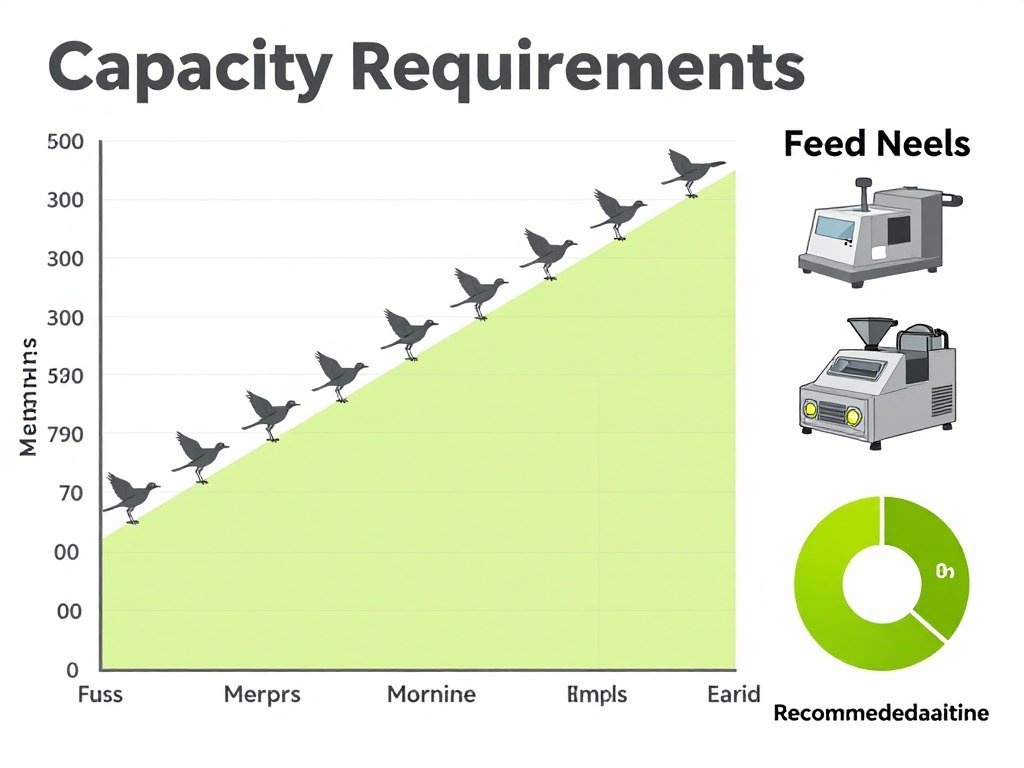
If you produce weekly, you need 175 kg per session. A 200 kg/hr machine completes this in under one hour. This allows safety margin for maintenance and irregular schedules. Most farmers choose capacity 30-50% above minimum requirements.
How to make a feed pellet machine work efficiently?
Efficiency starts with proper raw material preparation. Grind ingredients to consistent particle size between 0.5-2.0mm. Maintain moisture content at 12-14% during pelletizing. This ensures smooth compression and quality pellets.
Adjust die and roller gap correctly for your formulation. Clean the machine thoroughly between different formulations. Regular lubrication of bearings and moving parts prevents wear. Run at optimal speed – faster doesn’t always mean better.
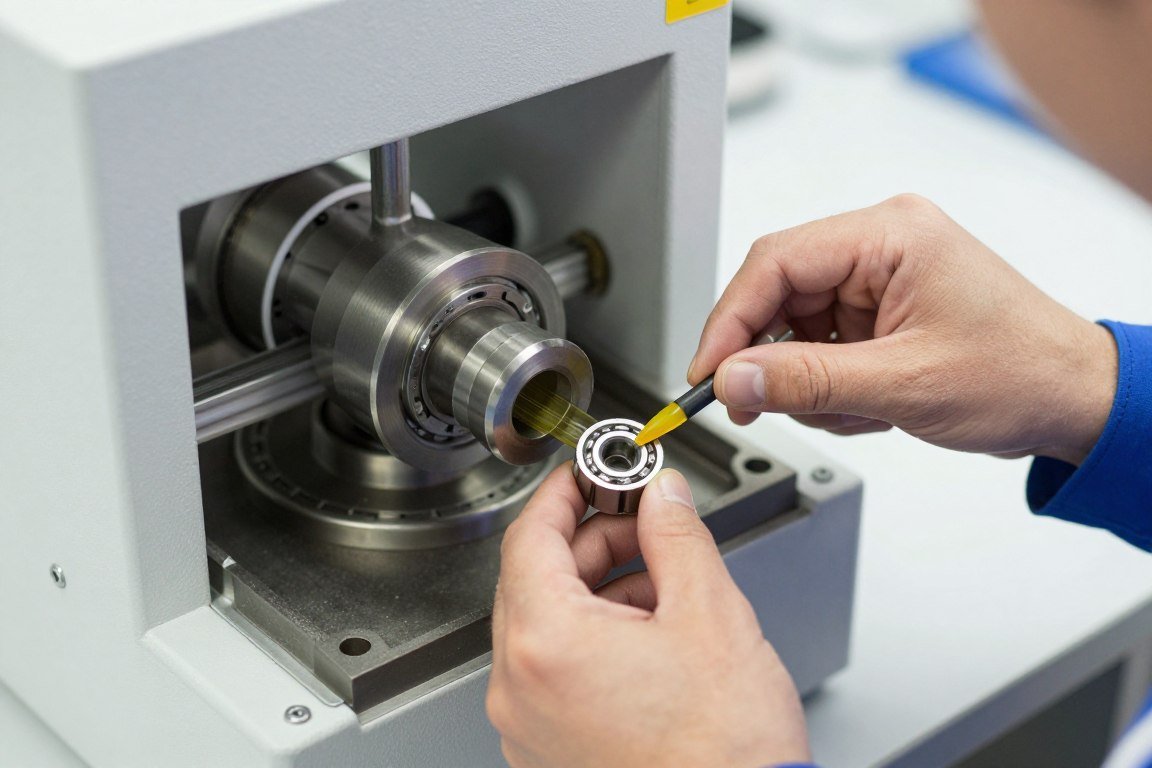
Pre-heat the die before production starts. Feed ingredients steadily without overloading. Monitor motor current to avoid strain. These practices maximize output while extending equipment life.
What power supply do MAIKONG machines require?
Small machines (PM-120) operate on standard 220V single-phase power. Larger models (PM-200 and above) require 380V three-phase power. MAIKONG can customize voltage and frequency to match your supply.
South Africa uses 50Hz frequency standard. Our machines ship configured for this specification. Power consumption ranges from 3 kW for small units to 30 kW for industrial models. Consider generator backup in areas with unreliable grid power.
Can I produce different pellet sizes for various bird ages?
Yes, change dies to produce different pellet diameters. MAIKONG machines accept dies from 2mm to 8mm diameter. Switching takes 30-45 minutes after you become familiar with the process.
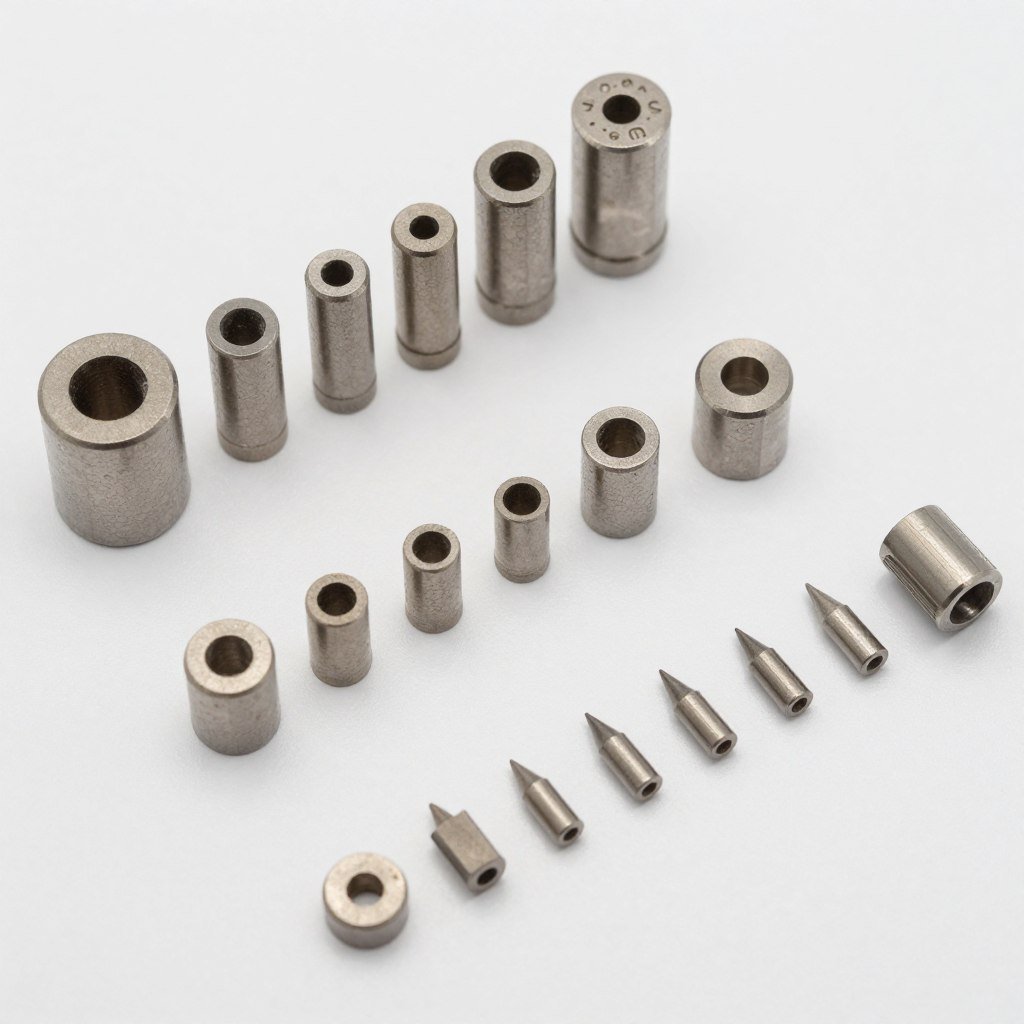
Most quail farmers keep 2-3 dies on hand. Use 2mm for chicks under 3 weeks. Switch to 3mm for growers. Adult layers do well with 3-4mm pellets. This flexibility optimizes nutrition for each life stage.
How long do dies and rollers last before replacement?
Die life depends on formulation abrasiveness and maintenance. Corn-soy formulations typically achieve 1,500-2,500 hours of production. Abrasive ingredients like minerals or shells reduce this to 800-1,200 hours.
Rollers usually outlast dies by 2-3 times with proper care. Regular lubrication and avoiding metal contamination extends component life. MAIKONG uses hardened steel for superior wear resistance. Replacement dies cost R2,500-R8,000 depending on size.
What is the difference between flat die and ring die pellet mills?
Flat die mills work well for small-scale production under 500 kg/hr. The die sits horizontally with rollers pressing from above. These machines cost less and are easier to maintain. Most MAIKONG small models use flat die design.
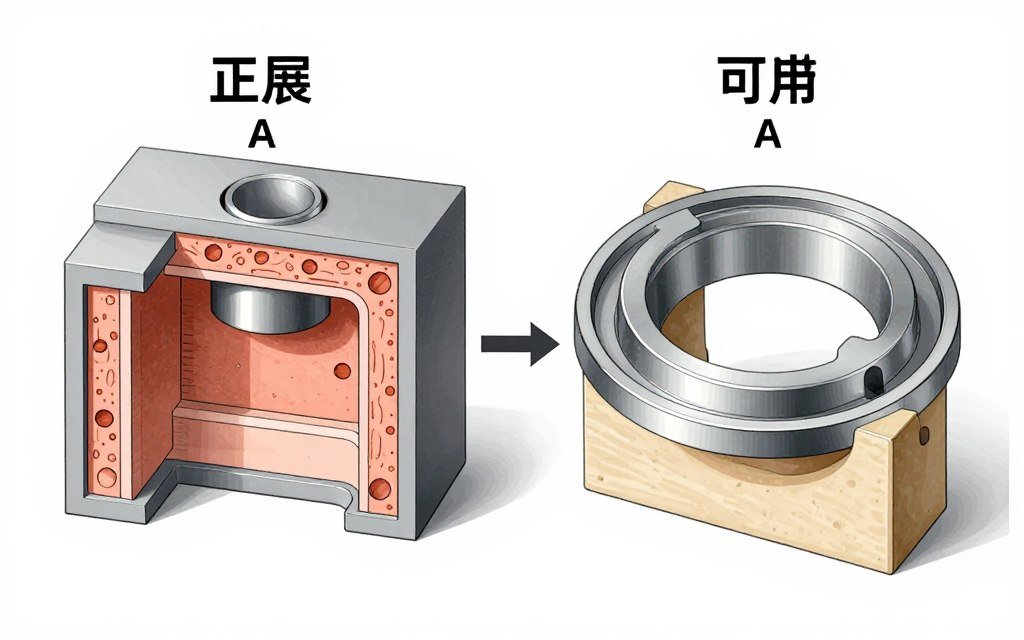
Ring die mills suit larger capacity requirements above 500 kg/hr. The vertical die rotates while rollers press from inside. These produce higher density pellets with better durability. Ring die systems cost more but offer higher efficiency at scale.
Can I use the machine for other animal feed besides quail?
Absolutely. The same machine produces feed for chicken, ducks, turkeys, and other poultry. Simply adjust pellet size and formulation. Many farmers produce multiple feed types on one machine.
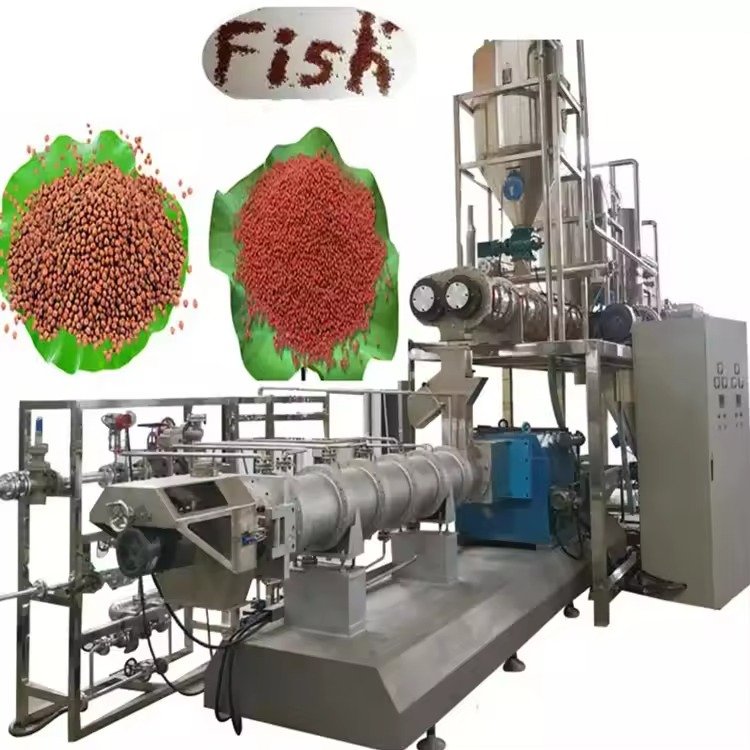
MAIKONG equipment also handles rabbit, pig, and small ruminant feed. Some customers produce fish feed and pet food. The versatility maximizes your investment value. Clean thoroughly between different animal feed types.
What maintenance schedule should I follow?
Daily maintenance includes cleaning the die and checking pellet quality. Inspect pellets for proper formation and consistency. Listen for unusual sounds during operation.
| Interval | Maintenance Tasks |
| Daily | Clean die, check pellet quality, inspect for loose parts |
| Weekly | Lubricate bearings, check belt tension, clean dust buildup |
| Monthly | Inspect die and roller wear, check electrical connections, test safety features |
| Quarterly | Deep cleaning, measure die gap, replace worn parts |
| Annually | Professional inspection, motor service, complete overhaul if needed |
Keep detailed maintenance records. This helps predict replacement needs and prevents unexpected breakdowns. MAIKONG provides comprehensive maintenance manuals with every machine.
How difficult is it to operate a feed pellet making machine?
Operation is straightforward after initial training. Basic steps include preparing ingredients, starting the machine, feeding materials steadily, and monitoring output. Most operators become proficient within 2-3 days.
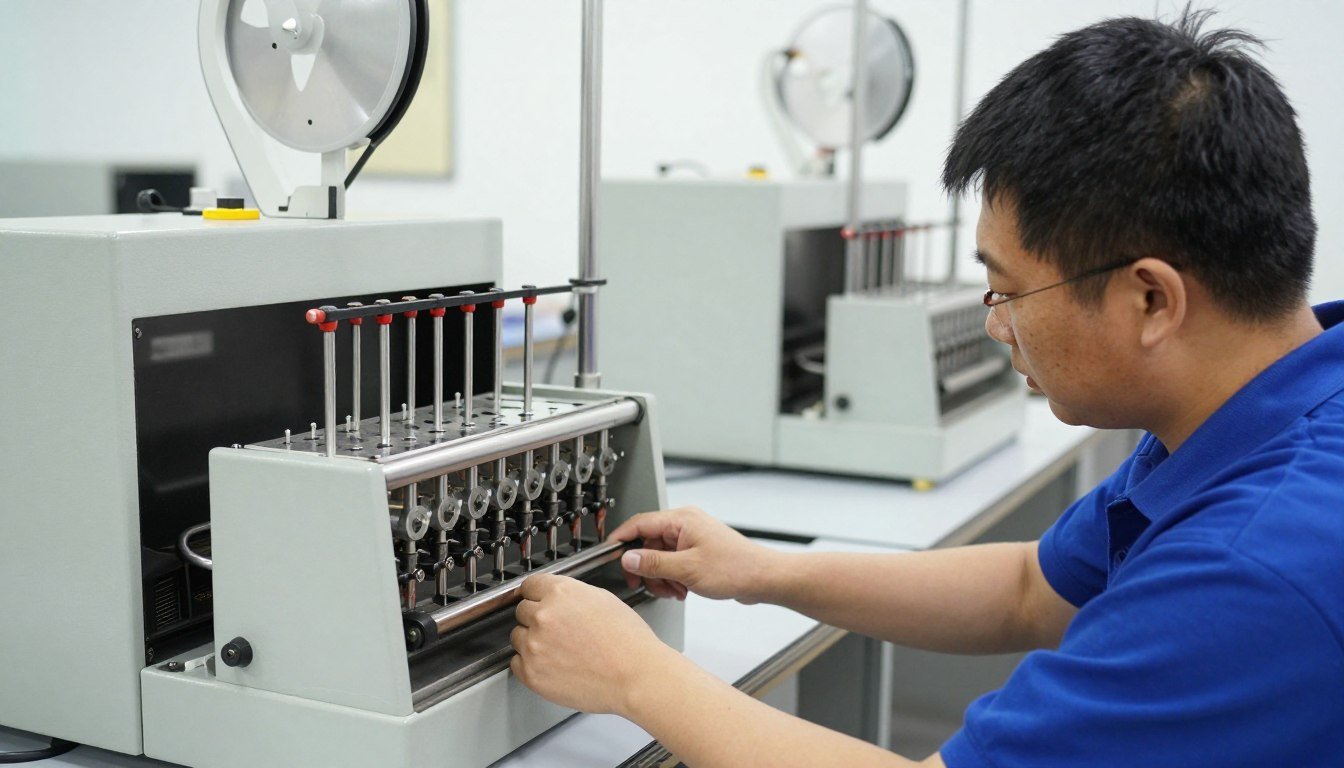
MAIKONG provides detailed operation manuals in English. Video tutorials supplement written instructions. Our WhatsApp support helps new operators troubleshoot issues quickly. Many customers train family members or employees successfully.
What warranty and after-sales support does MAIKONG provide?
All MAIKONG machines carry a 12-month warranty covering manufacturing defects. This includes motor, frame, and mechanical components. Wear parts like dies and belts have 90-day coverage.
After-sales support continues long after warranty expiration. Our technical team answers questions via WhatsApp, email, and phone. We maintain spare parts inventory for quick shipping. Video troubleshooting identifies most issues remotely.
Annual service contracts are available for customers wanting comprehensive coverage. These include priority support, discounted parts, and scheduled maintenance visits.
Start Reducing Your Feed Costs Today
A quail feed manufacturing machine transforms your farming operation. The investment pays for itself through dramatic cost savings. You gain control over feed quality and formulation.
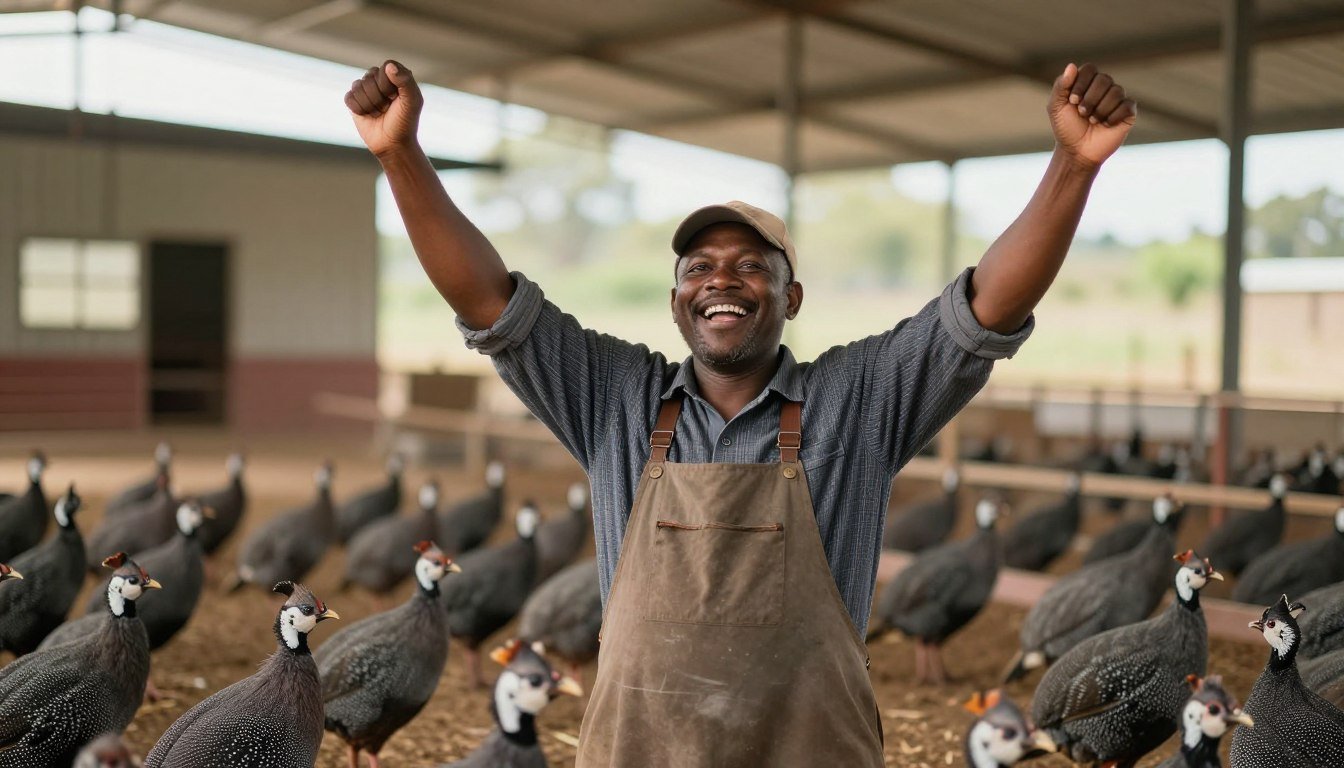
MAIKONG brings 20 years of experience to your business. Our equipment delivers reliable performance in African conditions. Comprehensive support ensures your success from day one.
Whether you manage a small family farm or commercial operation, we have the right solution. Our range covers manual machines to complete production lines. Customization options match equipment precisely to your needs.
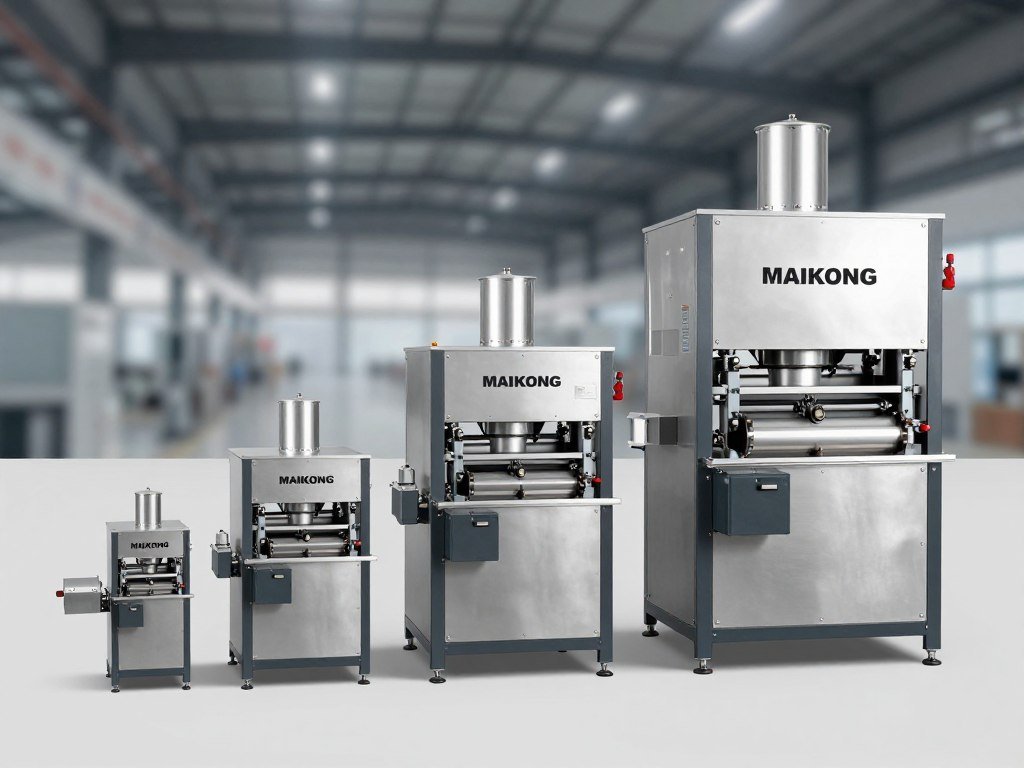
South African farmers trust MAIKONG for quality and value. Join the growing network of successful customers across all provinces. Our local dealer network provides support in your area.
The time to act is now. Every month without your own pellet machine means continued high feed expenses. Every rand spent on commercial feed is profit lost. Start your journey toward feed independence today.
Contact MAIKONG South Africa Today
Take the first step toward reducing your feed costs by 40% or more. Our team is ready to help you select the perfect equipment for your operation. We offer free consultations, capacity calculations, and ROI analysis. Whether you want to purchase equipment, become a dealer, or explore OEM options, we’re here to support your success.
Visit our website to explore our complete range of pellet machines and production lines: pelletmachine.co.za
Learn more about MAIKONG: About Us | Contact Information