
Calf nutrition directly impacts future productivity. South African dairy and beef farmers face rising commercial feed costs. A reliable feed pellet machine transforms this challenge into opportunity.
Quality calf starter pellets improve digestibility. Young animals develop stronger immune systems. Your pellet machine controls ingredient quality completely. This matters for farm profitability.
Commercial feeds often contain fillers. Pellet density varies between batches. Transportation costs add up quickly. On-farm production eliminates these issues.
MAIKONG brings over 20 years of manufacturing experience to South Africa. Our feed pellet making machine technology serves farms across 47 African countries. This article reveals everything you need to know about calf starter pellet production.
Technical Questions About Calf Feed Production?
Our WhatsApp support team responds within 2 hours with expert guidance on pellet machine selection, capacity planning, and customization options.
Why Calf Starter Feed Pellets Transform Young Animal Development
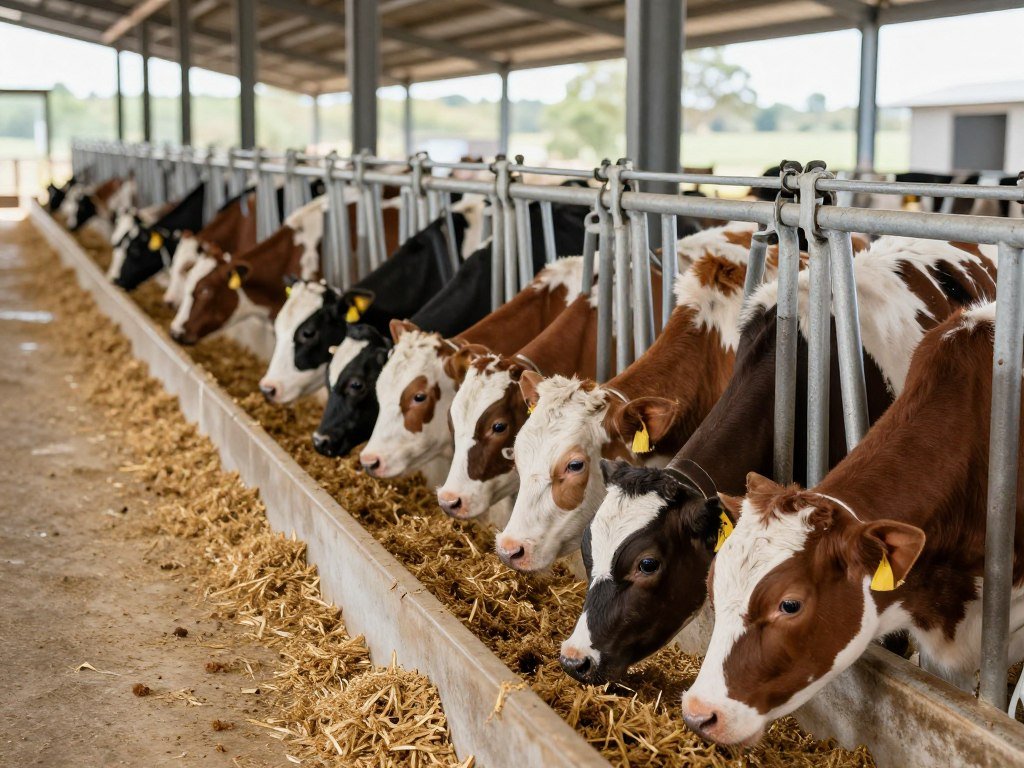
Calf rearing determines lifetime production capacity. The first 90 days establish digestive system development. Proper nutrition during this period cannot be compensated later.
Traditional meal-type feeds create dust problems. Calves selectively eat preferred ingredients. Nutritional imbalance results from this behavior. Feed pellets solve these challenges completely.
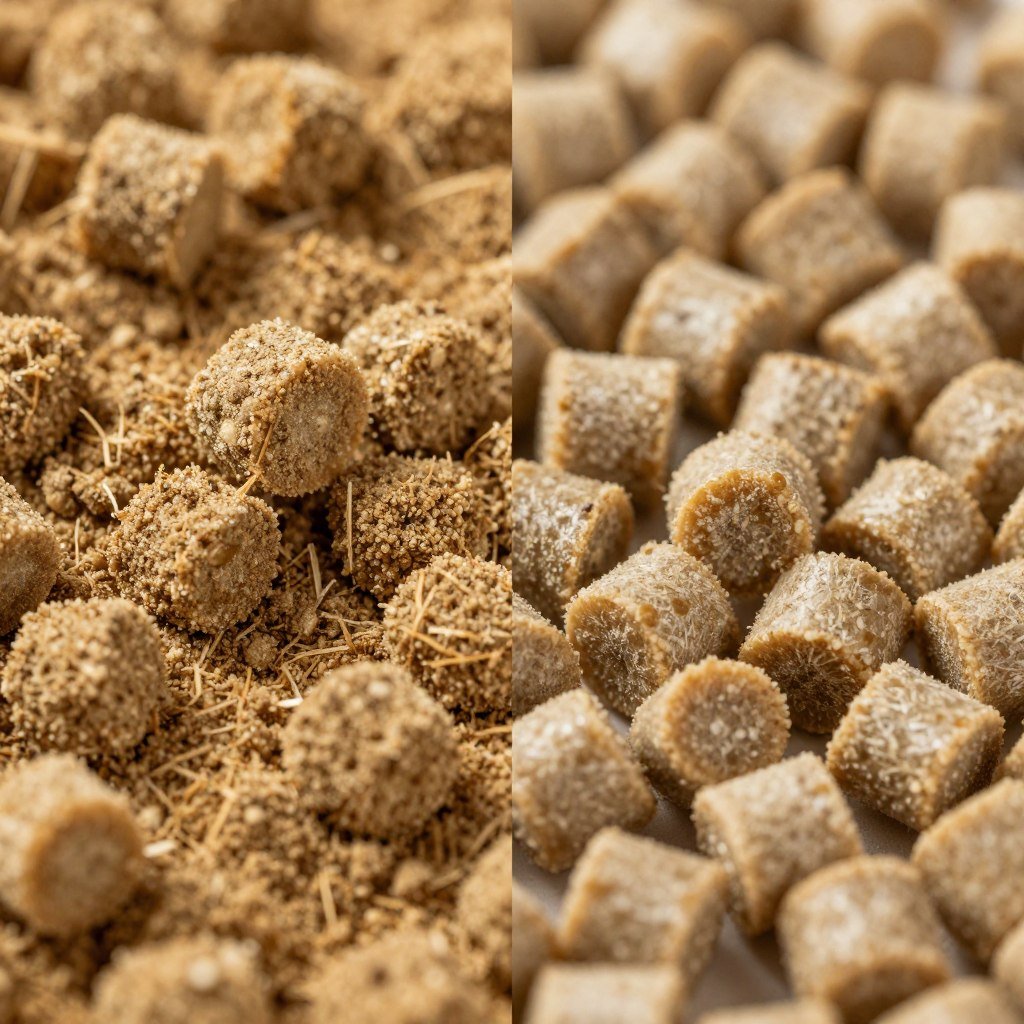
Pelleting binds all ingredients together. Each pellet contains identical nutrition. Dust reduction improves air quality. Feed waste drops by 15-25% compared to meal feeds.
Digestibility Advantages of Pelleted Calf Starter
Heat treatment during pelleting gelatinizes starches. This process makes energy more available. Protein structures become more digestible. Young digestive systems handle pellets more efficiently.
Research from Stellenbosch University shows pelleted calf starter improves average daily gain by 12-18%. Feed conversion ratios improve by 8-14%. These numbers directly impact profitability.
Economic Impact of On-Farm Feed Pellet Production
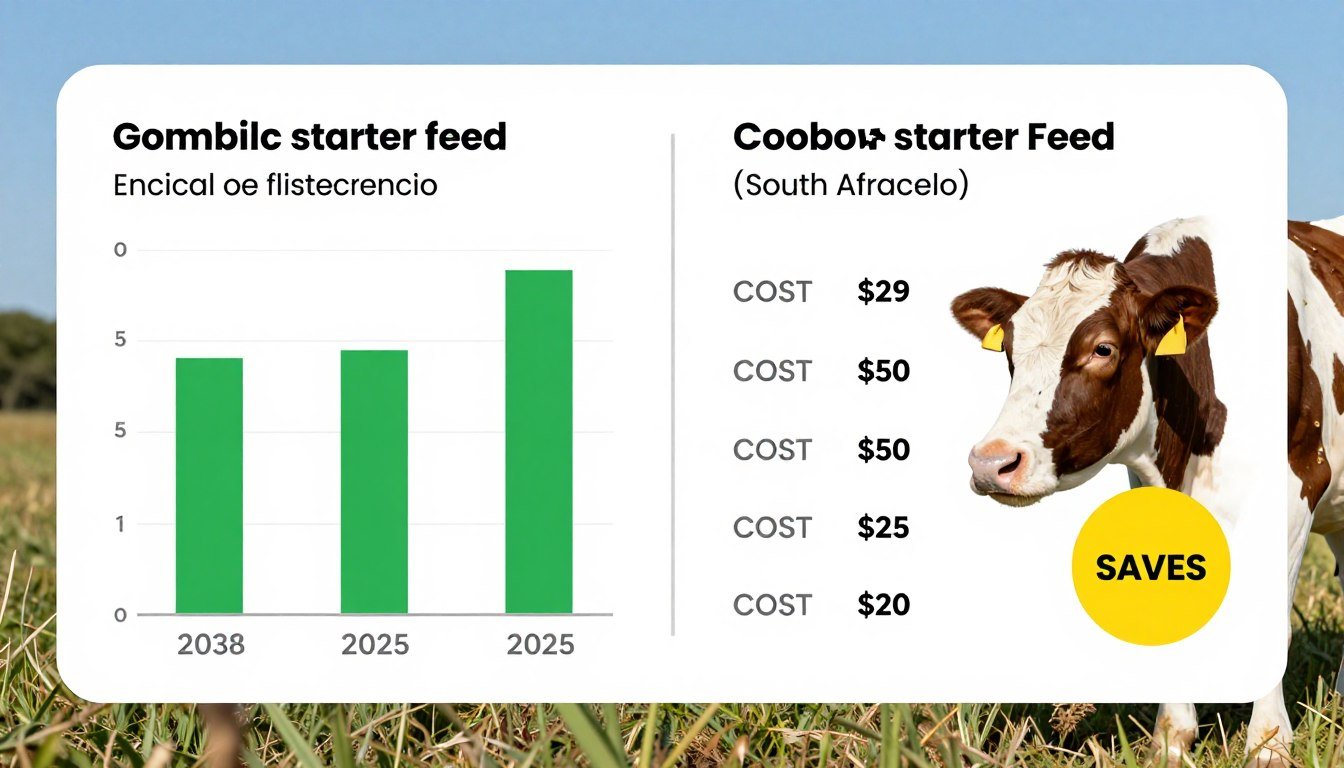
Commercial calf starter costs R8,500-R12,000 per ton in South Africa. On-farm production reduces this to R4,200-R6,800 per ton. The difference compounds across herd size.
A 50-head calf operation consumes approximately 18 tons of starter annually. Savings reach R75,000-R94,000 per year. Your pellet making machine pays for itself within 18-24 months.
- Control ingredient quality and freshness completely
- Eliminate transportation costs from feed suppliers
- Adjust formulations based on seasonal ingredient availability
- Produce exact quantities needed to maintain freshness
- Reduce storage space requirements significantly
- Create custom blends for specific growth stages
Understanding Feed Pellet Machine Technology and Operation
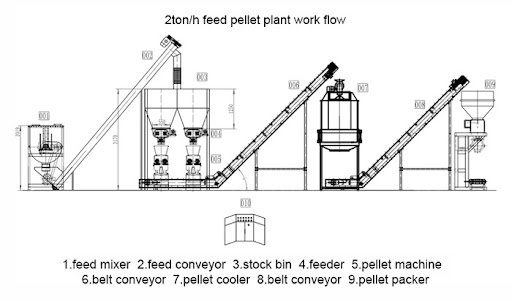
A feed pelletizer machine transforms ground ingredients into uniform cylindrical pellets. The process combines mechanical pressure with controlled heat. Understanding this machinery helps you make informed investment decisions.
Core Components of Professional Pellet Machines
The pelleting chamber contains the die and rollers. Raw material enters through the feeder system. Rollers compress material through die holes. Friction generates heat between 75-85°C.
This temperature range activates natural starches. Lignin in plant materials acts as a binding agent. No additional binders are typically needed for calf starter formulations.
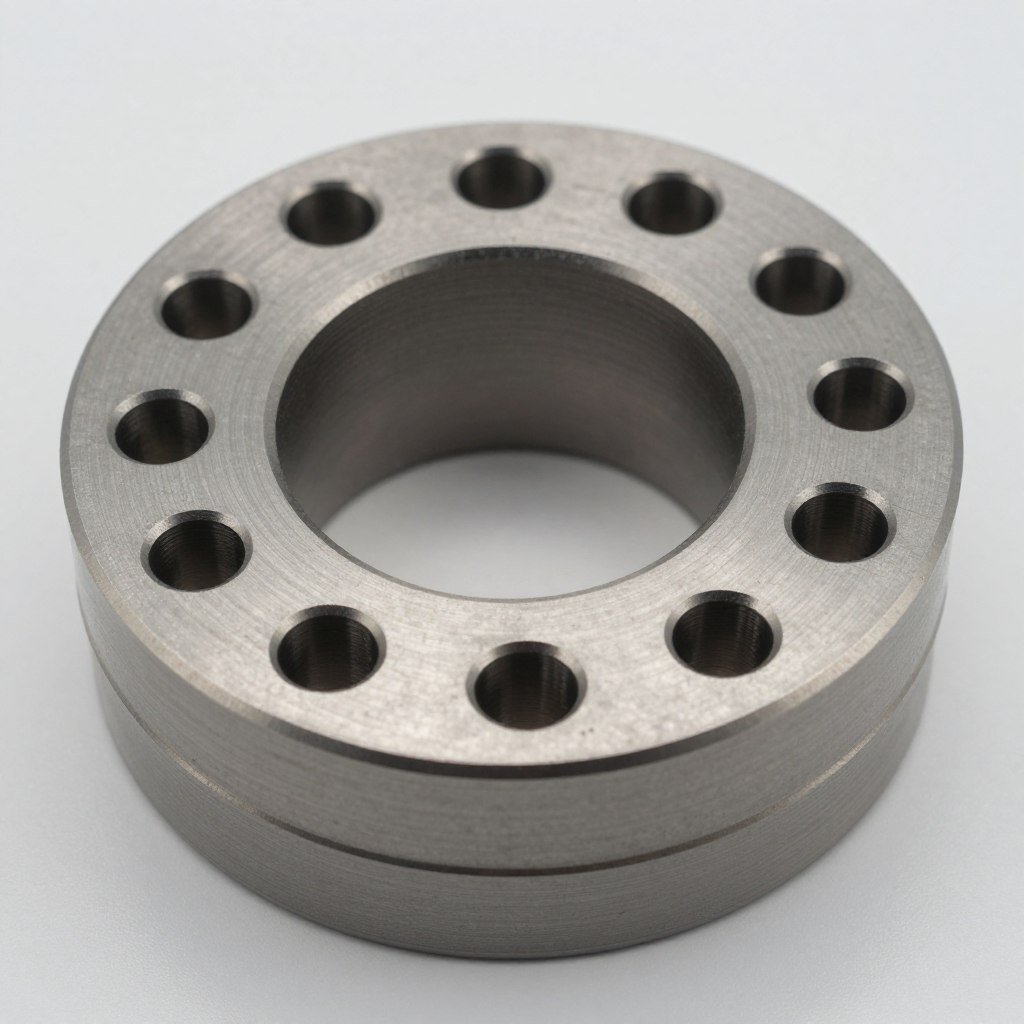
Ring Die System
The ring die rotates while rollers remain stationary. This design suits high-capacity production needs. MAIKONG ring die systems process 500-5000 kg per hour depending on model selection.
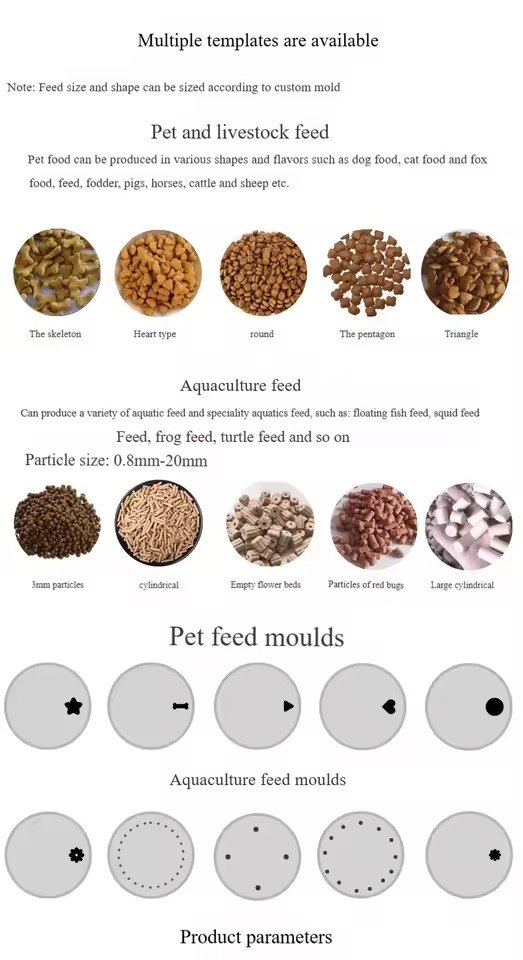
Die hole diameter determines final pellet size. Calf starter typically uses 3-4mm diameter. Hole depth affects pellet density and durability during handling.
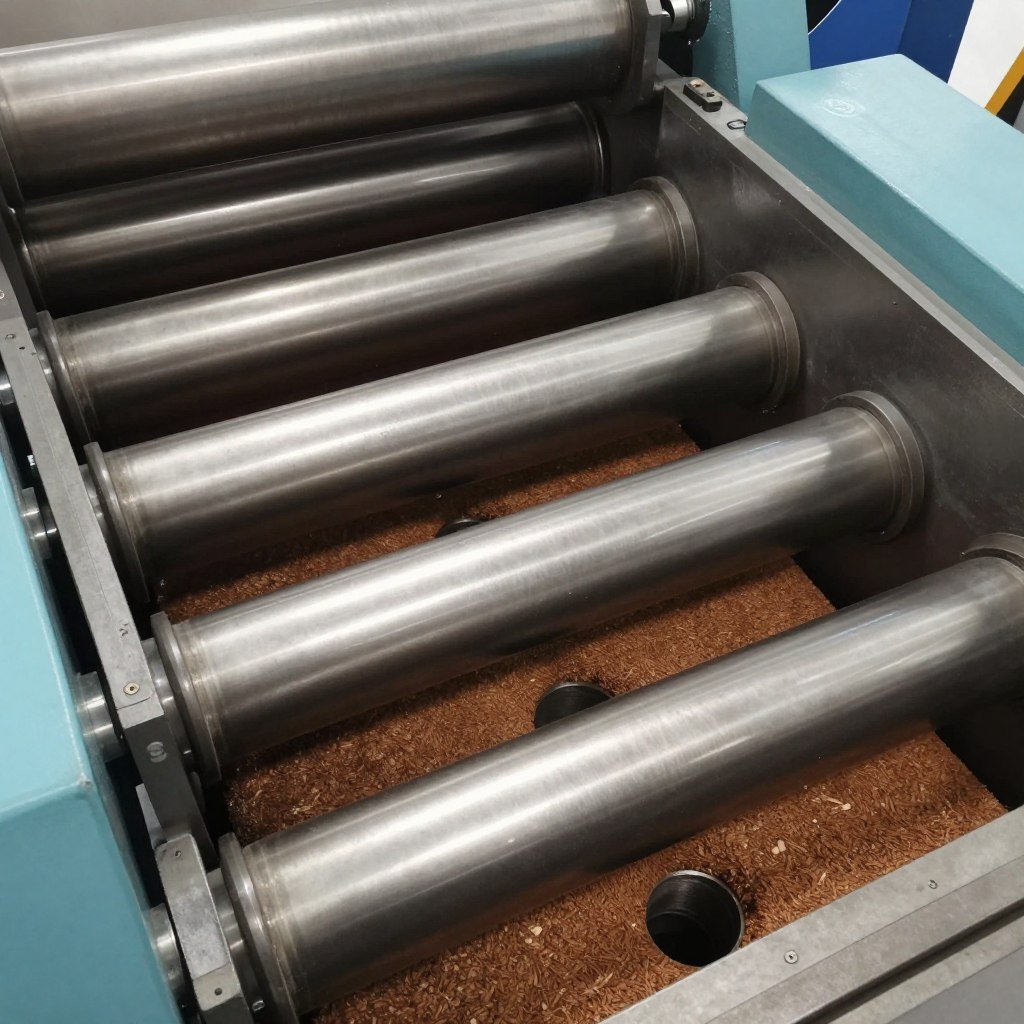
Roller Assembly
Rollers apply enormous pressure to force material through die openings. Proper roller-die gap adjustment prevents premature wear. MAIKONG machines feature adjustable roller systems for different formulations.
Roller quality directly impacts machine longevity. Our hardened alloy steel rollers withstand abrasive ingredients. Replacement intervals extend to 2000-3000 operating hours under normal conditions.
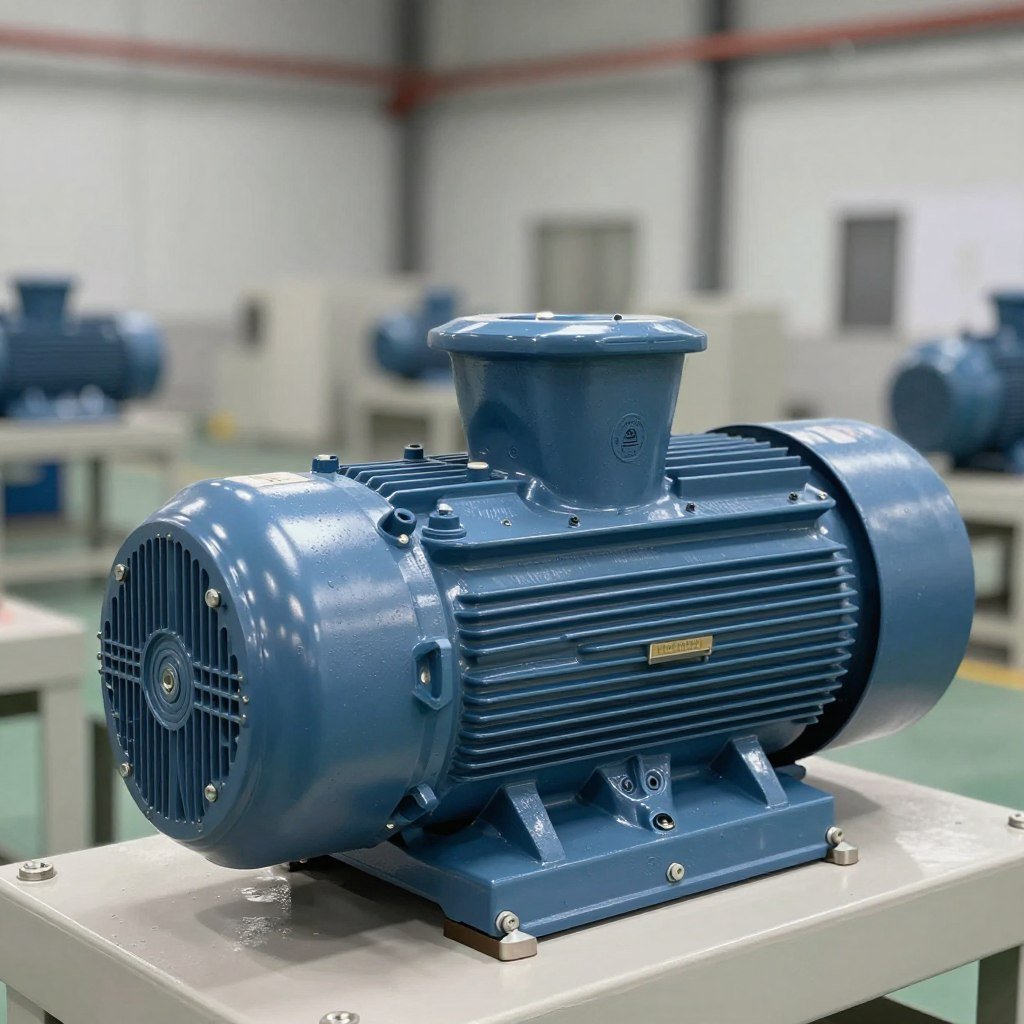
Power System
Electric motors ranging from 15kW to 160kW power different capacity models. Three-phase power provides efficient operation. South African farms typically have adequate electrical infrastructure for these requirements.
Variable frequency drives optimize energy consumption. Power usage directly correlates with production volume. Operating costs remain predictable and manageable.
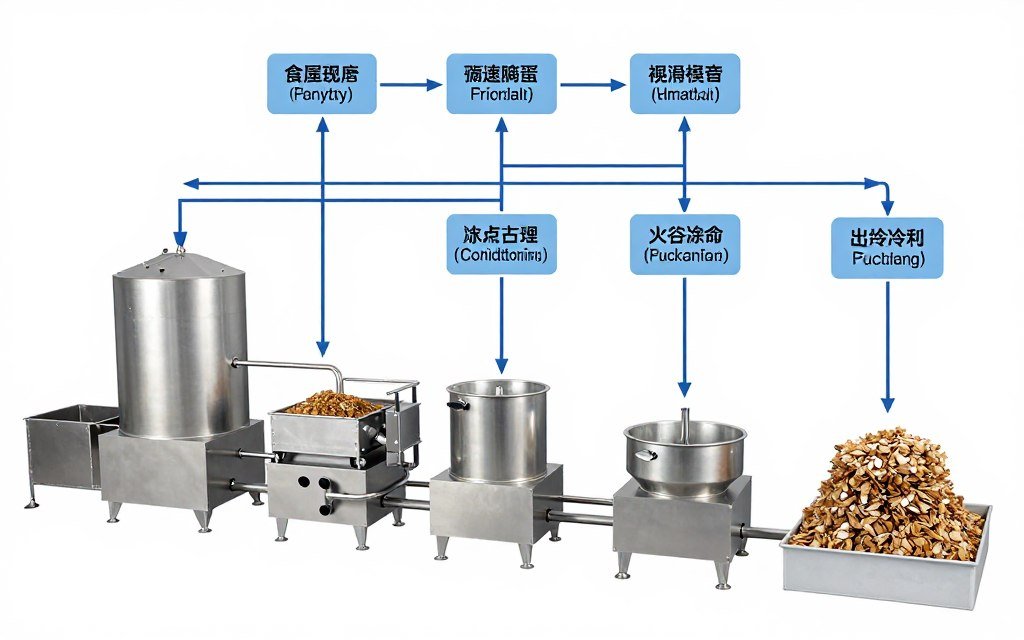
The Pelleting Process Step-by-Step
Understanding the complete process helps optimize your feed production system. Each stage contributes to final pellet quality and equipment efficiency.
- Ingredient Preparation: Raw materials must be ground to appropriate particle size. Moisture content requires adjustment to 12-16%. A mixer ensures uniform ingredient distribution before pelleting.
- Conditioning: Steam injection raises material temperature. This step gelatinizes starches and activates binding properties. Conditioning time affects pellet durability significantly.
- Compression: Material enters the die chamber. Rollers force ingredients through die holes. Intense pressure and friction generate additional heat during this phase.
- Pellet Formation: Material exits die holes as hot, soft pellets. The extrusion process creates characteristic cylindrical shape. Pellet length is controlled by cutting knife position.
- Cooling: Freshly formed pellets contain 15-17% moisture. A cooling system reduces temperature and moisture to 10-12%. This step prevents mold growth during storage.
- Screening: Fine particles separate from finished pellets. These fines return to the process for re-pelleting. Only uniform pellets proceed to packaging.
Factors Affecting Pellet Quality
Multiple variables influence final product characteristics. MAIKONG machinery allows precise control over these factors.
| Factor | Impact on Quality | Optimal Range | Adjustment Method |
| Die Hole Diameter | Determines pellet thickness and density | 3-4mm for calf starter | Die replacement |
| Compression Ratio | Affects pellet hardness and durability | 1:8 to 1:12 for calf feeds | Die specification selection |
| Moisture Content | Influences binding and storage stability | 12-16% before pelleting | Steam conditioning control |
| Particle Size | Affects compression efficiency and pellet uniformity | 80% through 2mm screen | Grinder screen selection |
| Temperature | Activates binders and improves digestibility | 75-85°C during pelleting | Steam pressure adjustment |
| Production Speed | Balances output volume with pellet quality | Varies by model capacity | Feeder rate control |
MAIKONG Feed Pellet Machine Models and Technical Specifications
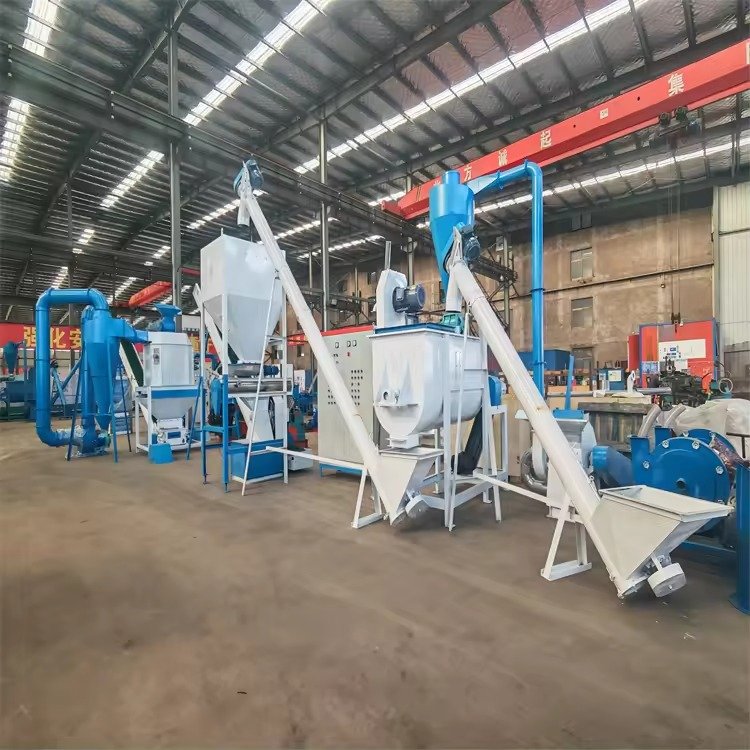
MAIKONG manufactures pellet making machines for every scale of South African farming operation. Our model range accommodates small emerging farmers through large commercial enterprises.
Small-Scale Feed Pellet Machines for Emerging Farmers
Entry-level models suit operations with 20-100 calves. These machines balance affordability with professional performance. Small feed pellet machine price starts at competitive levels for the South African market.
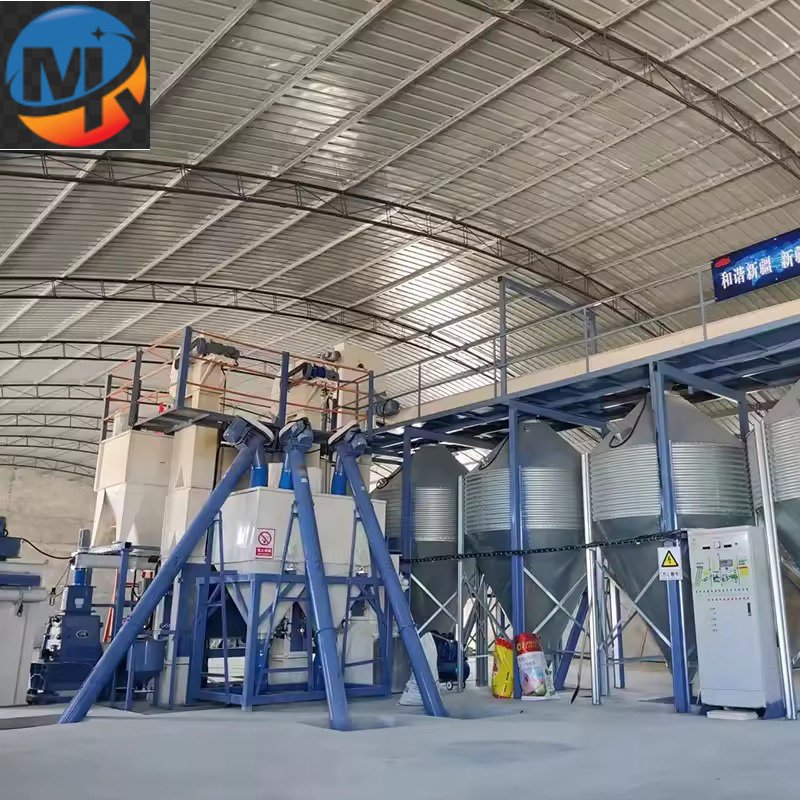
MAIKONG MKL-200 Model
- Production capacity: 150-250 kg/hour
- Motor power: 15 kW three-phase
- Die diameter: 200mm with 3-4mm holes
- Footprint: 1.2m x 0.8m x 1.4m
- Weight: 320 kg for easy installation
- Pellet diameter range: 2-6mm adjustable
This model serves 25-60 calf operations efficiently. Daily production capacity reaches 1,500-2,000 kg with continuous operation. Perfect for farms transitioning from commercial feeds to on-site production.
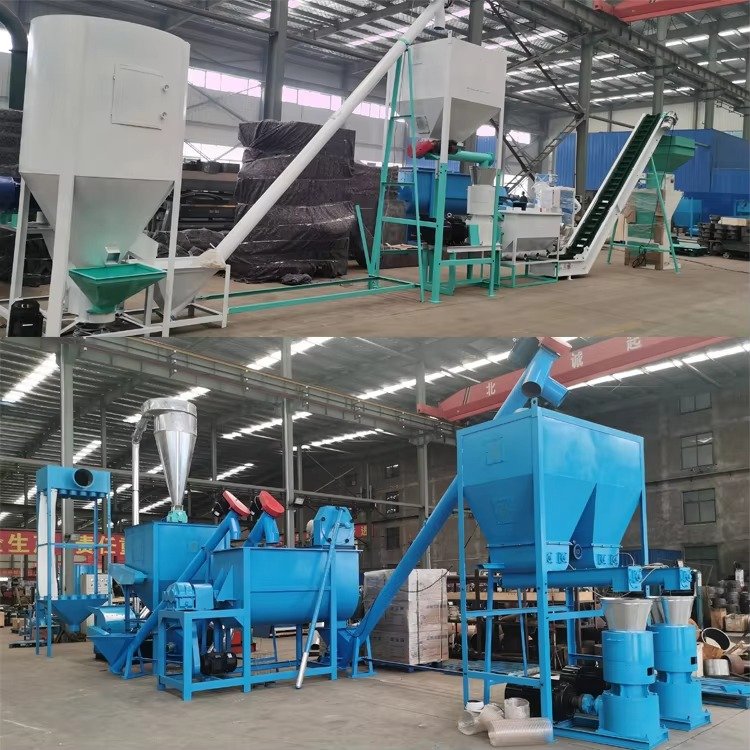
MAIKONG MKL-300 Model
- Production capacity: 300-400 kg/hour
- Motor power: 22 kW three-phase
- Die diameter: 300mm professional grade
- Footprint: 1.5m x 1.0m x 1.6m
- Weight: 480 kg industrial construction
- Suitable for 60-120 calf operations
Mid-range farms choose this model for reliability. Production meets needs of growing operations. Expandable to full production line systems when business scales.
Commercial-Scale Pellet Machine Solutions
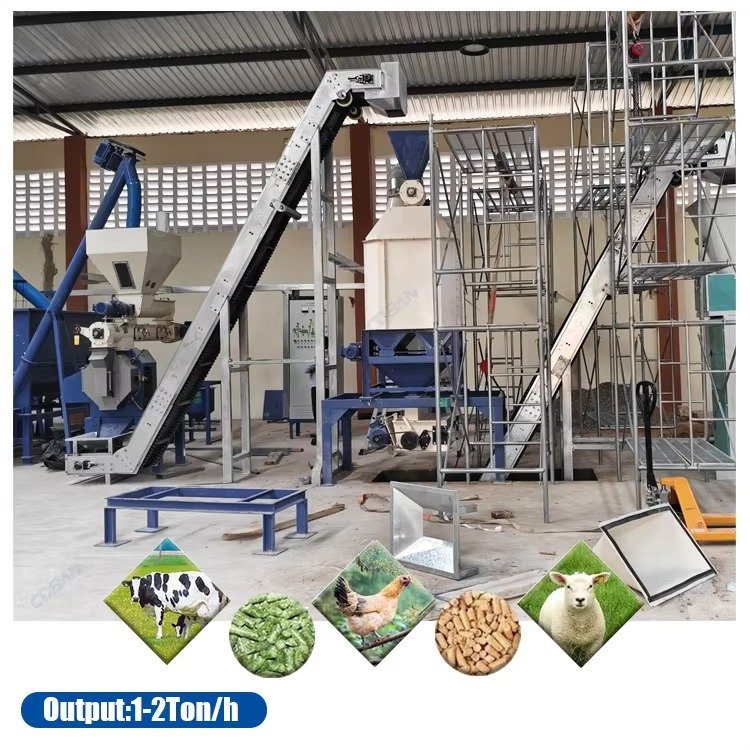
Large farming enterprises require robust high-capacity systems. MAIKONG commercial models deliver industrial performance with South African market support.
| Model | Capacity (kg/h) | Power (kW) | Die Size (mm) | Recommended Herd Size | Application |
| MKL-400 | 500-600 | 37 | 400 | 120-250 calves | Medium commercial farms |
| MKL-500 | 800-1000 | 55 | 500 | 250-500 calves | Large dairy operations |
| MKL-600 | 1200-1500 | 75 | 600 | 500-800 calves | Commercial feed mills |
| MKL-800 | 2000-2500 | 110 | 800 | 800+ calves | Large-scale feed production |
| MKL-1000 | 3000-4000 | 160 | 1000 | 1000+ mixed livestock | Multi-species commercial production |
Complete Feed Production Line Systems
Integrated systems automate entire processing workflows. MAIKONG designs custom production lines matching your specific requirements. These systems include all necessary supporting equipment.
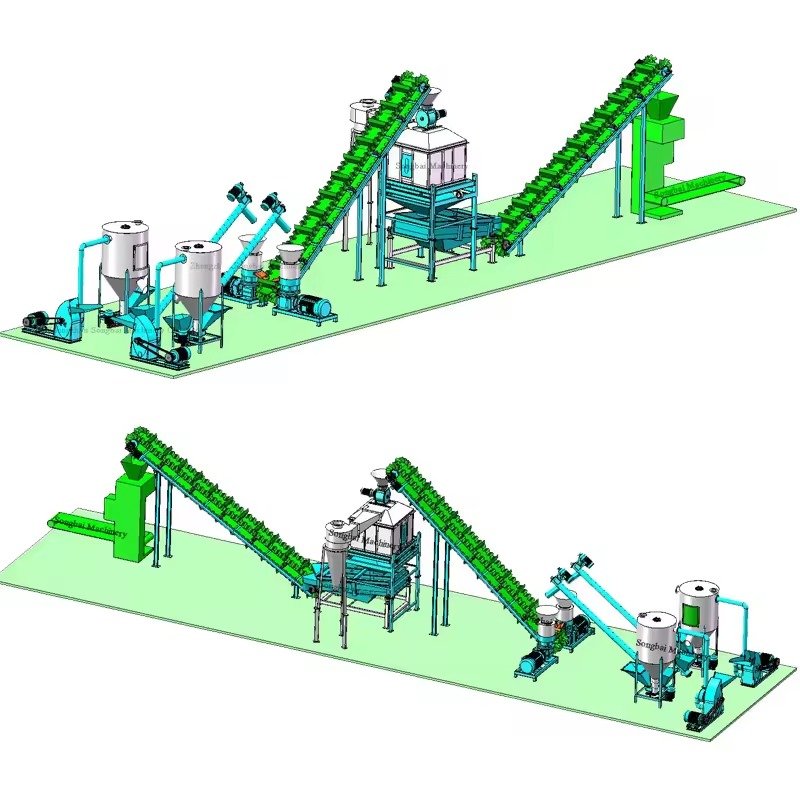
Standard Production Line Components
- Ingredient receiving and storage bins
- Grinding mill for raw materials processing
- Batch or continuous mixer system
- Steam conditioning chamber
- Feed pellet machine (appropriate capacity)
- Pellet cooler with air circulation
- Vibrating screen for fines separation
- Bucket elevators and screw conveyors
- Automated packing machine with weighing
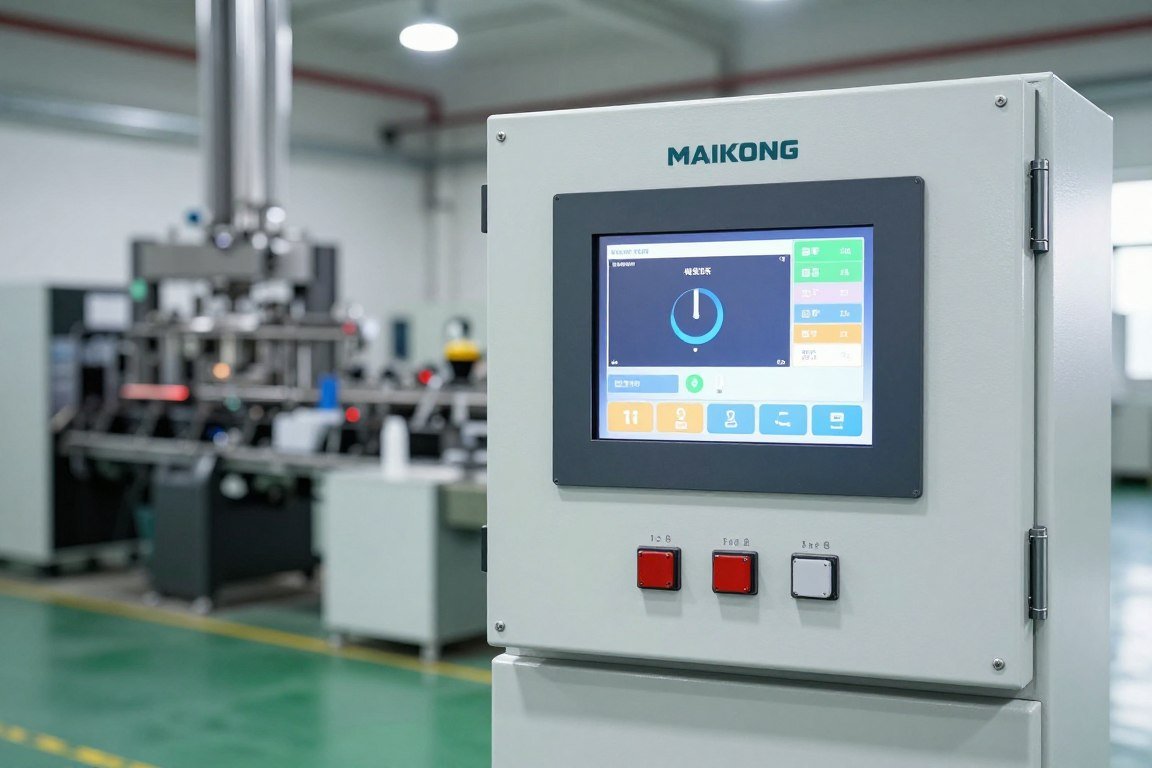
- Central control panel system
Customization Options for South African Market
MAIKONG offers extensive customization to match local conditions. Our South African clients benefit from factory-direct modification services.
Voltage Configuration
Standard South African electrical systems use 380V/400V three-phase power. MAIKONG machines ship configured for local voltage. Single-phase options available for smaller models where required.
Climate Adaptation
Dust sealing suits South African conditions. Cooling systems account for ambient temperatures. Corrosion-resistant coatings protect against coastal humidity where applicable.
Appearance Customization
Brand your machinery with custom colors. Add your farm or company logo. This feature particularly benefits distributors and commercial feed producers building market presence.
Optimal Calf Starter Formulations for Pellet Production
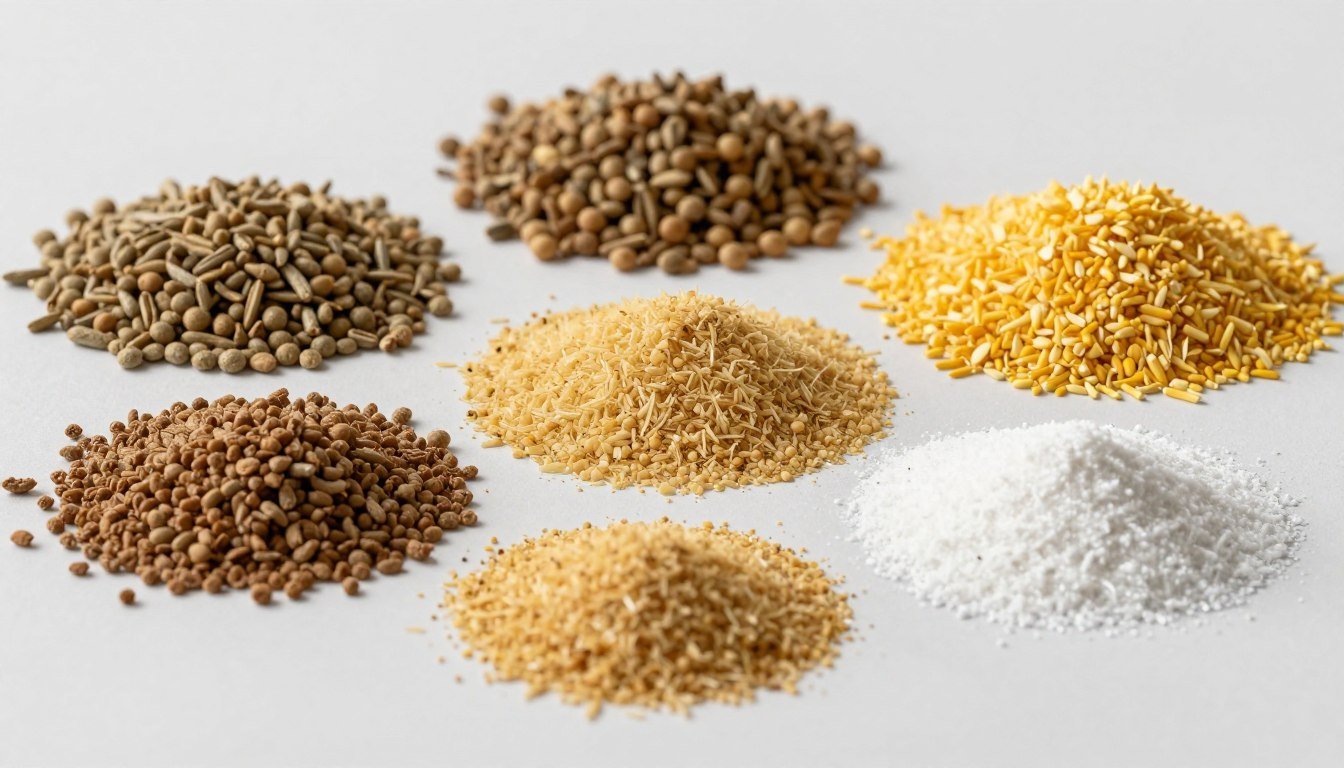
Ingredient selection determines nutritional value and pelleting success. South African farmers have access to diverse local ingredients. Proper formulation maximizes both calf performance and pellet quality.
Base Ingredient Categories
Calf starter formulations combine energy sources, protein components, minerals, and vitamins. Each category serves specific nutritional functions. Ingredient ratios affect pelleting characteristics.
Energy Sources
Energy ingredients form 50-65% of typical calf starter formulations. These components provide calories for growth and metabolic functions.
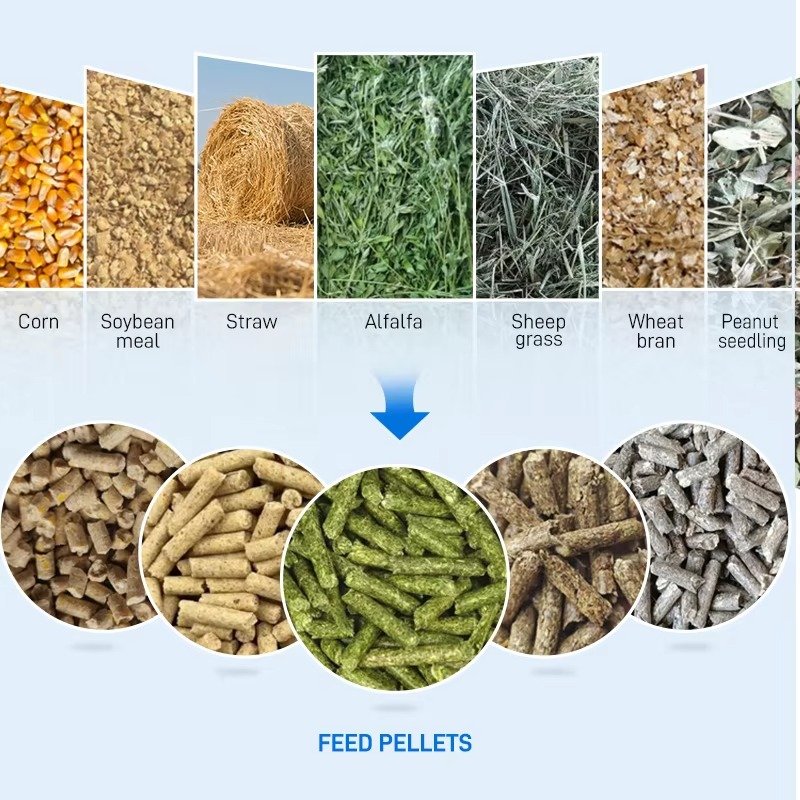
- Maize (yellow or white varieties)
- Wheat bran and wheat middlings
- Barley grain when available
- Molasses for palatability and binding
Protein Components
Protein sources supply amino acids essential for muscle development. Calf starters require 18-22% crude protein for optimal growth rates.
- Soybean meal (primary protein source)
- Sunflower meal (locally available)
- Cottonseed meal in appropriate regions
- Fish meal for premium formulations
Mineral Supplements
Minerals support bone development and metabolic processes. Deficiencies create long-term health problems. Proper mineral balance prevents developmental issues.
- Limestone for calcium requirements
- Monocalcium phosphate for phosphorus
- Salt for sodium and chloride
- Trace mineral premixes
Vitamin Additives
Vitamins maintain immune function and metabolic efficiency. Heat-stable vitamin premixes withstand pelleting temperatures. These products ensure consistent vitamin delivery.
- Vitamin A for vision and immunity
- Vitamin D3 for calcium absorption
- Vitamin E for antioxidant protection
- B-complex vitamin supplements
Sample Calf Starter Formulations
These proven formulations work well in South African conditions. Your specific formula adjusts based on ingredient availability and pricing. MAIKONG technical support helps optimize formulations for your pellet machine.
| Ingredient | Basic Formula (%) | Premium Formula (%) | Economic Formula (%) | Function |
| Maize meal | 45 | 40 | 50 | Primary energy source |
| Soybean meal | 25 | 30 | 20 | Protein and amino acids |
| Wheat bran | 15 | 10 | 18 | Fiber and palatability |
| Sunflower meal | 8 | 5 | 5 | Additional protein |
| Molasses | 3 | 5 | 3 | Binding and palatability |
| Limestone | 1.5 | 1.5 | 1.5 | Calcium source |
| Monocalcium phosphate | 1.0 | 1.0 | 1.0 | Phosphorus source |
| Salt | 0.5 | 0.5 | 0.5 | Sodium and chloride |
| Vitamin-mineral premix | 1.0 | 1.5 | 1.0 | Micronutrients |
| Fish meal | 0 | 5.5 | 0 | High-quality protein |
Ingredient Processing Requirements
Proper ingredient preparation ensures successful pelleting. Your feed pellet making machine performs best when receiving properly prepared materials. These steps optimize production efficiency.
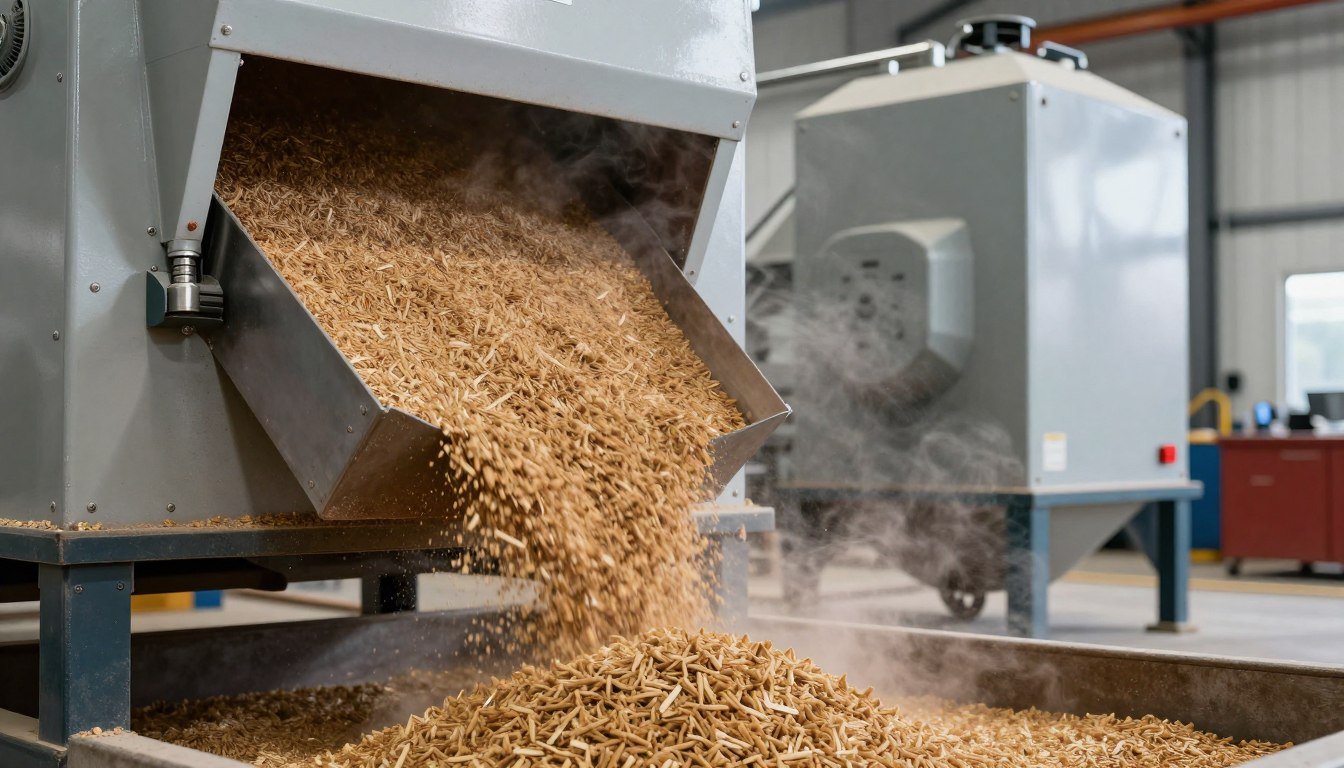
- Grinding: All ingredients pass through hammer mill or roller mill. Particle size should be 80% through 2mm screen. Finer grinding improves pellet quality but increases power consumption.
- Mixing: Batch or continuous mixers ensure uniform ingredient distribution. Mixing time ranges from 3-8 minutes depending on system type. Coefficient of variation should remain below 10%.
- Moisture adjustment: Add liquid ingredients during mixing phase. Target moisture reaches 12-16% before pelleting. Too much moisture causes die blockage issues.
- Conditioning: Steam injection prepares material for pelleting. Temperature rises to 75-85°C for 30-90 seconds. This step gelatinizes starches and activates natural binders.
Seasonal Formulation Adjustments
South African ingredient availability varies by season. Smart farmers adjust formulations to maintain nutrition while controlling costs. This flexibility maximizes profitability.
Summer Formulation Strategies
Maize harvests create availability peaks in April-June. Purchase and store maize during this period for year-round use. Prices drop 15-25% compared to lean months.
Fresh forage availability may allow reduced concentrate levels. Adjust energy density to account for green feed intake. Monitor calf growth rates to prevent nutrient deficiencies.
Winter Formulation Considerations
Cold stress increases energy requirements by 10-15%. Boost energy density through increased maize percentage. Consider adding fat sources for concentrated energy.
Limited forage quality demands higher concentrate intake. Increase protein levels slightly to compensate for reduced pasture protein. Monitor body condition scores weekly.
Operating Your Feed Pellet Machine Efficiently
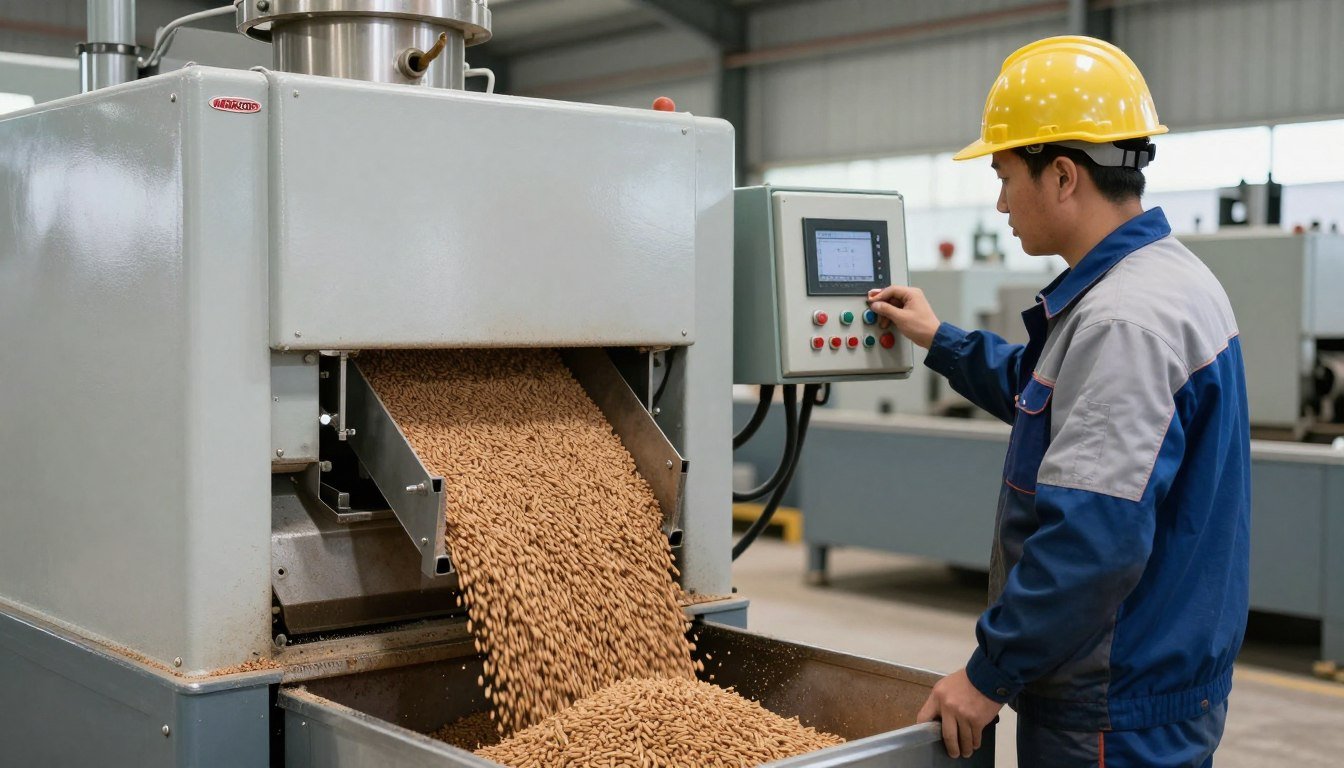
Proper operation extends equipment life and maintains pellet quality. MAIKONG machines require minimal training for competent operation. Following these procedures ensures consistent results.
Pre-Operation Checklist
Complete these steps before starting production each day. Systematic pre-operation procedures prevent unexpected breakdowns. Your machine rewards consistent maintenance attention.
- Inspect die and rollers for wear or damage. Replace components showing excessive wear immediately. Damaged parts reduce pellet quality and risk system damage.
- Check oil levels in gearbox and bearing housings. Top up with recommended lubricants if needed. Insufficient lubrication causes premature wear.
- Verify all safety guards remain securely fastened. Never operate machinery with guards removed. Safety protects operators and prevents contamination.
- Test emergency stop systems for proper function. Confirm all operators know emergency procedures. Safety training prevents workplace accidents.
- Clear any residual material from previous production run. Start with clean equipment for each batch. This prevents cross-contamination between formulations.
- Confirm adequate ingredient supply for planned production volume. Running out mid-batch wastes time and energy. Plan ingredient quantities carefully.
Start-Up Procedures
Correct start-up sequence protects your pellet machine investment. These steps apply to all MAIKONG models. Consistent procedures create operational habits.
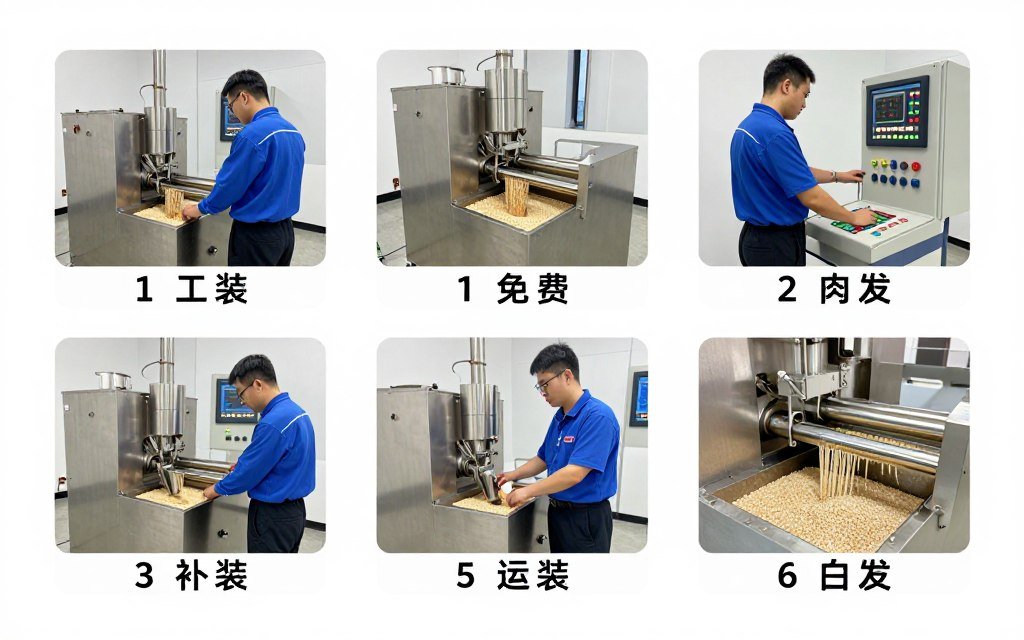
- Start cooling system fans first. Adequate airflow must exist before pellet production begins. This prevents hot pellets from piling up.
- Activate main drive motor without feed material. Allow machine to reach operating speed. Listen for unusual noises indicating problems.
- Begin feeding conditioned material gradually. Start at 30-40% of rated capacity. Gradually increase to full production rate over 5-10 minutes.
- Monitor initial pellet quality closely. Adjust moisture or steam as needed. First pellets often require minor adjustments.
- Confirm cooler effectively reduces pellet temperature. Output temperature should reach ambient plus 5-8°C. Excessive temperature indicates cooling problems.
Troubleshooting Common Issues
Understanding typical problems prevents production disruptions. Most issues have simple solutions. MAIKONG technical support assists with complex situations.
| Problem | Possible Cause | Solution | Prevention |
| Soft or crumbly pellets | Insufficient moisture or temperature | Increase steam conditioning time | Monitor conditioning parameters continuously |
| Die blockage | Excessive moisture in material | Reduce liquid ingredient levels | Control moisture content precisely |
| Uneven pellet length | Knife wear or improper adjustment | Sharpen or replace cutting knife | Regular knife inspection and maintenance |
| Excessive fines production | Inadequate conditioning or low compression | Increase steam or adjust roller gap | Maintain proper roller-die clearance |
| Motor overload | Feeding rate too high or die plugged | Reduce feed rate and clear blockage | Follow recommended capacity guidelines |
| Excessive vibration | Unbalanced die or loose components | Check and tighten all fasteners | Regular vibration monitoring routine |
Shutdown and Cleaning Procedures
Proper shutdown protects equipment between production runs. Clean machinery starts each session optimally. These practices extend service life significantly.
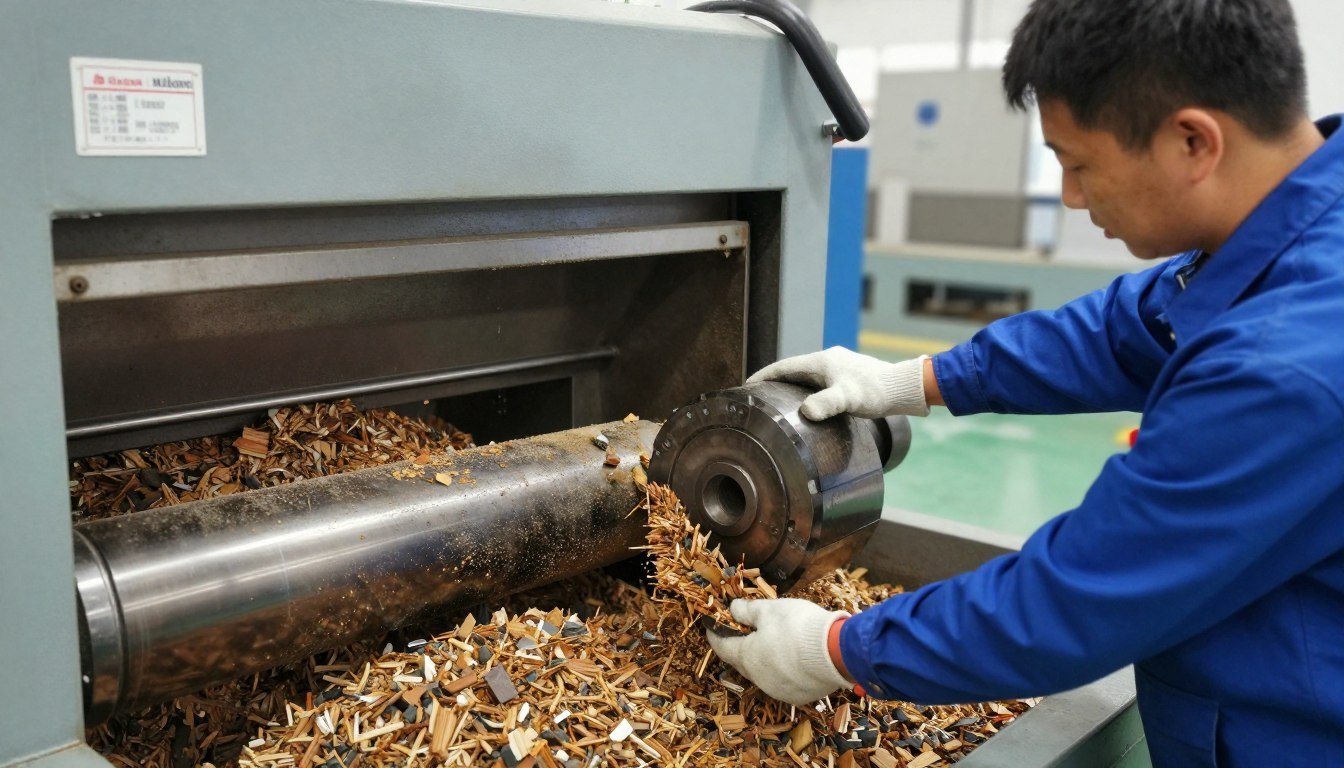
- Gradually reduce feed rate to zero over 3-5 minutes. Allow remaining material to clear system completely. Sudden stops leave material in die.
- Run rice hulls or similar material through system. This purges remaining ingredients from die holes. Creates clean start for next production run.
- Stop feed pelletizer machine motor only after purge material exits. Allow cooling fans to run additional 10-15 minutes. This prevents heat-related component stress.
- Remove and clean all accessible components. Pay special attention to die and roller surfaces. Residue buildup reduces pellet quality over time.
- Inspect wear parts for damage or excessive wear. Document condition for maintenance planning. Replace parts before failure occurs.
- Apply light oil coating to die and roller surfaces. This prevents corrosion during idle periods. Particularly important in humid coastal regions.
Need Custom Production Guidance?
MAIKONG technical team provides personalized operation training and ongoing support. Get expert advice on optimizing your specific formulation and production requirements.
South African Success Stories with MAIKONG Pellet Machines
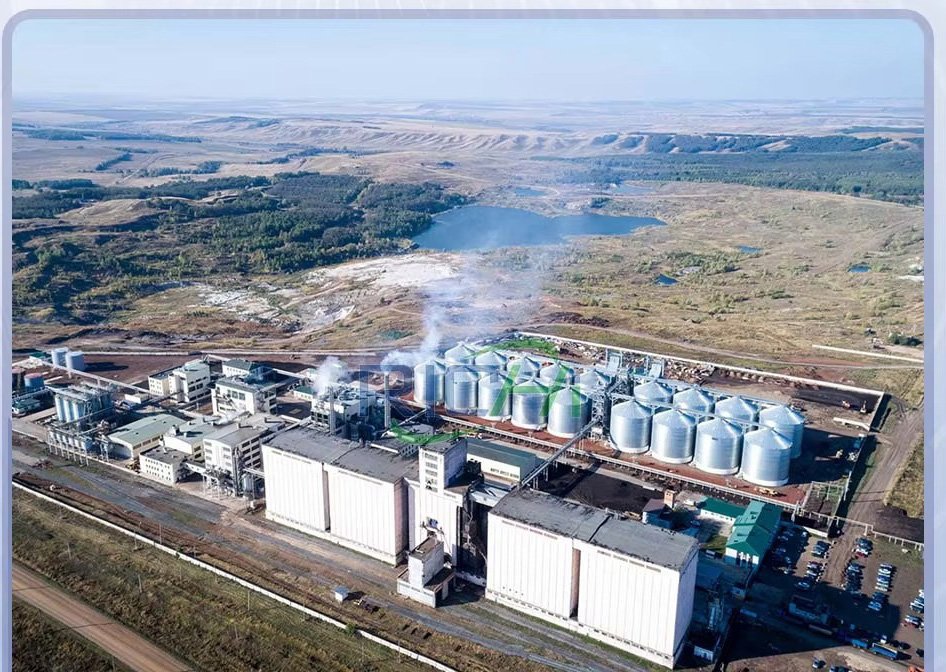
Real results from South African farms demonstrate MAIKONG pellet making machine performance. These case studies reflect actual client experience across different farm types. Your results depend on proper implementation and management.
Case Study 1: Mpumalanga Dairy Farm Transformation
Farm Background
Highveld Dairy operates 180 Holstein cows near Ermelo, Mpumalanga. The farm raises all replacement heifers from birth. Commercial calf starter costs consumed 18% of total feed budget annually.
Owner Pieter van Rensburg purchased a MAIKONG MKL-300 feed pellet machine in March 2023. His goal focused on reducing feed costs while maintaining calf performance. Initial investment totaled R385,000 including mixer and cooler.
Implementation Process
MAIKONG technical staff spent three days on-site during installation. Training covered operation, maintenance, and formulation optimization. Production started within one week of delivery.
Initial formulation used local maize, soybean meal from Gauteng suppliers, and mineral premixes. Van Rensburg adjusted recipes based on ingredient pricing fluctuations. This flexibility immediately reduced ingredient costs.
Measured Results After 18 Months
- Calf starter cost decreased from R11,200 to R6,400 per ton
- Annual savings totaled R142,800 on calf feed alone
- Average daily gain improved from 0.68 kg to 0.76 kg
- Weaning age reduced by 6 days on average
- Return on investment achieved in 20 months
- Now producing pellets for dairy cow ration as well
“The MAIKONG machine paid for itself faster than projected. We control ingredient quality completely now. Our calves perform better on farm-made pellets than commercial feed. The WhatsApp support helped solve minor issues quickly.”
Case Study 2: Western Cape Beef Operation Expansion
Operation Overview
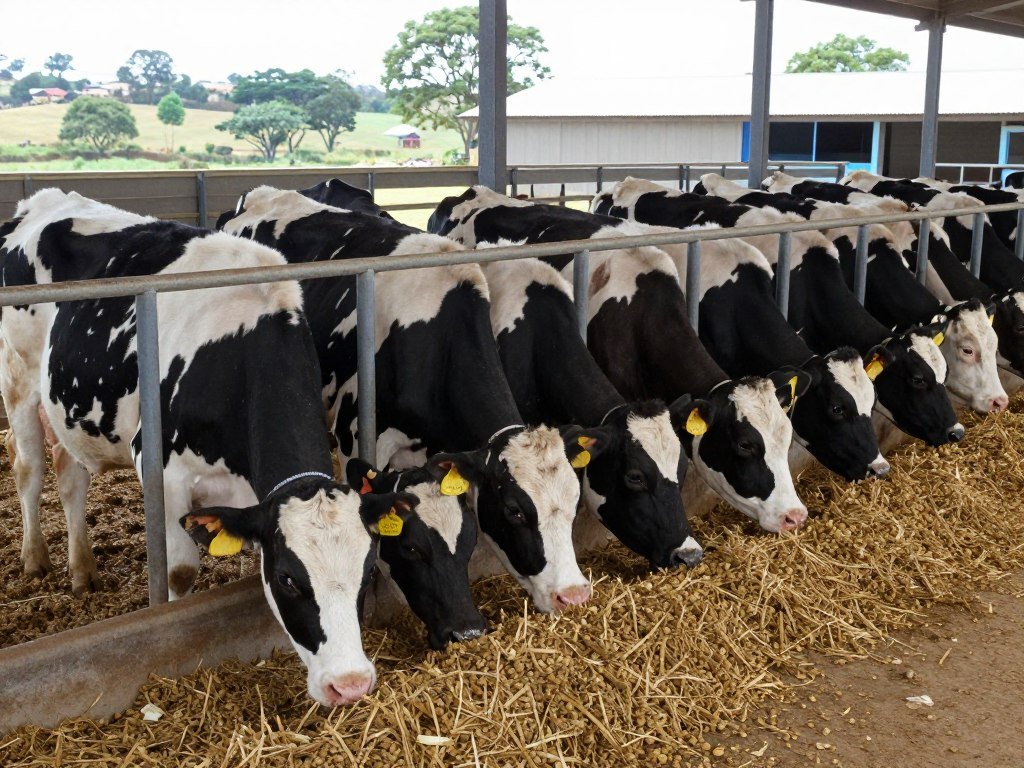
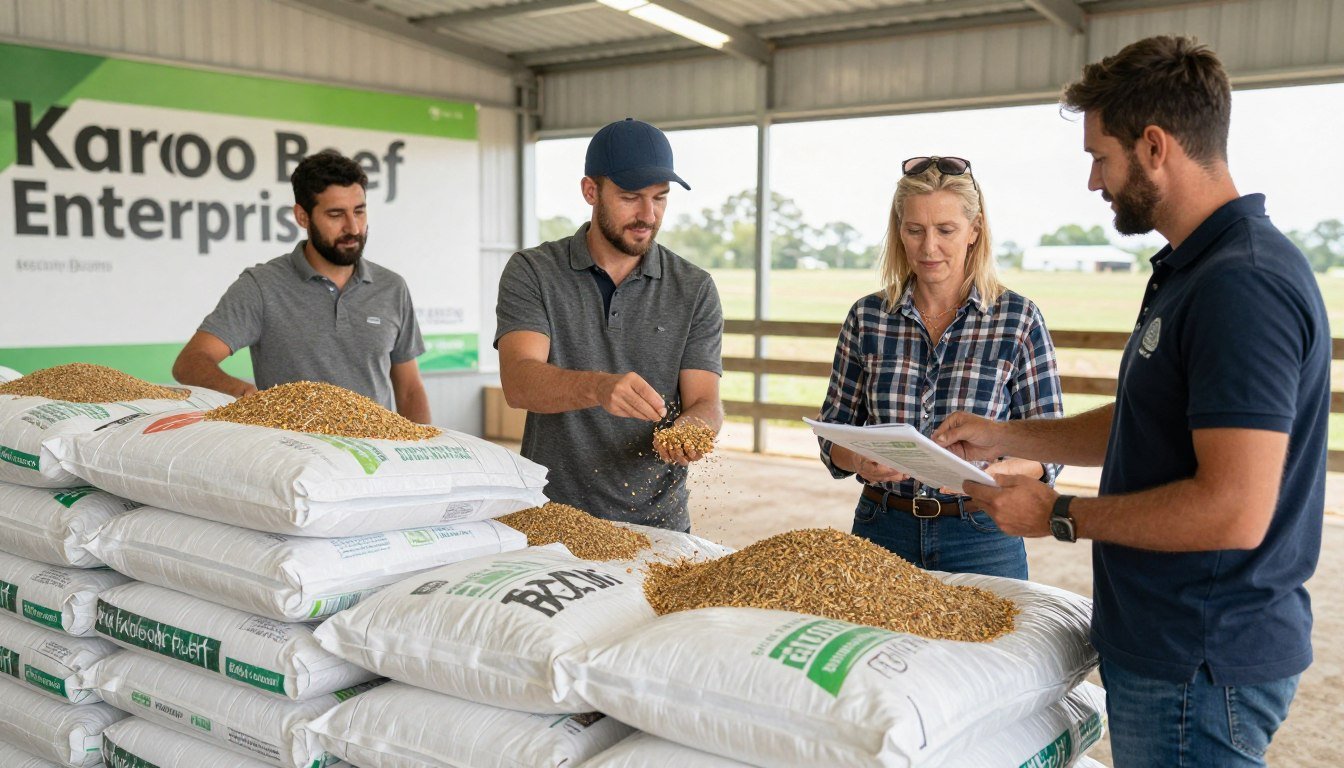
Karoo Beef Enterprises runs a 400-head beef cattle feedlot near Worcester. The operation includes 80 breeding cows producing replacement stock. Owner Johannes Botha identified calf feed costs as a growth limitation.
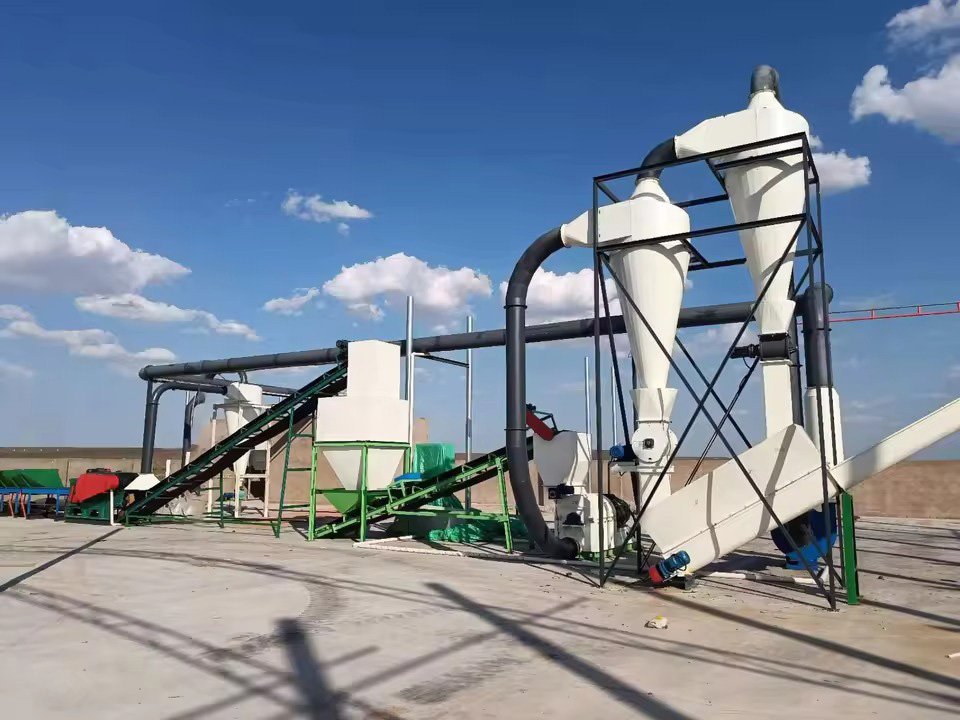
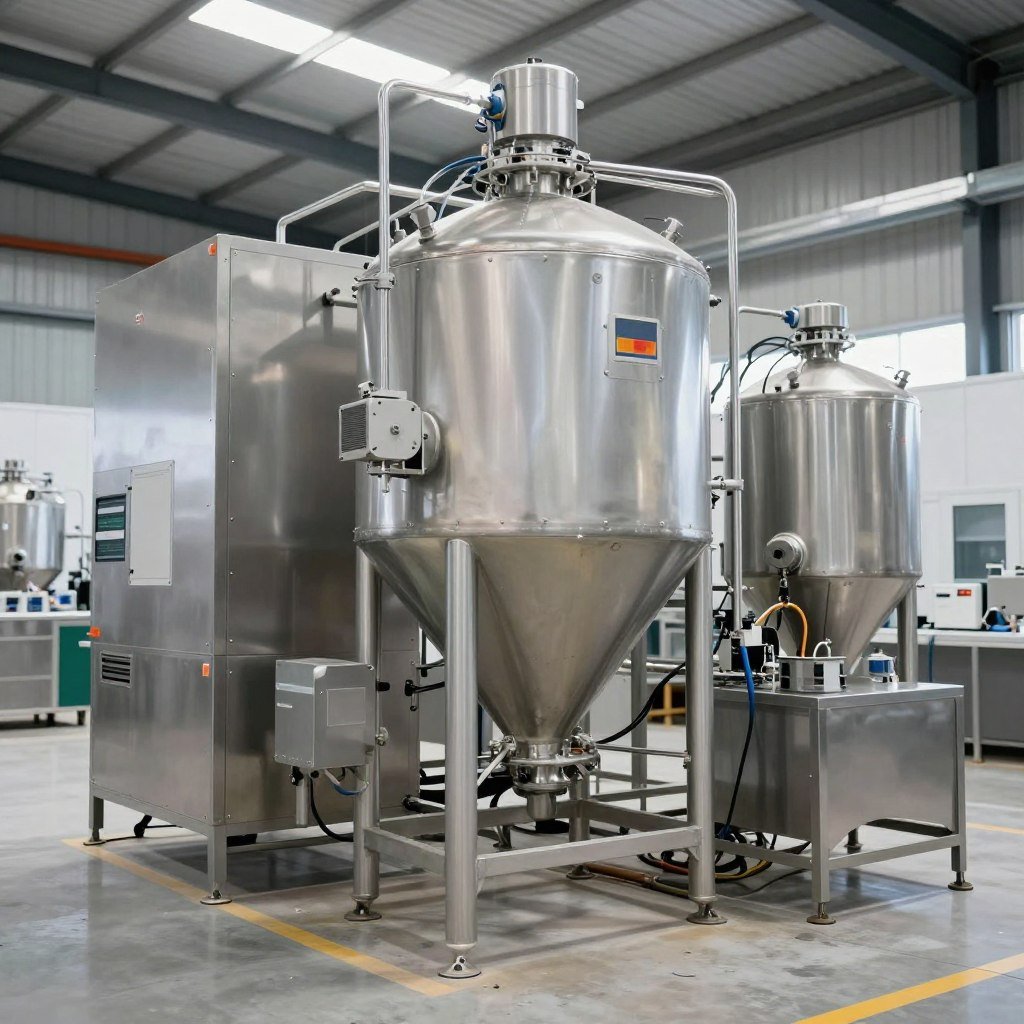
In June 2023, Botha invested in a complete MAIKONG feed production line. The system included MKL-400 pelletizer, mixer, grinder, cooler, and packing machine. Total investment reached R685,000 for the integrated system.
Unique Challenges Addressed
- Variable ingredient availability in semi-arid region
- Need to produce multiple feed types efficiently
- Seasonal demand fluctuations for different pellet formulas
- Labor constraints requiring automated systems
- Quality consistency across large production volumes
Production Flexibility Achieved
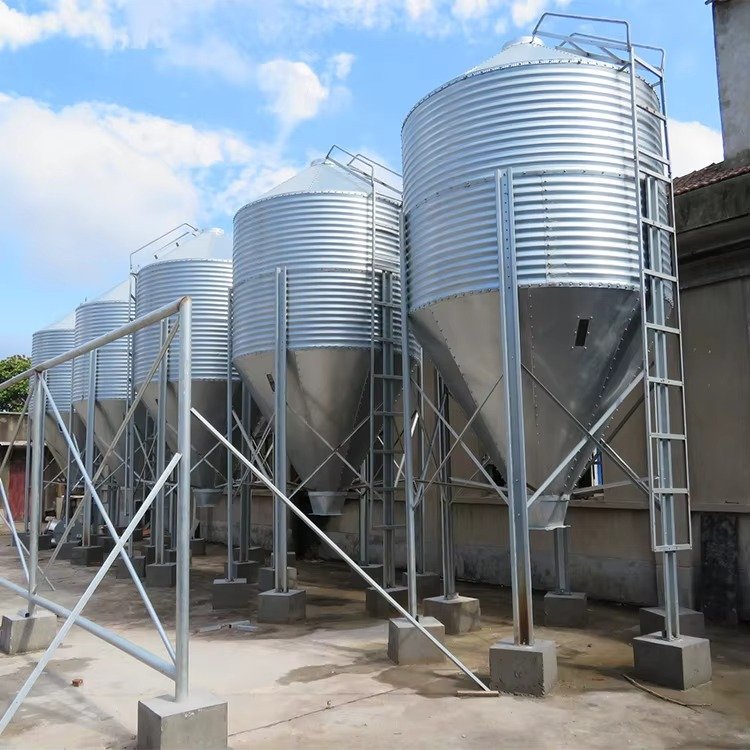
The complete line produces calf starter, grower rations, and finishing feeds. Production runs occur twice weekly. Each session produces 3-4 tons of specific formulations. Storage capacity accommodates two weeks of inventory.
Automated systems reduced labor from 2.5 workers to 1 worker per production session. Quality consistency improved dramatically compared to previous meal-type feeds. Pellet durability withstands handling without excessive breakage.
| Performance Metric | Before MAIKONG | After MAIKONG | Improvement |
| Monthly calf feed cost | R68,400 | R42,200 | 38% reduction |
| Average daily gain (calves) | 0.71 kg | 0.82 kg | 15% increase |
| Feed waste percentage | 22% | 8% | 64% reduction |
| Labor hours per ton | 4.2 hours | 1.6 hours | 62% reduction |
| Health treatment costs | R18,600/month | R12,400/month | 33% reduction |
“The complete production line transformed our operation. We now control every aspect of feed quality. Calves respond with better growth and fewer health problems. MAIKONG’s customization allowed us to match equipment to our specific needs perfectly.”
Additional Revenue Stream
Excess production capacity enabled Botha to start custom pelleting for neighboring farms. This service generates R15,000-R22,000 monthly additional income. The machine investment now serves dual purposes profitably.
Case Study 3: KwaZulu-Natal Emerging Farmer Cooperative
Cooperative Structure
Msunduzi Valley Farmers Cooperative represents 23 small-scale livestock farmers near Pietermaritzburg. Combined membership manages approximately 140 calves, 280 goats, and 450 chickens. Commercial feed costs limited expansion potential for all members.
The cooperative purchased a MAIKONG MKL-200 pellet machine through government agricultural development funding in September 2023. Total project cost reached R245,000 including basic mixer and training.
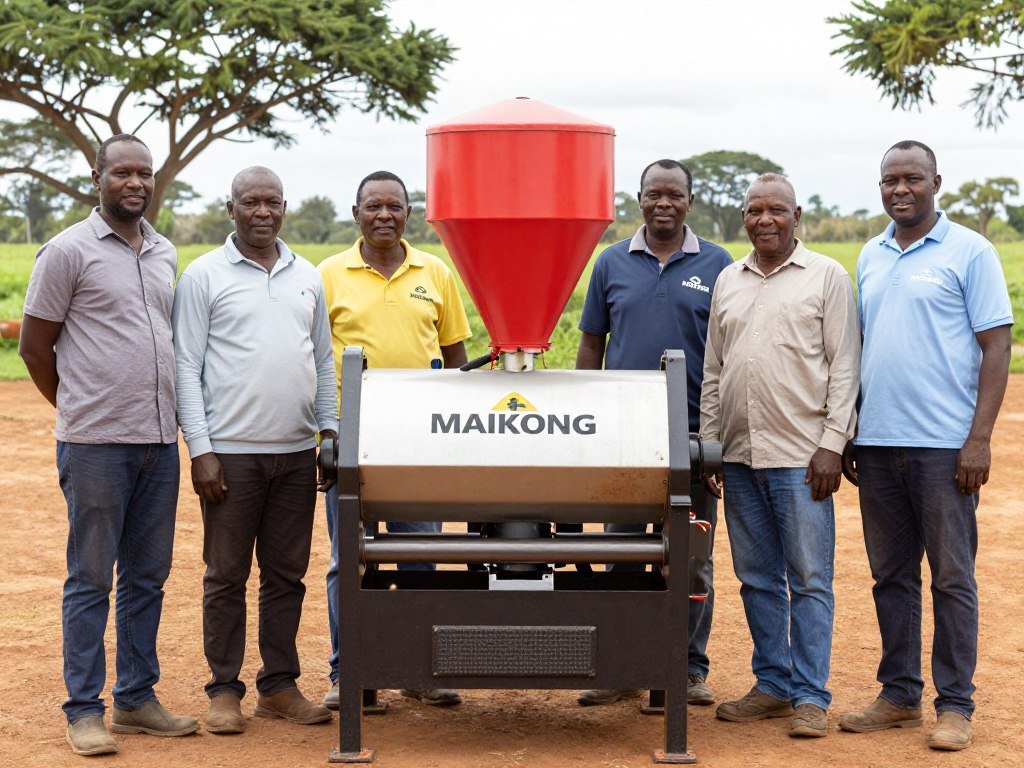
Shared Resource Model
Members schedule production days in advance. Each farm brings ingredients for custom formulations. The cooperative charges R180 per ton processing fee to cover operating costs. This model makes technology accessible to small farmers.
Monthly production totals 8-12 tons across all members. Individual farmers produce 200-800 kg per session. Storage occurs on individual farms after production. The system works efficiently despite small batch sizes.
Economic Impact on Members
Cooperative chairperson Nomsa Mthembu tracks detailed economics. Member surveys occur quarterly. Results demonstrate significant household income improvements through reduced feed spending.
- Average feed cost savings: 42% across all livestock types
- Annual household income increase: R12,400 per member family
- Herd expansion rate: Members increased livestock numbers by average 35%
- Meat quality premiums: Better-finished animals command 8-12% price premium
- Youth employment: 3 young people employed in operation and maintenance
- Knowledge transfer: 18 members completed feed formulation training
“The MAIKONG machine created opportunities beyond just feed savings. Our members learned business skills, nutrition knowledge, and cooperative management. Young people see farming as viable now. This technology changed community attitudes about agriculture.”
Technical Support Experience
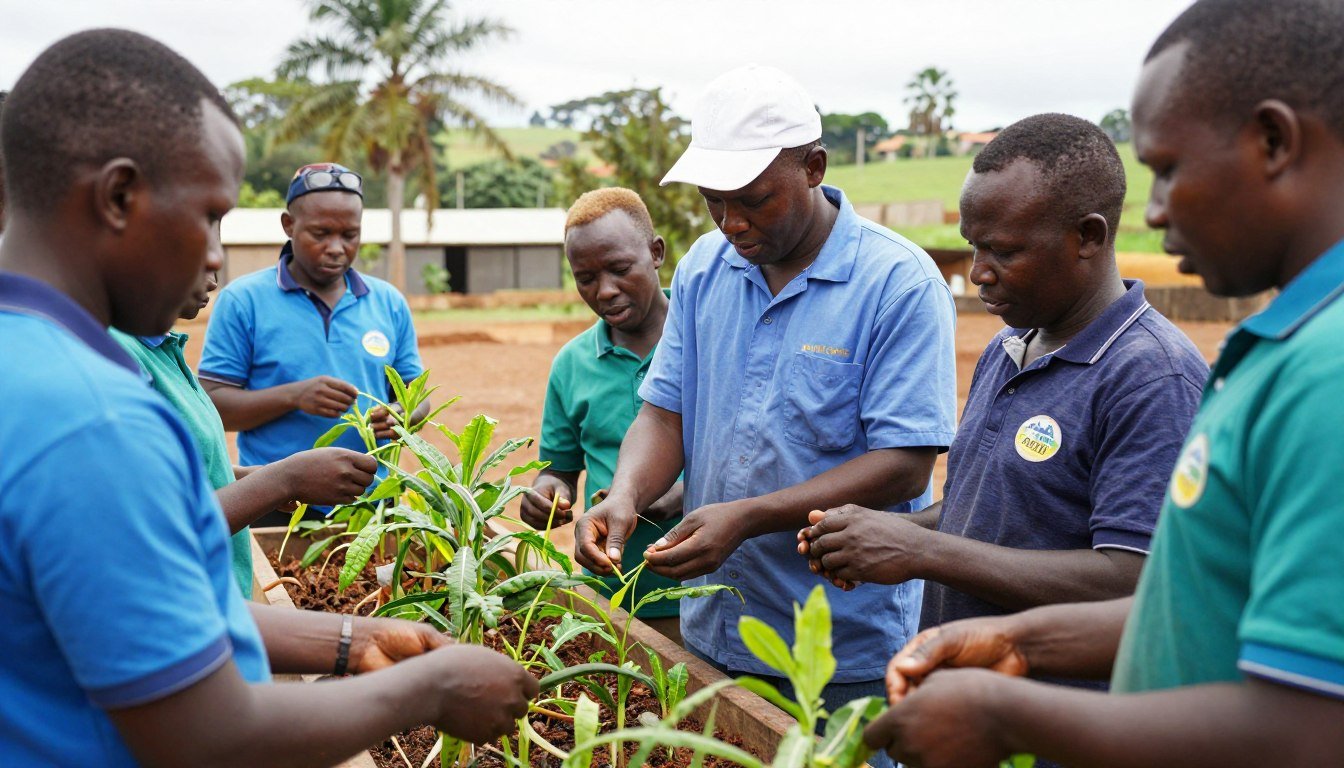
Initial installation included five days of intensive training. MAIKONG technical staff taught operation, maintenance, and basic formulation principles. WhatsApp support group connects cooperative with factory directly.
Minor issues during first three months received remote support successfully. One spare parts order arrived within 12 days. Members appreciate responsive communication in clear English. This support builds confidence in the investment.
Financial Analysis: Feed Pellet Machine Investment Returns

Understanding investment economics helps make informed purchasing decisions. MAIKONG pellet machines offer measurable financial returns. Your specific ROI depends on herd size, feed costs, and operation efficiency.
Initial Investment Components
Complete cost analysis includes machinery, installation, training, and working capital. Transparent budgeting prevents unexpected expenses. MAIKONG provides detailed quotations including all necessary components.
| Investment Category | Small Farm (MKL-200) | Medium Farm (MKL-400) | Large Operation (MKL-600) |
| Pellet machine unit | R165,000 | R385,000 | R625,000 |
| Supporting equipment (mixer, cooler) | R48,000 | R95,000 | R185,000 |
| Shipping to South Africa | R22,000 | R38,000 | R55,000 |
| Installation and training | R15,000 | R28,000 | R45,000 |
| Building modifications | R35,000 | R65,000 | R120,000 |
| Initial spare parts inventory | R12,000 | R22,000 | R38,000 |
| Total initial investment | R297,000 | R633,000 | R1,068,000 |
Operating Cost Analysis
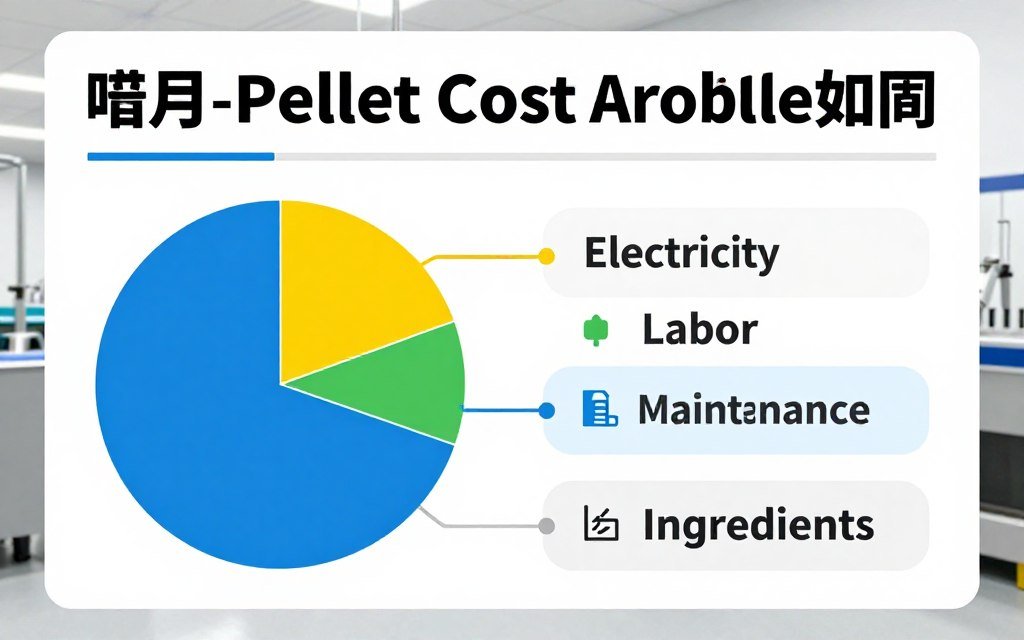
Ongoing expenses include electricity, maintenance, and labor. These costs remain relatively stable once production begins. Efficient operation minimizes variable expenses.
Fixed Monthly Costs
- Electricity: R1,200-R4,500 depending on production volume
- Labor: R3,500-R8,000 for dedicated operator (part-time possible)
- Maintenance supplies: R600-R1,800 for lubricants and consumables
- Insurance: R450-R1,200 for equipment coverage
- Building costs: Utilities and space already existing on most farms
Variable Production Costs
- Ingredients: R4,200-R6,800 per ton depending on formulation
- Packaging: R180-R320 per ton for bags and labels
- Wear parts: R0.80-R1.40 per ton produced (dies, rollers)
- Quality testing: Optional laboratory analysis when needed
- Transportation: Ingredient delivery costs vary by location
Revenue and Savings Calculations
Financial benefits come from direct feed cost savings and potential custom processing income. Most farms achieve payback within 18-30 months. Conservative estimates ensure realistic expectations.
| Herd Size | Annual Feed Need (tons) | Commercial Feed Cost | On-Farm Production Cost | Annual Savings | Payback Period |
| 30 calves | 10.8 | R120,960 | R69,120 | R51,840 | 34 months |
| 60 calves | 21.6 | R241,920 | R138,240 | R103,680 | 17 months |
| 120 calves | 43.2 | R483,840 | R276,480 | R207,360 | 18 months |
| 250 calves | 90 | R1,008,000 | R576,000 | R432,000 | 15 months |
| 500 calves | 180 | R2,016,000 | R1,152,000 | R864,000 | 14 months |
Additional Financial Benefits
Direct savings represent only part of total economic value. Several indirect benefits improve overall farm profitability. These factors often exceed simple feed cost comparisons.
Improved Calf Performance
Better growth rates reduce rearing time by 5-8 days on average. Earlier breeding age improves herd turnover. Healthier calves require fewer veterinary interventions. These benefits compound over entire herd.
Inventory Management
On-farm production allows precise inventory control. Produce exactly what you need when needed. Reduced storage requirements free up capital. Ingredient purchasing flexibility captures seasonal price advantages.
Quality Premiums
Better-finished animals command market premiums. Buyers recognize consistently raised livestock. Some markets pay 8-15% more for quality cattle. This advantage continues throughout animal lifetime.
Financing Options for South African Farmers
Several funding sources support agricultural equipment investment. MAIKONG works with farms to structure affordable payment terms. Government programs often subsidize qualifying operations.
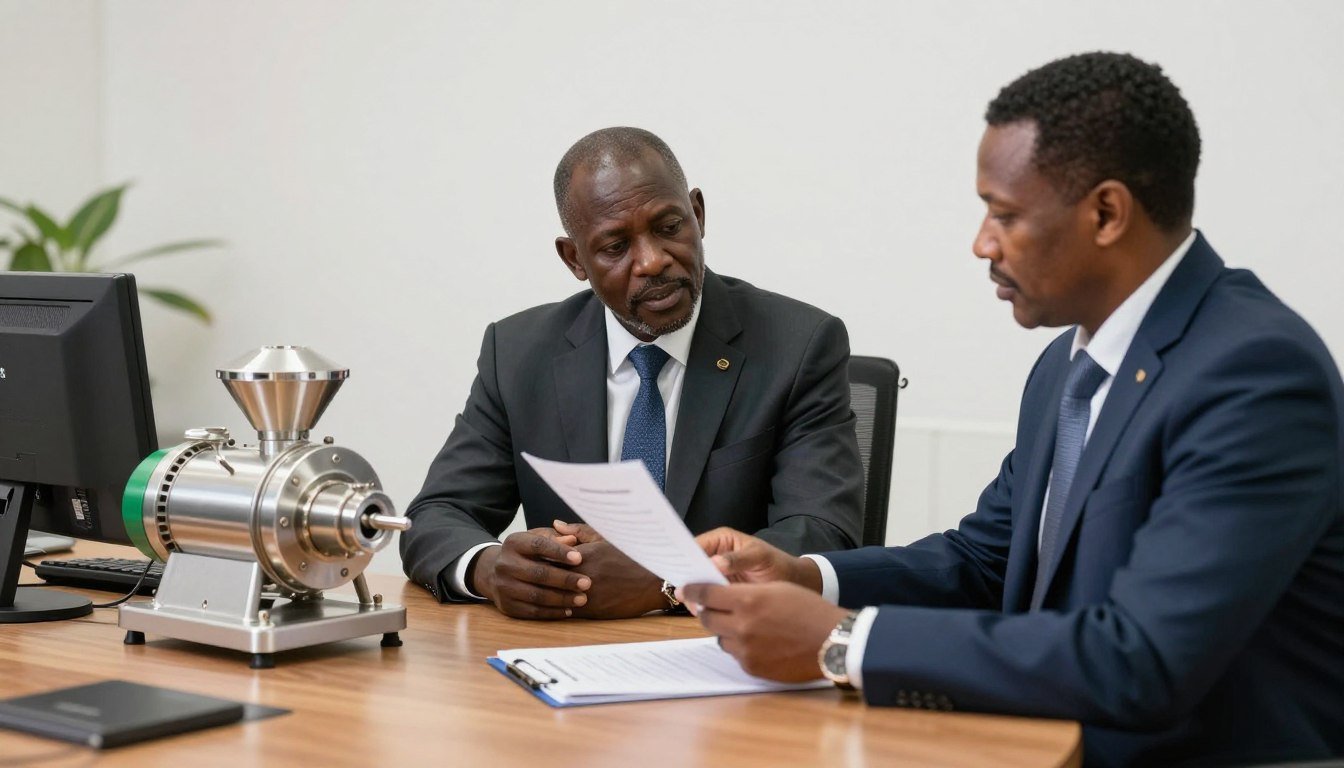
- Land Bank financing: Agricultural loans with favorable terms for qualifying farmers. Interest rates typically 1-2% below commercial rates. Repayment periods extend to 5-7 years.
- Provincial development programs: Many provinces offer equipment subsidies. Grants can cover 30-50% of investment costs. Application processes vary by region.
- Cooperative funding: Group purchases reduce per-member investment. Shared ownership models make technology accessible. Government support often favors cooperative applications.
- MAIKONG payment plans: Factory offers structured payment terms. Deposit requirements remain flexible. International payment methods accommodate South African buyers.
Why Choose MAIKONG Feed Pellet Machines for South Africa
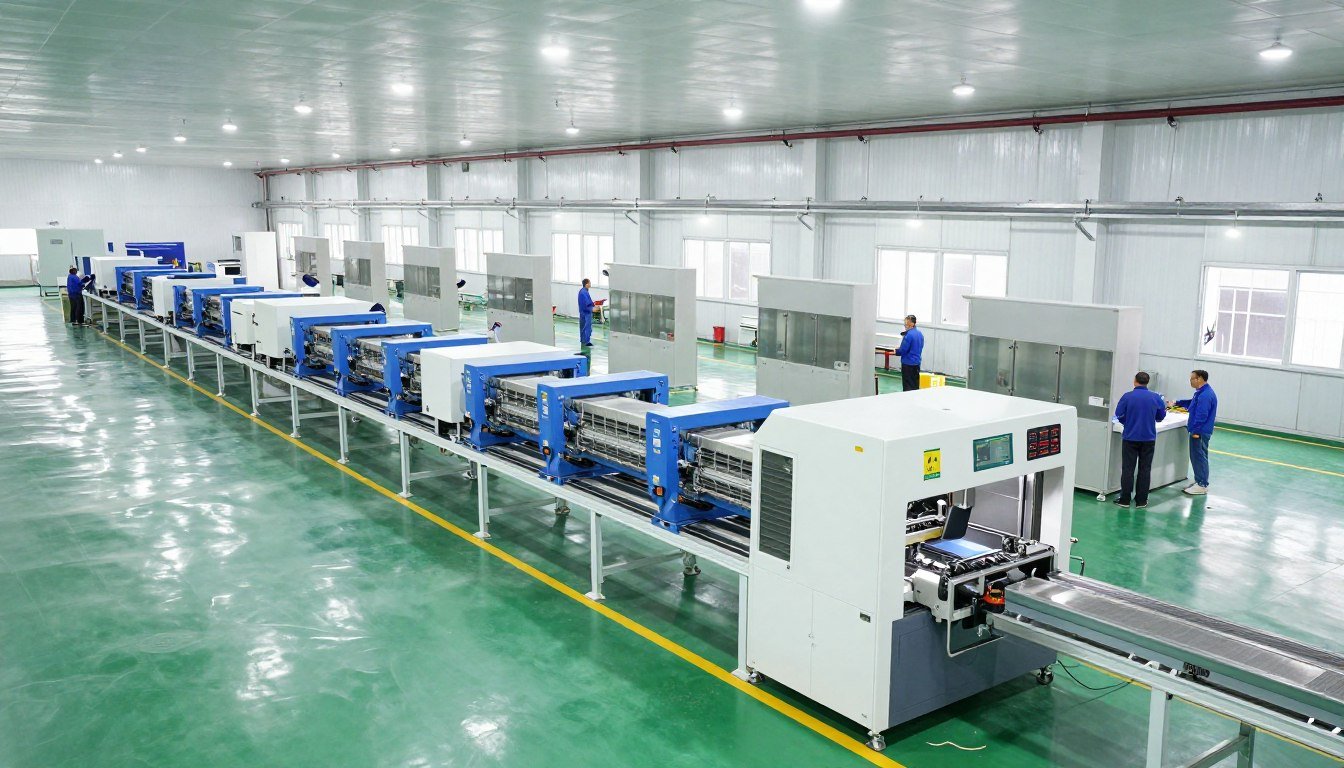
MAIKONG brings over two decades of specialized manufacturing experience to South African farmers. Our commitment extends beyond selling machinery. We build long-term partnerships supporting your agricultural success.
Manufacturing Excellence and Quality Control
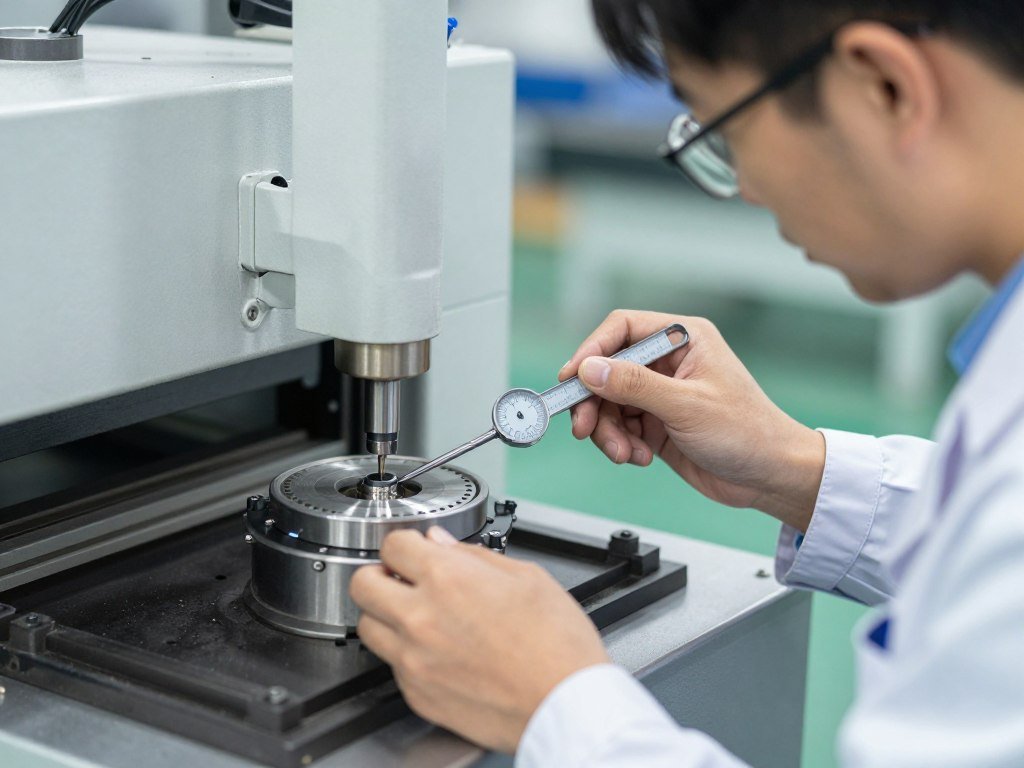
Our factory employs advanced manufacturing processes ensuring consistent product quality. Every pellet machine undergoes rigorous testing before shipment. This attention to detail guarantees reliable performance in demanding farm environments.
Production Standards
- ISO 9001:2015 certified manufacturing facility
- CE certification for electrical safety compliance
- 100% factory testing of completed units
- Load testing at 110% rated capacity
- Multi-point inspection at each production stage
- Documentation package with every shipment
Component Quality and Durability
Premium materials extend equipment service life significantly. MAIKONG sources components from certified suppliers only. This investment in quality reduces long-term ownership costs.
Hardened Steel Dies
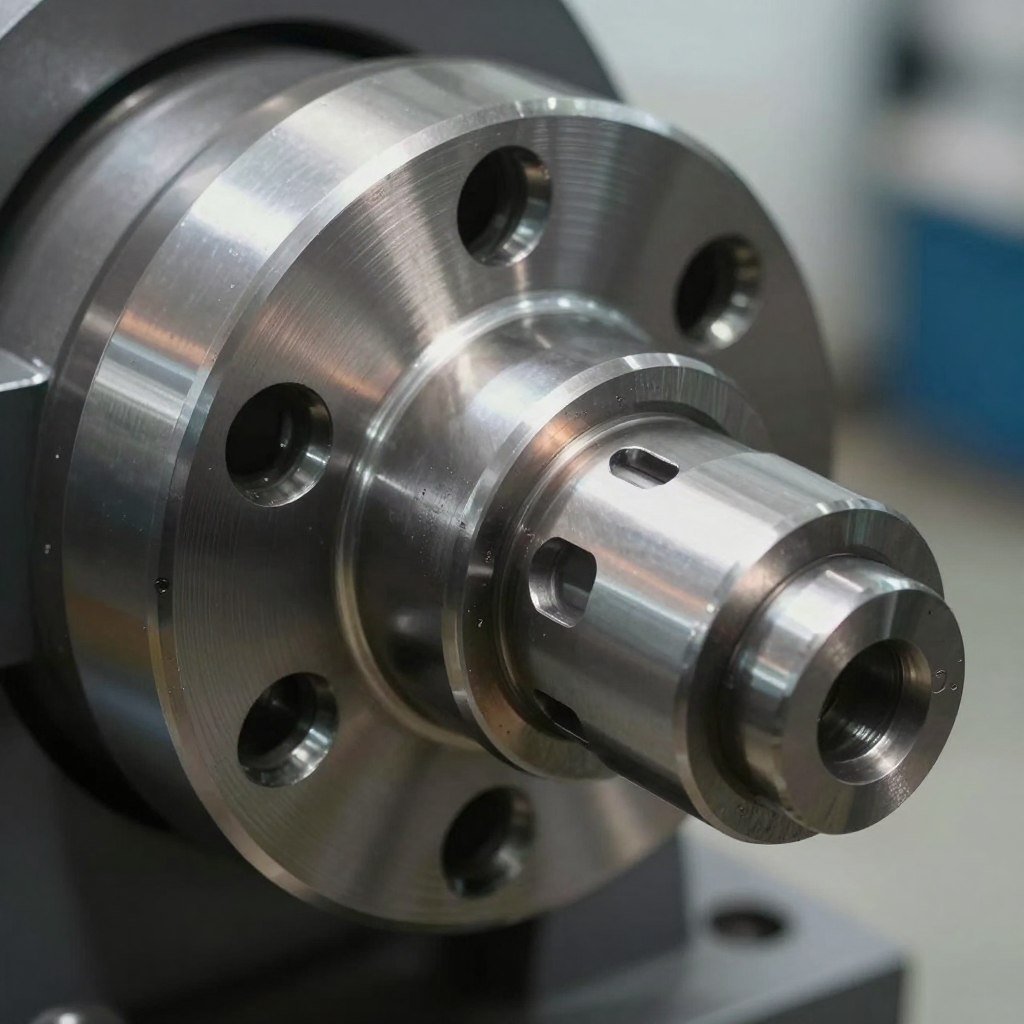
Dies undergo heat treatment reaching 58-62 HRC hardness. This process extends die life to 2000-3000 operating hours. Precision drilling maintains tight tolerances. Consistent hole diameter ensures uniform pellet quality.
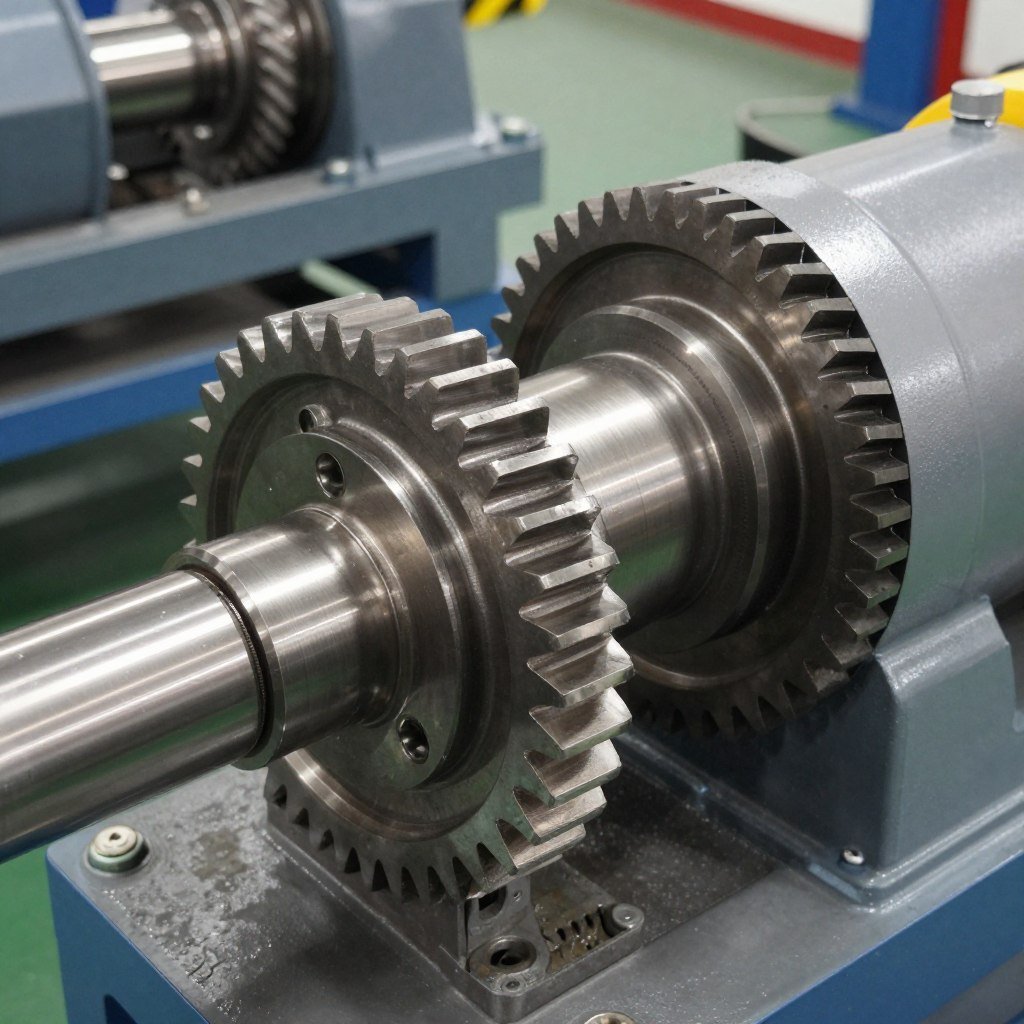
Power Transmission
Gear drives feature automotive-grade alloy steel construction. Hardened gear teeth resist wear under continuous load. Sealed bearing systems prevent contamination. Premium lubrication extends service intervals significantly.
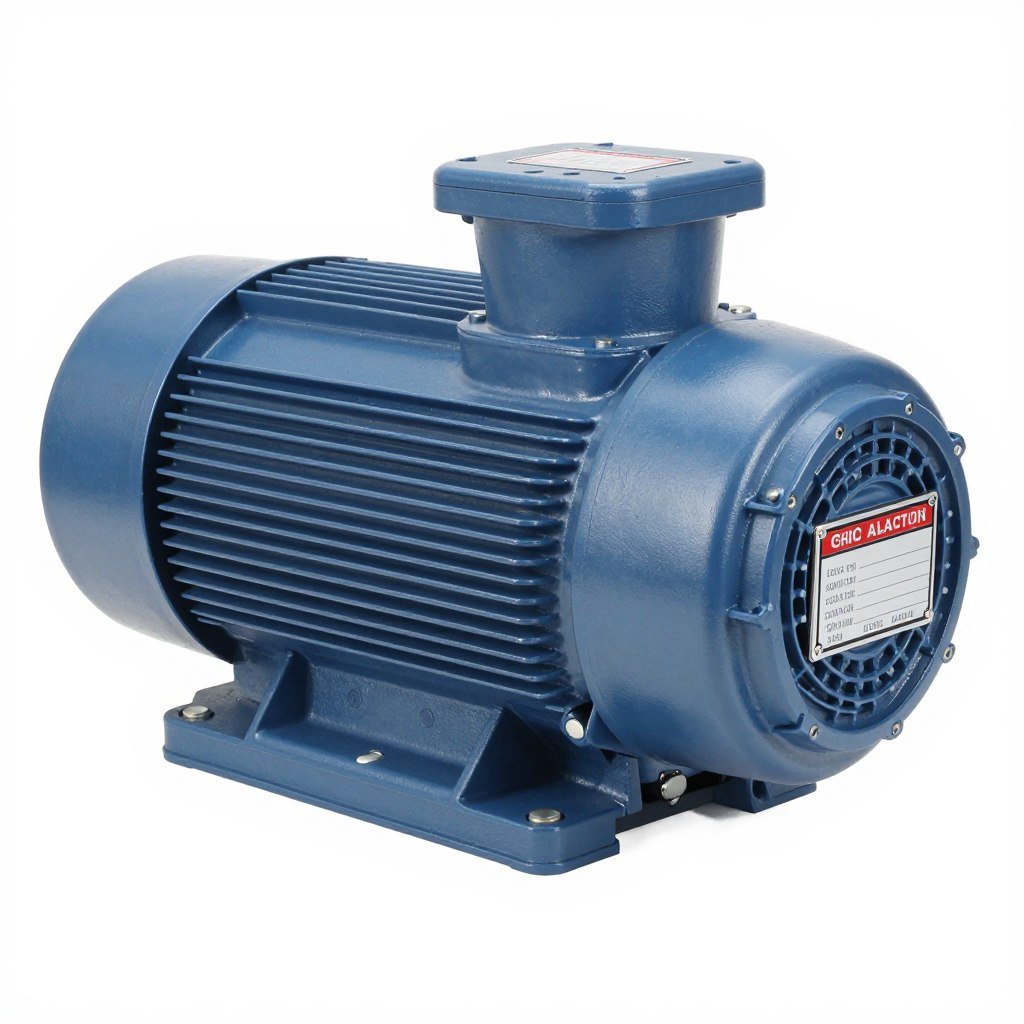
Electric Motors
Siemens or equivalent premium motors power all models. Thermal protection prevents overload damage. Efficiency ratings exceed IE3 standards. Expected motor life surpasses 50,000 hours under normal conditions.
South Africa-Specific Support Services
MAIKONG understands South African market requirements thoroughly. Our support infrastructure addresses local challenges effectively. Distance never prevents rapid problem resolution.

Technical Support Channels
Immediate Support (Within 2 Hours)
- WhatsApp technical hotline: +86 13510907401
- Video call diagnostics for complex issues
- Photo-based troubleshooting guidance
- Emergency operation procedures
- Available 7 days per week
Standard Support (24-48 Hours)
- Email technical queries: Lucy@pelletmachine.co.za
- Detailed formulation assistance
- Performance optimization recommendations
- Maintenance schedule planning
- Spare parts identification and ordering
On-Site Services (Scheduled)
- Installation and commissioning
- Operator training programs
- Annual preventive maintenance
- Performance audits and optimization
- Capacity expansion planning
Spare Parts Availability
Critical spare parts ship to South Africa within 10-14 days. MAIKONG maintains detailed parts catalogs for every model. Clear part numbers prevent ordering confusion. We recommend maintaining basic spare parts inventory on-site.
| Component Type | Typical Service Life | Replacement Cost Range | Stock Recommendation |
| Pellet die | 2000-3000 hours | R12,000 – R38,000 | Keep 1 backup on hand |
| Roller shells | 2500-3500 hours | R8,000 – R22,000 (pair) | Order when 70% worn |
| Bearings | 8000-12000 hours | R800 – R3,500 each | Keep critical sizes on hand |
| Drive belts | 3000-5000 hours | R600 – R1,800 | Stock 1-2 spares |
| Cutting knives | 500-800 hours | R450 – R1,200 | Keep 2-3 spares |
Customization Capabilities
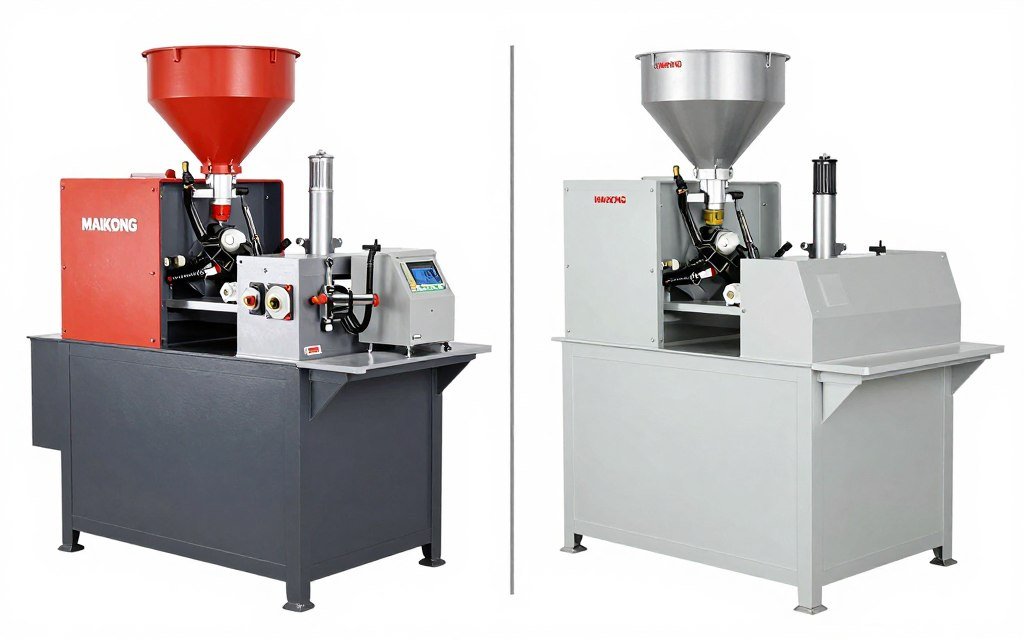
MAIKONG factory offers extensive customization options. Adapt machinery to your specific requirements. These modifications occur during manufacturing before shipment.
Technical Customizations
- Die hole diameter and compression ratio selection
- Custom hopper capacity for specific batch sizes
- Voltage and frequency matching South African standards
- Additional safety features beyond standard specifications
- Automated control systems for production lines
- Special coatings for corrosive ingredient handling
Branding and Appearance
- Custom color schemes matching your farm or company
- Logo application on machine panels
- Branded control panels and nameplates
- Custom packaging for distributors
- Marketing materials co-branded with your business
- Special labeling for export or resale markets
Distributor and Agent Partnership Opportunities
MAIKONG actively seeks South African distribution partners. We offer attractive terms for qualified agricultural equipment dealers. Partnership benefits extend beyond simple product supply.
Build a Profitable Partnership with MAIKONG
Exclusive territory rights, technical training, marketing support, and attractive dealer margins await qualified partners. MAIKONG supports your success with comprehensive programs proven across 47 African countries.
Distributor Benefits Include:
- 30-40% dealer margins on equipment sales
- Exclusive territory protection agreements
- Factory-direct technical training certification
- Marketing materials and demonstration units
- Spare parts stocking programs with consignment options
- Co-branded promotional materials
- Priority technical support for your clients
- Annual performance incentives and bonuses
Ideal Partner Profile:
- Established agricultural equipment dealer
- Existing customer base in livestock sector
- Service capability for warranty support
- Financial capacity for inventory investment
- Commitment to market development
- Technical staff able to complete training
Comparing Feed Pellet Machine Options in South Africa
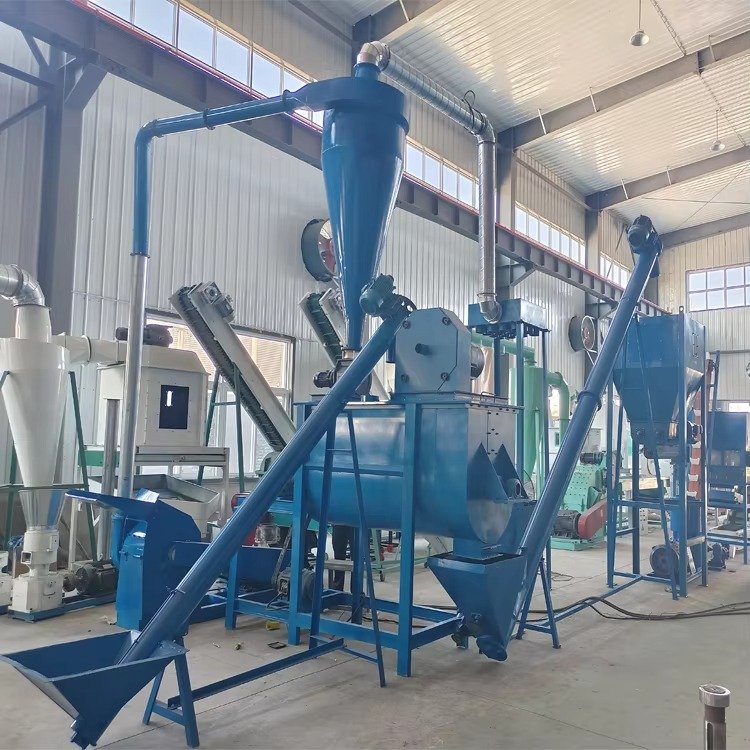
South African farmers encounter multiple pellet machine suppliers. Understanding key differences helps make informed decisions. MAIKONG machinery offers specific advantages worth considering carefully.
Local Versus Imported Machinery
Few pellet machines manufacture in South Africa currently. Most equipment arrives through importation. Each source presents distinct advantages and challenges.
Advantages of Imported Equipment (MAIKONG)
- Significantly lower purchase price (40-60% less than European brands)
- Proven technology across global markets
- Wide model range matching every farm size
- Factory-direct customization options
- Established spare parts supply chains
- Technical support in English language
- Extensive African market experience
Considerations for Imported Equipment
- Shipping time requires planning (4-6 weeks typical)
- Initial spare parts inventory recommended
- Remote support versus local technicians
- Import duties and customs procedures
- Warranty claims involve international communication
- Less immediate hands-on support availability
MAIKONG Competitive Advantages
Several factors distinguish MAIKONG from alternative suppliers. These advantages provide measurable value throughout ownership period.
Key Selection Criteria
Evaluate potential suppliers against these critical factors. Not all pellet machines offer equal long-term value. Comprehensive assessment prevents expensive mistakes.
Manufacturing Quality
Examine component materials and construction methods. MAIKONG uses hardened steel for critical wear parts. Welding standards meet international specifications. Quality construction reduces lifetime ownership costs.
- Die and roller hardness specifications
- Bearing brand and quality grade
- Motor efficiency and thermal protection
- Frame construction and stability
Capacity Accuracy
Verify claimed production rates reflect real-world conditions. MAIKONG ratings use standard feed formulations. Some suppliers inflate capacity numbers unrealistically. Ask for independent verification or references.
- Test conditions for rated output
- Sustained versus peak production rates
- Impact of ingredient variations
- Power consumption at full load
Support Infrastructure
Assess technical support availability and responsiveness. MAIKONG maintains dedicated WhatsApp support for immediate assistance. Response time matters during production interruptions. Verify support hours and language capabilities.
- Support channel availability (phone, email, video)
- Typical response time for technical queries
- Language capabilities of support staff
- Documentation quality and completeness
Total Cost of Ownership
Calculate complete costs beyond initial purchase price. Include spare parts, maintenance, and energy consumption. MAIKONG machines offer competitive lifetime economics. Lower purchase cost means nothing if operating expenses remain high.
- Spare parts pricing and availability
- Energy efficiency ratings
- Maintenance interval requirements
- Expected service life of major components
Questions to Ask Any Supplier
Thorough supplier evaluation protects your investment. These questions reveal important information about equipment and support. MAIKONG welcomes detailed inquiries from serious buyers.
What specific certifications does your manufacturing facility hold?
MAIKONG maintains ISO 9001:2015 certification for quality management systems. Our electrical components carry CE certification. These international standards ensure consistent manufacturing quality. Request documentation proving current certification status.
Can you provide references from South African clients?
MAIKONG supplies contact information for existing South African customers. Speaking directly with current users provides unfiltered feedback. Ask about their experience with installation, operation, and support. Verify machine performance claims through independent sources.
What warranty coverage applies to South African purchases?
Standard MAIKONG warranty covers 12 months from commissioning date. This includes all manufacturing defects and component failures. Wear parts like dies and rollers follow separate warranty terms. Extended warranty options exist for additional cost. Clarify warranty claim procedures before purchasing.
How quickly can you deliver spare parts to South Africa?
Common spare parts ship within 10-14 days to South Africa. Express shipping reduces this to 5-7 days at additional cost. MAIKONG maintains detailed parts catalogs online. Clear part numbers prevent ordering errors. We recommend stocking critical wear parts locally.
What training do you provide for operators and maintenance staff?
MAIKONG includes 3-5 days on-site training with every installation. Training covers operation, routine maintenance, and troubleshooting. We provide detailed manuals in English. Video training materials supplement hands-on instruction. Additional training available upon request.
Can your machines handle South African ingredient variations?
MAIKONG pellet machines process diverse ingredient types successfully. Die specifications adjust for different formulations. We’ve tested common South African ingredients extensively. Maize, soybean meal, sunflower meal, and local grains all pellet effectively. Technical support helps optimize settings for specific ingredients.
Frequently Asked Questions About Feed Pellet Machines
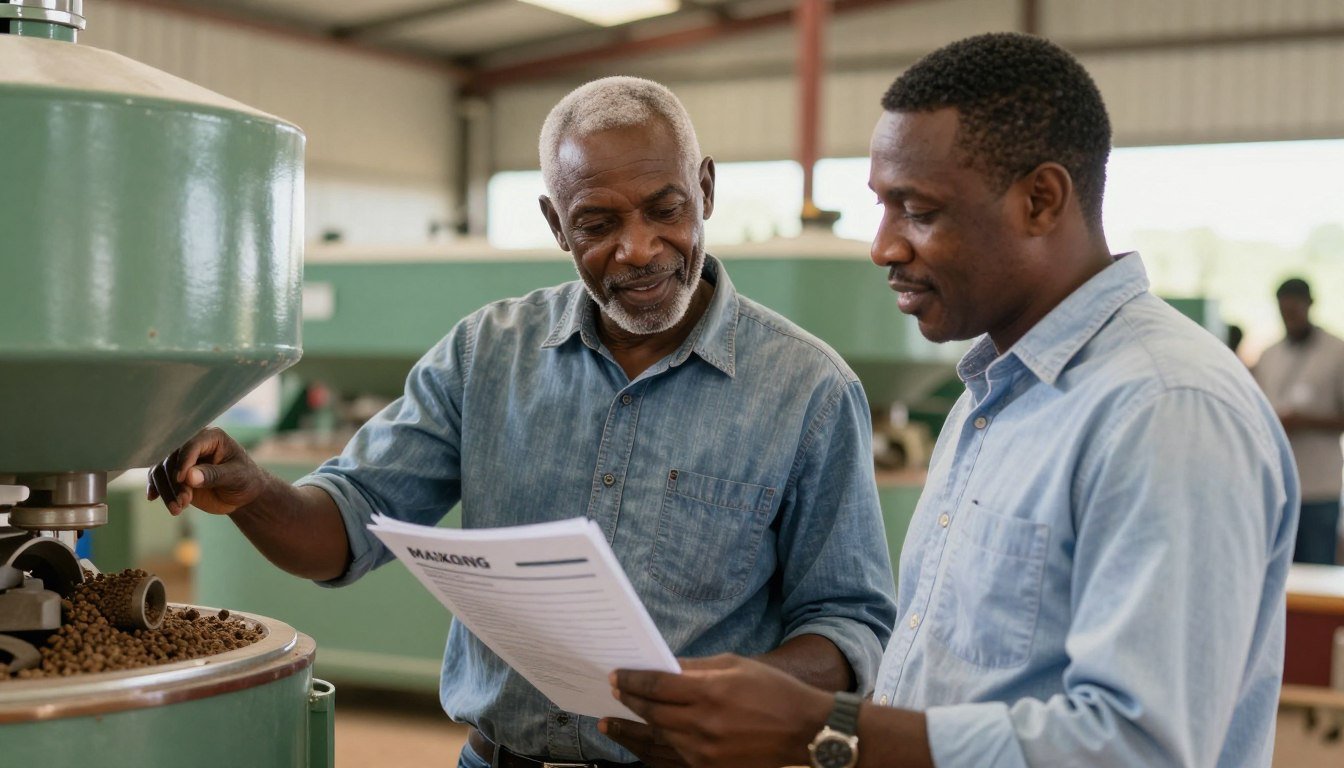
These common questions help address typical concerns. MAIKONG technical team expands on any topic requiring additional detail. Contact us directly for situation-specific guidance.
How much electricity does a feed pellet machine consume per ton of production?
Power consumption varies by model and formulation. Small machines (MKL-200) use approximately 12-15 kWh per ton. Larger models (MKL-400 to MKL-600) improve efficiency to 8-12 kWh per ton. Dense, hard-to-pellet ingredients increase power requirements slightly.
Calculate your electrical cost by multiplying kWh per ton by your local electricity rate. At R1.80/kWh (typical South African farm rate), a MKL-300 costs R16-R22 in electricity per ton produced. This remains far less than transportation costs for commercial feed.
Can I produce floating fish feed with the same machine used for calf starter?
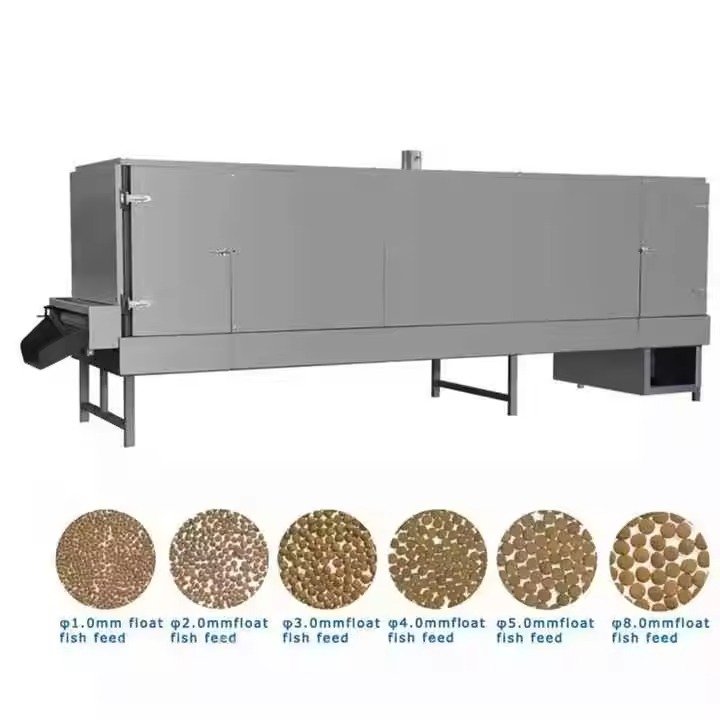
Standard pellet machines produce sinking pellets only. Floating fish feed requires extrusion technology with different processing principles. MAIKONG manufactures dedicated fish feed extruders for aquaculture applications.
However, you can produce sinking fish feed effectively with standard pellet machines. Many tilapia and catfish farmers use pelleted sinking feeds successfully. If your operation needs both terrestrial livestock feed and aquatic feeds, discuss requirements with our technical team for proper equipment selection.
What is the typical lifespan of a MAIKONG pellet machine?
With proper maintenance, MAIKONG machines operate reliably for 15-20 years. The main frame and drive components last indefinitely under normal conditions. Wear parts like dies and rollers require periodic replacement every 2000-3500 hours.
Expected service life depends heavily on maintenance practices. Regular lubrication, timely wear part replacement, and proper operation extend equipment longevity significantly. Many clients report machines exceeding 25 years with appropriate care. Factor this durability into total cost of ownership calculations.
Do I need three-phase power, or can machines run on single-phase electricity?
Models MKL-200 and MKL-300 offer optional single-phase motors. Larger capacity machines require three-phase power for adequate motor performance. Most South African farms have three-phase electricity available.
If your location lacks three-phase power, consider installing a phase converter. These devices cost R8,000-R18,000 depending on capacity. Alternatively, select appropriate single-phase models if production requirements remain modest. Consult an electrician about your specific electrical infrastructure before ordering.
How difficult is it to change between different pellet formulations?
Changeover between similar formulations takes 15-30 minutes. Run purge material (rice hulls or oats) to clear previous ingredients. Different pellet diameters require die replacement, adding 45-90 minutes to changeover time.
Most farms produce one primary formulation consistently. Occasional formula changes pose no significant challenge. Plan production schedules to minimize changeovers for maximum efficiency. Clean equipment thoroughly between drastically different formulations to prevent cross-contamination.
Can pellet machines process whole grains, or must ingredients be ground first?
All ingredients require grinding before pelleting. Particle size should be 80% passing through 2mm screen. Pellet machines compress ground material, they don’t grind whole grains. Include a hammer mill or roller mill in your system.
MAIKONG offers complete production lines including grinding equipment. Integrated systems ensure proper ingredient preparation automatically. If you already own grinding equipment, verify output particle size meets pelleting requirements. Improper grinding causes poor pellet quality and increased machine wear.
What happens if I accidentally feed oversized or metal objects into the machine?
MAIKONG machines include magnetic separators removing ferrous metal contamination. However, large objects can damage dies or rollers. Install a screen or scalper before the pellet machine to remove oversized particles.
If foreign objects enter the die chamber, stop the machine immediately. Shear pins or slip clutches protect expensive components from catastrophic damage. These safety devices sacrifice themselves instead of destroying major parts. Replacement shear pins cost R80-R150 compared to R12,000+ for die replacement.
How do I determine the correct pellet machine size for my farm?
Calculate your monthly feed consumption first. Divide by 20 working days to find daily production need. Add 20-30% buffer for growth and inefficiency. Select a machine capacity meeting this requirement with 4-6 hours daily operation.
For example, if you consume 6 tons monthly, you need 300 kg daily (6000 kg ÷ 20 days). Add 25% buffer = 375 kg daily. A MKL-200 producing 200 kg/hour reaches this in 2 hours. A MKL-300 at 350 kg/hour provides single-hour production runs. Larger capacity allows shorter run times and growth accommodation.
Are MAIKONG pellet machines suitable for organic or non-GMO feed production?
Absolutely. The machinery itself imposes no limitations on ingredient certification status. Organic or non-GMO production depends entirely on your ingredient sourcing and handling procedures. MAIKONG machines process certified organic ingredients without contamination.
Maintain separation between conventional and organic production runs. Thorough cleaning between batches prevents cross-contamination. Document all ingredients and cleaning procedures for organic certification compliance. Many certified organic farms use MAIKONG equipment successfully throughout Africa.
What maintenance skills do farm workers need to operate pellet machines safely?
Basic mechanical aptitude suffices for routine operation and maintenance. Workers should understand simple tools, basic lubrication, and safety procedures. MAIKONG training develops these skills through hands-on instruction.
Daily tasks include checking oil levels, clearing minor blockages, and adjusting feed rates. Weekly maintenance involves lubrication and visual inspection. Most farms assign one worker primary responsibility for the pellet machine. This person receives detailed training and becomes the on-site expert. Complex repairs may require outside technician assistance occasionally.
Getting Started with Your MAIKONG Feed Pellet Machine
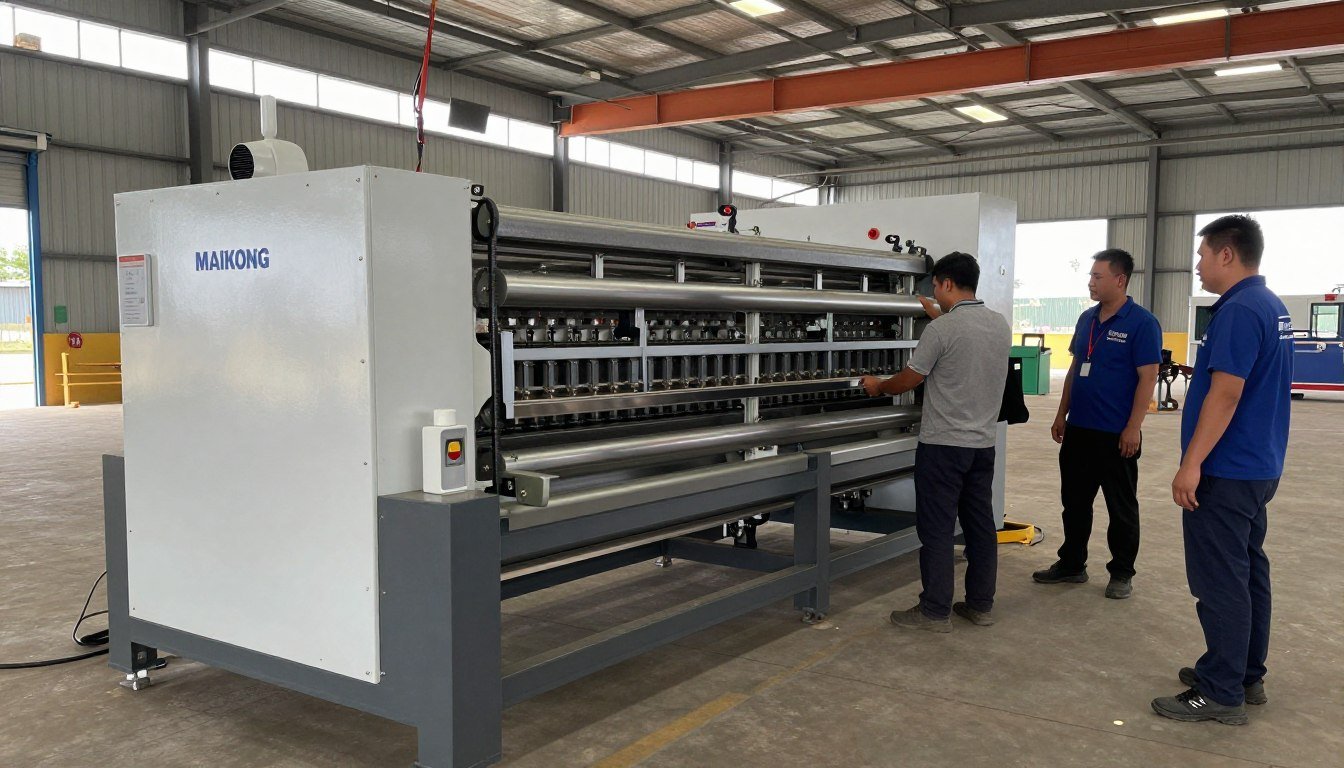
Beginning on-farm pellet production involves careful planning. MAIKONG supports each step from initial inquiry through full production. This systematic approach ensures successful implementation.
Step 1: Assess Your Requirements
Accurate requirement assessment prevents buying wrong-sized equipment. Consider current needs and reasonable growth projections. MAIKONG helps evaluate your specific situation objectively.
Information to Gather
- Current herd size across all livestock categories
- Monthly feed consumption by type and quantity
- Current commercial feed costs per ton delivered
- Available local ingredient sources and pricing
- Existing infrastructure (buildings, electrical, storage)
- Available labor for production activities
- Growth plans for the next 3-5 years
- Budget range for equipment investment
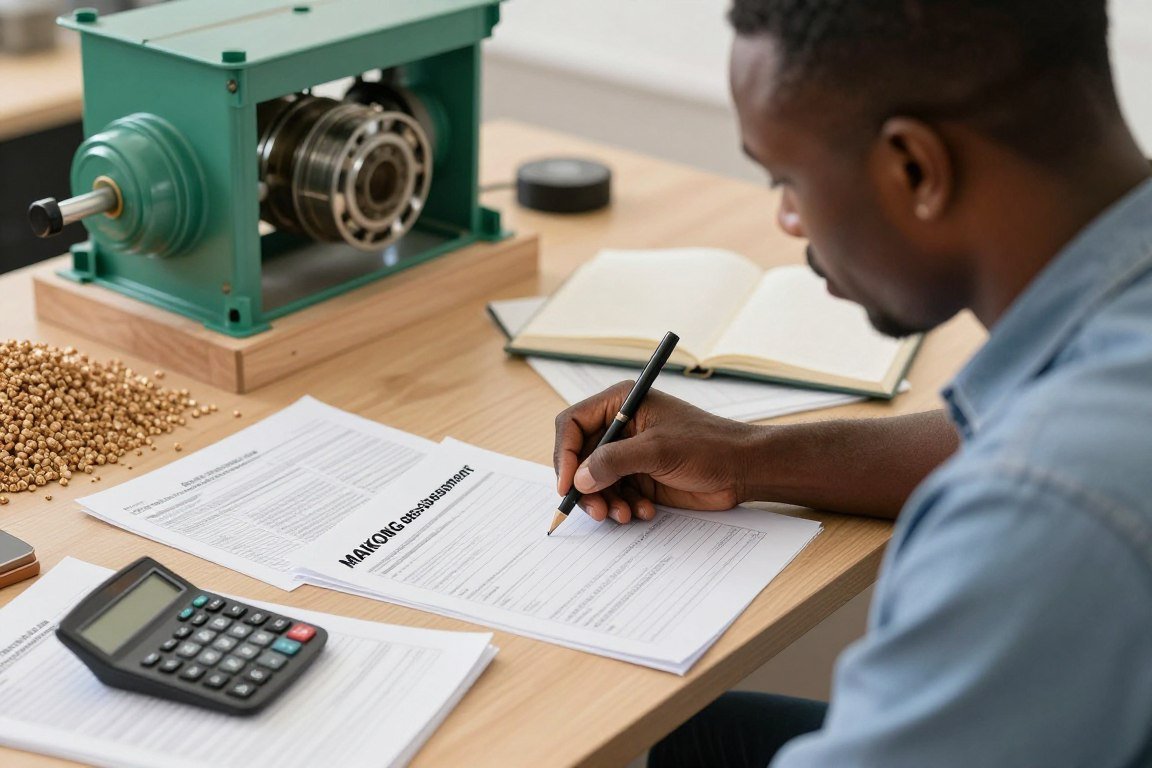
Step 2: Request Detailed Quotation
MAIKONG provides comprehensive quotations within 48 hours of receiving requirements. Our proposals include all necessary components and associated costs. Transparency prevents surprise expenses later.
Request Your Customized Quotation Today
Complete quotations include equipment specifications, pricing, shipping costs, installation services, training programs, and warranty details. MAIKONG technical team helps configure optimal systems for your specific needs.
Contact Details:
Email: Lucy@pelletmachine.co.za
WhatsApp/Phone: +86 13510907401
Response Time: Within 24-48 hours
Step 3: Finalize Specifications and Order
Review quotation details carefully with MAIKONG team. Clarify any questions before confirming order. Customization requests require discussion during this phase. Clear communication prevents misunderstandings.

Pre-Order Checklist
- Verify model capacity matches your production needs
- Confirm voltage and frequency specifications for South Africa
- Review die specifications for your pellet size requirements
- Understand warranty terms and claim procedures
- Clarify shipping timeline and delivery logistics
- Arrange installation and training schedule
- Confirm payment terms and methods
- Order recommended spare parts for initial inventory
Step 4: Prepare Installation Site
Proper site preparation ensures smooth installation. MAIKONG provides detailed requirements before shipment. Complete these tasks before equipment arrival.
| Preparation Task | Specifications | Timing |
| Floor preparation | Level concrete floor, minimum 150mm thick, cured at least 21 days | Complete 1 week before delivery |
| Electrical installation | Appropriate amperage circuit, proper grounding, disconnect switch | Complete before installation day |
| Ventilation system | Adequate air exchange, dust collection if needed | Operational before first production |
| Ingredient storage | Dry, vermin-proof bins or bags on pallets | Ready for first production run |
| Finished product storage | Cool, dry area for bagged or bulk pellets | Available before production begins |
| Tools and supplies | Basic hand tools, lubricants, cleaning supplies | On-site for installation |
Step 5: Installation and Training
MAIKONG technicians complete installation within 2-3 days typically. Training occurs simultaneously with installation. Your designated operators gain hands-on experience immediately.
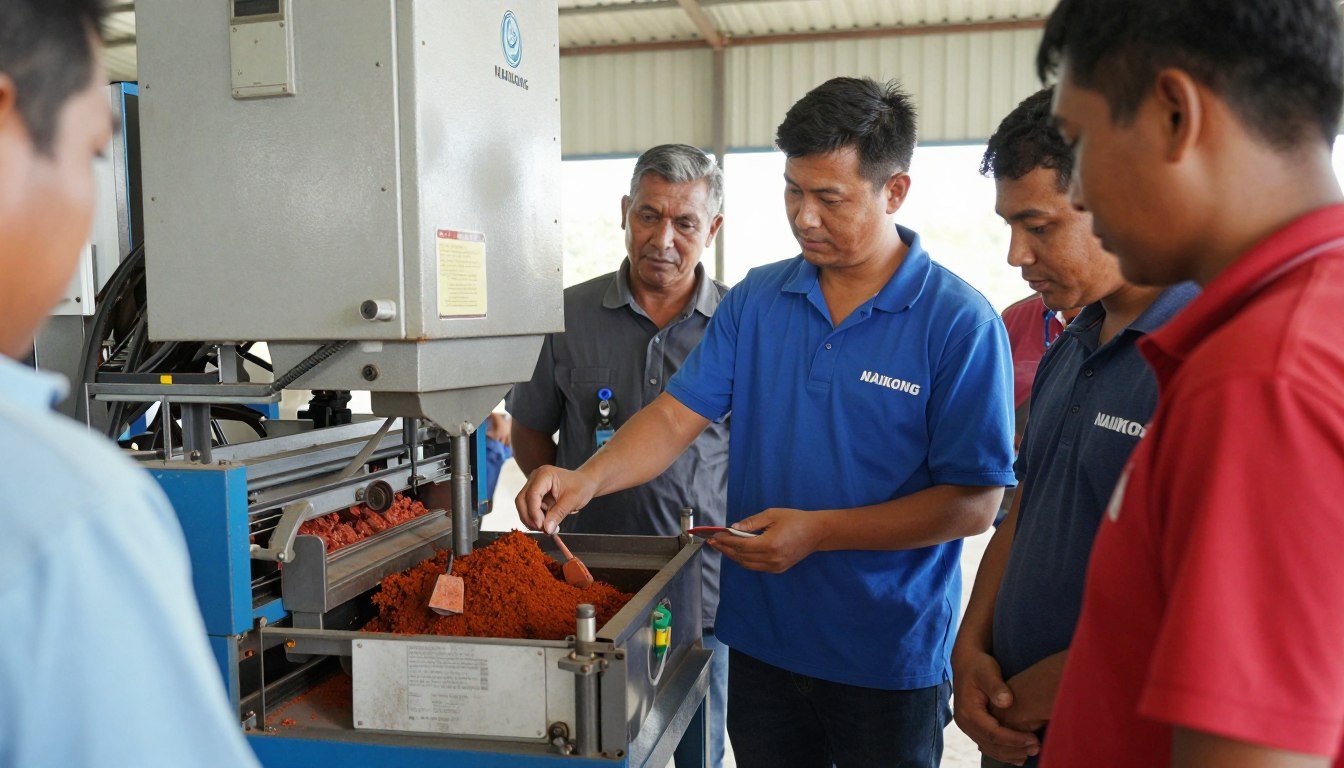
Training Program Components
Day 1: Installation & Safety
- Equipment assembly and positioning
- Electrical connections and testing
- Safety system verification
- Emergency shutdown procedures
- Personal protective equipment requirements
Day 2: Operation Basics
- Start-up and shutdown sequences
- Feed rate adjustment procedures
- Pellet quality evaluation methods
- Common problem identification
- Parameter adjustment techniques
Day 3: Maintenance & Optimization
- Daily maintenance procedures
- Lubrication points and schedules
- Wear part inspection criteria
- Die and roller replacement
- Performance optimization tips
Step 6: Begin Production and Optimization
Initial production runs focus on learning and adjustment. Expect minor refinements during the first weeks. MAIKONG remote support guides this optimization period.
First Month Best Practices
Start with simple formulations you understand well. Gradually introduce more complex recipes as confidence builds. Document all settings and results. This data helps optimize future production. Contact MAIKONG support proactively with questions. Early intervention prevents developing bad habits.
Monitor pellet quality closely during initial runs. Measure durability, density, and uniformity. Track calf performance on your pellets versus previous commercial feeds. These metrics validate your investment decision.
Ongoing Support and Development
MAIKONG relationship extends far beyond initial sale. We invest in your long-term success. Regular communication helps maximize equipment performance and profitability.
Join the MAIKONG Customer Community
Access exclusive resources including formulation databases, seasonal ingredient guides, troubleshooting videos, and direct connection with other South African MAIKONG users. Share experiences and learn from successful farms across Africa.
Transform Your Calf Feeding Program with MAIKONG Pellet Machines
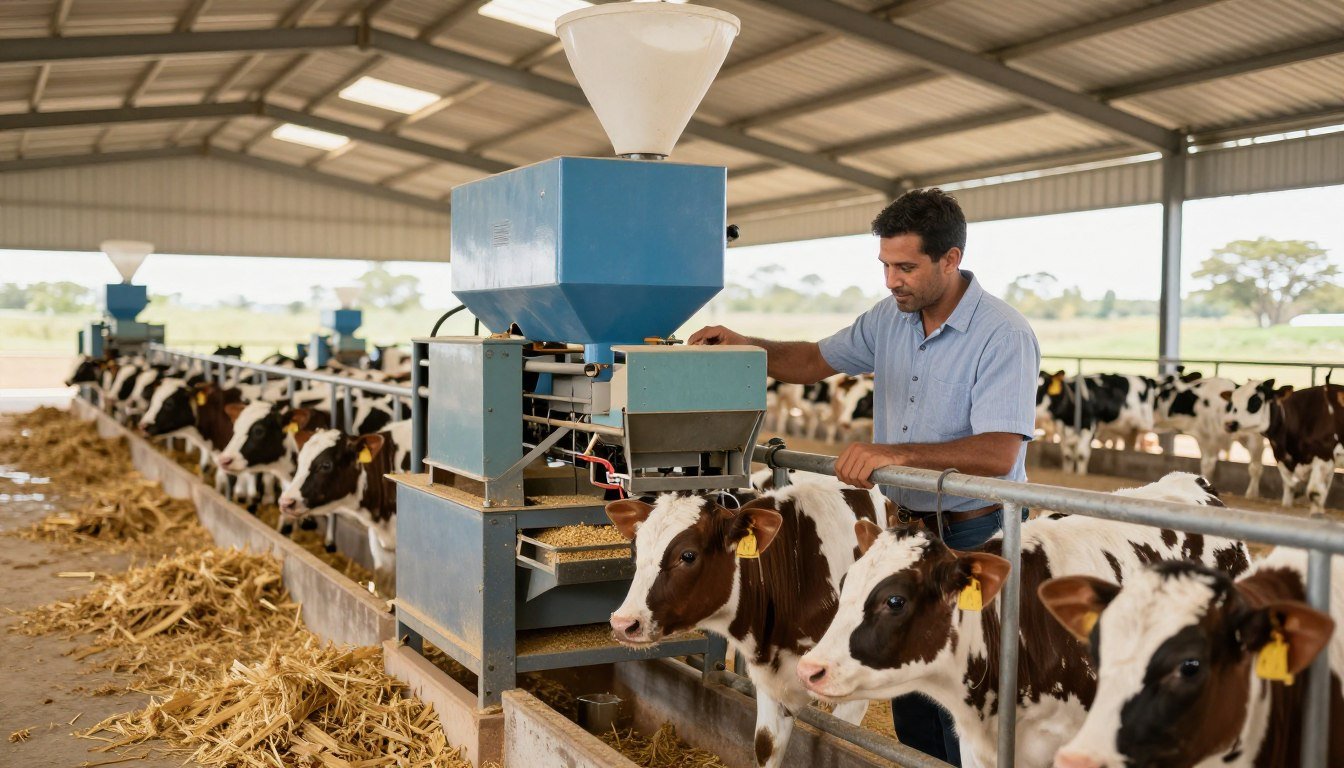
On-farm feed pellet production represents a strategic investment in your farming future. Rising commercial feed costs threaten profitability across South African agriculture. Taking control of feed production protects your business from these external pressures.
MAIKONG feed pellet machines deliver proven performance across diverse African farming conditions. Our 20+ years of manufacturing experience translates to reliable equipment backed by comprehensive support. South African farmers already benefit from this technology daily.
Your Next Steps
Making informed decisions requires accurate information. MAIKONG provides transparent pricing, realistic performance expectations, and honest assessment of your requirements. We succeed when you succeed.
Immediate Actions
- Calculate your current monthly calf feed expenses accurately
- Research local ingredient availability and pricing in your region
- Assess your existing infrastructure for pellet production readiness
- Contact MAIKONG for personalized consultation and quotation
- Visit existing MAIKONG installations if possible (we provide references)
- Review financing options through Land Bank or provincial programs
- Make your decision based on comprehensive analysis
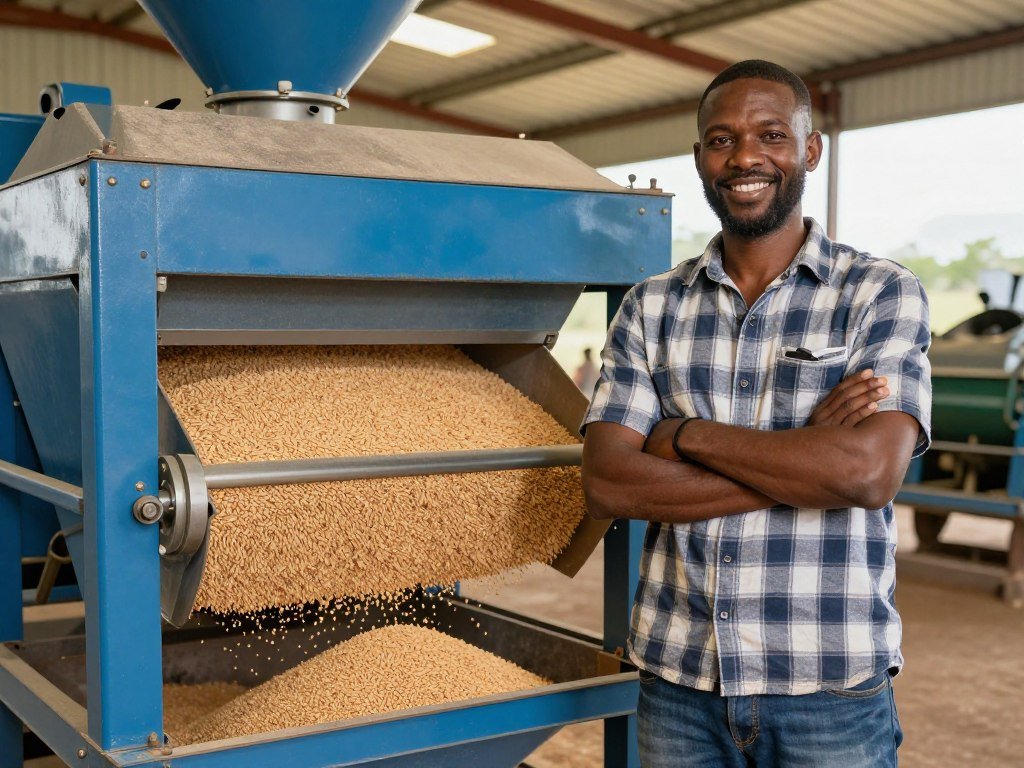
The MAIKONG Commitment
We commit to your success beyond the initial machine sale. Technical support, spare parts availability, and continuous improvement assistance continue throughout ownership. Your feedback helps us enhance products and services constantly.
South African agriculture faces significant challenges. Climate variability, input cost inflation, and market competition pressure profit margins. Smart farmers invest in technologies providing long-term competitive advantages. Feed production control represents exactly this type of strategic investment.
Start Your Feed Production Journey Today
MAIKONG South Africa team stands ready to guide your pellet machine selection and implementation. Contact us now for comprehensive consultation, accurate quotations, and honest answers to all your questions. Transform your calf feeding program into a profit center rather than an expense.
MAIKONG South Africa
Website: pelletmachine.co.za
20+ Years Manufacturing Experience | 47 African Countries Served
Complete Customization | Full Technical Support | Competitive Pricing
Become a MAIKONG Distributor – Exclusive territories available for qualified partners
Investment in quality feed production equipment yields returns measured in years and decades. Your calves deserve optimal nutrition. Your business deserves sustainable profitability. MAIKONG pellet machines deliver both outcomes reliably.
Thank you for considering MAIKONG as your feed production partner. We look forward to supporting your agricultural success across South Africa.
